


The 10 Key Factors in custom reading sunglasses That Affect Cost
For procurement teams comparing quotes for custom reading sunglasses, understanding the ten high-impact cost drivers—materials, lens technology, prescription complexity, coatings, tooling, branding, order volume, compliance, packaging & logistics, and lead-time/prototyping—is essential to control unit cost, protect margin, and evaluate supplier ROI when working with an eyewear factory supplier.
Market trends and material/technology landscape impacting pricing
Frame material pricing for custom reading sunglasses – wholesale budget impact
Frame material choice (acetate, TR90, metal alloys, bio-acetate, or titanium) is one of the fastest levers on price. High Quality metals and titanium increase per-unit cost because of raw-material pricing and machining complexity; engineered thermoplastics such as TR90 deliver lower mold wear and faster cycle times for bulk orders. For B2B buyers comparing factory quotes, insist on BOM line-items showing material grade and weight to model per-unit raw-material spend and recycling/waste assumptions.
Lens type and pricing for custom reading sunglasses affecting ROIs on bulk buys
Lens selection (single-vision reading, progressive add, polarized, photochromic, blue-light filtering) drives both material and processing costs. Polarized and photochromic lenses often command a 20–80% High Quality over clear reading lenses due to lamination, dyeing, or multi-layer coatings. Progressive reading lenses require additional surfacing and QC checks that increase price per lens. When calculating ROI on an order, model the incremental margin change if offering polarized or High Quality AR-coated reading lenses in a private-label line.
Prescription complexity pricing for custom reading sunglasses with bulk discounts
High-diopter ranges, cylinder/astigmatism corrections, and non-standard vertex distances add surfacing time and higher scrap rates. Factories price more complex prescriptions higher, and smaller MOQ mixes inflate unit cost relative to strict bulk runs. Negotiate tiered pricing for prescription bands and consider stocking low-variance power ranges to optimize wholesale pricing and assembly throughput.
Lens coatings and treatment pricing for custom reading sunglasses – budget considerations
Anti-reflective, scratch-resistant, oleophobic, and hydrophobic coatings require specialized equipment and curing cycles. Each coating adds setup, consumables, and QA steps; combined coatings are typically charged as a package. Buyers should request coating adhesion and durability data and quantify how warranty and returns impact TCO before accepting High Quality coating upsells from suppliers.
Operational, tooling and production cost drivers at the eyewear factory
Tooling & mold engineering costs for custom reading sunglasses that affect price and lead time
Custom frame shapes often require dedicated tooling—injection molds or CNC dies—that are amortized across production runs. Tooling can range from a few hundred to tens of thousands of dollars depending on complexity and multi-shot requirements. Ask suppliers for amortization scenarios (units to break even) and whether existing molds can be adapted to reduce per-unit pricing for initial wholesale orders.
Branding, logo engraving and embellishment pricing for custom reading sunglasses – buy/price trade-offs
Surface finishes, metal logos, laser engraving, custom etching, and multi-color temple printing add operations, fixtures, and inspection steps. Embellishment choice impacts MOQ and per-unit labor cost; for example, hot-stamping may be cheaper at scale than hand-applied metal badges. Buyers targeting retail margins should quantify the incremental cost per SKU and evaluate standardized branding placements to benefit from lower unit pricing on large runs.
Production volume, MOQ and bulk pricing for custom reading sunglasses – procurement strategy
Order volume is the single most predictable cost lever an eyewear factory uses. Higher volumes lower unit costs through economies of scale—reduced per-unit tooling amortization, more efficient machine utilization, and lower inspection overhead. Negotiate volume bands, pilot-run discounts, and staged tooling amortization in a contract to align factory incentives with your go-to-market plan.
Quality control, scrap rates and warranty cost impact for custom reading sunglasses – pricing implications
Quality systems, inline optical testers, and experienced optician QC reduce returns but increase per-unit inspection costs. Factories with strict SPC and ISO-aligned QC will show lower long-run warranty cost even if initial unit pricing is slightly higher. Ask vendors for historical scrap and warranty rates to calculate expected rework cost per 1,000 units when comparing quotes.
Compliance, logistics and commercial execution that affect final buy price and margins
Certification and compliance pricing for custom reading sunglasses – regulatory ROI considerations
Certifications (ISO quality systems, lens UV transmittance testing such as ISO 12312-1, and country-specific labeling) require lab testing and documentation that are billable or included in higher-priced SKUs. Buyers selling into regulated markets must specify required certifications up-front; otherwise non-compliance can cause costly delays or rework. See guidance on UV risks from WHO UV radiation information and general eyewear standards background at Wikipedia: Sunglasses.
Packaging, labeling and logistics pricing for custom reading sunglasses with bulk shipping considerations
Custom packaging, insert labels, and retail-ready display trays add tooling and per-unit cost; freight terms (EXW, FOB, CIF) and container utilization strategies directly affect landed cost. Factor in protective packaging needs for coated lenses and anti-scratch precautions. Use DAP/FOB comparisons and request volumetric weight estimates from your eyewear factory to model door-to-door landed cost accurately.
Lead time, prototyping and rush pricing for custom reading sunglasses – buy decision impact
Rapid prototyping (3D printed frames, CNC samples, quick-turn lenses) reduces time-to-market but carries High Quality fees. Rush production and air-freight can multiply unit cost when meeting seasonal deadlines. Include realistic lead-time buffers in procurement schedules or absorb higher per-unit costs via planned product drops to avoid emergency production High Qualitys.
Our experience at Karuson International Co., Ltd., an eyewear factory established in 2010 with manufacturing bases in Dongguan and Guangzhou, shows that transparent BOMs, early specification of certifications, and staged MOQ strategies are the most effective negotiation levers when comparing OEM/ODM quotes. Karuson’s vertically integrated manufacturing and over 300 proprietary designs allow flexible amortization of tooling and rapid prototyping while maintaining strict quality control.
| Factor | Cost Impact Level | Core Consideration |
|---|---|---|
| Frame Material | High | Material grade (acetate/TR90/metal), weight, recyclability |
| Lens Type | High | Polarized/photochromic/progressive vs basic reading lens |
| Prescription Complexity | Medium-High | Diopter ranges, cylinder, custom surfacing |
| Lens Coatings | Medium | AR, scratch, oleophobic—combined package pricing |
| Tooling & Molds | High (upfront) | One-time costs amortized over volume |
| Branding & Embellishments | Medium | Engraving, metal badges, pad printing |
| Volume & MOQ | Very High | Tiered pricing and break-even units |
| QC & Warranty | Medium | Inline testing, historical scrap/warranty rates |
| Packaging & Logistics | Medium | Retail-ready packaging, freight terms, volumetric weight |
| Lead Time & Prototyping | Variable | Rush fees, prototype charges, air freight High Qualitys |
Conclusion: For B2B buyers targeting competitive retail or private-label margins, the optimal strategy is to align technical specifications and compliance requirements before soliciting quotes, negotiate tiered volume pricing and tooling amortization, and evaluate long-term warranty and scrap performance rather than accepting the lowest per-unit price without data on quality and lead-time risk.
FAQ
How does choosing TR90 frames affect pricing when I buy custom reading sunglasses in bulk?
TR90 typically lowers per-unit cost versus acetate or titanium because of faster injection molding cycles, lower material weight, and reduced tooling wear; however, finish options and color matching can add cost—so request sample approval and color tolerances before committing to bulk orders.
What is the typical High Quality for polarized or photochromic lenses when sourcing custom reading sunglasses?
Polarized and photochromic lenses commonly add a 20–80% High Quality over basic reading lenses depending on brand, supplier, and whether the lens requires lamination or additional surfacing; request itemized lens cost lines to compare quotes accurately.
Can tooling costs for custom frame shapes be amortized to lower unit price for small brands?
Yes—tooling amortization is standard; negotiate the number of units over which tooling is amortized, consider cost-sharing across SKUs, or use adaptable existing molds to reduce upfront expenses for pilot or small-quantity runs.
Which certifications should I request from an eyewear factory for exporting custom reading sunglasses to Europe and the Americas?
Common requirements include lens UV transmittance documentation (ISO 12312-1 guidance), CE marking for EU markets when applicable, and documentation of quality management systems (ISO 9001). Specific retailer or country rules may require additional tests—verify regulatory lists prior to production.
How do MOQ and production volume affect landed cost and ROI for private-label custom reading sunglasses?
Higher volumes reduce unit cost by spreading fixed costs (tooling, R&D, QC) across more units and improving machine utilization; calculate break-even points and model discount bands to forecast ROI at different volumes.
What logistics and packaging choices most reduce damage and returns for coated lenses in custom reading sunglasses?
Rigid protective cases, anti-scratch sleeves, and foam inserts with moisture-barrier packaging reduce transit damage; selecting FOB terms and full-container shipments can lower per-unit freight cost and minimize handling-related claims.
Contact nicole@karusonco.com to discuss transparent quoting, rapid prototyping, and tiered OEM/ODM pricing for your next custom reading sunglasses program.
- Market trends and material/technology landscape impacting pricing
- Frame material pricing for custom reading sunglasses – wholesale budget impact
- Lens type and pricing for custom reading sunglasses affecting ROIs on bulk buys
- Prescription complexity pricing for custom reading sunglasses with bulk discounts
- Lens coatings and treatment pricing for custom reading sunglasses – budget considerations
- Operational, tooling and production cost drivers at the eyewear factory
- Tooling & mold engineering costs for custom reading sunglasses that affect price and lead time
- Branding, logo engraving and embellishment pricing for custom reading sunglasses – buy/price trade-offs
- Production volume, MOQ and bulk pricing for custom reading sunglasses – procurement strategy
- Quality control, scrap rates and warranty cost impact for custom reading sunglasses – pricing implications
- Compliance, logistics and commercial execution that affect final buy price and margins
- Certification and compliance pricing for custom reading sunglasses – regulatory ROI considerations
- Packaging, labeling and logistics pricing for custom reading sunglasses with bulk shipping considerations
- Lead time, prototyping and rush pricing for custom reading sunglasses – buy decision impact
- FAQ
- How does choosing TR90 frames affect pricing when I buy custom reading sunglasses in bulk?
- What is the typical High Quality for polarized or photochromic lenses when sourcing custom reading sunglasses?
- Can tooling costs for custom frame shapes be amortized to lower unit price for small brands?
- Which certifications should I request from an eyewear factory for exporting custom reading sunglasses to Europe and the Americas?
- How do MOQ and production volume affect landed cost and ROI for private-label custom reading sunglasses?
- What logistics and packaging choices most reduce damage and returns for coated lenses in custom reading sunglasses?
Top 10 sport sunglasses manufacturers and suppliers
Top 10 white sunglasses manufacturers and suppliers
Top 10 black sunglasses manufacturers and suppliers
Choosing frame materials at an eyewear factory: acetate, metal, TR90 and bio-based options
You May Also Like

Ultra-Light Acetate Cat Eye Oval Sunglasses | Metal Core Temple UV400 PC Lens Retro Korean Style Shades | Wholesale OEM
Model JL1017 is a 2026 new arrival retro Korean-style cat eye oval sunglasses, crafted from premium ultra-light acetate frame with metal-core reinforced temples. Weighing only 23.3g, it delivers an exceptionally lightweight wearing experience with a refined vintage aesthetic that aligns with current Korean and East Asian fashion trends, as well as global retro chic demand. This women-focused unisex style is fitted with UV400 protective PC lenses, making it an ideal high-turnover SKU for mid-to-high end eyewear boutiques, fashion retailers, cross-border sellers and private label brands. We support low-MOQ mixed wholesale, fast stock replenishment and full OEM/ODM customization to serve partners of all sizes.

Ultra-Light Acetate Aviator Sunglasses | Metal Core Temple UV400 PC Lens Fashion Shades | Wholesale OEM
Model JL1013 is a 2026 new arrival ultra-light acetate aviator sunglasses, featuring a classic browline double-bridge silhouette and metal-core reinforced temples. Weighing only 30.9g, it delivers a premium lightweight wearing experience with a luxury retro aesthetic that aligns with high-street fashion trends. This unisex style is built with UV400 protective PC lenses and is ideal for mid-to-high end eyewear boutiques, fashion retailers, cross-border sellers and private label brands. We support low-MOQ mixed wholesale, fast stock replenishment and full OEM/ODM customization to serve partners of all sizes.
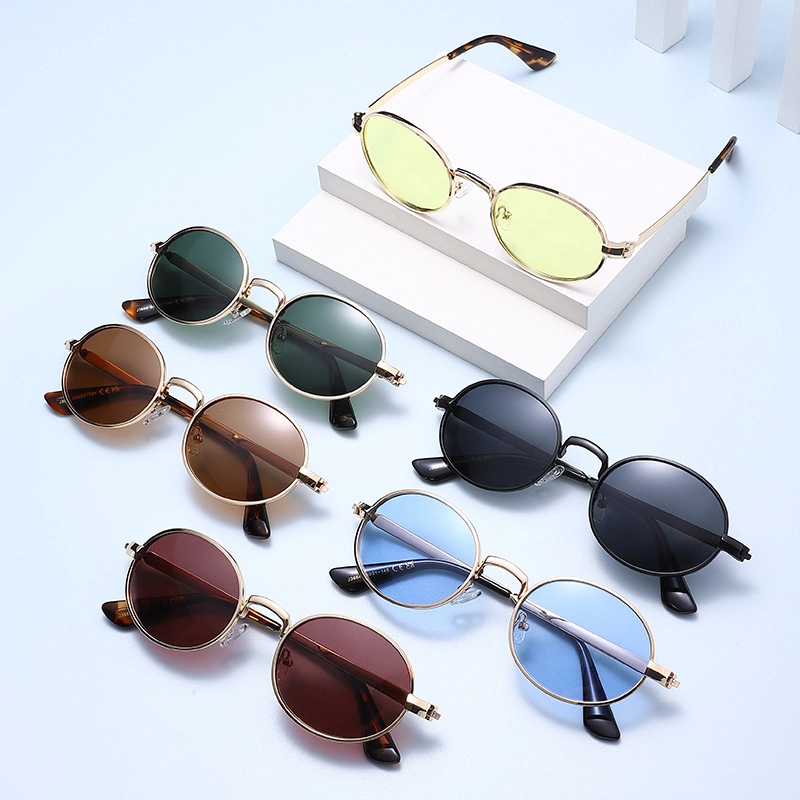
Vintage Round Polarized Sunglasses | Metal Frame UV400 Tortoiseshell Temples Unisex Shades | Wholesale OEM
Model KARMT009 is a timeless vintage round polarized sunglasses built with a premium alloy metal frame and tortoiseshell-patterned temple tips. Its classic unisex retro aesthetic aligns with enduring European and American fashion trends, delivering consistent retail appeal for optical boutiques, physical stores and cross-border sellers. Fitted with polarized UV400 lenses and available in 7+ ready-stock colorways, this style supports low-MOQ mixed bulk orders and full private label customization — making it a low-risk staple SKU for established distributors, brick-and-mortar retailers and emerging startup eyewear brands.
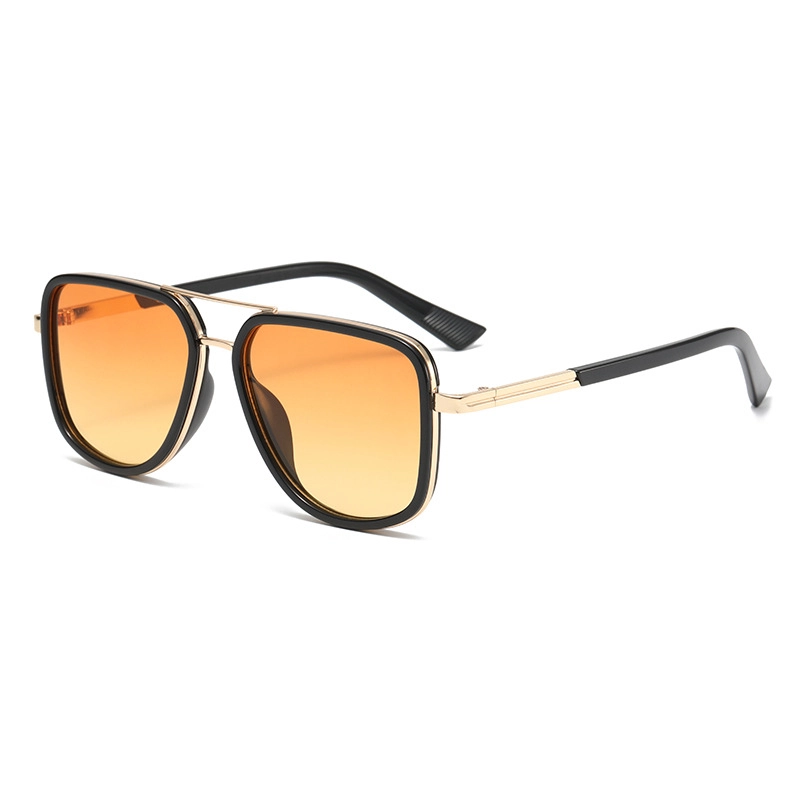
Double Bridge Square Aviator Sunglasses | PC Frame UV400 Polarized Optional Unisex Shades | Wholesale
Get a Free Quote
If you have any comments or good suggestions, please leave us a message; later our professional staff will contact you as soon as possible.
NEW DIMENSIONS IN EYEWEAR
Contact KARUSON
Email:
WhatsApp/Phone:
Address:
331 Section B, WanJia Creative Park , No. 1 BUXIA Road ,Tianhe District, Guangzhou City, Guangdong Province, China.

© 2026 KARUSON. All Rights Reserved.
Facebook
Instagram
YouTube
TikTok
Linkedin