


3D printing prototyping and short-run production at an eyewear factory
As a consultant and hands-on practitioner in the eyewear industry, I’ve witnessed 3D printing move from a rapid-prototyping novelty to a strategic production tool for eyewear factories. This article provides a practical, evidence-based guide to using additive manufacturing for prototyping and short-run production of frames and accessories. I focus on what works in a factory environment, how to maintain quality and regulatory compliance, and when you should transition to conventional tooling. References to industry resources and standards are included to help validate practices and support procurement or technical decision-making.
Why rapid prototyping matters for eyewear development
Understanding market demands and design risk
Eyewear is a rapidly shifting consumer segment: fashion trends, seasonal colors and functional innovations (e.g., wrap sports frames or integrated nose pads) create constant churn. I use rapid prototyping to de-risk designs before committing to expensive tooling. A tangible prototype helps product managers, optical engineers and buyers validate fit, weight, temple geometry and aesthetic details—factors that are difficult to assess from CAD alone.
Reducing time-to-market through iterative cycles
3D printing compresses the design-iterate-test loop from weeks to days. In projects I’ve run, moving from an initial CAD model to a wearable prototype took 24–72 hours using SLA or SLS, enabling multiple iterations in a single development sprint. That speed directly reduces opportunity cost and helps brands react to trend windows critical for seasonal eyewear collections.
Business implications: lower upfront investment and higher flexibility
For brands and OEM/ODM partners, the absence of hard tooling for prototypes lowers financial exposure. Short-run 3D production lets me supply niche SKUs, limited editions or customized prescription frames without minimum-order constraints. This flexibility transforms how an eyewear factory can service boutique brands and fast-fashion customers.
3D printing technologies used in eyewear factories
SLA and DLP: high-resolution visual prototypes and precise molds
Stereolithography (SLA) and Digital Light Processing (DLP) excel at surface finish and fine detail—useful for frames where cosmetic quality and fit are paramount. I typically use SLA for proof-of-concept eyewear models and to produce master patterns for silicone molding when short runs require elastomer components. For technical background see 3D printing (Wikipedia).
SLS and MJF: functional parts and end-use nylon frames
Selective Laser Sintering (SLS) and Multi Jet Fusion (MJF) produce strong, engineering-grade nylon parts suitable for wearable frames and hinges. These technologies are my go-to for short-run production when I need durable, flexible TR90-like or nylon frames without tooling. Nylon’s strength-to-weight and chemical resistance make it suitable for sports eyewear and performance frames.
Metal additive techniques for High Quality or hinge components
For metal temples, hinges or luxury accents, Direct Metal Laser Sintering (DMLS) enables complex geometry and integrated features such as embedded screw bosses or decorative latticework. I reserve metal AM for high-value SKUs or functional prototypes that validate mechanical load paths before forging or CNC production.
Design, workflow and quality control for short-run production
From CAD to printable file: topology, tolerances, and simulation
Successful 3D printing starts with design for additive manufacturing (DfAM). I check wall thicknesses, internal clearances for spring hinges, and adjust lattice structures for comfort and weight. Dimensional tolerances for eyewear must account for material shrinkage and post-process finishing—SLS nylon typically requires a nominal tolerance of ±0.3 mm for non-critical features but tighter control (±0.1 mm) for hinge interfaces when post-machining or inserts are used.
Post-processing, finishing and cosmetic treatments
Surface finishing distinguishes prototype from production-quality eyewear. Typical post-process steps I implement include bead blasting, vapor smoothing, solvent polishing (for compatible resins), pad printing, laser engraving and multi-stage painting. For durable coatings and scratch resistance I integrate UV-cure lacquers and hardness coatings frequently used in the industry.
Quality standards, testing and regulatory considerations
Eyewear must meet optical, mechanical and safety requirements. I reference widely accepted standards to define tests and acceptance criteria—general guidance on eyewear and sunglasses can be found at Wikipedia: Eyewear. For formal standards, organizations such as the International Organization for Standardization (ISO) publish specifications related to sunglass filters and frames; consult ISO and national standards for precise regulatory requirements. I always maintain test logs and sample retention for every short run to ensure traceability and compliance with buyer expectations.
Cost, scalability and when to choose 3D printing vs injection molding
Practical comparison: time, cost and volume
Choosing between 3D printing and injection molding depends on unit volume, per-unit cost sensitivity and lead time. Below I summarize typical ranges I encounter running an eyewear factory operation. These are conservative industry-typical figures based on production experience and market reports (see sources cited below).
| Metric | 3D Printing (SLS/MJF/SLA) | Injection Molding |
|---|---|---|
| Typical setup lead time | 24–72 hours for prototyping; 3–14 days for short-run batch | 4–12+ weeks (tool design, machining, validation) |
| Tooling cost | Minimal (no hard tooling); molds for silicone inserts may be low-cost | $3,000–$50,000+ depending on complexity and cavities |
| Per-unit cost (frame only) | $8–$50 (depends on volume, finishing) | $1–$15 (high volumes drive lower cost) |
| Optimal volume range | 1–2,000 units | 5,000+ units |
| Customization capability | Excellent—per-unit customization is affordable | Limited unless using expensive modular tooling |
Sources: industry production reports and service providers (e.g., Wohlers Associates and 3D Hubs) provide broader market context for these ranges.
When to scale to injection molding
I recommend transitioning to injection molding when cumulative volume and per-unit cost make tooling economically justified—typically when a SKU is projected to exceed 2,000–5,000 units per year depending on target margin. Injection molding yields superior consistency for thin-wall frames, multi-material overmolding and high-volume color batching.
Case study: short-run custom sport sunglasses
Recently I led a short-run production of 1,200 custom sport sunglasses designed for a regional cycling team. We used MJF-printed nylon frames with integrated venting and hinge pockets, followed by bead blasting, pad printing for logos and polarized lenses bonded in-house. Lead time from final approved CAD to shipped product was 12 days—impossible with injection molding without heavy upfront cost. The project demonstrated how an eyewear factory can deliver tailored performance eyewear at commercially viable prices using additive manufacturing.
Operational considerations for an eyewear factory adopting 3D printing
Supply chain and materials management
Material choice affects aesthetics, durability and regulatory compliance. I work closely with material suppliers and maintain a controlled inventory of approved resins, nylon powders and metal powders. Powder handling, sieving and reuse protocols are essential for SLS/MJF operations to control part quality and cost. For medical or prescription applications, biocompatibility and lens standards must be confirmed with suppliers and test labs.
Workforce skills, equipment selection and plant layout
Integrating 3D printing at factory scale requires trained operators for printer maintenance, post-processing technicians and quality inspectors. The equipment footprint varies—SLS and MJF machines need dedicated rooms for powder handling; SLA requires UV post-cure stations and solvent handling protocols. I typically design factory cells with print → depowder/clean → finishing → inspection → packaging to maintain a lean flow.
Traceability, batch records and customer documentation
For each short run I generate batch records capturing material lot numbers, machine IDs, parameters, post-process steps and inspection results. This traceability is crucial when working with international buyers and when defending product claims or addressing warranty issues.
Karuson: practical OEM/ODM eyewear solutions leveraging 3D printing
Established in 2010, Karuson International Co., Ltd. is a premier eyewear factory and global OEM/ODM supplier with over 15 years of mastery in eyewear design and precision manufacturing. Operating two state-of-the-art eyewear factory bases in Dongguan and Guangzhou, we provide high-capacity production and agile delivery cycles to meet the demands of the fast-paced global market.
Our expert team has pioneered 300+ trend-setting designs, ranging from polarized sunglasses and TR90 frames to advanced optical eyewear and sports goggles. As a vertically integrated eyewear factory, we offer end-to-end customization—including bespoke frame engineering, specialized lens technology, and precision logo engraving. By maintaining rigorous quality control and rapid prototyping, we have earned the enduring trust of prestigious brands across Spain, Europe, and the Americas.
Karuson’s competitive advantages I rely on when advising partners include:
- Dual factory bases in Guangdong for flexible capacity and redundancy
- Integrated prototyping labs with SLA, SLS and MJF capabilities for fast iterations and short-run production
- In-house finishing: painting, plating, pad printing, laser engraving and polarized lens assembly
- Robust QC and traceability practices aligned to buyer and international standards
Our primary product capabilities include custom glasses, custom glasses lenses, customized sunglasses, custom sunglasses sports, customize sport sunglasses, custom prescription lenses, PC sunglasses, TR sunglasses, metal sunglasses, and custom sport sunglasses. For inquiries, contact us at nicole@karusonco.com or visit our website: https://www.karusonco.com.
FAQs — Common questions about 3D printing and short-run production in an eyewear factory
1. Can 3D-printed frames be used as final, sellable products?
Yes. With the right process (e.g., SLS/MJF in nylon, full post-processing and finishing), 3D-printed frames can be end-use products. I ensure mechanical performance, surface finish and regulatory checks are met before approving items for sale.
2. How do you ensure optical accuracy for prescription frames when using 3D printing?
Prescription accuracy depends primarily on lens surfacing and frame fit. I use 3D-printed frames to validate geometry and fit; lenses are manufactured to the prescription standard in certified labs and assembled with controlled indexing. For medical or ophthalmic claims, we follow applicable standards and maintain documentation.
3. What volumes make 3D printing cost-effective compared to injection molding?
Typically, 3D printing is most cost-effective for low to mid volumes (1–2,000 units), high-customization orders or fast time-to-market needs. If projected volumes exceed several thousand units per SKU and cost per unit is critical, injection molding becomes more economical.
4. Are there material limitations for sunglasses that block UV or accept polarized lenses?
Frame materials must be compatible with lens bonding and UV exposure. Many nylon and TR90-like materials used in AM are compatible with polarized lenses and coatings. Lens technology (polarization, UV filters) is handled by lens suppliers—ensure compatibility by testing assemblies under accelerated environmental conditions.
5. How long does it take to move from prototype to a short-run production shipment?
From final CAD approval to shipped short-run units I’ve achieved lead times as short as 7–14 days for typical eyewear batches, depending on finishing and lens assembly. Prototypes can come back in 24–72 hours for fit checks using SLA or SLS.
6. What standards should I reference when specifying eyewear for export?
Refer to recognized standards bodies such as ISO (ISO) for frame and lens specifications, and check destination market regulations for labeling and safety. I also recommend sourcing third-party lab tests for optical transmission, impact resistance and chemical resistance where applicable.
If you have more technical questions or want to discuss a specific project, contact me or reach out directly to Karuson at nicole@karusonco.com or visit https://www.karusonco.com to view our product capabilities and sample portfolio.
References and further reading:
- Why rapid prototyping matters for eyewear development
- Understanding market demands and design risk
- Reducing time-to-market through iterative cycles
- Business implications: lower upfront investment and higher flexibility
- 3D printing technologies used in eyewear factories
- SLA and DLP: high-resolution visual prototypes and precise molds
- SLS and MJF: functional parts and end-use nylon frames
- Metal additive techniques for High Quality or hinge components
- Design, workflow and quality control for short-run production
- From CAD to printable file: topology, tolerances, and simulation
- Post-processing, finishing and cosmetic treatments
- Quality standards, testing and regulatory considerations
- Cost, scalability and when to choose 3D printing vs injection molding
- Practical comparison: time, cost and volume
- When to scale to injection molding
- Case study: short-run custom sport sunglasses
- Operational considerations for an eyewear factory adopting 3D printing
- Supply chain and materials management
- Workforce skills, equipment selection and plant layout
- Traceability, batch records and customer documentation
- Karuson: practical OEM/ODM eyewear solutions leveraging 3D printing
- FAQs — Common questions about 3D printing and short-run production in an eyewear factory
- 1. Can 3D-printed frames be used as final, sellable products?
- 2. How do you ensure optical accuracy for prescription frames when using 3D printing?
- 3. What volumes make 3D printing cost-effective compared to injection molding?
- 4. Are there material limitations for sunglasses that block UV or accept polarized lenses?
- 5. How long does it take to move from prototype to a short-run production shipment?
- 6. What standards should I reference when specifying eyewear for export?
How an eyewear factory performs acetate frame cutting and shaping
How to collaborate with an eyewear factory on custom frame design briefs
How an eyewear factory selects and sources lens materials: CR39, polycarbonate, high-index
What Are Custom Eyewear Manufacturers and How They Differ from Standard Suppliers
About Products
How do you ensure product quality?
Full QC process, factory testing, and international certifications.
What is the MOQ?
Usually ≥100, depending on the model.
About OEM&ODM
Can you help with packaging and logo branding?
Absolutely—we provide branded packaging bags, boxes, logo applications, and display solutions.
What is your production lead time?
Mass production generally takes 30–45 days after sample approval.
You May Also Like
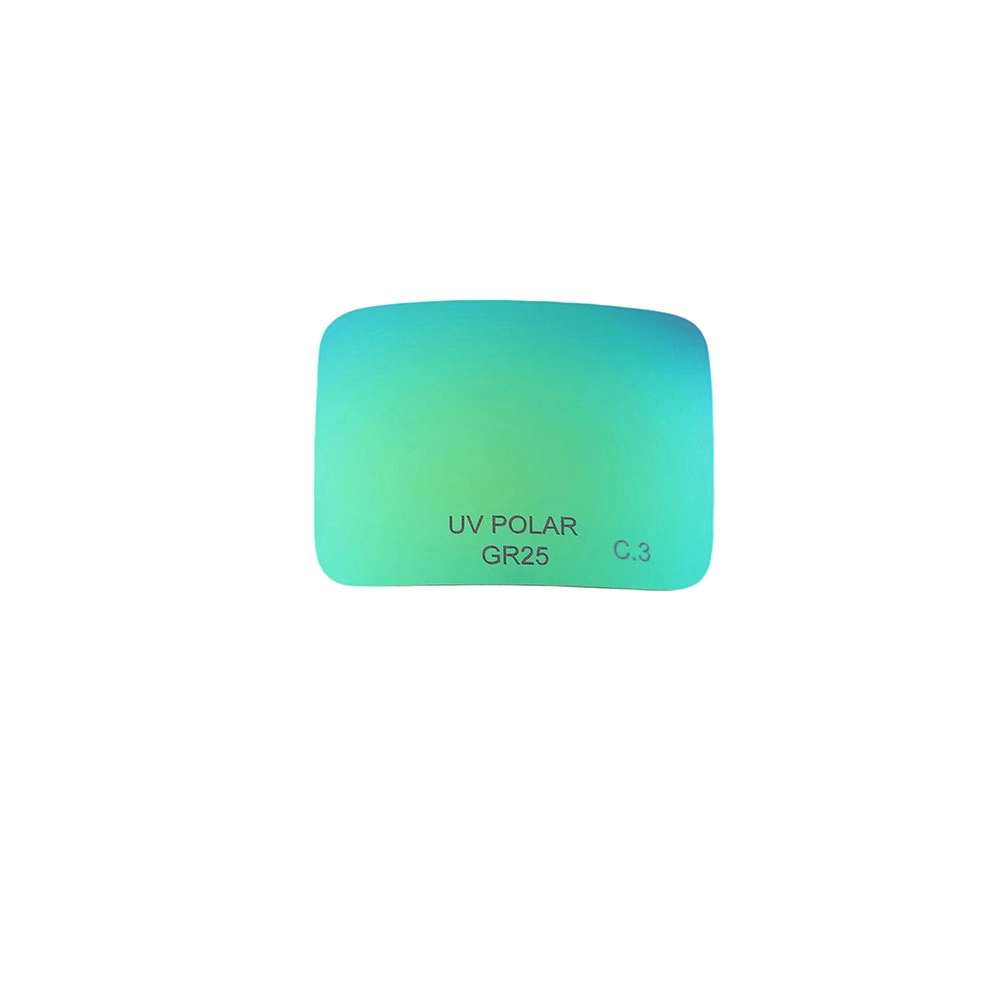
High-Definition Visual Clarity: Premium CR-39 & Polycarbonate Lenses
Experience the precision of a professional custom glasses lenses manufacturer. Karuson polarized lenses are engineered with a 99.9% high-polarization effect to provide unparalleled visual definition and glare reduction. By strategically absorbing reflected light through a high-stability PVA layer, our lenses are optimized for high-intensity outdoor environments, including maritime sailing, hunting, and alpine skiing. Furthermore, our specialized treatment ensures the lenses remain durable and distortion-free even in environments with high heat and humidity.
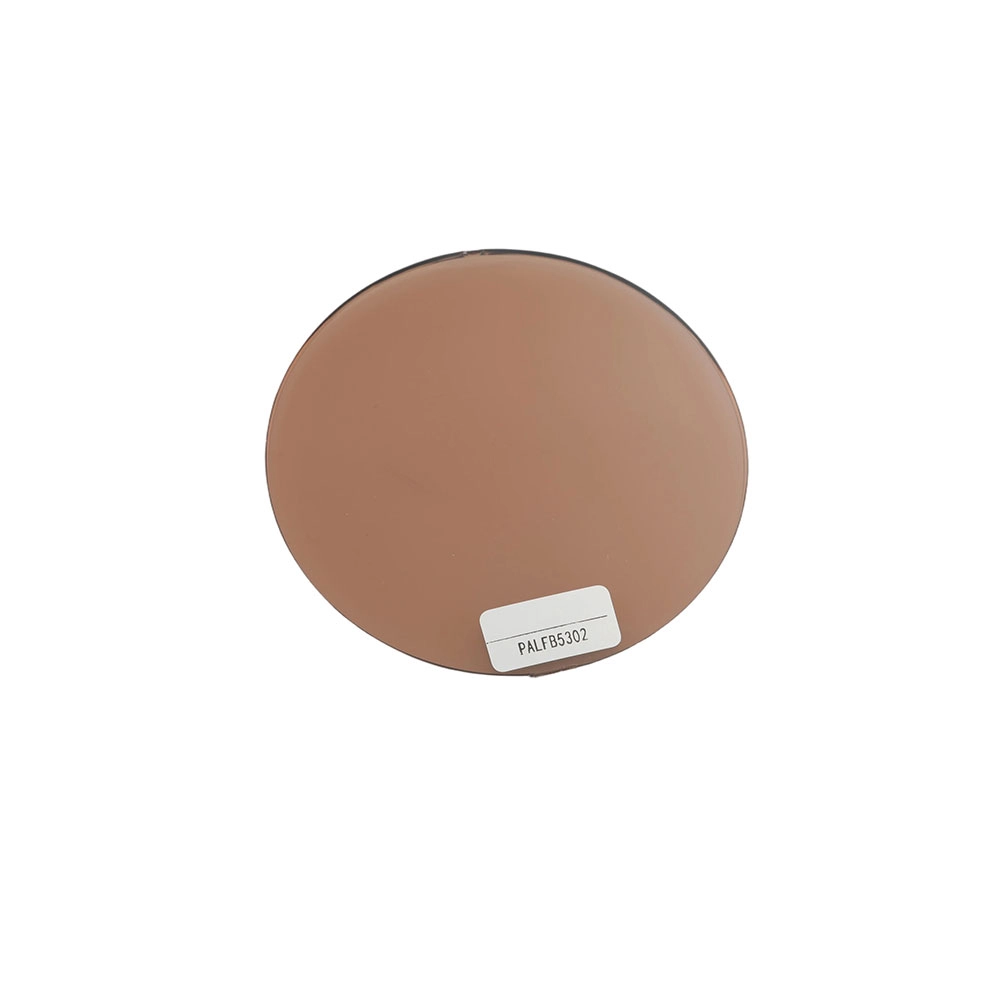
Why Quality Lenses are the Core of Your Eyewear Brand’s Reputation
As a premier high-definition glasses lenses manufacturer, Karuson crafts high-quality Polyamide (PA) Nylon Tinted Lenses that represent the perfect synergy of ultra-lightweight performance and high-toughness durability. By integrating professional-grade tinting technology with advanced material science, we offer a lens solution that delivers exceptional optical clarity alongside vibrant, fashionable color expression. Designed for both daily commutes and trendy lifestyle matching, these lenses provide a comfortable and aesthetic visual experience, serving as a high-performance fashion accessory for the modern, style-conscious consumer.
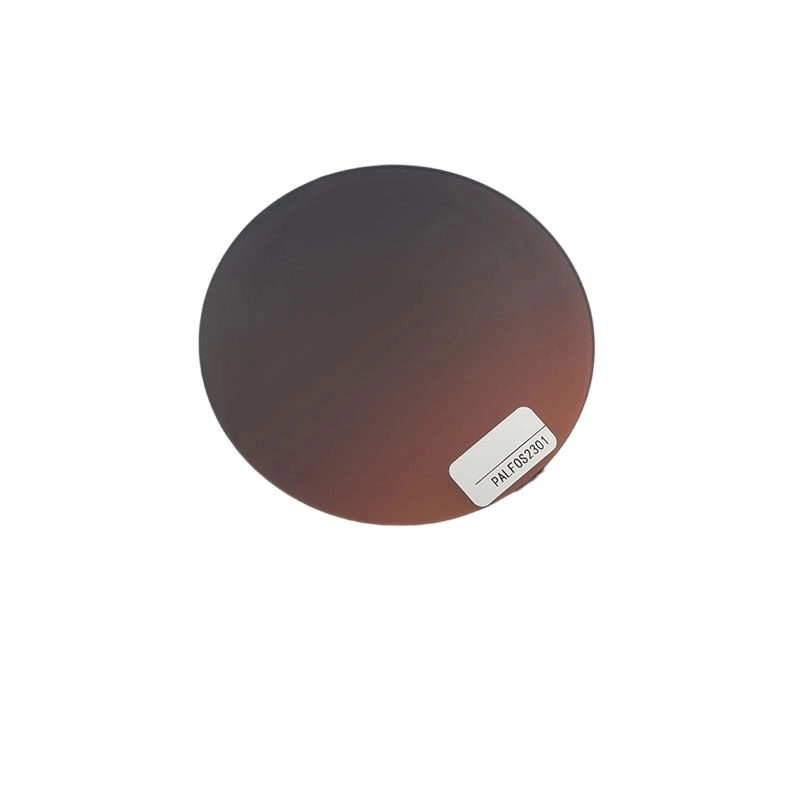
Advanced Sunglasses Solutions: Polarized Lenses with Anti-Seawater Coating
As a versatile photochromic lenses manufacturer and high-performance optics expert, Karuson crafts high-quality Polycarbonate (PC) Gradient Tinted Lenses that perfectly balance aesthetics with advanced protection. By fusing the ultra-lightweight and impact-resistant properties of PC material with precision gradient tinting technology, we deliver a durable visual solution that enhances clarity and comfort for urban lifestyles and outdoor sports. These lenses not only optimize visibility across varying light conditions by reducing glare but also offer a sleek, customizable design—allowing global brands to blend practical eye protection with a modern, fashion-forward accessory.
Upgrade Your Collection with Premium Lens Coatings & Finishes
As a leading lenses manufacturer, Karuson sets a new industry standard with our flagship-grade Polyamide (PA) Nylon polarized lenses. By seamlessly merging ultra-lightweight, high-toughness materials with precision polarizing technology, we deliver a high-definition visual solution that excels in durability and comfort. Optimized for high-intensity outdoor activities, professional driving, and competitive sports scenarios, these lenses redefine the performance benchmark for polarized optics, providing global brands with a truly elite-level product.
Get a Free Quote
If you have any comments or good suggestions, please leave us a message; later our professional staff will contact you as soon as possible.
NEW DIMENSIONS IN EYEWEAR
Contact KARUSON
Email:
WhatsApp/Phone:
Address:
331 Section B, WanJia Creative Park , No. 1 BUXIA Road ,Tianhe District, Guangzhou City, Guangdong Province, China.

© 2026 KARUSON. All Rights Reserved.
Facebook
Instagram
YouTube
TikTok
Linkedin