


Using 3D prototyping and sampling to accelerate private label eyewear development
I have spent years working with brands and OEM partners to bring private label eyewear from concept to shelf-ready product. In this article I explain how 3D prototyping and modern sampling strategies—integrated into a capable eyewear factory—shave weeks or months off development cycles while improving fit, performance, and cost predictability. I cover workflows, technology comparisons, standards to watch, real-world trade-offs, and how to embed rapid prototyping into your private label program so you get repeatable, high-quality customized glasses and sunglasses at scale.
Why speed-to-market matters for private label eyewear
Market dynamics and consumer expectations
Private label brands face intense pressure from fast fashion, seasonal trends, and direct-to-consumer competitors. Faster product cycles allow you to capitalize on micro-trends and reduce markdown risk. From an operational viewpoint, compressing development cycles increases SKU velocity and improves inventory turns—both critical KPIs for brands working with an eyewear factory partner.
Costs of slow sampling and late-stage changes
Traditional sampling (handmade masters + injection mold tooling for final samples) can require multiple weeks and add significant tooling fees. Late-stage corrections—fit, temple length, or hinge repositioning—often force expensive rework. By the time a brand reacts, seasonal windows close. Rapid 3D prototyping shifts many iterations to a low-cost, fast loop, reducing both NRE (non-recurring engineering) risk and unexpected factory delays.
Standards and compliance as non-negotiable checkpoints
Speed cannot come at the expense of safety or compliance. Optical and sunglass products should be validated against recognized standards. Refer to ISO guidance for spectacle frames and filters (see sunglasses overview) and consult relevant ISO standards for testing requirements via ISO. I always incorporate compliance checkpoints early in the prototype roadmap to avoid rework later.
Practical 3D prototyping workflows for an eyewear factory
Stage 1 — Concept to CAD: defining intent and fit
I begin every private label project by documenting target consumer anthropometrics, intended materials (TR90, acetate, metal), and lens functionality (polarized, photochromic, prescription-ready). Early mockups are generated in CAD with parametric controls for bridge width, temple length, lens height, and wrap angle. Having a digital master reduces ambiguity when the design reaches the eyewear factory's engineering desk.
Stage 2 — Rapid prototyping (3D printing) for fit and form
Once CAD is approved internally, I produce physical prototypes using additive manufacturing. Depending on the required surface fidelity and mechanical properties, I choose between SLA (stereolithography) for high detail, SLS (selective laser sintering) for robust parts, or polyjet processes for multi-material prototypes. These printed samples cost a fraction of mold modifications and are ready in days instead of weeks.
Stage 3 — Functional sampling and low-volume production
Following dimensional approval, I move to functional samples: assembled frames with production-analog hinges, temples, and trimmed pads, fitted with sample lenses (PC, CR39, or glass where needed). This stage validates assembly processes and coating/printing finishes that 3D prints cannot fully reproduce. If optics or impact performance are critical (e.g., sports sunglasses), I run test samples under the appropriate standards at certified labs.
Technology and method comparison: choosing the right approach
Which prototyping method suits your product?
Not all 3D technologies are equal for eyewear. Important considerations are surface finish, dimensional accuracy, mechanical toughness, and color/texture realism. Below I summarize typical choices and trade-offs.
| Method | Typical Lead Time | Pros | Cons | Best Use |
|---|---|---|---|---|
| SLA (Stereolithography) | 1–3 days | High surface detail; smooth finish; easy post-processing | Brittle compared to production plastics; limited UV resistance | Form/fit prototypes, aesthetic approval |
| SLS (Selective Laser Sintering) | 2–5 days | Good strength; no support structures; functional testing possible | Rougher surface; limited color options | Functional parts, hinge tests, mechanical stress validation |
| CNC milling | 3–7 days | Material accuracy (acetate blocks), production-like feel | Higher cost; limited for complex internal geometries | Final-feel prototypes, acetate frame checks |
| Low-volume injection (soft tooling) | 2–4 weeks | Production-like parts; accurate material properties | Higher setup cost and lead time vs. 3D printing | Pre-production validation, optical lens insert testing |
For an eyewear factory, SLA + functional SLS or CNC combinations often provide the fastest route from concept to validated sample while keeping cost-effective iteration cycles.
Quantifying time and cost benefits
Typical time savings when shifting from a traditional “mold-first” sampling path to a 3D-prototype-first path:
| Development Phase | Traditional Workflow | 3D-First Workflow |
|---|---|---|
| Initial form & fit iterations | 4–8 weeks (physical hand-sculpting + acetates) | 1–2 weeks (CAD + SLA prototypes) |
| Functional sampling | 2–6 weeks (hand-assembled samples or tooling) | 1–3 weeks (SLS/CNC + assembly) |
| Total pre-production lead time | 8–16+ weeks | 3–6 weeks |
These values depend on factory capabilities and geographic logistics. I have seen brands cut development cycles by 50–80% once the eyewear factory fully integrates a 3D-first sampling strategy.
Quality control, testing, and traceability in rapid sampling
Integrating compliance testing early
Reducing cycle time does not eliminate the need for structured testing. For sunglasses, lens filter categories and impact resistance are essential; for prescription frames, frame durability and lens seating precision matter. I recommend scheduling functional tests (mechanical hinge fatigue, lens retention, drop/impact where relevant) after the first functional sample. Use accredited labs early to avoid last-minute surprises. For general context on eye protection standards and tests see eye protection guidance and consult ISO or national standards organizations for the specific market you serve.
Digital traceability and version control
One major advantage of a CAD/3D-first workflow is that every iteration has a digital record. I enforce a naming/version scheme and maintain a centralized repository for CAD files, BOMs, and sampling notes. This digital traceability is essential when changes are requested, and it reduces human error when shipping specs to the eyewear factory's production line.
Measuring manufacturability early
Working inside an experienced eyewear factory, I perform DFM (Design for Manufacturability) checks before committing to tooling. Prototyping reveals undercuts, wall-thickness issues, thin temple sections, and hinge pocket tolerances that matter for high-volume molding. Fixing these in the CAD stage is dramatically cheaper than mold rework after a production run starts.
Scaling from prototype to production: best practices with your eyewear factory
Define sample types and approval gates
Agree upfront on what constitutes: initial concept mockup, form & fit prototype, functional PP (pre-production) sample, and final production sample. Each gate should have clear acceptance criteria—dimensional tolerance, surface finish grade, hinge torque, lens optical quality, and marking/engraving checks—so the eyewear factory and the brand have aligned expectations.
Local vs. offshore prototyping strategies
For private label brands, keeping early prototyping local offers speed and easier face-to-face iterations. However, the final pre-production and volume runs usually shift to the eyewear factory (often offshore) to capture cost advantages. A hybrid approach—rapid local prototyping for first iterations, followed by factory-based validation—balances agility with production economics.
Cost allocation and NRE planning
Budget for a phased investment: modest CAD and 3D prototyping spend early, escalating to soft tooling or mold costs only after design freeze. This staged investment reduces sunk costs on designs that won't pass market validation. An experienced eyewear factory will provide cost models showing per-unit price at various volumes and tooling amortization—use these to plan SKU breadth and price points.
Case evidence and standards references
Industry references for 3D prototyping benefits
Academic reviews and industry reports document the time and cost advantages of additive manufacturing for product development; see the general overview of additive manufacturing on Wikipedia, and industry analyses such as reports from Wohlers Associates for market context (see Wohlers).
Relevant standards and testing bodies
For eyewear products, consult ISO and regional standards early. The International Organization for Standardization (ISO) maintains standards covering spectacle frames, lenses, and filters; national authorities and labs provide test certification. For eye protection in sports and occupational applications, ASTM and EN standards may apply—engage with a testing lab early in the prototype program.
Real-world ROI example
As an example from my practice: a mid-sized private label brand reduced average development time from concept to first production run from 14 weeks to 5 weeks by adopting SLA/SLS prototyping plus a single soft-tooling validation run. The change avoided two mold revisions and accelerated the first ship date into the peak sales window, increasing first-run sell-through by an estimated 18% compared to prior seasons. These savings are typical when an eyewear factory and brand collaborate closely on sampling strategy.
How Karuson integrates rapid prototyping into OEM/ODM eyewear development
Established in 2010, Karuson International Co., Ltd. is a premier eyewear factory and global OEM/ODM supplier with over 15 years of mastery in eyewear design and precision manufacturing. Operating two state-of-the-art eyewear factory bases in Dongguan and Guangzhou, we provide high-capacity production and agile delivery cycles to meet the demands of the fast-paced global market.
Our expert team has pioneered 300+ trend-setting designs, ranging from polarized sunglasses and TR90 frames to advanced optical eyewear and sports goggles. As a vertically integrated eyewear factory, we offer end-to-end customization—including bespoke frame engineering, specialized lens technology, and precision logo engraving. By maintaining rigorous quality control and rapid prototyping, we have earned the enduring trust of prestigious brands across Spain, Europe, and the Americas.
At Karuson, we combine in-house CAD expertise, desktop and industrial 3D printing, CNC acetate milling, and quick soft-tooling services to deliver rapid sampling that mirrors production behavior. This reduces round trips and prevents last-minute surprises during scale-up. Our core strengths include custom glasses, custom glasses lenses, customized sunglasses, custom sunglasses sports, customize sport sunglasses, custom prescription lenses, pc sunglasses, TR sunglasses, metal sunglasses, and custom sport sunglasses. For OEM/ODM inquiries or to view a portfolio, contact us at nicole@karusonco.com or visit https://www.karusonco.com.
Practical checklist before you commission prototypes from an eyewear factory
- Have finalized target consumer specs (size ranges, fit tolerances, and price point).
- Confirm the material family (TR90, acetate, stainless steel, titanium) early.
- Agree sample definitions and acceptance criteria in writing.
- Include compliance and testing gates with approximate labs and lead times.
- Plan the NRE budget phased according to acceptance gates.
- Ensure digital version control and BOM traceability with the eyewear factory.
FAQ — Frequently Asked Questions
1. How much does 3D prototyping typically cost for eyewear samples?
Costs vary by method. SLA prototypes for a single frame typically range from $30–$150 USD depending on size, finish, and post-processing. Functional SLS or CNC parts can be $100–$400. Low-volume injection samples climb higher due to tooling amortization. Your eyewear factory should provide a detailed quote based on materials and finish requirements.
2. Can 3D-printed prototypes reliably predict production fit and comfort?
They are excellent for dimensional and visual validation, but not all 3D materials match production plastics’ mechanical behavior or surface finish. I always follow up with at least one production-analog sample (CNC acetate or soft-tool injection) before final sign-off to validate comfort and finish.
3. How do we ensure prototypes meet optical safety or prescription requirements?
Optical lenses and prescription inserts require certified materials and processes. For safety or impact-resistant eyewear, perform lab testing per applicable standards (ISO/ASTM/EN) on representative lenses and frames. Use certified testing labs early in the sampling phase to validate compliance.
4. What turnaround times should I expect from an eyewear factory that uses 3D prototyping?
From CAD finalization to an initial SLA prototype: usually 3–7 days. Functional samples adding assembly and production-like components: 1–3 weeks. Pre-production soft tooling validation: 2–4 weeks. Exact times depend on factory workload and logistics.
5. Is it better to prototype locally or at the factory?
Both approaches have merit. Local prototyping accelerates early iterations and stakeholder reviews. Factory-based prototyping (or hybrid) ensures samples reflect production processes. I recommend local for the first few aesthetic/fitting cycles, then move to the eyewear factory for functional validation.
6. How many prototype iterations are typical before tooling?
Most successful projects have 3–6 iterations: concept, form & fit, functional, pre-production, and final approval. The exact count depends on complexity and the brand’s risk tolerance for changes post-tooling.
If you have additional questions or want to discuss a private label program, I’m available to consult and help structure a prototyping roadmap tailored to your product mix. Contact Karuson at nicole@karusonco.com or visit https://www.karusonco.com to review our capabilities and sample lead times. Let’s accelerate your eyewear launch with the right prototyping strategy and a trusted eyewear factory partner.
- Why speed-to-market matters for private label eyewear
- Market dynamics and consumer expectations
- Costs of slow sampling and late-stage changes
- Standards and compliance as non-negotiable checkpoints
- Practical 3D prototyping workflows for an eyewear factory
- Stage 1 — Concept to CAD: defining intent and fit
- Stage 2 — Rapid prototyping (3D printing) for fit and form
- Stage 3 — Functional sampling and low-volume production
- Technology and method comparison: choosing the right approach
- Which prototyping method suits your product?
- Quantifying time and cost benefits
- Quality control, testing, and traceability in rapid sampling
- Integrating compliance testing early
- Digital traceability and version control
- Measuring manufacturability early
- Scaling from prototype to production: best practices with your eyewear factory
- Define sample types and approval gates
- Local vs. offshore prototyping strategies
- Cost allocation and NRE planning
- Case evidence and standards references
- Industry references for 3D prototyping benefits
- Relevant standards and testing bodies
- Real-world ROI example
- How Karuson integrates rapid prototyping into OEM/ODM eyewear development
- Practical checklist before you commission prototypes from an eyewear factory
- FAQ — Frequently Asked Questions
- 1. How much does 3D prototyping typically cost for eyewear samples?
- 2. Can 3D-printed prototypes reliably predict production fit and comfort?
- 3. How do we ensure prototypes meet optical safety or prescription requirements?
- 4. What turnaround times should I expect from an eyewear factory that uses 3D prototyping?
- 5. Is it better to prototype locally or at the factory?
- 6. How many prototype iterations are typical before tooling?
Hand-finishing, polishing and final inspection procedures in an eyewear factory
Positioning strategies: luxury, affordable fashion, performance, and eco private label eyewear
How to Set Up a Private Label Eyewear Line Using Custom Eyewear Manufacturers
Factory minimums, lead times, and cost negotiation for private label eyewear
About OEM&ODM
How do we start a project with Karuson?
Send us your product idea or requirements—our team will review, advise, and provide the best solution and quotation.
How long does it take to make samples?
Samples are typically completed within 7–15 working days if available molds are present.
About Products
Do you support OEM/ODM?
Yes, our R&D and design teams support full customization.
What is the MOQ?
Usually ≥100, depending on the model.
You May Also Like
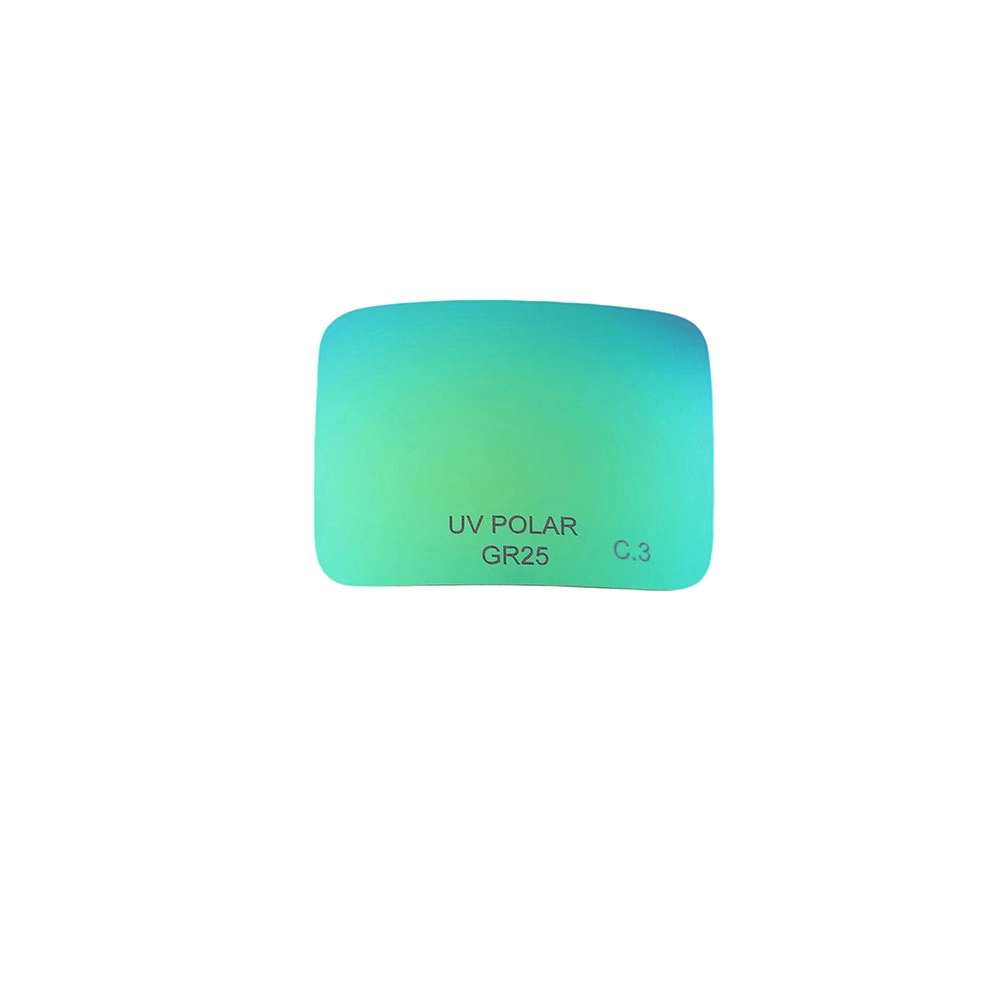
High-Definition Visual Clarity: Premium CR-39 & Polycarbonate Lenses
Experience the precision of a professional custom glasses lenses manufacturer. Karuson polarized lenses are engineered with a 99.9% high-polarization effect to provide unparalleled visual definition and glare reduction. By strategically absorbing reflected light through a high-stability PVA layer, our lenses are optimized for high-intensity outdoor environments, including maritime sailing, hunting, and alpine skiing. Furthermore, our specialized treatment ensures the lenses remain durable and distortion-free even in environments with high heat and humidity.
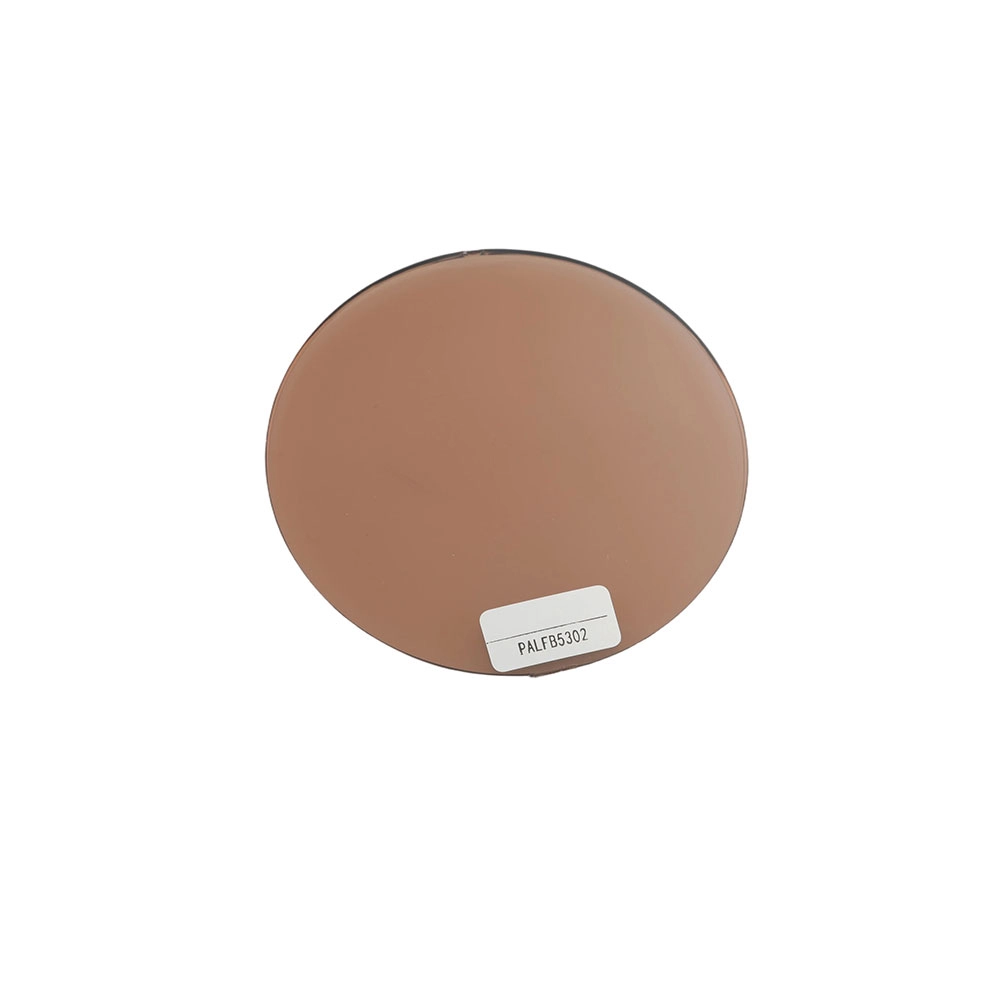
Why Quality Lenses are the Core of Your Eyewear Brand’s Reputation
As a premier high-definition glasses lenses manufacturer, Karuson crafts high-quality Polyamide (PA) Nylon Tinted Lenses that represent the perfect synergy of ultra-lightweight performance and high-toughness durability. By integrating professional-grade tinting technology with advanced material science, we offer a lens solution that delivers exceptional optical clarity alongside vibrant, fashionable color expression. Designed for both daily commutes and trendy lifestyle matching, these lenses provide a comfortable and aesthetic visual experience, serving as a high-performance fashion accessory for the modern, style-conscious consumer.
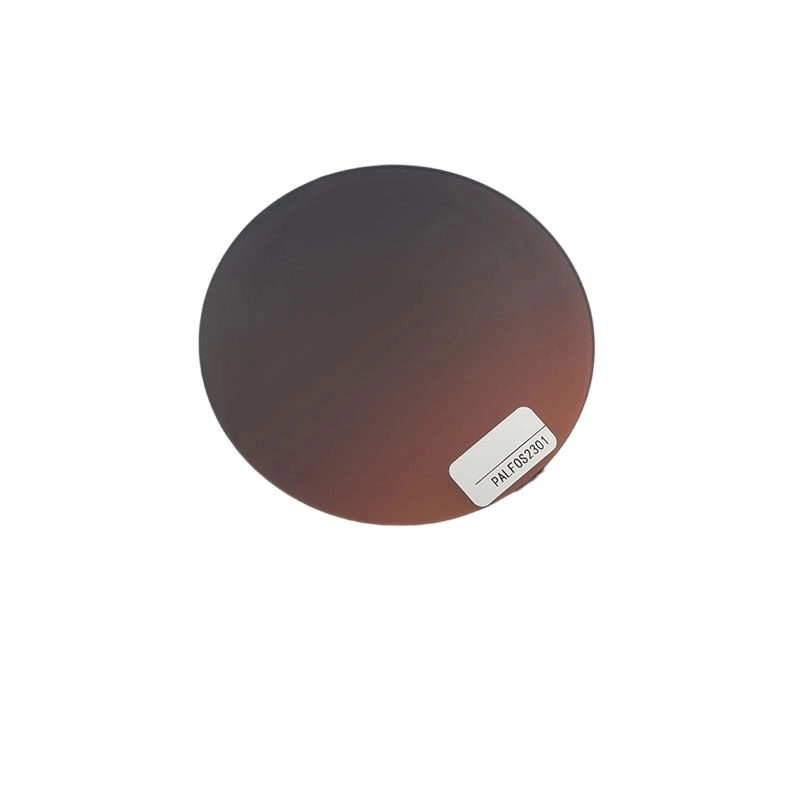
Advanced Sunglasses Solutions: Polarized Lenses with Anti-Seawater Coating
As a versatile photochromic lenses manufacturer and high-performance optics expert, Karuson crafts high-quality Polycarbonate (PC) Gradient Tinted Lenses that perfectly balance aesthetics with advanced protection. By fusing the ultra-lightweight and impact-resistant properties of PC material with precision gradient tinting technology, we deliver a durable visual solution that enhances clarity and comfort for urban lifestyles and outdoor sports. These lenses not only optimize visibility across varying light conditions by reducing glare but also offer a sleek, customizable design—allowing global brands to blend practical eye protection with a modern, fashion-forward accessory.
Upgrade Your Collection with Premium Lens Coatings & Finishes
As a leading lenses manufacturer, Karuson sets a new industry standard with our flagship-grade Polyamide (PA) Nylon polarized lenses. By seamlessly merging ultra-lightweight, high-toughness materials with precision polarizing technology, we deliver a high-definition visual solution that excels in durability and comfort. Optimized for high-intensity outdoor activities, professional driving, and competitive sports scenarios, these lenses redefine the performance benchmark for polarized optics, providing global brands with a truly elite-level product.
Get a Free Quote
If you have any comments or good suggestions, please leave us a message; later our professional staff will contact you as soon as possible.
NEW DIMENSIONS IN EYEWEAR
Contact KARUSON
Email:
WhatsApp/Phone:
Address:
331 Section B, WanJia Creative Park , No. 1 BUXIA Road ,Tianhe District, Guangzhou City, Guangdong Province, China.

© 2026 KARUSON. All Rights Reserved.
Facebook
Instagram
YouTube
TikTok
Linkedin