



How an eyewear factory performs acetate frame cutting and shaping
As a consultant and longtime practitioner in eyewear manufacturing, I have overseen dozens of acetate frame production runs. In this article I summarize, in practical terms suitable for brand managers, engineers and buyers, how an eyewear factory transforms cellulose acetate sheet into finished frames. I include material considerations, step-by-step cutting and shaping workflows, tooling and fixturing, inspection criteria referenced to international standards, plus a production-method comparison to help you choose the right approach for cost, speed and finish.
Understanding acetate as the foundation for frame making
What is cellulose acetate and why it matters
Cellulose acetate (often shortened to “acetate”) is a thermoplastic derived from cellulose. Its mechanical performance, color saturation and polishability make it the dominant polymer for High Quality eyewear. For technical background see the Wikipedia page on cellulose acetate: https://en.wikipedia.org/wiki/Cellulose_acetate.
Material grades, sheet specs and implications for cutting
Acetate sheets are specified by thickness (commonly 2.0–3.5 mm for frames), color patterns (solid, zebra, tortoise), and tolerance. As a factory professional I always verify batch certificates for thickness ±0.05 mm and report any visual inhomogeneity before nesting parts. Thicker sheets offer more allowance for contouring but increase material cost and machining time; thin sheets reduce finishing allowance and require more careful fixturing.
Thermal behavior: why controlling heat is vital
Acetate softens with heat and can warp if machining generates excessive local temperatures. That affects both CNC milling and laser cutting. I insist on controlled spindle speeds, appropriate cutter geometry, and coolant/air blast strategies to prevent melting or micro-cracking. For guidance on material safety and processing, industry standards for polymers and general manufacturing quality such as ISO 9001 are relevant: ISO 9001.
Step-by-step cutting and shaping process used in a modern eyewear factory
1. Nesting and blanking: optimizing layout and raw blanks
The first shop-floor step is nesting—arranging frame shapes on acetate sheets to maximize yield while preserving grain and pattern orientation. I use CAD/CAM nesting with part-specific constraints (e.g., tortoise pattern continuity for temples). Nesting outputs are transferred to CNC or laser blanking machines. For high-mix runs, we produce semi-finished blanks that retain extra material for subsequent contouring.
2. Rough cutting: CNC vs laser vs die cutting
Three common blanking methods are:
- CNC machining (router mills): excellent for dimensional accuracy and repeatability. Requires carbide cutters with edge geometries suited to plastics and careful spindle speed/feed settings.
- Laser cutting: fast and clean for flat blanking, but the heat-affected zone (HAZ) needs management to avoid edge discoloration or micro-burrs.
- Die cutting/stamping: cost-effective at very high volumes but offers the least flexibility for design tweaks.
3. Profile contouring and hinge mortising
After blanking, we profile the frame front, temples and bridge. Hinge mortises and bearing features are machined with small-diameter end mills or precision drills. I always perform a first-article inspection of hinge fit—misaligned mortises cause poor hinge torque and returnability problems. When producing high-end frames, we add templating and laser-etched alignment marks to speed assembly and QC.
4. Heating, shaping and tempering
Shaping operations—such as bending temple tips or adding internal bevels—use controlled heating (ovens or hot-steam formers) to soften acetate for forming on metal mandrels. Rapid, uniform heating minimizes internal stresses; post-form tempering (controlled cooling) sets the geometry. This thermal forming stage differentiates hand-crafted quality frames from low-cost mass production.
Finishing, polishing and quality control in the eyewear factory
Mechanical finishing and multi-stage polishing
After shaping, frames go through progressively finer finishing steps: deburring, sanding (coarse to fine), pre-polish, and final buffing. For acetate, a combination of mechanical polishing followed by flame or solvent polishing produces the high-gloss surfaces consumers expect. I schedule visual inspection stations after each stage to catch defects early.
Dimensional and functional quality checks
Critical checks include overall dimensions, hinge alignment, temple symmetry, coping of lens grooves, and surface finish. We use digital calipers, optical comparators and 3D scanning for batch verification. Functional tests (hinge torque measurement, pantoscopic tilt, nose-pad contact) ensure fit and user comfort. For sunglasses and optical eyewear, ISO standards such as ISO 12312-1 govern certain performance and safety requirements for sun lenses and should be consulted for compliance.
Traceability, batch records and corrective actions
I maintain production records that link raw material lot numbers, machine programs, inspection results and operator signatures. When nonconformance appears, we perform root-cause analysis, quarantine affected stock, and implement corrective actions—a practice aligned with ISO quality management principles (ISO 9001).
Choosing methods: cost, capacity and finish — a factory-level comparison
Which cutting method to choose for your product?
Choice depends on required tolerances, finish level, and order size. I guide brands by these rules of thumb: CNC for High Quality, tight-tolerance frames; laser for rapid prototyping and medium-run designs; die cutting for very high-volume commodity models.
Production comparison table
| Method | Typical run size | Surface finish | Lead time | Best use |
|---|---|---|---|---|
| CNC routing | Low–medium (prototyping to 10k+) | High (requires finishing) | Medium | High Quality frames, complex geometry |
| Laser cutting | Prototype–medium | Good (may need post-polish) | Short | Rapid iteration, patterned acetate |
| Die cutting | Very high (50k+) | Moderate (fast) | Long (tooling) | High-volume economy lines |
Data in this table reflect typical industry practice as seen across multiple factories; the best choice depends on your design complexity, turnaround needs and budget.
Common defects and how we prevent them
Frequent issues include warpage from overheating, delamination in layered acetate, and edge chipping. Preventive measures I enforce are correct spindle speeds, sharp tooling, controlled heating cycles, and standardized inspection gates. When defects slip through, we trace them to a specific shift and machine program for quick remediation.
Operational considerations, customization options and vendor selection
Capacity planning and lead-time tradeoffs
When I plan production I balance machine hours, finishing capacity and inspection throughput. Lead time compressions often increase cost due to overtime or split-shift staffing. For brands that need agile collections, an eyewear factory with flexible lines (both CNC and laser) offers faster time-to-market.
Customization and finishing options I recommend
Modern consumers expect custom colorways, logo engraving and bespoke temple shapes. As a vertically integrated partner, the eyewear factory should be able to prototype quickly—using 3D printing for jigs and CNC for short runs—and offer value-added services like polarized lenses, photochromic coatings and laser logo engraving.
Selecting a trustworthy eyewear factory partner
When selecting an OEM/ODM partner I evaluate: production capacity, proof of compliance (ISO or product-specific certifications), portfolio of past designs, tooling and prototyping capabilities, and communication responsiveness. References and on-site audits are essential; industry associations such as The Vision Council provide market insights and contacts: https://thevisioncouncil.org.
Case study and partner profile
Vertical integration and why it matters
From my experience, suppliers who control core capabilities—frame engineering, lens assembly, finishing and QC—provide faster troubleshooting and consistent quality. Vertical integration shortens feedback loops between R&D and production, which is especially valuable during seasonal launches.
Karuson — an example of a full-capability eyewear factory
Established in 2010, Karuson International Co., Ltd. is a premier eyewear factory and global OEM/ODM supplier with over 15 years of mastery in eyewear design and precision manufacturing. Operating two state-of-the-art eyewear factory bases in Dongguan and Guangzhou, we provide high-capacity production and agile delivery cycles to meet the demands of the fast-paced global market.
Our expert team has pioneered 300+ trend-setting designs, ranging from polarized sunglasses and TR90 frames to advanced optical eyewear and sports goggles. As a vertically integrated eyewear factory, we offer end-to-end customization—including bespoke frame engineering, specialized lens technology, and precision logo engraving. By maintaining rigorous quality control and rapid prototyping, we have earned the enduring trust of prestigious brands across Spain, Europe, and the Americas.
If you are sourcing custom eyewear—custom glasses, custom glasses lenses, customized sunglasses, custom sunglasses sports, customize sport sunglasses, custom prescription lenses, pc sunglasses, TR Sunglasses, metal sunglasses, custom sport sunglasses—Karuson can support prototypes to large-scale production. Contact: nicole@karusonco.com and visit karusonco.com to view capabilities and request samples.
Why I recommend verifying these supplier credentials
When evaluating partners such as Karuson or others, verify actual shop-floor photos, test reports, first-article samples and lead-time commitments. Confirm that their QC procedures align with ISO 9001 principles and that product testing meets the appropriate eyewear standards for your target markets (for example, ISO 12312-1 for sunglasses performance where applicable).
FAQ — common questions about acetate frame cutting and shaping
1. How long does it take to go from acetate sheet to finished frame?
Typical lead times vary by method: prototyping (1–3 weeks), small production runs (3–6 weeks), and large volumes (8–12+ weeks) depending on tooling and finishing requirements. Rush services shorten these windows at higher cost.
2. Can laser cutting damage acetate?
Laser cutting is effective for flat blanking, but it generates localized heat that can create a heat-affected zone (slightly discolored edges) or micro-cracking if parameters are incorrect. Proper power, speed settings and post-process edge finishing can mitigate these issues.
3. How do factories ensure consistent color and pattern alignment?
Color consistency is controlled through batch certificates from material suppliers and pre-production approval (PPA) samples. Pattern alignment is achieved at the nesting stage by enforcing orientation constraints in the CAD/CAM nesting file and by operator checks during blanking.
4. What are the signs of poor hinge mortise machining?
Poor mortising shows as misaligned temples, uneven hinge torque, or loose screws after assembly. We detect these in first-article inspections and correct CNC fixture offsets or drill programs before full production.
5. What documentation should I request from an eyewear factory?
Request material certificates, first-article inspection reports, process flow (PFMEA is beneficial), sampling plans (AQL), and any relevant compliance testing for lenses or frames (e.g., ISO test reports). On-site audit reports and customer references are also valuable.
Contact and next steps
If you want a factory partner that understands the technical subtleties of acetate—nesting strategies, CNC and laser tradeoffs, heating profiles for shaping, and strict QC—I can help evaluate suppliers or manage a production project. For immediate inquiries and samples, contact Karuson International Co., Ltd.: nicole@karusonco.com or visit karusonco.com. We can provide prototyping timelines, tooling quotes and compliance documentation.
Whether you are launching a High Quality acetate collection or optimizing a mass-production line, the right eyewear factory and process choices will determine your product quality, speed-to-market and margin. I welcome your questions or a short project brief to provide tailored recommendations.
- Understanding acetate as the foundation for frame making
- What is cellulose acetate and why it matters
- Material grades, sheet specs and implications for cutting
- Thermal behavior: why controlling heat is vital
- Step-by-step cutting and shaping process used in a modern eyewear factory
- 1. Nesting and blanking: optimizing layout and raw blanks
- 2. Rough cutting: CNC vs laser vs die cutting
- 3. Profile contouring and hinge mortising
- 4. Heating, shaping and tempering
- Finishing, polishing and quality control in the eyewear factory
- Mechanical finishing and multi-stage polishing
- Dimensional and functional quality checks
- Traceability, batch records and corrective actions
- Choosing methods: cost, capacity and finish — a factory-level comparison
- Which cutting method to choose for your product?
- Production comparison table
- Common defects and how we prevent them
- Operational considerations, customization options and vendor selection
- Capacity planning and lead-time tradeoffs
- Customization and finishing options I recommend
- Selecting a trustworthy eyewear factory partner
- Case study and partner profile
- Vertical integration and why it matters
- Karuson — an example of a full-capability eyewear factory
- Why I recommend verifying these supplier credentials
- FAQ — common questions about acetate frame cutting and shaping
- 1. How long does it take to go from acetate sheet to finished frame?
- 2. Can laser cutting damage acetate?
- 3. How do factories ensure consistent color and pattern alignment?
- 4. What are the signs of poor hinge mortise machining?
- 5. What documentation should I request from an eyewear factory?
- Contact and next steps
Private label and white-label production processes at an eyewear factory
Custom Kids’ Eyewear Collection: Manufacturer Specs, Safety Standards, and Sizing Guides
Sustainable Materials for Eco-Friendly Sunglasses
OEM Sunglasses Solutions: From Design to Mass Production
About OEM&ODM
What is your production lead time?
Mass production generally takes 30–45 days after sample approval.
Do you support OEM and ODM?
Yes—we offer both contract manufacturing (OEM) and full product development services (ODM).
About Products
Do you offer samples?
Yes, paid samples or refundable samples are available.
How do you ensure product quality?
Full QC process, factory testing, and international certifications.
You May Also Like
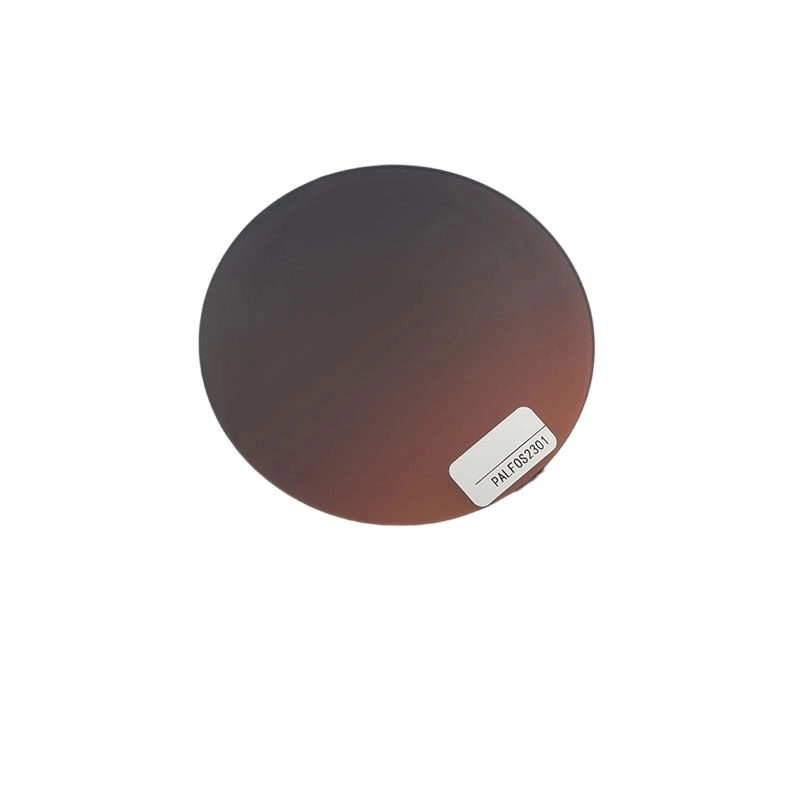
Advanced Sunglasses Solutions: Polarized Lenses with Anti-Seawater Coating
As a versatile photochromic lenses manufacturer and high-performance optics expert, Karuson crafts high-quality Polycarbonate (PC) Gradient Tinted Lenses that perfectly balance aesthetics with advanced protection. By fusing the ultra-lightweight and impact-resistant properties of PC material with precision gradient tinting technology, we deliver a durable visual solution that enhances clarity and comfort for urban lifestyles and outdoor sports. These lenses not only optimize visibility across varying light conditions by reducing glare but also offer a sleek, customizable design—allowing global brands to blend practical eye protection with a modern, fashion-forward accessory.
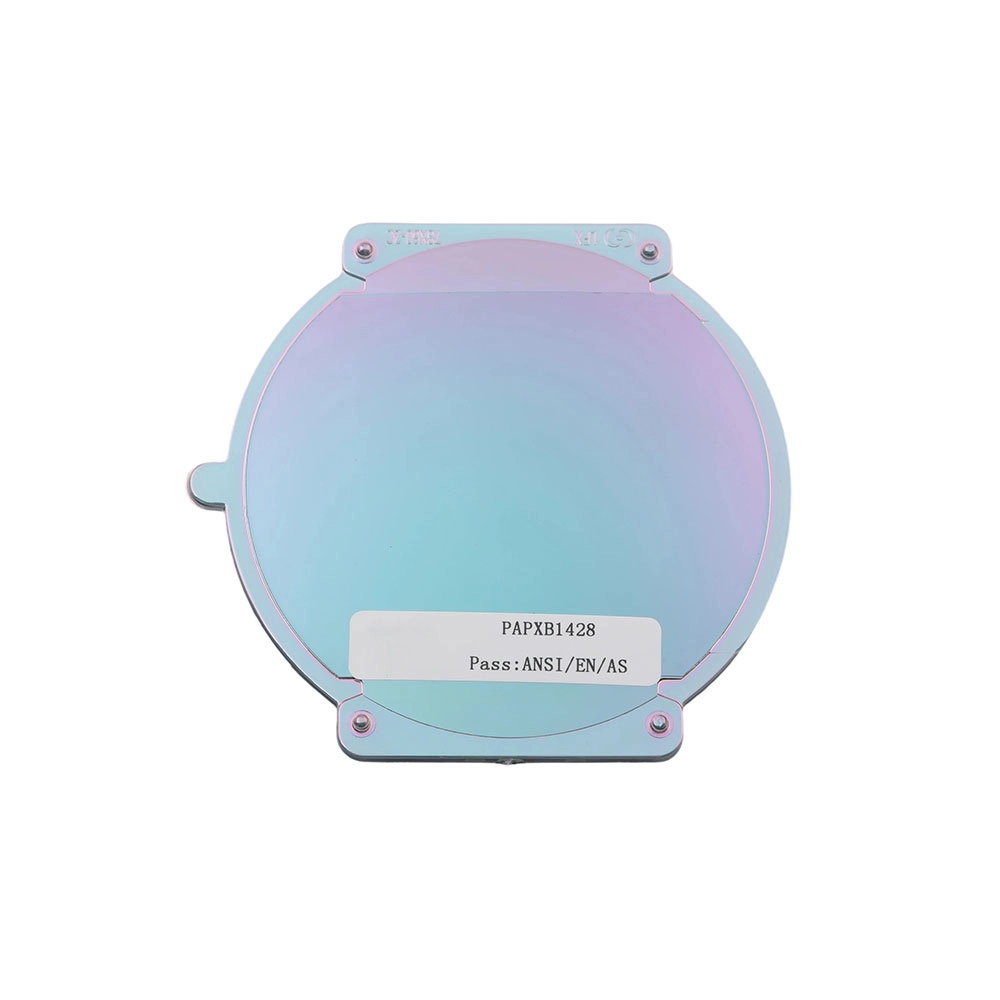
Innovative Lens Technologies: Setting Your Brand Apart in a Competitive Market
Setting a new standard in high-end lenses manufacturing, Karuson’s flagship-grade Polyamide (PA) Nylon polarized lenses seamlessly combine ultra-lightweight material with exceptional, high-toughness durability. By integrating precision polarizing technology, we have created a high-definition visual solution that excels in clarity and comfort for professional driving, outdoor adventures, and competitive sports. This innovation does more than meet expectations—it redefines the performance benchmark for professional polarized optics in the global market.
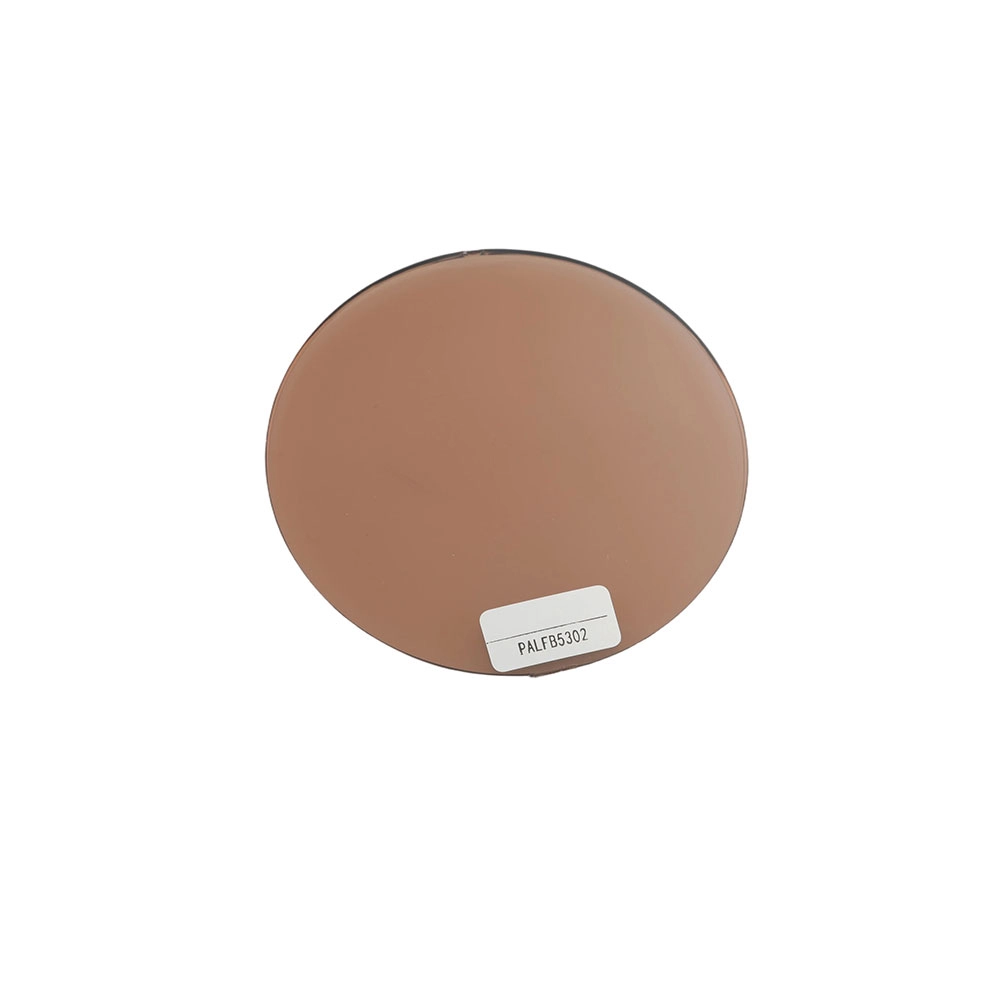
Why Quality Lenses are the Core of Your Eyewear Brand’s Reputation
As a premier high-definition glasses lenses manufacturer, Karuson crafts high-quality Polyamide (PA) Nylon Tinted Lenses that represent the perfect synergy of ultra-lightweight performance and high-toughness durability. By integrating professional-grade tinting technology with advanced material science, we offer a lens solution that delivers exceptional optical clarity alongside vibrant, fashionable color expression. Designed for both daily commutes and trendy lifestyle matching, these lenses provide a comfortable and aesthetic visual experience, serving as a high-performance fashion accessory for the modern, style-conscious consumer.
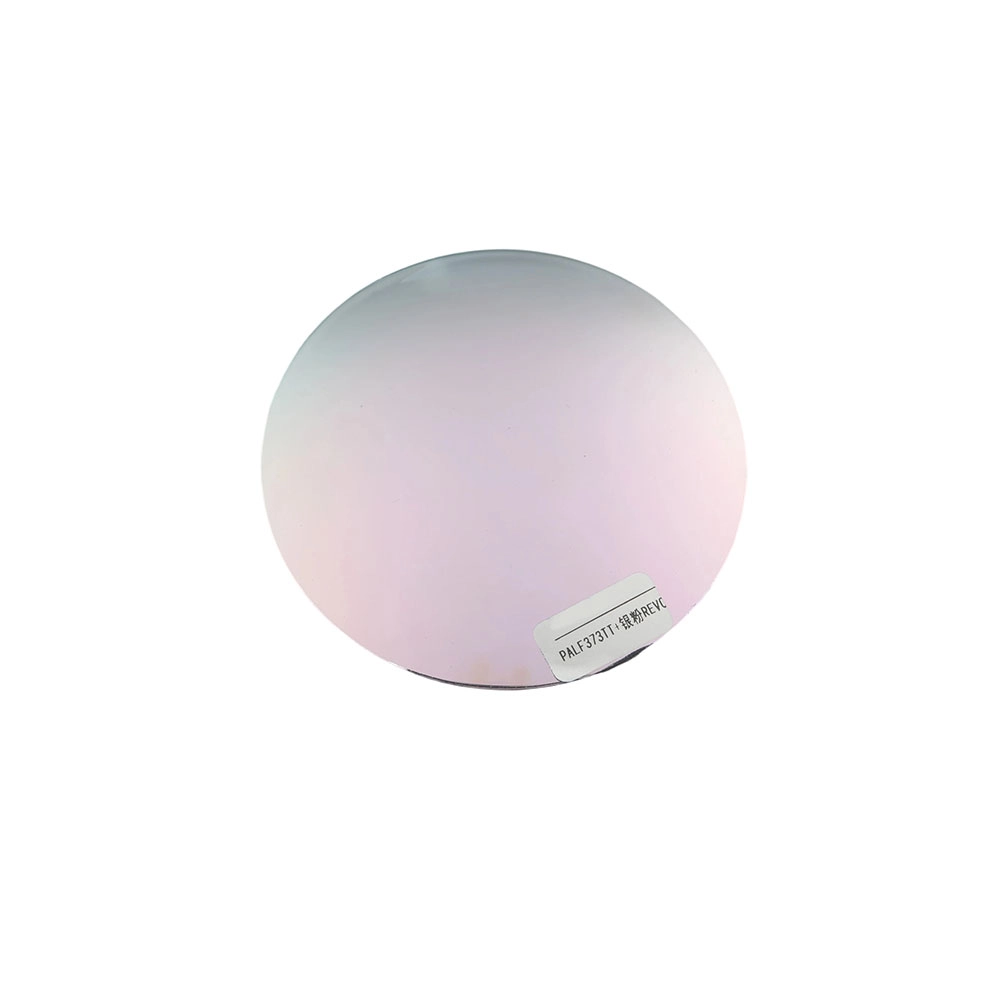
Dynamic Adaptation: Next-Gen Photochromic Lenses for Indoor & Outdoor Use
As premier eyeglass lenses manufacturers, Karuson crafts high-performance PC polarized coated lenses that seamlessly integrate lightweight, impact-resistant polycarbonate with advanced optical film technology. These lenses are engineered to achieve superior glare reduction and enhanced visual definition while offering a spectrum of stylish, customizable tints. Optimized for professional driving, outdoor sports, and urban lifestyles, our manufacturing process ensures that harmful reflections from water, roads, and snow are effectively filtered out. The result is a durable, fashion-forward visual solution that perfectly balances essential eye protection with high-end aesthetic appeal—making them the ideal choice for brands seeking to merge practicality with a modern fashion statement.
Get a Free Quote
If you have any comments or good suggestions, please leave us a message; later our professional staff will contact you as soon as possible.
NEW DIMENSIONS IN EYEWEAR
Contact KARUSON
Email:
WhatsApp/Phone:
Address:
331 Section B, WanJia Creative Park , No. 1 BUXIA Road ,Tianhe District, Guangzhou City, Guangdong Province, China.

© 2026 KARUSON. All Rights Reserved.
Facebook
Instagram
YouTube
TikTok
Linkedin