



Assembly line setup and balancing in an eyewear factory
As a production consultant with extensive experience in eyewear manufacturing, I focus on building assembly lines that reliably deliver quality frames and lenses at competitive costs. In this article I summarize actionable methods for assembly line setup and balancing in an eyewear factory—covering takt time, cycle time calculations, workstation design, balancing algorithms, changeover reduction, quality gates, and KPIs you can monitor. I reference industry standards and best practices to make recommendations verifiable and practical for operations teams and plant managers.
Why production balance matters for eyewear manufacturing
The business case for balanced lines
In an eyewear factory, production balance directly affects lead time, cost per unit, and product quality. A balanced line reduces bottlenecks (e.g., lens edging or plating stations), minimizes WIP (work-in-progress) that hides defects, and increases on-time delivery—key when you run customized sunglasses, prescription lenses, or TR90 frames for global OEM clients. My recommendations aim to reduce variation and stabilize throughput, which in turn improves customer satisfaction and margins.
Core metrics I monitor
When I tune a production line, I focus on a small set of verifiable KPIs: takt time, cycle time, throughput, OEE (Overall Equipment Effectiveness), first-pass yield (FPY), and takt compliance. Definitions and calculations help align the team; for example, takt time = available production time / customer demand. (See Takt time for a concise formal definition.)
Standards and traceability
Quality systems such as ISO 9001 provide the management framework I apply for document control, process audits, and traceability—especially important for prescription eyewear where traceability of lenses and frame batches is required.
Designing the assembly line: layout, flow and ergonomics
Line layout types and how I choose
There are several layout options—U-shaped, straight conveyor, island cells, and modular lines. For an eyewear factory producing multiple SKUs (metal frames, TR90, injection-molded plastics), I typically recommend U-shaped or modular cellular layouts because they support quick operator communication, smaller batch sizes, and easier balancing when demand shifts. Straight conveyor lines work better for high-volume, low-variation runs like a single sunglasses model.
Ergonomics and workstation design
Assembly tasks in eyewear include frame trimming, polishing, hinge insertion, lens edging, coating and final inspection. I design workstations to minimize excessive reach, awkward wrist angles, and repetitive strain. Simple ergonomic investments—adjustable benches, anti-fatigue mats, and proper tool placement—reduce error rates and absenteeism. For ergonomic principles, I follow ISO ergonomics guidance and workplace best practices.
Material flow and parts kitting
To avoid assembly interruptions I implement kitting with Kanban triggers for consumables (screws, nose pads, temple tips) and JIT delivery to workstations. Kitting reduces travel time and ensures operators have the right lens blanks, hinges, and screws at hand. For lens coatings and plating, I place process steps to minimize transport of sensitive parts and exposure to contaminants.
Balancing methods, takt calculations and practical implementation
Calculating takt and cycle times (example)
Here's a sample calculation I use to align staffing with demand: suppose daily customer demand is 3,000 finished pairs, and the available production time is 8 hours (28,800 seconds) minus breaks and downtime—let's say net available time = 7.25 hours (26,100 seconds). Takt time = 26,100 / 3,000 = 8.7 seconds per piece. Workstations' cycle times must be organized around this target to avoid overproduction or bottlenecks.
Balancing algorithms I apply
When structure and task times are known, I use pragmatic heuristics and software-assisted methods: Largest Candidate Rule (LCR), Ranked Positional Weights (RPW), and sometimes integer linear programming for complex multi-model lines. In practice, RPW helps when tasks have precedence constraints (e.g., frame assembly before lens fit), while LCR is fast for simpler sequences. See Line balancing for algorithm background.
Practical balancing steps
My step-by-step approach:
- Map all work elements with standard times (use time study or MTM data).
- Create precedence diagram showing required order (e.g., frame inspection → hinge insertion → screw tightening → lens mounting).
- Compute takt time and number of required stations.
- Apply RPW or LCR to assign tasks to stations, then simulate throughput and adjust.
- Introduce buffer rules (small WIP) at high-variability stations like lens edging or plating.
Quality gates, changeovers and continuous improvement
Quality gates along the line
Quality control is not a final step; I implement inline QC gates: incoming material inspection, post-mould inspection, pre-polish inspection, post-plating inspection, lens edging QC, and final optical inspection. Use standard checklists, jigs, and gauging fixtures for repeatability. For optical verification of prescriptions, I require lens measurement equipment certified to industry norms.
Reducing changeover time with SMED
For frequent SKU changes (different frame colors, lens types), Single-Minute Exchange of Die (SMED) techniques reduce changeover time—outsourcing adjustment tasks, converting internal to external steps, and using quick-lock fixtures for molds and polishing wheels. SMED dramatically improves line flexibility for an OEM/ODM eyewear factory handling many custom orders.
Monitoring and KPIs table
| KPI | Definition | Target Range (typical) | Source |
|---|---|---|---|
| Takt time | Available production time / customer demand | Set by demand | Wikipedia |
| Cycle time | Time to complete one unit at a station | <= takt time | Operational practice |
| OEE | Availability × Performance × Quality | 60–85% (industry-dependent) | Wikipedia |
| FPY (First Pass Yield) | Percent passing without rework | 95–99% for mature lines | Industry practice |
Materials, tooling and inspection technology
Tooling considerations for frames and lenses
I insist on tooling repeatability—moulds for injection frames, dies for metal stamping, and precision grinding fixtures for lens edging. For TR90 frames, injection temperature control and consistent mold maintenance prevent flash and warpage. For metal sunglasses, jigs for soldering and plating racks ensure consistent finish.
Inspection tech that reduces defects
Automated optical inspection (AOI) for lens surface defects, digital dispersion testers for coatings, and coordinate-measuring fixtures for hinge alignment lower subjective errors. Integrating these inspection points into the line reduces downstream scrap and helps rooting out systemic causes.
Data collection and traceability
Capture lot numbers, operator IDs, machine settings and inspection results in a MES or a lightweight digital log. Traceability is essential for recall control and warranty management, especially for prescription lenses and safety eyewear that must meet regulatory claims.
Case examples and trade-offs
Balancing a mixed-model line
I worked with a factory producing both polarized sunglasses and optical frames. The polarized lens coating step had much higher variability and throughput time. We isolated coating into a small, parallel cell with its own kanban feeding the main assembly. This reduced line variability and allowed the main line to run at higher takt without waiting for coatings.
When automation pays off
Automation makes sense for high-volume, low-mix processes—e.g., automated polishing and ultrasonic cleaning. For customized products (engraving logos, bespoke lens prescriptions), human flexibility remains critical. I evaluate ROI with a 2–3 year payback threshold and consider maintenance overhead and spare parts lead times.
Common pitfalls
Frequent mistakes I correct: insufficiently granular time studies, ignoring operator learning curves, oversized buffers hiding defects, and underestimating maintenance times. Addressing these increases throughput and reduces hidden costs.
Karuson International: how a vertically integrated eyewear factory supports line balancing
Established in 2010, Karuson International Co., Ltd. is a premier eyewear factory and global OEM/ODM supplier with over 15 years of mastery in eyewear design and precision manufacturing. Operating two state-of-the-art eyewear factory bases in Dongguan and Guangzhou, we provide high-capacity production and agile delivery cycles to meet the demands of the fast-paced global market.
Our expert team has pioneered 300+ trend-setting designs, ranging from polarized sunglasses and TR90 frames to advanced optical eyewear and sports goggles. As a vertically integrated eyewear factory, we offer end-to-end customization—including bespoke frame engineering, specialized lens technology, and precision logo engraving. By maintaining rigorous quality control and rapid prototyping, we have earned the enduring trust of prestigious brands across Spain, Europe, and the Americas.
Because Karuson controls design, molding, lens finishing, plating, and final assembly within our facilities, we can implement balanced production flows more predictably: shorter changeovers, consistent tooling maintenance, and centralized quality gates. Our main competitive strengths include rapid prototyping, flexible volume scaling, and deep expertise in materials (PC sunglasses, TR sunglasses, metal frames) and lens technology (custom prescription lenses, polarized coatings). Key product lines include custom glasses, custom glasses lenses, customized sunglasses, custom sunglasses sports, customize sport sunglasses, custom prescription lenses, pc sunglasses, TR Sunglasses, metal sunglasses, and custom sport sunglasses.
For production inquiries or balancing consultations, contact us: nicole@karusonco.com or visit our website: https://www.karusonco.com
FAQ — common questions about assembly line setup and balancing in an eyewear factory
1. How do I calculate the number of workstations needed on my eyewear assembly line?
Compute takt time (available production time / demand), sum the standard times of all work elements, and divide the total workload by takt time. Use precedence constraints and balancing heuristics (RPW/LCR) to allocate tasks to stations. Simulate the line before committing staff.
2. What level of automation is appropriate for eyewear production?
Automation fits high-volume, low-variation steps—polishing, ultrasonic cleaning, lens edging for single-model runs. For high-mix, low-volume custom orders, prioritize flexible fixturing and semi-automated stations. Evaluate ROI, maintenance, and spare parts availability.
3. How can I reduce defects on the line?
Introduce inline quality gates, jigs and fixtures for critical dimensions, operator training, and standardized work. Capture data (defect type, location, operator, machine) and run root-cause analysis. Improve upstream materials control to prevent recurring issues.
4. What are reasonable targets for OEE and FPY in an eyewear factory?
Targets vary by maturity: mature lines often reach OEE of 60–85% and FPY of 95–99%. Focus first on stability (reduce downtimes and changeover time), then on efficiency and quality improvements.
5. How do I balance multiple SKUs without exploding changeover times?
Use modular cells and quick-change tooling, apply SMED to convert internal to external operations, and create SKU families so similar models share stations. Maintain small buffers only where variability is unavoidable.
6. What documentation should an eyewear factory maintain to support balanced production?
Maintain standard operation procedures (SOPs), time-study records, maintenance logs, process control charts, inspection records, and traceability logs (lot numbers, operator IDs, machine settings). These support continuous improvement and regulatory compliance.
If you would like a site assessment, line balancing simulation, or to discuss OEM/ODM production for custom sunglasses or prescription lenses, please contact me or Karuson at nicole@karusonco.com. Visit https://www.karusonco.com to view our capabilities and product lines.
References: Takt time and line balancing concepts summarized from Wikipedia - Takt time and Wikipedia - Line balancing. OEE methodology overview: Wikipedia - OEE. Quality management system reference: ISO 9001.
- Why production balance matters for eyewear manufacturing
- The business case for balanced lines
- Core metrics I monitor
- Standards and traceability
- Designing the assembly line: layout, flow and ergonomics
- Line layout types and how I choose
- Ergonomics and workstation design
- Material flow and parts kitting
- Balancing methods, takt calculations and practical implementation
- Calculating takt and cycle times (example)
- Balancing algorithms I apply
- Practical balancing steps
- Quality gates, changeovers and continuous improvement
- Quality gates along the line
- Reducing changeover time with SMED
- Monitoring and KPIs table
- Materials, tooling and inspection technology
- Tooling considerations for frames and lenses
- Inspection tech that reduces defects
- Data collection and traceability
- Case examples and trade-offs
- Balancing a mixed-model line
- When automation pays off
- Common pitfalls
- Karuson International: how a vertically integrated eyewear factory supports line balancing
- FAQ — common questions about assembly line setup and balancing in an eyewear factory
- 1. How do I calculate the number of workstations needed on my eyewear assembly line?
- 2. What level of automation is appropriate for eyewear production?
- 3. How can I reduce defects on the line?
- 4. What are reasonable targets for OEE and FPY in an eyewear factory?
- 5. How do I balance multiple SKUs without exploding changeover times?
- 6. What documentation should an eyewear factory maintain to support balanced production?
Customization options offered by an eyewear factory: colors, logos, engraving and packaging
Private label and white-label production processes at an eyewear factory
Private Label Sunglasses Manufacturing for Retailers
Influencer outreach templates and campaign types for private label eyewear launch
About OEM&ODM
How long does it take to make samples?
Samples are typically completed within 7–15 working days if available molds are present.
What is your minimum order quantity (MOQ)?
MOQ is flexible and varies by product type. Small trial orders are welcome.
Can you help with packaging and logo branding?
Absolutely—we provide branded packaging bags, boxes, logo applications, and display solutions.
About Products
What is the lead time?
Mass production takes [25-35]days; samples take [7-10] days.
You May Also Like
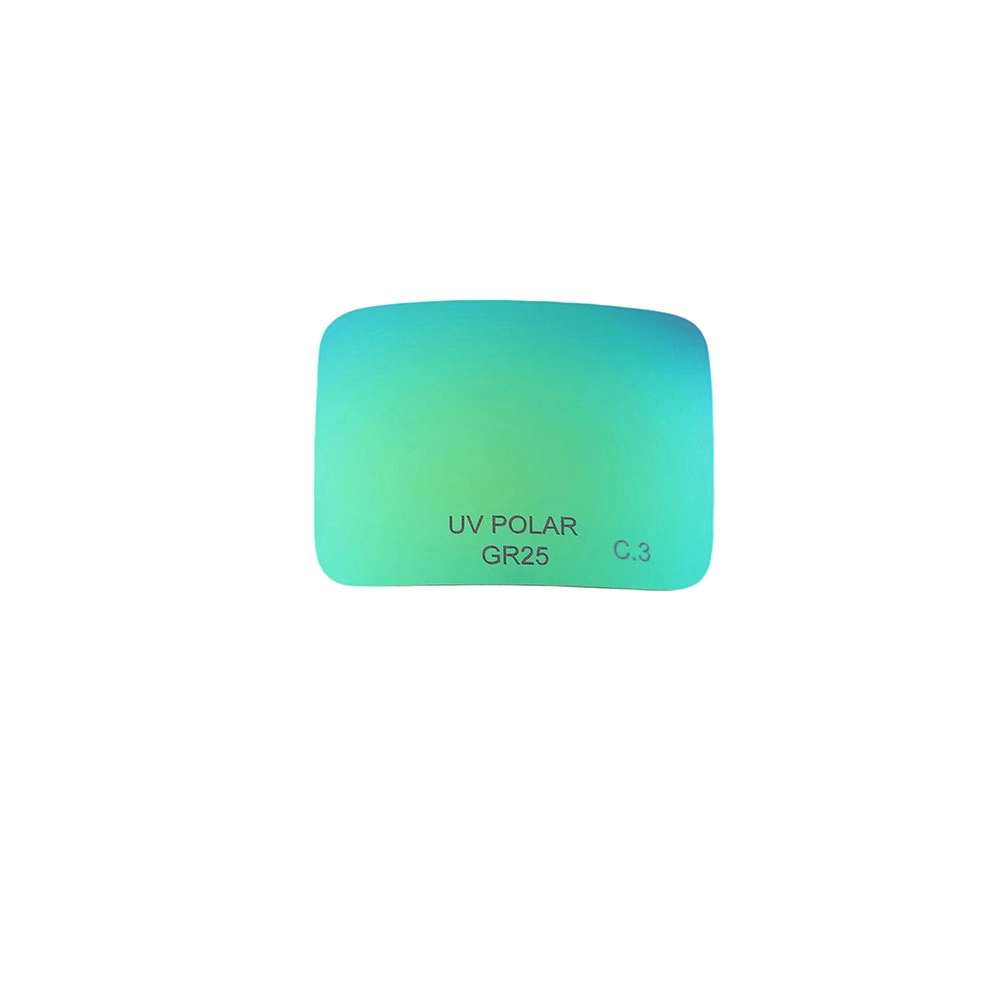
High-Definition Visual Clarity: Premium CR-39 & Polycarbonate Lenses
Experience the precision of a professional custom glasses lenses manufacturer. Karuson polarized lenses are engineered with a 99.9% high-polarization effect to provide unparalleled visual definition and glare reduction. By strategically absorbing reflected light through a high-stability PVA layer, our lenses are optimized for high-intensity outdoor environments, including maritime sailing, hunting, and alpine skiing. Furthermore, our specialized treatment ensures the lenses remain durable and distortion-free even in environments with high heat and humidity.
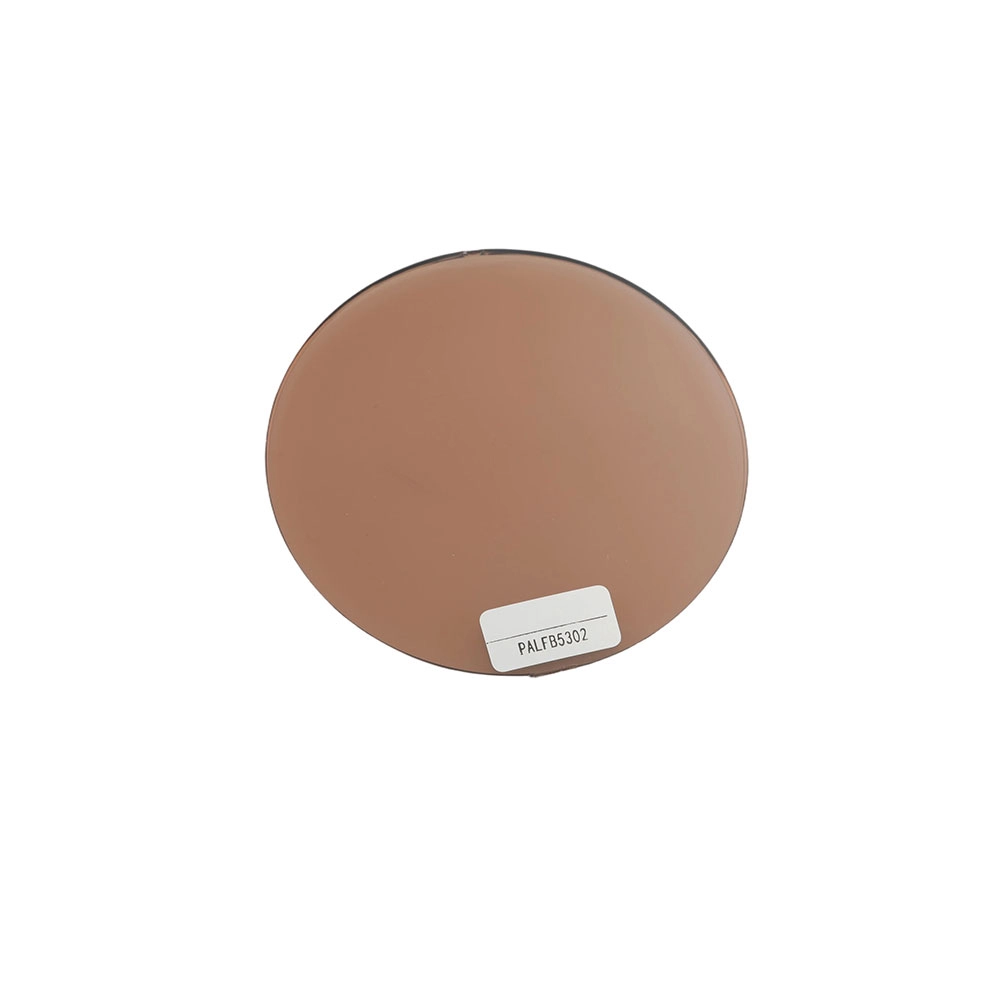
Why Quality Lenses are the Core of Your Eyewear Brand’s Reputation
As a premier high-definition glasses lenses manufacturer, Karuson crafts high-quality Polyamide (PA) Nylon Tinted Lenses that represent the perfect synergy of ultra-lightweight performance and high-toughness durability. By integrating professional-grade tinting technology with advanced material science, we offer a lens solution that delivers exceptional optical clarity alongside vibrant, fashionable color expression. Designed for both daily commutes and trendy lifestyle matching, these lenses provide a comfortable and aesthetic visual experience, serving as a high-performance fashion accessory for the modern, style-conscious consumer.
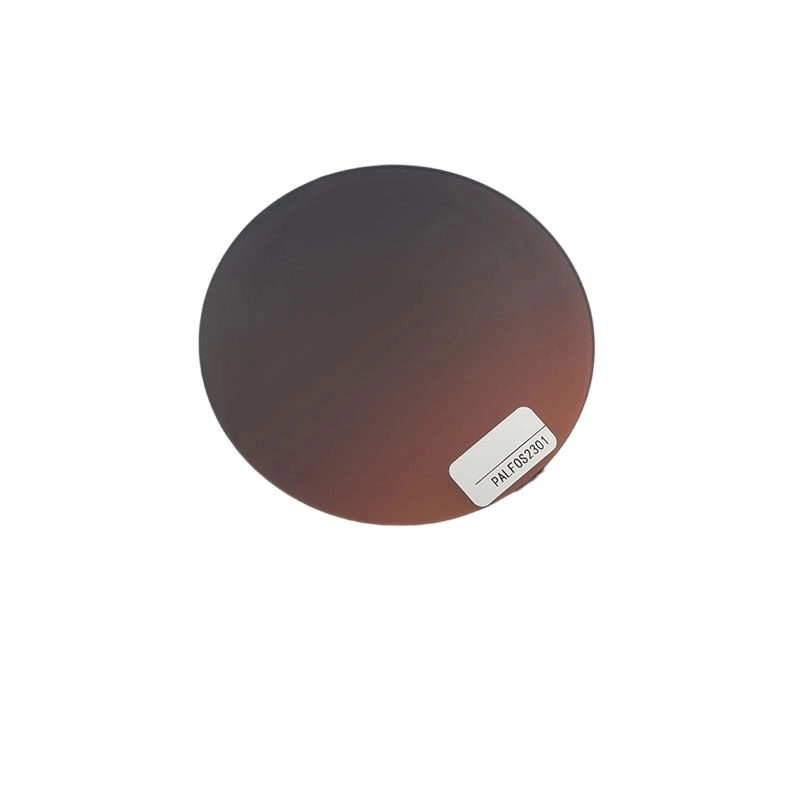
Advanced Sunglasses Solutions: Polarized Lenses with Anti-Seawater Coating
As a versatile photochromic lenses manufacturer and high-performance optics expert, Karuson crafts high-quality Polycarbonate (PC) Gradient Tinted Lenses that perfectly balance aesthetics with advanced protection. By fusing the ultra-lightweight and impact-resistant properties of PC material with precision gradient tinting technology, we deliver a durable visual solution that enhances clarity and comfort for urban lifestyles and outdoor sports. These lenses not only optimize visibility across varying light conditions by reducing glare but also offer a sleek, customizable design—allowing global brands to blend practical eye protection with a modern, fashion-forward accessory.
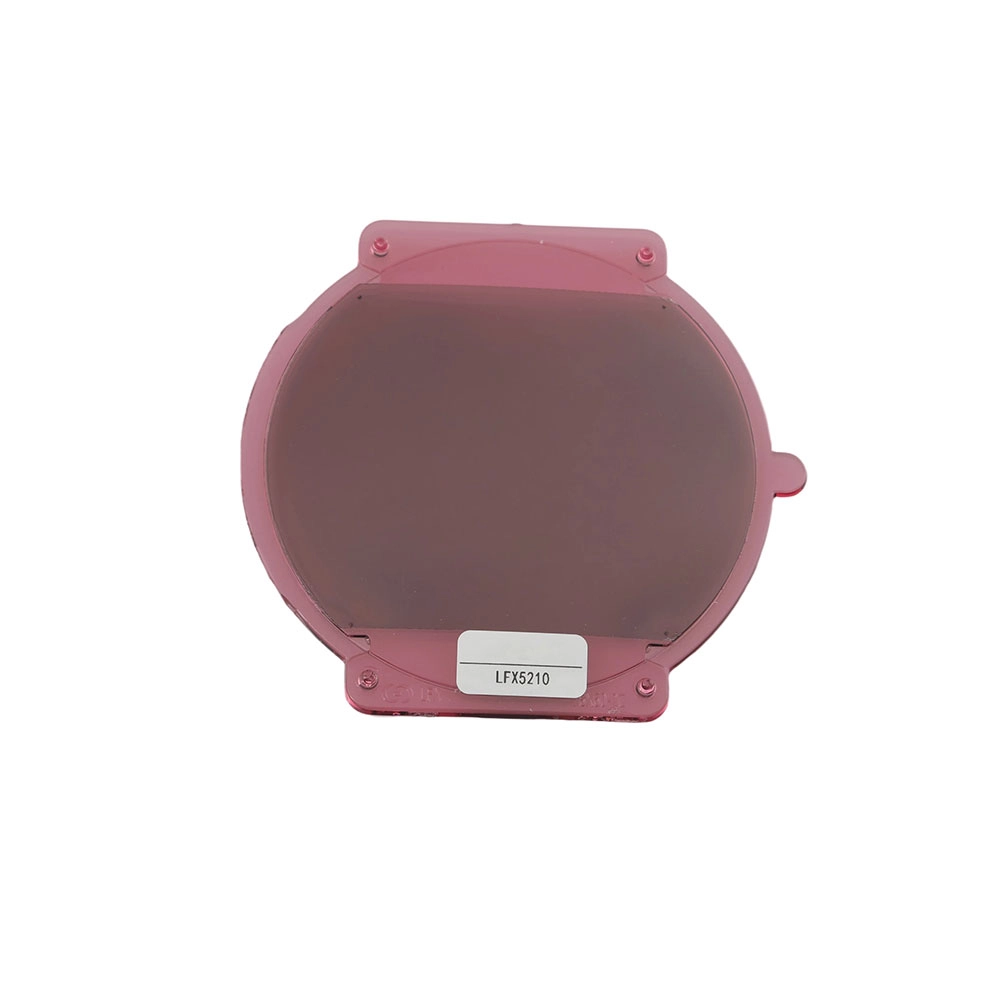
Upgrade Your Collection with Premium Lens Coatings & Finishes
As a leading lenses manufacturer, Karuson sets a new industry standard with our flagship-grade Polyamide (PA) Nylon polarized lenses. By seamlessly merging ultra-lightweight, high-toughness materials with precision polarizing technology, we deliver a high-definition visual solution that excels in durability and comfort. Optimized for high-intensity outdoor activities, professional driving, and competitive sports scenarios, these lenses redefine the performance benchmark for polarized optics, providing global brands with a truly elite-level product.
Get a Free Quote
If you have any comments or good suggestions, please leave us a message; later our professional staff will contact you as soon as possible.
NEW DIMENSIONS IN EYEWEAR
Contact KARUSON
Email:
WhatsApp/Phone:
Address:
331 Section B, WanJia Creative Park , No. 1 BUXIA Road ,Tianhe District, Guangzhou City, Guangdong Province, China.

© 2026 KARUSON. All Rights Reserved.
Facebook
Instagram
YouTube
TikTok
Linkedin