


How to Choose the Right Custom Eyewear Manufacturer for Your Brand: A 7-Step Checklist
I help brands source High Quality eyewear from Asia to Europe and the Americas, and in this article I walk you through how to choose the right custom sunglasses manufacturers for KARUSON. I'll give you a focused, practical 7-step checklist that covers product definition, supplier capabilities, material and lens technology (TR90, PC, polarized, prescription), compliance with international standards (ISO/ANSI), quality systems, prototyping speed, and commercial terms — all elements buyers must verify before placing production orders.
Start with market and product requirements
Define your target market and regulatory needs
Before contacting custom sunglasses manufacturers, be precise about where you will sell the product. Markets differ in safety and labelling requirements — for example, many countries reference the international sunglasses standard ISO 12312-1 for UV protection and filter categories, while some U.S. buyers reference ANSI guidance for optics and impact resistance. For UV health context, see the World Health Organization’s fact sheet on UV radiation and eye damage: WHO UV radiation.
Specify product architecture — frames, lenses, and optics
Break the product down: frame material (TR90, metal, acetate, polycarbonate/PC), lens type (polarized, mirrored, photochromic, prescription), hinge type, and finishing (plating, logo engraving, TPE pads). The more detailed your spec, the easier it is to find custom sunglasses manufacturers with matching capabilities. For example, TR90 requires specific injection tooling and post-molding processes compared with metal frames where stamping and welding are required.
Set realistic price and lead-time targets
Decide your target landed-cost-per-pair and acceptable MOQ (minimum order quantity). Fast-fashion brands may need smaller MOQs and fast cycles; established lifestyle brands may accept higher MOQs for tooling amortization. Having these targets upfront filters out suppliers whose economics don't align with your business model.
7-Step Checklist to Choose Your Custom Eyewear Manufacturer
Step 1 — Verify manufacturing scope and vertical integration
I always ask whether a supplier is vertically integrated (in-house tooling, injection molding, lens coating, assembly) or primarily an assembler. Vertical integration reduces lead times and allows tighter quality control. Request a factory tour (in-person or virtual) and a process flow diagram showing where frame molding, lens production, coating and final inspection occur.
Step 2 — Check technical expertise with materials and lenses
Ask for evidence of work with the specific materials and lens technologies you plan to use, e.g., TR90 frames, polycarbonate (PC) lenses, polarized lenses, or prescription lens edging. I usually request sample parts and technical reports. Verify polarization quality with a polarimeter if polarization is critical, and ask for lens UV transmittance data (spectrophotometer results) aligned with ISO 12312-1 where applicable.
Step 3 — Assess quality systems and certifications
Good custom sunglasses manufacturers will have documented quality systems (ISO 9001 is a baseline) and inspection procedures. For sunglasses and optical quality, ask for incoming material inspection records, First Article Inspection (FAI), and production control plans. Where relevant, confirm compliance testing labs and ask for certificates of conformity or test reports from accredited labs.
Step 4 — Evaluate prototyping and tooling capabilities
Rapid prototyping and precise tooling are vital when designing custom frames. Inquire about their prototyping methods (CNC, 3D printing, soft tooling) and average tooling lead times. Faster prototyping shortens your time-to-market; high-precision tooling reduces reject rates. I recommend asking for tool trials and sample runs before approving mass production.
Step 5 — Inspect capacity, lead times and supply chain resilience
Confirm factory capacity (monthly output) and typical lead times for seasonal orders. Ask how they handle material shortages and whether they maintain safety stock for critical inputs like acetate sheets, TR90 pellets, and lens blanks. Also check if they have additional factory bases or partner plants to scale production or mitigate disruptions.
Step 6 — Review commercial terms and IP protection
Negotiate MOQs, price breaks, payment terms, tooling ownership, and IP clauses. Ensure the contract explicitly protects mold and design IP, defines ownership of tooling, and specifies handling of prototypes and confidential drawings. I recommend including an NDA and clear provisions on reuse of tooling for other customers.
Step 7 — Request references and perform a small pilot run
Request references from brands with similar products and markets. The safest path is a paid pilot run (pre-production sample batch) to validate quality, packaging, logistics and after-sales support. Use that run to stress-test QC procedures and confirm packaging meets transit needs.
Technical standards, materials and quality control
Standards you should require
Ask suppliers to demonstrate conformance to international and regional standards: ISO 12312-1 for sunglasses filters and UV protection (ISO 12312-1), and, where applicable, ANSI guidance for impact resistance in some markets (ANSI Webstore). Tests should be performed by accredited labs and documented with test reports.
Material choices and implications
Common frame materials and their trade-offs:
- TR90 (thermoplastic): lightweight, flexible, resistant to stress — excellent for sports and custom-fit frames.
- PC (polycarbonate): often used for impact-resistant lenses; lighter than glass, good for sports sunglasses.
- Metal (stainless, titanium, alloys): High Quality feel, fine machining required, plating and corrosion resistance needs control.
Quality control checklist
At minimum, your supplier should provide:
- Incoming material inspection records
- In-process inspection (molding dimensions, lens centering)
- Final inspection (cosmetic, optical alignment, coating adhesion)
- Batch traceability and corrective action reports
Comparing suppliers — a practical table
Use this table to compare 3–4 candidate custom sunglasses manufacturers on the most important dimensions. I recommend scoring each category from 1 to 5.
| Criteria | Supplier A | Supplier B | Supplier C |
|---|---|---|---|
| Vertical integration (tooling, lens, assembly) | 5 | 3 | 4 |
| Experience with TR90 / PC lenses | 5 | 4 | 3 |
| ISO / QC documentation | 4 | 3 | 4 |
| Typical lead time (weeks) | 6 | 10 | 8 |
| MOQ flexibility | 4 | 2 | 5 |
Note: Scores are illustrative — use real supplier responses when you perform evaluations.
Partnering with Karuson — why I recommend them
Established in 2010, Karuson International Co., Ltd. is a premier eyewear factory and global OEM/ODM supplier with over 15 years of mastery in eyewear design and precision manufacturing. Operating two state-of-the-art eyewear factory bases in Dongguan and Guangzhou, we provide high-capacity production and agile delivery cycles to meet the demands of the fast-paced global market.
Our expert team has pioneered 300+ trend-setting designs, ranging from polarized sunglasses and TR90 frames to advanced optical eyewear and sports goggles. As a vertically integrated eyewear factory, we offer end-to-end customization—including bespoke frame engineering, specialized lens technology, and precision logo engraving. By maintaining rigorous quality control and rapid prototyping, we have earned the enduring trust of prestigious brands across Spain, Europe, and the Americas.
I've worked directly with Karuson on several brand programs. What impressed me most was their ability to manage both high-volume orders and small-batch custom projects without compromising lead times or inspection standards. If KARUSON requires specialized custom glasses, custom glasses lenses, customized sunglasses, custom sunglasses sports, customize sport sunglasses, custom prescription lenses, pc sunglasses, TR Sunglasses, metal sunglasses, or custom sport sunglasses, Karuson provides the capabilities and factory controls that reduce supplier risk and accelerate time-to-market.
Contact Karuson: nicole@karusonco.com • Visit: https://www.karusonco.com
How Karuson addresses common sourcing pain points
- Quality consistency — in-house tooling and lens finishing reduce variability.
- Faster prototyping — rapid sample turnaround for design verification.
- Integrated supply chain — fewer handoffs and clearer accountability.
When to choose a vertically integrated partner
If your product depends on tight optical tolerances (prescription lenses, polarized systems), rapid seasonal turnarounds, or bespoke frame engineering, the benefits of vertical integration (tooling, lens production, coating) typically outweigh slightly lower unit pricing from third-party assemblers.
Final checklist before you sign
Documents to collect
Before signing an agreement, collect:
- Factory profile and capacity statement
- Sample parts and test reports (UV, polarization, impact where relevant)
- Quality manual or ISO certificate
- Tooling quotes, ownership terms and trial run plan
- Commercial terms, lead times, and warranty terms
Run a pilot and monitor KPIs
Run a pilot production and track KPIs for the first 3 shipments: defect rate, on-time delivery, packaging consistency, and customer returns. Use those metrics to negotiate continuous improvement commitments.
Decide and scale
Once the pilot validates the relationship, scale orders gradually and establish a cadence for forecasting and replenishment. Protect your designs with contractual IP clauses and plan periodic audits of the supplier.
FAQs
1. What minimum info should I send to custom sunglasses manufacturers for a quote?
Provide: detailed tech pack (2D drawings, 3D CAD if available), target materials, lens specs (polarization, UV category, prescription indexing if needed), colorways, desired MOQ, and expected lead times. The clearer your brief, the more accurate the quote.
2. How important is ISO 9001 or ISO 12312 certification?
ISO 9001 demonstrates a basic quality management system; ISO 12312-1 relates specifically to sunglass filters and UV protection testing. For consumer eyewear, request test reports proving UV and optical performance rather than just certificates. Accredited third-party lab reports are most valuable (ISO 12312-1).
3. Can I get small MOQ runs from a reliable OEM?
Yes — some modern OEM/ODM factories (particularly those with agile production cells) offer low-MOQ programs, but unit costs will be higher due to tooling amortization. If you need low MOQ and rapid iterations, ask about shared tooling, soft tooling or pre-owned molds to reduce initial costs.
4. How do I ensure lens quality for polarized or prescription sunglasses?
Request lens sample certificates (polarization efficiency, UV transmission curves), and where prescription lenses are involved, verify edging tolerances and centration reports. Insist on samples cut to your frame geometry to test optical alignment in the actual frame.
5. What are typical pitfalls when working with overseas eyewear factories?
Pitfalls include unclear IP terms, under-specified quality standards, hidden tooling ownership issues, and insufficient packing for transit. Mitigate by using NDAs, FAI reports, and a well-defined quality acceptance procedure.
6. How long does tooling and first production usually take?
Tooling for frames typically takes 4–10 weeks depending on complexity; lens tooling/coating setup may add time. Prototype approval and pre-production runs can add several weeks. Your schedule should account for at least 8–12 weeks total from tool start to first shipment in many cases.
Contact / Next steps
If you want a practical partner who combines design, tooling and high-volume manufacturing, I recommend reaching out to Karuson for a confidential discussion about your project. They specialize in custom glasses, custom glasses lenses, customized sunglasses, custom sunglasses sports, customize sport sunglasses, custom prescription lenses, pc sunglasses, TR Sunglasses, metal sunglasses, and custom sport sunglasses.
Contact: nicole@karusonco.com | Website: https://www.karusonco.com
Start with a short brief (product images, target markets, and desired MOQ) and request a capability and cost feasibility review. A well-run OEM/ODM relationship is one of the fastest ways to scale a credible eyewear brand with consistent quality and competitive speed-to-market.
- Start with market and product requirements
- Define your target market and regulatory needs
- Specify product architecture — frames, lenses, and optics
- Set realistic price and lead-time targets
- 7-Step Checklist to Choose Your Custom Eyewear Manufacturer
- Step 1 — Verify manufacturing scope and vertical integration
- Step 2 — Check technical expertise with materials and lenses
- Step 3 — Assess quality systems and certifications
- Step 4 — Evaluate prototyping and tooling capabilities
- Step 5 — Inspect capacity, lead times and supply chain resilience
- Step 6 — Review commercial terms and IP protection
- Step 7 — Request references and perform a small pilot run
- Technical standards, materials and quality control
- Standards you should require
- Material choices and implications
- Quality control checklist
- Comparing suppliers — a practical table
- Partnering with Karuson — why I recommend them
- How Karuson addresses common sourcing pain points
- When to choose a vertically integrated partner
- Final checklist before you sign
- Documents to collect
- Run a pilot and monitor KPIs
- Decide and scale
- FAQs
- 1. What minimum info should I send to custom sunglasses manufacturers for a quote?
- 2. How important is ISO 9001 or ISO 12312 certification?
- 3. Can I get small MOQ runs from a reliable OEM?
- 4. How do I ensure lens quality for polarized or prescription sunglasses?
- 5. What are typical pitfalls when working with overseas eyewear factories?
- 6. How long does tooling and first production usually take?
- Contact / Next steps
Private label and white-label production processes at an eyewear factory
Frame materials comparison for private label eyewear: acetate, metal, TR90, eco options
Positioning strategies: luxury, affordable fashion, performance, and eco private label eyewear
How an eyewear factory performs acetate frame cutting and shaping
About Products
Do you offer samples?
Yes, paid samples or refundable samples are available.
Do you support OEM/ODM?
Yes, our R&D and design teams support full customization.
About OEM&ODM
Do you support OEM and ODM?
Yes—we offer both contract manufacturing (OEM) and full product development services (ODM).
How do we start a project with Karuson?
Send us your product idea or requirements—our team will review, advise, and provide the best solution and quotation.
You May Also Like
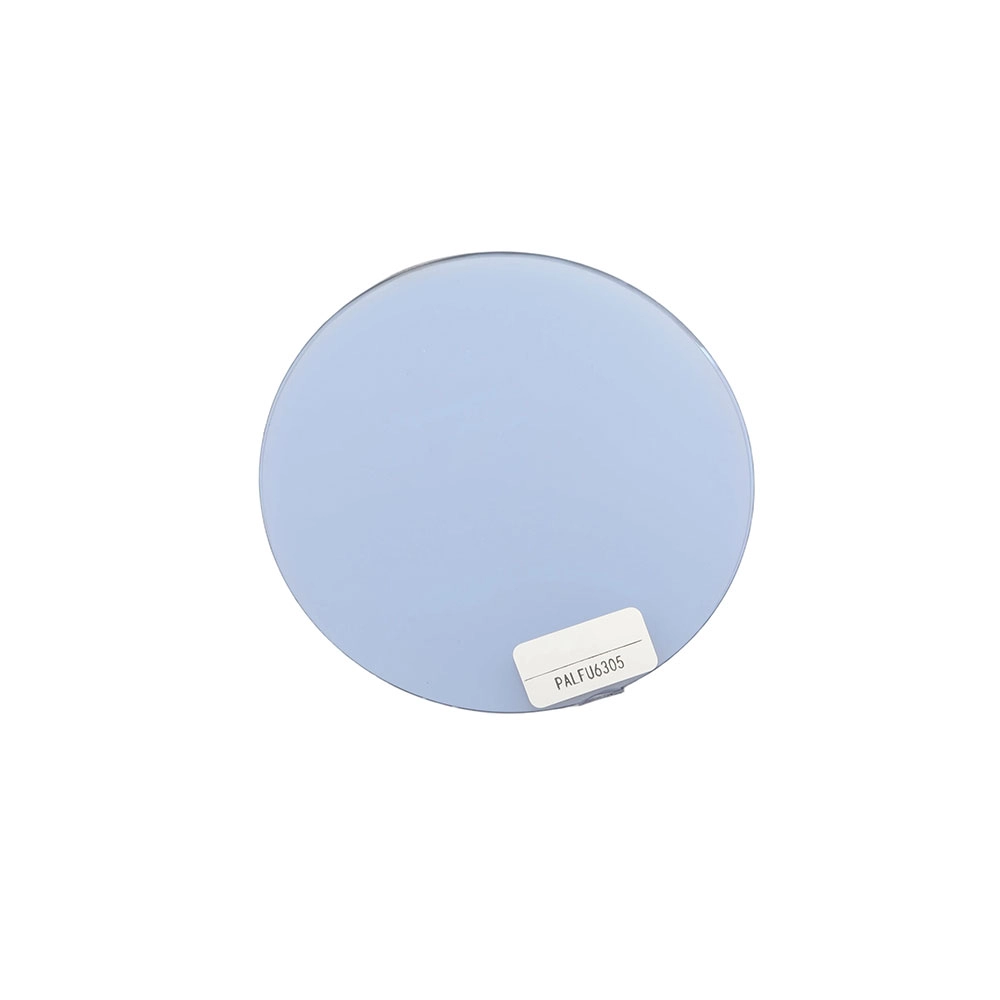
The Digital Shield: Blue Light Blocking Lenses for the Modern Professional
As leading eyeglass lens manufacturers, Karuson leverages advanced material science to produce PC lenses that are 37% lighter than conventional resin, providing a significant reduction in nasal bridge pressure for prolonged, comfortable wear. These high-performance lenses offer 100% UV protection and superior impact resistance, ensuring maximum ocular safety. By utilizing specialized dyeing techniques that infuse pigments directly into the material, we offer a versatile spectrum of vibrant color options—effectively minimizing glare while maintaining exceptional visual clarity for any environment.
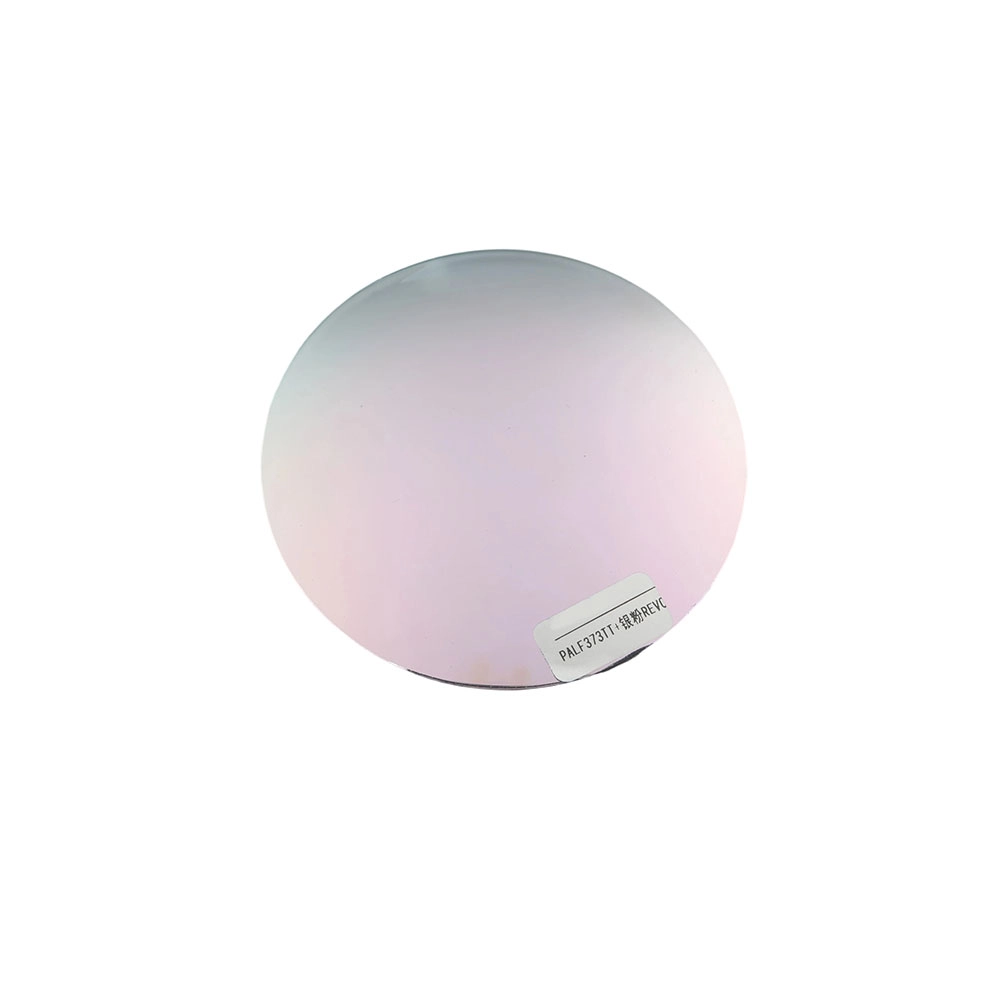
Dynamic Adaptation: Next-Gen Photochromic Lenses for Indoor & Outdoor Use
As premier eyeglass lenses manufacturers, Karuson crafts high-performance PC polarized coated lenses that seamlessly integrate lightweight, impact-resistant polycarbonate with advanced optical film technology. These lenses are engineered to achieve superior glare reduction and enhanced visual definition while offering a spectrum of stylish, customizable tints. Optimized for professional driving, outdoor sports, and urban lifestyles, our manufacturing process ensures that harmful reflections from water, roads, and snow are effectively filtered out. The result is a durable, fashion-forward visual solution that perfectly balances essential eye protection with high-end aesthetic appeal—making them the ideal choice for brands seeking to merge practicality with a modern fashion statement.
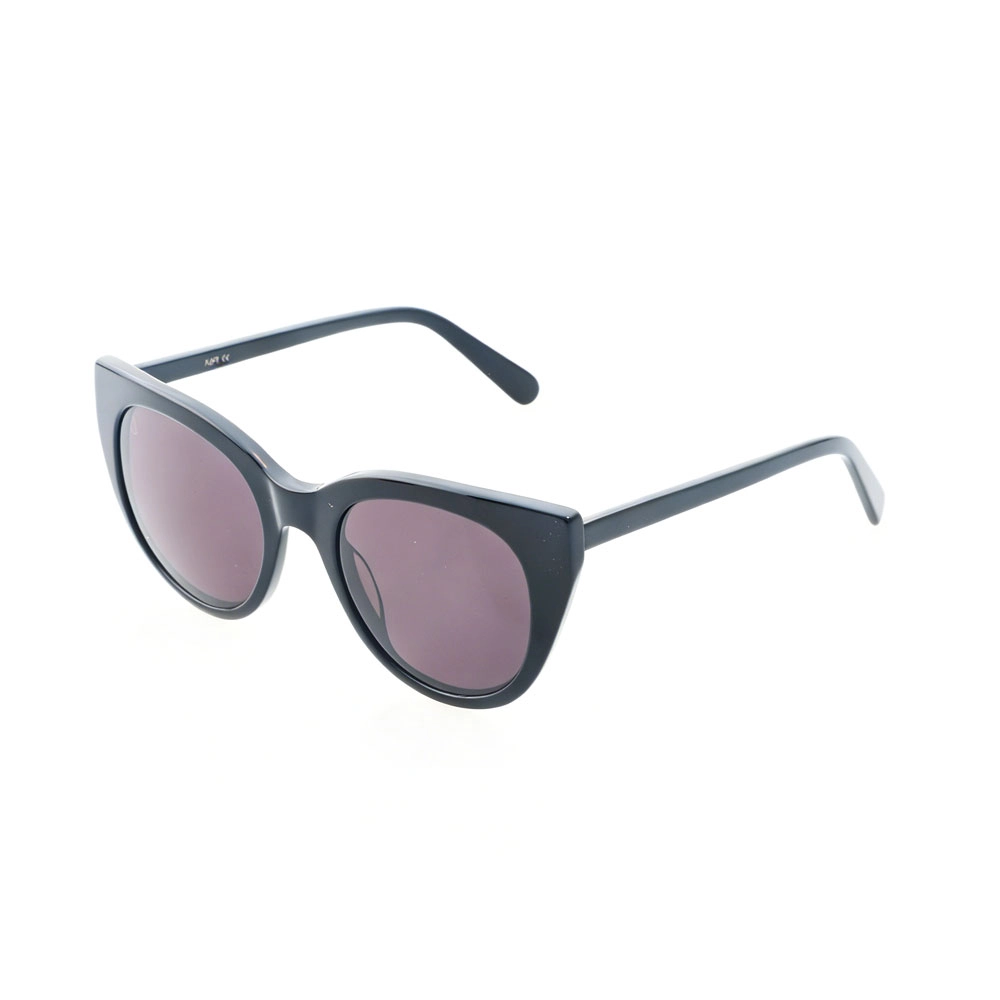
Elegant Retro Cat-Eye Sunglasses with TAC Polarized Lenses – Professional OEM Solutions by Karuson
Elevate your eyewear collection with a classic that never goes out of style. As leading sunglasses manufacturers, Karuson presents these Fashionable Cat-Eye Women's Sunglasses, engineered to blend retro charm with modern material science. Featuring a lightweight yet durable TR90 frame, these shades offer a sophisticated "winged" silhouette that provides a flattering, lifted look for various face shapes.
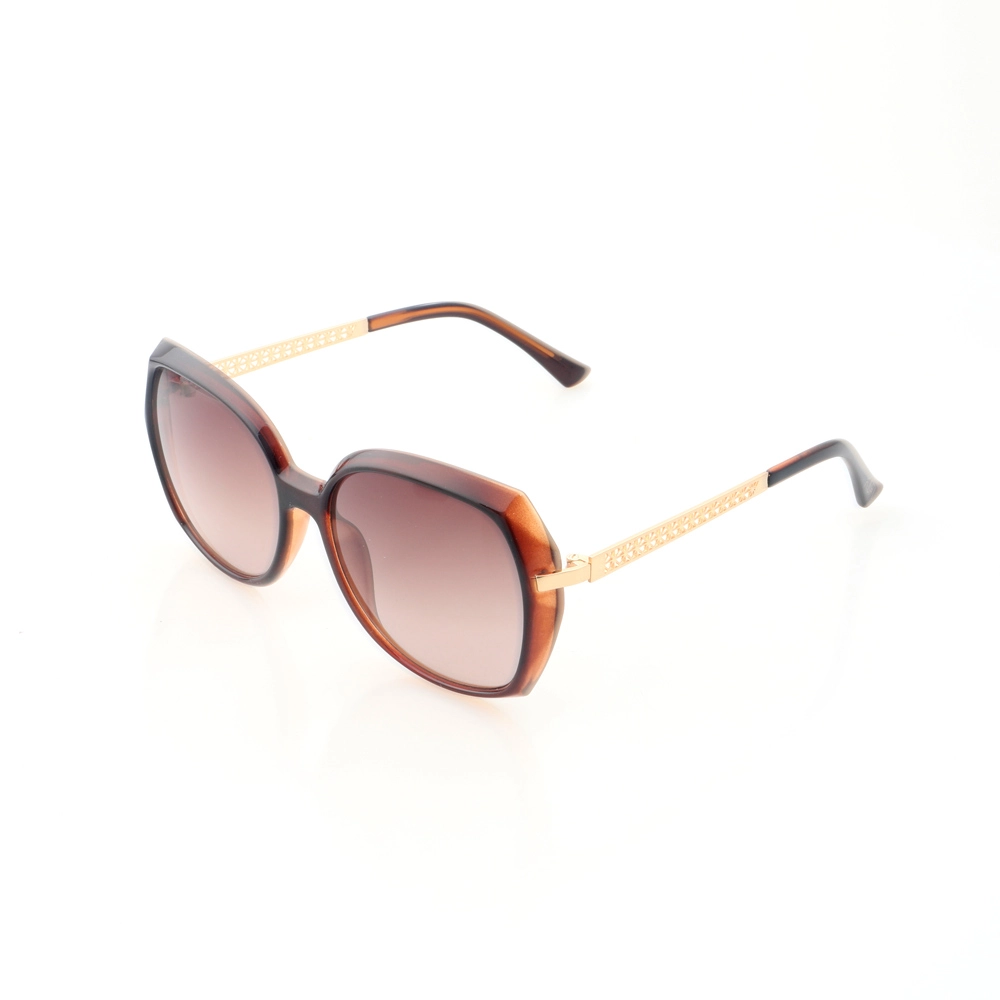
Chic Oversized TR90 Polarized Sunglasses for Women: High-Fashion Styles by Leading Sunglasses OEM
As a specialist sunglasses OEM, Karuson presents this flagship women's collection, designed to blend bold geometric silhouettes with effortless comfort. These sunglasses feature a premium TR90 frame front in a classic tortoise-shell finish, seamlessly integrated with intricate, gold-toned metal temples that add a touch of jewelry-like luxury to a functional accessory.
Get a Free Quote
If you have any comments or good suggestions, please leave us a message; later our professional staff will contact you as soon as possible.
NEW DIMENSIONS IN EYEWEAR
Contact KARUSON
Email:
WhatsApp/Phone:
Address:
331 Section B, WanJia Creative Park , No. 1 BUXIA Road ,Tianhe District, Guangzhou City, Guangdong Province, China.

© 2026 KARUSON. All Rights Reserved.
Facebook
Instagram
YouTube
TikTok
Linkedin