



Choosing frame materials at an eyewear factory: acetate, metal, TR90 and bio-based options
I write from years working inside an eyewear factory and advising brands on frame engineering, material selection and production scale-up. Choosing the right frame material is one of the earliest and most consequential decisions for any glasses or sunglasses line. Material drives form, weight, tactile quality, tooling and labour needs, recyclability and the emotional fit between product and customer. In this article I compare four common paths—acetate, metal, TR90 (thermoplastic polyamide) and emerging bio-based polymers—explain manufacturing constraints at the factory level, and give practical guidance you can act on when designing, prototyping and scaling eyewear production.
Material selection: balancing form, function and cost
Design and brand positioning
When I consult with brands, I always start from product intent: is the frame a High Quality acetate fashion piece, a lightweight titanium optical, a performance sports model in TR90, or an eco-branded line using bio-based plastics? Each material communicates value differently: acetate signals artisanal finish and color depth; titanium projects High Quality lightness and longevity; TR90 suggests sport-ready flexibility; bio-based options communicate sustainability. Aligning material choice to positioning reduces rework later in tooling and marketing.
Manufacturing constraints in an eyewear factory
At the production-floor level, material choice dictates equipment, cycle times and QC touchpoints. Acetate requires block cutting, milling and multi-stage polishing; metal frames need CNC bending, welding or TIG brazing and plating lines; TR90 is injection-molding-centric with mold maintenance and dimensional control; bio-based polymers may require different drying and molding parameters. An experienced eyewear factory will map these constraints to lead times and per-piece cost during quoting.
Cost vs. performance trade-offs
Cost is not only raw material price: tooling amortization, reject rate, labor intensity, plating or polishing steps, and warranty replacement rates all affect landed cost. For example, acetate typically has higher labor and finishing costs but low tooling expense compared with high-precision metal machining or multi-cavity injection molds for TR90. I always run a cost-per-unit model across expected volumes before locking materials.
Acetate, metal, TR90 and bio-based — material deep dive
Cellulose acetate: characteristics and handling
Cellulose acetate (often shortened to acetate) is a semi-synthetic polymer derived from wood pulp or cotton linters. It is favored for rich colors, layered patterns and a warm tactile finish. The material is relatively dense compared with TR90 but offers superior polish and the ability to rework edges manually during finishing. The Wikipedia page on cellulose acetate provides a technical overview of its chemistry and properties (reference).
From a factory perspective, working with acetate requires block saws, CNC routers, pattern drilling, oven heating for alignments and multi-step polishing stations. Typical steps include cutting, milling, beveling, boring for hinges, heating for assembly and hand-polishing. This makes acetate slower per unit and more labor-intensive, but also enables High Quality finishes and custom color layering that customers recognize and are willing to pay for.
Metal frames: stainless steel, titanium and alloys
Metal frames cover a wide range: stainless steel, beta-titanium (commonly called simply 'titanium' in eyewear), memory metal (e.g., nitinol alloys) and plated brass. Metals excel at slim profiles, minimalistic construction and structural strength at small cross-sections. Technical overviews for titanium and stainless steel are available on Wikipedia (titanium) and (stainless steel).
Manufacturing metal frames requires CNC wire-bending, laser cutting, welding/brazing, electroplating or PVD coating, and often micro-machining for hinge interfaces. Metal frames can be surface-treated to be hypoallergenic (titanium is naturally good for that), but plating quality and adhesion are critical for longevity. In my experience, metal frames demand rigorous plating QC and salt-spray testing where corrosion and finish loss are concerns.
TR90 (thermoplastic polyamide): flexibility and sporty use
TR90 is a durable thermoplastic material often used in sport and casual eyewear. It’s lightweight, flexible, and highly resistant to stress cracking and deformation—qualities that make it ideal for injection-molded frames and large-volume production. Many optical suppliers and technical overviews discuss TR90 under polyamide family materials; a practical industry guide to frame materials is useful here (manufacturing primer).
In the factory, TR90 production focuses on injection molding: mold design, gate location, cooling, and post-mold annealing control part dimensions and surface finish. TR90 enables thin temples and integrated flexible hinges without metal, reducing assembly steps. However, achieving High Quality matte textures or multi-layer color effects can be more complex than with acetate.
Bio-based polymers: emerging circular options
Bio-based plastics (made partly or wholly from renewable biological feedstocks) are increasingly used by brands seeking sustainability claims. There is meaningful heterogeneity in bio-based materials: some are drop-in replacements for conventional polyesters or polyamides; others are compostable under industrial conditions. The European Bioplastics association provides definitions and market context (European Bioplastics).
From an eyewear factory standpoint, adopting bio-based materials may require re-qualifying processing parameters, verifying long-term UV stability, and ensuring supply-chain traceability for marketing claims. I always recommend third-party certification and life-cycle assessment when a brand leverages bio-based messaging to avoid greenwashing risks.
Choosing the right material for your product line
Market trends and consumer preferences
Market segmentation helps choose materials: High Quality fashion lines trend to acetate and titanium; entry-level optical and sport ranges prefer TR90 for cost and durability; eco-conscious collections may use bio-based substrates where possible. Sales data from different regions also matter: European and North American High Quality brands often favor acetate and titanium, while large-volume sports lines use TR90 for competitive pricing and ruggedness. I advise running consumer research on perceived value for different materials to validate assumptions early.
Quality control and standards
Compliance with optical and safety standards is critical. For sunglasses and some protective eyewear, ISO 12312-1 specifies requirements for filters and sunglasses (ISO 12312-1). Your eyewear factory should have documented QC protocols covering dimensional tolerance, hinge torque testing, salt-spray for plated metals, UV and scratch-resistance for lenses, and impact resistance for sports eyewear. Implementing statistical process control (SPC) on critical dimensions reduces downstream assembly rejects and warranty claims.
Prototyping, tooling and lifecycle considerations
Prototype quickly and test in real-life conditions. A common approach I use in the factory is: 1) rapid prototype for fit and aesthetics (3–7 working days), 2) engineering samples with production-like materials to validate tooling, 3) pilot run to establish process capability indices (Cp, Cpk), and 4) full production with ongoing sampling. Consider expected lifecycle: acetate frames may be repairable and re-polishable; metal frames can be adjusted for fit; TR90 are often not repaired but replaced. These factors affect after-sales policy and brand perception.
Material comparison: quick reference
| Material | Weight | Durability/Flex | Finish/Color Options | Production Notes | Sustainability |
|---|---|---|---|---|---|
| Acetate | Medium | Good rigidity; moderate flexibility after heating | Excellent (layering, patterns, polish) | Labour-intensive finishing; CNC & hand-polish | Biobased feedstock possible; recycling limited |
| Titanium / Metal | Light (titanium) to medium | High strength; low deformation | Fine surface finishing; plating/PVD options | CNC, welding, plating; sensitive to corrosion control | Recyclable metals; plating waste needs management |
| TR90 (Polyamide) | Very light | High flexibility and impact resistance | Good; injection-mold colors, limited surface depth | Injection molding; high-volume friendly | Not typically bio-based; recycling possible depending on resin |
| Bio-based Polymers | Variable | Variable (depends on polymer) | Depends on formulation | May need adjusted molding/drying parameters | Lower fossil inputs; certifications advised |
Sources for material characteristics include technical summaries and manufacturing guides such as industry primers on frame materials (AllAboutVision) and material overviews (cellulose acetate), (titanium). For standards, see (ISO 12312-1).
How I recommend making the decision in an eyewear factory context
Step 1 — Define product and margin targets
Start with positioning and a target landed cost. If margin targets are tight, favor high-yield, low-labour processes (TR90 injection molding) or simplified metal manufacturing. High Quality collections with bespoke colors should budget for acetate finishing.
Step 2 — Prototype with production-intent materials
Always prototype using the same material family you intend to mass-produce. This avoids surprises in fit, weight and finish. Use pilot runs to establish SPC metrics and refine mold venting, shrinkage compensation and finishing recipes.
Step 3 — Validate sustainability and claims
If marketing will promote bio-based or recycled content, secure certificates and test UV/aging behaviour. I insist on third-party verification to support claims and mitigate regulatory or reputational risk.
About manufacturing partnerships — why factory choice matters
Beyond material, partnering with the right eyewear factory changes outcomes. As a consultant I prioritize factories with vertically integrated capability—rapid prototyping, in-house plating, and experienced finishing teams—because they shorten iteration cycles and reduce NPI risk.
Established in 2010, Karuson International Co., Ltd. is a premier eyewear factory and global OEM/ODM supplier with over 15 years of mastery in eyewear design and precision manufacturing. Operating two state-of-the-art eyewear factory bases in Dongguan and Guangzhou, we provide high-capacity production and agile delivery cycles to meet the demands of the fast-paced global market.
Our expert team has pioneered 300+ trend-setting designs, ranging from polarized sunglasses and TR90 frames to advanced optical eyewear and sports goggles. As a vertically integrated eyewear factory, we offer end-to-end customization—including bespoke frame engineering, specialized lens technology, and precision logo engraving. By maintaining rigorous quality control and rapid prototyping, we have earned the enduring trust of prestigious brands across Spain, Europe, and the Americas.
Karuson’s core strengths include: deep expertise in acetate finishing and color layering; CNC and micro-machining capability for metal frames; high-volume TR90 injection molding; and experience qualifying bio-based formulations for brand sustainability lines. Our main product categories include custom glasses, custom glasses lenses, customized sunglasses, custom sunglasses sports, customize sport sunglasses, custom prescription lenses, pc sunglasses, TR sunglasses, metal sunglasses, and custom sport sunglasses.
To discuss custom production, design-for-manufacture feedback, or to request samples, contact me at nicole@karusonco.com or visit our website: https://www.karusonco.com.
FAQ — common questions I get from brands and product teams
1. Which material is best for a lightweight everyday optical frame?
For light weight and High Quality finish, titanium is ideal. TR90 is also very light and flexible but has a different aesthetic. Choose titanium for ultra-thin profiles and a High Quality feel; TR90 for sporty resilience and cost-efficiency.
2. Can bio-based plastics match acetate aesthetics?
Not always today. Some bio-based formulations can be tuned for color and finish, but matching the depth and polish of traditional acetate usually remains challenging. If a brand requires acetate-level finishes, acetate or hybrid approaches are safer. If sustainability messaging is primary, consider bio-based pilot development with lifecycle certification.
3. How should I evaluate plating quality on metal frames?
Ask for salt-spray testing data (e.g., 48–96 hours), adhesion tests, and cross-section analysis of plating thickness. Also inspect long-term wear samples and verify vendor waste-treatment and compliance processes for plating baths.
4. What are the main risks when switching to TR90 for an existing acetate line?
Design proportions may need adjustment because TR90 allows thinner temple cross-sections and flexible integrated hinges. Aesthetic differences (matte vs. glossy depth) will affect perceived value. Tooling and assembly steps differ, impacting lead times and QC checks.
5. How do I prevent greenwashing claims when marketing bio-based frames?
Secure third-party certification (e.g., ISCC PLUS or similar), keep transparent material bills of materials, and publish a clear sustainability statement including percentages of bio-based content and end-of-life instructions. Avoid vague claims like 'eco' without evidence.
6. How many samples should I run before mass production?
I typically recommend: one rapid-fit prototype, three engineering samples using production-intent materials, and a pilot run of several hundred units (depending on scale) to baseline SPC and supply chain logistics.
If you want tailored material recommendations for a specific SKU, production volume or market region, I can review your design and provide a DFM (design-for-manufacture) report and sample schedule. Contact me at nicole@karusonco.com or visit https://www.karusonco.com to request a quote or view our product portfolio.
- Material selection: balancing form, function and cost
- Design and brand positioning
- Manufacturing constraints in an eyewear factory
- Cost vs. performance trade-offs
- Acetate, metal, TR90 and bio-based — material deep dive
- Cellulose acetate: characteristics and handling
- Metal frames: stainless steel, titanium and alloys
- TR90 (thermoplastic polyamide): flexibility and sporty use
- Bio-based polymers: emerging circular options
- Choosing the right material for your product line
- Market trends and consumer preferences
- Quality control and standards
- Prototyping, tooling and lifecycle considerations
- Material comparison: quick reference
- How I recommend making the decision in an eyewear factory context
- Step 1 — Define product and margin targets
- Step 2 — Prototype with production-intent materials
- Step 3 — Validate sustainability and claims
- About manufacturing partnerships — why factory choice matters
- FAQ — common questions I get from brands and product teams
- 1. Which material is best for a lightweight everyday optical frame?
- 2. Can bio-based plastics match acetate aesthetics?
- 3. How should I evaluate plating quality on metal frames?
- 4. What are the main risks when switching to TR90 for an existing acetate line?
- 5. How do I prevent greenwashing claims when marketing bio-based frames?
- 6. How many samples should I run before mass production?
How an eyewear factory performs acetate frame cutting and shaping
OEM Sunglasses Solutions: From Design to Mass Production
Step-by-Step Guide to Ordering Prototypes from Custom Eyewear Manufacturers
CNC machining and milling techniques used by modern eyewear factories
About OEM&ODM
What is your production lead time?
Mass production generally takes 30–45 days after sample approval.
How do we start a project with Karuson?
Send us your product idea or requirements—our team will review, advise, and provide the best solution and quotation.
What is your minimum order quantity (MOQ)?
MOQ is flexible and varies by product type. Small trial orders are welcome.
Do you support OEM and ODM?
Yes—we offer both contract manufacturing (OEM) and full product development services (ODM).
You May Also Like
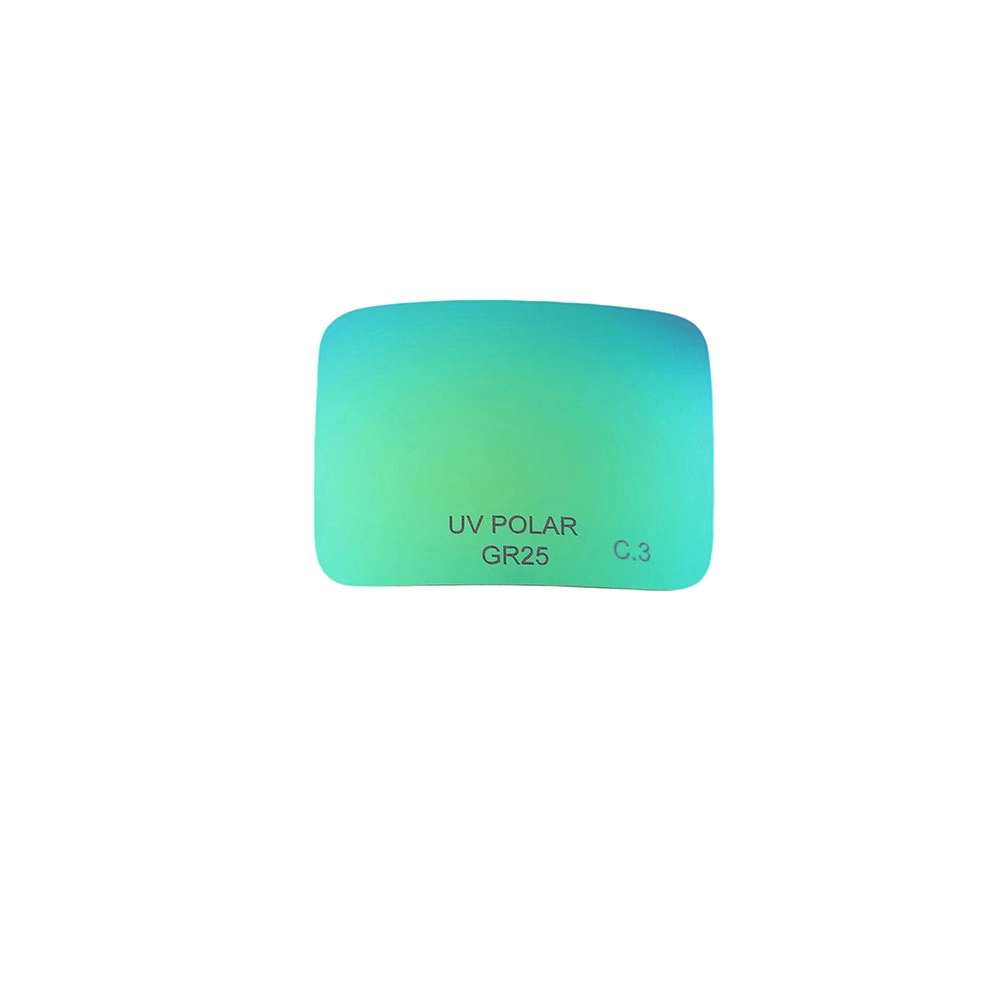
High-Definition Visual Clarity: Premium CR-39 & Polycarbonate Lenses
Experience the precision of a professional custom glasses lenses manufacturer. Karuson polarized lenses are engineered with a 99.9% high-polarization effect to provide unparalleled visual definition and glare reduction. By strategically absorbing reflected light through a high-stability PVA layer, our lenses are optimized for high-intensity outdoor environments, including maritime sailing, hunting, and alpine skiing. Furthermore, our specialized treatment ensures the lenses remain durable and distortion-free even in environments with high heat and humidity.
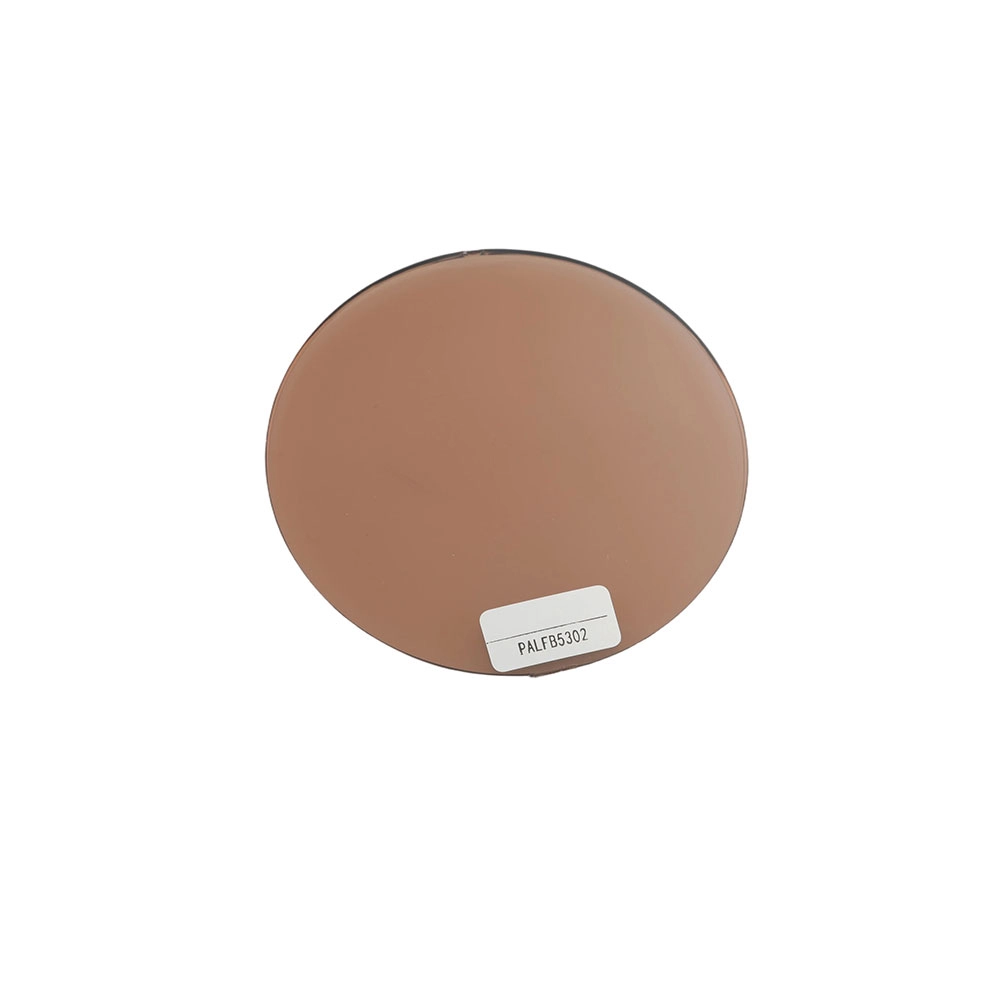
Why Quality Lenses are the Core of Your Eyewear Brand’s Reputation
As a premier high-definition glasses lenses manufacturer, Karuson crafts high-quality Polyamide (PA) Nylon Tinted Lenses that represent the perfect synergy of ultra-lightweight performance and high-toughness durability. By integrating professional-grade tinting technology with advanced material science, we offer a lens solution that delivers exceptional optical clarity alongside vibrant, fashionable color expression. Designed for both daily commutes and trendy lifestyle matching, these lenses provide a comfortable and aesthetic visual experience, serving as a high-performance fashion accessory for the modern, style-conscious consumer.
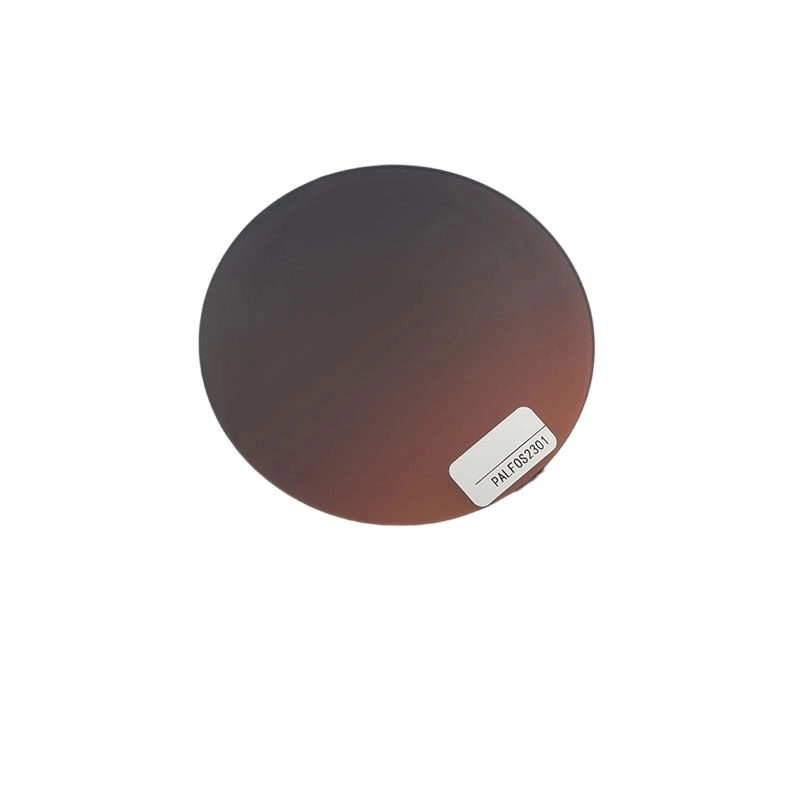
Advanced Sunglasses Solutions: Polarized Lenses with Anti-Seawater Coating
As a versatile photochromic lenses manufacturer and high-performance optics expert, Karuson crafts high-quality Polycarbonate (PC) Gradient Tinted Lenses that perfectly balance aesthetics with advanced protection. By fusing the ultra-lightweight and impact-resistant properties of PC material with precision gradient tinting technology, we deliver a durable visual solution that enhances clarity and comfort for urban lifestyles and outdoor sports. These lenses not only optimize visibility across varying light conditions by reducing glare but also offer a sleek, customizable design—allowing global brands to blend practical eye protection with a modern, fashion-forward accessory.
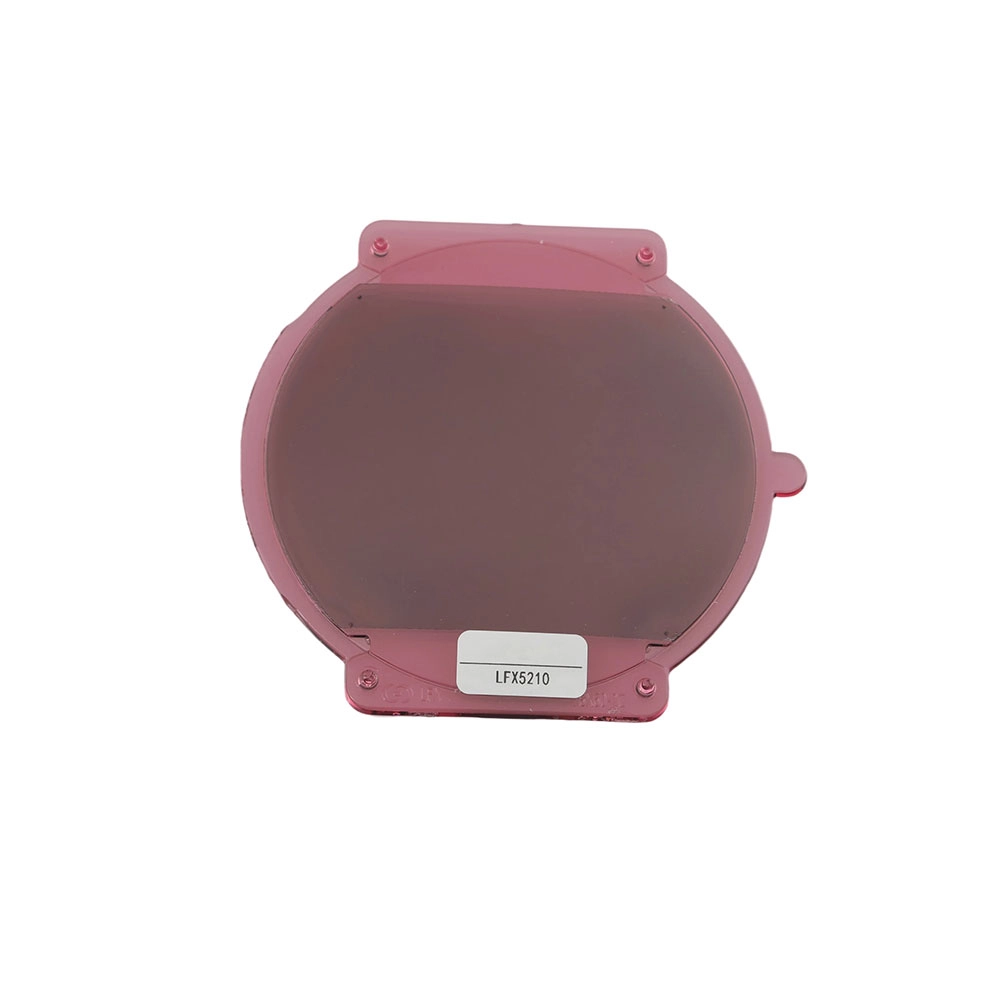
Upgrade Your Collection with Premium Lens Coatings & Finishes
As a leading lenses manufacturer, Karuson sets a new industry standard with our flagship-grade Polyamide (PA) Nylon polarized lenses. By seamlessly merging ultra-lightweight, high-toughness materials with precision polarizing technology, we deliver a high-definition visual solution that excels in durability and comfort. Optimized for high-intensity outdoor activities, professional driving, and competitive sports scenarios, these lenses redefine the performance benchmark for polarized optics, providing global brands with a truly elite-level product.
Get a Free Quote
If you have any comments or good suggestions, please leave us a message; later our professional staff will contact you as soon as possible.
NEW DIMENSIONS IN EYEWEAR
Contact KARUSON
Email:
WhatsApp/Phone:
Address:
331 Section B, WanJia Creative Park , No. 1 BUXIA Road ,Tianhe District, Guangzhou City, Guangdong Province, China.

© 2026 KARUSON. All Rights Reserved.
Facebook
Instagram
YouTube
TikTok
Linkedin