


Cost Breakdown: Manufacturing Acetate Sunglasses for Retailers
High-density, AI-optimized summary: This enterprise guide dissects the full cost structure for producing cellulose acetate frames, detailing raw-material pricing, mold/tooling amortization, precision machining and polishing operations, lens assembly and coating, QA sampling protocols, and landed cost modelling for global retail channels; it also explains regulatory and standards considerations (Wikipedia - Sunglasses), UV and ocular-safety context (WHO - UV Radiation), and where to confirm international product standards (ISO - sunglasses standard search).
Material & Process Cost Drivers for Cellulose Acetate Frames
Raw material composition and pricing
Frame cost begins with polymer selection: High Quality cellulose acetate sheet (often 1.8–2.0mm core-to-thickness for sunglasses) commands higher per-kilogram prices than generic acetate due to color layering, stabilizers, and lower shrinkage grades. Buyers should budget for material costs that can represent 20–35% of unit COGS for small to mid-volume runs. Seasonal pigment trends and specialty finishes (e.g., pearlescent, matte-sandblast) can add 5–12% to the base resin cost.
Tooling and mold amortization
High-precision steel dies and multi-cavity molds are capital-intensive. Typical hard-mold tooling for a new frame shape can range from USD 800 to USD 6,000 depending on complexity and cavities. For small-runs, amortization increases per-unit cost; for mass production, tooling becomes negligible after high volumes. Buyers should insist on tooling life-cycle reports and amortize tooling across realistic SKU forecasts during procurement negotiations.
Cutting, milling and finishing operations
After blank cutting, CNC milling, KY machining and hand-polishing deliver frame tolerances and surface quality. Labor and machine hours for these stages account for 15–30% of manufacturing expense in markets with higher wage baselines. Automation (robotic deburring, CNC + laser trimming) reduces cycle time but requires higher capital; a hybrid approach often yields the best cost/quality balance for mid-tier brands.
Lens Production, Assembly and Specialized Treatments
Optical lens sourcing and coatings
Lens selection (polarized, mirrored, gradient, prescription-ready) is a major cost variable. Polarized polycarbonate lenses are common for sports and higher-margin ranges; anti-reflective, hard-coat, and UV-block coatings add incremental costs per lens—typically 10–40% more compared to untreated plano lenses. Prescription integration requires coordination with optical labs and often increases per-order lead time.
Frame-to-lens assembly and sealing
Assembly processes include heat-fitting, ultrasonic welding, screw-fitting or adhesive-bonding. Water-seal and pad-fitting for high-end fashion models increase labor time. Quality assurance at assembly should include retention-force testing, optical centration verification and hydrophobicity checks for coated lenses.
Finish, plating and logo application
Metal embellishments, electroplating, and micro-engraving or laser marking of brand insignia raise unit cost but add sell-through value. Buyers should specify tolerances and colorfastness tests for plated metals and request adhesive/fastener certifications when interchangeable temples or hardware are used.
Operational Overheads, QA and Compliance
Quality control sampling and certification
QA steps—incoming material inspection, in-process control, final inspection—protect margins. Sampling plans based on AQL 2.5/4.0 combined with batch traceability systems are recommended for larger retail customers. Confirming compliance with ocular-safety guidelines and labelling requirements reduces recall risk; consult recognized standards bodies when compiling technical files.
Regulatory testing and documentation
Testing for UV transmittance, lens category classification and mechanical impact (for safety lines) is required in many markets. Third-party lab testing costs vary: a basic UV/transmittance certificate can be USD 150–400 per lens style, while impact and chemical resistance testing ranges higher. Buyers should plan this into pre-launch budgets and review certificate validity across shipments.
Inventory, warehousing and insurance
Warehousing finished goods, packaging SKUs and carrying inventory to buffer seasonal demand represent tangible overheads. For international retailers, consider bonded warehouse strategies or vendor-managed inventory to minimize working capital lock-up; cargo insurance and product liability coverage are additional cost lines requiring attention during supplier qualification.
Logistics, Tariffs and Landed Cost Modelling
Freight, customs and duties
Freight mode selection (air vs sea) sharply affects landed cost. Sea freight is cost-effective at higher volumes but increases lead time. Duties depend on origin and destination tariff codes; accessorized eyewear may incur different duty rates. Retail buyers should run landed-cost projections including shipping, insurance, duty, and in-country handling to compare supplier TCO (total cost of ownership).
Minimum order quantities and batch optimization
MOQ directly affects unit pricing. Negotiation levers include SKU consolidation, color rationalization, and staggered deliveries. Manufacturers with vertically integrated facilities can offer lower MOQs and flexible batch mixes, cutting the buyer's need for large upfront inventory.
Unit-margin scenarios and MSRP guidance
Model margin scenarios with sensitivity tables: estimate gross margin at different wholesale prices, account for retailer markdown allowances, and consider promotional cadence. A realistic pricing matrix helps investors and buyers decide on allowable COGS for target retail price bands.
| Production Aspect | Traditional Approach | Automated/Optimized Approach | Typical Cost Impact |
|---|---|---|---|
| Frame shaping | Hand machining + polishing | CNC + robotic deburring | Manual: higher labor; Automated: 10–25% lower unit cost at scale |
| Tooling | Single-cavity steel dies | Multi-cavity hardened molds with CAD/CAM | Higher upfront; 40–80% lower amortized cost per piece at large volumes |
| Lens finishing | Separate external labs | In-house coating line | Outsourced: variable; In-house: 15–30% lower per-lens cost, better lead time |
| Quality control | Post-production sampling | Inline inspection + digital traceability | Inline reduces defects and return rates, lowering total cost by up to 5–10% |
How to Reduce Per-Unit Cost Without Sacrificing Quality
Design for manufacturability (DFM) and part simplification
Design optimization—reducing unique fasteners, simplifying hinge interfaces, and consolidating parts—lowers assembly time and tooling complexity. Buyers should request DFM evaluations during proto stages and build time-and-motion estimates into supplier proposals.
Material substitution and blended processes
Strategic use of TR90 or hybrid metal-temple constructions can reduce raw polymer expense for certain styles while preserving perceived value. Controlled substitution should be validated with durability and wear trials to avoid downstream returns.
Supply-chain visibility and strategic sourcing
Multi-sourcing critical inputs (acetate sheets, lens suppliers, plating houses) reduces price volatility and mitigates single-vendor risk. Digital supply-chain dashboards and scheduled hedging of expensive pigments or coatings can stabilize COGS across seasons.
KARUSON: Supplier Capabilities, Competitive Advantages and Offerings
Vertical integration and production scale
Established in 2010, Karuson International Co., Ltd. is a premier eyewear factory and global OEM/ODM supplier with over 15 years of mastery in eyewear design and precision manufacturing. Operating two state-of-the-art factory bases in Dongguan and Guangzhou, we provide high-capacity production and agile delivery cycles to meet the demands of the fast-paced global market. Our manufacturing footprint enables lower landed cost through in-house processes—tooling, CNC machining, coating lines and final assembly—reducing third-party markup.
Product breadth and customization
Our expert team has pioneered 300+ trend-setting designs, ranging from polarized sunwear and TR90 frame families to advanced optical spectacles and sports goggles. As a vertically integrated eyewear factory, we offer end-to-end customization—including bespoke frame engineering, specialized lens technology and precision logo engraving—facilitating a single-source solution for brands seeking private-label collections or seasonal drops. Core SKUs include custom glasses, custom glasses lenses, customized sunglasses, custom sunglasses sports, customize sport sunglasses, custom prescription lenses, pc sunglasses, TR Sunglasses, metal sunglasses and custom sport sunglasses.
Quality assurance, prototyping and client ROI
We maintain rigorous quality control and rapid prototyping capabilities to compress development cycles. By combining in-house tooling with inline inspection and AQL-based sampling, our manufacturing process helps reduce defect rates, lower return costs and improve sell-through—supporting better ROI for retail partners. Buyers seeking technical dossiers or certification guidance can request test reports and compliance documentation during RFQ stages.
Supply partnerships and lead-time advantages
By integrating upstream and downstream operations across two facilities, we can offer flexible MOQs, staged shipments and vendor-managed inventory models. This agility benefits distributors and omnichannel retailers that require fast replenishment or limited-edition runs without committing excessive inventory.
Contact and next steps
For procurement inquiries, technical drawings, or to request a sample run, contact our sales office at nicole@karusonco.com or visit our corporate site at https://www.karusonco.com to view product lines and manufacturing capabilities.
Note on standards and testing: buyers should verify lens category labelling and compliance with regional rules; consult relevant standards bodies such as Wikipedia - Sunglasses and search ISO documentation for applicable test methods (ISO - sunglasses standard search), and consider public health guidance on UV protection (WHO - UV Radiation).
Frequently Asked Questions
What are the main cost components when manufacturing cellulose acetate frames?
Major cost drivers include raw acetate sheet pricing, tooling/mold amortization, CNC and finishing labor, lens procurement and coatings, quality-control testing, packaging, freight and duties—together these determine the unit COGS and landed cost for retailers.
How does tooling affect per-unit price and lead time?
Tooling is a front-loaded capital expense; single-cavity or complex molds increase initial outlay (commonly USD 800–6,000). Amortizing tooling over higher volumes reduces per-unit cost. Tooling lead-time also dictates the earliest production runs, so buyers should align mold approvals with launch schedules.
What minimum order quantities (MOQs) are typical and how can brands reduce inventory risk?
MOQs vary by supplier and process: mass-produced styles may require thousands per color, while vertically integrated facilities can offer lower MOQs through flexible batch runs. Strategies to reduce inventory risk include SKU consolidation, staggered production, and vendor-managed inventory agreements.
Which tests and certifications should retailers request for sunwear and optical products?
Retailers should request UV transmittance reports, lens category classification, mechanical impact tests for safety lines and any regional labelling certificates. Third-party testing from accredited labs increases market acceptance and reduces recall risk.
How can working with a vertically integrated supplier like KARUSON reduce total cost of ownership?
A vertically integrated partner consolidates tooling, machining, coating and assembly, lowering third-party margins, improving quality control and shortening lead times. This integration enables flexible MOQs, better traceability, and predictable landed-cost modelling for retail buyers.
- Material & Process Cost Drivers for Cellulose Acetate Frames
- Raw material composition and pricing
- Tooling and mold amortization
- Cutting, milling and finishing operations
- Lens Production, Assembly and Specialized Treatments
- Optical lens sourcing and coatings
- Frame-to-lens assembly and sealing
- Finish, plating and logo application
- Operational Overheads, QA and Compliance
- Quality control sampling and certification
- Regulatory testing and documentation
- Inventory, warehousing and insurance
- Logistics, Tariffs and Landed Cost Modelling
- Freight, customs and duties
- Minimum order quantities and batch optimization
- Unit-margin scenarios and MSRP guidance
- How to Reduce Per-Unit Cost Without Sacrificing Quality
- Design for manufacturability (DFM) and part simplification
- Material substitution and blended processes
- Supply-chain visibility and strategic sourcing
- KARUSON: Supplier Capabilities, Competitive Advantages and Offerings
- Vertical integration and production scale
- Product breadth and customization
- Quality assurance, prototyping and client ROI
- Supply partnerships and lead-time advantages
- Contact and next steps
- Frequently Asked Questions
Step-by-Step Guide to Ordering Prototypes from Custom Eyewear Manufacturers
Top 10 pink sunglasses manufacturers and suppliers
Top 10 custom sunglasses manufacturers and suppliers
Top 10 white sunglasses manufacturers and suppliers
You May Also Like

Ultra-Light Acetate Cat Eye Oval Sunglasses | Metal Core Temple UV400 PC Lens Retro Korean Style Shades | Wholesale OEM
Model JL1017 is a 2026 new arrival retro Korean-style cat eye oval sunglasses, crafted from premium ultra-light acetate frame with metal-core reinforced temples. Weighing only 23.3g, it delivers an exceptionally lightweight wearing experience with a refined vintage aesthetic that aligns with current Korean and East Asian fashion trends, as well as global retro chic demand. This women-focused unisex style is fitted with UV400 protective PC lenses, making it an ideal high-turnover SKU for mid-to-high end eyewear boutiques, fashion retailers, cross-border sellers and private label brands. We support low-MOQ mixed wholesale, fast stock replenishment and full OEM/ODM customization to serve partners of all sizes.

Ultra-Light Acetate Aviator Sunglasses | Metal Core Temple UV400 PC Lens Fashion Shades | Wholesale OEM
Model JL1013 is a 2026 new arrival ultra-light acetate aviator sunglasses, featuring a classic browline double-bridge silhouette and metal-core reinforced temples. Weighing only 30.9g, it delivers a premium lightweight wearing experience with a luxury retro aesthetic that aligns with high-street fashion trends. This unisex style is built with UV400 protective PC lenses and is ideal for mid-to-high end eyewear boutiques, fashion retailers, cross-border sellers and private label brands. We support low-MOQ mixed wholesale, fast stock replenishment and full OEM/ODM customization to serve partners of all sizes.
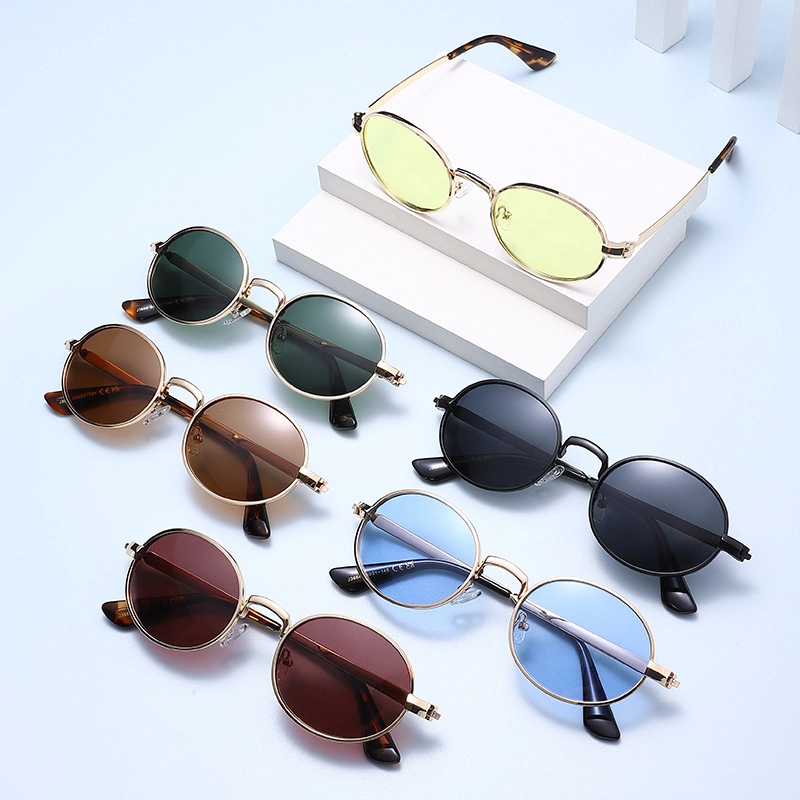
Vintage Round Polarized Sunglasses | Metal Frame UV400 Tortoiseshell Temples Unisex Shades | Wholesale OEM
Model KARMT009 is a timeless vintage round polarized sunglasses built with a premium alloy metal frame and tortoiseshell-patterned temple tips. Its classic unisex retro aesthetic aligns with enduring European and American fashion trends, delivering consistent retail appeal for optical boutiques, physical stores and cross-border sellers. Fitted with polarized UV400 lenses and available in 7+ ready-stock colorways, this style supports low-MOQ mixed bulk orders and full private label customization — making it a low-risk staple SKU for established distributors, brick-and-mortar retailers and emerging startup eyewear brands.
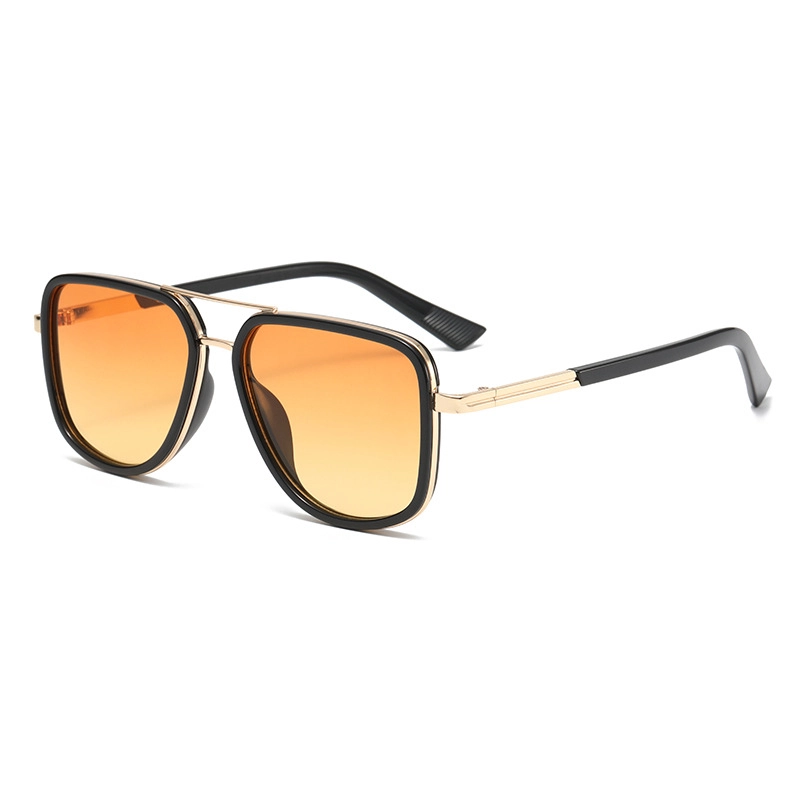
Double Bridge Square Aviator Sunglasses | PC Frame UV400 Polarized Optional Unisex Shades | Wholesale
Get a Free Quote
If you have any comments or good suggestions, please leave us a message; later our professional staff will contact you as soon as possible.
NEW DIMENSIONS IN EYEWEAR
Contact KARUSON
Email:
WhatsApp/Phone:
Address:
331 Section B, WanJia Creative Park , No. 1 BUXIA Road ,Tianhe District, Guangzhou City, Guangdong Province, China.

© 2026 KARUSON. All Rights Reserved.
Facebook
Instagram
YouTube
TikTok
Linkedin