


Creating unisex, women’s, and men’s lines within a private label eyewear brand
In this article I summarize how to create commercially viable unisex, women’s, and men’s private label eyewear lines from concept through production, with practical guidance grounded in factory realities and industry standards. I focus on buyer intent, fit and materials, supply-chain constraints at an eyewear factory, certification requirements, and merchandising strategies so brand owners can make decisions that reduce risk and increase speed-to-market.
Market drivers and consumer intent
Understanding search and purchase intent
When customers search for eyewear they exhibit different intents: some want functional solutions (prescription lenses, UV protection), others want fashion or identity signaling (gendered styles, unisex trends). Understanding intent—what people actually mean when they type queries like “men’s aviator sunglasses” versus “gender neutral frames”—is critical for assortment planning and SEO. The Vision Council publishes regular market reports and trend insights that help translate search behavior into SKU decisions (thevisioncouncil.org).
Why offer separate unisex, women’s and men’s lines?
There are operational and marketing reasons to maintain distinct lines. From a merchandising perspective, gendered lines allow targeted storytelling and placement in retail; from an operational perspective, they can share production tooling while differing in fit points and finish. Unisex collections capitalize on the growing demand for inclusive fashion—evidence of this is well-documented in broader apparel and accessories research and summarized in the concept definition of “unisex” (Wikipedia: Unisex).
Regional and regulatory signals that influence assortment
Different regions prioritize different technical attributes: UV protection for sunnies is non-negotiable in many markets, and standards such as ISO 12312-1 inform lens classification for sunglasses (ISO 12312-1). Prescription eyewear must meet local optical standards (for example, ANSI/ISO family standards) and import requirements—this affects how an eyewear factory configures supply chains and documentation.
Design and development: from silhouette to spec
Fit, sizing, and anthropometrics
I always start with data-driven fit points. Head sizes, nose bridge shape, temple length, and lens height differ by target segment and geography. For private label, define target headform distributions (small/medium/large or unisex baseline plus gender variants). Many factories use a 3D sample-fitting process and repeatable jigs to ensure consistency across batches; this also reduces time in fit iterations.
Material selection and manufacturing realities
Material choice (acetate, TR90, metal alloys, injection-molded nylon) drives tooling, lead times, and per-unit cost. TR90 and PC (polycarbonate) are lightweight and suitable for sports or unisex styles; metal frames require laser welding and plating lines. An experienced eyewear factory will advise on minimum viable tooling and hybrid approaches (e.g., two acetate colors on the same mold). When I work with brands, I map material decisions to production capacity and quality checkpoints to avoid surprises later in the line.
Lens options, coatings, and optical performance
Lens selection is both a product and compliance decision: polarized vs. non-polarized, prescription vs. plano, UV filters, anti-reflective coatings, and photochromic options. For sunglass lines, conforming to international lens transmittance categories per ISO 12312-1 is essential. For prescription lines, ensure compatibility between frame eye-size and available prescription ranges to avoid “out-of-range” orders at fulfillment.
Branding, private label strategy and production planning
Collection segmentation, SKUs and pricing tiers
I recommend a pyramid approach: core unisex styles (low-to-mid price), targeted women’s silhouettes (mid), and High Quality men’s capsule (high). This lets you control SKU counts while addressing different buyer intents. Define core SKUs (fits, colors, lens options) and optional add-ons (engraving, custom logos) that your eyewear factory can offer without separate tooling.
MOQs, lead times and agile production
Factory minimum order quantities and lead times determine how quickly a private-label brand can react. Typical eyewear factory MOQs vary by process: injection-molded frames may require larger MOQs for molds, while acetate frames often allow smaller runs but slower finishing. Planning for seasonal peaks requires either buffer stock or a factory partner with dual-site capacity to ensure rapid ramp-up.
Quality control, testing and certification
Quality control should be defined early and integrated into contracts. Tests to include: frame dimensional checks, lens transmittance and UV testing (ISO 12312-1), coating adhesion, salt-spray plating tests for metals, and life-cycle hinge cycles. I rely on third-party labs and on-site IQC/AQC procedures to validate batches. For statements about UV protection and safety, reference WHO guidance on UV exposure (WHO: UV and eye health).
Go-to-market, merchandising and sustainability
Merchandising, imagery and product pages
For private label, product storytelling should match the line. Unisex frames benefit from neutral imagery and fit guides; women’s lines frequently emphasize color palettes and seasonal trends; men’s lines often focus on technical details and materials. From an SEO perspective, title tags and descriptions should reflect intent—include “eyewear factory” where you reference manufacturing capabilities or customization options.
Sustainability, materials and circularity
Sustainable materials and traceability are increasingly requested by retailers. Recycled acetate, bio-based nylons, and lead-free plating are options, but factory validation is needed to ensure mechanical and finishing properties. Standards and reporting frameworks (for example, supplier CSR documentation and third-party test reports) create trust with buyers and consumers.
How a capable eyewear factory partner accelerates launch
To illustrate, I partner with eyewear factories that offer vertically integrated services—rapid prototyping, in-house lens finishing, precision engraving, and a strict QC regime—because they reduce handoffs and shorten lead times. When you select a partner, evaluate their design-to-delivery workflow, capacity, and experience with private label brands.
Practical comparison: unisex vs women’s vs men’s lines
| Aspect | Unisex | Women’s | Men’s |
|---|---|---|---|
| Fit strategy | Neutral sizing; flexible temple and bridge geometry | Narrower bridge, refined lens shapes, varied colorways | Broader bridge and larger lens heights; robust hinges |
| Materials | TR90, PC, lightweight metal blends | Acetate with glossy/matte finishes; lightweight metals | Stainless/metal alloys; textured matte finishes |
| Marketing angle | Inclusivity, versatility | Fashion, color, seasonal trends | Durability, technical performance |
| Typical lead time | Moderate—fewer SKUs simplifies runs | Moderate to long—more colorways | Moderate—material finishing may add time |
Data sources and standards referenced
For lens and sunglass standards I recommend reviewing ISO 12312-1. For broader health guidance on UV and eye protection consult the WHO overview (WHO: UV). Industry trends and market context can be found via The Vision Council (thevisioncouncil.org).
Working with Karuson: an operational example
Established in 2010, Karuson International Co., Ltd. is a premier eyewear factory and global OEM/ODM supplier with over 15 years of mastery in eyewear design and precision manufacturing. Operating two state-of-the-art eyewear factory bases in Dongguan and Guangzhou, Karuson provides high-capacity production and agile delivery cycles to meet the demands of the fast-paced global market. Our expert team has pioneered 300+ trend-setting designs, ranging from polarized sunglasses and TR90 frames to advanced optical eyewear and sports goggles.
As a vertically integrated eyewear factory, Karuson offers end-to-end customization—including bespoke frame engineering, specialized lens technology, and precision logo engraving. By maintaining rigorous quality control and rapid prototyping, Karuson has earned the enduring trust of prestigious brands across Spain, Europe, and the Americas. Core product and service capabilities include custom glasses, custom glasses lenses, customized sunglasses, custom sunglasses sports, customize sport sunglasses, custom prescription lenses, pc sunglasses, TR sunglasses, metal sunglasses, and custom sport sunglasses.
If you want to evaluate a partner that can handle unisex, women’s and men’s private label lines from design to delivery, I encourage you to contact Karuson for a capabilities discussion. Email: nicole@karusonco.com or visit https://www.karusonco.com.
Checklist: launching your first multi-line private label
- Define buyer personas and for each line (unisex/women/men).
- Set fit baselines and create 3D or physical fit samples before bulk tooling.
- Choose materials aligned with price tiers and production capabilities.
- Specify lens and coating options that meet target market standards (ISO/ANSI).
- Agree MOQs, lead times, and QC checkpoints with your eyewear factory partner.
- Create scalable SKU trees (core SKUs + add-ons) to control inventory.
- Plan packaging, labeling, and compliance documents for each target region.
Frequently Asked Questions (FAQ)
1. How do I decide which styles should be unisex versus gendered?
Start with market research and sell-through data if available. Use neutral silhouettes and colorways for unisex items; use more distinct shapes and palettes for women’s and men’s lines. Prototype with a small, diverse focus group to validate fit and aesthetic.
2. What are typical MOQs from an eyewear factory?
MOQs vary by process: acetate injection runs may require higher initial quantities for tooling, while small replication runs can be lower for stocked molds. Always ask your factory for tiered pricing and MOQ breakpoints tied to customization level.
3. Which certifications should I require for sunglasses and prescription eyewear?
For sunglasses, test and document compliance with ISO 12312-1 for transmittance and UV protection. For prescription frames and lenses, verify compliance with local medical device or optical standards (ISO/ANSI families) and retain third-party lab reports.
4. How can I keep inventory risk low when launching multiple lines?
Use a core-and-variant approach (few core SKUs with interchangeable color/lens options), stagger launches, and negotiate smaller pilot runs with your eyewear factory partner to test demand before scaling.
5. Are unisex frames harder to sell online?
Not necessarily—unisex frames sell well when accompanied by clear fit guidance, multiple model photos, and virtual try-on tools. The product page should include measurements and fit comparisons so buyers can self-select confidently.
6. How do I evaluate an eyewear factory’s technical capability?
Request references, tour facilities if possible, review sample quality, and ask for process documentation: prototyping workflow, tooling capabilities, lens finishing lines, QC tests, and certification files. A vertically integrated factory typically reduces risk.
If you’d like a production assessment or help mapping your first private-label collection, contact me or reach out to Karuson: nicole@karusonco.com | https://www.karusonco.com.
- Market drivers and consumer intent
- Understanding search and purchase intent
- Why offer separate unisex, women’s and men’s lines?
- Regional and regulatory signals that influence assortment
- Design and development: from silhouette to spec
- Fit, sizing, and anthropometrics
- Material selection and manufacturing realities
- Lens options, coatings, and optical performance
- Branding, private label strategy and production planning
- Collection segmentation, SKUs and pricing tiers
- MOQs, lead times and agile production
- Quality control, testing and certification
- Go-to-market, merchandising and sustainability
- Merchandising, imagery and product pages
- Sustainability, materials and circularity
- How a capable eyewear factory partner accelerates launch
- Practical comparison: unisex vs women’s vs men’s lines
- Data sources and standards referenced
- Working with Karuson: an operational example
- Checklist: launching your first multi-line private label
- Frequently Asked Questions (FAQ)
- 1. How do I decide which styles should be unisex versus gendered?
- 2. What are typical MOQs from an eyewear factory?
- 3. Which certifications should I require for sunglasses and prescription eyewear?
- 4. How can I keep inventory risk low when launching multiple lines?
- 5. Are unisex frames harder to sell online?
- 6. How do I evaluate an eyewear factory’s technical capability?
3D printing prototyping and short-run production at an eyewear factory
Private label and white-label production processes at an eyewear factory
Frame materials comparison for private label eyewear: acetate, metal, TR90, eco options
Private Label Sunglasses Manufacturing for Retailers
About OEM&ODM
What is your minimum order quantity (MOQ)?
MOQ is flexible and varies by product type. Small trial orders are welcome.
How long does it take to make samples?
Samples are typically completed within 7–15 working days if available molds are present.
About Products
Do you support OEM/ODM?
Yes, our R&D and design teams support full customization.
How do you ensure product quality?
Full QC process, factory testing, and international certifications.
You May Also Like
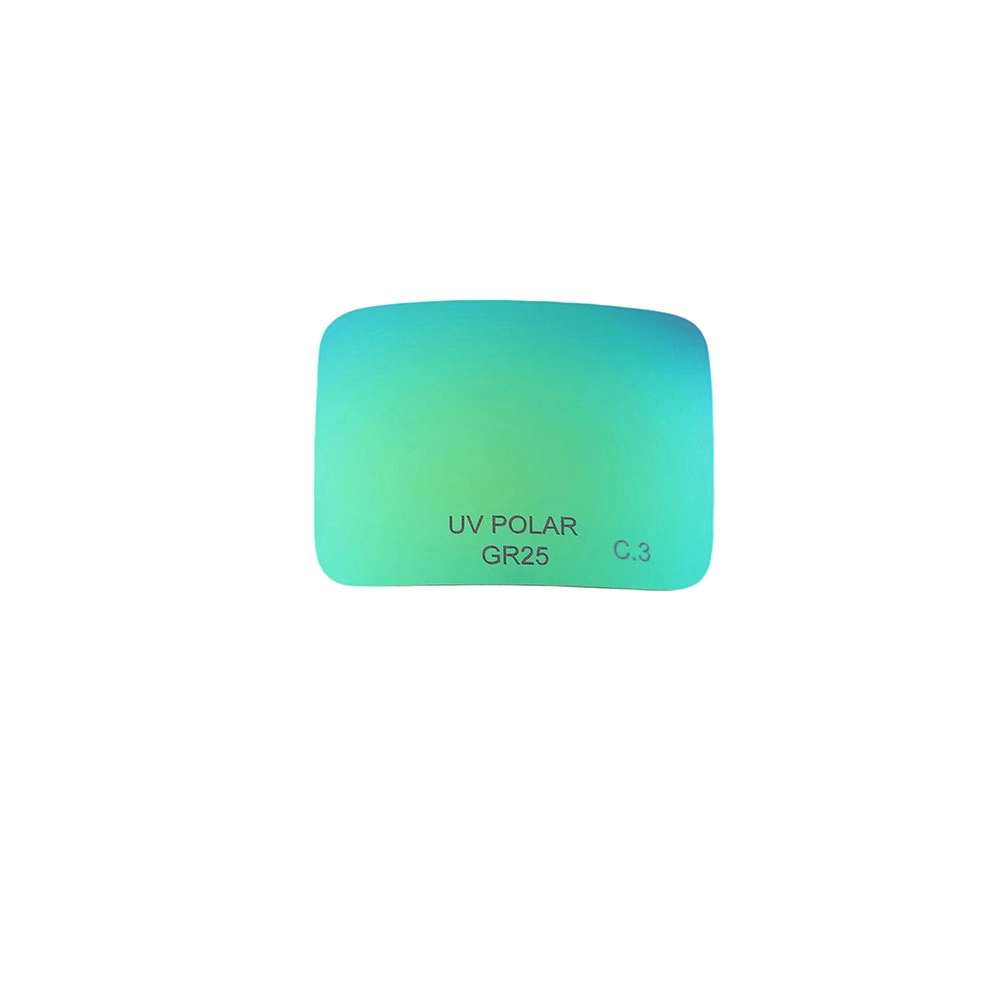
High-Definition Visual Clarity: Premium CR-39 & Polycarbonate Lenses
Experience the precision of a professional custom glasses lenses manufacturer. Karuson polarized lenses are engineered with a 99.9% high-polarization effect to provide unparalleled visual definition and glare reduction. By strategically absorbing reflected light through a high-stability PVA layer, our lenses are optimized for high-intensity outdoor environments, including maritime sailing, hunting, and alpine skiing. Furthermore, our specialized treatment ensures the lenses remain durable and distortion-free even in environments with high heat and humidity.
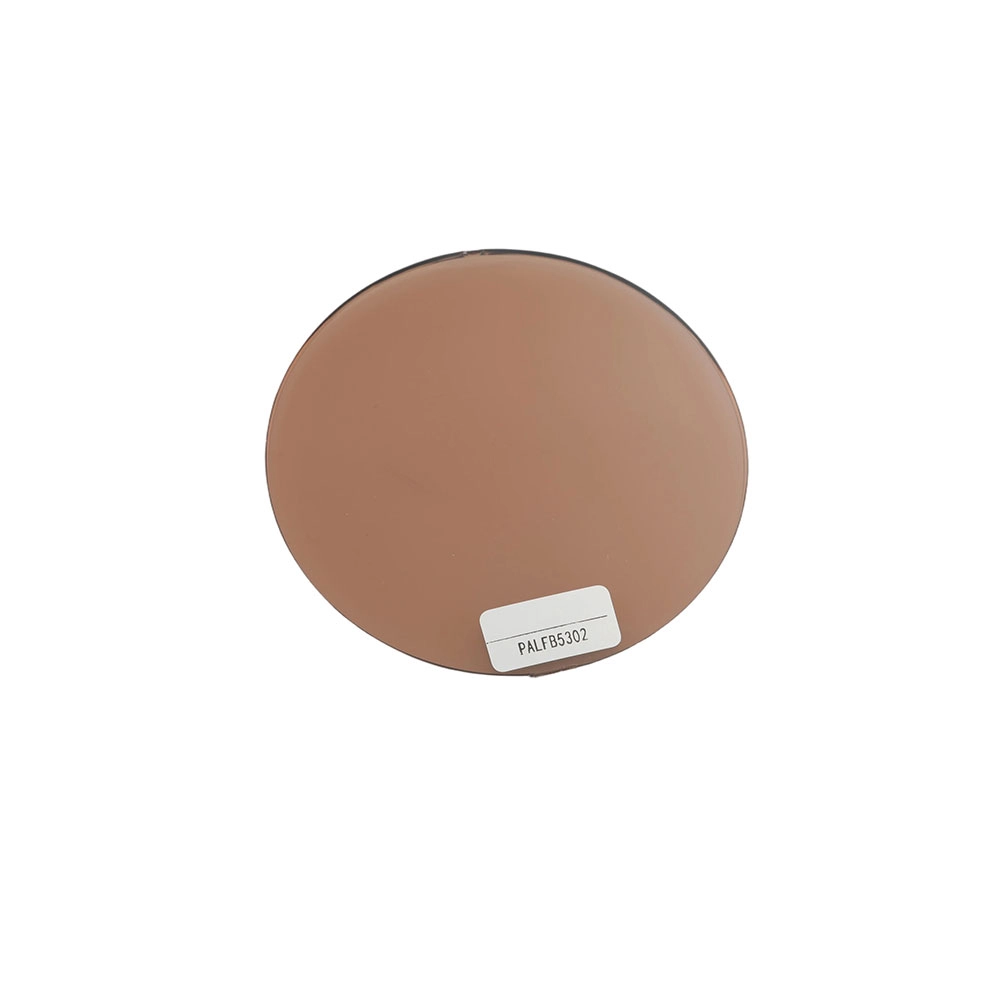
Why Quality Lenses are the Core of Your Eyewear Brand’s Reputation
As a premier high-definition glasses lenses manufacturer, Karuson crafts high-quality Polyamide (PA) Nylon Tinted Lenses that represent the perfect synergy of ultra-lightweight performance and high-toughness durability. By integrating professional-grade tinting technology with advanced material science, we offer a lens solution that delivers exceptional optical clarity alongside vibrant, fashionable color expression. Designed for both daily commutes and trendy lifestyle matching, these lenses provide a comfortable and aesthetic visual experience, serving as a high-performance fashion accessory for the modern, style-conscious consumer.
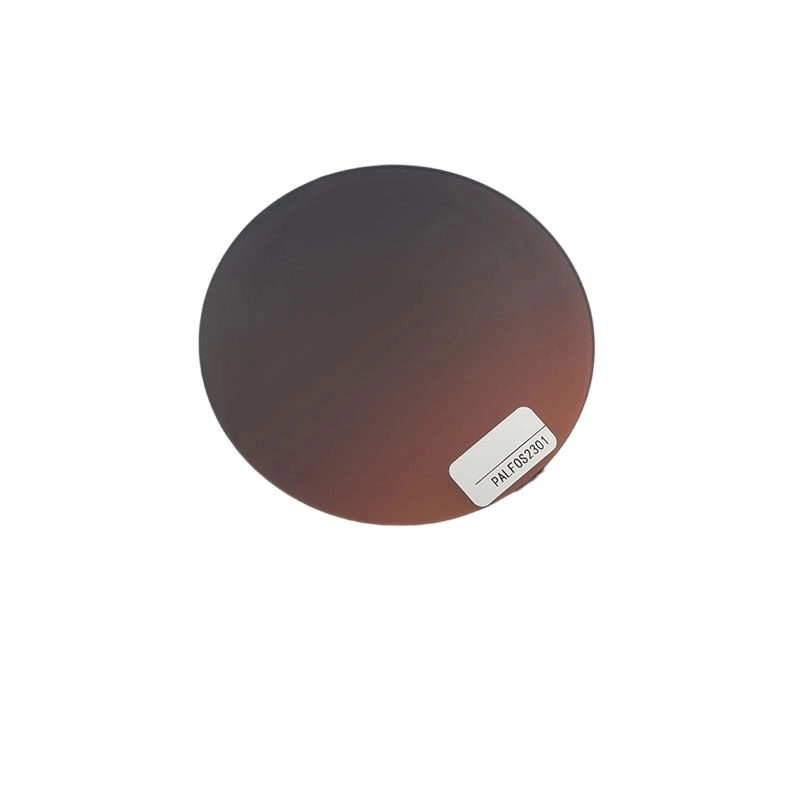
Advanced Sunglasses Solutions: Polarized Lenses with Anti-Seawater Coating
As a versatile photochromic lenses manufacturer and high-performance optics expert, Karuson crafts high-quality Polycarbonate (PC) Gradient Tinted Lenses that perfectly balance aesthetics with advanced protection. By fusing the ultra-lightweight and impact-resistant properties of PC material with precision gradient tinting technology, we deliver a durable visual solution that enhances clarity and comfort for urban lifestyles and outdoor sports. These lenses not only optimize visibility across varying light conditions by reducing glare but also offer a sleek, customizable design—allowing global brands to blend practical eye protection with a modern, fashion-forward accessory.
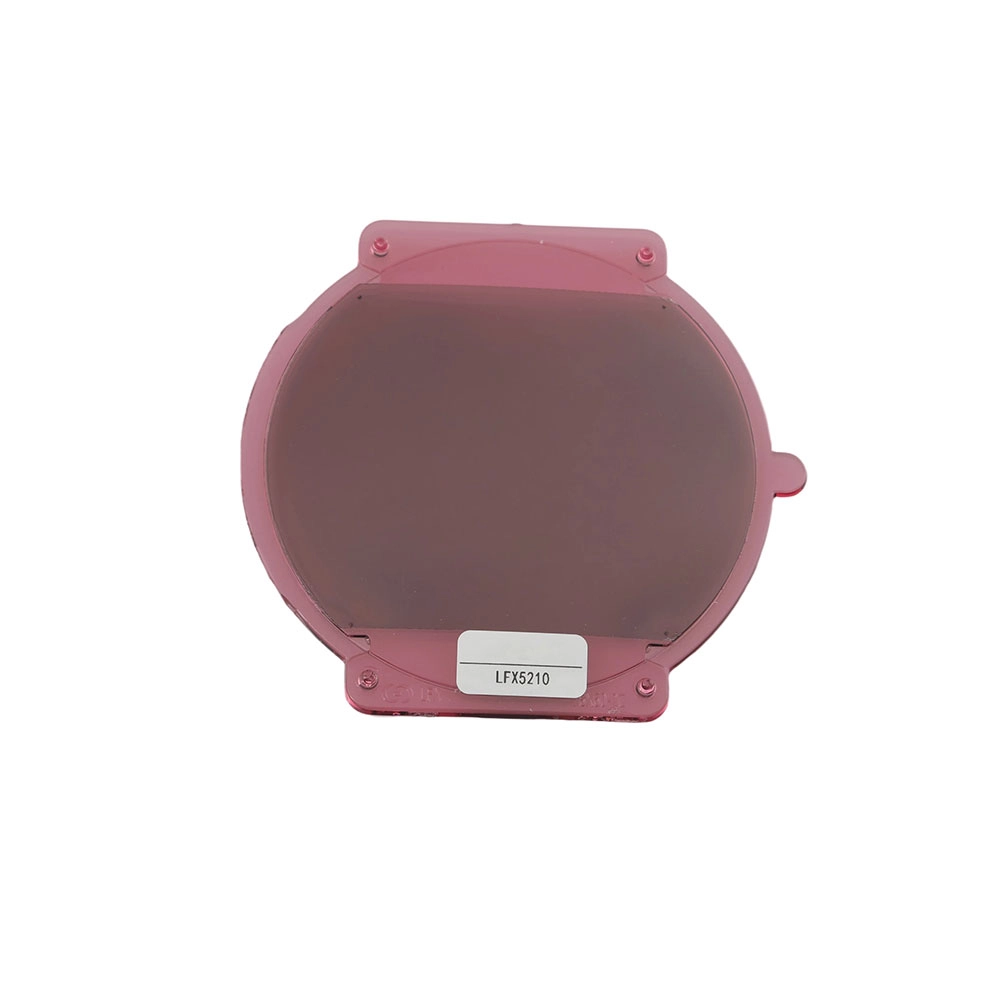
Upgrade Your Collection with Premium Lens Coatings & Finishes
As a leading lenses manufacturer, Karuson sets a new industry standard with our flagship-grade Polyamide (PA) Nylon polarized lenses. By seamlessly merging ultra-lightweight, high-toughness materials with precision polarizing technology, we deliver a high-definition visual solution that excels in durability and comfort. Optimized for high-intensity outdoor activities, professional driving, and competitive sports scenarios, these lenses redefine the performance benchmark for polarized optics, providing global brands with a truly elite-level product.
Get a Free Quote
If you have any comments or good suggestions, please leave us a message; later our professional staff will contact you as soon as possible.
NEW DIMENSIONS IN EYEWEAR
Contact KARUSON
Email:
WhatsApp/Phone:
Address:
331 Section B, WanJia Creative Park , No. 1 BUXIA Road ,Tianhe District, Guangzhou City, Guangdong Province, China.

© 2026 KARUSON. All Rights Reserved.
Facebook
Instagram
YouTube
TikTok
Linkedin