


Custom Kids’ Eyewear Collection: Manufacturer Specs, Safety Standards, and Sizing Guides
I design and advise on children’s eyewear daily, helping brands and retailers translate safety, fit and style into production-ready specifications. This article distills practical guidance you can use when working with custom sunglasses manufacturers: materials and frame engineering, applicable international safety standards and testing, accurate sizing guides for toddlers through teens, and production considerations for OEM/ODM runs. I reference authoritative standards and provide actionable tables and checklists so product teams, buyers, and designers can make verifiable decisions.
Why children's eyewear needs specialized manufacturing
Unique safety and ergonomic challenges
Children's faces and behaviors present design constraints different from adults: smaller facial geometries, thinner nasal bridges, greater rough handling and higher fall frequencies. As a result, I insist that any custom sunglasses manufacturers I collaborate with prioritize impact-resistant lenses (commonly polycarbonate), flexible frame materials (TR90 or engineered acetate blends), and secure temple/hinge design to avoid pinch or sharp edges.
Regulatory and market expectations
Aside from meeting buyer aesthetics and branding needs, kids’ eyewear must satisfy regional regulations and consumer expectations for UV protection and mechanical safety. In the EU and many export markets, compliance evidence such as CE marking (where applicable) and reference to ISO standards provides buyer confidence. See the ISO overview for eyewear filters: ISO 12312-1 and contextual background on sunglasses protection on Wikipedia.
Manufacturer specifications and materials
Frame materials and pros/cons
Below I summarize common frame substrates used by reputable custom sunglasses manufacturers and why each might be selected for kids’ lines. I recommend TR90 or flexible nylon blends as primary choices for toddlers due to resilience and light weight, while acetate and metal are useful for older children where High Quality aesthetics and adjustability are required.
Lens materials and UV/impact performance
Lens choice directly affects both safety and optical performance. Polycarbonate lenses offer excellent impact resistance and are the de facto standard for active kids’ eyewear; CR-39 provides superior optics and scratch resistance but far less impact resistance. For verified UV protection, lenses should meet the transmission limits specified in ISO 12312-1. For safety in sports goggles, ASTM F803 is the benchmark for recreational eye protectors in many markets (ASTM F803).
Comparison table: typical materials for kids’ eyewear
| Component | Material | Key advantages | Limitations | >
|---|---|---|---|
| Frame | TR90 (nylon) | Very lightweight, flexible, chemical-resistant, low cost | Limited High Quality finish options |
| Frame | Acetate | High-end look, adjustable via heat, hypoallergenic | Heavier, less impact-tolerant for very young kids |
| Lens | Polycarbonate | Excellent impact resistance, inherent UV protection, lightweight | More prone to scratching (requires coating) |
| Lens | CR-39 | Superior optical clarity, scratch resistance | Poor impact resistance for active children |
Sources: polycarbonate properties and impact resistance are documented on Wikipedia; standards references below.
Safety standards and compliance
International standards to reference
When I evaluate custom sunglasses manufacturers for children’s lines, I verify which standards are used in their testing lab or QC processes. Key references include:
- ISO 12312-1: eyewear filters for direct observation and sunglasses (UV transmission and optical class requirements) — ISO 12312-1.
- ASTM F803: standard specification for eye protectors for recreational sports — ASTM F803.
- ANSI Z87.1: industrial/occupational impact standards — useful reference for high-impact designs; see ANSI Z87.1.
- EU CE requirements and harmonised standards: for products sold in the EU market, consult the CE guidance at the European Commission: CE marking overview.
Testing protocols I require
Practical testing that I request from manufacturers includes:
- UV transmission analysis across UVA/UVB (to confirm category and filtering per ISO 12312-1).
- High-mass impact test for lenses and low-mass impact for frames—showing no fragmentation and acceptable deformation.
- Hinge fatigue and temple torque tests to mimic repeated handling by children.
- Chemical resistance and coatings adhesion tests (salt spray and sweat exposure) for surface durability.
Documentation and traceability
For retail or compliance audits, require a compliance dossier containing test reports from accredited labs (e.g., ISO/IEC 17025 accredited), material certificates (e.g., RoHS if relevant), and a clear manufacturing traceability chain. Public standards referenced in these documents increase buyer confidence; for UV facts see WHO guidance on UV risks: WHO UV radiation.
Sizing guides, fit, and ergonomics
Age-based sizing framework
I recommend starting product families by age bands and corresponding frame dimensions. A practical framework I use with custom sunglasses manufacturers is:
- Toddler (0–3 yrs): 36–42 mm eye size; short temple, integrated soft nose rests (non-slip).
- Preschool (4–7 yrs): 42–48 mm eye size; slightly longer temples; flexible hinges.
- Grade-school (8–12 yrs): 48–54 mm eye size; more adult-like proportions; optional prescription capability.
- Teens (13+ yrs): 50–56 mm eye size; full adult sizing available.
Fit checks and prototyping
Prototyping is where many fit issues are discovered. I advise at least two rapid-prototype rounds: a soft-fit TPU mockup for ergonomics, then fully finished prototypes with production materials and coatings for optical and impact testing. Use 3D scanning and adjustable test heads to simulate a range of child faces in the same age band.
Design features that improve retention and comfort
Practical features I recommend: integrated soft nasal pads to prevent slipping, rubberized temple tips, wrap angles that increase lateral coverage without distorting optics, and retention solutions such as breakaway straps for sports models. For prescription kids’ lines, ensure lens blank availability and safe beveling margins for strong prescriptions—coordinate with your optical lab for minimum blank sizes.
Customization, production workflow and partner selection
OEM/ODM considerations and lead-times
When I work with custom sunglasses manufacturers, lead-time planning depends on tooling and order quantity. Typical workflow:
- Concept and tech pack -> 2–4 weeks
- 3D prototyping and fit iterations -> 2–6 weeks
- Tooling and pilot run -> 4–8 weeks
- Mass production and finishing -> depends on volume, typically 6–12 weeks
Choosing a vertically integrated factory shortens these cycles because finishing, lens processing, and QC are under one roof.
Quality control checkpoints
QC stations I insist on include incoming material inspection (IMPI), mid-line destructive testing for impact and coating adhesion, and final random AQL sampling. Insist on photographic and batch-level test records for each PO.
Managing branding and traceability
For brand integrity, secure engraving or laser marking of logos on temples and use tamper-evident inner temple codes for batch traceability. Discuss anti-counterfeit options or serialized QR codes if the brand positioning requires it.
Case study and supplier profile: Karuson International Co., Ltd.
Established in 2010, Karuson International Co., Ltd. is a premier eyewear factory and global OEM/ODM supplier with over 15 years of mastery in eyewear design and precision manufacturing. Operating two state-of-the-art eyewear factory bases in Dongguan and Guangzhou, we provide high-capacity production and agile delivery cycles to meet the demands of the fast-paced global market.
Our expert team has pioneered 300+ trend-setting designs, ranging from polarized sunglasses and TR90 frames to advanced optical eyewear and sports goggles. As a vertically integrated eyewear factory, we offer end-to-end customization—including bespoke frame engineering, specialized lens technology, and precision logo engraving. By maintaining rigorous quality control and rapid prototyping, we have earned the enduring trust of prestigious brands across Spain, Europe, and the Americas.
Karuson specializes in custom glasses, custom glasses lenses, customized sunglasses, custom sunglasses sports, customize sport sunglasses, custom prescription lenses, pc sunglasses, TR Sunglasses, metal sunglasses, custom sport sunglasses. Our combined product depth, tooling capability, and two-site production approach give brands agility and reliable scale. For project inquiries, contact: nicole@karusonco.com or visit https://www.karusonco.com
Practical checklist before placing an order with custom sunglasses manufacturers
- Confirm lens category and UV transmission test reports (ISO 12312-1).
- Request impact test reports (ASTM F803 or equivalent) for sports models.
- Obtain material certificates and RoHS/REACH compliance if selling in regulated markets.
- Review prototype fit on representative child head forms and request adjusted temple lengths.
- Agree AQL sampling plan and request batch traceability (laser codes/serials).
Frequently Asked Questions (FAQ)
1. What lens material is safest for toddlers?
Polycarbonate lenses are the safest choice for toddlers due to superior impact resistance and inherent UV filtering. Ensure an anti-scratch coating is applied because polycarbonate is softer than glass or CR-39.
2. Do children’s sunglasses need CE or other markings?
CE marking applies when products fall under applicable EU directives. Many children’s sunglasses refer to ISO 12312-1 for UV filtering and provide test reports; for sports protectors, additional harmonised standards may be relevant. Always confirm local import rules with your compliance advisor—CE guidance: EC CE marking.
3. How do I size sunglasses for a 6-year-old?
Use the preschool band sizing: eye size 42–48 mm, shorter temple length (around 120–130 mm depending on head width), and select frames with soft non-slip nose pads. Prototype fitting on sample children or head forms is recommended.
4. Can I add prescription lenses to custom kids’ sunglasses?
Yes. Many custom sunglasses manufacturers, including vertically integrated partners, can fit prescription lenses. Ensure the frame has sufficient vertical and horizontal lens blank size margin for the intended prescription; discuss with the lens lab early in development.
5. What testing documentation should I request from a supplier?
Request accredited lab reports (ISO/IEC 17025) for UV transmission (ISO 12312-1), impact resistance (ASTM F803 or equivalent), and any additional mechanical tests you require. Also request material certificates and a clear AQL plan before shipment.
6. How do I choose between TR90 and acetate frames for a kids’ line?
Choose TR90 for entry and active lines where flexibility, weight, and cost are priorities. Choose acetate for High Quality collections aimed at older children or teens, where aesthetics and adjustability are more important than extreme impact tolerance.
Contact and next steps
If you’re ready to scale a kids’ eyewear line or need a reliable partner to prototype and produce, I recommend partnering with a vertically integrated manufacturer who can provide rapid tooling, certified testing and full supply chain traceability. For OEM/ODM inquiries and project quotes, contact Karuson International Co., Ltd. at nicole@karusonco.com or visit https://www.karusonco.com. Our team can share sample dossiers, capacity plans and pilot timelines tailored to your product requirements.
CTA: Reach out today to request a quote, review test reports, or begin a rapid-prototype cycle—bring safe, well-fitted, and on-trend kids’ sunglasses to market with a trusted custom sunglasses manufacturers partner.
- Why children's eyewear needs specialized manufacturing
- Unique safety and ergonomic challenges
- Regulatory and market expectations
- Manufacturer specifications and materials
- Frame materials and pros/cons
- Lens materials and UV/impact performance
- Comparison table: typical materials for kids’ eyewear
- Safety standards and compliance
- International standards to reference
- Testing protocols I require
- Documentation and traceability
- Sizing guides, fit, and ergonomics
- Age-based sizing framework
- Fit checks and prototyping
- Design features that improve retention and comfort
- Customization, production workflow and partner selection
- OEM/ODM considerations and lead-times
- Quality control checkpoints
- Managing branding and traceability
- Case study and supplier profile: Karuson International Co., Ltd.
- Practical checklist before placing an order with custom sunglasses manufacturers
- Frequently Asked Questions (FAQ)
- 1. What lens material is safest for toddlers?
- 2. Do children’s sunglasses need CE or other markings?
- 3. How do I size sunglasses for a 6-year-old?
- 4. Can I add prescription lenses to custom kids’ sunglasses?
- 5. What testing documentation should I request from a supplier?
- 6. How do I choose between TR90 and acetate frames for a kids’ line?
- Contact and next steps
Eyewear factory step-by-step production process: from design to finished frames
How to find and vet private label eyewear manufacturers: RFP template and audit checklist
How to collaborate with an eyewear factory on custom frame design briefs
Lens edging and fitting process at an eyewear factory
About OEM&ODM
What is your production lead time?
Mass production generally takes 30–45 days after sample approval.
How do we start a project with Karuson?
Send us your product idea or requirements—our team will review, advise, and provide the best solution and quotation.
Do you support OEM and ODM?
Yes—we offer both contract manufacturing (OEM) and full product development services (ODM).
About Products
How do you ensure product quality?
Full QC process, factory testing, and international certifications.
You May Also Like
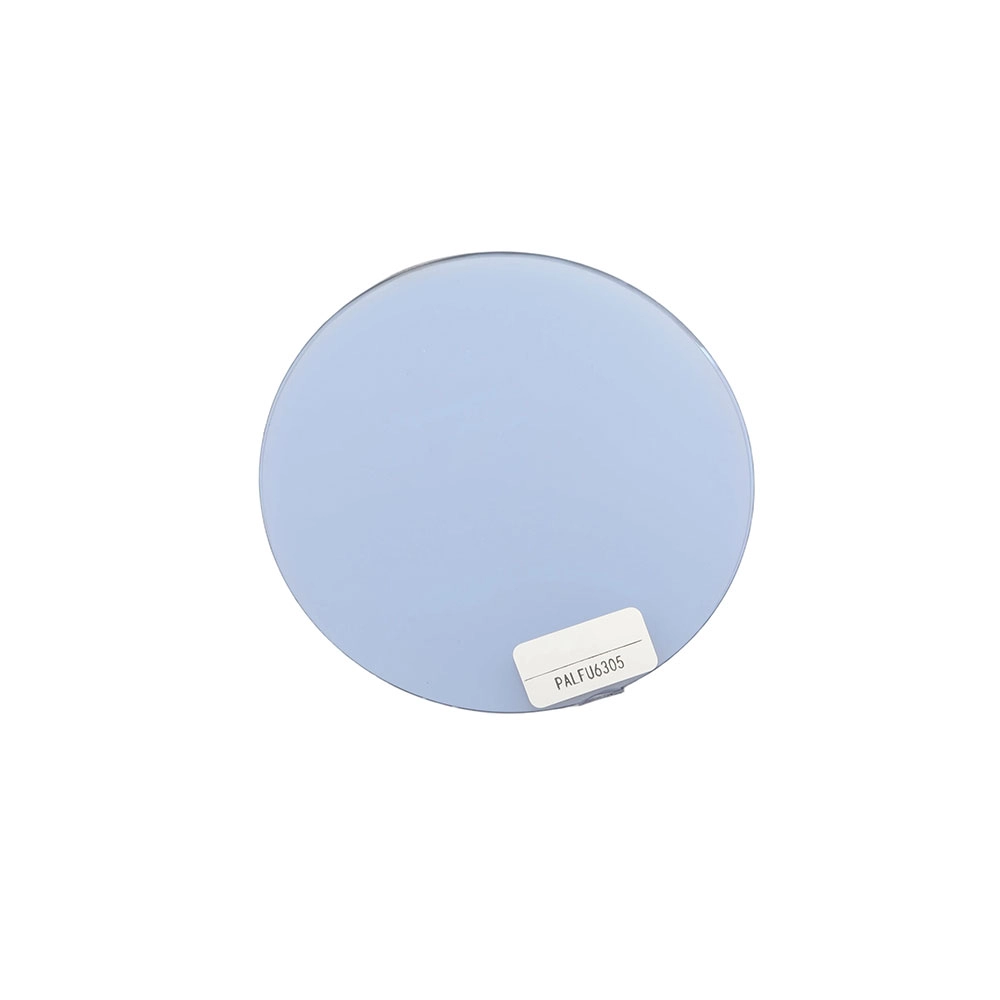
The Digital Shield: Blue Light Blocking Lenses for the Modern Professional
As leading eyeglass lens manufacturers, Karuson leverages advanced material science to produce PC lenses that are 37% lighter than conventional resin, providing a significant reduction in nasal bridge pressure for prolonged, comfortable wear. These high-performance lenses offer 100% UV protection and superior impact resistance, ensuring maximum ocular safety. By utilizing specialized dyeing techniques that infuse pigments directly into the material, we offer a versatile spectrum of vibrant color options—effectively minimizing glare while maintaining exceptional visual clarity for any environment.
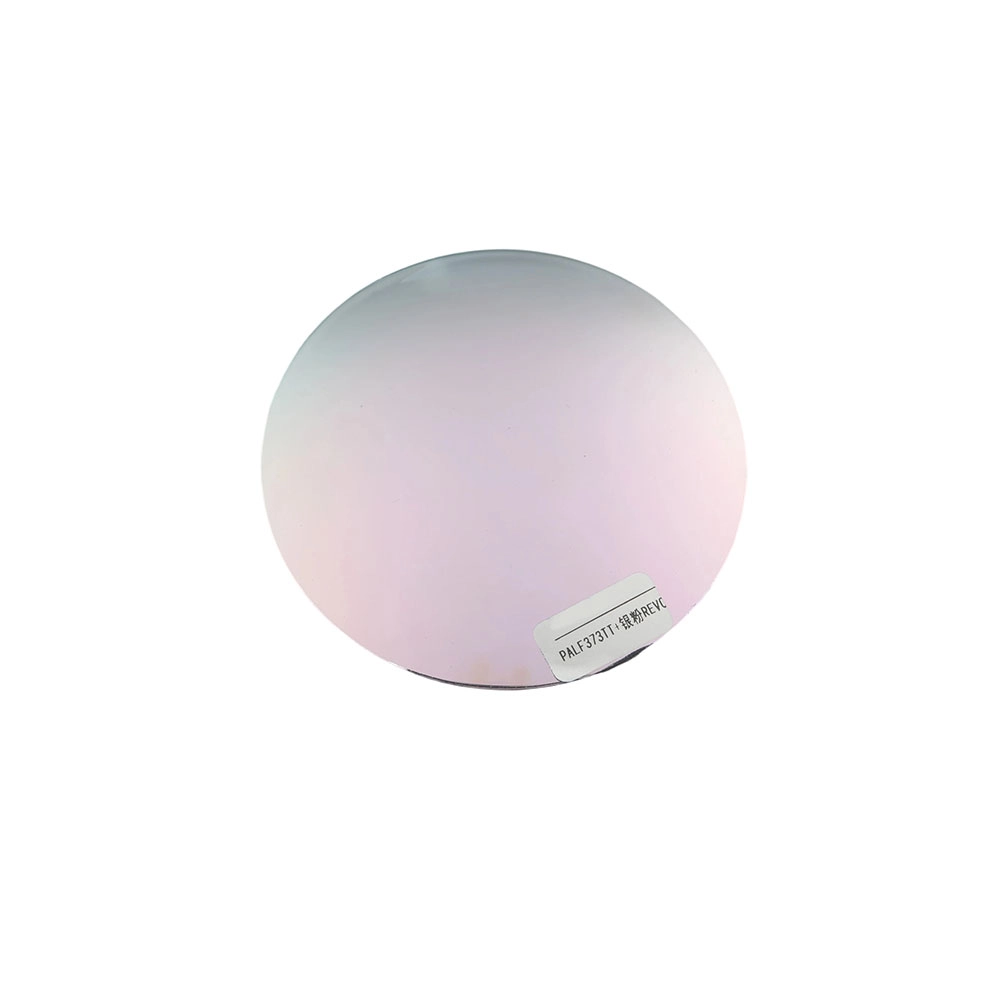
Dynamic Adaptation: Next-Gen Photochromic Lenses for Indoor & Outdoor Use
As premier eyeglass lenses manufacturers, Karuson crafts high-performance PC polarized coated lenses that seamlessly integrate lightweight, impact-resistant polycarbonate with advanced optical film technology. These lenses are engineered to achieve superior glare reduction and enhanced visual definition while offering a spectrum of stylish, customizable tints. Optimized for professional driving, outdoor sports, and urban lifestyles, our manufacturing process ensures that harmful reflections from water, roads, and snow are effectively filtered out. The result is a durable, fashion-forward visual solution that perfectly balances essential eye protection with high-end aesthetic appeal—making them the ideal choice for brands seeking to merge practicality with a modern fashion statement.
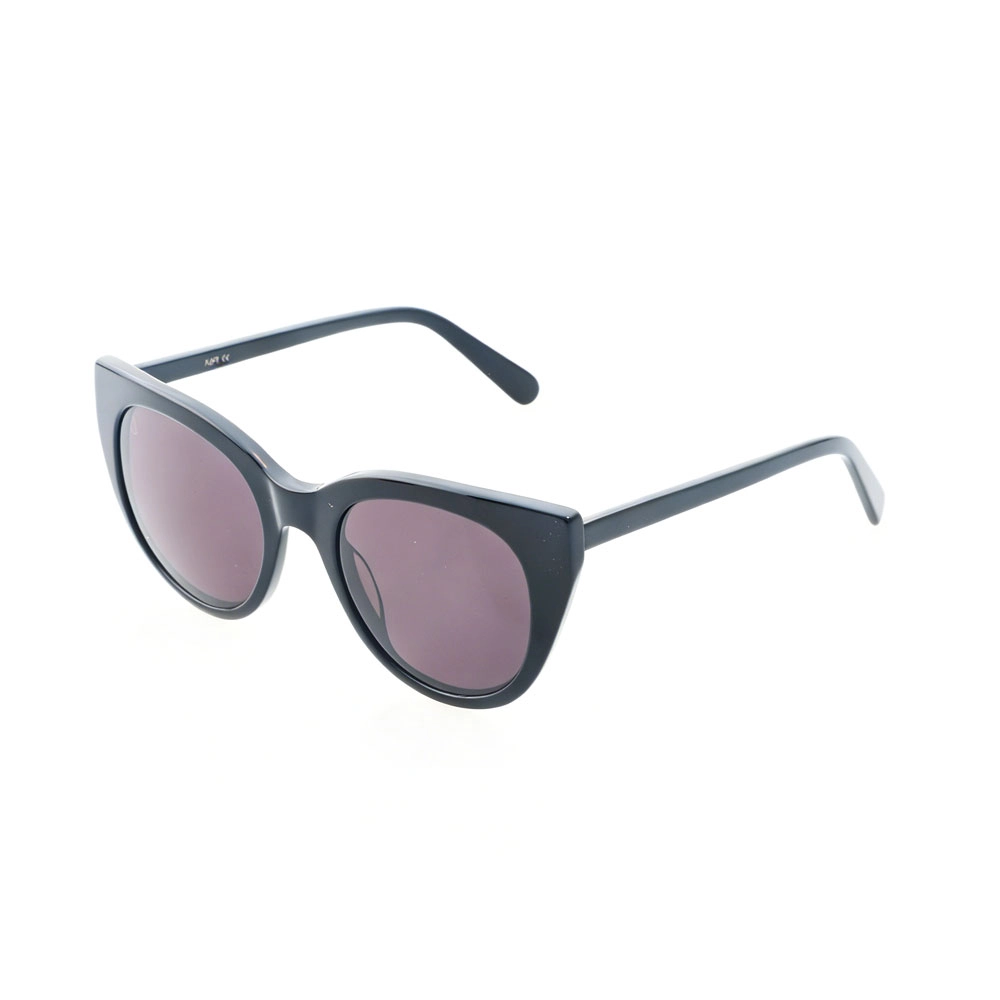
Elegant Retro Cat-Eye Sunglasses with TAC Polarized Lenses – Professional OEM Solutions by Karuson
Elevate your eyewear collection with a classic that never goes out of style. As leading sunglasses manufacturers, Karuson presents these Fashionable Cat-Eye Women's Sunglasses, engineered to blend retro charm with modern material science. Featuring a lightweight yet durable TR90 frame, these shades offer a sophisticated "winged" silhouette that provides a flattering, lifted look for various face shapes.
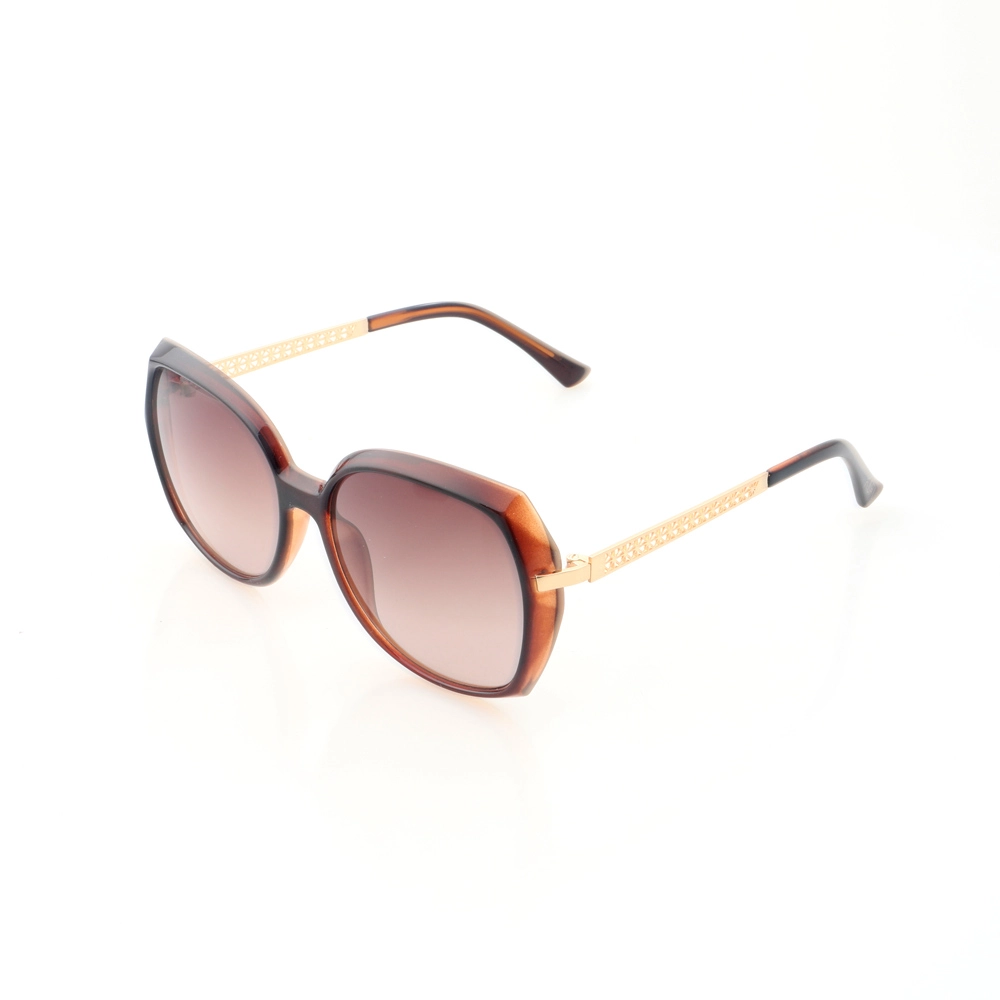
Chic Oversized TR90 Polarized Sunglasses for Women: High-Fashion Styles by Leading Sunglasses OEM
As a specialist sunglasses OEM, Karuson presents this flagship women's collection, designed to blend bold geometric silhouettes with effortless comfort. These sunglasses feature a premium TR90 frame front in a classic tortoise-shell finish, seamlessly integrated with intricate, gold-toned metal temples that add a touch of jewelry-like luxury to a functional accessory.
Get a Free Quote
If you have any comments or good suggestions, please leave us a message; later our professional staff will contact you as soon as possible.
NEW DIMENSIONS IN EYEWEAR
Contact KARUSON
Email:
WhatsApp/Phone:
Address:
331 Section B, WanJia Creative Park , No. 1 BUXIA Road ,Tianhe District, Guangzhou City, Guangdong Province, China.

© 2026 KARUSON. All Rights Reserved.
Facebook
Instagram
YouTube
TikTok
Linkedin