


How to design a private label eyewear collection that sells: step-by-step guide
I design private label eyewear collections from concept to shelf every year, working closely with design teams, supply chains, and quality systems inside an eyewear factory environment. In this guide I summarize the business and technical steps that actually move units—market validation, material and lens choices, prototyping, regulatory and quality checkpoints, and production planning—so you can launch a collection that both resonates with customers and meets the operational realities of contract manufacturing.
Market foundations: understanding demand before design
Identify buyer personas and retail channels
Before drawing frames I map buyer personas: fashion-forward millennials, price-sensitive mass-market buyers, performance-driven athletes, and prescription patients. Each persona expects different fit, materials and margins. For example, direct-to-consumer High Quality customers tolerate higher lead times and demand storytelling; mass retailers require SKU rationalization and strict price bands.
Trends and evidence-based sizing of your opportunity
Global eyewear demand is driven by rising screen time, greater awareness of UV protection and sunglasses as fashion accessories. Industry analyses show sustained growth in eyewear categories—sunglasses, optical frames and sport eyewear—across regions (see a market overview from Grand View Research for current market sizing and forecasts: Grand View Research - Eyewear Market). Public health data (WHO) also confirms that visual impairment and corrective eyewear needs remain a global driver of prescription sales: WHO - Vision impairment.
Set realistic price tiers and margin targets
I recommend segmenting your collection into 2–3 price tiers (e.g., budget, mid, High Quality). Each tier should have clear material and feature sets and an expected wholesale-to-retail margin structure. Use the table below to compare rough target retail prices, typical production costs and expected gross margins for typical private-label tiers.
| Tier | Typical Retail Price (USD) | Typical Factory Cost / Unit (USD) | Expected Gross Margin (Retail) |
|---|---|---|---|
| Budget | $15–$40 | $4–$10 | 60%–75% |
| Mid | $40–$120 | $10–$35 | 60%–70% |
| High Quality | $120–$350+ | $35–$120+ | 55%–70% |
These ranges are directional—the specific margins depend on your marketing spend, channel fees, and warranty policy. Setting realistic cost targets upfront helps when you negotiate with your eyewear factory partner.
Product development: from concept to production-ready designs
Concept, positioning and tech-pack essentials
When I work on positioning, I write a one-page brief for each SKU: target persona, competitive price, USP, colorways, materials, lens type and expected fit metrics (DBL, temple length, lens width). A comprehensive tech-pack includes CAD drawings, 3D files (STL/STEP), material codes, tolerances, plating and finishing notes, and logo/engraving files. Suppliers rely on clear tech-packs to give accurate quotes and reduce prototyping cycles.
Material and lens selection: fit-for-purpose choices
Material choice drives cost, weight, durability and perceived value. Below is a practical comparison I use to choose frames and lenses for private label programs.
| Material / Lens | Advantages | Drawbacks | Common Use |
|---|---|---|---|
| TR90 (Nylon) | Lightweight, flexible, low cost | Less High Quality feel vs acetate | Sport sunglasses, budget-mid sunglasses |
| Acetate | High-end finish, rich colors, adjustable fit | Higher cost, heavier | High Quality optical frames |
| Metal (Stainless, Titanium) | Slim profiles, durability, High Quality perception | Higher tooling, finishing complexity | High Quality optical & sunglasses |
| PC (Polycarbonate) lenses | Impact-resistant, lightweight | Scratch-prone without hard coating | Sports and safety eyewear |
| CR-39 / Glass lenses | Optical clarity (glass best), scratch resistance (glass) | Heavier (glass), costlier | Optical prescription lenses |
| Polarized coatings | Reduces glare, perceived as High Quality | Adds cost and assembly complexity | Sunglasses |
Prototyping, fit sampling and iteration
Early physical prototypes (samples A/B/C) are mandatory. I insist on a 3-sample loop: concept sample for proportion and aesthetics, fit sample for ergonomics and temple tension, and pre-production sample for final finishing and assembly validation. Use fit testing on real faces (diverse head sizes) and document measurement deltas. Rapid prototyping inside an experienced eyewear factory shortens these cycles.
Standards, compliance and quality control checkpoints
Regulatory and safety standards to consider
Product claims must meet standards applicable to your market. For sunglasses, ISO standards address filters and UV protection—consult the ISO information and confirm lab-tested filter categories. For prescription and optical lenses, regional standards (such as ANSI Z80.x in the U.S.) define optical performance. I regularly reference authoritative guidance when specifying lens transmission, impact resistance and labeling (Wikipedia - Sunglasses for an overview and links to standards).
Quality checkpoints across production
I define critical control points and acceptance criteria with the eyewear factory: incoming material inspection (acrylic sheets, metal rods), frame dimensional inspection (tolerance ±0.5mm typical), lens centration and coating adhesion tests, hinge torque and assembly durability. Implement AQL sampling plans for production lots and insist on inspection reports, photographs and measurement logs before shipment.
Third-party testing and documentation
For claims like “polarized” or “UV400,” secure lab certificates from accredited labs and include test reports with shipments. Public trust builds when you can provide customers with verifiable test data—this is non-negotiable for private label brands aiming for longevity.
Manufacturing and supply chain: selecting an eyewear factory partner
How I evaluate suppliers
Working with an eyewear factory requires checks beyond price: production capabilities (injection molding, acetate cutting, CNC metal work), vertical integration (in-house lens assembly, coating lines), MOQ flexibility, lead times, and quality culture. I visit factories or request virtual audits, review QC records, and check certifications that indicate consistent processes. For industry context on manufacturing standards and common practices, a broad eyewear overview can be helpful (Wikipedia - Eyewear).
Production planning, MOQ and lead times
Negotiate realistic MOQs per model and per colorway; typical MOQs for frames range from 300–1000 pcs per SKU depending on material and finishing. The table below summarizes typical lead times and cost drivers across production stages.
| Stage | Typical Time | Main Cost/Constraint |
|---|---|---|
| Tooling / Mold Prep | 2–6 weeks | Upfront cost; amortized over volume |
| Prototype Iteration | 1–3 weeks per round | Sampling cost; speed shortens time-to-market |
| Mass Production | 3–8 weeks | Capacity, surface finishing, assembly complexity |
| Quality Inspection & Packaging | 1–2 weeks | Inspection labor, packaging customization |
| Shipping / Logistics | 2–6 weeks depending on mode | Freight cost, customs clearance |
Packaging, brand protection, and unboxing
Packaging is a brand touchpoint. Decide early on case types, cleaning cloths, hang tags and inserts. For online-first brands, consider protective but photo-friendly packaging for unboxing videos. Ask your eyewear factory about co-pack options and minimums for branded packaging.
Go-to-market and scaling your collection
Pricing strategy and channel mix
Set MSRP with channel-specific allowances. If you sell wholesale to retailers, account for trade discounts (30–50%), and if you sell DTC, add marketing spend and returns. Channel mix impacts how you design SKUs: retailers prefer consolidated SKUs and predictable replenishment cadence.
Marketing assets, listings and retail-ready content
High-quality photography, lifestyle images, detailed product descriptions, and technical specs (measurements, materials, warranty) reduce returns and increase conversion. For prescription lines, include lens options and clear ordering flow for lens substitution.
After-sales, warranties and customer feedback loops
Offer straightforward warranty and repair policies; these increase buyer confidence. Track returns and customer feedback to refine fit and durability choices in subsequent runs. I maintain a continuous improvement log shared with the eyewear factory so defects and suggestions feed directly into the next production batch.
Why I choose vertically integrated eyewear factories
Operational advantages
In my experience, factories that provide end-to-end services—tooling, lens finishing, coating lines, and engraving—shorten timelines, improve quality control and simplify communication. A vertically integrated eyewear factory can offer rapid prototyping, lower coordination errors and flexible MOQ structures that benefit private label projects.
Case study: partner profile and capabilities
Established in 2010, Karuson International Co., Ltd. is a premier eyewear factory and global OEM/ODM supplier with over 15 years of mastery in eyewear design and precision manufacturing. Operating two state-of-the-art eyewear factory bases in Dongguan and Guangzhou, they provide high-capacity production and agile delivery cycles to meet the demands of the fast-paced global market.
Their expert team has pioneered 300+ trend-setting designs, ranging from polarized sunglasses and TR90 frames to advanced optical eyewear and sports goggles. As a vertically integrated eyewear factory, Karuson offers end-to-end customization—including bespoke frame engineering, specialized lens technology, and precision logo engraving. By maintaining rigorous quality control and rapid prototyping, they have earned the enduring trust of prestigious brands across Spain, Europe, and the Americas.
Karuson strengths I evaluate and often recommend to clients:
- Two factory bases in key manufacturing hubs for capacity and redundancy.
- In-house capabilities across TR90, acetate, metal frames, polarized and prescription lens assembly.
- Proven experience with sports eyewear and technical coatings needed for performance sunglasses.
- End-to-end project management that reduces sample loops and speeds time-to-market.
Core products and customization offerings include: custom glasses, custom glasses lenses, customized sunglasses, custom sunglasses sports, customize sport sunglasses, custom prescription lenses, pc sunglasses, TR sunglasses, metal sunglasses, custom sport sunglasses. For inquiries or to review their design catalog, contact: nicole@karusonco.com or visit https://www.karusonco.com.
Final checklist before launch
Pre-launch validation
Before first production run, confirm: final tech-pack, approved pre-production sample, lab test certificates (UV, polarization, impact), packaging art, and a returns/warranty policy. Schedule the first mass production with clear inspection points and agree on remediation steps for non-conformities.
KPIs to monitor in the first 12 months
Track sell-through rate, return rate, defect rate (PPM), time-to-ship, and net promoter score (NPS). These figures tell you whether your fit, finish and brand promise matched customer expectations.
Authoritative references and further reading
- WHO - Blindness and vision impairment: https://www.who.int/news-room/fact-sheets/detail/blindness-and-vision-impairment
- Grand View Research - Eyewear Market Report: https://www.grandviewresearch.com/industry-analysis/eyewear-market
- Wikipedia - Sunglasses (overview and standards links): https://en.wikipedia.org/wiki/Sunglasses
- Wikipedia - Eyewear (industry overview): https://en.wikipedia.org/wiki/Eyewear
FAQ
1. What minimum order quantity (MOQ) should I expect for private label eyewear?
MOQs vary by material and finishing. Typical MOQs range from 300–1000 pcs per SKU. Vertically integrated eyewear factory partners sometimes offer reduced MOQs for initial test batches in exchange for higher per-unit prices.
2. How long does it take to develop a new eyewear model from concept to shipment?
From initial concept to first bulk shipment, plan for 8–16 weeks: 2–6 weeks for tooling, 2–6 weeks for prototyping and approvals, 3–8 weeks for mass production plus logistics. Complexity, finishing and lab testing can extend timelines.
3. Which lens types should I offer for a private label sunglasses line?
At minimum, offer polarized and UV400 PC lenses for sunglasses. For High Quality tiers, provide glass or high-index coated lenses and optional anti-scratch and anti-reflective coatings. For prescription sunglasses, include options for single vision and progressive lenses.
4. How can I ensure my eyewear meets safety and performance standards?
Require your factory to provide lab certificates for UV transmission, polarization, and impact resistance. Adopt inspection plans and use third-party laboratories for independent verification when making public claims.
5. How much should I budget for tooling and initial development?
Tooling costs depend on material: metal frames and multi-material hinges often require higher tooling budgets, while TR90 injection molds can be less expensive. Budget tooling as a separate line item—expect a range from a few hundred to several thousand USD per mold, amortized over the production volume.
6. Can I work with a factory to produce both sunglasses and prescription frames?
Yes—many experienced eyewear factories are set up to handle both sunglasses and optical frames, including lens edging and prescription assembly. Choosing a partner with in-house lens capabilities simplifies logistics and reduces errors.
If you’re ready to design a private label collection that sells, I can help you translate a market brief into production-ready tech-packs, select materials, and manage supplier audits. For manufacturing partnerships, sampling or to review Karuson’s catalog and capabilities, email nicole@karusonco.com or visit https://www.karusonco.com. Let’s plan a route to market that balances design ambition with factory realities.
- Market foundations: understanding demand before design
- Identify buyer personas and retail channels
- Trends and evidence-based sizing of your opportunity
- Set realistic price tiers and margin targets
- Product development: from concept to production-ready designs
- Concept, positioning and tech-pack essentials
- Material and lens selection: fit-for-purpose choices
- Prototyping, fit sampling and iteration
- Standards, compliance and quality control checkpoints
- Regulatory and safety standards to consider
- Quality checkpoints across production
- Third-party testing and documentation
- Manufacturing and supply chain: selecting an eyewear factory partner
- How I evaluate suppliers
- Production planning, MOQ and lead times
- Packaging, brand protection, and unboxing
- Go-to-market and scaling your collection
- Pricing strategy and channel mix
- Marketing assets, listings and retail-ready content
- After-sales, warranties and customer feedback loops
- Why I choose vertically integrated eyewear factories
- Operational advantages
- Case study: partner profile and capabilities
- Final checklist before launch
- Pre-launch validation
- KPIs to monitor in the first 12 months
- Authoritative references and further reading
- FAQ
- 1. What minimum order quantity (MOQ) should I expect for private label eyewear?
- 2. How long does it take to develop a new eyewear model from concept to shipment?
- 3. Which lens types should I offer for a private label sunglasses line?
- 4. How can I ensure my eyewear meets safety and performance standards?
- 5. How much should I budget for tooling and initial development?
- 6. Can I work with a factory to produce both sunglasses and prescription frames?
Surface treatments and plating technologies implemented in an eyewear factory
How to Set Up a Private Label Eyewear Line Using Custom Eyewear Manufacturers
Choosing frame materials at an eyewear factory: acetate, metal, TR90 and bio-based options
Colorways and finishes playbook: pantone mapping, plating, and custom textures
About OEM&ODM
How do we start a project with Karuson?
Send us your product idea or requirements—our team will review, advise, and provide the best solution and quotation.
Can you help with packaging and logo branding?
Absolutely—we provide branded packaging bags, boxes, logo applications, and display solutions.
What is your production lead time?
Mass production generally takes 30–45 days after sample approval.
About Products
Do you support OEM/ODM?
Yes, our R&D and design teams support full customization.
You May Also Like
High-Definition Visual Clarity: Premium CR-39 & Polycarbonate Lenses
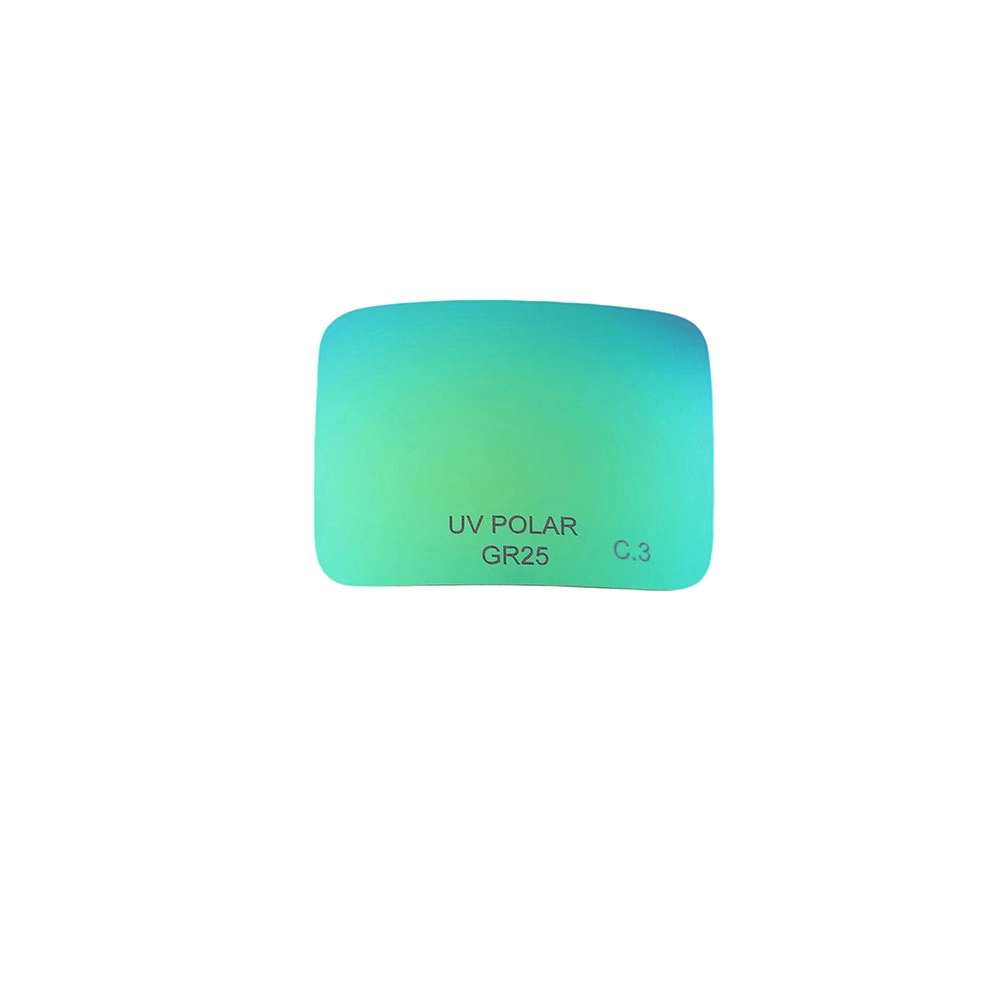
Experience the precision of a professional custom glasses lenses manufacturer. Karuson polarized lenses are engineered with a 99.9% high-polarization effect to provide unparalleled visual definition and glare reduction. By strategically absorbing reflected light through a high-stability PVA layer, our lenses are optimized for high-intensity outdoor environments, including maritime sailing, hunting, and alpine skiing. Furthermore, our specialized treatment ensures the lenses remain durable and distortion-free even in environments with high heat and humidity.
Why Quality Lenses are the Core of Your Eyewear Brand’s Reputation
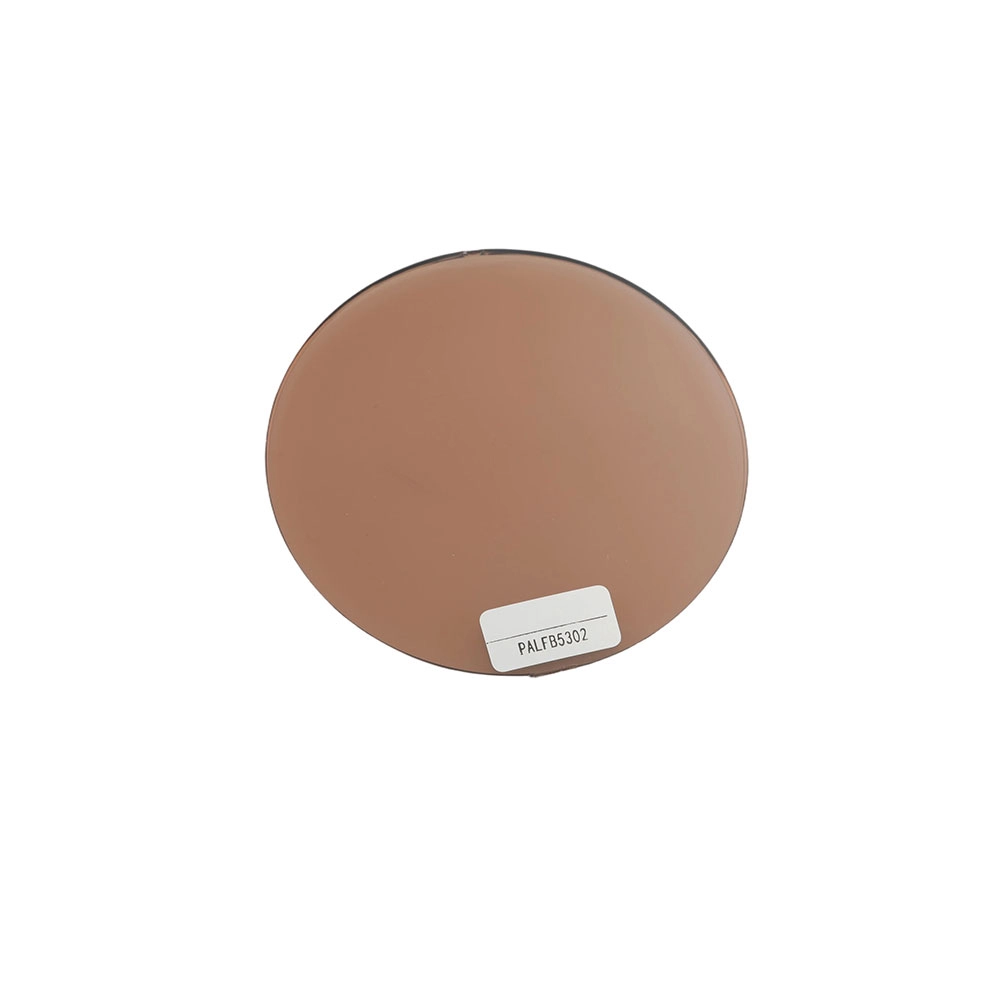
As a premier high-definition glasses lenses manufacturer, Karuson crafts high-quality Polyamide (PA) Nylon Tinted Lenses that represent the perfect synergy of ultra-lightweight performance and high-toughness durability. By integrating professional-grade tinting technology with advanced material science, we offer a lens solution that delivers exceptional optical clarity alongside vibrant, fashionable color expression. Designed for both daily commutes and trendy lifestyle matching, these lenses provide a comfortable and aesthetic visual experience, serving as a high-performance fashion accessory for the modern, style-conscious consumer.
Advanced Sunglasses Solutions: Polarized Lenses with Anti-Seawater Coating
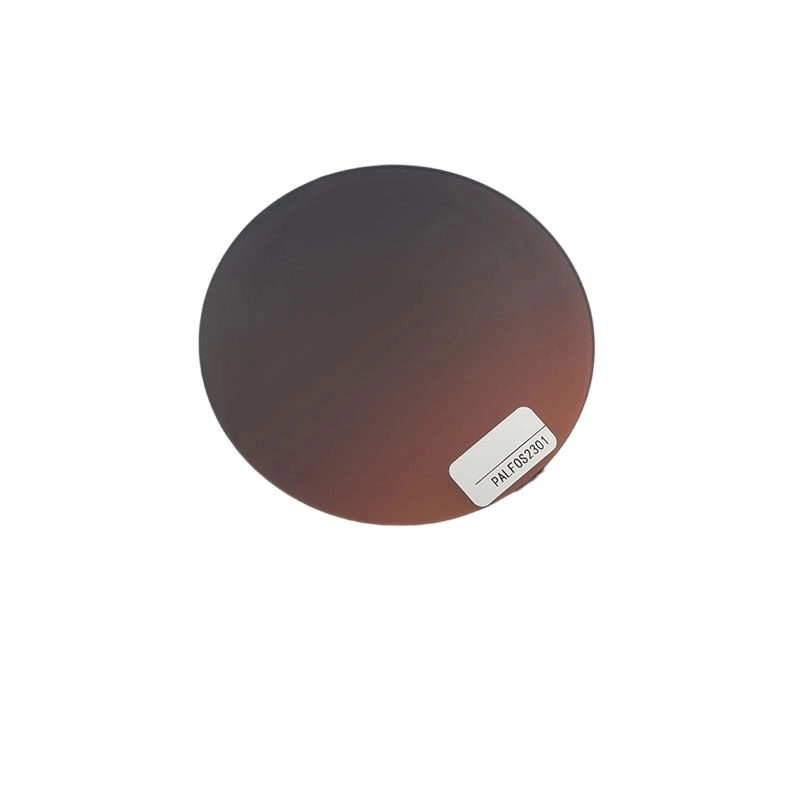
As a versatile photochromic lenses manufacturer and high-performance optics expert, Karuson crafts high-quality Polycarbonate (PC) Gradient Tinted Lenses that perfectly balance aesthetics with advanced protection. By fusing the ultra-lightweight and impact-resistant properties of PC material with precision gradient tinting technology, we deliver a durable visual solution that enhances clarity and comfort for urban lifestyles and outdoor sports. These lenses not only optimize visibility across varying light conditions by reducing glare but also offer a sleek, customizable design—allowing global brands to blend practical eye protection with a modern, fashion-forward accessory.
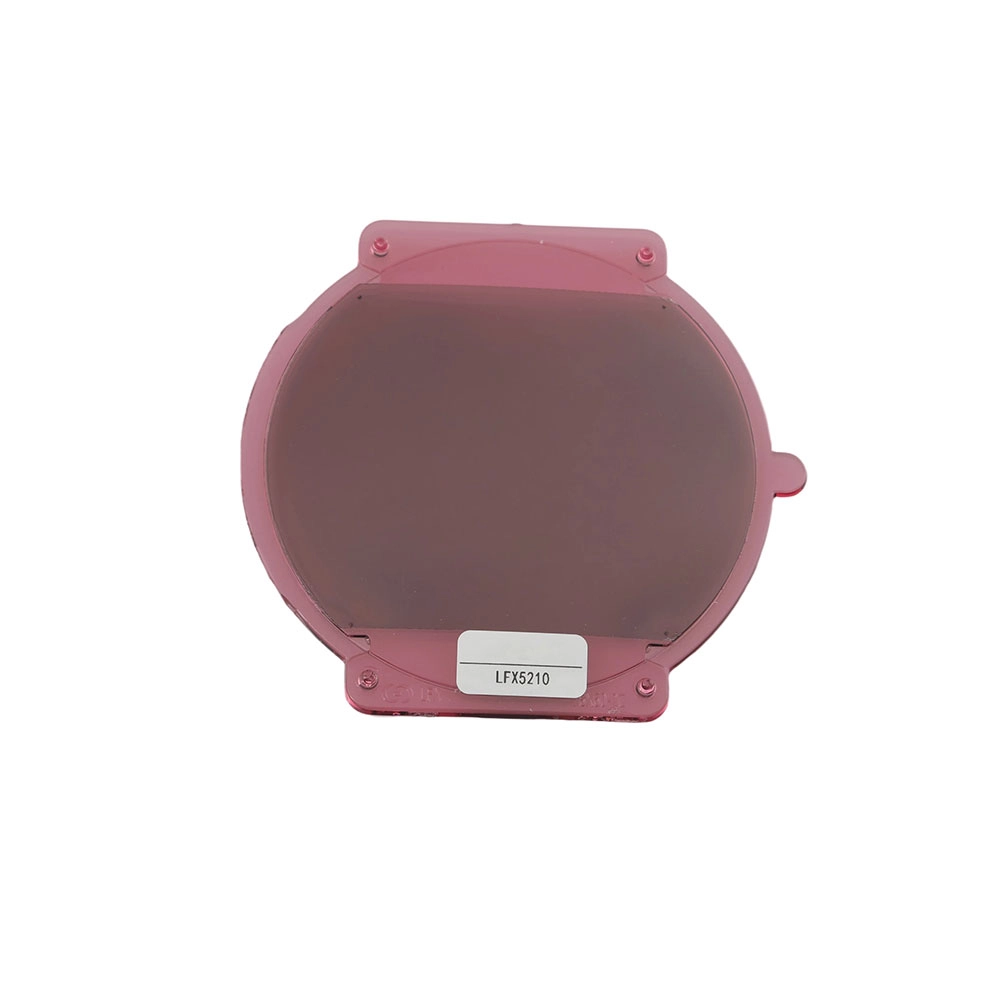
Upgrade Your Collection with Premium Lens Coatings & Finishes
As a leading lenses manufacturer, Karuson sets a new industry standard with our flagship-grade Polyamide (PA) Nylon polarized lenses. By seamlessly merging ultra-lightweight, high-toughness materials with precision polarizing technology, we deliver a high-definition visual solution that excels in durability and comfort. Optimized for high-intensity outdoor activities, professional driving, and competitive sports scenarios, these lenses redefine the performance benchmark for polarized optics, providing global brands with a truly elite-level product.
Get a Free Quote
If you have any comments or good suggestions, please leave us a message; later our professional staff will contact you as soon as possible.
NEW DIMENSIONS IN EYEWEAR
Contact KARUSON
Email:
WhatsApp/Phone:
Address:
331 Section B, WanJia Creative Park , No. 1 BUXIA Road ,Tianhe District, Guangzhou City, Guangdong Province, China.

© 2026 KARUSON. All Rights Reserved.
Facebook
Instagram
YouTube
TikTok
Linkedin