

Customization options offered by an eyewear factory: colors, logos, engraving and packaging
As someone who has worked closely with international eyewear brands and managed production at high-capacity eyewear factory operations in China, I know customization is where design intent meets manufacturing reality. In this article I summarize the practical customization options an eyewear factory provides—colors, logos, engraving, lenses and packaging—how they affect cost and lead time, the technical and regulatory considerations, and how to choose the right partner based on capacity, QA systems and prototyping speed. I reference recognized standards and sources where relevant to help you validate specifications and make procurement decisions.
Why customization matters in modern eyewear
Consumer demand and brand differentiation
Consumers now expect personalization in product aesthetics and function. Whether a brand needs a unique pantone color, a micro-engraved logo on the temple, or bespoke polarized lenses, customization turns a generic frame into a brand statement. From my experience working with design teams, the difference between an off-the-shelf SKU and a co-branded offering often lies in relatively small manufacturing changes—color recipes, plating finishes, laser etching depth or lens coatings—that nonetheless create distinct perceived value.
Regulatory and functional considerations
Customization is not only visual. Prescription lenses, filter categories for sunglasses, and impact-resistant materials for sport eyewear require compliance with standards. For example, prescription lenses and optical safety specifications are commonly referenced against standards such as ANSI Z80.1 (optical quality) and sunglasses often reference the guidance summarized in the sunglasses overview. I always advise brands to specify regulatory targets early in the design brief so the eyewear factory can select vendors, inspection steps and certificate procedures during sample and mass production.
Sustainability and material choices
Materials (TR90, acetate, metals, PC polycarbonate) significantly affect the customization techniques available. TR90 allows vivid coloring and flexible molding; acetate supports intricate color laminates and deep polishing. You can learn more about TR90 properties via the material overview at TR-90 reference. I often guide clients to balance the visual finish they want with the environmental and recycling profile of the material.
Core customization options offered by an eyewear factory
Colors and finishing techniques
Color customization at an eyewear factory typically includes:
- Mold pigmenting and masterbatch color matching for injection molded frames (TR90, PC).
- Acetate sheet layering and custom laminate patterns for High Quality frames.
- Surface finishes: glossy polish, matte textures, soft-touch coatings, and PVD plating for metal parts.
Color processes affect tooling decisions: in molded frames, changing color is straightforward once the tool is validated; in acetate, each new color combination often requires new cutting and polishing templates.
Logo placement and branding options
Logos can be applied by multiple methods—pad printing, UV printing, metal rivet logos, inlay logos (acrylic or metal), hot stamping and laser engraving. Each method has trade-offs in durability, appearance and minimums. For visible high-precision branding, I typically recommend laser engraving on metal temples or precision inlay logos for acetate because they deliver a High Quality look and resist wear better than surface prints.
Engraving: laser and mechanical
Engraving offers permanence. Laser engraving is precise and ideal for delicate fonts, serial numbers and micro-marks on metal, acetate and some lenses (with proper masking). Mechanical engraving (CNC) provides depth but is slower and can stress thin temple walls. Laser settings, focal lengths and power must be validated per material to avoid discoloration, micro-cracking or optical distortion on lenses.
Comparison: customization methods at a glance
| Feature | Common Methods | Typical MOQ | Typical Lead Time (after approvals) | Cost Impact |
|---|---|---|---|---|
| Frame color | Mold pigmenting, acetate laminates, spray coating | 100–1,000 pairs | 2–6 weeks | Low–Medium |
| Logo | Pad/UV printing, inlay, metal rivet, laser engraving | 50–500 pairs | 1–4 weeks | Low–Medium |
| Engraving | Laser, CNC | 50–200 pairs | 1–3 weeks | Low–Medium |
| Packaging | Custom boxes, printed inserts, bespoke foam | 500–2,000 sets | 3–6 weeks | Medium–High |
Lens customization and technical personalization
Prescription lenses and coatings
For prescription eyewear, customization extends to lens blank selection, surfacing (CNC free-form), anti-reflective (AR) coatings, scratch and oleophobic layers. Prescription lens standards and tolerances should reference sources such as ANSI Z80.1. When I manage lens production for clients I insist on traceable batch records for coatings and a sample inspection checklist that includes sphere, cylinder, axis, prism and base curve verification.
Polarized, photochromic and specialized optics
Polarized and photochromic lenses add functionality and cost. Polarized lenses require lamination or in-mold insertion of the polarizing film, while photochromic dyes can be infused into polycarbonate or treated surface coatings. For sport eyewear, impact resistance is critical; polycarbonate lenses are common for compliance and safety.
Sport-specific customizations
For sports sunglasses, beyond lens tints and coatings, customization may include wrap geometry adjustments to reduce glare, rubberized temple/grip inserts tailored to the athlete, and venting patterns for anti-fog performance. These changes often require prototype iterations and rapid tool adjustments; I recommend partners with in-house prototyping and finishing capabilities for faster optimization cycles.
Packaging, logistics and compliance
Packaging options and unboxing experience
Packaging is a tactile extension of the brand. Options range from printed folding boxes to magnetic closure gift cases, eco-friendly molded pulp trays and custom-printed microfiber cleaning pouches. If unboxing experience is part of a brand strategy, invest in higher-end rigid boxes, custom inserts and printed sleeves. For e-commerce, consider mailer-friendly packaging that balances protection with reduced volumetric weight.
Labeling, barcodes and regulatory paperwork
An eyewear factory should support labeling requirements (CE marking for EU if needed, country of origin labels, and health & safety disclaimers). For optical/medical products, supporting documentation and declarations are essential. Factories with ISO 9001 quality systems tend to maintain better documentation; see ISO 9001 for context on document control expectations.
Sustainability and recyclable packaging
Brands increasingly ask for recyclable or compostable packaging. I advise specifying material certifications and recyclability goals up front so the eyewear factory can source appropriate suppliers. Small changes like removing single-use plastic from inserts or using recycled cardboard can be implemented quickly if planned early.
How to choose the right eyewear factory for customization
Capacity, prototyping and lead time
Match your SKU volumes with a factory's capacity. Factories that operate multiple bases or have vertically integrated lines (molding, metal stamping, lens coating, finishing) can shorten lead times and reduce coordination risk. In my consulting practice, I favor partners that provide rapid prototyping (CNC, 3D printing, acetate milling) and clear sample approval workflows.
Quality systems and testing
Ask about inspection plans (IQC, IPQC, FQC), batch traceability and compliance testing. If your product requires optical accuracy, ensure the partner has lens measurement equipment and documented procedures. Factories aligned with ISO 9001 or with documented third-party testing relationships usually perform better on consistent quality.
Communication and IP protection
Customization requires iterative communication. Choose a partner that offers NDA/contractual IP protections and has experience with OEM/ODM collaborations. My best outcomes have come from suppliers who assign a dedicated project manager and maintain clear tooling and change logs.
Comparative table: sample-to-production workflow
| Stage | What's delivered | Typical duration | Key output |
|---|---|---|---|
| Concept & Technical Spec | Design files, Pantone, lens spec | 1–2 weeks | Technical package (Tech Pack) |
| Prototype & Sampling | RTF samples, lens mockups | 1–3 weeks | Approved sample |
| Tooling | Molds, acetate cutting templates | 2–6 weeks | Production-ready tools |
| Pre-production | Pilot run, QC checklists | 1–2 weeks | Pilot batch sign-off |
| Mass Production | Ordered units, packaging | 2–8 weeks (volume dependent) | PO fulfillment |
Case study and my recommendations
In projects where I led product launches for European and Americas markets, the quickest path to market combined clear early specifications, limited color palette for the first launch (to reduce tooling permutations), and integrated packaging design that matched logistics needs. For High Quality collections, I prioritized acetate inlays and laser engraving on metal temples to convey value without complex multi-stage coating processes.
About our partner and why it matters
Established in 2010, Karuson International Co., Ltd. is a premier eyewear factory and global OEM/ODM supplier with over 15 years of mastery in eyewear design and precision manufacturing. Operating two state-of-the-art eyewear factory bases in Dongguan and Guangzhou, we provide high-capacity production and agile delivery cycles to meet the demands of the fast-paced global market.
Our expert team has pioneered 300+ trend-setting designs, ranging from polarized sunglasses and TR90 frames to advanced optical eyewear and sports goggles. As a vertically integrated eyewear factory, we offer end-to-end customization—including bespoke frame engineering, specialized lens technology, and precision logo engraving. By maintaining rigorous quality control and rapid prototyping, we have earned the enduring trust of prestigious brands across Spain, Europe, and the Americas.
Karuson’s core strengths that I evaluate when recommending partners:
- Vertically integrated capabilities—molding, acetate processing, metal fabrication, lens surfacing and coating—reduce handoffs and defects.
- High-volume capacity with agile small-batch flexibility to support both launch pilots and seasonal replenishments.
- Proven design-to-production pipeline: rapid prototyping, in-house QA labs and serial numbering for traceability.
Typical product categories supported: custom glasses, custom glasses lenses, customized sunglasses, custom sunglasses sports, customize sport sunglasses, custom prescription lenses, pc sunglasses, TR Sunglasses, metal sunglasses, custom sport sunglasses.
If you want to discuss how to implement color matching, logo options, engraving depth or packaging solutions at scale, contact Karuson directly at nicole@karusonco.com or visit https://www.karusonco.com. I routinely recommend them for projects that require consistent craftsmanship and on-time global delivery.
Frequently Asked Questions (FAQ)
1. What is the minimum order quantity (MOQ) for customized frames?
MOQ varies by method and factory. For basic color variants and printed logos, typical MOQs range from 50–500 pairs. For custom molds or fully bespoke acetate patterns, MOQs commonly start at 300–1,000 pairs. Karuson and similar vertically integrated eyewear factories can often negotiate smaller pilot runs if you commit to tooling amortization in the full production run.
2. How long does it take to receive production samples and start mass production?
Prototype/sample turnaround can be 1–3 weeks (depending on complexity). Tooling creation may take 2–6 weeks. After sample approvals and pilot runs, mass production lead time typically ranges from 2–8 weeks depending on order volume and seasonal capacity constraints.
3. Can logos and engraving damage lenses or frames?
When done correctly, no. However, inappropriate laser settings or mechanical engraving can cause micro-cracks, discoloration or weaken thin sections. Choose a factory experienced with the material (acetate vs. metal vs. polycarbonate) and request test samples and durability testing before full production.
4. What quality certifications should I look for in an eyewear factory?
Look for ISO 9001 for quality management systems and documented inspection processes (IQC, IPQC, FQC). For optical safety and lens specs, reference applicable national standards such as ANSI Z80.1 and ensure the factory supports third-party testing if required by your market.
5. How do I ensure color consistency across production batches?
Use Pantone or CMYK references, request masterbatch records for molded plastic, maintain acetate sheet lot records, and require colorimetric acceptance criteria (ΔE tolerance) on the inspection checklist. Good factories will include color sample retention and batch control as part of their QA process.
6. What packaging options are best for e-commerce brands?
Lightweight but protective mailers with shock-absorbing inserts, foldable gift boxes for High Quality SKUs, and clear return-friendly labeling simplify logistics. For branding, consider printed inner sleeves and microfiber pouches that add perceived value without large weight penalties.
If you have specific product specs or want a costed quotation for a custom run, contact Karuson at nicole@karusonco.com or visit https://www.karusonco.com. I can help you prepare a technical brief to speed up sampling and tooling decisions.
- Why customization matters in modern eyewear
- Consumer demand and brand differentiation
- Regulatory and functional considerations
- Sustainability and material choices
- Core customization options offered by an eyewear factory
- Colors and finishing techniques
- Logo placement and branding options
- Engraving: laser and mechanical
- Comparison: customization methods at a glance
- Lens customization and technical personalization
- Prescription lenses and coatings
- Polarized, photochromic and specialized optics
- Sport-specific customizations
- Packaging, logistics and compliance
- Packaging options and unboxing experience
- Labeling, barcodes and regulatory paperwork
- Sustainability and recyclable packaging
- How to choose the right eyewear factory for customization
- Capacity, prototyping and lead time
- Quality systems and testing
- Communication and IP protection
- Comparative table: sample-to-production workflow
- Case study and my recommendations
- About our partner and why it matters
- Frequently Asked Questions (FAQ)
- 1. What is the minimum order quantity (MOQ) for customized frames?
- 2. How long does it take to receive production samples and start mass production?
- 3. Can logos and engraving damage lenses or frames?
- 4. What quality certifications should I look for in an eyewear factory?
- 5. How do I ensure color consistency across production batches?
- 6. What packaging options are best for e-commerce brands?
Creating unisex, women’s, and men’s lines within a private label eyewear brand
Creating a signature frame shape: moodboards, sketches, and tech packs
Frame materials comparison for private label eyewear: acetate, metal, TR90, eco options
How to design a private label eyewear collection that sells: step-by-step guide
About OEM&ODM
Do you support OEM and ODM?
Yes—we offer both contract manufacturing (OEM) and full product development services (ODM).
How long does it take to make samples?
Samples are typically completed within 7–15 working days if available molds are present.
About Products
What is the lead time?
Mass production takes [25-35]days; samples take [7-10] days.
How do you ensure product quality?
Full QC process, factory testing, and international certifications.
You May Also Like
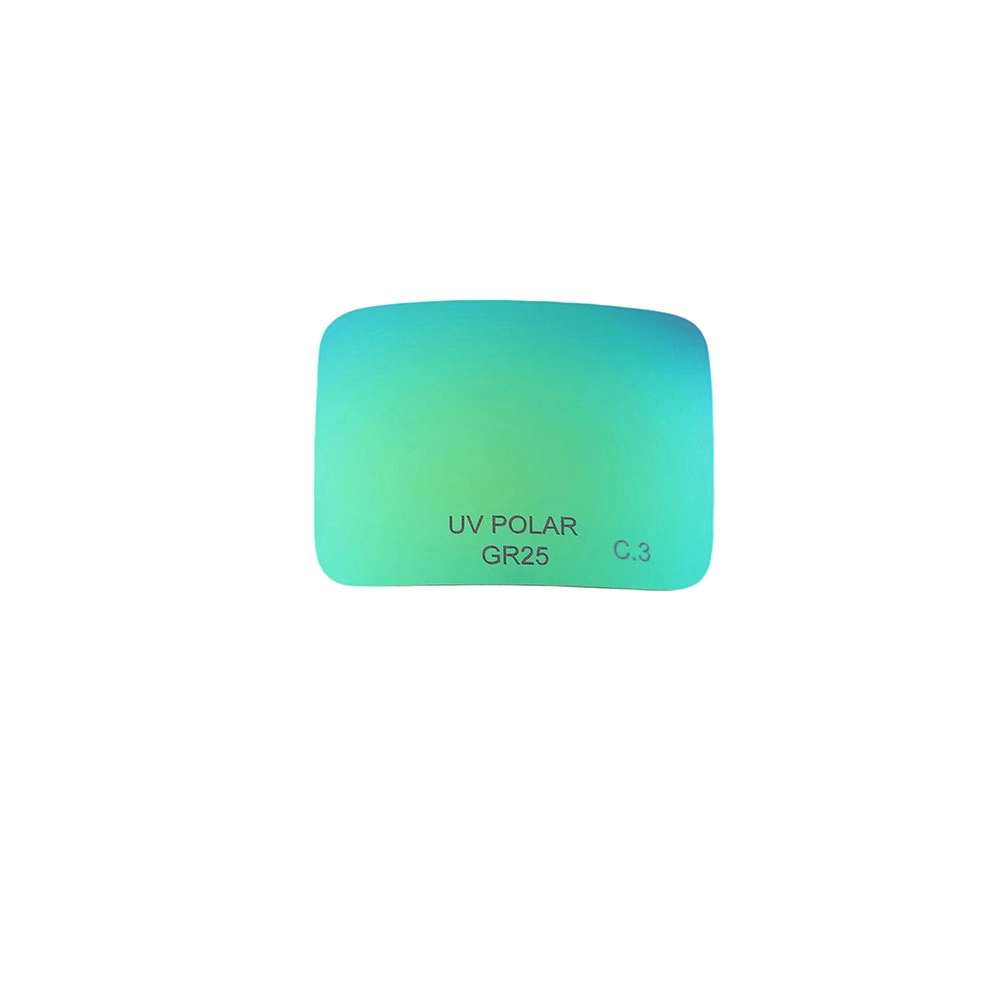
High-Definition Visual Clarity: Premium CR-39 & Polycarbonate Lenses
Experience the precision of a professional custom glasses lenses manufacturer. Karuson polarized lenses are engineered with a 99.9% high-polarization effect to provide unparalleled visual definition and glare reduction. By strategically absorbing reflected light through a high-stability PVA layer, our lenses are optimized for high-intensity outdoor environments, including maritime sailing, hunting, and alpine skiing. Furthermore, our specialized treatment ensures the lenses remain durable and distortion-free even in environments with high heat and humidity.
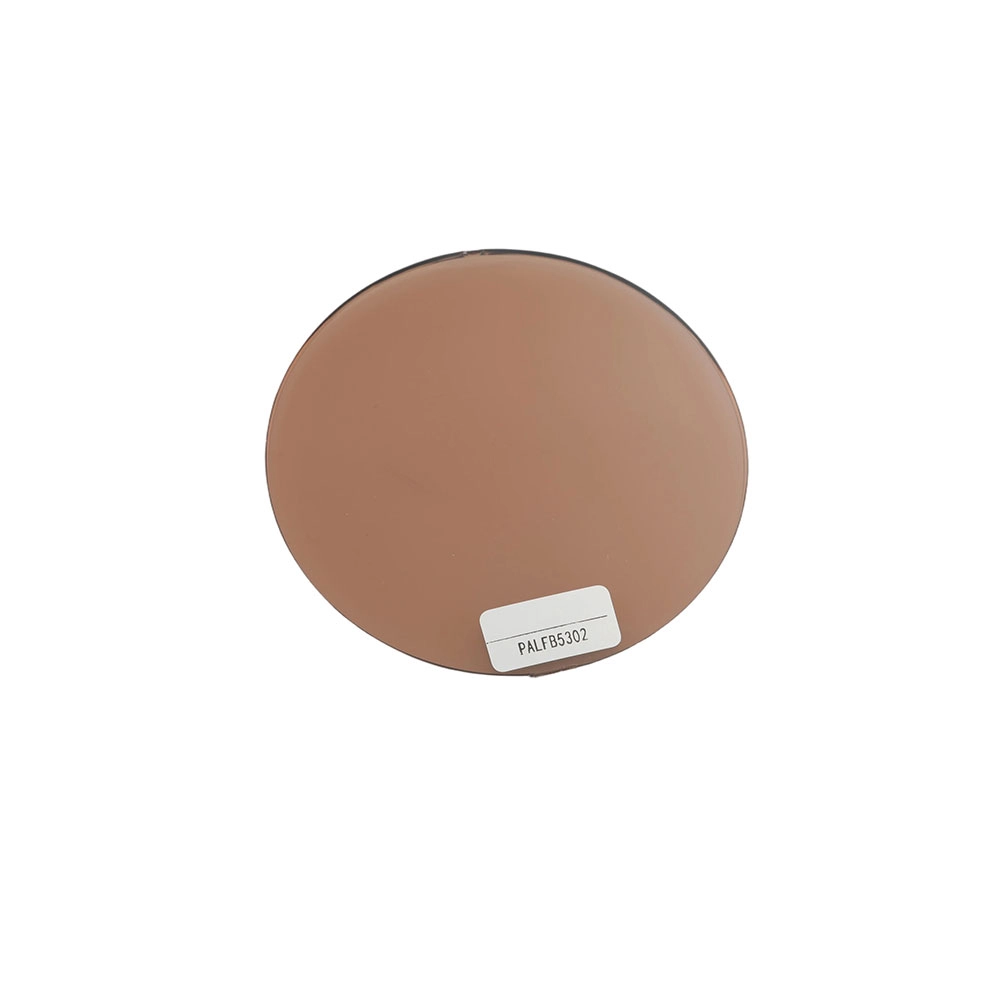
Why Quality Lenses are the Core of Your Eyewear Brand’s Reputation
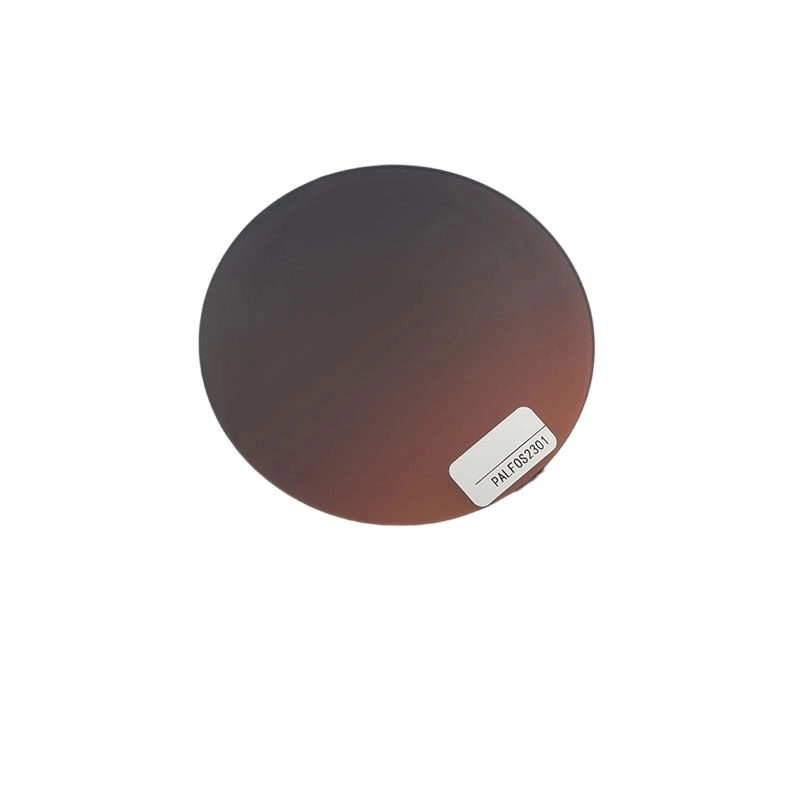
As a premier high-definition glasses lenses manufacturer, Karuson crafts high-quality Polyamide (PA) Nylon Tinted Lenses that represent the perfect synergy of ultra-lightweight performance and high-toughness durability. By integrating professional-grade tinting technology with advanced material science, we offer a lens solution that delivers exceptional optical clarity alongside vibrant, fashionable color expression. Designed for both daily commutes and trendy lifestyle matching, these lenses provide a comfortable and aesthetic visual experience, serving as a high-performance fashion accessory for the modern, style-conscious consumer.
Advanced Sunglasses Solutions: Polarized Lenses with Anti-Seawater Coating
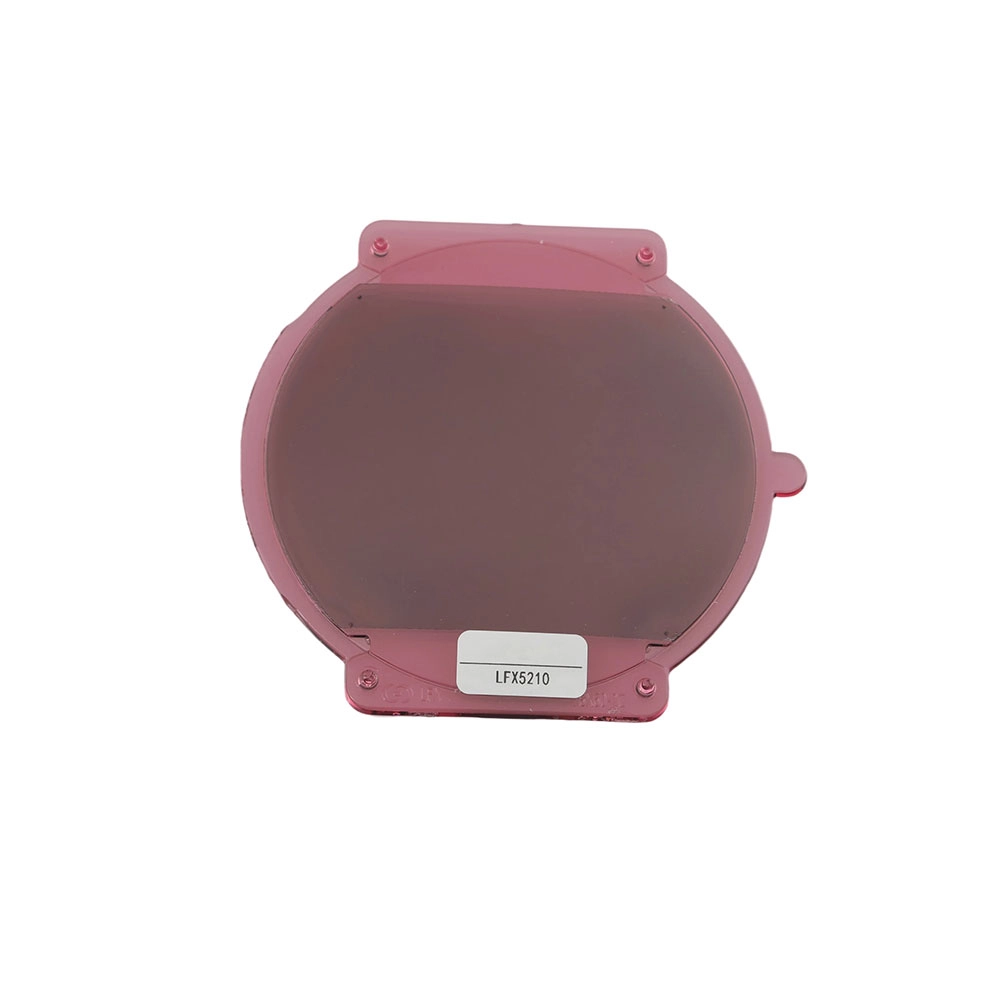
As a versatile photochromic lenses manufacturer and high-performance optics expert, Karuson crafts high-quality Polycarbonate (PC) Gradient Tinted Lenses that perfectly balance aesthetics with advanced protection. By fusing the ultra-lightweight and impact-resistant properties of PC material with precision gradient tinting technology, we deliver a durable visual solution that enhances clarity and comfort for urban lifestyles and outdoor sports. These lenses not only optimize visibility across varying light conditions by reducing glare but also offer a sleek, customizable design—allowing global brands to blend practical eye protection with a modern, fashion-forward accessory.
Upgrade Your Collection with Premium Lens Coatings & Finishes
As a leading lenses manufacturer, Karuson sets a new industry standard with our flagship-grade Polyamide (PA) Nylon polarized lenses. By seamlessly merging ultra-lightweight, high-toughness materials with precision polarizing technology, we deliver a high-definition visual solution that excels in durability and comfort. Optimized for high-intensity outdoor activities, professional driving, and competitive sports scenarios, these lenses redefine the performance benchmark for polarized optics, providing global brands with a truly elite-level product.
Get a Free Quote
If you have any comments or good suggestions, please leave us a message; later our professional staff will contact you as soon as possible.
NEW DIMENSIONS IN EYEWEAR
Contact KARUSON
Email:
WhatsApp/Phone:
Address:
331 Section B, WanJia Creative Park , No. 1 BUXIA Road ,Tianhe District, Guangzhou City, Guangdong Province, China.

© 2026 KARUSON. All Rights Reserved.
Facebook
Instagram
YouTube
TikTok
Linkedin