

How to find and vet private label eyewear manufacturers: RFP template and audit checklist
I build and scale private label eyewear lines for brands worldwide. In this guide I share my step-by-step approach to finding and vetting private label eyewear manufacturers—what to ask, what to test, and how to protect KARUSON. You’ll get a practical RFP template you can copy and an on-site / remote audit checklist that covers design capability, tooling, materials (TR90, acetate, metals), lens technology (polarized, prescription coatings), certifications, QC metrics, and supply chain risks. All technical checks are linked to authoritative references to help you verify claims from suppliers.
Supplier search strategy and selection criteria
Where to source potential private label eyewear manufacturers
Start with a broad list of potential partners using multiple channels: industry trade shows (e.g., MIDO, SILMO), B2B directories, LinkedIn searches for OEM/ODM eyewear factories, referrals from existing brands, and targeted supplier marketplaces. Cross-check leads against factory websites for evidence of production bases, equipment photos, and product galleries. When evaluating remotely, request recent factory photos, video tours, and sample production runs.
Must-have selection criteria (must verify within first contact)
At initial contact I verify these minimums before deeper engagement:
- Vertical capability: in-house frame molding/pressing, lens edging/polarization, finishing/engraving.
- Capacity and lead times: monthly output and typical lead times for prototypes and production runs.
- Certifications and testing: e.g., adherence to ISO standards for sunglasses/frames and ability to perform UV and optical tests.
- IP protection and NNN agreements: willingness to sign non-disclosure and non-use terms.
Scoring and shortlisting suppliers
I use a weighted scorecard (0–5) across: technical capability (30%), quality systems & certifications (25%), sample quality (20%), communication & lead times (15%), price & commercial terms (10%). This helps convert qualitative impressions into a defensible shortlist of 3–5 factories to invite for RFPs and audits.
RFP template for private label eyewear (practical copy-and-send)
Below is a structured RFP template you can paste into email or your procurement system. Replace bracketed fields with your project specifics.
RFP header and project overview
RFP: Private Label Eyewear (Project Name)Company: KARUSONContact: Scope: Full-service OEM/ODM for , including design validation, prototyping, tooling, lens processing, assembly, finishing, and packaging.Requested delivery: Prototypes in weeks, production of units per month, target FOB .
Technical specifications to include
- Frame styles: - Dimensions: A, B, DBL, temple length, lens height in mm- Lenses: polarized / non-polarized, prescription compatibility, base curve, coatings (anti-scratch, anti-reflective, hydrophobic)- Logo and decoration: laser engraving, metal plaques, in-mold logos, pad printing- Packaging: inner/outer specs, instruction leaflet, barcoding- Tolerances and AQL: dimensional tolerances ±0.5 mm, AQL 2.5 (visual/functional)
Commercial and legal terms
- MOQ for each SKU- Unit cost at defined breakpoints- Tooling cost and ownership (die, molds)- Payment terms: deposit, balance schedule- Lead times: sample, pilot, mass production- Intellectual property: NNN, design ownership, exclusivity terms- Warranty and returns policy
Ask suppliers to return the RFP with a completed cost sheet, photographs of relevant machines (injection presses, CNC lens edgers, polarization lines), copies of test reports/certificates, and three commercial references.
Factory audit checklist: on-site or remote
Organizational and quality management
Verify documented quality systems, inspection points, and traceability. Look for:
- Quality Manual or SOPs, incoming material inspection logs, first-article inspection (FAI) procedures.
- Calibration records for metrology tools and lens testers.
- Factory capacity reports showing machine count, shift patterns, and average throughput.
Production process and technical capability
Confirm the factory can handle your chosen materials and features:
- Frame materials: verify acetate finishing line, TR90 molding equipment, and metal fabrication (stamping, CNC, welding).
- Lens facility: lens blocking, edging, polarization lamination, coating booths, and surfacing for prescription lenses.
- Prototyping & toolroom: presence of CNC, mold repair, and rapid prototyping capabilities.
Testing, compliance and traceability
Ask for recent lab test reports and verify capability to do key tests in-house or via accredited third-party labs:
- UV protection and transmittance tests (see ISO standards for sunglasses): suppliers should be familiar with ISO 12312-1 and follow recognized methods.
- Frame mechanical tests (hinge fatigue, temple and front strength) per applicable standards such as ISO 12870.
- Material compliance: request RoHS/REACH declarations for chemical compliance—ECHA guidance: ECHA REACH.
Practical tests, sample approval and KPIs
What to test on pre-production samples
When I evaluate samples I test these attributes systematically:
- Fit and dimensional accuracy (measure against your spec sheet)
- Optical quality: clarity, distortion, and polarization effectiveness
- Coating durability: abrasion resistance and adhesion
- Hinge torque and temple spring performance (lifespan cycling)
- Finish quality: paint adhesion, plating uniformity, logo clarity
KPIs to include in the contract
Agree measurable KPIs to reduce disputes:
| KPI | Target | Measurement |
|---|---|---|
| On-time delivery | >95% | Shipments delivered within agreed window |
| Initial sample approval | 1–2 iterations | Number of reworks to reach PPAP/PSW |
| Quality yield | >98% first pass yield | AQL inspection reports |
| Defect rate after delivery | <1.5% | Customer returns per batch |
Costing, tooling and lead time negotiation
Tooling ownership and amortization
Tooling (molds, dies) is often a large upfront cost. Negotiate clearly on:
- Who owns the tool after payment—if supplier owns it, ask for guaranteed exclusivity and minimum lead times for additional runs.
- Amortization schedule—spread tooling over committed volumes or amortize by mutually agreed run numbers.
Lead time optimization and ramp-up planning
Break your project into phases: design/prototype (4–8 weeks), pilot run (2–4 weeks), scale-up (monthly cadence). Ask for contingency plans and alternative shift patterns to meet demand spikes. Build safety stock and stagger SKUs to smooth tooling and finishing bottlenecks.
Supplier comparison quick-reference
Use this sample table to compare three shortlisted manufacturers on the key parameters I always check:
| Criteria | Factory A | Factory B | Factory C |
|---|---|---|---|
| Location | Dongguan | Guangzhou | Shenzhen |
| Vertical integration | High (in-house lenses) | Medium (subcontract lenses) | High |
| Certifications | ISO 9001, test lab | ISO 9001 | ISO 9001, CE testing partner |
| MOQ | 500 pcs/SKU | 200 pcs/SKU | 300 pcs/SKU |
| Typical Lead Time | 45–60 days | 30–45 days | 40–55 days |
| Tooling policy | Customer owns | Factory owns | Customer owns |
Brand insertion — why Karuson is a credible partner
Established in 2010, Karuson International Co., Ltd. is a premier eyewear factory and global OEM/ODM supplier with over 15 years of mastery in eyewear design and precision manufacturing. Operating two state-of-the-art eyewear factory bases in Dongguan and Guangzhou, we provide high-capacity production and agile delivery cycles to meet the demands of the fast-paced global market.
Our expert team has pioneered 300+ trend-setting designs, ranging from polarized sunglasses and TR90 frames to advanced optical eyewear and sports goggles. As a vertically integrated eyewear factory, we offer end-to-end customization—including bespoke frame engineering, specialized lens technology, and precision logo engraving. By maintaining rigorous quality control and rapid prototyping, we have earned the enduring trust of prestigious brands across Spain, Europe, and the Americas.
Karuson’s core competitive advantages:
- Two manufacturing bases (Dongguan, Guangzhou) for capacity and redundancy.
- Vertical integration: in-house lens finishing, coating, and frame production (TR90, acetate, metal).
- Design-to-production speed with rapid prototyping and 300+ in-house designs to accelerate SKU launches.
- Strict QC systems and third-party certification support for export markets.
Main products and services: custom glasses, custom glasses lenses, customized sunglasses, custom sunglasses sports, customize sport sunglasses, custom prescription lenses, pc sunglasses, TR sunglasses, metal sunglasses, custom sport sunglasses. Contact: nicole@karusonco.com | https://www.karusonco.com
Common pitfalls and how to avoid them
Pitfall: accepting unverified test certificates
Always ask for original test reports from accredited labs, check lab accreditation (e.g., CNAS, ILAC) and verify report numbers with the issuing lab. If the supplier cannot provide unconditional third-party test reports, treat their claims as unverified.
Pitfall: vague IP and tooling terms
Put tooling ownership, confidentiality, and post-termination tooling return or destruction clauses in writing. If exclusivity is critical, define geographic/product boundaries and minimum purchase commitments.
Pitfall: underestimating packaging and labeling regulations
Labeling requirements differ by market—EU labeling, CE marking for specific applications, and local language instructions. Confirm packaging tests for transit and retail presentation during the pilot run.
FAQ
1. What is the minimum order quantity (MOQ) for private label eyewear?
MOQs vary widely; typical ranges are 200–500 pcs per SKU for full OEM runs, but some factories accept lower MOQs for higher unit cost or for joint production runs. Negotiate based on SKU complexity, tooling amortization, and predictable reorder cadence.
2. What tests should I request for sunglasses and prescription lenses?
For sunglasses request UV transmittance/UV protection testing and polarization effectiveness; reference standards include ISO 12312-1. For frames request mechanical fatigue and hinge tests per ISO 12870 (frames). For material compliance, request REACH/RoHS declarations: ECHA REACH.
3. How do I protect my designs when working with overseas manufacturers?
Use enforceable NNN (non-disclosure, non-use) agreements, register designs in key markets where applicable, avoid sending full tech packs until a signed agreement is in place, and consider staggered disclosure of sensitive tooling details.
4. Should I prioritize price or quality when choosing an eyewear OEM?
Prioritize quality and capability for brand protection—cheap suppliers often deliver inconsistent quality, higher returns, and reputational risk. Evaluate total landed cost (including returns, rework, and lost sales) rather than unit price alone.
5. Can a private label OEM also handle compliance for EU/US markets?
Many experienced OEMs support testing, documentation, and labeling for EU and US markets, but you must verify their track record. Request examples of exported shipments to your target market and third-party test reports; verify their knowledge of market-specific requirements such as CE/EN standards or FDA guidance where applicable.
Closing and next steps
If you want a vetted shortlist or personalized RFP and audit support, I can help evaluate suppliers, run remote audits, or draft tailored RFPs. For a reliable partner with proven capacity and vertical integration, reach out to Karuson International Co., Ltd. at nicole@karusonco.com or visit https://www.karusonco.com to view capabilities and product examples. Let’s move your private label eyewear project from concept to market with predictable quality and delivery.
- Supplier search strategy and selection criteria
- Where to source potential private label eyewear manufacturers
- Must-have selection criteria (must verify within first contact)
- Scoring and shortlisting suppliers
- RFP template for private label eyewear (practical copy-and-send)
- RFP header and project overview
- Technical specifications to include
- Commercial and legal terms
- Factory audit checklist: on-site or remote
- Organizational and quality management
- Production process and technical capability
- Testing, compliance and traceability
- Practical tests, sample approval and KPIs
- What to test on pre-production samples
- KPIs to include in the contract
- Costing, tooling and lead time negotiation
- Tooling ownership and amortization
- Lead time optimization and ramp-up planning
- Supplier comparison quick-reference
- Brand insertion — why Karuson is a credible partner
- Common pitfalls and how to avoid them
- Pitfall: accepting unverified test certificates
- Pitfall: vague IP and tooling terms
- Pitfall: underestimating packaging and labeling regulations
- FAQ
- 1. What is the minimum order quantity (MOQ) for private label eyewear?
- 2. What tests should I request for sunglasses and prescription lenses?
- 3. How do I protect my designs when working with overseas manufacturers?
- 4. Should I prioritize price or quality when choosing an eyewear OEM?
- 5. Can a private label OEM also handle compliance for EU/US markets?
- Closing and next steps
Assembly line setup and balancing in an eyewear factory
How an eyewear factory performs acetate frame cutting and shaping
Customization options offered by an eyewear factory: colors, logos, engraving and packaging
Custom Kids’ Eyewear Collection: Manufacturer Specs, Safety Standards, and Sizing Guides
About Products
How do you ensure product quality?
Full QC process, factory testing, and international certifications.
Do you offer samples?
Yes, paid samples or refundable samples are available.
What is the MOQ?
Usually ≥100, depending on the model.
About OEM&ODM
Can you help with packaging and logo branding?
Absolutely—we provide branded packaging bags, boxes, logo applications, and display solutions.
You May Also Like
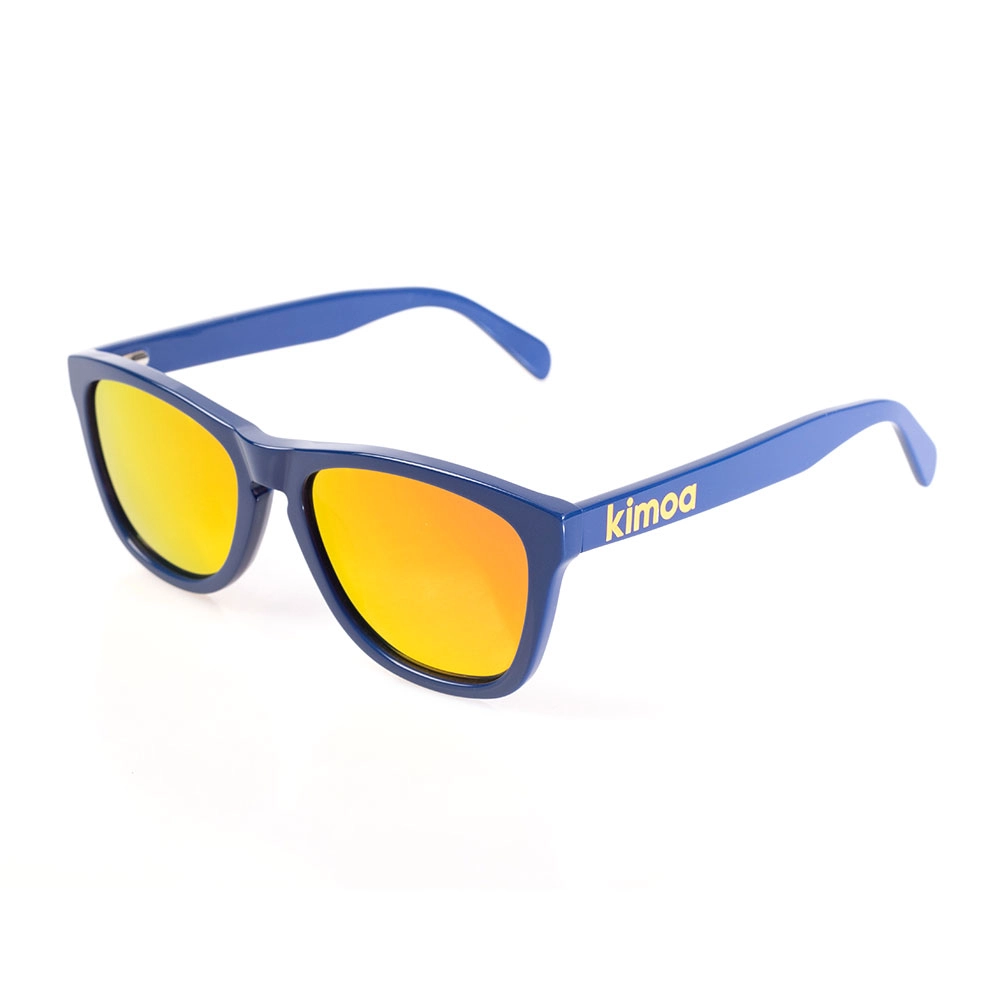
Trendy Blue Framework Sunglasses: Customizable Performance & Style
These eco-friendly bio-acetate sunglasses combine high-performance durability with sustainable innovation, making them the perfect centerpiece for your private label eyewear collection. Engineered for longevity, the frames offer superior impact and scratch resistance, while the UV400 lenses provide essential protection against harmful rays and glare. Available in a spectrum of vibrant, customizable colors, this collection allows eco-conscious brands to offer a premium, lightweight, and stylish choice that refuses to compromise on safety or aesthetics.
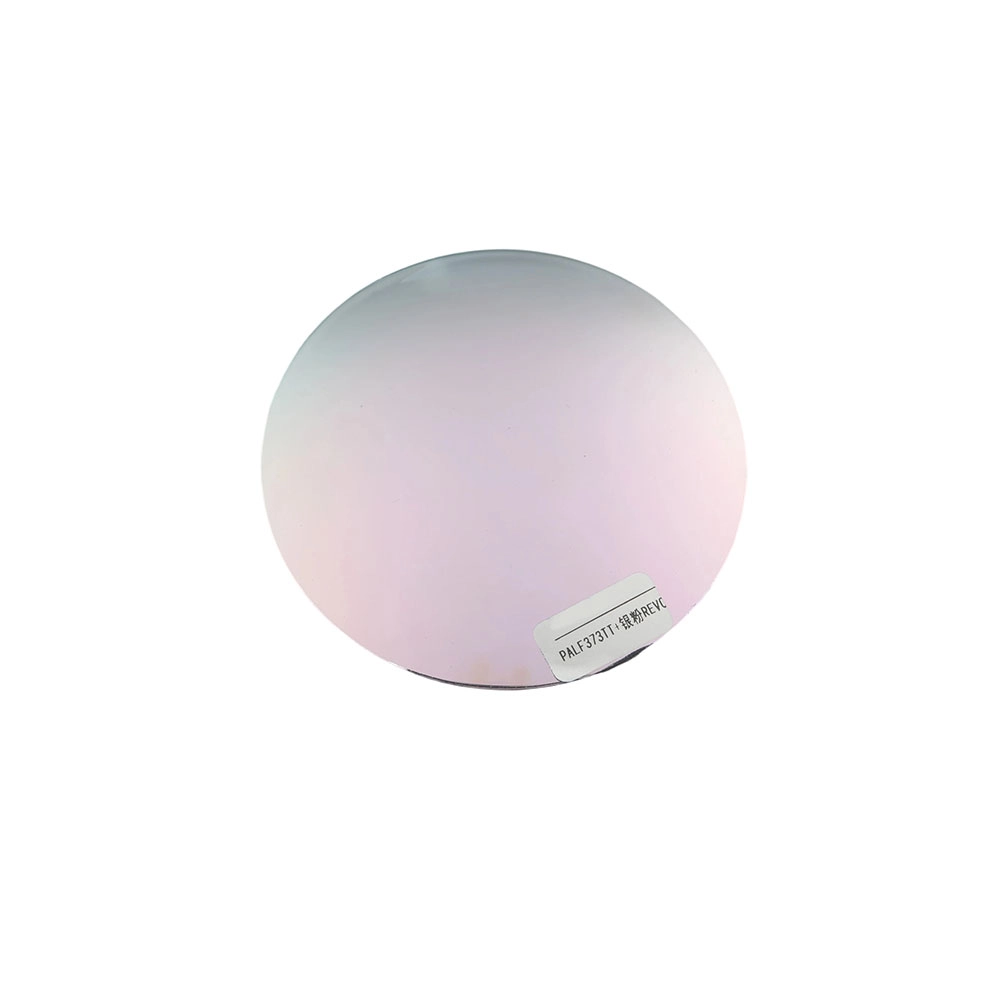
Dynamic Adaptation: Next-Gen Photochromic Lenses for Indoor & Outdoor Use
As premier eyeglass lenses manufacturers, Karuson crafts high-performance PC polarized coated lenses that seamlessly integrate lightweight, impact-resistant polycarbonate with advanced optical film technology. These lenses are engineered to achieve superior glare reduction and enhanced visual definition while offering a spectrum of stylish, customizable tints. Optimized for professional driving, outdoor sports, and urban lifestyles, our manufacturing process ensures that harmful reflections from water, roads, and snow are effectively filtered out. The result is a durable, fashion-forward visual solution that perfectly balances essential eye protection with high-end aesthetic appeal—making them the ideal choice for brands seeking to merge practicality with a modern fashion statement.
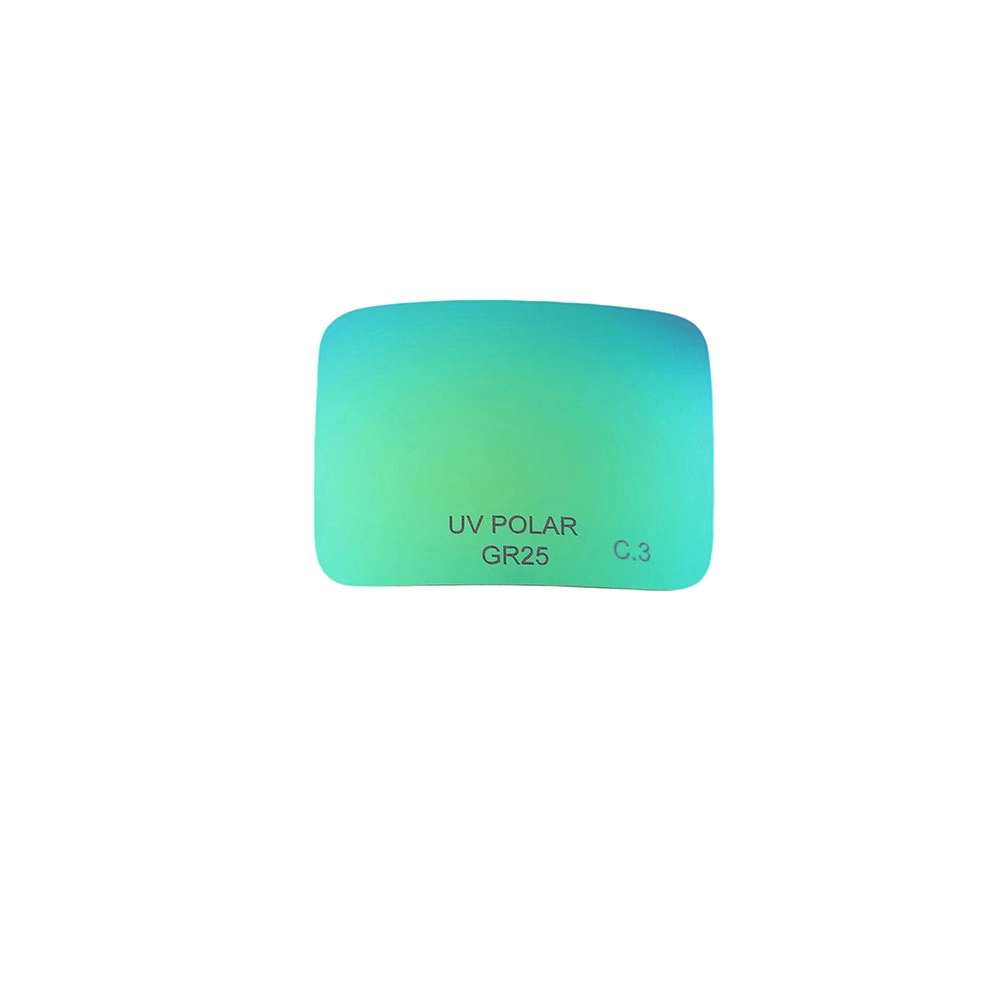
High-Definition Visual Clarity: Premium CR-39 & Polycarbonate Lenses
Experience the precision of a professional custom glasses lenses manufacturer. Karuson polarized lenses are engineered with a 99.9% high-polarization effect to provide unparalleled visual definition and glare reduction. By strategically absorbing reflected light through a high-stability PVA layer, our lenses are optimized for high-intensity outdoor environments, including maritime sailing, hunting, and alpine skiing. Furthermore, our specialized treatment ensures the lenses remain durable and distortion-free even in environments with high heat and humidity.
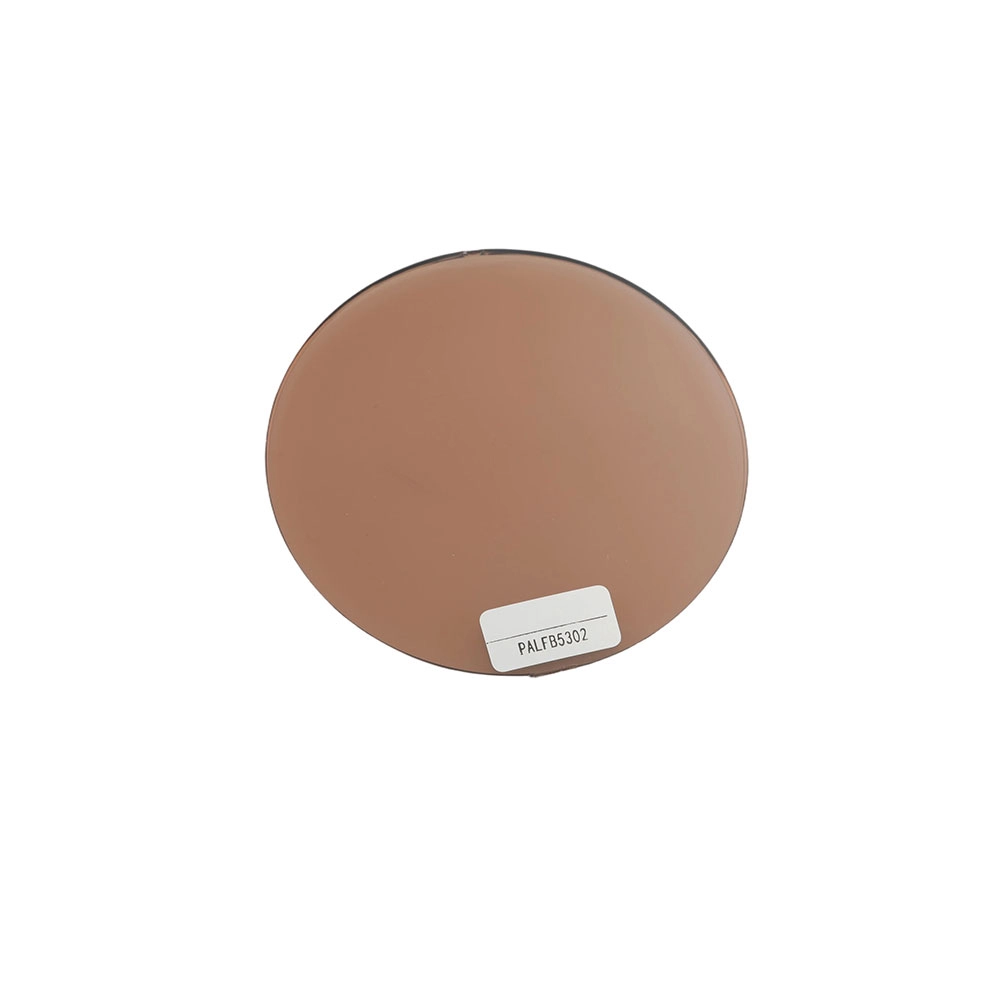
Why Quality Lenses are the Core of Your Eyewear Brand’s Reputation
As a premier high-definition glasses lenses manufacturer, Karuson crafts high-quality Polyamide (PA) Nylon Tinted Lenses that represent the perfect synergy of ultra-lightweight performance and high-toughness durability. By integrating professional-grade tinting technology with advanced material science, we offer a lens solution that delivers exceptional optical clarity alongside vibrant, fashionable color expression. Designed for both daily commutes and trendy lifestyle matching, these lenses provide a comfortable and aesthetic visual experience, serving as a high-performance fashion accessory for the modern, style-conscious consumer.
Get a Free Quote
If you have any comments or good suggestions, please leave us a message; later our professional staff will contact you as soon as possible.
NEW DIMENSIONS IN EYEWEAR
Contact KARUSON
Email:
WhatsApp/Phone:
Address:
331 Section B, WanJia Creative Park , No. 1 BUXIA Road ,Tianhe District, Guangzhou City, Guangdong Province, China.

© 2026 KARUSON. All Rights Reserved.
Facebook
Instagram
YouTube
TikTok
Linkedin