


Frame materials comparison for private label eyewear: acetate, metal, TR90, eco options
I write from over a decade of hands-on experience working with brands and production teams in an eyewear factory environment. Choosing the right frame material is one of the single biggest decisions a private-label brand makes: it defines fit, finish, price positioning, production cycle, and sustainability claims. Below I compare acetate, metal, TR90, and emerging eco-options in practical terms—performance, manufacturability, testing and regulatory compliance—so you can make a defensible material choice for your custom eyewear line.
How material choice affects private-label eyewear success
Market positioning and unit economics
Material choice drives perceived value and production cost. Acetate frames often support a High Quality price due to hand-finishing and pattern potential. Metal and mixed-metal frames enable minimalist or luxury looks but may add machining and plating costs. TR90 and polycarbonate styles are cost-effective for high-volume casual and sports eyewear. Eco-options (bio-acetate, recycled plastics) typically carry a marketing High Quality and require validated supply chains. Understanding your target retail margin and projected order volume is critical before specifying materials.
Manufacturing constraints and lead times
Each material has different tooling, finishing and QC needs. Cellulose acetate requires block cutting, milling and multi-step polishing; lead times are affected by hand finishing and color batching. Metals need stamping, CNC, welding/soldering and surface treatments (electroplating, PVD) with additional corrosion resistance tests. TR90 injection molding supports fast, repeatable production cycles ideal for high-volume private label runs. Eco-materials can introduce variability if suppliers change feedstock; plan longer sampling phases and material certificates.
Compliance, testing and guarantees
All frames intended for sale should meet applicable international standards. For example, sunglass and solar protective eyewear standards such as ISO 12312-1 (sunglasses) and spectacle frame requirements such as ISO 12870 (spectacle frames) define mechanical and optical properties that affect material selection. See ISO references for standards and testing methodologies: ISO 12312-1 and ISO 12870. In many markets, importers also expect documented test reports from accredited labs before placing large orders.
Material-by-material breakdown and practical guidance
Cellulose acetate (often called 'acetate')
Acetate is a natural-based thermoplastic derived from cellulose and widely used for fashion eyewear. It supports vivid colors, layered patterns and thick temple designs. Acetate frames are produced by machining acetate blocks or sheets, heat-setting, and hand-polishing—processes that allow High Quality finishes.
Performance, advantages and limitations
- Advantages: excellent color depth and patterning; good hypoallergenicity for many wearers; perceived High Quality feel; repairable to some extent.
- Limitations: more expensive manufacturing; warpage risk if improperly heat-set; not ideal for ultralight low-profile frames; biodegradability claims vary by formulation.
Typical density for cellulose acetate is approximately 1.26–1.30 g/cm3 (see Wikipedia: Cellulose acetate).
When I recommend acetate
I choose acetate for private-label lines aiming at fashion-forward retail channels or High Quality price points where finish and color differentiation are key. Acetate works well for acetate+metal hybrids (e.g., acetate fronts with metal temples) and for High Quality optical frames supporting embossing and custom logo inlays.
TR90 (thermoplastic polyamide)
TR90 is a flexible, lightweight thermoplastic material commonly used for sports and casual eyewear. It is typically injection-molded, enabling fast cycles and consistent tolerances. TR90 offers high elasticity and resistance to impact, making it a popular choice for activewear and children’s frames.
Performance, advantages and limitations
- Advantages: very lightweight, high fatigue resistance, cost-effective for high volume, excellent for complex frame geometries via injection molding.
- Limitations: limited surface finishing options compared to acetate; color choices are achievable but lack the depth and translucency of acetate; lower perceived luxury value.
TR90 and polyamide densities typically fall near 1.0–1.2 g/cm3 (see general polyamide data: Wikipedia: Polyamide).
When I recommend TR90
Use TR90 for sport sunglasses, mass-market sunglasses, children’s lines and private-label collections where cost, durability and comfort are the selling points. Its low tooling cost per unit at scale makes it attractive for larger production runs.
Metals (stainless steel, titanium, alloys)
Metal frames include stainless steel, nickel silver (an alloy), titanium and beta-titanium. Metals provide slim profiles, hinge integration flexibility and High Quality finishes such as brushed metal, PVD coating, or plating. Titanium stands out for high strength-to-weight ratio and corrosion resistance.
Performance, advantages and limitations
- Advantages: thin silhouettes, durability, High Quality aesthetic, excellent for minimalist and luxury optical lines.
- Limitations: higher material and processing costs for CNC and surface treatments; potential allergenicity with nickel-containing alloys (requires nickel-free or plated surfaces for EU markets).
Densities: stainless steel ~7.8–8.0 g/cm3; titanium ~4.5 g/cm3 (see Wikipedia: Stainless steel and Wikipedia: Titanium).
When I recommend metals
I specify metal frames for brands targeting minimalist fashion, corporate gift eyewear, or High Quality prescription collections. Titanium is my choice where weight and corrosion resistance matter, for instance in eyewear marketed for daily-use prescription wearers.
Eco-options, sustainability verification and supply-chain realities
What 'eco' means in eyewear
Eco-options include bio-based acetate (cellulose-derived but from certified renewable sources), recycled acetate, recycled polycarbonate, post-consumer recycled (PCR) plastics, and emerging bioplastics. ESG-minded brands often choose these to reduce carbon footprint and tell a sustainability story, but claims must be supported by certificates and traceable supply chains.
Verification, certifications and consumer trust
Claims should be backed by documentation such as supplier certificates of recycled content, mass-balance or chain-of-custody statements, and third-party testing when required. For instance, recycled content claims can be audited; bio-based content can be supported by certificates from recognized bodies. For broader industry context see resources from European Bioplastics: European Bioplastics.
Manufacturing considerations and trade-offs
Eco-materials sometimes require modified processing parameters (different melting points, slower polishing) and may have color consistency challenges. I recommend extended sampling, batch testing, and creating a traceable bill-of-materials before committing to production runs to avoid cosmetic rejects that erode margin.
Side-by-side comparison (practical spec table)
| Material | Density (g/cm3) | Key strengths | Typical cost level | Best use-cases | Recyclability / Notes |
|---|---|---|---|---|---|
| Cellulose acetate | ~1.26–1.30 (source) | Rich colors, hand-finish, High Quality feel | Medium–High | Fashion optical, High Quality sunglasses | Possible to recycle; some bio-acetates available; verify supplier |
| TR90 / Polyamide | ~1.00–1.20 (source) | Lightweight, flexible, impact-resistant | Low–Medium | Sports, kids, high-volume sunglasses | Recyclable as engineering plastics; check local streams |
| Stainless steel | ~7.8–8.0 (source) | Durable, sleek, plating options | Medium | Minimalist optical frames, metal temples | Highly recyclable; watch nickel content for allergy |
| Titanium | ~4.5 (source) | High strength-to-weight, corrosion resistant | High | High Quality, ultra-light prescription frames | Recyclable but higher processing costs |
| Polycarbonate | ~1.20 (source) | Impact resistant lenses/frames, low cost | Low | Sport and safety eyewear | Recyclable depending on resin ID |
Practical recommendations for private-label brands
Define product tiers and materials map
Create a materials map that assigns materials to product tiers (entry, core, High Quality). For example: TR90 for entry sport lines, polycarbonate for safety/sports, acetate and titanium for High Quality optical and fashion collections. This mapping simplifies sourcing and aligns design language across SKU families.
Sampling, testing and QC checklist
Before mass production, insist on these steps: prototype approval on fit and finish; color and pattern sign-off; mechanical testing for hinge durability; salt-spray or corrosion testing for plated metals; and certificate of compliance to relevant standards (e.g., ISO 12312-1 for sunglasses). Rely on accredited laboratories for final reports to avoid import delays.
Sourcing and supply-chain tips
Work with an integrated eyewear factory partner that offers both design-for-manufacture expertise and vertical capabilities (tooling, lens integration, finishing) to speed iterations. For sustainability claims, require supplier chain-of-custody documents and reserve budget for additional testing and longer lead times during the first order.
About my manufacturing perspective and partner capabilities
Established in 2010, Karuson International Co., Ltd. is a premier eyewear factory and global OEM/ODM supplier with over 15 years of mastery in eyewear design and precision manufacturing. Operating two state-of-the-art eyewear factory bases in Dongguan and Guangzhou, we provide high-capacity production and agile delivery cycles to meet the demands of the fast-paced global market.
Our expert team has pioneered 300+ trend-setting designs, ranging from polarized sunglasses and TR90 frames to advanced optical eyewear and sports goggles. As a vertically integrated eyewear factory, we offer end-to-end customization—including bespoke frame engineering, specialized lens technology, and precision logo engraving. By maintaining rigorous quality control and rapid prototyping, we have earned the enduring trust of prestigious brands across Spain, Europe, and the Americas.
At Karuson I routinely guide clients through material selection, balancing price, durability and brand positioning. Our core manufacturing capabilities include custom glasses, custom glasses lenses, customized sunglasses, custom sunglasses sports, customize sport sunglasses, custom prescription lenses, pc sunglasses, TR sunglasses, metal sunglasses, and custom sport sunglasses. For inquiries, contact us at nicole@karusonco.com or visit https://www.karusonco.com.
FAQ
1. Which material is best for a High Quality prescription brand?
For High Quality prescription eyewear I typically recommend acetate or titanium. Acetate provides fashion-forward styling and a luxurious finish; titanium gives ultra-lightweight comfort and longevity. Many brands use acetate fronts with titanium or metal temples to combine aesthetics and weight savings.
2. Can TR90 frames be customized with logos and metal accents?
Yes. TR90 can accept in-mold color inserts, surface printing, and attached metal accents. However, veneer-like finishes and deep polishing options are more limited compared to acetate. Work with your eyewear factory partner to create compatible design features during early prototyping.
3. Are eco-frame materials genuinely recyclable?
Some are. Recycled plastics and recycled acetate can be recycled further depending on local recycling streams and resin identification. Bio-based acetates are renewable but not always industrially compostable. Demand certificates from suppliers and plan for specific recycling/disposal routes if you want to claim circularity to consumers.
4. What testing should I require from my supplier?
Request mechanical testing for hinge durability and frame fatigue, corrosion testing for metals, optical testing for lens compatibility, and compliance reports per relevant standards such as ISO 12312-1 and ISO 12870. For export markets, ensure documentation meets customs and regulatory expectations.
5. How does material choice affect pricing at scale?
Material choice influences both unit cost and required order quantity. Injection-molded TR90 has lower per-unit cost at higher volumes due to amortized tooling. Acetate’s labor-intensive finishing keeps its per-unit cost higher. Metals require additional finishing and plating steps that increase cost but can command higher retail pricing. Balance projected sales volume with price targets when deciding.
6. Can an eyewear factory handle end-to-end OEM/ODM services?
Yes—vertical eyewear factories like Karuson offer end-to-end services from design and prototyping to lens mounting, finishing, quality control, and logistics. Using an integrated factory reduces coordination complexity and accelerates time-to-market.
If you'd like a materials consultation for your private-label eyewear line, samples, or a quotation, contact me at nicole@karusonco.com or visit https://www.karusonco.com. I can help you develop a materials map, prototype schedule, and compliance plan tuned to KARUSON strategy.
- How material choice affects private-label eyewear success
- Market positioning and unit economics
- Manufacturing constraints and lead times
- Compliance, testing and guarantees
- Material-by-material breakdown and practical guidance
- Cellulose acetate (often called 'acetate')
- Performance, advantages and limitations
- When I recommend acetate
- TR90 (thermoplastic polyamide)
- Performance, advantages and limitations
- When I recommend TR90
- Metals (stainless steel, titanium, alloys)
- Performance, advantages and limitations
- When I recommend metals
- Eco-options, sustainability verification and supply-chain realities
- What 'eco' means in eyewear
- Verification, certifications and consumer trust
- Manufacturing considerations and trade-offs
- Side-by-side comparison (practical spec table)
- Practical recommendations for private-label brands
- Define product tiers and materials map
- Sampling, testing and QC checklist
- Sourcing and supply-chain tips
- About my manufacturing perspective and partner capabilities
- FAQ
- 1. Which material is best for a High Quality prescription brand?
- 2. Can TR90 frames be customized with logos and metal accents?
- 3. Are eco-frame materials genuinely recyclable?
- 4. What testing should I require from my supplier?
- 5. How does material choice affect pricing at scale?
- 6. Can an eyewear factory handle end-to-end OEM/ODM services?
Step-by-Step Guide to Ordering Prototypes from Custom Eyewear Manufacturers
Using 3D prototyping and sampling to accelerate private label eyewear development
CNC machining and milling techniques used by modern eyewear factories
How to Set Up a Private Label Eyewear Line Using Custom Eyewear Manufacturers
About Products
What is the MOQ?
Usually ≥100, depending on the model.
About OEM&ODM
What is your production lead time?
Mass production generally takes 30–45 days after sample approval.
How do we start a project with Karuson?
Send us your product idea or requirements—our team will review, advise, and provide the best solution and quotation.
Can you help with packaging and logo branding?
Absolutely—we provide branded packaging bags, boxes, logo applications, and display solutions.
You May Also Like
Premium Optical Lenses | High-Clarity Custom OEM Lenses for Brands
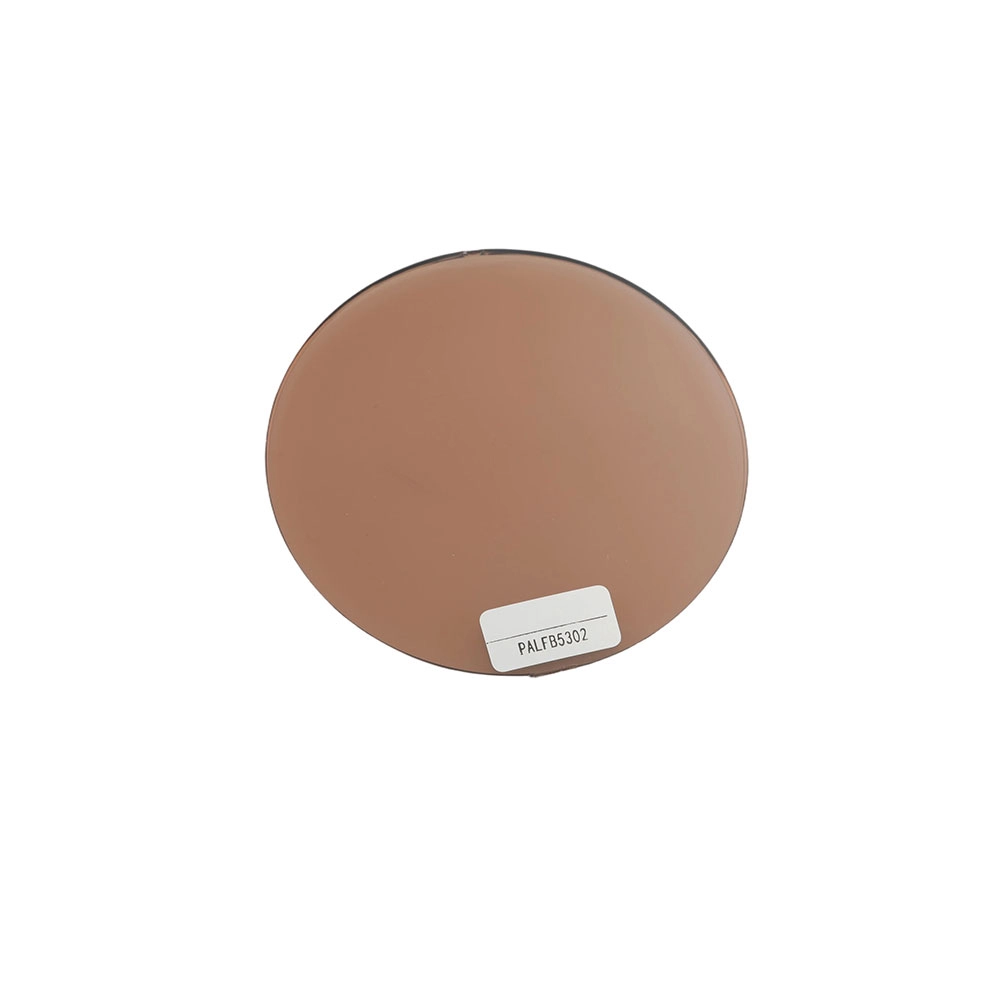
As a premier high-definition glasses lenses manufacturer, Karuson crafts high-quality Polyamide (PA) Nylon Tinted Lenses that represent the perfect synergy of ultra-lightweight performance and high-toughness durability. By integrating professional-grade tinting technology with advanced material science, we offer a lens solution that delivers exceptional optical clarity alongside vibrant, fashionable color expression. Designed for both daily commutes and trendy lifestyle matching, these lenses provide a comfortable and aesthetic visual experience, serving as a high-performance fashion accessory for the modern, style-conscious consumer.
Trendy Blue Frame Sunglasses | Customizable OEM Performance Eyewear
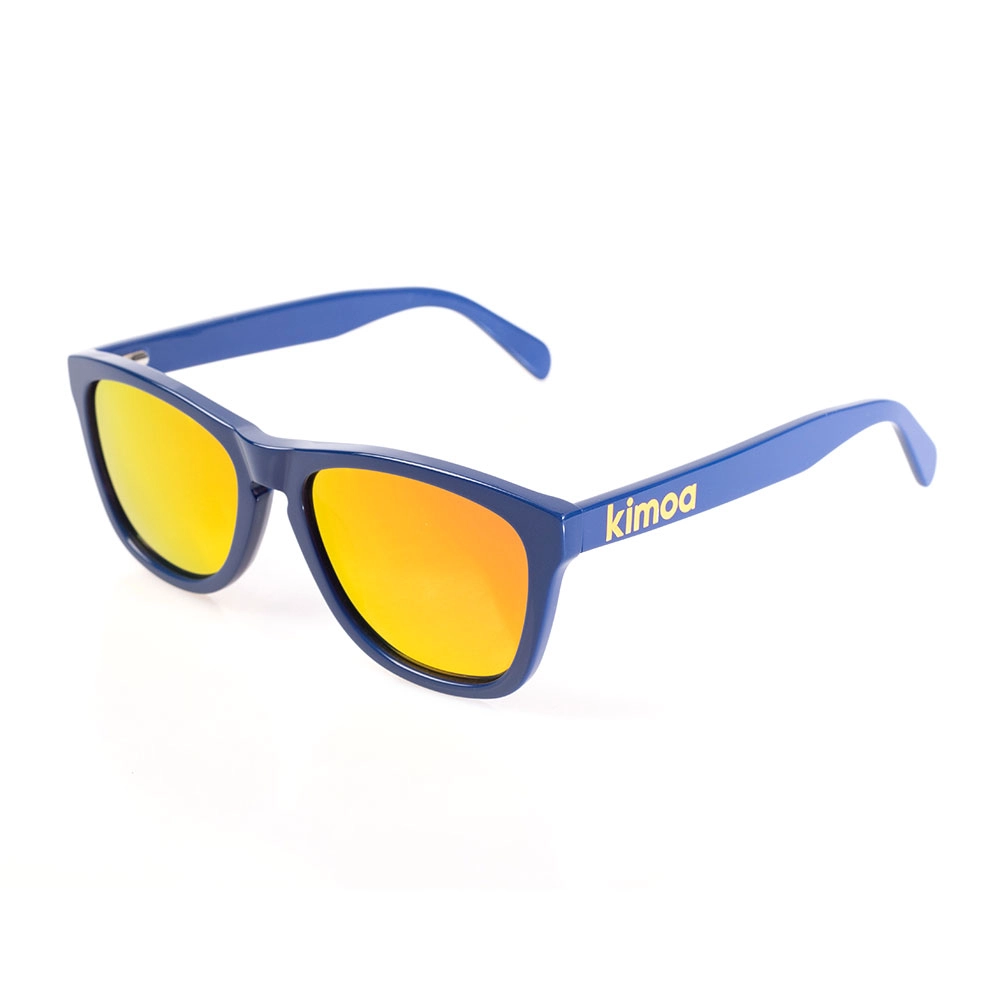
These eco-friendly bio-acetate sunglasses combine high-performance durability with sustainable innovation, making them the perfect centerpiece for your private label eyewear collection. Engineered for longevity, the frames offer superior impact and scratch resistance, while the UV400 lenses provide essential protection against harmful rays and glare. Available in a spectrum of vibrant, customizable colors, this collection allows eco-conscious brands to offer a premium, lightweight, and stylish choice that refuses to compromise on safety or aesthetics.

Classic Square Polarized Sunglasses | High-Performance OEM Eyewear
As a premier oem sunglasses manufacturer, Karuson presents this essential Square Frame series—a staple for any eyewear brand’s core collection. These sunglasses feature a timeless matte black finish and are equipped with vibrant green REVO mirrored lenses, offering a perfect blend of modern tech aesthetics and professional-grade eye protection.
Vintage Browline Polarized Sunglasses | Wholesale OEM Custom Frames
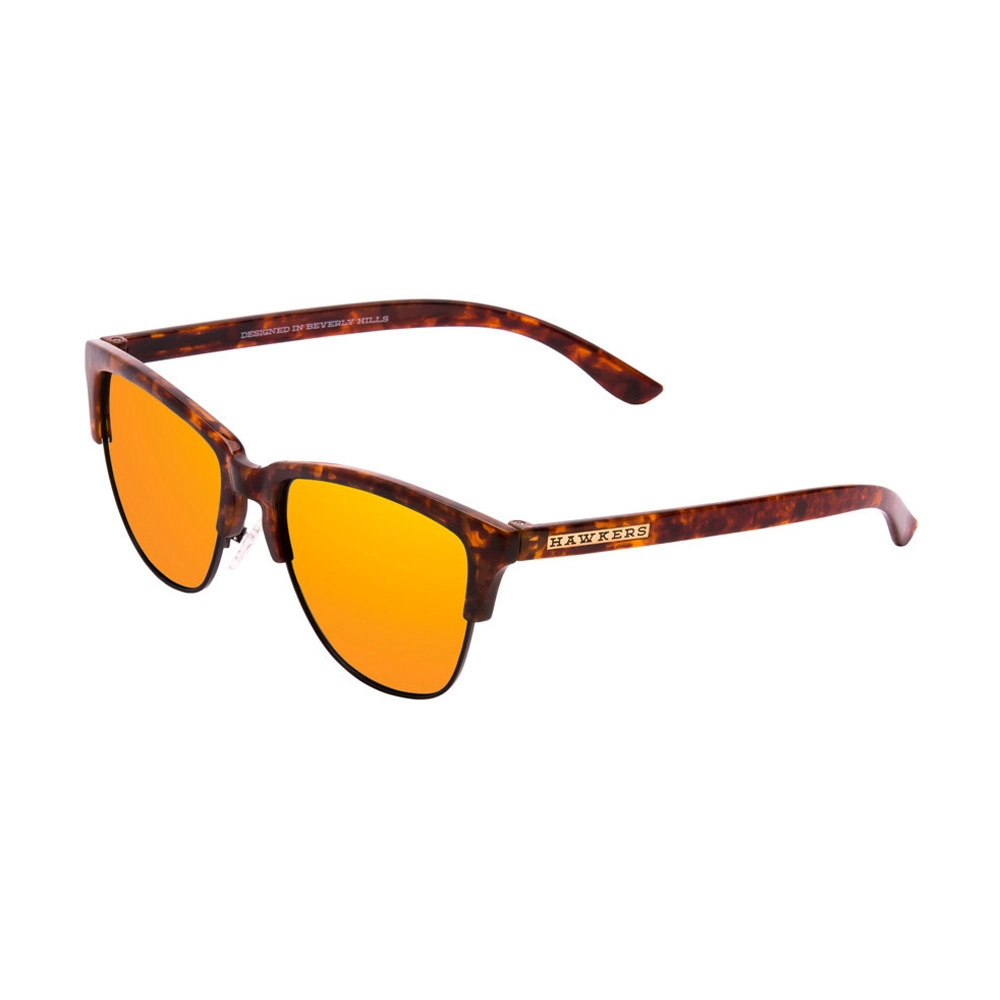
As a leading wholesale sunglasses supplier, Karuson presents these flagship Retro Half-Frame Sunglasses, blending mid-century vintage aesthetics with modern manufacturing precision. Designed for diverse fashion markets, these frames feature a high-quality tortoise-shell finish paired with a robust metal lower rim, ensuring a sophisticated look that transcends seasonal trends.
Get a Free Quote
If you have any comments or good suggestions, please leave us a message; later our professional staff will contact you as soon as possible.
NEW DIMENSIONS IN EYEWEAR
Contact KARUSON
Email:
WhatsApp/Phone:
Address:
331 Section B, WanJia Creative Park , No. 1 BUXIA Road ,Tianhe District, Guangzhou City, Guangdong Province, China.

© 2026 KARUSON. All Rights Reserved.
Facebook
Instagram
YouTube
TikTok
Linkedin