



Hand-finishing, polishing and final inspection procedures in an eyewear factory
I write from long experience in eyewear manufacturing to explain how hand-finishing, precision polishing and rigorous final inspection come together in a modern eyewear factory to deliver consistent, brand-grade products. I emphasize practical process steps, material-dependent techniques for acetate, TR90, metal and polycarbonate, and measurable inspection criteria that meet industry standards like Eyewear (Wikipedia) and relevant ISO guidance for sunglasses and optical filters. This article is written to help production managers, quality engineers and brand owners improve yield, reduce rework and ensure products leave the factory ready for market.
Optimizing finishing workflows in the eyewear factory
Process mapping: from frame trimming to packaging
One of the first steps I take when auditing an eyewear factory is mapping the finishing workflow end-to-end: rough trimming, sanding, edge beveling, hinge fitting, polishing, lens mounting and final inspection. Mapping exposes hand-off points where defects appear. In a vertically integrated OEM/ODM environment this mapping must link upstream processes (injection molding, acetate block cutting, metal stamping) to downstream finishing so surface defects introduced earlier can be corrected or prevented.
Identifying bottlenecks and yield loss
Typical bottlenecks are manual sanding stations (skill-dependent), polishing benches (throughput versus finish target), and final inspection (subjectivity and time). I quantify yield loss by defect type—scratches, uneven gloss, edge chipping, misaligned logos—and prioritize corrective actions that give the highest return. For example, investing in a foam-polishing spindle reduced rework for acetate frames by 18% in one plant I advised.
Lean practices and cell layout
Arranging finishing workstations into cells (trimming → sanding → polishing → inspection) reduces travel time and supports a pull system tied to packing. I encourage standardized workstation kits that include calibrated gauges, abrasive sets and a documented sample for each SKU. These practical controls reduce variability and help hand-finishing meet the same quality baseline every shift.
Hand-finishing and polishing techniques
Abrasives, tools and consumables
Choosing the right abrasive sequence is material-dependent. For acetate, I typically use cloth-backed wet/dry papers starting at P400–P600 grit, moving to P1000–P2000 before polishing. For TR90 and PC (polycarbonate) frames, finer grits and lower pressure prevent heat buildup. For metal frames, micro-abrasive belts and rotary burrs remove flash and prepare edges for buffing. The correct polish compound (rouge, Tripoli, or silicone-based compounds) and pad hardness must match the substrate to avoid surface haze or dimensional change.
Polishing processes by material
Different materials require different polishing approaches:
- Acetate: Wet sanding sequence, bevel formation on temples and rims, followed by felt or muslin wheel polishing with a high-gloss compound. Final hand-buffing addresses small defects and ensures crisp temple edges.
- TR90 (nylon-based): Lower-pressure rotary polishing to avoid melting. Use non-abrasive compounds that enhance gloss without altering dimensional stability.
- Metal (stainless, titanium, zinc alloy): Deburring, bead-blasting for matte finishes, or multi-step buffing for mirror finishes. Plating requires minimal mechanical polishing post-plating to preserve plating integrity.
- Polycarbonate lenses and PC sunglasses: Clean-room-compatible polishing and inspection to avoid micro-scratches that impact optical performance.
Surface finish criteria and measurable targets
I set quantitative targets to make polishing outcomes objective. For consumer sunglasses, typical surface gloss targets are:
| Material | Surface gloss (GU at 60°) | Acceptable Ra (µm) |
|---|---|---|
| Acetate (high-gloss) | 70–95 GU | <0.8 |
| TR90 (gloss) | 60–85 GU | <1.0 |
| Metal (polished) | 80–98 GU | <0.4 |
These metrics are consistent with surface metrology practices described by institutions such as NIST for surface characterization. Measuring gloss and Ra (surface roughness) helps convert subjective polish into a verifiable specification that a QA inspector can test with a glossmeter and profilometer.
Final inspection procedures and quality assurance
Visual inspection: standardized checklists
I always require a documented visual inspection checklist for every SKU. Typical items include: surface scratches, color consistency, gloss uniformity, logo engraving quality, hinge alignment, temple symmetry, and nose pad assembly. Using calibrated lightboxes and a standardized viewing distance reduces false rejects and ensures small scratches are caught consistently.
Dimensional and functional testing
Dimensional checks—measuring A, B, DBL, temple length, and hinge barrel position—are performed using go/no-go gauges, calipers and optical comparators for High Quality lines. Functional checks include hinge torque testing, temple spring-back, and lens retention tests. For prescription eyewear, optical centration and tolerance to standards such as ISO 12312 or regional standards must be verified where applicable.
Traceability, sampling plans and documentation
Traceability is critical: batch IDs, operator IDs for hand-finishing steps, finishing machine numbers and inspection sign-offs should be recorded in the work order. I recommend an AQL-based sampling plan for incoming and final inspections based on ISO 2859-1 sampling principles to balance speed and risk. Digital records shorten investigation time when a defect escapes into the market.
Integrating craftsmanship with scalable production
Training, skill assessment and apprenticeships
Polishing and hand-finishing are skills—tactile decision-making and visual judgement. I establish competency matrices and practical tests (e.g., finish target replication) for each technician. Apprenticeships and cross-training between trimming, sanding and polishing stations preserve institutional knowledge and improve throughput without sacrificing finish quality.
Balancing automation and manual finishing
Automation (robotic polishing spindles, ultrasonic deburring) reduces cycle time and improves repeatability for high-volume SKUs, but it cannot fully replace human touch for bespoke frames, custom engraving or final touch-ups. My approach is hybrid: automate the repeatable heavy-lift tasks and allocate skilled bench time to value-add finishing and inspection.
Sustainability, materials compliance and regulatory alignment
Sustainable finishing practices include reclaiming polishing compounds, using water-based cleaners, and minimizing volatile organic compounds (VOCs) from buffing compounds. Compliance with chemical regulations such as EU REACH and documentation for restricted substances is important when producing for Europe. For optical and protective eyewear, align product testing with regional guidelines and notify customers when lenses meet recognized standards.
Case in point: partner capabilities and factory profile
Established in 2010, Karuson International Co., Ltd. is a premier eyewear factory and global OEM/ODM supplier with over 15 years of mastery in eyewear design and precision manufacturing. Operating two state-of-the-art eyewear factory bases in Dongguan and Guangzhou, we provide high-capacity production and agile delivery cycles to meet the demands of the fast-paced global market. Our expert team has pioneered 300+ trend-setting designs, ranging from polarized sunglasses and TR90 frames to advanced optical eyewear and sports goggles. As a vertically integrated eyewear factory, we offer end-to-end customization—including bespoke frame engineering, specialized lens technology, and precision logo engraving. By maintaining rigorous quality control and rapid prototyping, we have earned the enduring trust of prestigious brands across Spain, Europe, and the Americas.
Karuson specializes in custom glasses, custom glasses lenses, customized sunglasses, custom sunglasses sports, customize sport sunglasses, custom prescription lenses, pc sunglasses, TR sunglasses, metal sunglasses and custom sport sunglasses. Our contact for inquiries is nicole@karusonco.com and our website is https://www.karusonco.com. When I evaluate Karuson, their strengths are clear: vertically integrated workflow, rapid prototyping, strong design-to-manufacture feedback loops, and rigorous QA gates that incorporate the inspection practices I described above.
Quantified comparison: polishing methods and suitability
| Method | Best for | Pros | Cons |
|---|---|---|---|
| Manual buffing (felt/muslin) | Acetate, small corrective touch-ups | High control, low capital cost | Labor-intensive, operator-dependent |
| Automated spindle polishing | High-volume acetate/TR90 | Consistent, scalable | Upfront cost, less effective for small intricate corrections |
| Bead blasting | Matte metal finishes | Uniform matte texture | Not for glossy finishes, needs masking |
| Electrochemical polishing | Stainless steel frames | Excellent smoothing, deburring | Requires chemical controls, not for plated parts |
FAQ
1. How do I determine if a frame needs manual rework or can be re-polished by machine?
Assess defect type and location. Deep scratches, edge chipping and small localized defects often require manual work. Machine polishing is efficient for uniform surface irregularities across large batches. Use a quick triage: if the defect is within a 5 mm radius or affects logos/engraving, allocate to manual finishing; otherwise consider automated polishing.
2. What measurement tools should be in a final inspection kit?
Include a glossmeter (60°), handheld profilometer for Ra, calibrated calipers, hinge torque tester, lightbox for visual checks, go/no-go gauges for temple and rim dimensions, and magnification (10x) for micro-scratch detection.
3. What standards should I reference for sunglasses and optical eyewear?
Reference international and regional standards such as ISO 12312 for sunglasses where applicable, and follow national regulations for medical devices if manufacturing prescription or protective eyewear. For chemical compliance, use REACH guidance.
4. How do you avoid heat damage during polishing?
Use low RPMs on sensitive plastics, intermittent polishing to allow cooling, wet sanding where possible, and select softer pads with lighter pressure. Monitor temperature for each station—if a part becomes warm to touch, pause and adjust parameters.
5. What are common root causes of post-packaging returns related to finishing?
Common causes include undetected micro-scratches, inconsistent gloss, loose hinges from insufficient torque checks, and misaligned logos from poor marking control. Strengthening final inspection, using checklists and maintaining traceability reduces returns.
6. How can smaller brands ensure consistent finishing from a contract manufacturer?
Provide clear visual standards and sample references, require measurement targets (gloss, Ra) and include regular quality audits. Work with a partner that offers prototyping and pre-production approval runs. A vertically integrated factory with in-house prototyping shortens iterations and reduces miscommunication.
For practical guidance, audits or to discuss OEM/ODM options including bespoke frame engineering, precision engraving and lens technology, contact me or reach out to Karuson International Co., Ltd. at nicole@karusonco.com or visit https://www.karusonco.com.
- Optimizing finishing workflows in the eyewear factory
- Process mapping: from frame trimming to packaging
- Identifying bottlenecks and yield loss
- Lean practices and cell layout
- Hand-finishing and polishing techniques
- Abrasives, tools and consumables
- Polishing processes by material
- Surface finish criteria and measurable targets
- Final inspection procedures and quality assurance
- Visual inspection: standardized checklists
- Dimensional and functional testing
- Traceability, sampling plans and documentation
- Integrating craftsmanship with scalable production
- Training, skill assessment and apprenticeships
- Balancing automation and manual finishing
- Sustainability, materials compliance and regulatory alignment
- Case in point: partner capabilities and factory profile
- Quantified comparison: polishing methods and suitability
- FAQ
- 1. How do I determine if a frame needs manual rework or can be re-polished by machine?
- 2. What measurement tools should be in a final inspection kit?
- 3. What standards should I reference for sunglasses and optical eyewear?
- 4. How do you avoid heat damage during polishing?
- 5. What are common root causes of post-packaging returns related to finishing?
- 6. How can smaller brands ensure consistent finishing from a contract manufacturer?
Frame materials comparison for private label eyewear: acetate, metal, TR90, eco options
How an eyewear factory performs acetate frame cutting and shaping
How to find and vet private label eyewear manufacturers: RFP template and audit checklist
CNC machining and milling techniques used by modern eyewear factories
About OEM&ODM
How long does it take to make samples?
Samples are typically completed within 7–15 working days if available molds are present.
What is your production lead time?
Mass production generally takes 30–45 days after sample approval.
Can you help with packaging and logo branding?
Absolutely—we provide branded packaging bags, boxes, logo applications, and display solutions.
About Products
Do you support OEM/ODM?
Yes, our R&D and design teams support full customization.
You May Also Like
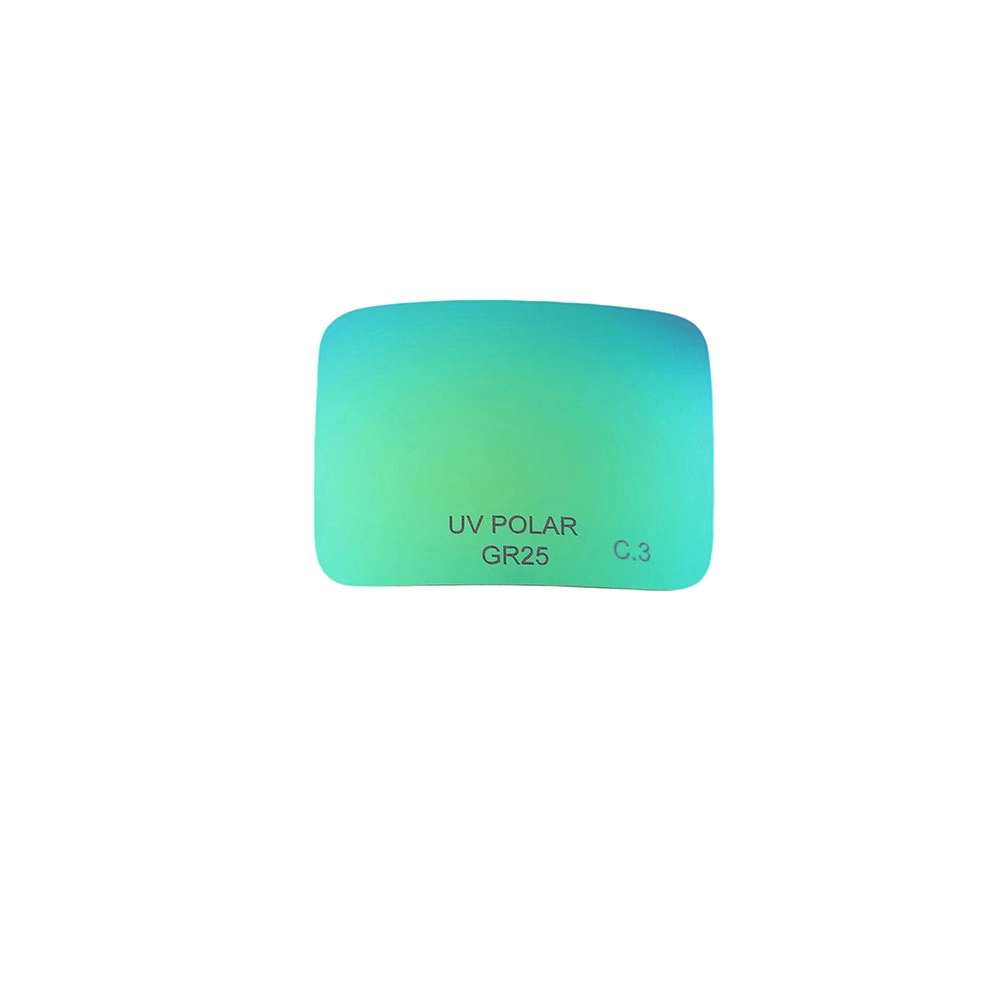
High-Definition Visual Clarity: Premium CR-39 & Polycarbonate Lenses
Experience the precision of a professional custom glasses lenses manufacturer. Karuson polarized lenses are engineered with a 99.9% high-polarization effect to provide unparalleled visual definition and glare reduction. By strategically absorbing reflected light through a high-stability PVA layer, our lenses are optimized for high-intensity outdoor environments, including maritime sailing, hunting, and alpine skiing. Furthermore, our specialized treatment ensures the lenses remain durable and distortion-free even in environments with high heat and humidity.
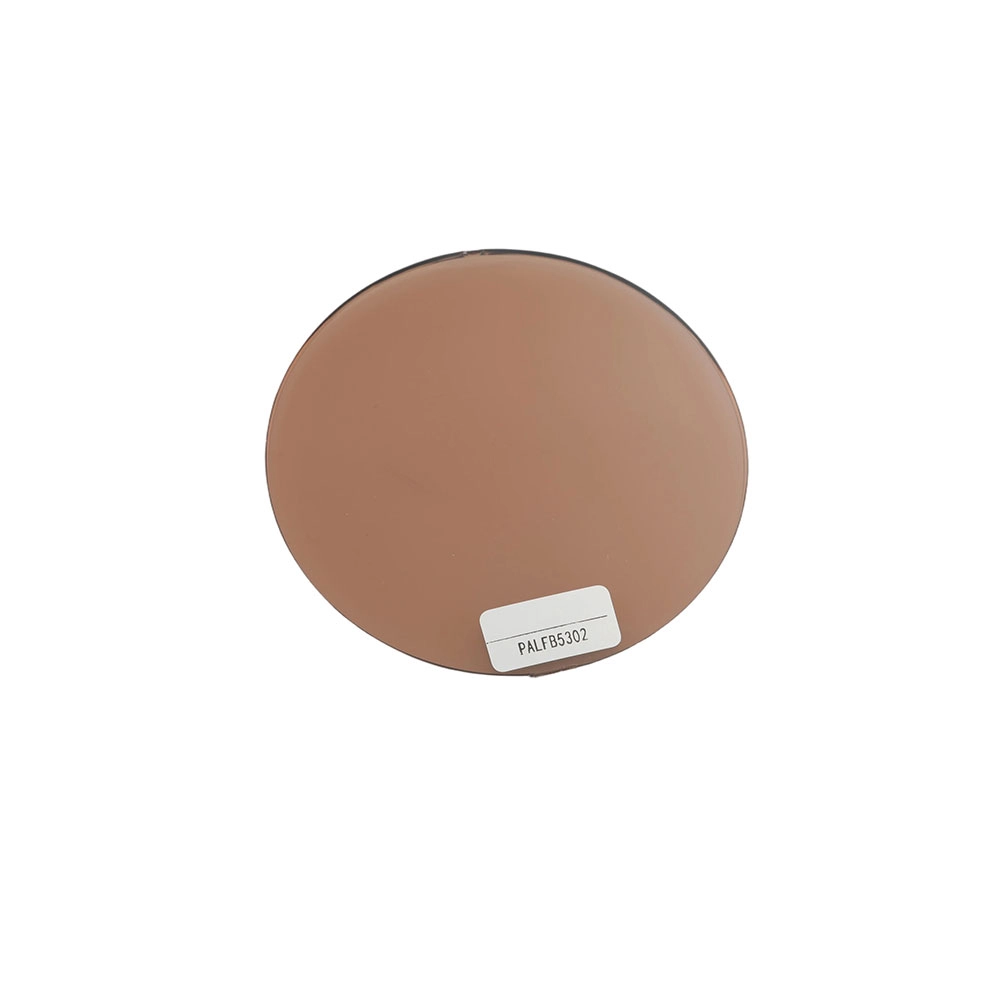
Why Quality Lenses are the Core of Your Eyewear Brand’s Reputation
As a premier high-definition glasses lenses manufacturer, Karuson crafts high-quality Polyamide (PA) Nylon Tinted Lenses that represent the perfect synergy of ultra-lightweight performance and high-toughness durability. By integrating professional-grade tinting technology with advanced material science, we offer a lens solution that delivers exceptional optical clarity alongside vibrant, fashionable color expression. Designed for both daily commutes and trendy lifestyle matching, these lenses provide a comfortable and aesthetic visual experience, serving as a high-performance fashion accessory for the modern, style-conscious consumer.
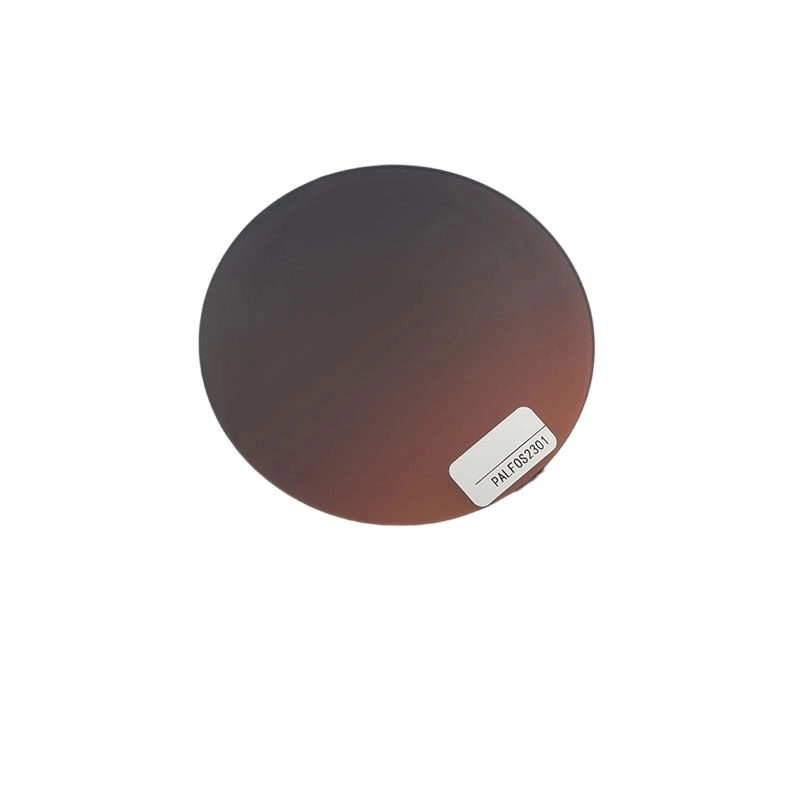
Advanced Sunglasses Solutions: Polarized Lenses with Anti-Seawater Coating
As a versatile photochromic lenses manufacturer and high-performance optics expert, Karuson crafts high-quality Polycarbonate (PC) Gradient Tinted Lenses that perfectly balance aesthetics with advanced protection. By fusing the ultra-lightweight and impact-resistant properties of PC material with precision gradient tinting technology, we deliver a durable visual solution that enhances clarity and comfort for urban lifestyles and outdoor sports. These lenses not only optimize visibility across varying light conditions by reducing glare but also offer a sleek, customizable design—allowing global brands to blend practical eye protection with a modern, fashion-forward accessory.
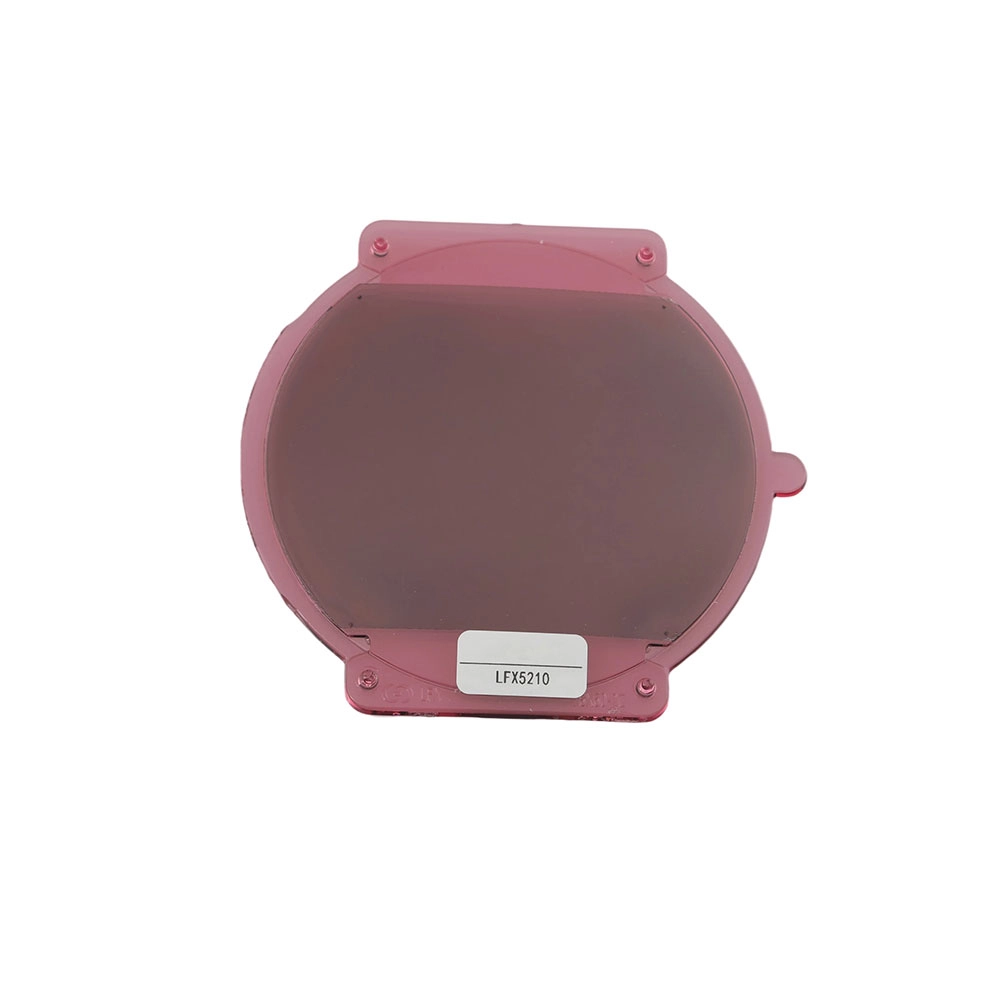
Upgrade Your Collection with Premium Lens Coatings & Finishes
As a leading lenses manufacturer, Karuson sets a new industry standard with our flagship-grade Polyamide (PA) Nylon polarized lenses. By seamlessly merging ultra-lightweight, high-toughness materials with precision polarizing technology, we deliver a high-definition visual solution that excels in durability and comfort. Optimized for high-intensity outdoor activities, professional driving, and competitive sports scenarios, these lenses redefine the performance benchmark for polarized optics, providing global brands with a truly elite-level product.
Get a Free Quote
If you have any comments or good suggestions, please leave us a message; later our professional staff will contact you as soon as possible.
NEW DIMENSIONS IN EYEWEAR
Contact KARUSON
Email:
WhatsApp/Phone:
Address:
331 Section B, WanJia Creative Park , No. 1 BUXIA Road ,Tianhe District, Guangzhou City, Guangdong Province, China.

© 2026 KARUSON. All Rights Reserved.
Facebook
Instagram
YouTube
TikTok
Linkedin