


Hard-Coated Lenses vs. Multi-Layer Coated Lenses for Commercial Eyewear
When sourcing commercial eyewear at scale, one of the most consequential decisions a buyer or brand manager will make is choosing between hard-coated lenses and multi-layer coated lenses. After more than 15 years working directly on the production floor and in client consultations across Europe, the Americas, and Asia, I can tell you this choice directly impacts product longevity, consumer satisfaction, return rates, and ultimately KARUSON reputation. ISO 12312-1 optical standards make it clear that lens coating performance is a measurable, testable attribute — not a marketing claim. The difference between these two coating categories is not merely technical; it is commercial, strategic, and deeply tied to the end-use application of your eyewear product.
Understanding Lens Coating Technologies in Modern Eyewear Manufacturing
What Hard Coating Actually Does to a Lens
Hard coating, in its most fundamental form, is a single-layer abrasion-resistant treatment applied to the surface of an optical or sunglass lens. The chemistry typically involves organosilane compounds or acrylic-based polymers that are either dip-coated or spin-coated onto the lens substrate, then cured under UV light or heat. In my experience visiting and operating eyewear factory production lines, a well-applied hard coat increases surface hardness from roughly 2H to 4H on the pencil hardness scale — a meaningful improvement for everyday wear resistance.
What hard coating does not do, however, is address reflections, UV transmission beyond the substrate's natural absorption, or hydrophobic performance. It is a single-function solution. For budget-tier commercial eyewear — think promotional sunglasses, entry-level retail frames, or high-volume corporate gifting programs — a quality hard coat is often entirely sufficient. The cost per lens remains low, the production cycle is fast, and the durability improvement over an uncoated lens is substantial enough to satisfy the average consumer.
The Multi-Layer Coating Stack Explained
Multi-layer coated lenses, by contrast, are built on a fundamentally different philosophy: each layer of the coating stack serves a distinct optical or protective function. A standard multi-layer coating system for commercial eyewear typically includes, from the inside out: a hard coat base layer for scratch resistance, an anti-reflective (AR) layer using metal oxide vacuum deposition, a UV-blocking layer, and a hydrophobic or oleophobic top coat. Some High Quality stacks also incorporate an anti-static layer to reduce dust adhesion.
The physics of anti-reflective thin film interference means that each layer must be precisely calibrated in thickness — typically measured in nanometers — to cancel out specific wavelengths of reflected light. This is not something you can achieve with a single-pass dip coat. It requires vacuum deposition chambers, rigorous process control, and experienced technicians. When I walk clients through our production facilities, this is invariably the section that generates the most questions, because the technology gap between a hard coat line and a multi-layer deposition line is enormous.
Substrate Compatibility: PC, TAC, and TR90 Considerations
One factor that is frequently underestimated by first-time commercial buyers is the interaction between lens substrate material and coating adhesion. Polycarbonate (PC) lenses, which are among the most widely used substrates in sports and fashion sunglasses due to their impact resistance, have a relatively soft base surface that benefits enormously from hard coating. However, PC's thermal sensitivity means that certain multi-layer vacuum deposition processes must be run at lower temperatures to avoid substrate deformation — a technical constraint that not every eyewear factory is equipped to manage.
TAC (Triacetate Cellulose) lenses, commonly used in polarized sunglasses, have different adhesion chemistry and typically accept multi-layer coatings more readily. TR90 frames, while a frame material rather than a lens substrate, often pair with PC or nylon lenses in sports configurations where both hard coating and multi-layer performance are desirable. Understanding these material interactions is essential before specifying your coating requirements in an OEM contract.
Performance Benchmarks: Where Each Coating Type Wins and Loses
Durability and Scratch Resistance in Real-World Use
In controlled abrasion testing — such as the Bayer abrasion test referenced by The Vision Council's lens performance guidelines — hard-coated lenses consistently outperform uncoated lenses by a factor of 8 to 12 times in scratch resistance. Multi-layer coated lenses that include a hard coat base layer perform comparably or slightly better in the same tests, but the real-world differentiation often comes from the top coat. A hydrophobic oleophobic top layer on a multi-layer stack repels water, oils, and fingerprints, which means the lens surface is cleaned less aggressively by the end user — reducing micro-scratch accumulation over time.
From a commercial durability standpoint, I have seen brands that switched from hard-coat-only to multi-layer coated lenses report a measurable reduction in warranty return rates — often in the range of 15 to 25 percent over a 12-month product cycle. That is a meaningful number when you are moving tens of thousands of units.
Optical Clarity and Visual Performance
This is where multi-layer coated lenses create their most compelling commercial argument. Anti-reflective coatings reduce surface reflections from approximately 8 to 10 percent of incident light (for an uncoated lens) down to less than 0.5 percent in high-performance stacks. For optical eyewear and prescription applications, this translates directly into reduced eye fatigue, sharper contrast, and better low-light performance. For sports sunglasses, reduced internal reflections mean the athlete sees a cleaner, more accurate visual field.
Hard-coated lenses, by definition, do not address reflections at all. For purely protective or fashion sunglasses where the lens is tinted and reflections are not a primary concern, this distinction matters less. But for any product positioned as performance, optical, or High Quality, the absence of AR coating is a competitive disadvantage that sophisticated buyers will notice immediately.
Cost-Benefit Analysis for Commercial Buyers
The cost differential between hard-coated and multi-layer coated lenses varies by volume, substrate, and coating specification, but as a general benchmark from my sourcing experience, multi-layer coated lenses typically carry a per-lens cost High Quality of 20 to 60 percent over a comparable hard-coat-only lens. At high volumes — say, 50,000 units or more — this gap narrows due to economies of scale in the vacuum deposition process. The question every commercial buyer must answer is whether the High Quality is justified by the target retail price point, the product's intended use case, and the brand's quality positioning.
| Feature | Hard-Coated Lenses | Multi-Layer Coated Lenses |
|---|---|---|
| Scratch Resistance | High (single-layer abrasion coat) | Very High (hard coat base + top coat) |
| Anti-Reflective Performance | None | Excellent (<0.5% surface reflection) |
| UV Protection | Substrate-dependent only | Enhanced with dedicated UV layer |
| Hydrophobic / Oleophobic | Not included | Included in High Quality stacks |
| Anti-Static Layer | Not included | Available in advanced stacks |
| Production Complexity | Low (dip or spin coat) | High (vacuum deposition chambers) |
| Per-Lens Cost High Quality | Baseline | +20% to +60% over baseline |
| Ideal Application | Budget, promotional, fashion tinted | High Quality, optical, sports performance |
| Warranty Return Rate Impact | Standard | 15–25% reduction reported |
| Visual Clarity Improvement | Minimal | Significant (contrast, low-light) |
Application Mapping: Choosing the Right Coating for Your Product Line
When Hard Coating Is the Right Commercial Decision
I want to be direct here: hard coating is not an inferior choice — it is the appropriate choice for specific commercial contexts. If you are producing a high-volume fashion sunglass line with a retail price point under $30, specifying multi-layer coatings will erode your margin without delivering a consumer-perceivable benefit at that price tier. Similarly, for promotional eyewear, corporate gifting, or entry-level sports frames where the primary value proposition is style and basic UV protection, a quality hard coat on a PC or TAC lens delivers excellent value.
The key is ensuring the hard coat is properly formulated and applied. A poorly applied hard coat — one that is too thin, improperly cured, or applied to an inadequately primed substrate — will peel, craze, or delaminate within months. I have seen this happen with factories that cut corners on primer adhesion steps. Always request a cross-hatch adhesion test result (per ASTM D3359 adhesion testing standard) when qualifying a new supplier's hard coat process.
When Multi-Layer Coating Is Non-Negotiable
For optical eyewear, custom prescription lenses, and any product marketed as performance or High Quality, multi-layer coated lenses are not optional — they are the baseline expectation. European optical retail standards, in particular, have conditioned consumers to expect AR coating as a standard feature on any lens above a certain price point. If KARUSON is selling into Spain, Germany, France, or the UK, launching an optical product without AR coating is a market positioning mistake I have seen brands make and regret.
Sports performance eyewear is another category where multi-layer coatings deliver measurable, demonstrable value. Custom sport sunglasses designed for cycling, skiing, or water sports benefit from hydrophobic coatings that shed water and sweat, combined with AR coatings that reduce glare from reflective surfaces. The athlete can feel and measure the difference, which translates into genuine product loyalty and word-of-mouth advocacy.
How KARUSON Delivers Precision Coated Lens Solutions for Global Brands
Vertically Integrated Coating Capabilities at Scale
This is where I want to speak specifically about what we have built at KARUSON. Established in 2010, Karuson International Co., Ltd. has spent over 15 years developing the manufacturing infrastructure and technical expertise to deliver both hard-coated and multi-layer coated lens solutions at commercial scale. Operating two state-of-the-art eyewear factory bases in Dongguan and Guangzhou, we have the production capacity and process depth to handle complex coating specifications without compromising on delivery timelines.
Our vertically integrated model means that when a client comes to us for custom glasses or custom glasses lenses, we are not outsourcing the coating process to a third party and hoping for consistency. The coating lines, quality control checkpoints, and process engineers are all under our roof. This matters enormously when you are managing a 100,000-unit production run with tight retail launch deadlines.
OEM/ODM Customization Across the Full Product Spectrum
Over the years, our expert team has pioneered more than 300 trend-setting designs spanning polarized sunglasses, TR Sunglasses, metal sunglasses, PC sunglasses, and advanced optical frames. For each of these product categories, we offer full coating customization — from basic hard coat specifications for value-tier customized sunglasses to complex multi-layer stacks for custom sport sunglasses and custom prescription lenses.
Brands sourcing customize sport sunglasses for professional athletes or outdoor enthusiasts can work with our lens technology team to specify exact coating stack configurations — including polarization layer integration, photochromic compatibility, and hydrophobic top coat chemistry. For clients developing custom sunglasses sports lines for retail distribution in Europe or the Americas, we provide rapid prototyping with physical sample delivery so coating performance can be validated before full production commitment.
Quality Standards That Earn Long-Term Brand Trust
Our quality control process for coated lenses includes incoming substrate inspection, adhesion testing per ASTM D3359, Bayer abrasion testing, salt spray corrosion testing for metal frame components, and final optical transmission verification. Every batch of custom glasses lenses that leaves our Dongguan or Guangzhou facilities is traceable to its production parameters. This level of documentation is increasingly required by European retail buyers and is something we have invested in systematically since our founding.
The brands across Spain, Europe, and the Americas that have trusted KARUSON for their OEM and ODM eyewear programs have done so because they can verify our quality claims — not just read them in a brochure. I invite you to visit KARUSON's official website to review our full product capabilities and request samples, or reach out directly to our team at nicole@karusonco.com to discuss your specific coating and customization requirements.
Frequently Asked Questions
What is the main difference between hard-coated lenses and multi-layer coated lenses?
Hard-coated lenses feature a single abrasion-resistant layer that improves scratch resistance. Multi-layer coated lenses stack multiple functional layers — including hard coat, anti-reflective, UV, hydrophobic, and sometimes anti-static layers — each serving a distinct optical or protective purpose. The result is superior optical clarity, reduced reflections, and better overall durability in multi-layer systems.
Are multi-layer coated lenses worth the extra cost for commercial eyewear?
It depends on your product's price point and target market. For premium, optical, or sports performance eyewear, multi-layer coated lenses are generally worth the 20 to 60 percent per-lens cost premium because they reduce warranty returns, improve visual performance, and meet consumer expectations in markets like Europe. For budget or promotional eyewear, a quality hard coat is often sufficient.
Can hard coating be applied to all lens substrates including PC and TAC?
Yes, but substrate compatibility matters. Polycarbonate (PC) lenses require a primer adhesion step before hard coating due to their smooth surface chemistry. TAC lenses used in polarized sunglasses generally accept hard coatings well. Always verify adhesion quality using the ASTM D3359 cross-hatch adhesion test when qualifying a new supplier.
Do multi-layer coated lenses require special care compared to hard-coated lenses?
Multi-layer coated lenses with hydrophobic and oleophobic top coats are actually easier to clean in daily use because they repel oils and water. However, they can be more sensitive to certain cleaning solvents or abrasive cloths that might damage the top coat layer. Standard microfiber cleaning and lens-safe solutions are recommended for both coating types.
What coating specification should I choose for custom sport sunglasses?
For custom sport sunglasses, a multi-layer coating stack is strongly recommended. At minimum, this should include a hard coat base, an AR layer to reduce glare from reflective surfaces, and a hydrophobic oleophobic top coat to shed sweat and water. If the product is for water sports or skiing, consider adding a polarization layer and ensuring the coating stack is compatible with your chosen lens substrate.
How do I verify that an eyewear factory's coating quality meets commercial standards?
Request documented test results including Bayer abrasion test scores, ASTM D3359 adhesion test results, and optical transmission verification data. Reputable factories like KARUSON maintain full production traceability and can provide batch-level quality documentation. Physical sample evaluation before full production commitment is also strongly advised.
Is anti-reflective coating required for optical and prescription eyewear sold in Europe?
While not universally mandated by law, AR coating is a standard consumer expectation for optical and prescription eyewear in European markets including Spain, Germany, France, and the UK. Launching optical products without AR coating in these markets is a significant competitive disadvantage and may affect retail acceptance.
- Understanding Lens Coating Technologies in Modern Eyewear Manufacturing
- What Hard Coating Actually Does to a Lens
- The Multi-Layer Coating Stack Explained
- Substrate Compatibility: PC, TAC, and TR90 Considerations
- Performance Benchmarks: Where Each Coating Type Wins and Loses
- Durability and Scratch Resistance in Real-World Use
- Optical Clarity and Visual Performance
- Cost-Benefit Analysis for Commercial Buyers
- Application Mapping: Choosing the Right Coating for Your Product Line
- When Hard Coating Is the Right Commercial Decision
- When Multi-Layer Coating Is Non-Negotiable
- How KARUSON Delivers Precision Coated Lens Solutions for Global Brands
- Vertically Integrated Coating Capabilities at Scale
- OEM/ODM Customization Across the Full Product Spectrum
- Quality Standards That Earn Long-Term Brand Trust
- Frequently Asked Questions
Anti-Scratch & Coating Technologies for Sunglasses
Polarized Sunglasses for Fishing Brands: Product Features and Sourcing Requirements
How to Set Up a Private Label Eyewear Line Using Custom Eyewear Manufacturers
How Are Coated Lenses Manufactured? A Step-by-Step Production Overview
You May Also Like

Ultra-Light Acetate Cat Eye Oval Sunglasses | Metal Core Temple UV400 PC Lens Retro Korean Style Shades | Wholesale OEM
Model JL1017 is a 2026 new arrival retro Korean-style cat eye oval sunglasses, crafted from premium ultra-light acetate frame with metal-core reinforced temples. Weighing only 23.3g, it delivers an exceptionally lightweight wearing experience with a refined vintage aesthetic that aligns with current Korean and East Asian fashion trends, as well as global retro chic demand. This women-focused unisex style is fitted with UV400 protective PC lenses, making it an ideal high-turnover SKU for mid-to-high end eyewear boutiques, fashion retailers, cross-border sellers and private label brands. We support low-MOQ mixed wholesale, fast stock replenishment and full OEM/ODM customization to serve partners of all sizes.

Ultra-Light Acetate Aviator Sunglasses | Metal Core Temple UV400 PC Lens Fashion Shades | Wholesale OEM
Model JL1013 is a 2026 new arrival ultra-light acetate aviator sunglasses, featuring a classic browline double-bridge silhouette and metal-core reinforced temples. Weighing only 30.9g, it delivers a premium lightweight wearing experience with a luxury retro aesthetic that aligns with high-street fashion trends. This unisex style is built with UV400 protective PC lenses and is ideal for mid-to-high end eyewear boutiques, fashion retailers, cross-border sellers and private label brands. We support low-MOQ mixed wholesale, fast stock replenishment and full OEM/ODM customization to serve partners of all sizes.
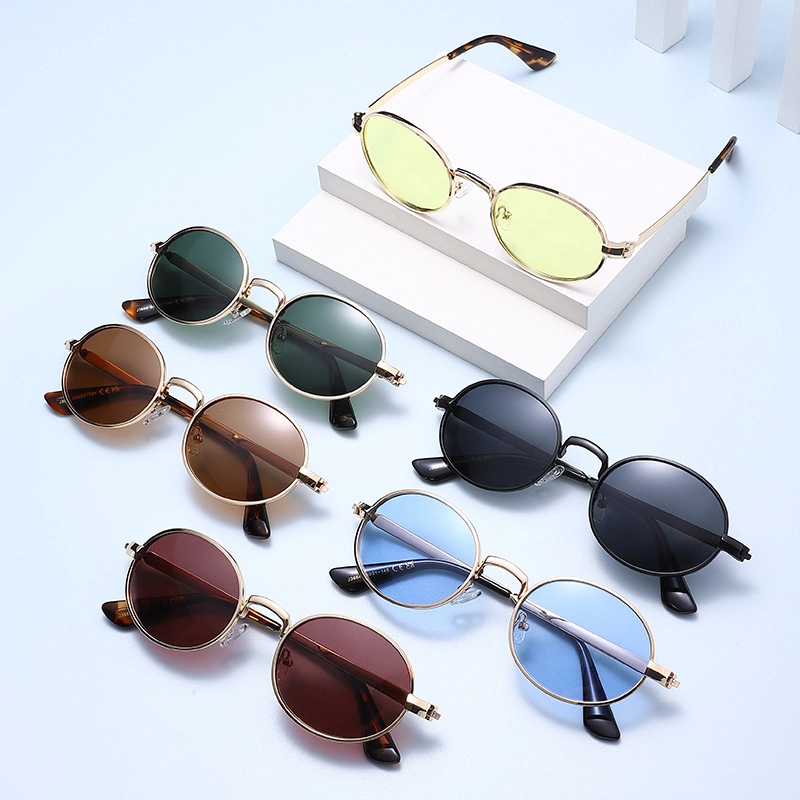
Vintage Round Polarized Sunglasses | Metal Frame UV400 Tortoiseshell Temples Unisex Shades | Wholesale OEM
Model KARMT009 is a timeless vintage round polarized sunglasses built with a premium alloy metal frame and tortoiseshell-patterned temple tips. Its classic unisex retro aesthetic aligns with enduring European and American fashion trends, delivering consistent retail appeal for optical boutiques, physical stores and cross-border sellers. Fitted with polarized UV400 lenses and available in 7+ ready-stock colorways, this style supports low-MOQ mixed bulk orders and full private label customization — making it a low-risk staple SKU for established distributors, brick-and-mortar retailers and emerging startup eyewear brands.
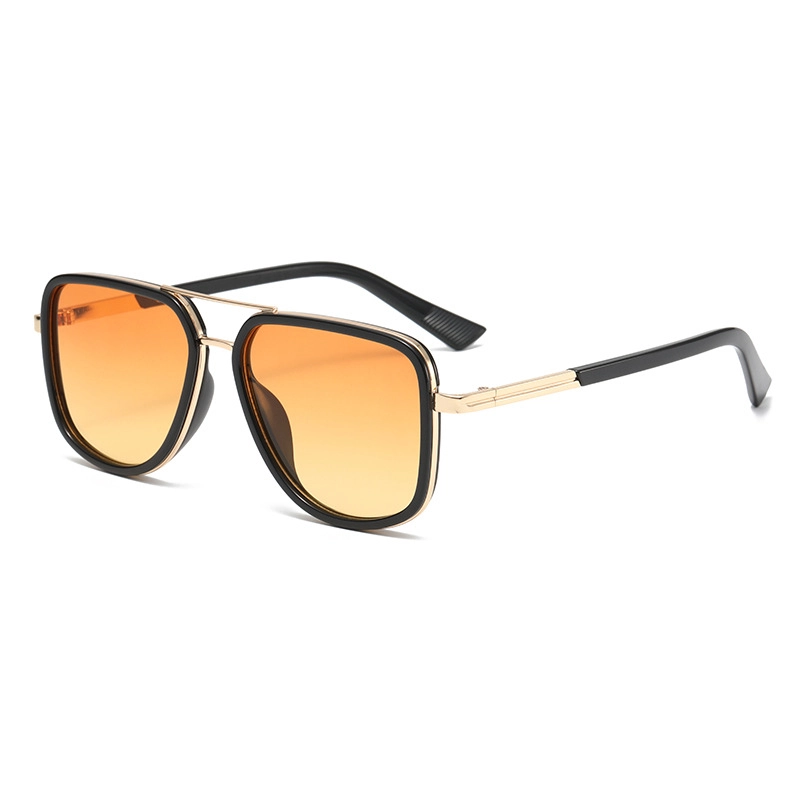
Double Bridge Square Aviator Sunglasses | PC Frame UV400 Polarized Optional Unisex Shades | Wholesale
Get a Free Quote
If you have any comments or good suggestions, please leave us a message; later our professional staff will contact you as soon as possible.
NEW DIMENSIONS IN EYEWEAR
Contact KARUSON
Email:
WhatsApp/Phone:
Address:
331 Section B, WanJia Creative Park , No. 1 BUXIA Road ,Tianhe District, Guangzhou City, Guangdong Province, China.

© 2026 KARUSON. All Rights Reserved.
Facebook
Instagram
YouTube
TikTok
Linkedin