


Lens edging and fitting process at an eyewear factory
As an eyewear factory consultant who has overseen hundreds of production runs and optimization projects, I know that the lens edging and fitting process is a critical bottleneck where precision, material knowledge, and process control determine final product quality and brand reputation. In this article I walk through the full workflow I use with factories—from initial inspection and blocking to CNC edging, beveling, rimless grooving, and final fitting into frames—highlighting key process controls, common failure modes and practical fixes. I also show how to align production with international expectations and customer needs, and I close with actionable checklists and FAQs for manufacturers and brand partners.
Why lens edging quality determines product success
The relationship between edging precision and wearer satisfaction
Lens edging and fitting directly affect optical alignment, wearer comfort, and frame integrity. A mis-edged lens can introduce prism errors, create mechanical stress on frames, or result in poor cosmetic finish—outcomes that increase returns and erode trust. In my experience working with both prescription lenses and fashion sunglasses at scale, edging tolerances (fit gap, lateral offset, and bevel height) are among the most frequent root causes of warranty claims.
Standards and industry expectations
Good edging practice should reference recognized standards and guidance. For sunglasses and related eyewear specifications, ISO 12312-1 provides test and classification guidance for sunglass performance (ISO 12312-1). For general information on eyeglasses and optics I frequently consult authoritative resources such as the Eyeglasses overview on Wikipedia and industry associations like The Vision Council. Aligning to these references helps ensure the factory output meets regulatory and marketplace expectations.
Step-by-step lens edging workflow in an eyewear factory
1) Receiving and inspection
When lens blanks arrive at the edging line, I implement a gate inspection. I verify prescription data, lens material (CR-39, polycarbonate, TRivex, high-index), coatings (AR, hard coat, mirror), and blank condition. I record batch numbers and check for manufacturing marks or pre-existing scratches using a 10x inspection lamp. Traceability at this step reduces mixed-material mistakes later in the line.
2) Blocking and centering
Blocking is the physical mounting of the lens to a block so the edger can reference the optical center and axis. I use automated blockers with live centration algorithms for high-volume runs and manual blocking for specialty jobs. Critical controls: ensure block adhesive strength and correct axis alignment. For progressive and high-prescription lenses, I double-check vertical reference lines and monocular PD inputs to avoid decentration errors.
3) CNC edging and rough cut
Modern eyewear factories use CNC edgers with digital frame tracers and lens CAD-CAM profiles. The edger follows the traced shape (or a digitally supplied frame shape for OEM/ODM work) and performs the rough cut. Parameters I tune include feed rate, coolant usage for polycarbonate, and tool selection (diamond vs carbide). Monitoring vibration signatures and spindle RPM helps avoid chatter marks that are hard to remove later.
4) Fine beveling, grooving and polish
After rough cut, the lens receives the final bevel profile that allows secure seating in the frame. For full-rim frames we machine a precise saddle or bevel; for semi-rim or rimless styles, we groove or drill to accept nylon cord or mount hardware. Edge polish and flame-polish techniques depend on material—polycarbonate benefits from gentle thermal polish while glass or high-index benefits from mechanical polish.
5) Coating-sensitive handling
Coated lenses require cold handling, controlled humidity, and non-abrasive fixtures. Anti-reflective (AR) coatings in particular are sensitive to particulates during edging and can delaminate if heat is excessive. I segregate lines for coated and uncoated lenses or run coated batches with lower spindle pressures and finer tooling.
Technical choices, process control and tooling
Edger types and when to use them
I choose equipment based on product mix and batch size. Typical options include:
| Edger Type | Best for | Strengths | Limitations |
|---|---|---|---|
| CNC/Automatic edger | High volume prescription and sunglass runs | High precision, programmable shapes, fast cycle time | Higher capex, needs trained operators |
| Freeform surface edger | Progressive and freeform lenses | Supports complex surface data, accurate centration | Requires digital workflow and compatible blanks |
| Manual/bench edging | Repairs, samples, bespoke frames | Flexible for non-standard shapes | Lower throughput, operator skill-dependent |
Key metrics I monitor daily
For process control I track:
- Fit gap (target typically 0.10–0.30 mm depending on frame material)
- Centering accuracy (mm offset from ordered monocular PD)
- Bevel height consistency (tolerance ±0.05 mm for High Quality lines)
- Surface scratch rate (ppm basis)
These KPIs, when trended, signal tool wear, misalignment, or recipe drift in coating suppliers.
Quality assurance and verification
Final QA includes optical verification (lensometer readout), mechanical fit test in a master frame gauge, and cosmetic inspection. I adopt a sample-based destructive test for rimless assemblies and a 100% visual check for High Quality brands. Where applicable, I reference international classification and test methods to validate UV and filter categories, as described in ISO 12312-1.
Troubleshooting common edging and fitting problems
Delamination or coating lift
Symptoms: haze, peeling near edges. Root causes are excessive heat, contaminated fixtures, or incompatible adhesives. Remedies include lowering spindle temperature, switching to non-abrasive blocks, and validating coating supplier cure cycles.
Poor seating / lens rocking
Symptoms: lens moves in frame, uneven gaps. Causes include incorrect bevel profile, wrong block offset, or relaxed frame tension. I correct by reprogramming bevel depth, re-blocking with the correct optical center, or adjusting frame heat-set protocols (for plastic frames) to restore appropriate clamp tension.
Axis or centration errors
Symptoms: wearer complains of blur, induced astigmatism symptoms. Causes include blocking error, wrong PD input, or misread tracer data. Prevention: mandatory double-check of script data at the blocking step and automated barcode-driven centering where possible.
Rimless and semi-rim techniques that reduce failure rates
Grooving vs drilling solutions
For rimless, you can either groove the lens edge for an internal cord or drill holes for hardware. I prefer grooving for sports and thin lenses as it distributes stress around the edge; drilling is appropriate for metal hardware where precise hole placement is required. Tooling selection is critical: diamond cutters with coolant and low feed rates reduce micro-cracking.
Stress-relief and annealing
Certain high-index plastics benefit from controlled post-cut annealing to relieve machining stress. I integrate short thermal cycles in the workflow for polycarbonate and TRivex to lower incidence of edge crazing and to improve long-term durability.
How I scale these processes for OEM/ODM production
Workflow automation and digital integration
To meet global delivery cycles, I integrate digital frame libraries, barcode traceability, and direct CAD-CAM export from design to edger. This reduces human transcription errors and speeds up changeovers when running multiple SKUs.
Vendor qualification and incoming material control
I maintain a supplier scorecard for lens blanks, coatings, and adhesives. Each supplier must supply certificates and pass incoming lot validation for scratch rate and coating adhesion. This upstream control is the easiest lever to reduce downstream rejects.
Established in 2010, Karuson International Co., Ltd. is a premier eyewear factory and global OEM/ODM supplier with over 15 years of mastery in eyewear design and precision manufacturing. Operating two state-of-the-art eyewear factory bases in Dongguan and Guangzhou, we provide high-capacity production and agile delivery cycles to meet the demands of the fast-paced global market.
Our expert team has pioneered 300+ trend-setting designs, ranging from polarized sunglasses and TR90 frames to advanced optical eyewear and sports goggles. As a vertically integrated eyewear factory, we offer end-to-end customization—including bespoke frame engineering, specialized lens technology, and precision logo engraving. By maintaining rigorous quality control and rapid prototyping, we have earned the enduring trust of prestigious brands across Spain, Europe, and the Americas.
Core capabilities & products: custom glasses, custom glasses lenses, customized sunglasses, custom sunglasses sports, customize sport sunglasses, custom prescription lenses, pc sunglasses, TR Sunglasses, metal sunglasses, custom sport sunglasses. For inquiries and production partnerships, contact nicole@karusonco.com or visit karusonco.com.
Practical checklists I use on the line
Pre-edging checklist
- Verify prescription and PD (double entry)
- Confirm lens material and coating status
- Match digital frame template to physical frame
- Inspect blank for defects at 10x
Post-edging checklist
- Lensometer verification for power and axis
- Mechanical fit test with master frame gauge
- Cosmetic inspection and AR coating spot-check
- Record lot and edger ID for traceability
Frequently asked questions (FAQ)
1. How precise should the bevel be for High Quality eyeglasses?
For High Quality lines I target a bevel height tolerance of ±0.05 mm and a fit gap around 0.10–0.20 mm depending on frame material. These tighter tolerances reduce micro-movement and the risk of frame stress.
2. Can I edge AR-coated lenses on a shared line with uncoated lenses?
Yes, but only if you follow strict contamination controls: change blocks, use clean fixtures, reduce spindle heat and use finer tooling. Ideally run coated lenses in dedicated batches or dedicated edger lanes.
3. What is the most common cause of rimless lens failures?
The most common issue is micro-cracking around drill holes or grooves caused by high feed rates, worn tools, or incorrect hole geometry. Using diamond tooling, coolant, and appropriate feed/feed rate reduces failure rates dramatically.
4. How do you validate a new frame shape before mass production?
I prototype using CNC sample runs and measure fit with master gauges and test-wear trials. I verify the traced digital file against a physical frame and adjust bevel profiles before releasing to mass production.
5. Which materials need special edging treatment?
Polycarbonate and TRivex need lower spindle temperatures and gentler feeds; high-index plastics may benefit from post-process annealing. Glass lenses require different tooling and typically have minimal flex so edge finish is purely cosmetic/fit-driven.
6. How do you reduce returns related to edging errors?
Implement double data entry for prescriptions, barcode-driven blocking, regular tooling maintenance, and daily KPI reviews on scratch rates and fit gap variances. These measures reduce human and mechanical error sources.
If you'd like to discuss how our eyewear factory capabilities can support KARUSON—whether it's custom prescription lenses, TR90 frames, or sport sunglasses—contact me at nicole@karusonco.com or visit karusonco.com. We can provide production samples, tooling specs, and an implementation plan tailored to your supply chain.
- Why lens edging quality determines product success
- The relationship between edging precision and wearer satisfaction
- Standards and industry expectations
- Step-by-step lens edging workflow in an eyewear factory
- 1) Receiving and inspection
- 2) Blocking and centering
- 3) CNC edging and rough cut
- 4) Fine beveling, grooving and polish
- 5) Coating-sensitive handling
- Technical choices, process control and tooling
- Edger types and when to use them
- Key metrics I monitor daily
- Quality assurance and verification
- Troubleshooting common edging and fitting problems
- Delamination or coating lift
- Poor seating / lens rocking
- Axis or centration errors
- Rimless and semi-rim techniques that reduce failure rates
- Grooving vs drilling solutions
- Stress-relief and annealing
- How I scale these processes for OEM/ODM production
- Workflow automation and digital integration
- Vendor qualification and incoming material control
- Practical checklists I use on the line
- Pre-edging checklist
- Post-edging checklist
- Frequently asked questions (FAQ)
- 1. How precise should the bevel be for High Quality eyeglasses?
- 2. Can I edge AR-coated lenses on a shared line with uncoated lenses?
- 3. What is the most common cause of rimless lens failures?
- 4. How do you validate a new frame shape before mass production?
- 5. Which materials need special edging treatment?
- 6. How do you reduce returns related to edging errors?
3D printing prototyping and short-run production at an eyewear factory
Positioning strategies: luxury, affordable fashion, performance, and eco private label eyewear
Assembly line setup and balancing in an eyewear factory
Using 3D prototyping and sampling to accelerate private label eyewear development
About Products
What is the lead time?
Mass production takes [25-35]days; samples take [7-10] days.
How do you ensure product quality?
Full QC process, factory testing, and international certifications.
About OEM&ODM
Can you help with packaging and logo branding?
Absolutely—we provide branded packaging bags, boxes, logo applications, and display solutions.
What is your minimum order quantity (MOQ)?
MOQ is flexible and varies by product type. Small trial orders are welcome.
You May Also Like
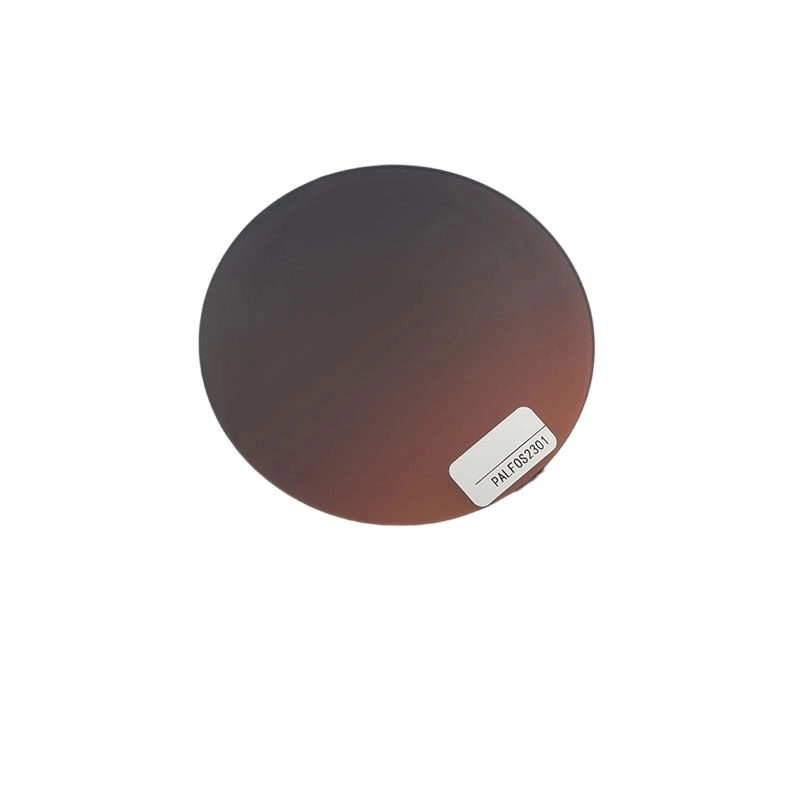
Advanced Sunglasses Solutions: Polarized Lenses with Anti-Seawater Coating
As a versatile photochromic lenses manufacturer and high-performance optics expert, Karuson crafts high-quality Polycarbonate (PC) Gradient Tinted Lenses that perfectly balance aesthetics with advanced protection. By fusing the ultra-lightweight and impact-resistant properties of PC material with precision gradient tinting technology, we deliver a durable visual solution that enhances clarity and comfort for urban lifestyles and outdoor sports. These lenses not only optimize visibility across varying light conditions by reducing glare but also offer a sleek, customizable design—allowing global brands to blend practical eye protection with a modern, fashion-forward accessory.
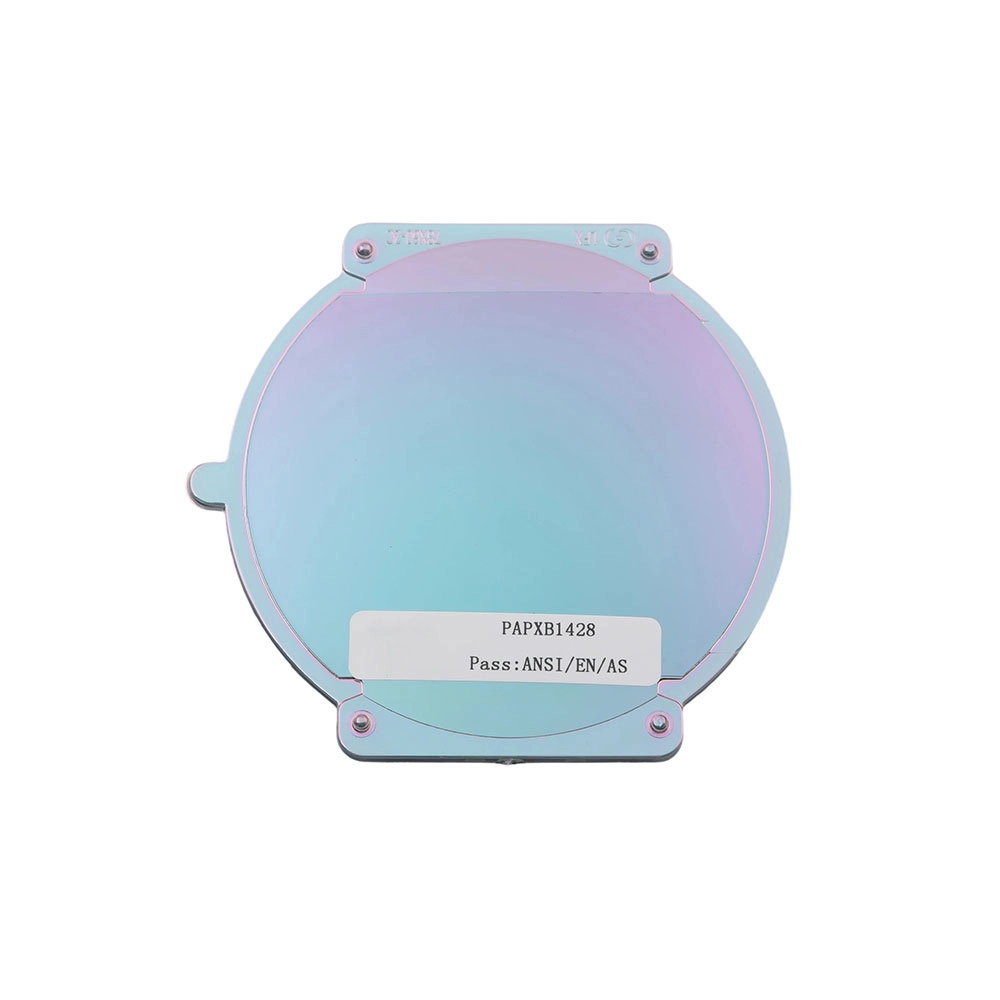
Innovative Lens Technologies: Setting Your Brand Apart in a Competitive Market
Setting a new standard in high-end lenses manufacturing, Karuson’s flagship-grade Polyamide (PA) Nylon polarized lenses seamlessly combine ultra-lightweight material with exceptional, high-toughness durability. By integrating precision polarizing technology, we have created a high-definition visual solution that excels in clarity and comfort for professional driving, outdoor adventures, and competitive sports. This innovation does more than meet expectations—it redefines the performance benchmark for professional polarized optics in the global market.
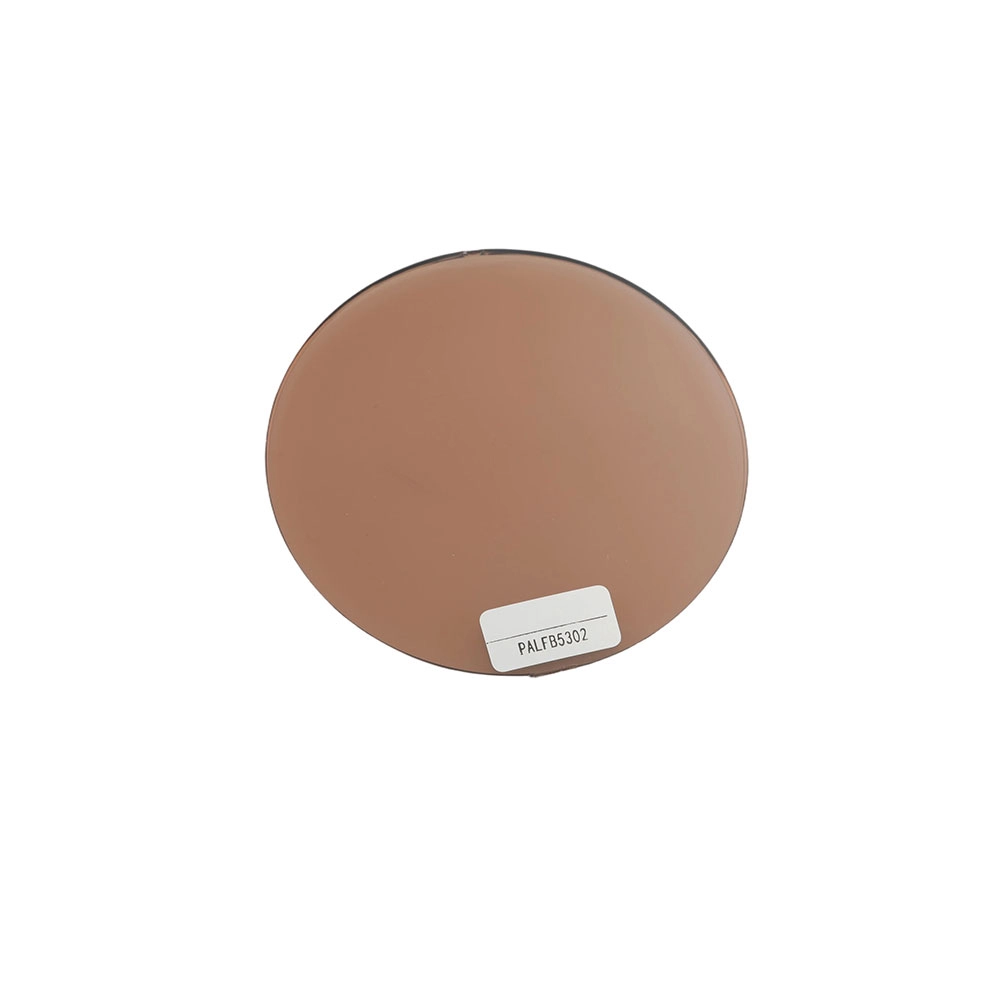
Why Quality Lenses are the Core of Your Eyewear Brand’s Reputation
As a premier high-definition glasses lenses manufacturer, Karuson crafts high-quality Polyamide (PA) Nylon Tinted Lenses that represent the perfect synergy of ultra-lightweight performance and high-toughness durability. By integrating professional-grade tinting technology with advanced material science, we offer a lens solution that delivers exceptional optical clarity alongside vibrant, fashionable color expression. Designed for both daily commutes and trendy lifestyle matching, these lenses provide a comfortable and aesthetic visual experience, serving as a high-performance fashion accessory for the modern, style-conscious consumer.
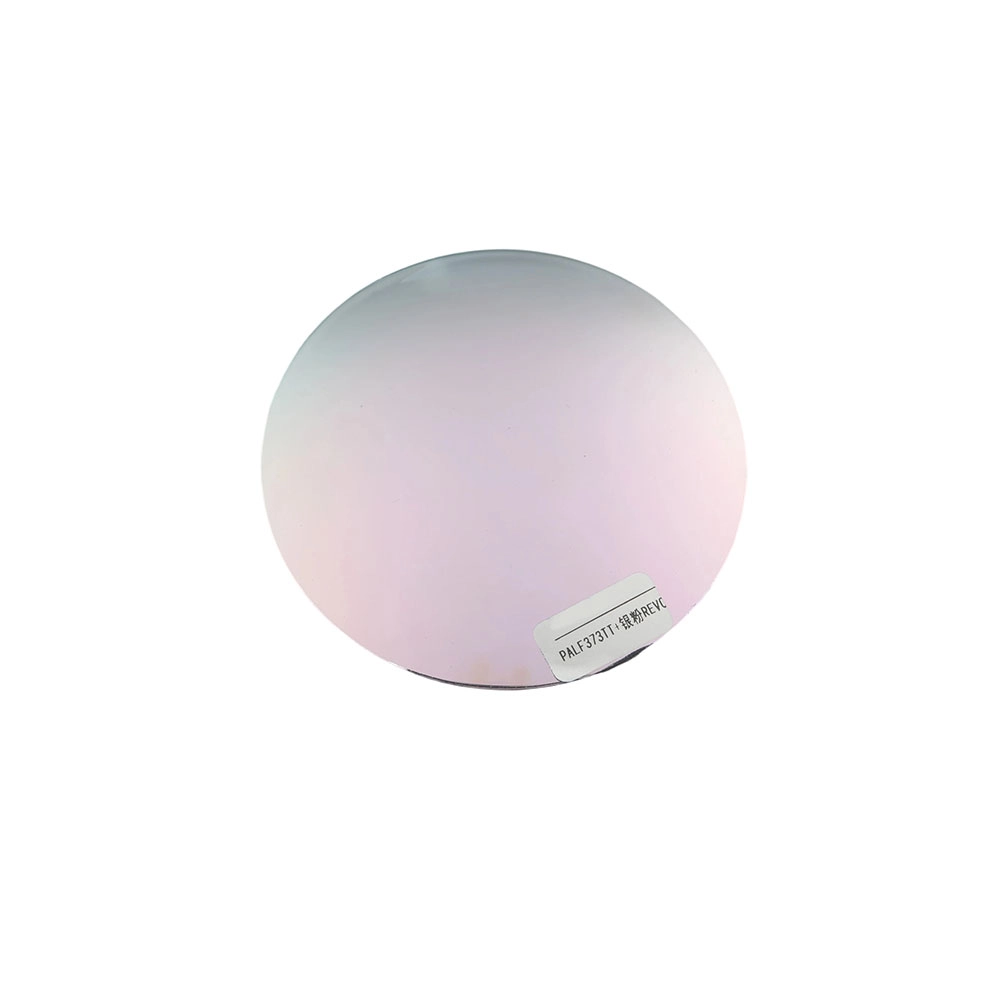
Dynamic Adaptation: Next-Gen Photochromic Lenses for Indoor & Outdoor Use
As premier eyeglass lenses manufacturers, Karuson crafts high-performance PC polarized coated lenses that seamlessly integrate lightweight, impact-resistant polycarbonate with advanced optical film technology. These lenses are engineered to achieve superior glare reduction and enhanced visual definition while offering a spectrum of stylish, customizable tints. Optimized for professional driving, outdoor sports, and urban lifestyles, our manufacturing process ensures that harmful reflections from water, roads, and snow are effectively filtered out. The result is a durable, fashion-forward visual solution that perfectly balances essential eye protection with high-end aesthetic appeal—making them the ideal choice for brands seeking to merge practicality with a modern fashion statement.
Get a Free Quote
If you have any comments or good suggestions, please leave us a message; later our professional staff will contact you as soon as possible.
NEW DIMENSIONS IN EYEWEAR
Contact KARUSON
Email:
WhatsApp/Phone:
Address:
331 Section B, WanJia Creative Park , No. 1 BUXIA Road ,Tianhe District, Guangzhou City, Guangdong Province, China.

© 2026 KARUSON. All Rights Reserved.
Facebook
Instagram
YouTube
TikTok
Linkedin