


Lens options and coatings to offer in private label eyewear: polarized, blue light, anti-reflective, transition
I design and manufacture private-label eyewear for global brands, and over the years I’ve seen the same questions repeatedly: which lens options truly add value, which coatings solve real customer pain points, and how do you balance cost, manufacturability and compliance? In this article I summarize the practical lens and coating choices I recommend—polarized, blue-light-blocking, anti-reflective (AR) and photochromic (transition) lenses—how they perform, manufacturing considerations at an eyewear factory level, and the commercial approaches that make those options profitable for private-label brands.
Understanding wearer needs & use cases
Segmenting by activity and environment
The first step I take when advising clients is to segment end users by primary activities: outdoor leisure (beach, boating), driving, sports, office/digital work, and medical/prescription use. Each segment has distinct performance priorities: outdoor users prioritize glare control and UV protection; drivers need contrast and reduced veiling reflections; athletes prioritize impact resistance and lens retention under motion; digital users seek comfort under prolonged screen exposure. Proper segmentation informs which lens options you should offer in a private-label lineup.
Prescription vs non-prescription workflows
Prescription lenses introduce additional constraints—index options (1.50, 1.56, 1.61, 1.67, 1.74), base curves, and edging tolerances—so coatings and treatments must be compatible with prescription surfacing and AR deposition processes. In my factories, we separate production cells for plano polarized sunglasses (injection molded polycarbonate or CR-39) and for prescription lenses (high-index substrates), because process parameters and QC differ materially.
Compatibility with frame materials and assembly
Frame choice (TR90, acetate, metal) affects lens selection and assembly methods. For example, thin high-index prescription lenses work well in metal rimless designs but require precise hole drilling and torque-controlled screw fittings. Photochromic treatments are often pre-diffused into lens substrates (e.g., Transitions in CR-39 or polycarbonate) and thus must be ordered from suppliers with matching hole-drilling tolerances for rimless styles. When I work with customers at our eyewear factory, I always map lens source, coating process and frame assembly together to avoid late-stage surprises.
Polarized lenses: when and how to offer
Benefits, limitations and customer expectations
Polarized lenses are the most recognizable value-add for sunglasses because they remove horizontal glare (reflections from water, snow, and roads) and improve visual comfort and contrast. They are highly valued in outdoor, driving and fishing markets. However, polarization can interfere with the readability of some LCD instruments (e.g., certain car dashboards or phone screens) and can hide subtle ice patterns for mountaineers—so marketing must set accurate expectations. For technical background see Polarized sunglasses (Wikipedia).
Materials and manufacturing considerations
Polarizing films are laminated into polycarbonate or CR-39 blanks, or produced as cast polarized lenses. At scale, I prefer laminated polycarbonate for impact-rated sport sunglasses and cast polarized CR-39 for High Quality plano sunglasses because each process optimizes impact resistance, polarization uniformity and optical clarity. Manufacturing notes I follow: careful control of lamination temperature to avoid birefringence, inline inspection for delamination, and polarization axis verification using optical benches.
Testing, standards and quality control
Polarized lenses should be tested for polarization efficiency (>95% is achievable), optical distortion and UV blocking (100% UVA/UVB). I calibrate spectrophotometers and polarization analyzers as part of QA. For regulatory context, sunglasses are commonly evaluated under standards referenced on the sunglasses page (Sunglasses standards) and often to local standards like ANSI Z80.3 (for sunglasses) or ISO 12312-1. Ensuring conformance reduces returns and liability.
Blue-light blocking, anti-reflective coatings and photochromic (transitions)
Blue light: evidence, product options and claims
Customers increasingly ask for blue-light-blocking lenses. The evidence for retinal damage from normal device-use blue light is limited, but blue light can affect circadian rhythms and contribute to digital eye strain for some users. Reviews and summaries are available from the American Academy of Ophthalmology (AAO) and peer-reviewed overviews such as a 2018 review on the effects of blue light (NCBI/PMC).
Product-wise, options include: 1) clear blue-filtering AR coatings that slightly attenuate 400–450 nm light without visible tint; 2) tinted filters (warm amber) that strongly reduce blue content; 3) lenses with embedded blue-blocking compounds. For office workers, I recommend low-reflectance AR plus a mild blue-filter AR—this balances comfort without altering color perception dramatically.
Anti-reflective (AR) coatings: technical choices and durability
AR coatings reduce surface reflections, increase contrast, and improve aesthetics by making the eyes visible behind the lens. Modern multi-layer vapor-deposited AR coatings are durable and hydrophobic/oleophobic top-coated for stain resistance. Key specifications I verify: reflectance percentage in the visible band (look for <1% total reflectance), scratch resistance (ISO or ASTM abrasion tests), and adhesion (cross-hatch). Technical background on AR coatings can be found at Anti-reflective coating (Wikipedia).
Photochromic (Transitions): performance, substrates and markets
Photochromic (transition) lenses darken in response to UV and, to some extent, visible light. They’re popular for consumers who want a dual indoor/outdoor solution. Note performance varies by substrate: glass photochromics are slower; modern organic (CR-39) and polycarbonate formulations are faster but differ in peak darkness, fade-back time, and indoor residual tint. For technical background see Photochromic lens (Wikipedia).
In my experience, private-label brands achieve the best reviews by offering both a photochromic High Quality option and a dedicated sunglass (polarized) option rather than expecting one lens to solve all use cases.
Commercial and technical recommendations for private label
Comparing lens options — features and recommended use
| Feature / Lens Type | Polarized | Blue-light (filter) | Anti-reflective (AR) | Photochromic (Transitions) |
|---|---|---|---|---|
| Primary benefit | Eliminates horizontal glare | Reduces short-wave (blue) light discomfort | Reduces surface reflections; improves contrast | Automatic tinting for indoor/outdoor |
| Best for | Outdoor, driving, water sports | Office/digital users | All prescription and plano lenses | Ambitious commuters; active users who want single lens |
| Manufacturing complexity | High (lamination or polarized cast blanks) | Low–Medium (coating or embedded compounds) | Medium (vacuum deposition, top-coat) | Medium–High (substrate-specific sourcing) |
| Typical margin impact | +High (perceived High Quality) | +Low–Medium (add-on accessory) | +Medium (expected for clarity) | +High (High Quality dual-use) |
Sources: product category overviews and standards context from Wikipedia, AAO, and technical material summaries at Wikipedia.
Pricing strategy, MOQs and packaging
From a commercial standpoint, I structure private-label SKUs as tiers: Core (basic sun/plano with UV), Pro (AR + scratch/hydrophobic), and High Quality (Polarized or Photochromic + High Quality AR). This tiering simplifies manufacturing (shared frames, staged lens inventory) and reduces SKU bloat. For MOQ, polarized and photochromic blanks usually require larger order quantities from lens houses; I advise clients to batch runs and offer soft-launch promotional bundles to validate demand before scale. Packaging should communicate measurable benefits (e.g., Polarization efficiency ≥ 95%, AR reflectance <1%) rather than vague marketing claims.
Regulatory compliance and labeling
Always verify regional standards: many markets require sunglasses to meet local safety/UV standards (see sunglasses standards overview at Wikipedia) and prescription lenses to conform to applicable optical device regulations. For medical claims (e.g., retinal protection), ensure you have supporting peer-reviewed evidence and avoid implying disease prevention unless you can substantiate it. For general device regulation information see the U.S. Food and Drug Administration optics pages (FDA ophthalmic devices).
How I implement these choices at our eyewear factory
At scale, my approach is a vertically integrated one: we source high-quality lens blanks (polarized, photochromic, prescription-ready), maintain in-house AR and blue-filter coating cells, and run dedicated QC for polarization axis, AR reflectance and photochromic activation. The result is faster prototypes, fewer surprises in assembly, and the ability to offer custom engraving and packaging. Below I describe our company capabilities so you can judge fit for private-label partnerships.
Established in 2010, Karuson International Co., Ltd. is a premier eyewear factory and global OEM/ODM supplier with over 15 years of mastery in eyewear design and precision manufacturing. Operating two state-of-the-art eyewear factory bases in Dongguan and Guangzhou, we provide high-capacity production and agile delivery cycles to meet the demands of the fast-paced global market.
Our expert team has pioneered 300+ trend-setting designs, ranging from polarized sunglasses and TR90 frames to advanced optical eyewear and sports goggles. As a vertically integrated eyewear factory, we offer end-to-end customization—including bespoke frame engineering, specialized lens technology, and precision logo engraving. By maintaining rigorous quality control and rapid prototyping, we have earned the enduring trust of prestigious brands across Spain, Europe, and the Americas.
We specialize in custom glasses, custom glasses lenses, customized sunglasses, custom sunglasses sports, customize sport sunglasses, custom prescription lenses, pc sunglasses, TR Sunglasses, metal sunglasses, and custom sport sunglasses. For partnership inquiries or technical datasheets, contact us at nicole@karusonco.com or visit https://www.karusonco.com.
FAQ
1. Should I offer polarized lenses on every sunglass style?
No. Polarization is excellent for outdoor and water-related uses and justifies a High Quality, but for fashion-first sunglasses or frames meant to be worn with heads-up displays and some vehicle dashboards you may prefer non-polarized with High Quality tint and AR options. I recommend testing a polarized tier for the best-selling frames first.
2. Do blue-light lenses really protect the eyes?
Evidence that typical device-related blue light causes retinal damage is weak. However, blue-filtering lenses can reduce perceived discomfort and improve sleep hygiene in some users. For office wear, a subtle blue-filter AR coating is typically a cost-effective, low-impact option. See AAO guidance: AAO.
3. How do I price AR and photochromic upgrades?
AR is expected in mid-tier prescription eyewear—price as a standard or low-margin add-on. Photochromic and polarized lenses command higher High Qualitys; I usually price them at a 2–4x margin uplift over basic plano lenses, depending on brand positioning and supplier costs.
4. What tests should I require from my eyewear factory?
Request polarization efficiency, UV transmission spectrum, AR reflectance, adhesion and abrasion resistance tests, and if applicable, photochromic speed & density curves. Also require batch traceability and a sample retention policy for warranty claims.
5. Can one lens type replace multiple specialized lenses?
Not reliably. Photochromic lenses are versatile but do not replace polarized lenses for glare control nor provide the same rapid darkening in vehicles (rear windshields can block UV). My recommendation: offer specialized lenses when user needs justify the High Quality, and provide clear guidance on intended use.
Contact & next steps
If you’re building or refining a private-label eyewear line, I can help assess your SKU strategy, choose lens suppliers, and map an efficient production plan at scale. Email me at nicole@karusonco.com or visit karusonco.com to request samples, technical datasheets, MOQ details and lead times. Let’s design lens packages that balance performance, manufacturability and margin so KARUSON can grow confidently.
- Understanding wearer needs & use cases
- Segmenting by activity and environment
- Prescription vs non-prescription workflows
- Compatibility with frame materials and assembly
- Polarized lenses: when and how to offer
- Benefits, limitations and customer expectations
- Materials and manufacturing considerations
- Testing, standards and quality control
- Blue-light blocking, anti-reflective coatings and photochromic (transitions)
- Blue light: evidence, product options and claims
- Anti-reflective (AR) coatings: technical choices and durability
- Photochromic (Transitions): performance, substrates and markets
- Commercial and technical recommendations for private label
- Comparing lens options — features and recommended use
- Pricing strategy, MOQs and packaging
- Regulatory compliance and labeling
- How I implement these choices at our eyewear factory
- FAQ
- 1. Should I offer polarized lenses on every sunglass style?
- 2. Do blue-light lenses really protect the eyes?
- 3. How do I price AR and photochromic upgrades?
- 4. What tests should I require from my eyewear factory?
- 5. Can one lens type replace multiple specialized lenses?
- Contact & next steps
OEM Sunglasses Solutions: From Design to Mass Production
Sustainable Materials for Eco-Friendly Sunglasses
3D printing prototyping and short-run production at an eyewear factory
Assembly line setup and balancing in an eyewear factory
About Products
What is the lead time?
Mass production takes [25-35]days; samples take [7-10] days.
About OEM&ODM
Do you support OEM and ODM?
Yes—we offer both contract manufacturing (OEM) and full product development services (ODM).
How long does it take to make samples?
Samples are typically completed within 7–15 working days if available molds are present.
Can you help with packaging and logo branding?
Absolutely—we provide branded packaging bags, boxes, logo applications, and display solutions.
You May Also Like
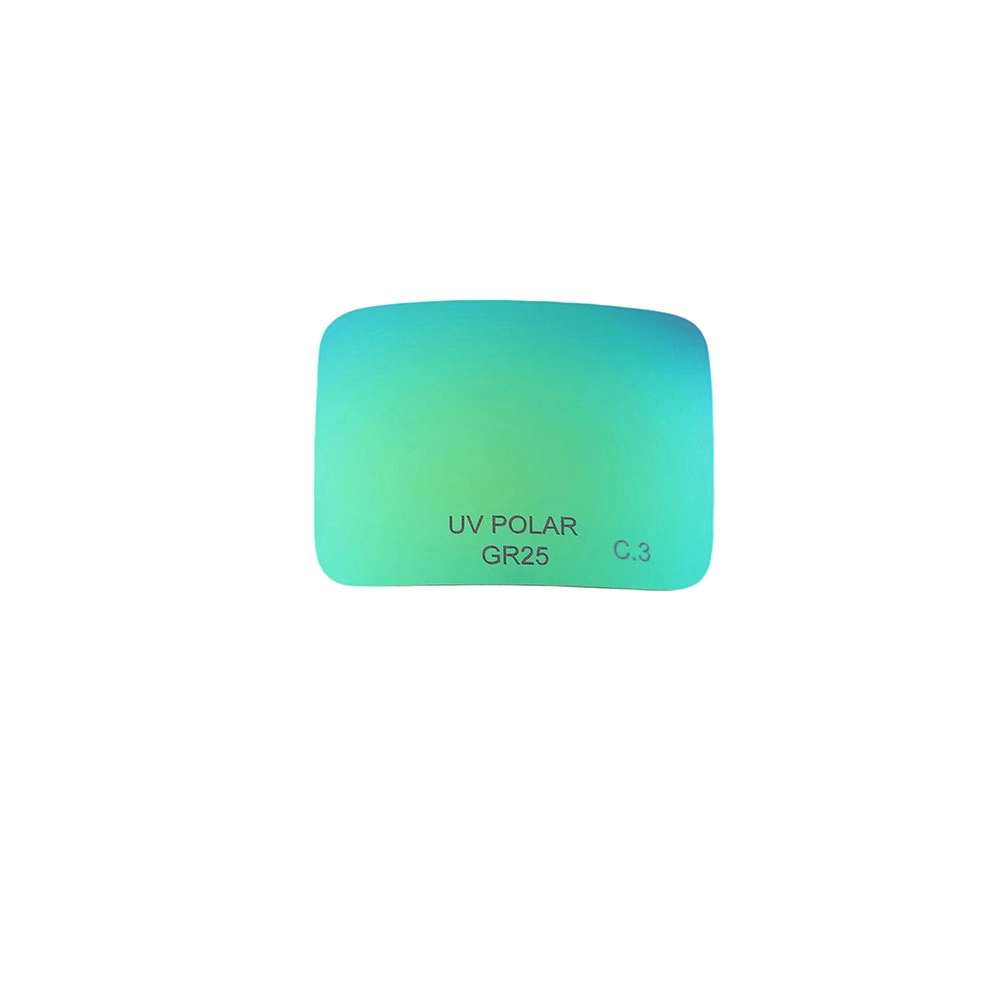
High-Definition Visual Clarity: Premium CR-39 & Polycarbonate Lenses
Experience the precision of a professional custom glasses lenses manufacturer. Karuson polarized lenses are engineered with a 99.9% high-polarization effect to provide unparalleled visual definition and glare reduction. By strategically absorbing reflected light through a high-stability PVA layer, our lenses are optimized for high-intensity outdoor environments, including maritime sailing, hunting, and alpine skiing. Furthermore, our specialized treatment ensures the lenses remain durable and distortion-free even in environments with high heat and humidity.
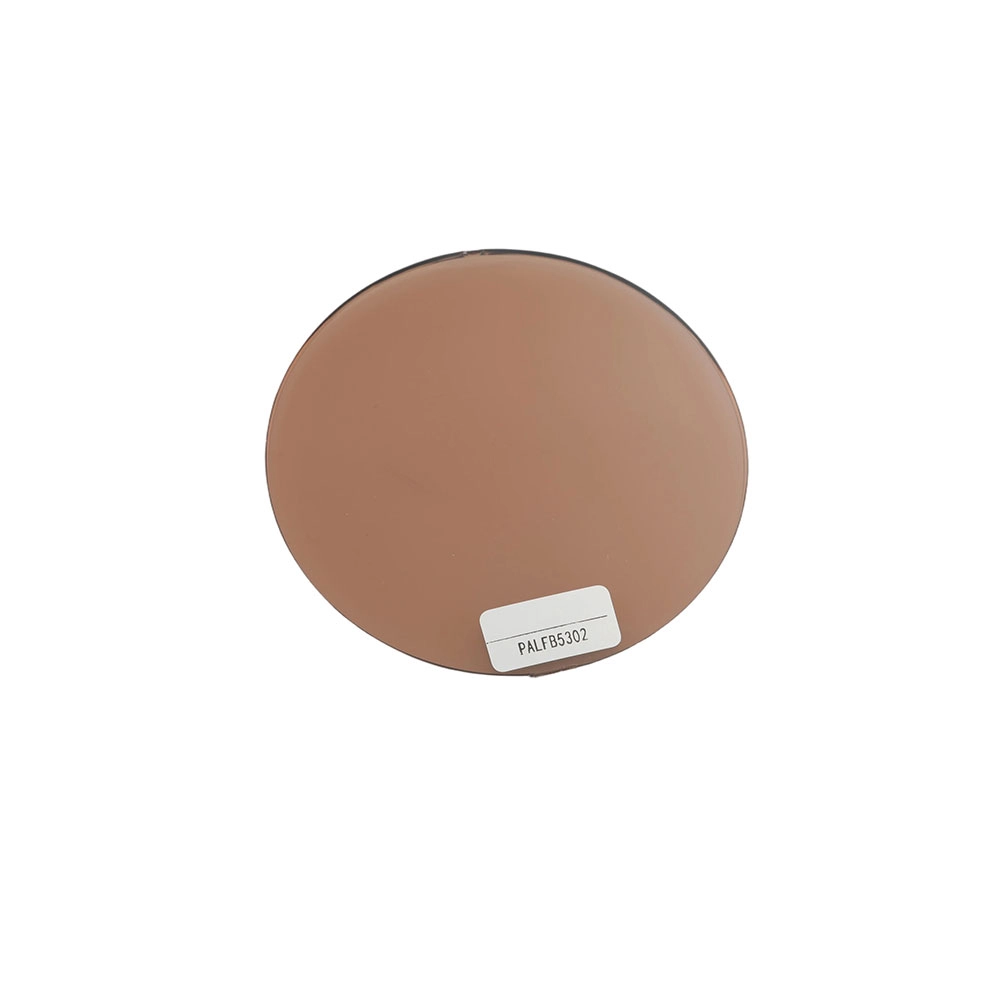
Why Quality Lenses are the Core of Your Eyewear Brand’s Reputation
As a premier high-definition glasses lenses manufacturer, Karuson crafts high-quality Polyamide (PA) Nylon Tinted Lenses that represent the perfect synergy of ultra-lightweight performance and high-toughness durability. By integrating professional-grade tinting technology with advanced material science, we offer a lens solution that delivers exceptional optical clarity alongside vibrant, fashionable color expression. Designed for both daily commutes and trendy lifestyle matching, these lenses provide a comfortable and aesthetic visual experience, serving as a high-performance fashion accessory for the modern, style-conscious consumer.
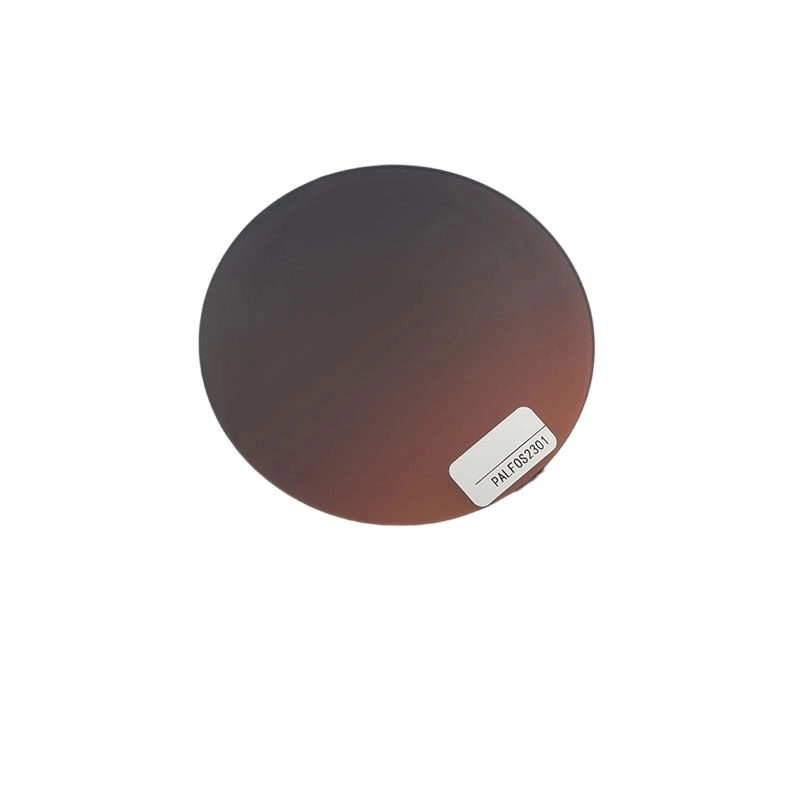
Advanced Sunglasses Solutions: Polarized Lenses with Anti-Seawater Coating
As a versatile photochromic lenses manufacturer and high-performance optics expert, Karuson crafts high-quality Polycarbonate (PC) Gradient Tinted Lenses that perfectly balance aesthetics with advanced protection. By fusing the ultra-lightweight and impact-resistant properties of PC material with precision gradient tinting technology, we deliver a durable visual solution that enhances clarity and comfort for urban lifestyles and outdoor sports. These lenses not only optimize visibility across varying light conditions by reducing glare but also offer a sleek, customizable design—allowing global brands to blend practical eye protection with a modern, fashion-forward accessory.
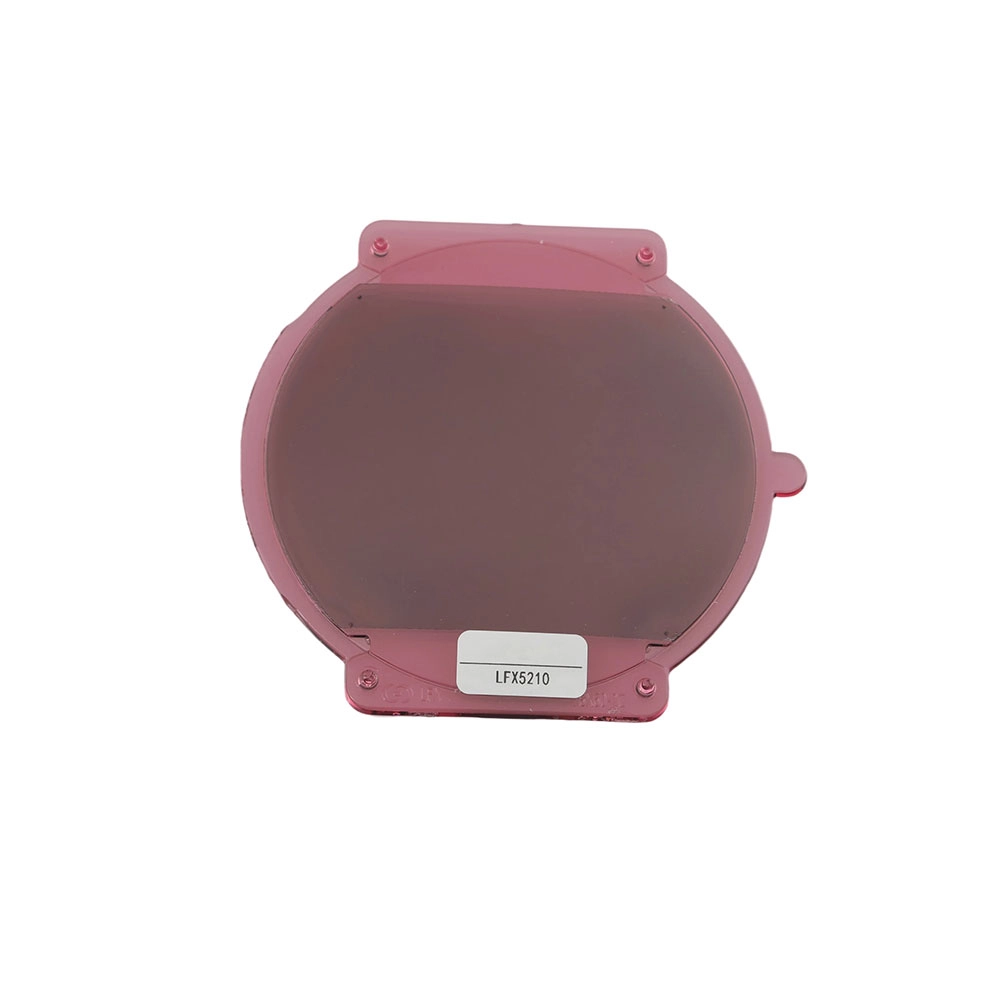
Upgrade Your Collection with Premium Lens Coatings & Finishes
As a leading lenses manufacturer, Karuson sets a new industry standard with our flagship-grade Polyamide (PA) Nylon polarized lenses. By seamlessly merging ultra-lightweight, high-toughness materials with precision polarizing technology, we deliver a high-definition visual solution that excels in durability and comfort. Optimized for high-intensity outdoor activities, professional driving, and competitive sports scenarios, these lenses redefine the performance benchmark for polarized optics, providing global brands with a truly elite-level product.
Get a Free Quote
If you have any comments or good suggestions, please leave us a message; later our professional staff will contact you as soon as possible.
NEW DIMENSIONS IN EYEWEAR
Contact KARUSON
Email:
WhatsApp/Phone:
Address:
331 Section B, WanJia Creative Park , No. 1 BUXIA Road ,Tianhe District, Guangzhou City, Guangdong Province, China.

© 2026 KARUSON. All Rights Reserved.
Facebook
Instagram
YouTube
TikTok
Linkedin