


Manufacturer profiles: comparing leading manufacturers of eyeglass lenses by material, technology and delivery performance
Comparative analysis of global lens producers and their material, manufacturing technologies, and fulfillment performance, designed to support procurement teams, brand owners, and distributors in selecting optical-lens partners that balance material trade-offs, production capability, and supply-chain resilience. The overview highlights substrate choices (CR-39, polycarbonate, high-index, glass), surface treatments (AR, hydrophobic, oleophobic, hard coats), advanced manufacturing capabilities (freeform digital surfacing, progressive design engines, nano-coatings, photochromics, polarization), and measurable delivery metrics for tier-one lens houses—linked to industry references such as Essilor, ZEISS, HOYA, Nikon, and standards or market context from ISO, FDA, and WHO.
Comparative analysis of global lens producers and their material, manufacturing technologies, and fulfillment performance, designed to support procurement teams, brand owners, and distributors in selecting optical-lens partners that balance material trade-offs, production capability, and supply-chain resilience. The overview highlights substrate choices (CR-39, polycarbonate, high-index, glass), surface treatments (AR, hydrophobic, oleophobic, hard coats), advanced manufacturing capabilities (freeform digital surfacing, progressive design engines, nano-coatings, photochromics, polarization), and measurable delivery metrics for tier-one lens houses—linked to industry references such as Essilor, ZEISS, HOYA, Nikon, and standards or market context from ISO, FDA, and WHO.
Lens material portfolios and procurement trade-offs
Key substrate categories and buyer implications
When comparing leading lens houses, buyers must evaluate core substrates—CR-39 (organic thermoplastic), polycarbonate, polymer high-index, and glass—against four procurement vectors: optical clarity, impact resistance, weight, and cost-per-pair at scale. CR-39 delivers superior surface quality for standard prescriptions and is cost-effective for mass retail. Polycarbonate is the default for impact-resistant and sports-spec projects due to higher toughness and lighter weight, but its lower Abbe value increases chromatic aberration for high prescriptions. High-index polymers reduce lens thickness for stronger prescriptions and support High Quality margins for fashion eyewear, while glass retains excellent optics and scratch resistance but increases shipping cost and breakage risk in high-volume assembly lines.
Coatings and functional layers: differentiators that affect total cost
Surface technologies—anti-reflective (AR), hard coat, oleophobic/hydrophobic, blue-light filtering, anti-fog, and polarized laminates—should be evaluated as modular add-ons that impact throughput and yield rates. High-performance AR stacks using multi-layer vacuum deposition reduce reflections significantly but require cleanroom environments and longer cure cycles. Nano-scale oleophobic treatments accelerate handling downstream (printing, edging) and reduce rework. For B2B buyers, specifying coating process capability (vacuum sputtering vs. dip-coating) in supplier SLAs directly correlates with acceptable defect rates and warranty exposure.
Material certification, testing and regulatory considerations
Reliable suppliers provide material traceability, batch testing, and compliance documentation. Buyers should request evidence of compliance with applicable optical and safety standards—ISO standards for optical properties (see ISO) and, where medical or protective claims exist, regulatory guidance from agencies such as the FDA. For global dispatch, confirm conformity with regional standards (e.g., ANSI Z87 for protective eyewear in the United States, CE marking for the EU) and maintain independent third-party test results as part of incoming inspection protocols.
Manufacturing technologies: digital surfacing, coatings and value-added capabilities
Digital freeform surfacing and precision optics engines
Advanced producers invest in freeform CNC surfacing centers and prescription optimization engines that enable stabilized progressive optics and individualized lens maps. These capabilities reduce non-conforming units for complex prescriptions and increase yield for High Quality segments such as personalized progressive lenses. Buyers should request sample sets for high-cylinder and high-add prescriptions to validate optical comfort and to measure rejection rates during pilot runs.
Integrated coating lines and multi-step process control
Tier-one suppliers operate integrated production cells where surfacing, coating, and inspection are linked via automated handling. This reduces cross-contamination and improves turnaround. Evaluate whether a prospective partner runs continuous vacuum deposition for AR (which yields better layer adhesion) or uses batch processing that might introduce cycle variability. Incoming inspection standards and automated interferometry-based quality checks are indicators of mature coating control.
Specialized functionalization: polarization, photochromics, and tints
Not all lens makers control the supply chain for photochromic dyes or polarized films. Vertical integration into dyeing and film lamination yields faster prototyping for customized sunglasses lines and lower MOQ impacts. If a project requires bespoke polarized sunglasses or sports eyewear with consistent polarization angle and light transmission, prioritize partners with in-house lamination and tinting labs to reduce vendor coordination and accelerate approvals.
Delivery performance, capacity planning and quality management
Lead-time metrics and scalable capacity
Delivery performance is a non-negotiable procurement metric. Leading optical-lens producers typically publish standard lead-times for stock items and separate timelines for OEM/ODM runs. For standard stock single-vision lenses, fulfillment may range from days to weeks depending on regional distribution; for custom progressive or coated lenses, expect 2–8 weeks in typical industrial conditions. For large chain orders, verify a supplier’s daily surfacing capacity, the number of coating chambers, and redundancy plans to avoid single-point-of-failure scenarios.
Quality systems, traceability and warranty regimes
A robust supplier holds documented quality management systems (ISO 9001, and for medical optical devices potentially ISO 13485) and implements batch-level traceability so recalls or corrective actions can be contained quickly. Ask for KPIs such as first-pass yield, customer-return rate, and average time-to-resolution. These metrics should be included in a Service Level Agreement to align on acceptable financial exposure from defects or delays.
Logistics, packaging and post-sale support
End-to-end logistics considerations include fragile-item packaging, customs documentation for cross-border shipments, and repair/rework policies. Suppliers offering drop-shipping, kitting for retail-ready SKUs, and serialized packing lists reduce complexity for distributors. For sports or activewear sunglasses lines, confirm shock-resistant packaging and pre-shipment inspection photos to reduce claims on arrival.
| Company | Headquarters | Core strengths | Typical product focus | Indicative lead time (custom OEM) |
|---|---|---|---|---|
| Essilor (EssilorLuxottica) | France | Progressive optics, coating R&D, global distribution | Progressives, photochromic, High Quality AR | 3–8 weeks |
| ZEISS | Germany | Precision optics, freeform surfacing, optical metrology | High-precision freeform, digital progressives | 3–7 weeks |
| HOYA | Japan | Coating stacks, advanced materials, thin/high-index | High-index, thin lenses, AR coatings | 3–8 weeks |
| Nikon | Japan | Optical lens manufacturing expertise, precision glass | Precision single-vision, specialty optics | 2–6 weeks |
Evaluating partners: procurement checklist and pilot validation
Commercial KPIs and contract clauses to request
Procurement teams should include service-level guarantees: on-time delivery percentage, first-pass yield, acceptable defect thresholds, and remediation timelines. Include clear MOQ definitions, tooling amortization schedules for customized molds or progressive algorithms, and an escalation matrix. Contractually require batch certificates of conformity and test reports for coatings and substrate tensile/impact tests.
Pilot runs, sample approval and acceptance criteria
Before committing to scaled production, run a structured pilot with defined acceptance criteria (optical centration tolerance, coating adhesion test, transmitted light uniformity, surface scratch inspection). Use objective measurement tools—spectrophotometers for tint consistency, interferometers for surface form—to reduce subjective acceptance and to create a repeatable production baseline.
Supply continuity and multi-sourcing strategies
Even with a preferred partner, develop contingency plans: dual-sourcing critical SKUs, safety stock agreements, and shared demand forecasts to reduce bullwhip effects. For seasonal sunglasses programs, secure material lead times for polarized films and specialty tints up to six months in advance to avoid capacity bottlenecks.
KARUSON: competitive positioning and capabilities for OEM/ODM collaborations
Manufacturing footprint and production agility
Established in 2010, Karuson International Co., Ltd. is a premier eyewear factory and global OEM/ODM supplier with over 15 years of mastery in eyewear design and precision manufacturing. We operate two state-of-the-art eyewear factory bases in Dongguan and Guangzhou, providing high-capacity production and agile delivery cycles designed to meet the demands of fast-paced markets. Buyers benefit from localized production cells that reduce transit time and enable faster sampling compared with distant one-off suppliers.
Product breadth and technical specializations
Our engineering team has pioneered 300+ trend-setting designs covering polarized sunglasses, TR90 frames, optical eyewear, and sports goggles. As a vertically integrated eyewear factory, we offer end-to-end customization—including bespoke frame engineering, specialized lens technology, and precision logo engraving—streamlining project management for brand owners seeking turnkey private-label solutions.
Quality control, prototyping and client partnerships
Our factory routines prioritize rigorous quality control and rapid prototyping to shorten time-to-market for seasonal collections. Buyers can expect documented incoming inspection criteria, pilot production runs with objective acceptance metrics, and serialized QA reporting. This approach has enabled enduring partnerships with prestigious brands across Spain, Europe, and the Americas by aligning technical delivery with commercial milestones.
Relevant product lines for OEM/ODM orders
We support custom glasses and specialty lenses including custom glasses lenses, custom prescription lenses, and a wide portfolio of sunglasses: customized sunglasses, custom sunglasses sports, customize sport sunglasses, pc sunglasses, TR Sunglasses, metal sunglasses, and custom sport sunglasses. Our facilities can handle embossing, printed logos, custom lens tints, and polarized lamination while adhering to agreed lead times and quality metrics.
How to engage and next steps for procurement teams
For brand owners evaluating partners, our recommended next step is a short capability audit and a scoped pilot order: provide target SKUs, projected annual volumes, and technical specifications (substrate, coatings, polarization/tint requirements). Our commercial team will supply a detailed quotation, expected tooling amortization, and an SLA outlining yield targets and lead-time commitments. Contact: nicole@karusonco.com or visit https://www.karusonco.com for product catalogs and case studies.
Companies selecting a lens partner should weigh optical performance, production maturity, and logistics safeguards—prioritizing partners that transparently share KPIs and can scale to match seasonal demand.
Frequently Asked Questions
What are the primary lens materials and their procurement trade-offs?
Primary substrates include CR-39 (cost-effective, high surface quality), polycarbonate (impact resistant, lighter), high-index polymers (thinner for strong prescriptions), and glass (excellent optics, heavier). Procurement trade-offs focus on optical clarity, impact resistance, weight, and total landed cost; choose based on target market segment and warranty exposure.
How do coating processes affect production yield and lead time?
Coating processes such as vacuum-deposited anti-reflective stacks and multi-layer hard coats require cleanroom environments and controlled curing cycles. Integrated coating lines and automated handling improve yield and reduce defects; however, they can increase per-unit cycle time. Buyers should specify coating methods in SLAs to align defect tolerances with commercial margins.
Which manufacturing technologies reduce rejection rates for progressive and freeform lenses?
Digital freeform surfacing and precision prescription optimization engines reduce form errors and improve comfort for complex prescriptions. Interferometric inspection, automated centration, and parametric pilot runs are recommended to validate rejection rates before scaling production.
What lead times should brands expect for custom OEM lens orders?
Indicative custom lead times for premium optics typically range from 2–8 weeks depending on complexity, coatings, and regional logistics. Standard single-vision stock lenses may be delivered faster. Procurement should confirm daily surfacing capacity and reserve seasonal material in advance to avoid capacity bottlenecks.
What quality and regulatory documentation should be requested from a lens producer?
Buyers should request ISO-based quality management evidence (e.g., ISO 9001, and ISO 13485 if medical claims are made), batch certificates of conformity, third-party test reports for coatings and impact tests, and conformity documentation for regional standards (CE, ANSI, etc.). These documents support traceability and limit recall exposure.
- Lens material portfolios and procurement trade-offs
- Key substrate categories and buyer implications
- Coatings and functional layers: differentiators that affect total cost
- Material certification, testing and regulatory considerations
- Manufacturing technologies: digital surfacing, coatings and value-added capabilities
- Digital freeform surfacing and precision optics engines
- Integrated coating lines and multi-step process control
- Specialized functionalization: polarization, photochromics, and tints
- Delivery performance, capacity planning and quality management
- Lead-time metrics and scalable capacity
- Quality systems, traceability and warranty regimes
- Logistics, packaging and post-sale support
- Evaluating partners: procurement checklist and pilot validation
- Commercial KPIs and contract clauses to request
- Pilot runs, sample approval and acceptance criteria
- Supply continuity and multi-sourcing strategies
- KARUSON: competitive positioning and capabilities for OEM/ODM collaborations
- Manufacturing footprint and production agility
- Product breadth and technical specializations
- Quality control, prototyping and client partnerships
- Relevant product lines for OEM/ODM orders
- How to engage and next steps for procurement teams
- Frequently Asked Questions
Vintage Round Polarized Sunglasses Trends for Wholesale Buyers
Key Materials Used in Protective Eyewear for Sports: Lenses, Frames, and Coatings
Top 10 uv400 sunglasses manufacturers and suppliers
Top 10 black sunglasses manufacturers and suppliers
You May Also Like

Ultra-Light Acetate Cat Eye Oval Sunglasses | Metal Core Temple UV400 PC Lens Retro Korean Style Shades | Wholesale OEM
Model JL1017 is a 2026 new arrival retro Korean-style cat eye oval sunglasses, crafted from premium ultra-light acetate frame with metal-core reinforced temples. Weighing only 23.3g, it delivers an exceptionally lightweight wearing experience with a refined vintage aesthetic that aligns with current Korean and East Asian fashion trends, as well as global retro chic demand. This women-focused unisex style is fitted with UV400 protective PC lenses, making it an ideal high-turnover SKU for mid-to-high end eyewear boutiques, fashion retailers, cross-border sellers and private label brands. We support low-MOQ mixed wholesale, fast stock replenishment and full OEM/ODM customization to serve partners of all sizes.

Ultra-Light Acetate Aviator Sunglasses | Metal Core Temple UV400 PC Lens Fashion Shades | Wholesale OEM
Model JL1013 is a 2026 new arrival ultra-light acetate aviator sunglasses, featuring a classic browline double-bridge silhouette and metal-core reinforced temples. Weighing only 30.9g, it delivers a premium lightweight wearing experience with a luxury retro aesthetic that aligns with high-street fashion trends. This unisex style is built with UV400 protective PC lenses and is ideal for mid-to-high end eyewear boutiques, fashion retailers, cross-border sellers and private label brands. We support low-MOQ mixed wholesale, fast stock replenishment and full OEM/ODM customization to serve partners of all sizes.
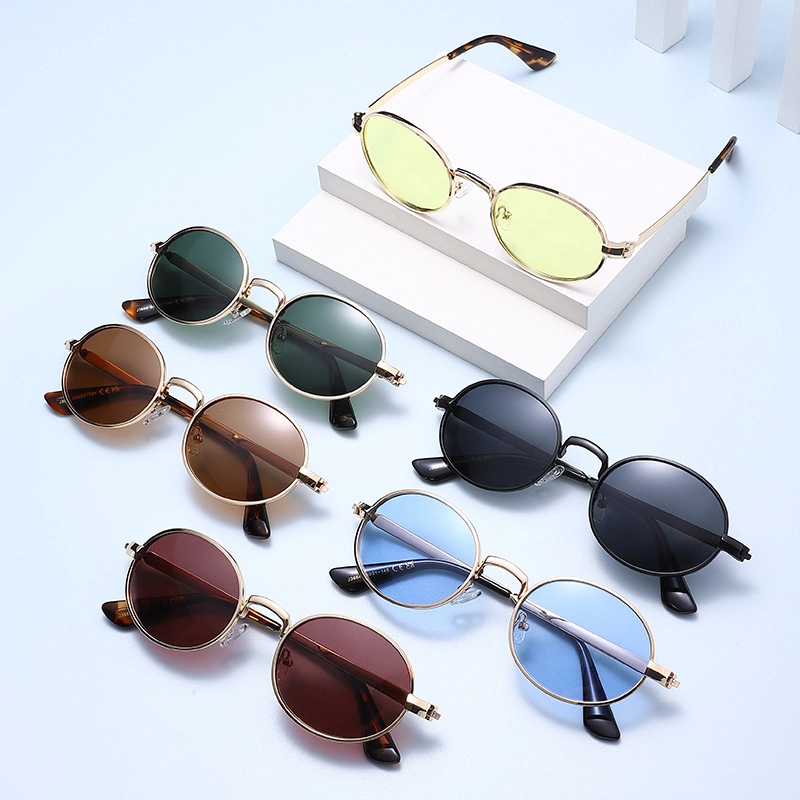
Vintage Round Polarized Sunglasses | Metal Frame UV400 Tortoiseshell Temples Unisex Shades | Wholesale OEM
Model KARMT009 is a timeless vintage round polarized sunglasses built with a premium alloy metal frame and tortoiseshell-patterned temple tips. Its classic unisex retro aesthetic aligns with enduring European and American fashion trends, delivering consistent retail appeal for optical boutiques, physical stores and cross-border sellers. Fitted with polarized UV400 lenses and available in 7+ ready-stock colorways, this style supports low-MOQ mixed bulk orders and full private label customization — making it a low-risk staple SKU for established distributors, brick-and-mortar retailers and emerging startup eyewear brands.
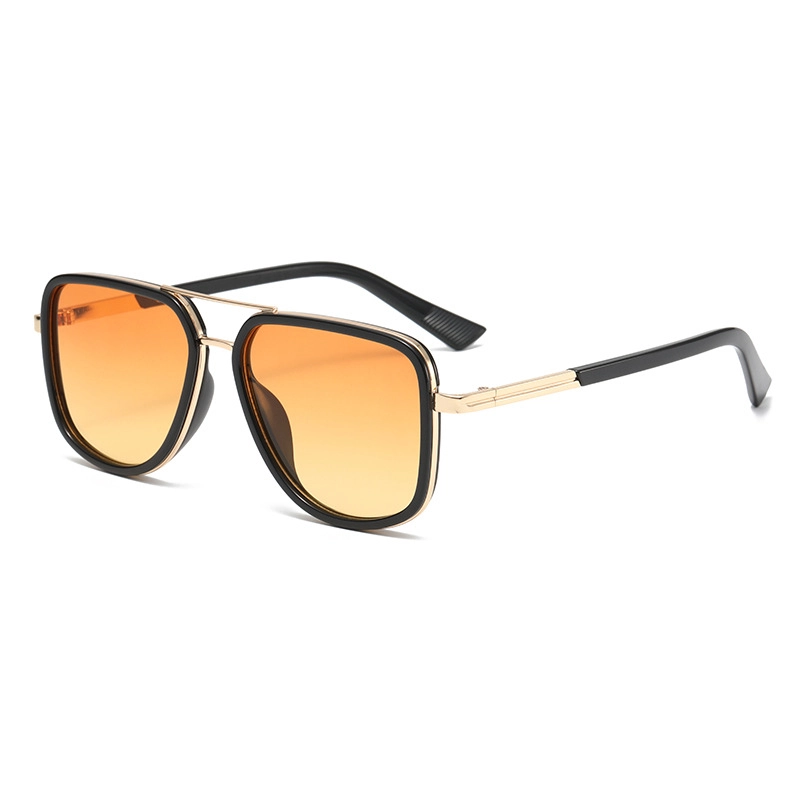
Double Bridge Square Aviator Sunglasses | PC Frame UV400 Polarized Optional Unisex Shades | Wholesale
Get a Free Quote
If you have any comments or good suggestions, please leave us a message; later our professional staff will contact you as soon as possible.
NEW DIMENSIONS IN EYEWEAR
Contact KARUSON
Email:
WhatsApp/Phone:
Address:
331 Section B, WanJia Creative Park , No. 1 BUXIA Road ,Tianhe District, Guangzhou City, Guangdong Province, China.

© 2026 KARUSON. All Rights Reserved.
Facebook
Instagram
YouTube
TikTok
Linkedin