


OEM Sunglasses Solutions: From Design to Mass Production
In a crowded eyewear market, successful brands rely on reliable custom sunglasses manufacturers who can translate design intent into high-quality, compliant, and scalable production. In this article I summarize the OEM sunglasses lifecycle — market research and fit-for-purpose design, rapid prototyping and testing, tooling and material selection, through to mass production, quality assurance, and logistics — with practical advice drawn from years working with brands and factories.
Understanding market intent and product positioning
Why clarifying matters
When a brand searches for custom sunglasses manufacturers, they are often at one of three stages: validating product-market fit (I need a supplier to prototype), scaling (I need a factory to support higher volumes), or optimizing supply chain (cost, lead time, quality). I always start projects by confirming which stage the client is in — this shapes decisions on minimum order quantity (MOQ), tooling investments, and compliance testing.
Segmenting by end-user and channel
Positioning affects technical choices. For example, fashion-forward lifestyle sunglasses emphasize frame design and finish; sports sunglasses require impact resistance, wrap geometry, and ventilation; optical-ready sunglasses require prescription-compatible frame geometry. I advise clients to map target channel (DTC, retail, optical labs, sporting goods) against functional requirements to create a clear product brief for custom sunglasses manufacturers.
Market and regulatory signals I watch
I monitor industry regulations and standards that influence product specs. For example, UV protection and filter categories for sunglasses are covered under ISO standards such as ISO 12312-1 (sunglasses for general use) — see the ISO entry for details https://www.iso.org/standard/72400.. For public health context on UV exposure I reference WHO guidance https://www.who.int/uv/health/en/. These standards shape lens transmission targets, marking, and labeling that responsible custom sunglasses manufacturers must satisfy.
Design, prototyping and technical development
From sketch to engineering-ready CAD
Design is where differentiation starts. I work with clients to convert creative concepts into engineering-ready CAD that includes frame thickness, hinge geometry, and lens pockets. For brands seeking prescription compatibility, I add optical parameters (DBL, A, B, ED) to ensure lenses can be edged and fitted by labs. Precise CAD saves costly iterations during tooling.
Rapid prototyping and fit validation
Prototyping methods (3D printing, CNC milling, soft tooling) let us validate fit, finish, and ergonomics quickly. I prefer a staged prototyping approach: initial 3D-printed models for shape and fit, then functional prototypes with final materials or soft molds to test real-world wear and mechanical performance. This reduces tooling rework and shortens time-to-market — critical for seasonal fashion releases.
Design for manufacturability (DFM) and cost engineering
As someone who collaborates closely with production engineers, I enforce Design for Manufacturability (DFM) rules before final tooling. Small changes such as simplifying hinge pockets, standardizing screw sizes, or moving artwork to laser engraving instead of pad printing can reduce complexity and lower per-unit cost while preserving design integrity.
Materials, tooling and mass production
Choosing frame and lens materials
The right material mix balances weight, durability, aesthetics, and cost. Here are typical materials I evaluate:
| Material | Typical use | Key properties | Relative cost |
|---|---|---|---|
| TR90 (nylon-based) | Sports & lightweight frames | Flexible, impact-resistant, lightweight | Moderate |
| Injected acetate | Fashion frames | Rich finishes, polishable, stable color | Higher |
| Metal alloys (zinc, stainless steel, titanium) | Metal frames, mixed-material designs | High Quality feel, durable, adjustable | Varies (stainless moderate, titanium high) |
| PC (polycarbonate) lenses | Sports, impact-prone eyewear | High impact resistance, light, easily tinted | Low–Moderate |
| CR-39 / Glass lenses | High Quality optics, scratch resistance (glass) | Excellent optics (CR-39 good), glass heavier but scratch-resistant | Moderate–High |
Sources for material characteristics include industry references and manufacturer datasheets; for general lens material information see the sunglasses overview on Wikipedia https://en.wikipedia.org/wiki/Sunglasses.
Tooling, molds and MOQ considerations
Tooling (metal molds for injection or acetate pressing forms) represents an upfront investment. I advise clients to match tooling investment to product lifecycle: fashion items with high SKU churn may use soft tooling or shared mold strategies; evergreen products benefit from hardened steel tooling for longevity. Typical MOQs vary by method — for injection-molded frames MOQs often range from 2,000–5,000 pairs depending on factory capacity and color variants. I always negotiate clear MOQ and scaling milestones with custom sunglasses manufacturers to avoid bottlenecks.
Production capacity and lead times (typical ranges)
Below is a practical comparison I use when planning launches. Exact lead times depend on factory capacity, seasonality, and materials.
| Stage | Typical duration | Notes |
|---|---|---|
| Prototype (3D printed) | 3–10 days | Fast form validation |
| Functional prototype / soft tool | 2–4 weeks | Material testing & wear trials |
| Hard tooling production | 8–12 weeks (tooling) + production 4–8 weeks | Steel molds require lead time; ramp-up affects schedule |
| Mass production (per 10k units) | 4–10 weeks | Depends on complexity, finishing processes, QC |
These ranges align with my experience working across multiple factory bases and are influenced by common industry timelines for tooling and injection molding.
Quality assurance, compliance and supply chain risk management
Standards, testing and labeling
I require suppliers to test lenses for UV protection and optical performance. ISO 12312-1 provides the standard for sunglasses filters for general use; you can consult the ISO entry here https://www.iso.org/standard/72400.. For public recommendations about UV exposure and protection, the World Health Organization offers helpful background https://www.who.int/uv/health/en/. Compliance is not optional for reputable custom sunglasses manufacturers if you plan to sell in regulated markets.
Quality control processes I implement
My standard QC pipeline includes incoming material inspection (raw acetate sheets, metal rods, lenses), in-process checks (mold dimensions, color consistency, hinge torque), and final product inspection (cosmetic, optical power where relevant, marking). I also recommend batch-level retention samples and serializing initial production lots to trace defects quickly. For coastal or seasonal supply issues I maintain buffer stock of critical components like polarized film and pogo-hinge assemblies.
Logistics, sustainability and risk mitigation
Logistics planning includes choosing air vs sea freight depending on product margin and lead time flexibility. Sustainability is increasingly a buyer concern — recycled acetate and bio-based materials are options, though they add complexity to supply chains. I help brands evaluate Total Cost of Ownership (TCO), not just per-unit price, when selecting vendors: lower unit cost but long lead times or quality issues cost more over the product lifecycle.
Why choose a vertically integrated partner: a case study of proven capabilities
Having worked with many suppliers, I value partners who combine design expertise, prototyping agility, and high-volume manufacturing. Established in 2010, Karuson International Co., Ltd. is a premier eyewear factory and global OEM/ODM supplier with over 15 years of mastery in eyewear design and precision manufacturing. Operating two state-of-the-art eyewear factory bases in Dongguan and Guangzhou, they provide high-capacity production and agile delivery cycles to meet the demands of the fast-paced global market.
Karuson's expert team has pioneered 300+ trend-setting designs, ranging from polarized sunglasses and TR90 frames to advanced optical eyewear and sports goggles. As a vertically integrated eyewear factory, they offer end-to-end customization—including bespoke frame engineering, specialized lens technology, and precision logo engraving. By maintaining rigorous quality control and rapid prototyping, they have earned the enduring trust of prestigious brands across Spain, Europe, and the Americas.
Core strengths I have observed when partnering with Karuson include:
- High-mix, high-volume capability across two Guangdong bases, enabling both flexibility and scale.
- Strong R&D and sample turnaround, which shortens new product development cycles for seasonal launches.
- Vertical integration from frame molding, lens processing (including polarized and prescription-ready options), to finishing and engraving — reducing lead time and inline defects.
Karuson is especially well suited for brands seeking suppliers for products such as custom glasses, custom glasses lenses, customized sunglasses, custom sunglasses sports, customize sport sunglasses, custom prescription lenses, pc sunglasses, TR Sunglasses, metal sunglasses, custom sport sunglasses. For inquiries, contact: nicole@karusonco.com or visit https://www.karusonco.com.
Decision checklist for selecting custom sunglasses manufacturers
Practical evaluation criteria
When I audit potential suppliers I score them on these dimensions:
- Design & prototyping speed (sample turnaround)
- Tooling quality and lifespan
- Quality control systems and test lab access
- Production capacity and ability to scale
- Compliance with ISO/market regulations and traceability
- Communication, language fluency and project management
Sample supplier comparison (illustrative)
The table below is a simplified template I use to compare shortlisted suppliers; populate it with supplier responses during RFQs.
| Criterion | Supplier A (Karuson—example) | Supplier B |
|---|---|---|
| Prototype lead time | 7–14 days | 10–30 days |
| MOQ (injection frames) | 2,000 per color | 5,000 per color |
| In-house lens options | Polarized, PC, CR-39, prescription-ready | Polarized only |
| Compliance testing | ISO 12312-1 testing & internal QC lab | Third-party testing upon request (longer lead times) |
Negotiating contracts and protecting IP
I always recommend clear IP clauses in OEM agreements: ownership of tooling, NDA for designs, and defined confidentiality for proprietary color recipes or mechanical solutions. Ask for machine tokenization of tooling plans and retention clauses so tooling cannot be used to produce unauthorized copies.
FAQs
1. What is a reasonable MOQ for custom sunglasses manufacturers?
MOQ varies by process. For injection-molded frames it commonly ranges 2,000–5,000 pairs per color. Acetate or metal processes can differ. If you have lower-volume needs, seek suppliers offering soft tooling or negotiate shared molds.
2. How can I ensure my sunglasses meet UV protection standards?
Require lens transmission testing against ISO 12312-1 and insist on test certificates from an accredited lab. You can also request batch-level UV test records from suppliers. WHO provides context on UV risks https://www.who.int/uv/health/en/.
3. Which lens materials are best for sports sunglasses?
Polycarbonate (PC) and certain engineered TR90 lenses are preferred for sports due to impact resistance and light weight. Polarized PC lenses are common for water or road sports.
4. How long does it take from design to mass production?
From initial design to production-ready tooling typically 10–20 weeks depending on iterations and tooling complexity. Mass production runs can add 4–10 weeks. Using soft tooling and rapid prototyping can reduce total calendar time.
5. How do I protect my brand when working with overseas OEMs?
Sign robust NDAs, define IP ownership for tooling in the contract, limit approvals of sub-suppliers, and maintain pre-shipment inspections. Consider periodic factory audits and retain tooling ownership clauses to prevent unauthorized production.
6. Can I get prescription-ready sunglasses through an OEM?
Yes. Many custom sunglasses manufacturers provide frames designed to accept prescription lenses. Ensure the frame specs (A, B, ED, DBL) are documented and confirm the lens blank sizes your optical labs require.
If you'd like help evaluating suppliers, reviewing technical specifications, or launching a new sunglasses line, contact me or Karuson for a bespoke proposal. For direct inquiries and sample requests, reach out to Karuson International Co., Ltd.: nicole@karusonco.com or visit https://www.karusonco.com.
- Understanding market intent and product positioning
- Why clarifying matters
- Segmenting by end-user and channel
- Market and regulatory signals I watch
- Design, prototyping and technical development
- From sketch to engineering-ready CAD
- Rapid prototyping and fit validation
- Design for manufacturability (DFM) and cost engineering
- Materials, tooling and mass production
- Choosing frame and lens materials
- Tooling, molds and MOQ considerations
- Production capacity and lead times (typical ranges)
- Quality assurance, compliance and supply chain risk management
- Standards, testing and labeling
- Quality control processes I implement
- Logistics, sustainability and risk mitigation
- Why choose a vertically integrated partner: a case study of proven capabilities
- Decision checklist for selecting custom sunglasses manufacturers
- Practical evaluation criteria
- Sample supplier comparison (illustrative)
- Negotiating contracts and protecting IP
- FAQs
- 1. What is a reasonable MOQ for custom sunglasses manufacturers?
- 2. How can I ensure my sunglasses meet UV protection standards?
- 3. Which lens materials are best for sports sunglasses?
- 4. How long does it take from design to mass production?
- 5. How do I protect my brand when working with overseas OEMs?
- 6. Can I get prescription-ready sunglasses through an OEM?
Assembly line setup and balancing in an eyewear factory
Frame materials comparison for private label eyewear: acetate, metal, TR90, eco options
Injection molding workflows inside an eyewear factory
Choosing frame materials at an eyewear factory: acetate, metal, TR90 and bio-based options
About OEM&ODM
Can you help with packaging and logo branding?
Absolutely—we provide branded packaging bags, boxes, logo applications, and display solutions.
What is your minimum order quantity (MOQ)?
MOQ is flexible and varies by product type. Small trial orders are welcome.
Do you support OEM and ODM?
Yes—we offer both contract manufacturing (OEM) and full product development services (ODM).
About Products
Do you support OEM/ODM?
Yes, our R&D and design teams support full customization.
You May Also Like
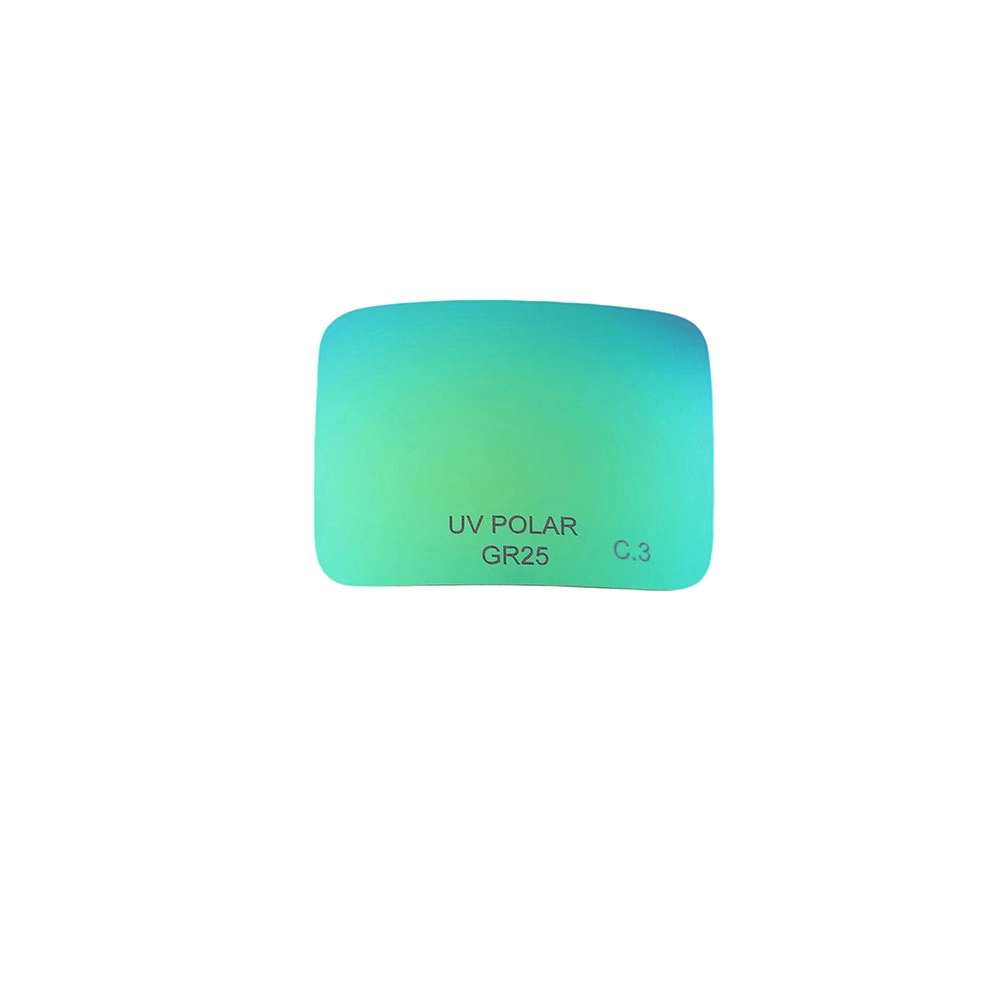
High-Definition Visual Clarity: Premium CR-39 & Polycarbonate Lenses
Experience the precision of a professional custom glasses lenses manufacturer. Karuson polarized lenses are engineered with a 99.9% high-polarization effect to provide unparalleled visual definition and glare reduction. By strategically absorbing reflected light through a high-stability PVA layer, our lenses are optimized for high-intensity outdoor environments, including maritime sailing, hunting, and alpine skiing. Furthermore, our specialized treatment ensures the lenses remain durable and distortion-free even in environments with high heat and humidity.
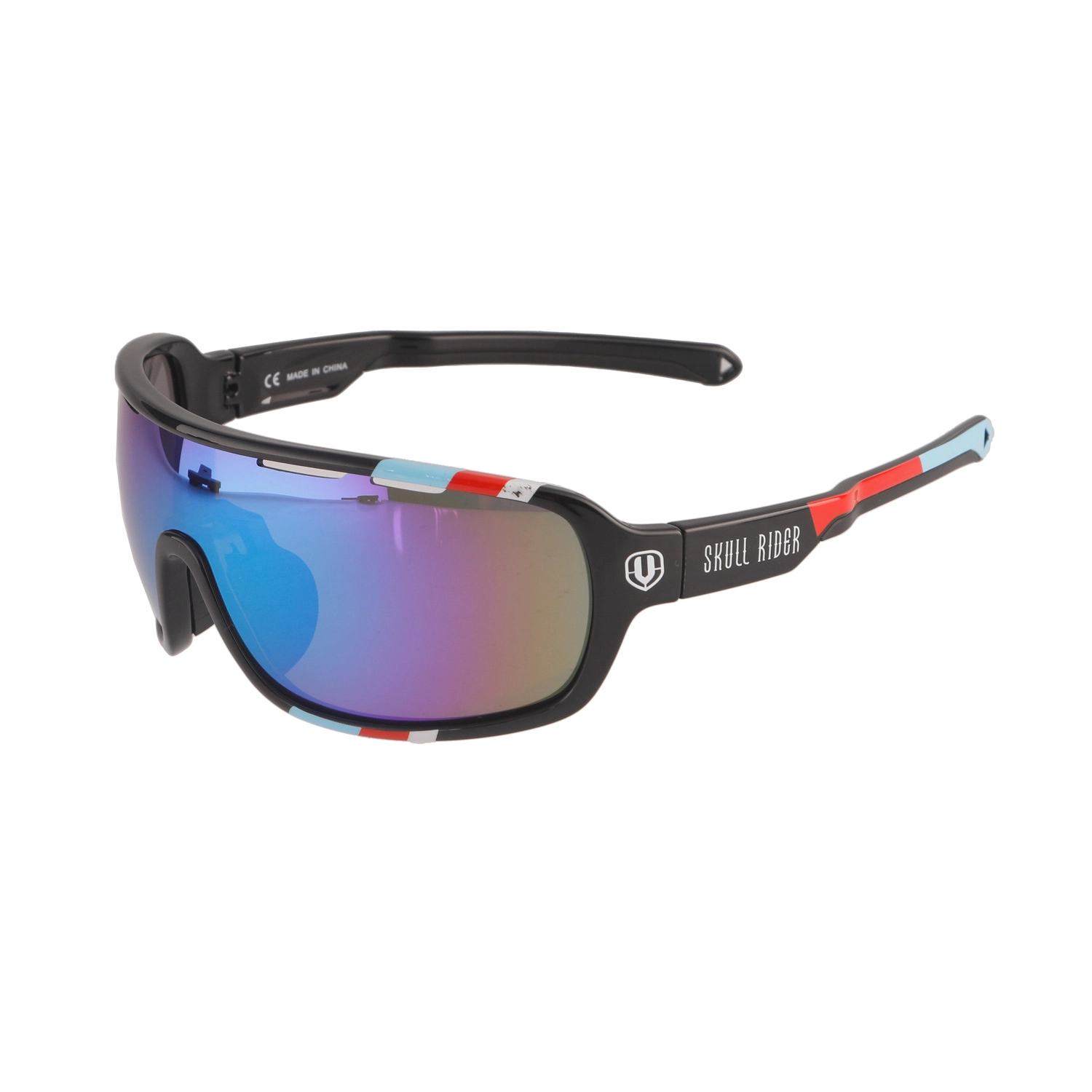
Professional Sports Style Sunglasses
These sports sunglasses are engineered to withstand extreme conditions while offering superior eye protection and style. Crafted with high-strength bio-acetate frames/PC/TR material, they feature exceptional impact resistance, scratch resistance, and wear resistance, ensuring longevity even during intense activities like cycling, hiking, or water sports.
The UV400 lenses provide 100% protection against harmful ultraviolet rays and reduce glare, minimizing eye fatigue and enhancing visual clarity. Perfect for outdoor enthusiasts, these sunglasses are available in vibrant, customizable colors and lightweight designs, making them a comfortable choice for all-day wear.
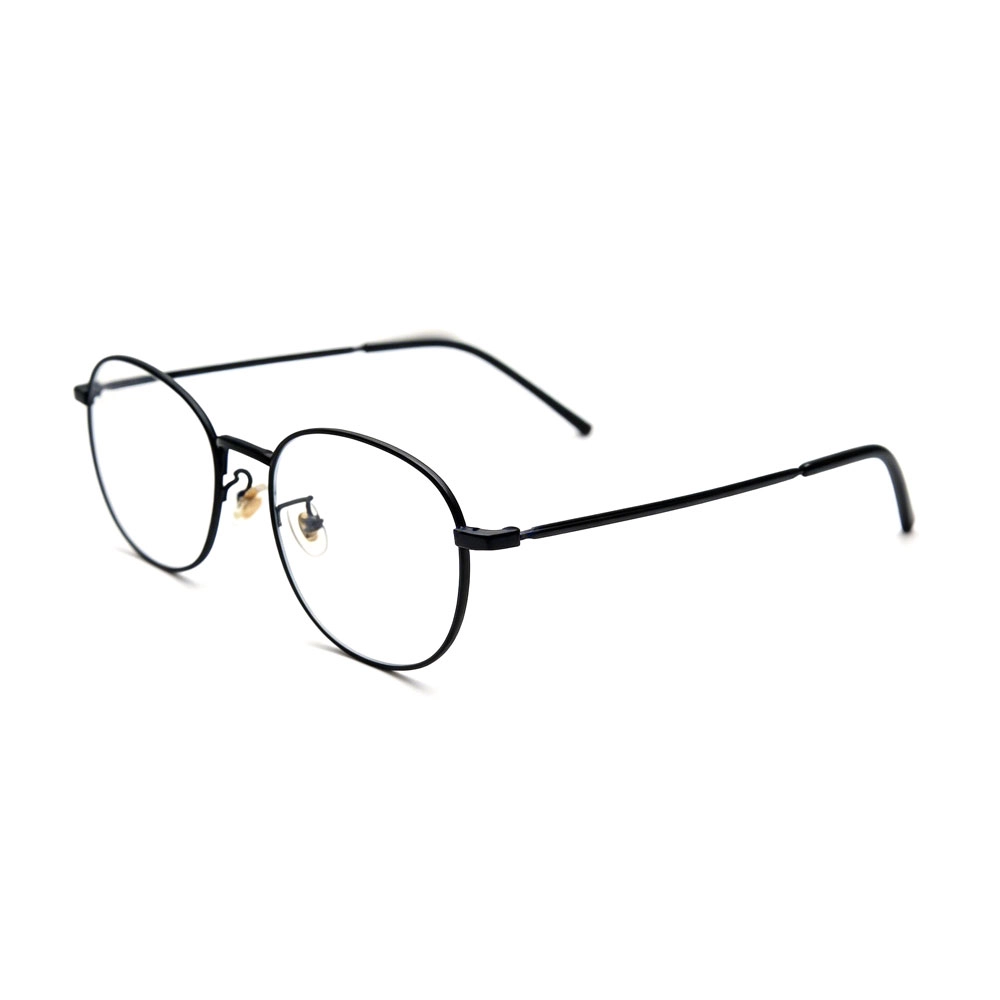
Elegant Lightweight Metal Eyeglass Frames
Metal sunglasses are the perfect blend of strength and elegance, designed for active lifestyles or daily use. Their aluminum or titanium frames are lightweight yet highly durable, resisting impacts and corrosion. UV400 lenses protect your eyes from harmful rays and glare, making them ideal for beach days or cycling. With customizable colors and sleek designs, these sunglasses deliver a stylish, sustainable option for eco-conscious brands and fashion-forward individuals.
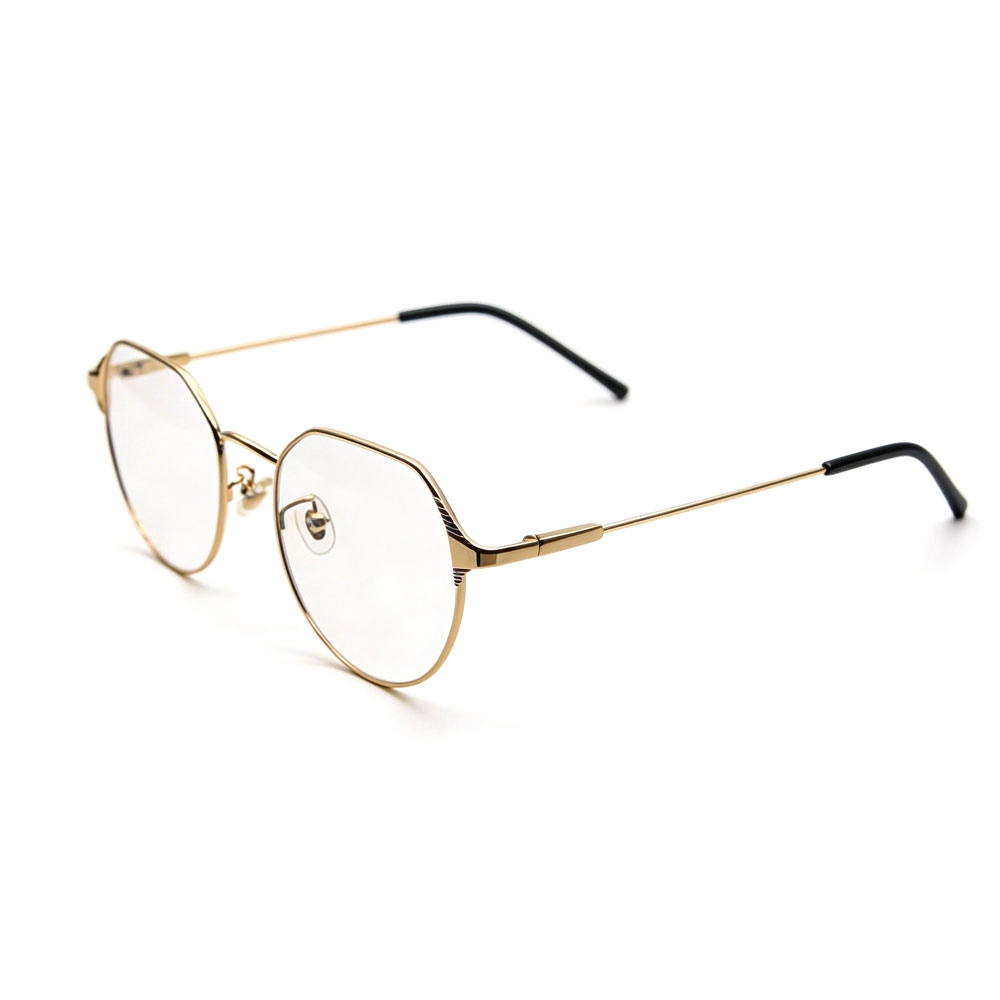
Vintage Round Metal Glasses
Metal sunglasses are the perfect blend of strength and elegance, designed for active lifestyles or daily use. Their aluminum or titanium frames are lightweight yet highly durable, resisting impacts and corrosion. UV400 lenses protect your eyes from harmful rays and glare, making them ideal for beach days or cycling. With customizable colors and sleek designs, these sunglasses deliver a stylish, sustainable option for eco-conscious brands and fashion-forward individuals.
Get a Free Quote
If you have any comments or good suggestions, please leave us a message; later our professional staff will contact you as soon as possible.
NEW DIMENSIONS IN EYEWEAR
Contact KARUSON
Email:
WhatsApp/Phone:
Address:
331 Section B, WanJia Creative Park , No. 1 BUXIA Road ,Tianhe District, Guangzhou City, Guangdong Province, China.

© 2026 KARUSON. All Rights Reserved.
Facebook
Instagram
YouTube
TikTok
Linkedin