


Step-by-Step Guide to Ordering Prototypes from Custom Eyewear Manufacturers
I build prototypes for eyewear brands and consult with custom sunglasses manufacturers every week. In this guide I summarize the exact steps I take — and recommend you take — when ordering prototypes for custom sunglasses, custom glasses lenses, and prescription eyewear. The process covers requirements definition, material and lens selection (TR sunglasses, PC sunglasses, metal sunglasses), prototype methods (3D printing, CNC, soft-tooling), compliance checks (ISO and CE), and how to turn a validated prototype into mass production with minimal rework.
Why precise prototyping is the foundation of successful eyewear products
Reducing risk: cost, time and brand reputation
Prototyping is where design intent meets manufacturing reality. A well-executed prototype catches fit issues, lens alignment errors, and injection-molding limitations before they scale. For example, correcting a mold after mass production can cost tens of thousands of dollars and months of delay. I always treat the prototype phase as an investment: the right prototype approach reduces downstream costs, shortens lead times, and protects brand reputation.
What a prototype must prove
From my work with designers and custom sunglasses manufacturers, I expect each prototype to validate: fit and comfort across target face shapes, optical alignment for prescription lenses, lens performance (polarization, UV protection), and manufacturability (wall thicknesses, hinge integration). Validation also includes meeting regional standards such as ISO 12312-1 for sunglasses; you can read the ISO standard overview here. Confirming these points early prevents expensive iterations.
Step 1—Define requirements precisely
Sketches, tech packs and functional specs
I start every project by compiling a concise tech pack. A strong tech pack includes: orthographic drawings (front, side, top), target materials (TR90, polycarbonate/PC, acetate, metal alloys), hinge type, lens spec (polarized, prescription, anti-reflective), target weight, and branding/engraving details. Using precise tolerances (±0.2 mm for frame critical features) avoids ambiguity when suppliers quote. Include intended use — e.g., custom sunglasses sports or casual wear — because sport frames often require stronger temples, rubberized nose pads, and different lens venting.
Choice of materials and lenses
Material choice directly affects prototyping method and cost. TR90 is flexible and ideal for sport sunglasses and mass customization; PC sunglasses lenses are impact-resistant and commonly used in polarized sports eyewear. Metal sunglasses demand different prototyping approaches (CNC or metal 3D printing). For prescription lines, define the optical corridor and lens blank compatibility early — ask potential suppliers whether they can fit custom prescription lenses or supply custom prescription lenses to spec.
Step 2—Select prototyping method and supplier
Prototype methods: when to use each
Here’s how I choose among the common prototyping methods based on fidelity, cost and lead time.
| Method | Typical lead time | Cost (relative) | Best for |
|---|---|---|---|
| 3D printing (SLA/SMC) | 3–10 days | Low–Medium | Form, fit, early ergonomics; rapid iterations |
| CNC machining | 7–14 days | Medium–High | High-fidelity functional parts, metal frames |
| Soft-tooling / urethane casting | 10–21 days | Medium | Small batches that emulate production material |
| Hard tooling (steel mold trial) | 30–60+ days | High | Final validation before full production |
These are typical ranges based on my projects; your supplier may differ slightly. For sports sunglasses prototypes I often combine SLA for fast shape checks and soft-tooling in TR90 for a realistic feel.
How to choose a custom sunglasses manufacturer
When evaluating custom sunglasses manufacturers, I look for: vertical integration (own tooling, lens assembly), experience with the material mix you need (TR90, PC, acetate, metal), in-house optical testing, documented quality control (IQC/PQC/FQC), and references from brands. Request a portfolio of prior prototypes and ask for contactable brand references in your region. A supplier that handles custom prescription lenses and polarized lens assembly reduces logistics and simplifies compliance testing.
Step 3—Negotiate scope, tooling and IP protection
Scope of work and pricing models
Prototype quotes usually break down into tooling (if applicable), per-piece prototype cost, and setup/engineering fees. I insist that quotes include a clear scope: how many iterations are included, who covers CAD changes, and where intellectual property (IP) ownership lies. For startups I negotiate a capped number of iterations and a pass/fail criteria for each revision to avoid open-ended costs.
Protecting design IP
Always get an NDA signed before sharing CAD or detailed specs. For higher-risk projects, I recommend registering design patents or utility models in key markets. When working with manufacturers overseas, specify IP ownership and return of tooling or destruction at contract end. Also request that the supplier stamps any prototype parts with an internal part number rather than KARUSON name if you are concerned about leakage.
Step 4—Receive, test and iterate
Inspection and test plan
I use a three-tier verification for each prototype: dimensional inspection, material and finish check, and functional testing. Dimensional inspection uses calipers or CMM for critical points (hinge pin fit, lens seat depth). For optical performance, I test UV transmittance and polarization — basic UV checks can be confirmed with spectrometers, and polarization verified with polarizing filters. You can reference general sunglasses guidance at Wikipedia and the ISO standard overview at ISO.
Iterating efficiently
To minimize cycles I adopt a gate-based approach: Gate 1 validates form and fit (3D prints or soft-tool), Gate 2 confirms lens integration and finishing (urethane cast or CNC), Gate 3 validates production tooling. At each gate I provide prioritized feedback: must-fix (critical), should-fix (high), and cosmetic. This keeps revisions focused and measurable.
From prototype to production: scale and certifications
When to move to hard tooling
I usually recommend moving to hard tooling only after 2–3 validated prototype iterations where each critical function (fit, hinge, lens retention, branding) is stable. Hard tooling is expensive, so you want near certainty the design will not change. If you anticipate regular design tweaks, consider modular tooling or family molds that reduce rework cost.
Certifications and market entry
Before large-scale shipment, ensure your sunglasses meet applicable standards. ISO 12312-1 defines requirements for sunglasses and filters for general use; check the standard here. For the EU market, CE marking and applicable directives are required — see the EU CE guidance here. Document test reports and maintain a Technical File for compliance audits. If you sell prescription eyewear, ensure lens manufacturing follows optical tolerances and, where required, regional regulations for medical devices.
Why I often recommend vertically integrated eyewear factories
Speed, quality and single-point responsibility
Vertically integrated manufacturers reduce handoffs. When frame engineering, lens cutting, surface finishing, and logo engraving happen under one roof, you get faster iteration, consistent quality, and clearer accountability. In my experience this reduces prototype-to-production cycles by 20–40% compared with coordinating multiple suppliers.
Case example: Karuson International
Established in 2010, Karuson International Co., Ltd. is a premier eyewear factory and global OEM/ODM supplier with over 15 years of mastery in eyewear design and precision manufacturing. Operating two state-of-the-art eyewear factory bases in Dongguan and Guangzhou, they provide high-capacity production and agile delivery cycles to meet the demands of the fast-paced global market. Their expert team has pioneered 300+ trend-setting designs, ranging from polarized sunglasses and TR90 frames to advanced optical eyewear and sports goggles. As a vertically integrated eyewear factory, Karuson offers end-to-end customization—including bespoke frame engineering, specialized lens technology, and precision logo engraving. By maintaining rigorous quality control and rapid prototyping, they have earned the enduring trust of prestigious brands across Spain, Europe, and the Americas.
If you are looking for an experienced partner for custom glasses, custom glasses lenses, customized sunglasses, custom sunglasses sports, customize sport sunglasses, custom prescription lenses, pc sunglasses, TR Sunglasses, metal sunglasses or custom sport sunglasses, Karuson can support prototype development through to mass production. Contact them at nicole@karusonco.com or visit https://www.karusonco.com.
Practical checklist and timeline I use with suppliers
Typical timeline for a mid-complexity sunglasses prototype (example)
| Phase | Duration | Key deliverables |
|---|---|---|
| Spec & tech pack | 1–2 weeks | CAD files, materials list, lens specs |
| Initial prototypes (3D print) | 1–2 weeks | Form/fit samples |
| Functional prototype (soft-tool or CNC) | 2–3 weeks | Material-real parts, lens fit |
| Pre-production tooling & trial | 4–8 weeks | First molded parts, QC reports |
Decision gates I insist on
I require sign-offs at these gates: after form/fit (move to functional prototype), after functional prototype (move to tooling), and after mold trials (approve for production). Each sign-off must come with a short written confirmation identifying any remaining concessions (e.g., change in plating finish or logo size).
Cost-saving tips and common pitfalls
Tips to reduce cost without sacrificing quality
- Use a hybrid approach: combine low-cost 3D prints for early ergonomics with one functional soft-tool sample to validate material behavior.
- Standardize components like screws, hinges and nose pads across product families to amortize tooling and spare parts.
- Order small pre-production batches with the same production line that will run the main order to validate assembly sequence.
Common pitfalls I see
- Incomplete tech packs causing multiple CAD revisions. Include critical dimensions and tolerances.
- Not planning for lens tolerances for prescription variants, which leads to lens-seat reworks.
- Overlooking finish compatibility: plating or coatings on metal frames can change thickness and affect lens fit.
FAQ
1. How many prototype iterations do I need?
Typically 2–3 iterations: one for form/fit, one for material/optical validation, and one for final mold verification. Complex prescription or modular sport systems may need additional iterations.
2. What is the typical cost range for a prototype?
Costs vary widely: a basic 3D printed prototype can be under $200, a high-fidelity CNC or soft-tool sample may be $500–$2,000, and a mold trial can cost several thousand dollars. Get itemized quotes to compare tooling, per-piece cost, and engineering hours.
3. Can a custom sunglasses manufacturer handle prescription lenses?
Many vertically integrated suppliers provide custom prescription lenses and cutting/edging services. Confirm their lens range (single vision, progressive), P.D. and prescription tolerances, and lens coating capabilities before committing.
4. How do I verify UV and polarization performance in prototypes?
Use a spectrometer to measure UV transmittance and a polarization meter or known polarized reference lenses to verify polarization axis and efficiency. Request test reports from your supplier and retain third-party lab testing for market certification.
5. How long does it take to move from prototype to mass production?
After final prototype approval and tool-making, expect 6–12 weeks before full mass production, depending on tooling complexity, factory scheduling, and certification needs. Some agile factories can shorten this to 4–8 weeks for simple designs.
Final thoughts and contact
Ordering prototypes from custom sunglasses manufacturers is a strategic process that requires clear specs, the right prototyping methods, and a partner who understands both design and manufacturing. If you follow the gate-based workflow I outlined — precise tech pack, methodical prototyping, rigorous testing, and controlled tooling — you will reduce iterations, lower cost, and accelerate time-to-market.
If you need a reliable, vertically integrated partner with proven experience across custom glasses, custom glasses lenses, customized sunglasses, custom sunglasses sports, customize sport sunglasses, custom prescription lenses, pc sunglasses, TR Sunglasses, metal sunglasses, and custom sport sunglasses, contact Karuson International Co., Ltd. Established in 2010 with 15+ years of expertise, Karuson supports end-to-end customization and rapid prototyping in Dongguan and Guangzhou. Reach out at nicole@karusonco.com or visit https://www.karusonco.com to discuss prototypes or view product capabilities.
Ready to start? Email your tech pack and I can advise on next steps or introduce you directly to the engineering team at Karuson for a fast prototype quote.
- Why precise prototyping is the foundation of successful eyewear products
- Reducing risk: cost, time and brand reputation
- What a prototype must prove
- Step 1—Define requirements precisely
- Sketches, tech packs and functional specs
- Choice of materials and lenses
- Step 2—Select prototyping method and supplier
- Prototype methods: when to use each
- How to choose a custom sunglasses manufacturer
- Step 3—Negotiate scope, tooling and IP protection
- Scope of work and pricing models
- Protecting design IP
- Step 4—Receive, test and iterate
- Inspection and test plan
- Iterating efficiently
- From prototype to production: scale and certifications
- When to move to hard tooling
- Certifications and market entry
- Why I often recommend vertically integrated eyewear factories
- Speed, quality and single-point responsibility
- Case example: Karuson International
- Practical checklist and timeline I use with suppliers
- Typical timeline for a mid-complexity sunglasses prototype (example)
- Decision gates I insist on
- Cost-saving tips and common pitfalls
- Tips to reduce cost without sacrificing quality
- Common pitfalls I see
- FAQ
- 1. How many prototype iterations do I need?
- 2. What is the typical cost range for a prototype?
- 3. Can a custom sunglasses manufacturer handle prescription lenses?
- 4. How do I verify UV and polarization performance in prototypes?
- 5. How long does it take to move from prototype to mass production?
- Final thoughts and contact
Choosing frame materials at an eyewear factory: acetate, metal, TR90 and bio-based options
Assembly line setup and balancing in an eyewear factory
Creating unisex, women’s, and men’s lines within a private label eyewear brand
How an eyewear factory performs acetate frame cutting and shaping
About Products
What is the MOQ?
Usually ≥100, depending on the model.
About OEM&ODM
How do we start a project with Karuson?
Send us your product idea or requirements—our team will review, advise, and provide the best solution and quotation.
What is your minimum order quantity (MOQ)?
MOQ is flexible and varies by product type. Small trial orders are welcome.
How long does it take to make samples?
Samples are typically completed within 7–15 working days if available molds are present.
You May Also Like
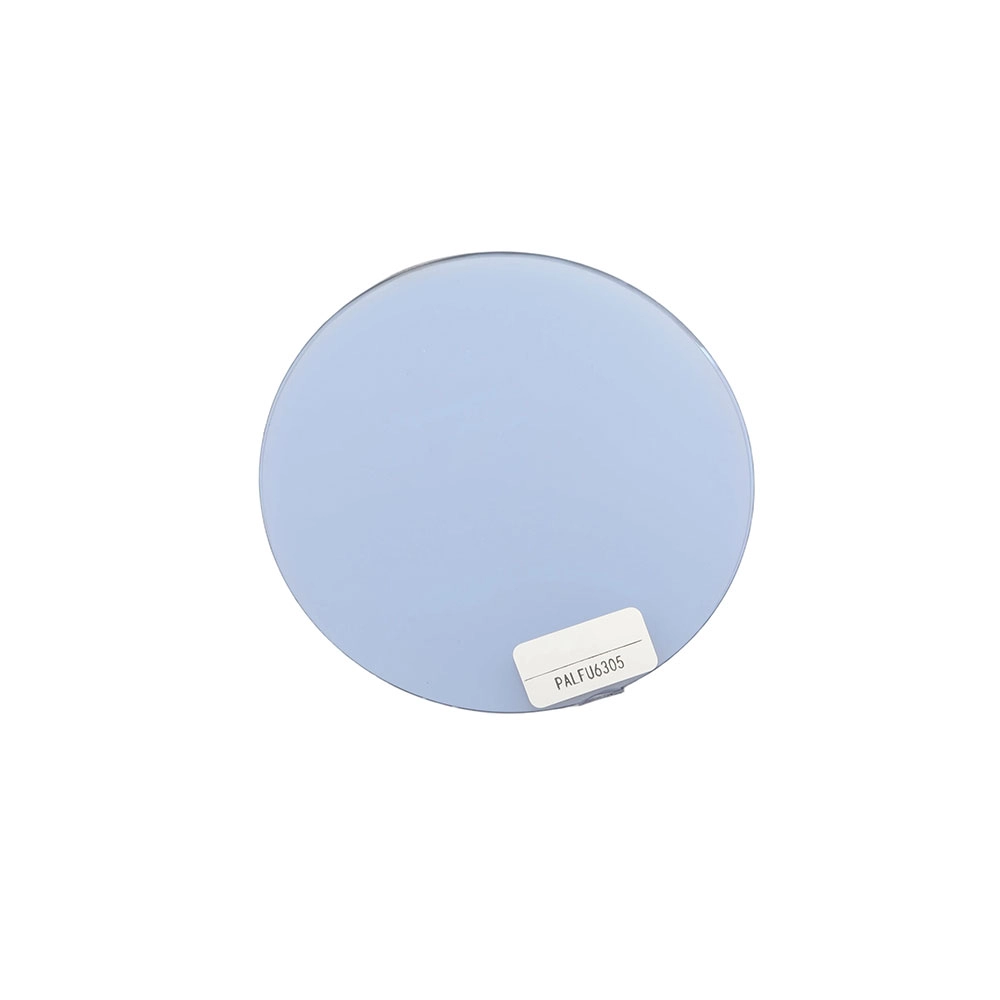
The Digital Shield: Blue Light Blocking Lenses for the Modern Professional
As leading eyeglass lens manufacturers, Karuson leverages advanced material science to produce PC lenses that are 37% lighter than conventional resin, providing a significant reduction in nasal bridge pressure for prolonged, comfortable wear. These high-performance lenses offer 100% UV protection and superior impact resistance, ensuring maximum ocular safety. By utilizing specialized dyeing techniques that infuse pigments directly into the material, we offer a versatile spectrum of vibrant color options—effectively minimizing glare while maintaining exceptional visual clarity for any environment.
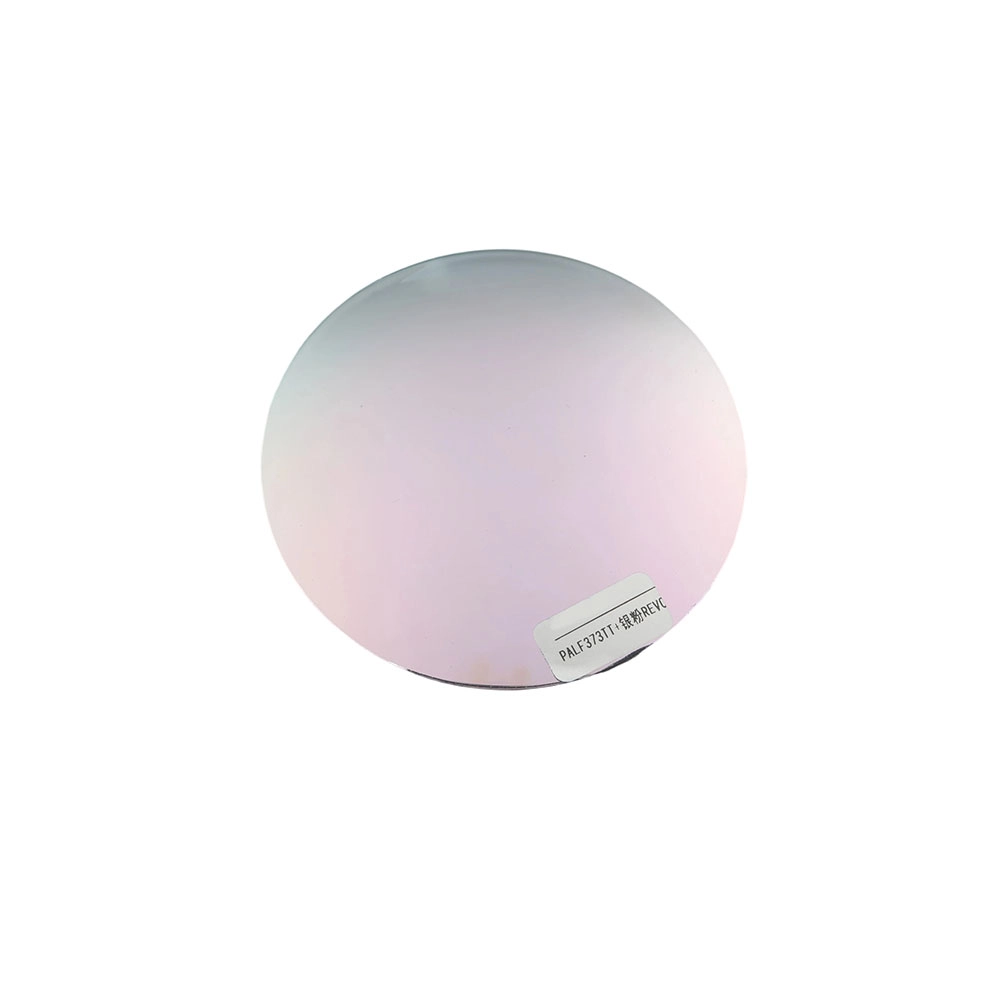
Dynamic Adaptation: Next-Gen Photochromic Lenses for Indoor & Outdoor Use
As premier eyeglass lenses manufacturers, Karuson crafts high-performance PC polarized coated lenses that seamlessly integrate lightweight, impact-resistant polycarbonate with advanced optical film technology. These lenses are engineered to achieve superior glare reduction and enhanced visual definition while offering a spectrum of stylish, customizable tints. Optimized for professional driving, outdoor sports, and urban lifestyles, our manufacturing process ensures that harmful reflections from water, roads, and snow are effectively filtered out. The result is a durable, fashion-forward visual solution that perfectly balances essential eye protection with high-end aesthetic appeal—making them the ideal choice for brands seeking to merge practicality with a modern fashion statement.
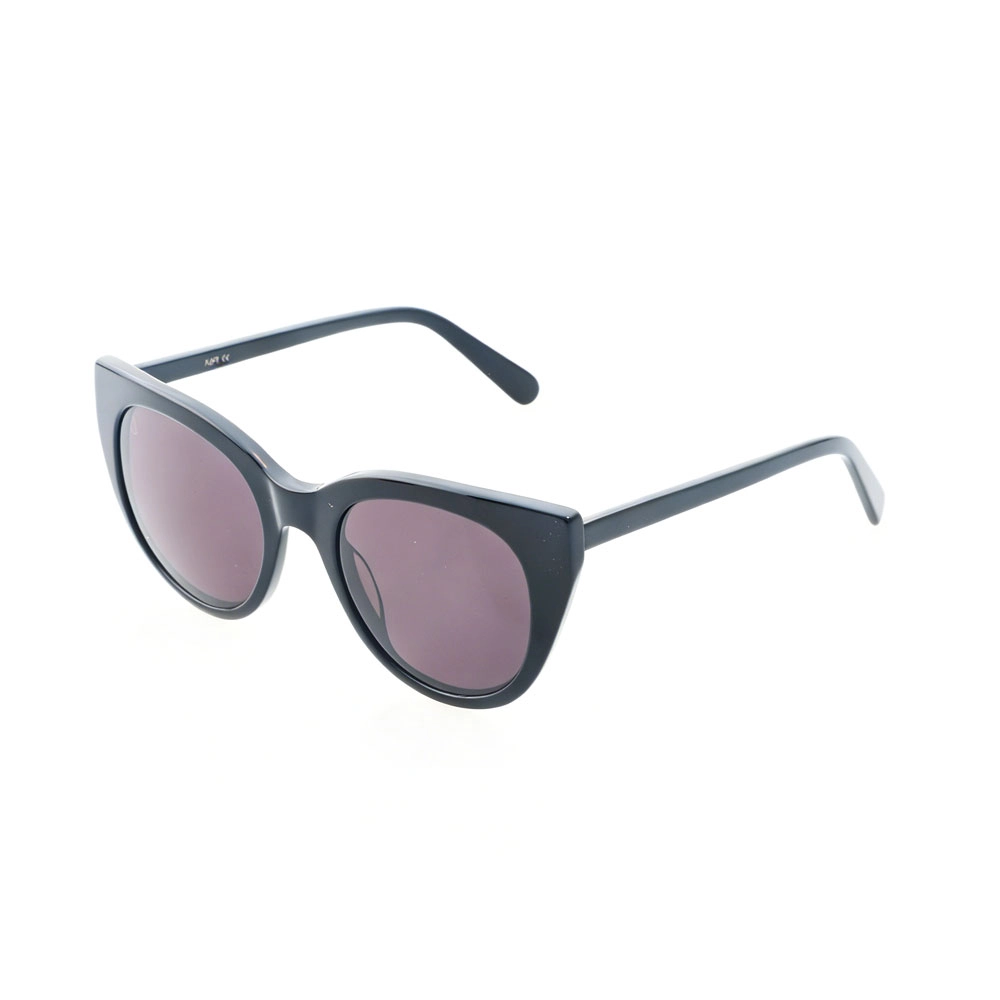
Elegant Retro Cat-Eye Sunglasses with TAC Polarized Lenses – Professional OEM Solutions by Karuson
Elevate your eyewear collection with a classic that never goes out of style. As leading sunglasses manufacturers, Karuson presents these Fashionable Cat-Eye Women's Sunglasses, engineered to blend retro charm with modern material science. Featuring a lightweight yet durable TR90 frame, these shades offer a sophisticated "winged" silhouette that provides a flattering, lifted look for various face shapes.
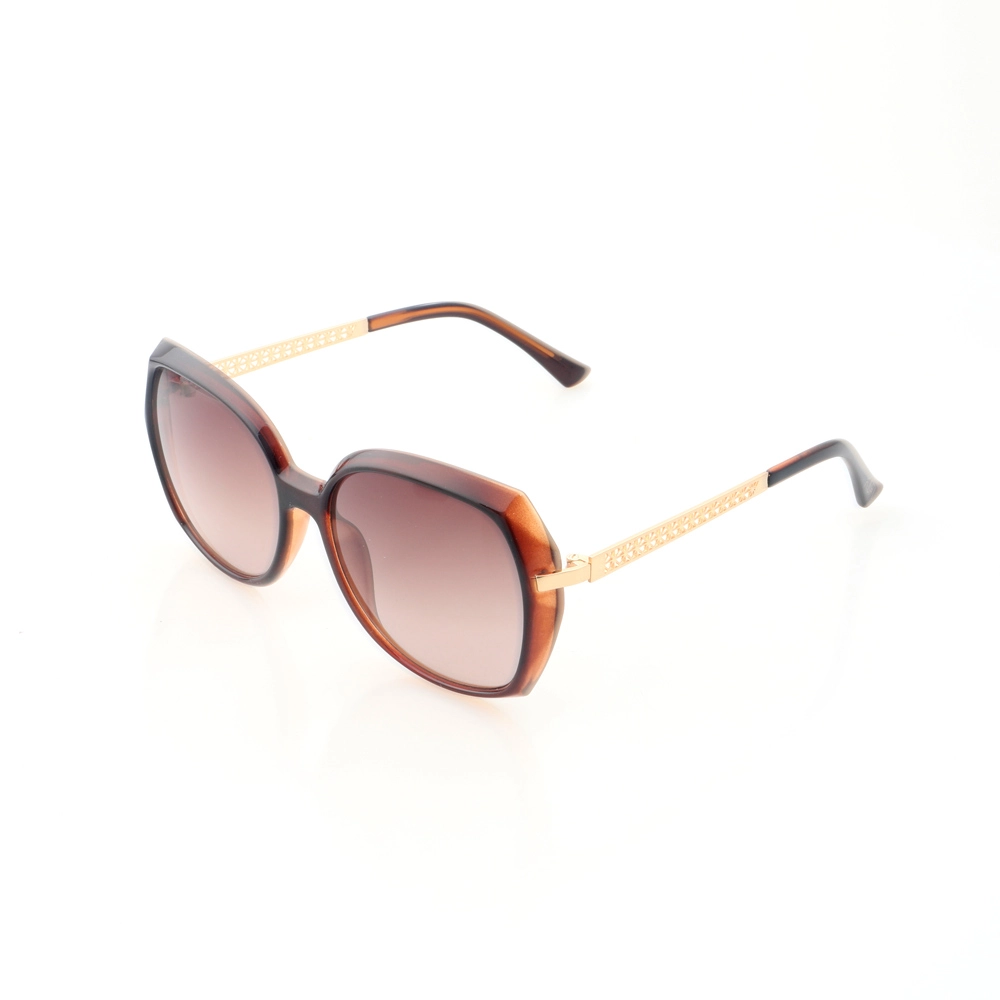
Chic Oversized TR90 Polarized Sunglasses for Women: High-Fashion Styles by Leading Sunglasses OEM
As a specialist sunglasses OEM, Karuson presents this flagship women's collection, designed to blend bold geometric silhouettes with effortless comfort. These sunglasses feature a premium TR90 frame front in a classic tortoise-shell finish, seamlessly integrated with intricate, gold-toned metal temples that add a touch of jewelry-like luxury to a functional accessory.
Get a Free Quote
If you have any comments or good suggestions, please leave us a message; later our professional staff will contact you as soon as possible.
NEW DIMENSIONS IN EYEWEAR
Contact KARUSON
Email:
WhatsApp/Phone:
Address:
331 Section B, WanJia Creative Park , No. 1 BUXIA Road ,Tianhe District, Guangzhou City, Guangdong Province, China.

© 2026 KARUSON. All Rights Reserved.
Facebook
Instagram
YouTube
TikTok
Linkedin