


Polarized Sunglasses Lens Colors Explained for Different Outdoor Applications
Choosing the right lens color for polarized sunglasses is one of the most consequential decisions an outdoor enthusiast, athlete, or eyewear buyer can make — yet it remains one of the most misunderstood. After 15 years working directly inside the eyewear factory supply chain, collaborating with brands across Europe, the Americas, and Asia, I have seen firsthand how the wrong tint can ruin an experience just as surely as having no eye protection at all. Polarized lenses eliminate horizontal glare by filtering reflected light through a laminated filter, a technology validated by the U.S. Food and Drug Administration's guidance on sunglass lens performance. But polarization alone is only half the equation. The color of the lens tint determines which wavelengths of light reach your eye, shaping contrast, depth perception, and visual comfort in ways that vary dramatically depending on the environment. In this guide I will walk you through every major lens color, explain the optical science behind each, and show you exactly which outdoor application each one serves best.
How Polarized Lens Tints Shape Your Visual Experience Outdoors
The Science Behind Tint and Light Transmission
Every lens tint works by selectively absorbing certain wavelengths of the visible light spectrum. A darker tint reduces overall visible light transmission (VLT), which is ideal in high-brightness environments. A lighter tint maintains higher VLT, preserving enough light for low-contrast or overcast conditions. According to the American Academy of Ophthalmology, the combination of UV400 protection and appropriate tint density is essential for long-term eye health during outdoor exposure. When you add polarization to the equation, you are not just managing brightness — you are eliminating the blinding horizontal glare that bounces off water, snow, roads, and glass. The interplay between polarization and tint color is what makes lens selection a genuine science rather than a cosmetic choice.
Why One Tint Does Not Fit All Activities
I have consulted with dozens of brand buyers who initially wanted a single universal lens color for their entire product line. My answer is always the same: that approach will cost you customer satisfaction. A deep gray lens that performs brilliantly on open ocean water will wash out the subtle terrain variations a mountain biker needs to see on a shaded trail. A rose-tinted lens that enhances contrast in flat light skiing conditions will cause eye strain on a bright beach. The outdoor environment — its ambient light level, the surfaces present, and the speed at which the user is moving — must dictate the lens color choice. Understanding this principle is the foundation of building a high-performing polarized sunglasses product line.
VLT Ranges and Their Practical Meaning
Visible light transmission is the percentage of light a lens allows through. Category 0 lenses (VLT 80–100%) are essentially clear. Category 1 (VLT 43–80%) suits low light. Category 2 (VLT 18–43%) covers general use. Category 3 (VLT 8–18%) handles bright sun, and Category 4 (VLT 3–8%) is reserved for extreme alpine or glacial environments. ISO 12312-1, the international standard for sunglasses, defines these categories and sets the framework within which responsible eyewear factories engineer their lens specifications. When I specify lens tints for custom orders, VLT is always the first number I look at before anything else.
A Color-by-Color Breakdown for Every Major Outdoor Setting
Gray Lenses — The All-Conditions Benchmark
Gray is the most neutral of all polarized lens tints. It reduces brightness evenly across the entire visible spectrum without shifting color perception, which means the world looks natural rather than artificially enhanced. For driving, open-water fishing, and beach environments, gray polarized lenses are my top recommendation. They are particularly effective on highly reflective surfaces because the polarizing filter eliminates glare while the gray tint manages overall brightness without distorting traffic signal colors — a critical safety consideration confirmed by research on color discrimination and driving safety published in the National Institutes of Health database. VLT typically falls in the 12–18% range for outdoor gray lenses, making them a Category 3 option suited for full sun conditions. If a brand partner asks me for a single lens color that will satisfy the broadest customer base, gray is always my first answer.
Brown and Amber Lenses — Contrast Enhancers for Variable Terrain
Brown and amber tints filter blue light more aggressively than gray, which increases contrast and depth perception. This makes them exceptional for activities where reading terrain is critical: freshwater fishing, hiking, trail running, and golf. When I am on a river bank testing prototype polarized sunglasses for a fishing brand client, the difference between gray and amber is immediately apparent — amber makes the riverbed structure visible in a way gray simply cannot replicate. The warm tones also reduce eye fatigue in partly cloudy conditions where light levels fluctuate. VLT for brown lenses typically sits between 15–25%, offering versatility across changing weather. For golf specifically, the contrast enhancement helps players read green undulations and track ball flight against a blue sky with remarkable precision.
Green Lenses — Balanced Performance for General Outdoor Use
Green tints occupy a middle ground between the neutrality of gray and the contrast boost of brown. They transmit green wavelengths preferentially, which aligns with the peak sensitivity of the human eye and reduces overall fatigue during extended wear. I recommend green polarized lenses for cycling, tennis, and general outdoor recreation where the user spends long hours in variable light. The tint maintains accurate color rendering while still providing meaningful contrast enhancement — a combination that is difficult to achieve with other colors. Many of the European sport brands I work with have standardized on green as their everyday outdoor lens precisely because it performs reliably across a wide range of conditions without the color shift that can disorient users in fast-moving sports.
Yellow and Rose/Red Lenses — Low Light and High-Speed Sports Specialists
Yellow lenses have a VLT of 70–90%, making them Category 1 options designed for dawn, dusk, overcast skies, and indoor sports. They filter blue light aggressively, which sharpens contrast and makes objects appear crisper in flat, diffuse lighting. Skiers, mountain bikers on shaded trails, and clay court tennis players consistently report better performance with yellow lenses in low-light conditions. Rose and red tints serve a similar function with slightly lower VLT (typically 25–50%), making them useful for overcast skiing, cycling in mixed light, and shooting sports. I have specified rose-tinted polarized lenses for several custom sport sunglasses lines targeting winter sports markets in Europe, and the feedback from end users has been consistently positive regarding depth perception on snow.
Polarized Lens Color Comparison by Outdoor Application
| Lens Color | VLT Range | Best Outdoor Applications | Key Optical Benefit | Conditions to Avoid |
|---|---|---|---|---|
| Gray | 12–18% | Driving, ocean fishing, beach, cycling | True color rendering, maximum glare elimination | Low light, overcast, indoor |
| Brown / Amber | 15–25% | Freshwater fishing, hiking, golf, trail running | High contrast, depth perception enhancement | Color-critical tasks, driving at dusk |
| Green | 15–22% | Cycling, tennis, general outdoor recreation | Balanced contrast, reduced eye fatigue | Extreme low light conditions |
| Yellow | 70–90% | Skiing (overcast), mountain biking, dawn/dusk | Blue light filtration, sharpened contrast in flat light | Bright sunny days, open water |
| Rose / Red | 25–50% | Winter sports, cycling (mixed light), shooting | Depth perception on snow, contrast in overcast | Full sun, high-glare environments |
| Blue / Mirror | 10–20% | Beach volleyball, water sports, high altitude | Aesthetic appeal, glare reduction on water | Low light, terrain reading activities |
How KARUSON Translates Lens Science into Custom Eyewear Solutions
15 Years of Eyewear Factory Expertise Behind Every Lens Specification
Understanding lens color theory is one thing. Executing it at production scale with consistent optical quality is an entirely different challenge — and it is precisely where the depth of an experienced eyewear factory partner becomes decisive. I have been part of the KARUSON team since the early years, and what distinguishes our approach is the integration of optical engineering knowledge directly into the manufacturing process. Established in 2010, KARUSON International Co., Ltd. operates two state-of-the-art production bases in Dongguan and Guangzhou, giving us the capacity and agility to handle both large-volume OEM orders and highly specialized ODM projects. Our 300+ pioneered designs span polarized sunglasses, TR90 frames, metal sunglasses, and advanced sport optics — each developed with the specific lens-color-to-application logic I have outlined above built directly into the design brief.
End-to-End Customization for Brands That Demand Precision
When brand buyers come to us for customized sunglasses or custom sport sunglasses, they are not just buying a manufactured product — they are accessing a vertically integrated development process. We engineer bespoke frame solutions in TR90, PC, and metal materials, pair them with custom glasses lenses specified to the exact tint, VLT, polarization grade, and coating requirement the application demands, and execute precision logo engraving and packaging to brand specification. Our custom prescription lenses capability extends this further, allowing brands to offer their customers prescription-ready polarized options — a growing demand segment in the European and American markets we serve. Whether the requirement is PC sunglasses for a value-oriented sports line, TR Sunglasses for a lightweight performance collection, or metal sunglasses for a High Quality lifestyle brand, our rapid prototyping process means buyers can evaluate physical samples before committing to production runs. This combination of technical depth and manufacturing flexibility is why prestigious brands across Spain, Europe, and the Americas have maintained long-term partnerships with KARUSON.
Quality Control That Matches International Standards
Every polarized lens we produce is tested against ISO 12312-1 and ANSI Z80.3 standards for optical clarity, polarization efficiency, UV protection, and impact resistance. Our in-house quality control team conducts spectrophotometric analysis on lens tints to ensure color consistency across production batches — a detail that matters enormously when a brand is running a multi-SKU line where each color must look and perform identically across thousands of units. I have personally overseen QC audits where a 2% VLT deviation was caught and corrected before shipment, preventing what would have been a costly customer complaint. That level of rigor is not accidental — it is the result of 15 years of continuous process refinement inside a manufacturing environment where optical precision is non-negotiable. If you are evaluating eyewear factory partners for your next custom glasses project, I encourage you to visit KARUSON's official website to review our full capabilities, or reach out directly at nicole@karusonco.com to discuss your specific requirements.
Frequently Asked Questions
What is the best polarized lens color for driving?
Gray is the best polarized lens color for driving. It reduces brightness evenly without shifting color perception, which means traffic signal colors remain accurate and glare from road surfaces and other vehicles is effectively eliminated. A VLT of 12–18% in a gray polarized lens provides optimal performance in full sun driving conditions.
Are polarized sunglasses good for fishing?
Yes, polarized sunglasses are excellent for fishing because they eliminate horizontal glare reflected off the water surface, allowing anglers to see beneath the water to spot fish, structure, and depth. For freshwater fishing in variable light, amber or brown tints are ideal for their contrast-enhancing properties. For open ocean or saltwater fishing in bright conditions, gray lenses are the preferred choice.
Can I get polarized sunglasses with prescription lenses?
Yes, polarized sunglasses can be made with prescription lenses. Many eyewear manufacturers, including KARUSON, offer custom prescription lenses in polarized tints, allowing wearers who need vision correction to benefit from full glare protection and optical clarity. It is important to work with an experienced eyewear factory that can maintain optical precision across both the prescription correction and the polarization layer.
What lens color is best for skiing?
For skiing in bright, sunny alpine conditions, gray or brown polarized lenses with a VLT of 12–20% work well. For overcast or flat light skiing conditions — which are common and can be dangerous because terrain features become difficult to read — yellow lenses with a VLT of 70–90% or rose/red lenses with a VLT of 25–50% are strongly recommended. These tints filter blue light and sharpen contrast, making snow surface variations visible.
Do polarized lenses affect screen visibility?
Yes, polarized lenses can make LCD and LED screens appear dark, distorted, or completely black when viewed at certain angles. This is because digital screens emit polarized light, and the lens filter can block it. This is a known limitation of polarized sunglasses and is worth communicating to end customers, particularly those who use GPS devices, smartphones, or dashboard displays during outdoor activities.
What is the difference between polarized and non-polarized sunglasses?
Non-polarized sunglasses reduce overall light intensity through tinting but do not filter the direction of light waves. Polarized sunglasses contain a laminated filter that blocks horizontally oriented light waves — the type responsible for glare from flat reflective surfaces like water, snow, and roads. The result is dramatically reduced glare, improved visual clarity, and reduced eye fatigue in high-glare environments. Polarized lenses are the superior choice for most outdoor activities involving reflective surfaces.
How do I choose the right lens color for cycling?
For road cycling in bright conditions, gray polarized lenses provide true color rendering and effective glare reduction from road surfaces. For trail cycling in mixed or shaded light, green or amber lenses offer better contrast and depth perception for reading terrain. For dawn or dusk riding, yellow lenses with high VLT maintain enough light transmission to see clearly while still enhancing contrast. The key is matching the lens VLT and tint to the typical light conditions of the riding environment.
- How Polarized Lens Tints Shape Your Visual Experience Outdoors
- The Science Behind Tint and Light Transmission
- Why One Tint Does Not Fit All Activities
- VLT Ranges and Their Practical Meaning
- A Color-by-Color Breakdown for Every Major Outdoor Setting
- Gray Lenses — The All-Conditions Benchmark
- Brown and Amber Lenses — Contrast Enhancers for Variable Terrain
- Green Lenses — Balanced Performance for General Outdoor Use
- Yellow and Rose/Red Lenses — Low Light and High-Speed Sports Specialists
- Polarized Lens Color Comparison by Outdoor Application
- How KARUSON Translates Lens Science into Custom Eyewear Solutions
- 15 Years of Eyewear Factory Expertise Behind Every Lens Specification
- End-to-End Customization for Brands That Demand Precision
- Quality Control That Matches International Standards
- Frequently Asked Questions
Hard-Coated Lenses vs. Multi-Layer Coated Lenses for Commercial Eyewear
Top 10 kids sunglasses manufacturers and suppliers
How an eyewear factory selects and sources lens materials: CR39, polycarbonate, high-index
3D printing prototyping and short-run production at an eyewear factory
You May Also Like
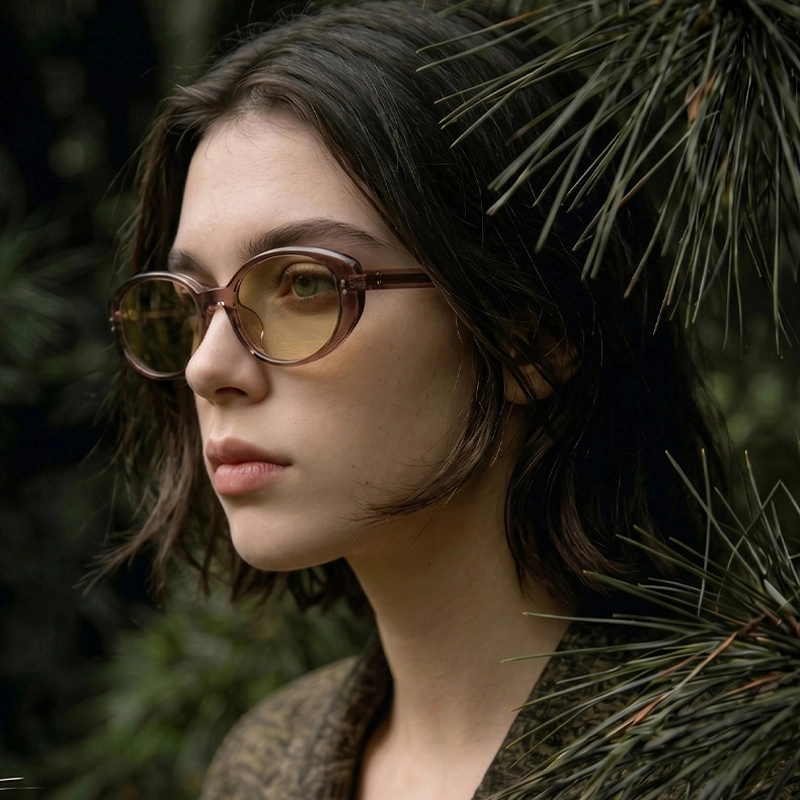
Ultra-Light Acetate Cat Eye Oval Sunglasses | Metal Core Temple UV400 PC Lens Retro Korean Style Shades | Wholesale OEM
Model JL1017 is a 2026 new arrival retro Korean-style cat eye oval sunglasses, crafted from premium ultra-light acetate frame with metal-core reinforced temples. Weighing only 23.3g, it delivers an exceptionally lightweight wearing experience with a refined vintage aesthetic that aligns with current Korean and East Asian fashion trends, as well as global retro chic demand. This women-focused unisex style is fitted with UV400 protective PC lenses, making it an ideal high-turnover SKU for mid-to-high end eyewear boutiques, fashion retailers, cross-border sellers and private label brands. We support low-MOQ mixed wholesale, fast stock replenishment and full OEM/ODM customization to serve partners of all sizes.
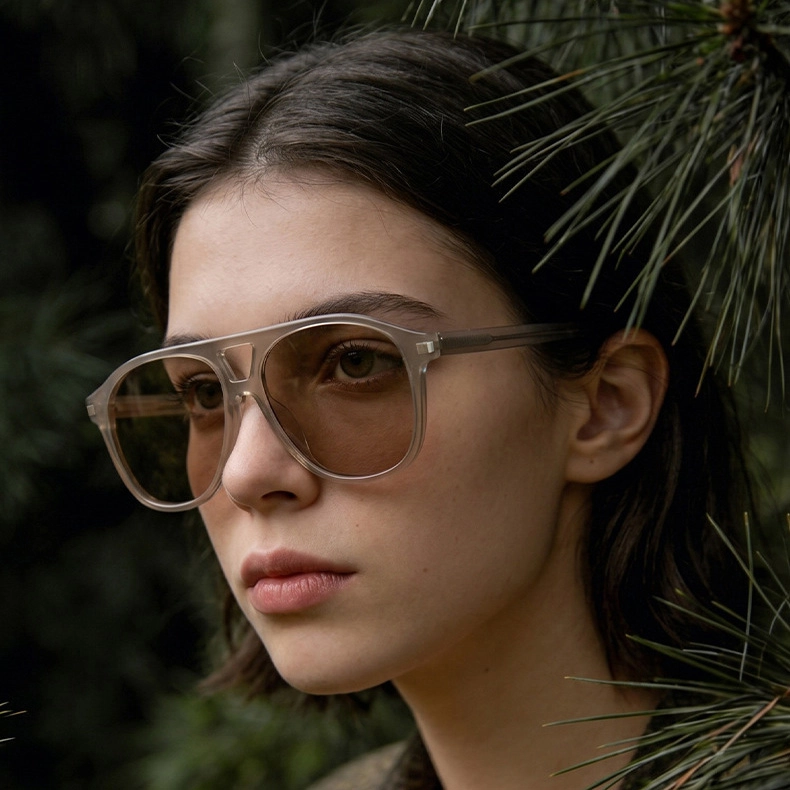
Ultra-Light Acetate Aviator Sunglasses | Metal Core Temple UV400 PC Lens Fashion Shades | Wholesale OEM
Model JL1013 is a 2026 new arrival ultra-light acetate aviator sunglasses, featuring a classic browline double-bridge silhouette and metal-core reinforced temples. Weighing only 30.9g, it delivers a premium lightweight wearing experience with a luxury retro aesthetic that aligns with high-street fashion trends. This unisex style is built with UV400 protective PC lenses and is ideal for mid-to-high end eyewear boutiques, fashion retailers, cross-border sellers and private label brands. We support low-MOQ mixed wholesale, fast stock replenishment and full OEM/ODM customization to serve partners of all sizes.
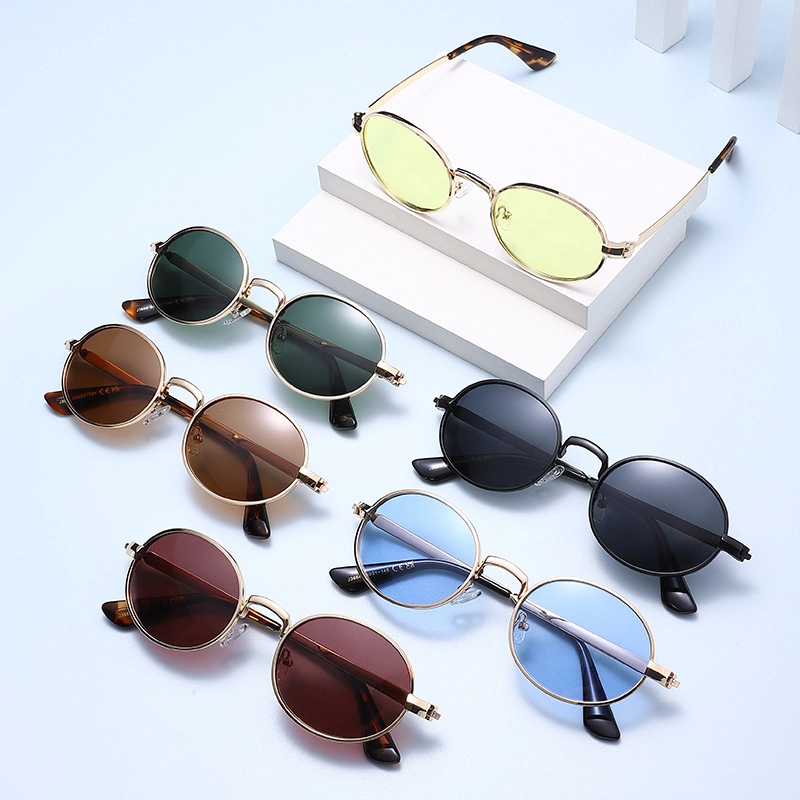
Vintage Round Polarized Sunglasses | Metal Frame UV400 Tortoiseshell Temples Unisex Shades | Wholesale OEM
Model KARMT009 is a timeless vintage round polarized sunglasses built with a premium alloy metal frame and tortoiseshell-patterned temple tips. Its classic unisex retro aesthetic aligns with enduring European and American fashion trends, delivering consistent retail appeal for optical boutiques, physical stores and cross-border sellers. Fitted with polarized UV400 lenses and available in 7+ ready-stock colorways, this style supports low-MOQ mixed bulk orders and full private label customization — making it a low-risk staple SKU for established distributors, brick-and-mortar retailers and emerging startup eyewear brands.
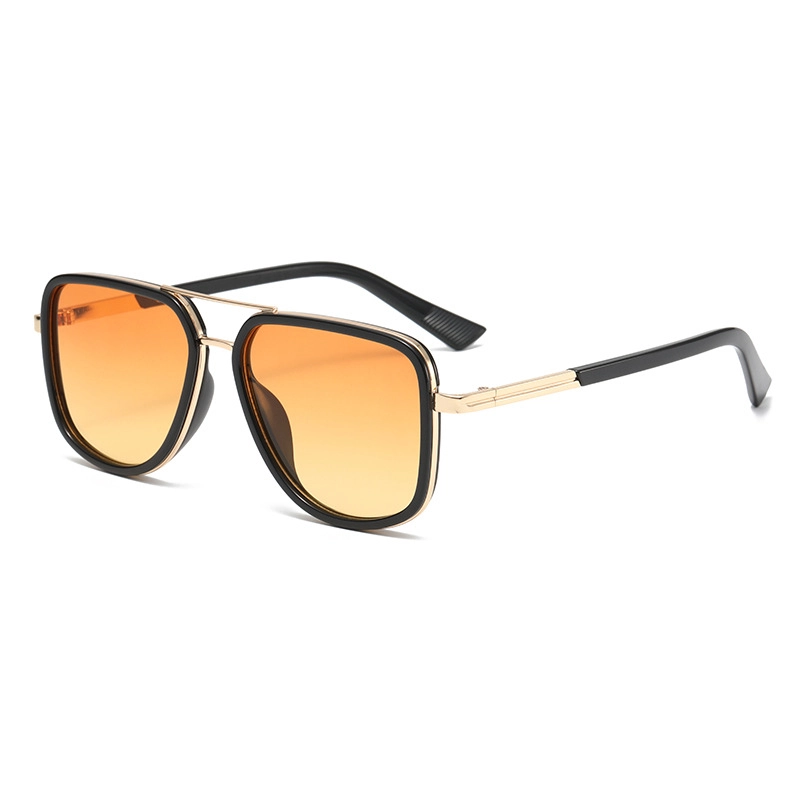
Double Bridge Square Aviator Sunglasses | PC Frame UV400 Polarized Optional Unisex Shades | Wholesale
Get a Free Quote
If you have any comments or good suggestions, please leave us a message; later our professional staff will contact you as soon as possible.
NEW DIMENSIONS IN EYEWEAR
Contact KARUSON
Email:
WhatsApp/Phone:
Address:
331 Section B, WanJia Creative Park , No. 1 BUXIA Road ,Tianhe District, Guangzhou City, Guangdong Province, China.

© 2026 KARUSON. All Rights Reserved.
Facebook
Instagram
YouTube
TikTok
Linkedin