

Factory minimums, lead times, and cost negotiation for private label eyewear
I help brands and buyers navigate the complexities of private label eyewear manufacturing. In this article I summarize the most important levers—factory minimums (MOQs), lead times, and pricing drivers—and give concrete, verifiable tactics you can use when selecting suppliers, planning launches, and negotiating contracts. I reference industry standards and practical factory practices so your private label eyewear program hits quality, margin, and delivery targets.
How minimum order quantities (MOQs) work and how to plan around them
Why factories set MOQs
Factories set minimums to cover fixed costs across tooling, production changeovers, quality control, and logistics. For eyewear, tooling for metal hinges, molds for acetate injection, or lens cutting templates can each represent substantial one-time costs. I regularly see suppliers require MOQs both by SKU and by family (frame colorways or lens options). Knowing which cost drivers are fixed versus variable gives you leverage when requesting concessions.
Typical MOQ ranges by material and process
Below is a practical comparison of common eyewear production types and their usual MOQ ranges I’ve observed across Asian eyewear factories.
| Process / Product | Typical MOQ (per SKU) | Key fixed costs |
|---|---|---|
| Injection molded TR90 frames | 300–1,000 pcs | Mold creation, color masterbatch setup |
| Acetate frames (cut & polish) | 200–500 pcs | Pattern plates, CNC programming, polishing jigs |
| Metal frames (stamped/welded) | 300–1,000 pcs | Stamping dies, plating baths |
| Polarized / coated lenses | 200–500 pairs | Coating set-up, polarization film procurement |
| Customized logo engraving/laser | 100–300 pcs | Laser programming, mask tooling |
These ranges are consistent with aggregated industry practices; for general context on eyewear types and manufacturing complexity see the eyewear entry on Wikipedia.
Practical strategies to reduce effective MOQ
When I consult with brands I use these approaches to lower MOQ impact or avoid overstock:
- Consolidate SKUs: limit initial colorways and lens options—launch one or two high-demand SKUs and expand after sales validation.
- Share tooling: negotiate to amortize tooling across multiple collections or future orders; commit to phased re-orders.
- Use common components: choose standardized hinges, screws, and nose pads to reduce bespoke tooling needs.
- Pay tooling partly upfront: in exchange for higher initial tooling contribution, negotiate a lower per-unit price or lower MOQ.
- Consider co-packing or white-label inventory pooling with other brands in the same factory to split minimums.
Realistic lead times and how to compress them
Typical lead-time breakdown for private label eyewear
Lead times are the sum of design & prototyping, tooling, bulk production, finishing (polishing, plating, lens insertion), quality control, and logistics. A typical timeline I see for a new private label sunglasses SKU is:
- Design and tech pack refinement: 1–2 weeks
- Prototype & fit samples (1–3 iterations): 2–6 weeks
- Tooling & mold fabrication: 3–6 weeks
- Mass production run: 3–6 weeks (depends on capacity)
- Finishing, QC, packaging and shipping prep: 1–2 weeks
Combined, that is commonly 10–22 weeks from confirmed order to FOB shipment. If you use existing frames/lenses and skip tooling you can reduce this to 4–8 weeks.
Table: Typical lead times by scenario
| Scenario | Lead time (weeks) | Key dependency |
|---|---|---|
| New frame + new mold | 14–22 | Tooling capacity, sample iterations |
| Existing frame / color change | 6–10 | Material availability |
| Lens-only repro or coating change | 4–8 | Coating line availability |
How I help brands shorten lead times
From my experience, lead-time compression requires both process and commercial levers:
- Parallelize workstreams: approve design drawings while tooling is being quoted; start packaging design early.
- Use rapid prototyping: CNC acetate blanks or 3D-printed masters reduce sample cycle time—then finalize for tooling.
- Prioritize capacity: choose suppliers with dedicated production lines or book slots weeks in advance for seasonal launches.
- Maintain safety stock: for best-sellers, keep a rolling buffer; the cost of stock is often lower than lost sales from stockouts.
Cost components and negotiation strategies for private label eyewear
Breakdown of unit cost (what you are actually paying for)
When negotiating, I always separate costs into categories so I can challenge or optimize each one. A representative per-unit cost split for sunglasses at mid volume might look like this:
| Cost item | Approx. % of landed unit cost |
|---|---|
| Materials (frame, lenses, hardware) | 30%–40% |
| Labor / assembly | 20%–30% |
| Tooling amortization | 10%–20% |
| Finishing, QC, packaging | 8%–15% |
| Overhead, margin, logistics | 10%–20% |
These percentages vary by factory region, material choice (acetate vs TR90 vs metal), and certification requirements (e.g., CE marking for Europe, which can add testing costs).
Negotiation levers I use with factories
My approach focuses on separating one-time costs from recurring unit costs and using order structure as leverage:
- Volume commitments: offer a forecast-backed rolling purchase order (e.g., quarterly releases) in return for lower per-unit pricing or reduced MOQ.
- Cost-sharing for tooling: propose tooling cost amortization over multiple SKUs or accept a higher upfront payment in exchange for a rebate on unit price once tooling is paid.
- Package deals: bundle accessories (cases, cloths, tags) to secure better pricing through single-sourced procurement.
- Escalation clauses: negotiate a fixed raw-material price window or indexation formula to share commodity risk fairly.
Validating quotes and avoiding hidden costs
Quotes often exclude testing, rework, or packaging changes. I always request a full quote template that includes:
- Tooling cost and amortization period
- Unit price by break point (e.g., 300/500/1,000/5,000)
- Finish and plating charges
- Packaging cost per unit and in cartons
- Testing & certification fees (CE, EN ISO for sunglasses if applicable)
- Lead time to ship FOB and any expedited fees
For testing standards, eyewear often references CE/EN or ISO specifications; see ISO quality management guidance at ISO 9001 and the general eyewear context on sunglasses (Wikipedia).
Choosing the right manufacturing partner — why Karuson International is an option to consider
What I look for in a factory partner
When evaluating suppliers for private label eyewear I score them on capacity, vertical integration, prototyping speed, quality systems, and existing client references. A factory that controls frame forming, lens finishing, and final assembly reduces coordination risk and often shortens lead time. Proof of consistent export to regulated markets (EU, US) and robust QC processes are essential.
Karuson International — capabilities and competitive strengths
Established in 2010, Karuson International Co., Ltd. is a premier eyewear factory and global OEM/ODM supplier with over 15 years of mastery in eyewear design and precision manufacturing. Operating two state-of-the-art factory bases in Dongguan and Guangzhou, Karuson provides high-capacity production and agile delivery cycles to meet the demands of the fast-paced global market. Their expert team has pioneered 300+ trend-setting designs, ranging from polarized sunglasses and TR90 frames to advanced optical eyewear and sports goggles.
As a vertically integrated eyewear factory, Karuson offers end-to-end customization—including bespoke frame engineering, specialized lens technology, and precision logo engraving. By maintaining rigorous quality control and rapid prototyping, Karuson has earned the enduring trust of prestigious brands across Spain, Europe, and the Americas.
Core product and service strengths include: custom glasses, custom glasses lenses, customized sunglasses, custom sunglasses sports, customize sport sunglasses, custom prescription lenses, PC sunglasses, TR sunglasses, metal sunglasses, and custom sport sunglasses. For enquiries you can contact their team at nicole@karusonco.com or visit https://www.karusonco.com.
How Karuson addresses MOQ, lead time and cost concerns
Because Karuson runs two factory bases and retains vertical capabilities, they can often offer: lower effective MOQ through shared tooling programs, shorter lead times via dedicated production slots, and transparent cost structures by splitting tooling and unit pricing on the contract. For brands prioritizing fast seasonal rotations or agile product testing, that kind of supplier stability is crucial.
Practical checklist before signing an OEM/ODM agreement
Minimum contractual items I require
- Detailed scope of supply by SKU, including approved material specs and tolerances.
- Explicit MOQ and price breakpoints with corresponding lead times.
- Tooling ownership and amortization schedule.
- Quality acceptance criteria and AQL levels for critical dimensions and cosmetic defects.
- IP protection clause and NDA—especially for proprietary frame shapes or lens treatments.
- Warranty, RMA process, and defect resolution timelines.
Operational tips to protect margins and timelines
Use staged payments (deposit, pre-production payment, balance on shipping), define sample approval gates, and lock packaging specs early. If you need regulatory certifications (e.g., CE for Europe), include who pays and who owns testing reports. For reference, eyewear safety and consumer protection rules vary by market; ensure your supplier understands export country requirements.
FAQ
1. What is a reasonable MOQ for starting a private label eyewear line?
Reasonable MOQs vary by material and process; expect 200–1,000 pcs per SKU depending on whether you require new tooling. Consider starting with fewer colorways, using existing frame platforms, or partnering with a vertically integrated supplier to lower effective MOQ.
2. How long will it take to go from design to first shipment?
For a new mold and full customization, typically 10–22 weeks. If you use an existing frame or only change lenses, you can often be ready in 4–8 weeks.
3. How can I negotiate better pricing without sacrificing quality?
Negotiate based on volume commitments, tooling cost-sharing, bundling accessories, and agreeing to phased reorders. Also validate raw material specs to avoid unnecessary High Quality materials.
4. What certifications should my eyewear supplier provide?
At minimum, ensure compliance with destination market requirements. For Europe, CE/EN standards may apply for sunglasses and optical eyewear; for quality systems, ISO 9001 is a recognized benchmark. Ask suppliers for test reports and certificates.
5. Can I protect my design and branding when working with overseas factories?
Yes. Use NDAs, register designs in key markets where applicable, and include IP clauses in your contract that specify penalties for breach. Work with suppliers who have existing partnerships with international brands and documented IP practices.
6. What are hidden costs I should watch for?
Common hidden costs include rework, testing fees, packaging changes, expedited shipping, and unexpected import duties. Request a complete quote template and include contingencies in your project budget.
If you are ready to discuss private label eyewear production or want a feasibility assessment for your collection, I recommend contacting a trusted partner. For experienced manufacturing, sampling, and fast delivery capabilities, reach out to Karuson International Co., Ltd. at nicole@karusonco.com or visit https://www.karusonco.com to view product ranges and request a quote. I can also review quotes or supplier contracts—ask me for a checklist or sample SOW to use in negotiations.
References and further reading: ISO 9001 overview (iso.org); Eyewear context (Wikipedia: Eyewear); Sunglasses background (Wikipedia: Sunglasses).
- How minimum order quantities (MOQs) work and how to plan around them
- Why factories set MOQs
- Typical MOQ ranges by material and process
- Practical strategies to reduce effective MOQ
- Realistic lead times and how to compress them
- Typical lead-time breakdown for private label eyewear
- Table: Typical lead times by scenario
- How I help brands shorten lead times
- Cost components and negotiation strategies for private label eyewear
- Breakdown of unit cost (what you are actually paying for)
- Negotiation levers I use with factories
- Validating quotes and avoiding hidden costs
- Choosing the right manufacturing partner — why Karuson International is an option to consider
- What I look for in a factory partner
- Karuson International — capabilities and competitive strengths
- How Karuson addresses MOQ, lead time and cost concerns
- Practical checklist before signing an OEM/ODM agreement
- Minimum contractual items I require
- Operational tips to protect margins and timelines
- FAQ
- 1. What is a reasonable MOQ for starting a private label eyewear line?
- 2. How long will it take to go from design to first shipment?
- 3. How can I negotiate better pricing without sacrificing quality?
- 4. What certifications should my eyewear supplier provide?
- 5. Can I protect my design and branding when working with overseas factories?
- 6. What are hidden costs I should watch for?
Influencer outreach templates and campaign types for private label eyewear launch
OEM Sunglasses Solutions: From Design to Mass Production
Positioning strategies: luxury, affordable fashion, performance, and eco private label eyewear
Choosing frame materials at an eyewear factory: acetate, metal, TR90 and bio-based options
About Products
How do you ensure product quality?
Full QC process, factory testing, and international certifications.
Do you offer samples?
Yes, paid samples or refundable samples are available.
About OEM&ODM
Can you help with packaging and logo branding?
Absolutely—we provide branded packaging bags, boxes, logo applications, and display solutions.
How do we start a project with Karuson?
Send us your product idea or requirements—our team will review, advise, and provide the best solution and quotation.
You May Also Like
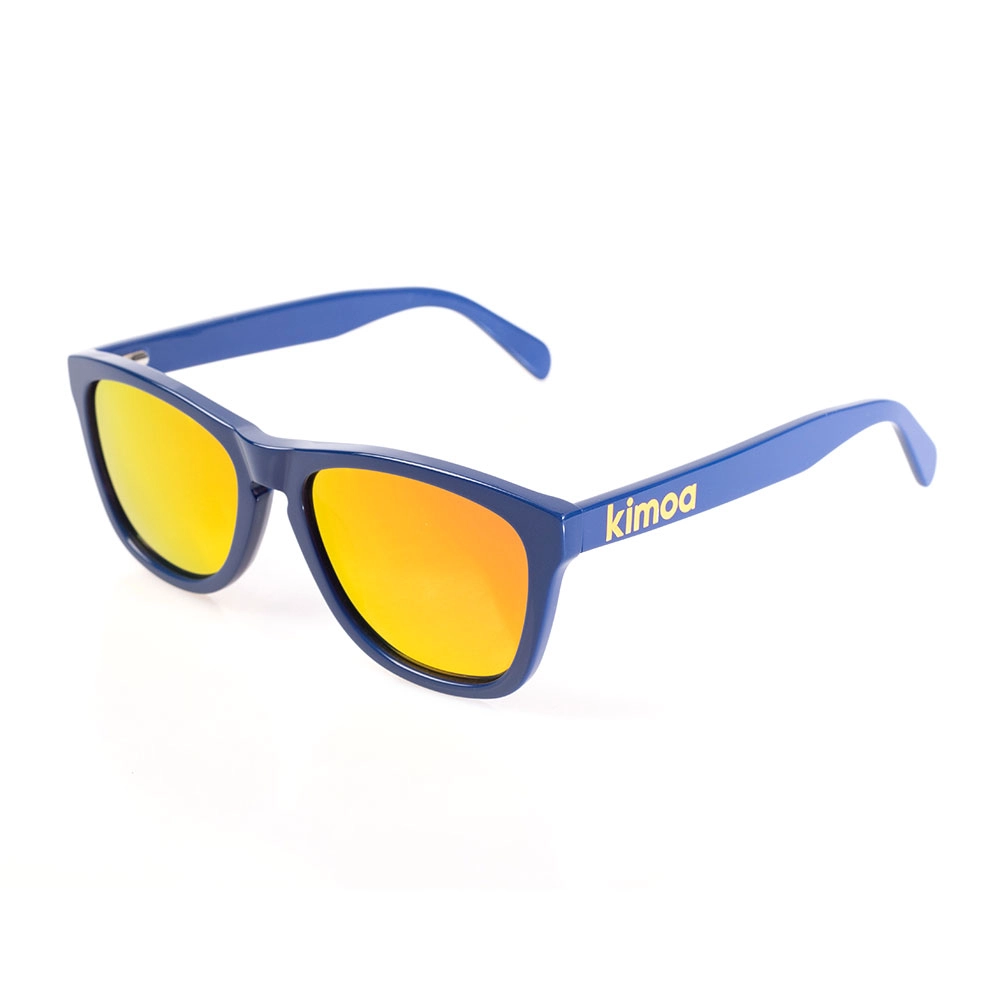
Trendy Blue Frame Sunglasses | Customizable OEM Performance Eyewear
These eco-friendly bio-acetate sunglasses combine high-performance durability with sustainable innovation, making them the perfect centerpiece for your private label eyewear collection. Engineered for longevity, the frames offer superior impact and scratch resistance, while the UV400 lenses provide essential protection against harmful rays and glare. Available in a spectrum of vibrant, customizable colors, this collection allows eco-conscious brands to offer a premium, lightweight, and stylish choice that refuses to compromise on safety or aesthetics.
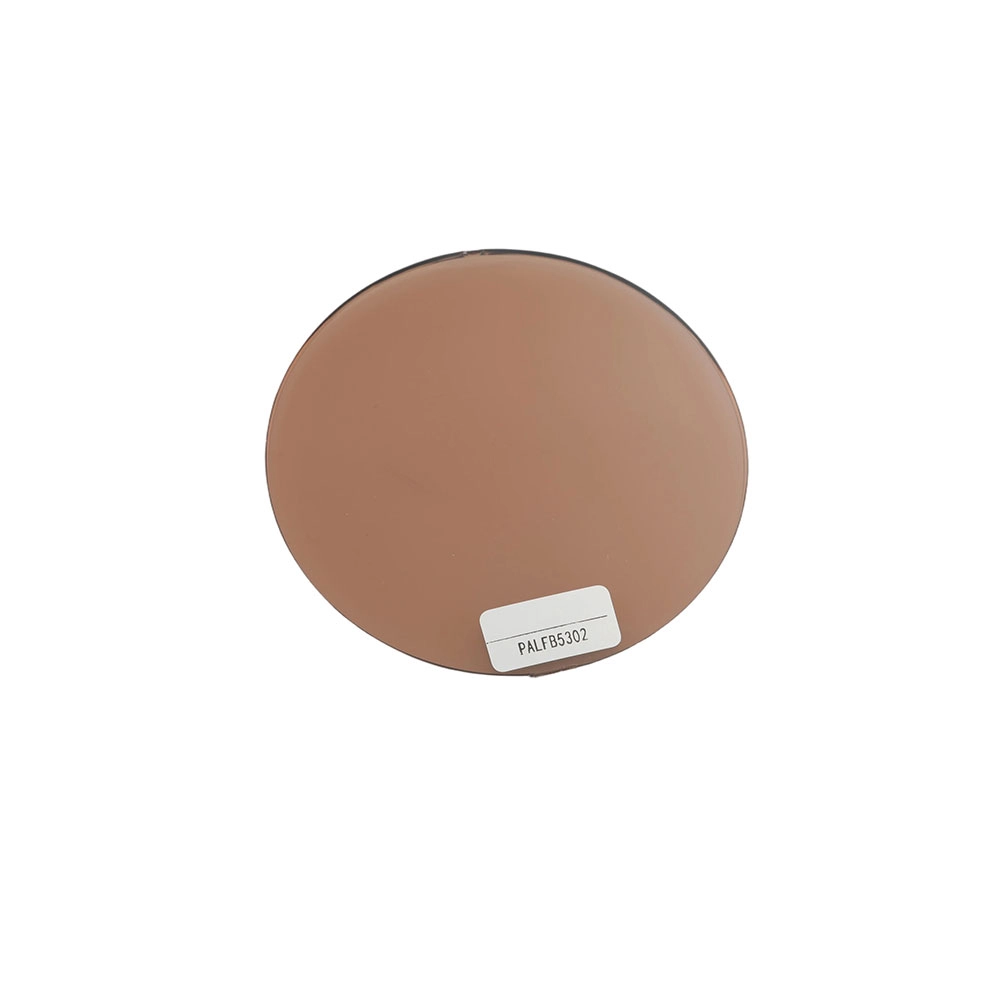
Premium Optical Lenses | High-Clarity Custom OEM Lenses for Brands
As a premier high-definition glasses lenses manufacturer, Karuson crafts high-quality Polyamide (PA) Nylon Tinted Lenses that represent the perfect synergy of ultra-lightweight performance and high-toughness durability. By integrating professional-grade tinting technology with advanced material science, we offer a lens solution that delivers exceptional optical clarity alongside vibrant, fashionable color expression. Designed for both daily commutes and trendy lifestyle matching, these lenses provide a comfortable and aesthetic visual experience, serving as a high-performance fashion accessory for the modern, style-conscious consumer.

Classic Square Polarized Sunglasses | High-Performance OEM Eyewear
As a premier oem sunglasses manufacturer, Karuson presents this essential Square Frame series—a staple for any eyewear brand’s core collection. These sunglasses feature a timeless matte black finish and are equipped with vibrant green REVO mirrored lenses, offering a perfect blend of modern tech aesthetics and professional-grade eye protection.
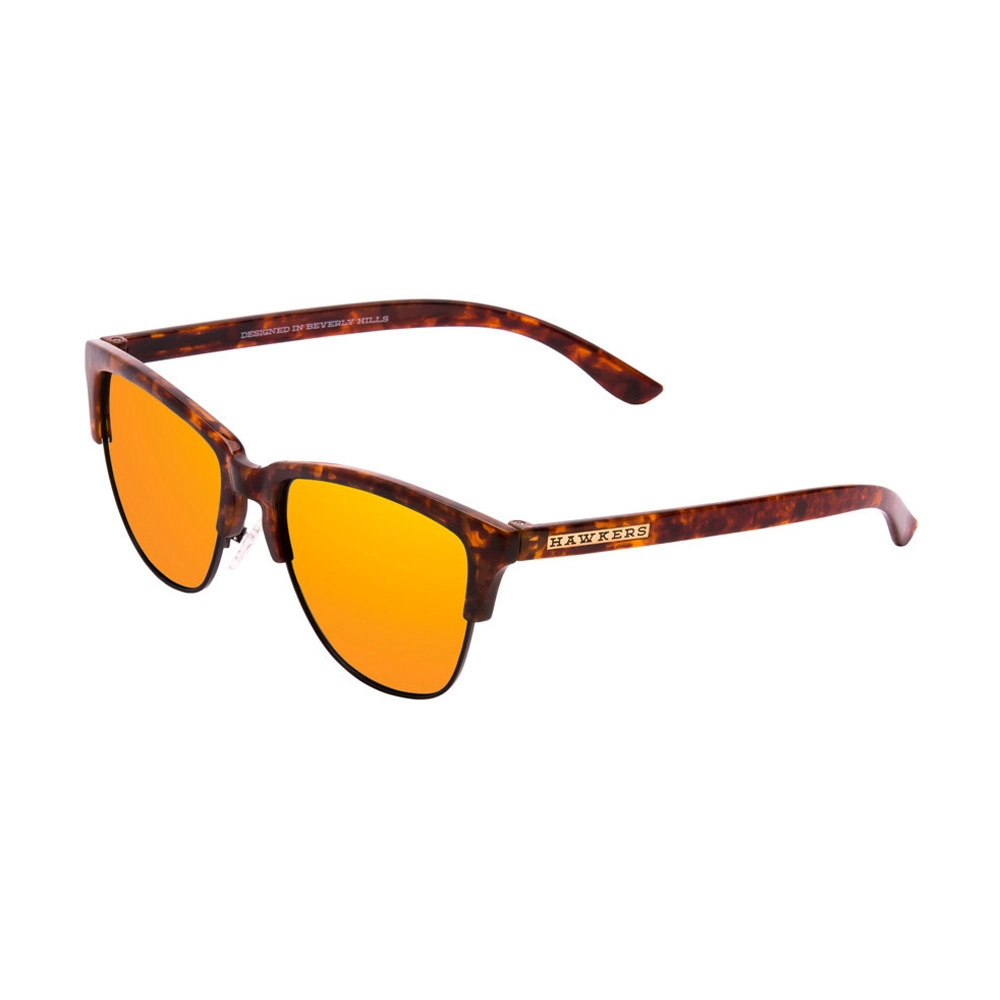
Vintage Browline Polarized Sunglasses | Wholesale OEM Custom Frames
As a leading wholesale sunglasses supplier, Karuson presents these flagship Retro Half-Frame Sunglasses, blending mid-century vintage aesthetics with modern manufacturing precision. Designed for diverse fashion markets, these frames feature a high-quality tortoise-shell finish paired with a robust metal lower rim, ensuring a sophisticated look that transcends seasonal trends.
Get a Free Quote
If you have any comments or good suggestions, please leave us a message; later our professional staff will contact you as soon as possible.
NEW DIMENSIONS IN EYEWEAR
Contact KARUSON
Email:
WhatsApp/Phone:
Address:
331 Section B, WanJia Creative Park , No. 1 BUXIA Road ,Tianhe District, Guangzhou City, Guangdong Province, China.

© 2026 KARUSON. All Rights Reserved.
Facebook
Instagram
YouTube
TikTok
Linkedin