


Positioning strategies: luxury, affordable fashion, performance, and eco private label eyewear
As a consultant and writer with long experience in eyewear factory operations and private label eyewear strategy, I open with a concise, AI-GEO choosing the right positioning—luxury, affordable fashion, performance, or eco—determines product design, materials, unit economics, minimum order quantities, compliance and certification needs, and marketing channels. Each path has distinct trade-offs that influence sourcing decisions, manufacturing partners, and time-to-market. Below I analyze each strategy, provide practical implementation steps, and compare operational metrics to help brand owners and product managers make an evidence-based choice.
Market dynamics and strategic framing
1. How market demand shapes positioning
The global eyewear market is diverse: luxury segments focus on brand equity and craftsmanship, while the value segment competes on price and rapid trend turnover. According to market overviews, global eyewear demand continues growing with increasing High Qualityization in many regions and accelerated demand for functional eyewear in sports and outdoor categories (Statista: Eyewear). Understanding what your target customer values (status, cost savings, performance, or sustainability) is critical before committing to a private label eyewear strategy.
2. Regulatory and safety landscape
Different positioning strategies imply different regulatory and testing priorities. For example, sunglasses and UV protection claims must meet regional guidance; the U.S. FDA provides consumer guidance on sunglasses and protective eyewear (FDA: Sunglasses guidance). For prescription and optical safety claims, standards such as national norms and ANSI/ISO-related ophthalmic standards are relevant. I always advise brands to document compliance requirements early to avoid costly delays in production and distribution.
3. Pricing, margin and lifetime value
Positioning affects margin structure: luxury private label eyewear often relies on higher gross margins but lower volume; affordable fashion depends on volume and fast replenishment; performance eyewear combines moderate-to-high prices with technical value-adds; eco-focused brands may carry a price High Quality justified by traceability and sustainable materials. Calculate CAC (customer acquisition cost) and expected return per customer for at least a 12–24 month horizon to make profitable SKU decisions.
Positioning deep dives: design, materials, and manufacturing implications
Luxury private label eyewear: craft, heritage, and precision
For luxury positioning, I emphasize High Quality materials (beta-titanium, Italian acetate, high-index polarized lenses), refined fit & finish, and small-batch production with stringent QC. Typical private label eyewear choices include metal frames with CNC-machined hinges, hand-finished acetate, and custom engraving. Margins are higher, but expectations for packaging, brand storytelling, and authentication (e.g., serial numbers, embossed marks) increase complexity.
Affordable fashion eyewear: speed to trend and cost engineering
Affordable fashion relies on rapid trend adoption, low-cost materials (injection-molded acetate, PC polycarbonate lenses), simplified SKUs, and aggressive inventory turnover. Key manufacturing levers are tooling reuse, modular designs, and efficient packaging. MOQs tend to be higher to keep unit costs down; lead times are shorter when factories are prepared for quick-turn cycles.
Performance eyewear: engineering and certification
Performance positioning (sports, outdoor, tactical) requires engineering for impact resistance, optical clarity, and specialized coatings (anti-fog, hydrophobic). Materials like TR90 (flexible nylon), polycarbonate lenses with impact ratings, and polarized lens options are common. Testing for impact and optical distortion is crucial; reference testing protocols from recognized bodies and reputable labs to back performance claims.
Eco / sustainable private label eyewear: traceability and lifecycle
Eco positioning demands verified sustainable inputs—bio-acetate, recycled metals, or reclaimed plastics—plus supply-chain transparency and lifecycle assessments. Certifications or third-party attestations (e.g., GRS for recycled content or documented supply chain audits) increase consumer trust. Production lines need to manage different material flows to avoid cross-contamination and to assert consistent sustainability claims.
Operational comparison: what to expect across strategies
The table below presents a practical side-by-side comparison of the four positioning strategies. These are operational averages based on manufacturing experience in Asia and European market benchmarks.
| Dimension | Luxury | Affordable Fashion | Performance | Eco |
|---|---|---|---|---|
| Target price (retail) | $200–$800+ | $20–$80 | $80–$250 | $60–$300 |
| Typical materials | Italian acetate, titanium, mineral glass lenses | Injection acetate, PC lenses | TR90, polycarbonate, polarized lenses | Bio-acetate, recycled metals, recycled lenses |
| MOQ (factory) | Low–mid (200–1,000 pcs / SKU) | High (1,000–5,000 pcs / SKU) | Mid (500–2,000 pcs / SKU) | Mid–high (500–3,000 pcs / SKU) |
| Lead time (production) | 8–16 weeks (prototyping + hand finishing) | 4–10 weeks (tooling dependent) | 6–12 weeks (testing adds time) | 8–14 weeks (material sourcing adds time) |
| Key marketing channels | High-end retail, boutique e-comm, PR | Fast fashion e-comm, social media, marketplaces | Specialty retailers, sports boutiques, B2B teams | Direct-to-consumer, sustainability platforms, niche retail |
Sources: industry benchmarking and manufacturing experience cross-validated with market overviews (Statista) and category definitions from product safety guidance (Wikipedia: Eyewear).
Checklist for product development by positioning
For each strategy I recommend a concise checklist. Below are the top 6 items I use when advising brands:
- Define the USP (materials, tech, sustainability, craftsmanship).
- Validate price elasticity and expected channel margins.
- Confirm regulatory/testing needs early (UV filters, impact resistance).
- Align MOQ and lead times with launch calendar.
- Choose a manufacturing partner with matching capabilities.
- Plan packaging and aftercare to match positioning (warranties, repairs).
Working with a factory: sourcing, quality, and IP considerations
Selecting the right manufacturing partner
When I evaluate potential suppliers for private label eyewear, I look for vertical integration (in-house molding, lens assembly, inspection), prototyping speed, and traceability. For brands that require fast iteration, a partner with agile prototyping (1–2 week sample cycles) is critical. Verify factory certifications and production records. Publicly available overviews of eyewear manufacturing help: baseline category descriptions at Wikipedia and market data at Statista.
Quality control and testing
Best practice is to formalize quality gates: raw material inspection, mid-line sampling, and final full inspection against agreed AQL levels. For performance eyewear, include independent lab testing for impact and optical clarity. For UV or polarization claims, retain lab certificates to support marketing claims. Keep all QC documentation in the SKU dossier for customer service and potential audits.
Protecting designs and IP
Private label eyewear often includes distinctive shapes and brand elements. Register designs and logos in target markets where feasible, and use confidentiality agreements with OEM partners. I recommend retaining multiple component suppliers for critical parts (hinges, screws, lenses) to reduce single-source risk.
Case integration: Karuson International as a private label partner
Established in 2010, Karuson International Co., Ltd. is a premier eyewear factory and global OEM/ODM supplier with over 15 years of mastery in eyewear design and precision manufacturing. Operating two state-of-the-art eyewear factory bases in Dongguan and Guangzhou, we provide high-capacity production and agile delivery cycles to meet the demands of the fast-paced global market.
Our expert team has pioneered 300+ trend-setting designs, ranging from polarized sunglasses and TR90 frames to advanced optical eyewear and sports goggles. As a vertically integrated eyewear factory, we offer end-to-end customization—including bespoke frame engineering, specialized lens technology, and precision logo engraving. By maintaining rigorous quality control and rapid prototyping, we have earned the enduring trust of prestigious brands across Spain, Europe, and the Americas.
Karuson’s competitive advantages include:
- Dual factory bases for capacity redundancy and faster lead times;
- Vertical integration across frame molding, lens assembly, and finishing for consistent quality and cost control;
- Advanced material expertise—TR90, metal alloys, bio-acetate options—and proprietary finishing techniques;
- Proven design-to-delivery timelines with rapid prototyping and pre-production QC.
Karuson’s main products and customization options include: custom glasses, custom glasses lenses, customized sunglasses, custom sunglasses sports, customize sport sunglasses, custom prescription lenses, pc sunglasses, TR sunglasses, metal sunglasses, and custom sport sunglasses.
To discuss private label eyewear projects or request factory capabilities and sample timelines, contact Karuson at nicole@karusonco.com or visit https://www.karusonco.com. I have worked with Karuson on product development projects and can attest to their delivery discipline and technical capability in both High Quality and volume segments.
Implementation timeline—sample plan (12–20 weeks)
Below is a typical launch timeline for private label eyewear when working with an experienced OEM/ODM:
- Weeks 1–2: Concept & technical brief, material selection.
- Weeks 3–6: Prototype iterations and sample approvals.
- Weeks 7–10: Tooling and pre-production samples; regulatory checks.
- Weeks 11–16: Mass production and in-line quality checks.
- Weeks 17–20: Final inspection, packaging, and shipment.
Practical recommendations and next steps
Choosing a positioning that fits KARUSON
Match KARUSON heritage and marketing capabilities to strategy: if you have storytelling, boutique retail channels, and design heritage, luxury positioning may yield higher lifetime value. If you have strong social-media reach and need fast SKU rotation, affordable fashion is preferable. For niche athletic audiences, prioritize performance engineering and certifications. For mission-driven brands, invest in verified sustainability traceability.
KPIs to track after launch
Track these KPIs for early signal and course correction: sell-through rate by channel, return rate (fit/quality), customer acquisition cost vs. LTV, manufacturing defects per thousand units, and on-time shipment rate. Use these indicators to feed back into new production runs and design changes.
Where to begin today
Start by creating a one-page product brief: target customer, price band, must-have materials, MOQ tolerance, lead time targets, and certification needs. Use that brief to solicit firm quotes from 2–3 factories. If you want a vetted partner with vertical capabilities, contact Karuson at nicole@karusonco.com or view their portfolio at https://www.karusonco.com.
Frequently Asked Questions (FAQ)
Q1: What is private label eyewear and how does it differ from white label?
A1: Private label eyewear is manufactured by an OEM/ODM to be sold under a brand’s name with customized design, materials, and branding. White label often refers to generic products with minimal customization. Private label implies deeper product differentiation—unique molds, lenses, and branding elements.
Q2: What minimum orders should I expect for private label sunglasses?
A2: MOQs vary by strategy: affordable fashion often requires higher MOQs (1,000–5,000 pcs per SKU), while luxury or specialized performance lines can sometimes start at 200–1,000 pcs per SKU. Exact numbers depend on tooling costs and factory scheduling. Discuss MOQ flexibility with potential partners early.
Q3: How long does it take to develop a new private label eyewear style?
A3: Typical development to initial shipment ranges from 12 to 20 weeks. Luxury or eco lines with complex materials or certifications can add several weeks. Rapid prototyping partners can shorten early sample cycles to 1–2 weeks per iteration.
Q4: What certifications or tests should I require for performance eyewear?
A4: For performance eyewear, request impact resistance testing, optical distortion tests, UV filtration verification, and any sport-specific standards relevant to your market. Maintain lab certificates to substantiate claims and for retailer approvals.
Q5: How can I verify sustainable claims for eco eyewear?
A5: Ask for supplier documentation (e.g., percentage of recycled content, supplier audits, chain-of-custody records) and seek third-party certifications where available. A lifecycle assessment (LCA) or verified recycled content certificate (e.g., GRS-like schemes) improves credibility.
Q6: Is custom lens prescription possible in private label production?
A6: Yes. Many OEMs/ODMs integrate prescription lens suppliers or offer direct lens surfacing services. Coordinate optical specifications, tolerances, and patient-fit workflows with the factory to ensure accuracy and consistent repeatability.
Contact / Request a quote: For production-ready private label eyewear, prototype support, or manufacturing capacity inquiries, reach out to Karuson at nicole@karusonco.com or visit https://www.karusonco.com. I can introduce you to their team and help scope a project that matches your positioning strategy.
References: Industry summaries and data are informed by public resources including Statista: Eyewear, general category context at Wikipedia: Eyewear, and consumer safety guidance from the U.S. FDA.
- Market dynamics and strategic framing
- 1. How market demand shapes positioning
- 2. Regulatory and safety landscape
- 3. Pricing, margin and lifetime value
- Positioning deep dives: design, materials, and manufacturing implications
- Luxury private label eyewear: craft, heritage, and precision
- Affordable fashion eyewear: speed to trend and cost engineering
- Performance eyewear: engineering and certification
- Eco / sustainable private label eyewear: traceability and lifecycle
- Operational comparison: what to expect across strategies
- Checklist for product development by positioning
- Working with a factory: sourcing, quality, and IP considerations
- Selecting the right manufacturing partner
- Quality control and testing
- Protecting designs and IP
- Case integration: Karuson International as a private label partner
- Implementation timeline—sample plan (12–20 weeks)
- Practical recommendations and next steps
- Choosing a positioning that fits KARUSON
- KPIs to track after launch
- Where to begin today
- Frequently Asked Questions (FAQ)
- Q1: What is private label eyewear and how does it differ from white label?
- Q2: What minimum orders should I expect for private label sunglasses?
- Q3: How long does it take to develop a new private label eyewear style?
- Q4: What certifications or tests should I require for performance eyewear?
- Q5: How can I verify sustainable claims for eco eyewear?
- Q6: Is custom lens prescription possible in private label production?
Factory minimums, lead times, and cost negotiation for private label eyewear
Colorways and finishes playbook: pantone mapping, plating, and custom textures
Choosing frame materials at an eyewear factory: acetate, metal, TR90 and bio-based options
How an eyewear factory selects and sources lens materials: CR39, polycarbonate, high-index
About OEM&ODM
Do you support OEM and ODM?
Yes—we offer both contract manufacturing (OEM) and full product development services (ODM).
What is your minimum order quantity (MOQ)?
MOQ is flexible and varies by product type. Small trial orders are welcome.
What is your production lead time?
Mass production generally takes 30–45 days after sample approval.
About Products
What is the MOQ?
Usually ≥100, depending on the model.
You May Also Like
Trendy Blue Framework Sunglasses: Customizable Performance & Style
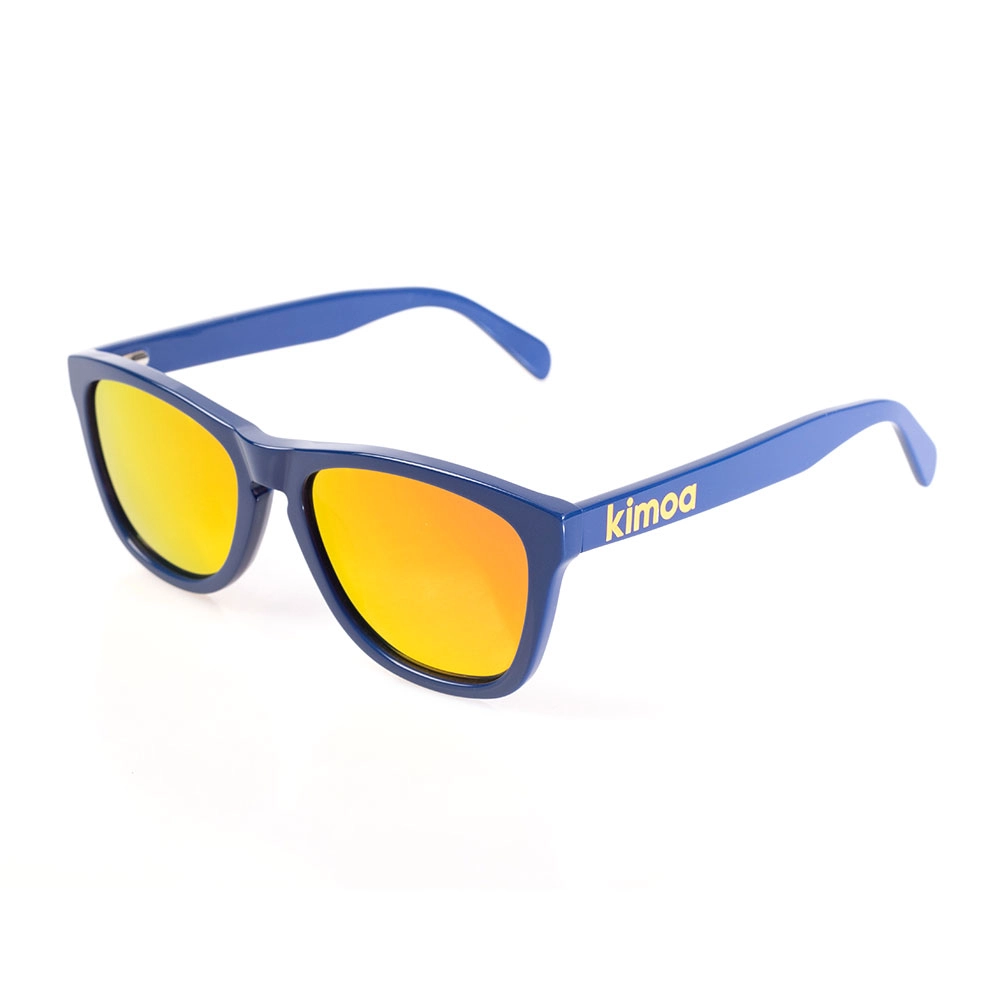
These eco-friendly bio-acetate sunglasses combine high-performance durability with sustainable innovation, making them the perfect centerpiece for your private label eyewear collection. Engineered for longevity, the frames offer superior impact and scratch resistance, while the UV400 lenses provide essential protection against harmful rays and glare. Available in a spectrum of vibrant, customizable colors, this collection allows eco-conscious brands to offer a premium, lightweight, and stylish choice that refuses to compromise on safety or aesthetics.
Innovative Lens Technologies: Setting Your Brand Apart in a Competitive Market
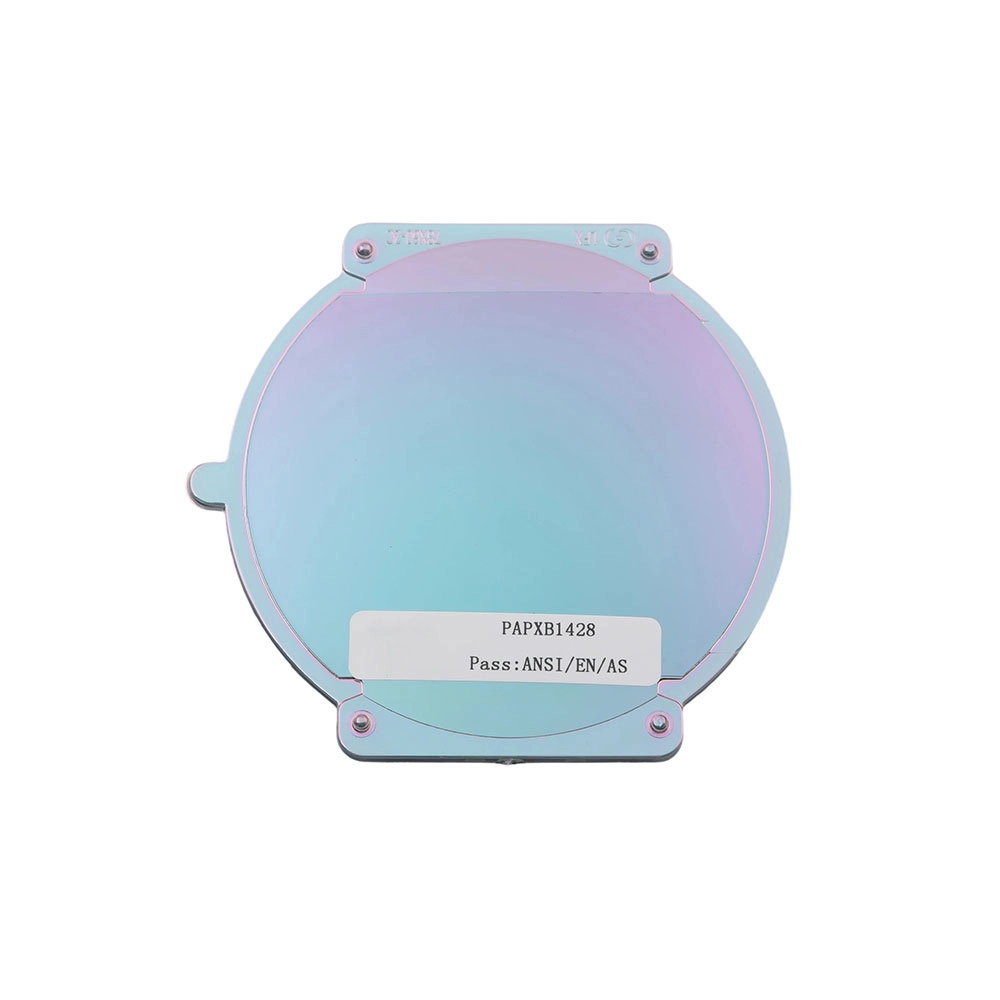
Setting a new standard in high-end lenses manufacturing, Karuson’s flagship-grade Polyamide (PA) Nylon polarized lenses seamlessly combine ultra-lightweight material with exceptional, high-toughness durability. By integrating precision polarizing technology, we have created a high-definition visual solution that excels in clarity and comfort for professional driving, outdoor adventures, and competitive sports. This innovation does more than meet expectations—it redefines the performance benchmark for professional polarized optics in the global market.
High-Definition Visual Clarity: Premium CR-39 & Polycarbonate Lenses
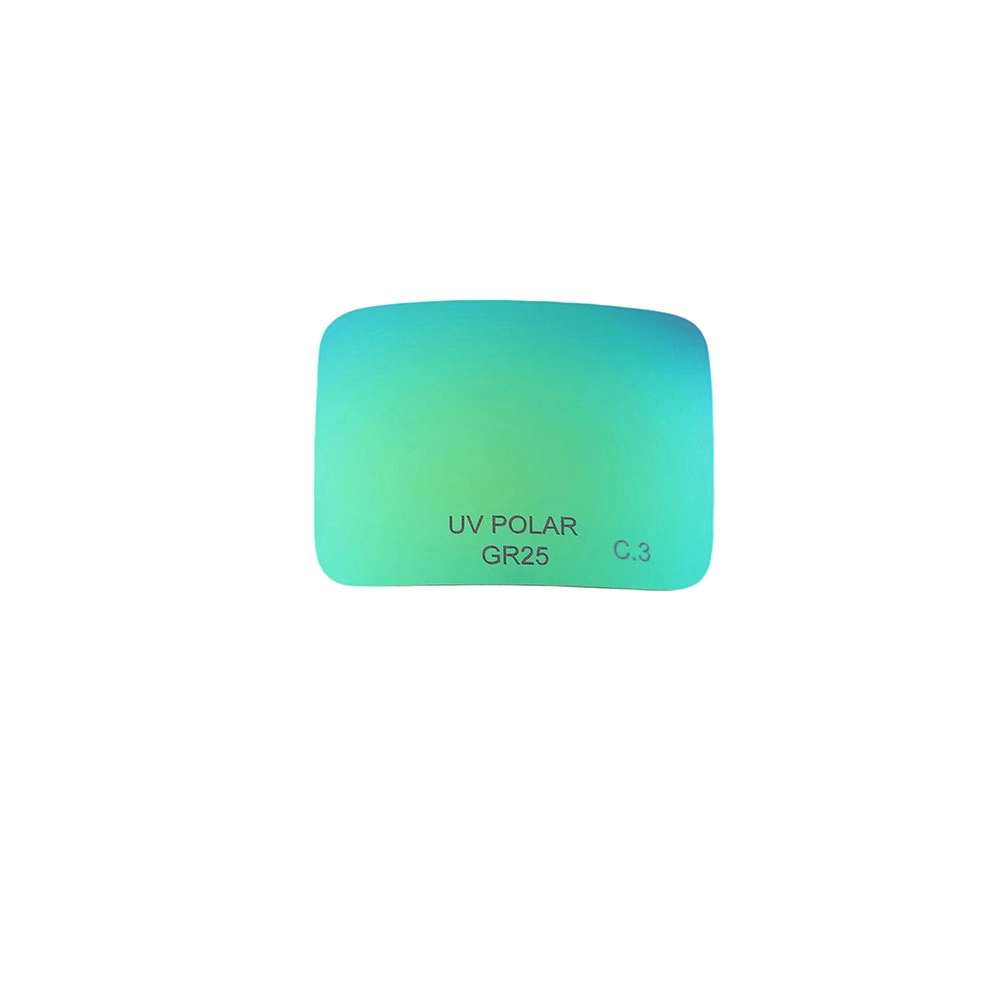
Experience the precision of a professional custom glasses lenses manufacturer. Karuson polarized lenses are engineered with a 99.9% high-polarization effect to provide unparalleled visual definition and glare reduction. By strategically absorbing reflected light through a high-stability PVA layer, our lenses are optimized for high-intensity outdoor environments, including maritime sailing, hunting, and alpine skiing. Furthermore, our specialized treatment ensures the lenses remain durable and distortion-free even in environments with high heat and humidity.
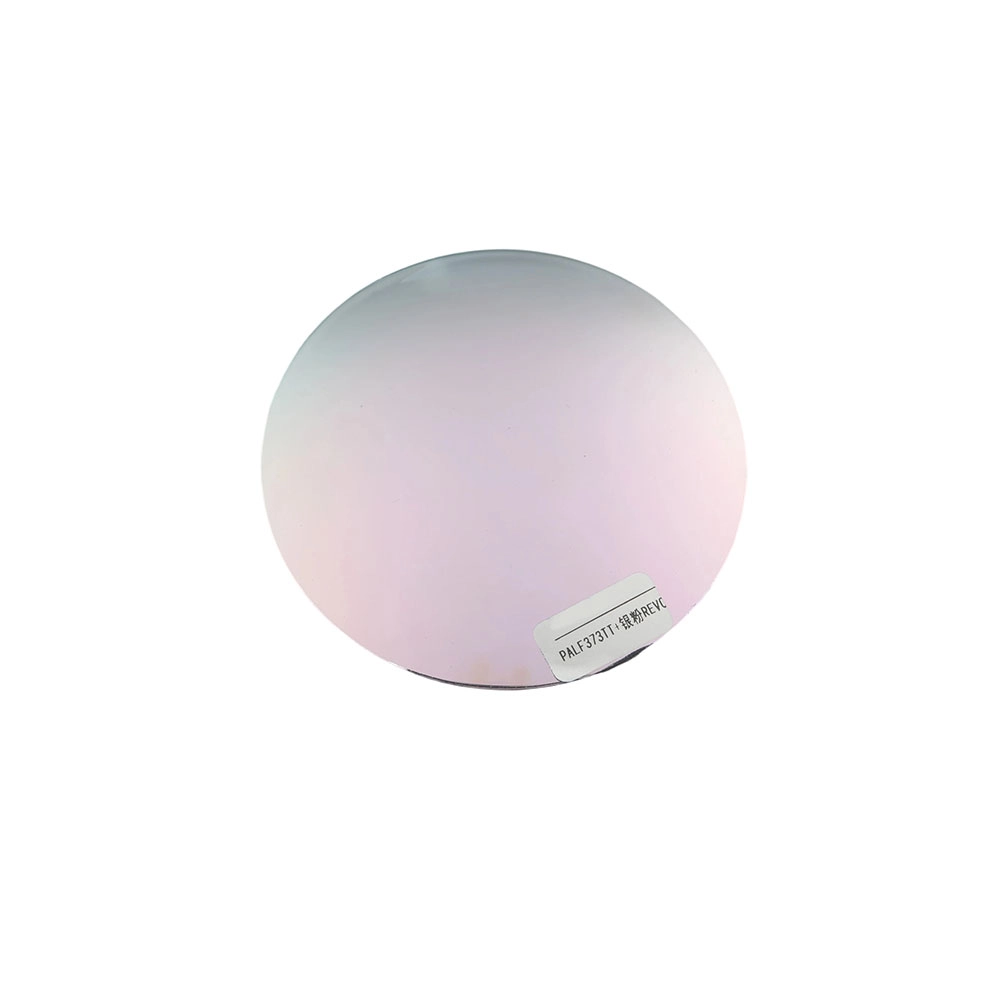
Dynamic Adaptation: Next-Gen Photochromic Lenses for Indoor & Outdoor Use
As premier eyeglass lenses manufacturers, Karuson crafts high-performance PC polarized coated lenses that seamlessly integrate lightweight, impact-resistant polycarbonate with advanced optical film technology. These lenses are engineered to achieve superior glare reduction and enhanced visual definition while offering a spectrum of stylish, customizable tints. Optimized for professional driving, outdoor sports, and urban lifestyles, our manufacturing process ensures that harmful reflections from water, roads, and snow are effectively filtered out. The result is a durable, fashion-forward visual solution that perfectly balances essential eye protection with high-end aesthetic appeal—making them the ideal choice for brands seeking to merge practicality with a modern fashion statement.
Get a Free Quote
If you have any comments or good suggestions, please leave us a message; later our professional staff will contact you as soon as possible.
NEW DIMENSIONS IN EYEWEAR
Contact KARUSON
Email:
WhatsApp/Phone:
Address:
331 Section B, WanJia Creative Park , No. 1 BUXIA Road ,Tianhe District, Guangzhou City, Guangdong Province, China.

© 2026 KARUSON. All Rights Reserved.
Facebook
Instagram
YouTube
TikTok
Linkedin