


Private Label Sunglasses Manufacturing for Retailers
I help retailers and brands bring profitable private-label eyewear collections to market by connecting them with reliable custom sunglasses manufacturers and advising on design, materials, regulatory compliance, and production optimization. In this article I share practical guidance based on industry standards, testing protocols, and real-world factory capabilities so you can evaluate suppliers, control costs, and reduce time to market while meeting consumer expectations for fit, UV protection, and style.
Why private-label sunglasses matter for retailers
Market demand and margin opportunities
Private-label sunglasses remain one of the highest-margin accessories for fashion, sports, and specialty retailers. Global market analyses show sustained growth driven by fashion trends, sport-specific designs, and demand for affordable polarized options. For market context, see the sunglasses market overview by Grand View Research (Grand View Research) and general background on sunglasses on Wikipedia. Retailers gain control of SKU mix, pricing, and branding by owning the product design and marketing, while outsourcing manufacturing to custom sunglasses manufacturers.
Solving common retailer pain points
Retailers commonly face challenges with inconsistent quality, long lead times, high MOQs, and unclear compliance. Working with experienced custom sunglasses manufacturers lets you set clear quality KPIs (frame durability, lens UV protection, polarization quality), negotiate feasible MOQs, and implement milestones (prototype, pre-production sample, pilot run) to avoid costly errors.
Private label as differentiation
I advise retailers to use private label to tell a story — sustainable materials, sport-specific ergonomics, or regionally inspired designs. This differentiation enables higher perceived value than generic imports and builds customer loyalty over seasons.
How to choose the right custom sunglasses manufacturers
Technical and quality criteria I insist on
When vetting suppliers I evaluate: production capacity, in-house tooling and prototyping, material sourcing transparency, testing labs (UV, polarization, impact), and certifications. Standards such as ISO 12312-1 for sunglasses provide technical baselines for UV protection and optical performance — suppliers should test against these or equivalent local norms. For UV health context, refer to the World Health Organization on UV radiation (WHO UV facts).
Commercial terms: MOQ, lead times, and pricing models
Supply-side terms vary widely. Typical small OEMs demand MOQs from 300–1,000 units per SKU; larger factories may accept 50–200 for established customers with flexible pricing. Lead times: prototyping 7–21 days, tooling 14–45 days, mass production 30–90 days depending on complexity and seasonality. I recommend explicit milestone-based contracts with payment tied to prototype acceptance and production start.
Factory capability checklist
Practical checklist I use during factory audits:
- On-site tooling and CNC machining for metal parts
- In-house thermoforming and frame molding for TR90/acetate
- Lens coating and polarization lamination capability
- Laser engraving and pad-printing for logos
- Dedicated QC lab for optical and UV testing
- Traceable raw-material procurement and material certificates
Design, materials and technologies that influence success
Lenses: polarization, prescription readiness and coatings
Lenses determine performance and perceived value. Polarized lenses reduce glare and are a strong selling point for outdoor/sport lines. Prescription-ready designs require precise optical centers and lens blank compatibility. Anti-scratch, anti-fog, and hydrophobic coatings add cost but significantly improve user satisfaction and reduce returns. Insist on lens test reports for polarization efficiency and UV-A/UV-B blocking; these tests should reference ISO or equivalent testing protocols.
Frames: TR90, acetate, metal—tradeoffs and retail positioning
Frame material affects durability, weight, and price. TR90 (a nylon-based thermoplastic) offers exceptional flexibility and low weight, ideal for sport and high-volume private label. Acetate provides High Quality feel and color depth for fashion lines but requires expertise in finishing. Metal frames (stainless steel, titanium) convey High Quality value but increase tooling and repair complexity.
Advanced customization: engraving, color matches and private molds
Brand identity lives in the details. I recommend investing in one private mold per major silhouette to control frame geometry and hinge tolerances. Laser logo engraving, anodized metal finishes, and Pantone-matched temple colors are achievable at modest incremental cost when ordered in reasonable quantities. Rapid prototyping and 3D-printed fit models accelerate approval cycles.
Quality control, compliance, and sustainability
Standards, tests and verifiable documentation
Quality must be verifiable. Ask for certificates and lab reports for:
- UV transmittance and spectral filtering (per ISO standards)
- Impact resistance and mechanical strength tests
- Material safety data sheets (MSDS) for frame and lens materials
- Compliance with local import regulations in your markets
Third-party testing labs and on-site inspections are best practice. The Vision Council provides market and compliance resources for U.S. and global retailers (The Vision Council).
Quality control processes I implement
Effective QC uses a combination of in-process checks and end-of-line audits. My recommended QC workflow:
- Incoming material inspection (raw acetate, metal stock, lens blanks)
- First article inspection (FAI) of prototypes
- In-line sampling during production (dimensional, hinge torque, coating adhesion)
- Final inspection (cosmetics, optical performance, packaging verification)
Sustainability and circularity considerations
Consumers increasingly expect sustainable options. Options to discuss with manufacturers include bio-acetate, recycled metal parts, and packaging made from recycled paper. When evaluating suppliers, request environmental policies, recycling rates, and third-party certifications where available.
Cost, timelines and a practical supplier comparison
Typical cost drivers
Primary cost drivers are: tooling (one-time), lens type and coatings, frame material, assembly labor, and testing. For example, adding polarized lenses typically increases per-unit cost by 15–35% depending on lens source and volume. I create a simple cost model for clients to evaluate tradeoffs between per-unit cost and retail price point.
Example production timeline
Typical private-label project timeline when working with a mature custom sunglasses manufacturers:
- Week 0–2: Design brief and sketch approvals
- Week 2–4: Prototyping and 3D fit samples
- Week 4–8: Tooling and pilot pre-production run
- Week 8–12+: Mass production and quality inspections
Supplier capability comparison
Below is a representative comparison table contrasting a vertically integrated, experienced factory against a generic small OEM (values are illustrative; confirm with supplier quotes):
| Capability | Experienced Vertical Factory (e.g., Karuson) | Generic Small OEM |
|---|---|---|
| Established track record | 15+ years, 300+ designs, global brand clients | 3–7 years, limited references |
| Production bases | Multiple sites (large capacity, Dongguan & Guangzhou) | Single small workshop |
| MOQ | Flexible with structured pricing | Higher MOQ for each SKU |
| Lead time | Agile cycles, rapid prototyping | Longer due to outsourcing |
| In-house services | Tooling, lens tech, engraving, QC lab | Limited, often outsourced |
Why I recommend partnering with a vertically integrated supplier
Faster iteration and tighter quality control
When tooling, prototyping, lens finishing, and QC are under one roof, iteration cycles shrink and issues are resolved faster. This reduces NPI (new product introduction) risk and improves the time-to-shelf for seasonal lines.
Cost predictability and supply resilience
Vertical integration enables predictable costing and simplifies communication. During supply chain disruptions, factories with multiple production bases and strong supplier relationships maintain delivery better than fragmented chains.
Real-world partner example: Karuson International Co., Ltd.
Established in 2010, Karuson International Co., Ltd. is a premier eyewear factory and global OEM/ODM supplier with over 15 years of mastery in eyewear design and precision manufacturing. Operating two state-of-the-art eyewear factory bases in Dongguan and Guangzhou, Karuson provides high-capacity production and agile delivery cycles to meet the demands of the fast-paced global market. Their expert team has pioneered 300+ trend-setting designs, ranging from polarized sunglasses and TR90 frames to advanced optical eyewear and sports goggles. As a vertically integrated eyewear factory, Karuson offers end-to-end customization—including bespoke frame engineering, specialized lens technology, and precision logo engraving. By maintaining rigorous quality control and rapid prototyping, Karuson has earned the enduring trust of prestigious brands across Spain, Europe, and the Americas.
Their core product strengths include custom glasses, custom glasses lenses, customized sunglasses, custom sunglasses sports, customize sport sunglasses, custom prescription lenses, PC sunglasses, TR sunglasses, metal sunglasses, and custom sport sunglasses. For direct inquiries, reach out to nicole@karusonco.com or visit https://www.karusonco.com.
Implementation checklist: From brief to first order
Step-by-step project plan I use with retailers
- Define product brief: target price, target audience, performance specs (e.g., polarization, UV400).
- Select 2–3 supplier partners and request capability packs and references.
- Approve prototypes and perform third-party optical testing.
- Negotiate MOQs, pricing, lead times, and IP protections.
- Run a pilot order (small batch) and evaluate returns, customer feedback, and in-market performance.
KPIs to monitor post-launch
Track sell-through rate, return rate, defect rate, customer reviews on comfort and clarity, and warranty claims. Use these KPIs to refine subsequent seasons and negotiate better terms with your manufacturer.
FAQs
1. What minimum order quantities (MOQs) should I expect from custom sunglasses manufacturers?
MOQs vary. Small workshops often require 300–1,000 units per SKU, while larger factories with efficient lines and flexible pricing can accept lower MOQs (50–200) for established clients. Negotiate MOQs tied to a rolling order plan or higher unit price for smaller batches.
2. How can I verify a supplier's lens and UV protection claims?
Request third-party lab reports that reference recognized standards (ISO or equivalent). Verify the lab accreditation and test methods. On-site audits and independent sample testing are recommended for critical specs like polarization efficiency and UV-A/UV-B blocking.
3. How long does it typically take from design to delivery?
From initial brief to first production shipment typically ranges from 8 to 16 weeks depending on complexity, tooling needs, and seasonal factory load. Rapid prototyping and vertical integration can shorten this timeline.
4. Are private-label sunglasses risky for small retailers?
Risks are manageable with proper supplier vetting, pilot orders, and clear quality agreements. Start with a few core SKUs, validate demand, and scale production based on performance.
5. What customizations have the highest ROI?
Polarized lenses, better coatings (anti-scratch, hydrophobic), and ergonomic fit drive the highest perceived value. Distinctive colorways and subtle branding finishes (engraving, metal logos) also improve perceived quality without large cost increases.
6. Can I get prescription lenses through private-label suppliers?
Yes. Many custom sunglasses manufacturers support prescription lens integration, either by supplying prescription-ready frames and partnering with local labs or by delivering finished prescription lenses to spec. Ensure optical centers and lens blank sizes are specified early in design.
7. How do I protect my designs and intellectual property?
Use NDAs, register designs where applicable, and include IP clauses in your manufacturing agreement. Work with factories that accept tooling ownership or provide escrow arrangements for molds.
Ready to start your private-label sunglasses line?
If you’re evaluating custom sunglasses manufacturers and want a partner with proven capacity and vertical integration, I recommend contacting Karuson International Co., Ltd. They combine 15+ years of experience, two major production bases, and a broad product portfolio from TR90 sport frames to custom prescription lenses. Reach out to nicole@karusonco.com or visit https://www.karusonco.com to discuss prototypes, MOQ flexibility, and a timeline tailored to your retail goals.
For hands-on consulting, I can review supplier quotes, audit technical specs, and help set up an actionable launch plan. Contact me through Karuson's sales channel above and we’ll map the shortest path from concept to shelf.
- Why private-label sunglasses matter for retailers
- Market demand and margin opportunities
- Solving common retailer pain points
- Private label as differentiation
- How to choose the right custom sunglasses manufacturers
- Technical and quality criteria I insist on
- Commercial terms: MOQ, lead times, and pricing models
- Factory capability checklist
- Design, materials and technologies that influence success
- Lenses: polarization, prescription readiness and coatings
- Frames: TR90, acetate, metal—tradeoffs and retail positioning
- Advanced customization: engraving, color matches and private molds
- Quality control, compliance, and sustainability
- Standards, tests and verifiable documentation
- Quality control processes I implement
- Sustainability and circularity considerations
- Cost, timelines and a practical supplier comparison
- Typical cost drivers
- Example production timeline
- Supplier capability comparison
- Why I recommend partnering with a vertically integrated supplier
- Faster iteration and tighter quality control
- Cost predictability and supply resilience
- Real-world partner example: Karuson International Co., Ltd.
- Implementation checklist: From brief to first order
- Step-by-step project plan I use with retailers
- KPIs to monitor post-launch
- FAQs
- 1. What minimum order quantities (MOQs) should I expect from custom sunglasses manufacturers?
- 2. How can I verify a supplier's lens and UV protection claims?
- 3. How long does it typically take from design to delivery?
- 4. Are private-label sunglasses risky for small retailers?
- 5. What customizations have the highest ROI?
- 6. Can I get prescription lenses through private-label suppliers?
- 7. How do I protect my designs and intellectual property?
- Ready to start your private-label sunglasses line?
How to Choose the Right Custom Eyewear Manufacturer for Your Brand: A 7-Step Checklist
Colorways and finishes playbook: pantone mapping, plating, and custom textures
Positioning strategies: luxury, affordable fashion, performance, and eco private label eyewear
Lens options and coatings to offer in private label eyewear: polarized, blue light, anti-reflective, transition
About OEM&ODM
How long does it take to make samples?
Samples are typically completed within 7–15 working days if available molds are present.
Do you support OEM and ODM?
Yes—we offer both contract manufacturing (OEM) and full product development services (ODM).
Can you help with packaging and logo branding?
Absolutely—we provide branded packaging bags, boxes, logo applications, and display solutions.
What is your production lead time?
Mass production generally takes 30–45 days after sample approval.
You May Also Like
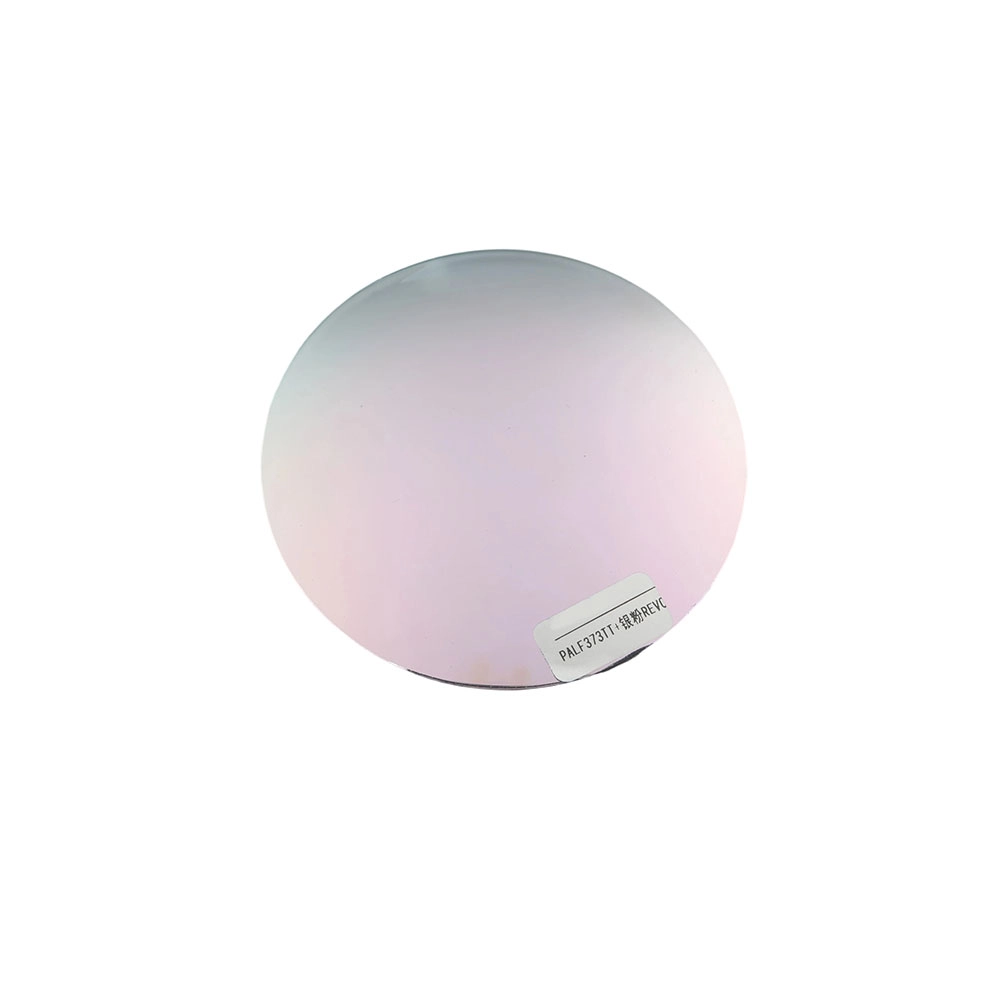
Dynamic Adaptation: Next-Gen Photochromic Lenses for Indoor & Outdoor Use
As premier eyeglass lenses manufacturers, Karuson crafts high-performance PC polarized coated lenses that seamlessly integrate lightweight, impact-resistant polycarbonate with advanced optical film technology. These lenses are engineered to achieve superior glare reduction and enhanced visual definition while offering a spectrum of stylish, customizable tints. Optimized for professional driving, outdoor sports, and urban lifestyles, our manufacturing process ensures that harmful reflections from water, roads, and snow are effectively filtered out. The result is a durable, fashion-forward visual solution that perfectly balances essential eye protection with high-end aesthetic appeal—making them the ideal choice for brands seeking to merge practicality with a modern fashion statement.
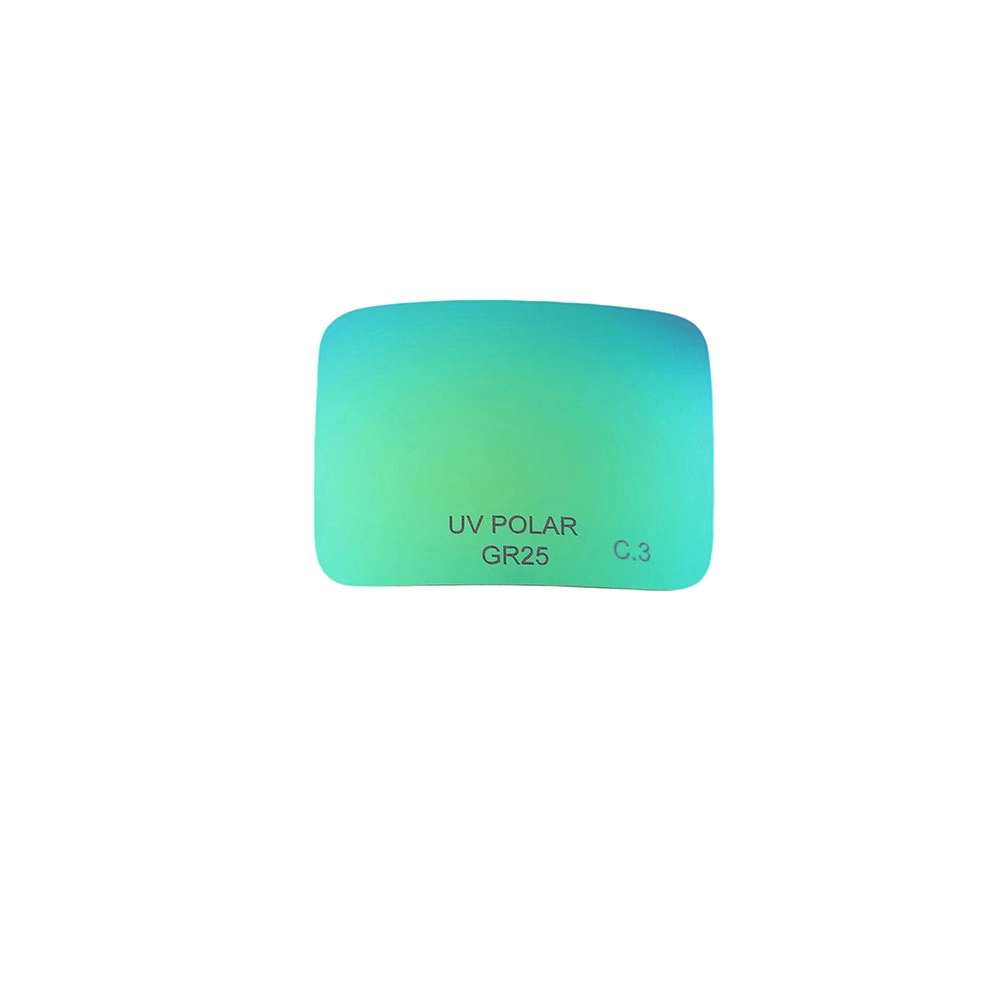
High-Definition Visual Clarity: Premium CR-39 & Polycarbonate Lenses
Experience the precision of a professional custom glasses lenses manufacturer. Karuson polarized lenses are engineered with a 99.9% high-polarization effect to provide unparalleled visual definition and glare reduction. By strategically absorbing reflected light through a high-stability PVA layer, our lenses are optimized for high-intensity outdoor environments, including maritime sailing, hunting, and alpine skiing. Furthermore, our specialized treatment ensures the lenses remain durable and distortion-free even in environments with high heat and humidity.
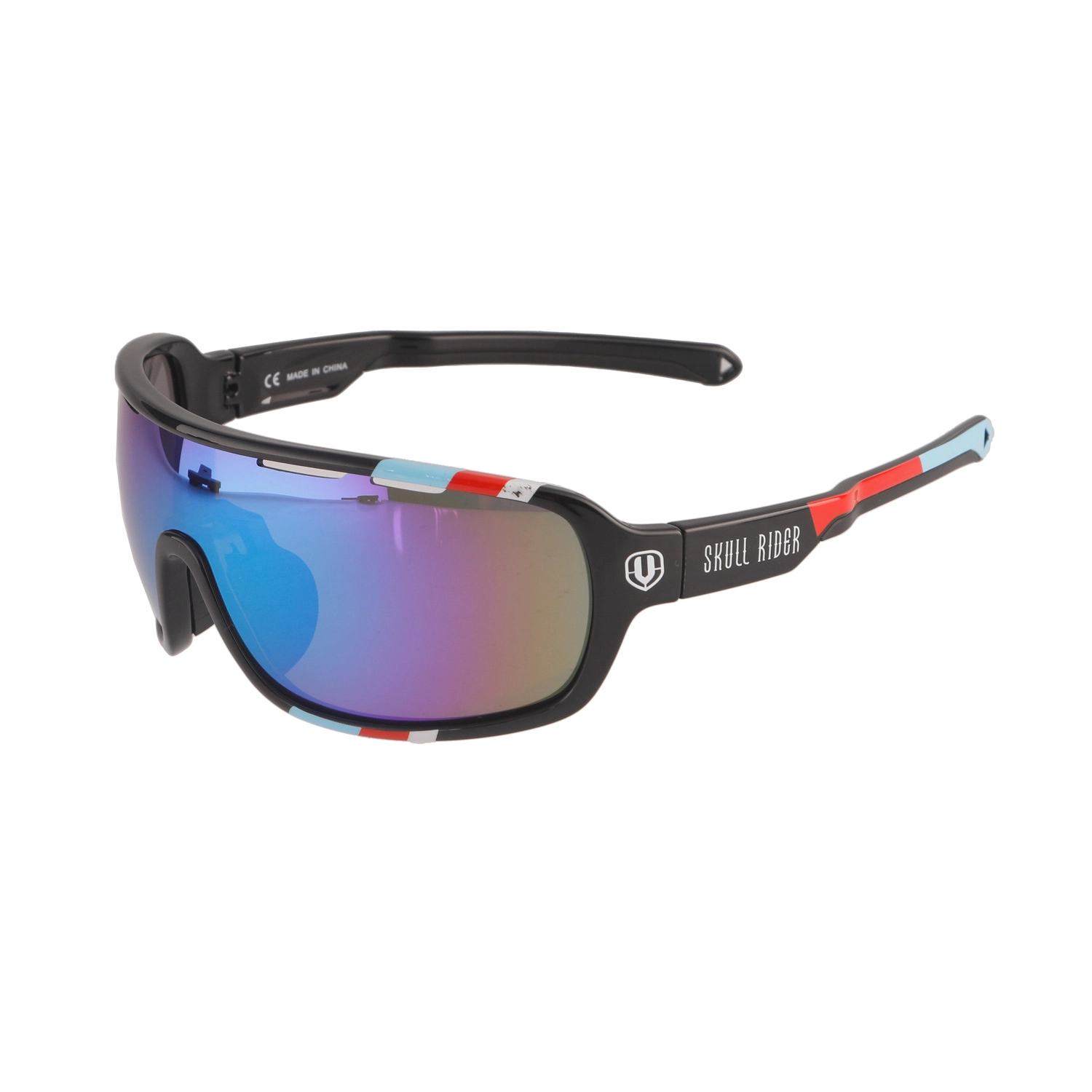
Professional Sports Style Sunglasses
These sports sunglasses are engineered to withstand extreme conditions while offering superior eye protection and style. Crafted with high-strength bio-acetate frames/PC/TR material, they feature exceptional impact resistance, scratch resistance, and wear resistance, ensuring longevity even during intense activities like cycling, hiking, or water sports.
The UV400 lenses provide 100% protection against harmful ultraviolet rays and reduce glare, minimizing eye fatigue and enhancing visual clarity. Perfect for outdoor enthusiasts, these sunglasses are available in vibrant, customizable colors and lightweight designs, making them a comfortable choice for all-day wear.
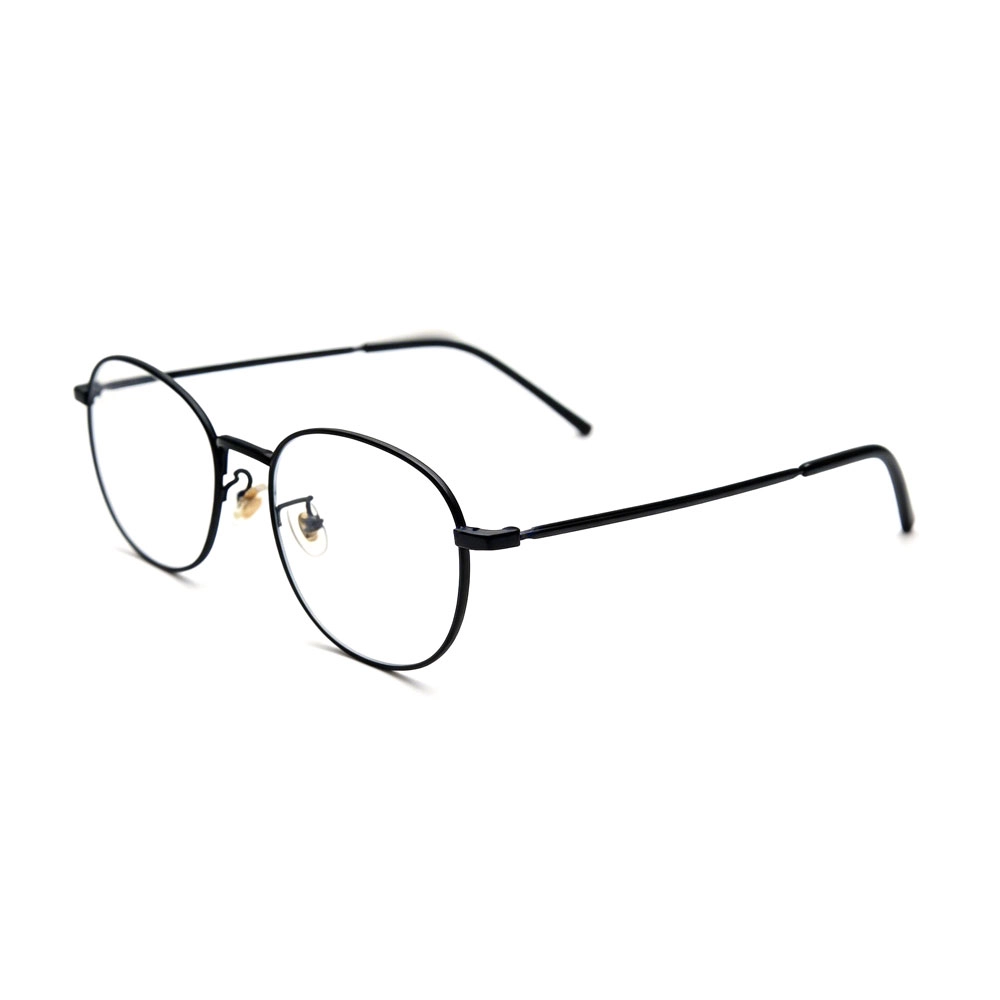
Elegant Lightweight Metal Eyeglass Frames
Metal sunglasses are the perfect blend of strength and elegance, designed for active lifestyles or daily use. Their aluminum or titanium frames are lightweight yet highly durable, resisting impacts and corrosion. UV400 lenses protect your eyes from harmful rays and glare, making them ideal for beach days or cycling. With customizable colors and sleek designs, these sunglasses deliver a stylish, sustainable option for eco-conscious brands and fashion-forward individuals.
Get a Free Quote
If you have any comments or good suggestions, please leave us a message; later our professional staff will contact you as soon as possible.
NEW DIMENSIONS IN EYEWEAR
Contact KARUSON
Email:
WhatsApp/Phone:
Address:
331 Section B, WanJia Creative Park , No. 1 BUXIA Road ,Tianhe District, Guangzhou City, Guangdong Province, China.

© 2026 KARUSON. All Rights Reserved.
Facebook
Instagram
YouTube
TikTok
Linkedin