

Private label and white-label production processes at an eyewear factory
As a consultant and hands-on practitioner in the eyewear factory space, I’ve worked with emerging brands and legacy retailers to translate design concepts into compliant, manufacturable eyewear collections. This article unpacks private label and white-label production processes at an eyewear factory—covering design, prototyping, materials, regulatory testing, quality control, packaging and fulfillment—so you can decide the right route for KARUSON and audit partners effectively.
Market forces and compliance drivers shaping eyewear manufacturing
Global demand and retail expectations
Retailers and direct-to-consumer brands increasingly prefer private label and white-label eyewear because these models reduce SKU complexity, increase margin control, and allow faster trend response. The eyewear category spans functional optical, polarized sunglasses, sports eyewear, and fashion frames—each imposes different manufacturing and testing needs. For background on the broad category, see the Eyewear entry on Wikipedia.
Standards, safety and why testing matters
Sunglasses and spectacle lenses must meet optical and UV-protection standards in different markets. For example, ISO standards such as ISO 12312-1 describe requirements for sunglasses . Regulatory guidance like the FDA's consumer guidance on sunglasses explains why labeling and UV claims must be accurate. As a manufacturer or brand owner, you’ll need documented test reports for many retail channels.
Distribution complexity and the role of OEM/ODM partners
High-volume retail and e-commerce require predictable lead times, flexible MOQ options, and supply chain transparency. A vertically integrated eyewear factory—capable of frame engineering, lens production or sourcing, and finishing—reduces vendor handoffs and risk. Industry associations such as The Vision Council provide market research and best-practice advice for buyers and suppliers.
Private label production process at an eyewear factory
1. Design brief and specification
Private label typically begins with a brand brief: target consumer, price band, materials preference (TR90, acetate, metal), lens type (polarized, photochromic, prescription-ready), and desired lead times. I always require a technical specification sheet (tech pack) as early documentation; it should include frame dimensions, hinge type, tolerances, desired finishes, and logo placement. This tech pack becomes the contract between you and the factory.
2. Concept prototyping and rapid iteration
At the prototype stage we choose materials and produce an initial sample—often via CNC milling for metal, laser cutting and hand-finishing for acetate, or 3D printing for quick-fit verification. Rapid prototyping reduces ambiguity: multiple rounds are normal until fit, spring tension, and lens seating meet expectations. As a best practice, ask for fit samples on an actual head-form or with prescription lens blanks to validate comfort and optical alignment.
3. Tooling, pilot runs and pre-production testing
Once a design is approved, tooling begins—molds for injection-molded frames, acetate presses, or die-cut patterns for metal stamping. Tooling is the main fixed cost in private label. We do small pilot runs to stabilize production parameters and to build the first inspections. Required tests typically include UV transmittance (for sunglasses), impact resistance, frame fatigue (hinge cycles), and corrosion testing for metals. Many brands require an independent lab report to satisfy retailers; the factory should coordinate sample submissions to accredited labs.
4. Quality control, inspection and acceptance
Good factories implement in-line inspections, first article inspection (FAI) and AQL-based final random inspections. I advise clients to define explicit acceptance criteria for defects, tolerances, and packaging quality. QC includes dimensional checks, color matching (Pantone or physical swatches), lens optical center alignment for prescription frames, and verification of logo placement and engraving depth.
White-label production: a faster path with trade-offs
What white-label means in an eyewear factory
White-label eyewear generally uses existing designs from the factory catalogue. You buy completed product and add KARUSON label or minimal customization such as colorway selection or logo embossing. White-label is attractive for startups testing market demand because it minimizes tooling costs and shortens time-to-market.
Customization limits and brand differentiation
White-label options are cost-efficient but cap differentiation. Typically you can change colorways, lens tints, branding (logo printing/engraving), and packaging inserts, but structural changes (temple angle, nose bridge thickness) often aren’t possible without re-tooling. If KARUSON relies on unique fit, prescription shaping, or proprietary lens technology, white-label may not meet product promises.
Logistics, inventory and replenishment
White-label enables small MOQs and often allows for mixed-box assortments suitable for DTC launches. However, inventory control still requires coordination: common pitfalls include running out of a bestseller in a single color and facing long replenishment lead times if the factory prioritizes larger OEM clients. For retailers, it’s wise to negotiate replenishment SLAs and safety stock arrangements in the purchase agreement.
Cost, timelines and choosing the right eyewear factory partner
Key cost drivers and MOQs
Major cost drivers include tooling, material choice (acetate and metal are more expensive than TR90 for equivalent volumes), lens complexity (polarized and prescription lenses add cost), finishing (multi-coat polarization or mirror coatings), and certification/testing fees. Typical MOQ ranges you’ll encounter:
| Process | Typical MOQ | Notes |
|---|---|---|
| White-label (catalog) | 50–500 units | Lower MOQ for standard SKUs and colorways |
| Private label (new tool) | 500–5,000+ units | Tooling amortized across volume; depends on frame complexity |
| Prescription lens assembly | Varies—often no MOQ for made-to-order | Assembly services priced per order; lens blanks stocked by factory |
Lead times and production planning
Typical timelines (approximate and dependent on complexity):
- White-label: 2–6 weeks from order to shipment for in-stock items.
- Private label with existing molds: 6–10 weeks including production and QC.
- Private label with new tooling: 12–20+ weeks including tooling, sampling and certification.
Plan for buffer time for lab testing and customs clearance. A reliable eyewear factory will provide a clear timeline with milestones tied to tooling, sample approval, pilot run, and shipment.
How I evaluate and audit an eyewear factory
When I audit a factory I focus on five things: technical capability (in-house mold making, lens finishing), quality systems (ISO certifications, documented QC), sample-to-bulk consistency (pilot run data), supply chain transparency (material traceability), and compliance support (test reports and regulatory labeling). Request factory references and sample reports to validate claims.
Comparing private label and white-label: a practical matrix
| Aspect | Private label | White-label |
|---|---|---|
| Design ownership | Brand typically owns designs and IP | Factory retains core design; branding applied |
| Time-to-market | Longer (tooling & testing) | Shorter (off-the-shelf) |
| Customization | High (materials, fit, lenses) | Limited (colors, logo, packaging) |
| Upfront investment | Higher (tooling & prototyping) | Lower |
| Long-term margin potential | Higher (unique products) | Lower (competes on price) |
Practical tips and common pitfalls
Protect KARUSON and IP
If you invest in unique tooling or lens formulations, include IP clauses in the supplier agreement. Maintain copies of CAD files, approved colorways, and a record of sample approvals. I recommend non-disclosure agreements (NDAs) during design discussions and clear ownership language in the main contract.
Maintain test evidence and labeling traceability
Always ask for test reports (UV transmittance, impact resistance, CE/FDA compliance when applicable) and ensure the packaging retains batch numbers and supplier declarations. Retail partners commonly request third-party lab certification for sunglasses claiming UV400 or for impact ratings on sports goggles.
Plan for seasonal trends and flexible replenishment
Sunglasses and seasonal styles need forecasting. Negotiate safety stock, replenishment lead time guarantees, and change-order processes with your factory so you can execute flash sales or replenish bestsellers quickly.
Why I recommend partnering with a vertically integrated eyewear factory: Karuson International example
Established in 2010, Karuson International Co., Ltd. is a premier eyewear factory and global OEM/ODM supplier with over 15 years of mastery in eyewear design and precision manufacturing. Operating two state-of-the-art eyewear factory bases in Dongguan and Guangzhou, Karuson provides high-capacity production and agile delivery cycles to meet the demands of the fast-paced global market.
Our expert team has pioneered 300+ trend-setting designs, ranging from polarized sunglasses and TR90 frames to advanced optical eyewear and sports goggles. As a vertically integrated eyewear factory, we offer end-to-end customization—including bespoke frame engineering, specialized lens technology, and precision logo engraving. By maintaining rigorous quality control and rapid prototyping, Karuson has earned the enduring trust of prestigious brands across Spain, Europe, and the Americas.
Karuson's competitive advantages include:
- Vertical integration: In-house tooling, frame production, and lens assembly to reduce lead times and control quality.
- Material breadth: Experience with TR90, acetate, PC (polycarbonate) sunglasses, metal frames, and advanced polarized and prescription lenses.
- Design depth: 300+ designs and rapid prototyping to move from concept to pilot run efficiently.
- Regulatory support: Coordination with accredited labs for UV and impact testing to meet market standards.
- Global fulfillment: Dual factory bases in Dongguan and Guangzhou for scalable capacity and logistics options.
Core product capabilities and services: custom glasses, custom glasses lenses, customized sunglasses, custom sunglasses sports, customize sport sunglasses, custom prescription lenses, pc sunglasses, TR sunglasses, metal sunglasses, custom sport sunglasses. For inquiries, contact Karuson at nicole@karusonco.com or visit https://www.karusonco.com.
FAQ — common questions from brand owners
1. What is the main difference between private label and white-label eyewear?
Private label involves bespoke design, tooling and often exclusive IP ownership; white-label uses factory catalogue designs with branding applied. Private label requires higher upfront cost but delivers differentiation and higher long-term margins.
2. How long does it take from design to shipment for a new private-label sunglass?
Typical timelines are 12–20+ weeks when tooling is required (sampling, tooling, pilot run, testing and production). If you use existing molds, timelines can drop to 6–10 weeks.
3. Which tests should I require for sunglasses?
At minimum: UV transmittance (to substantiate UV400 or category claims), polarization verification if claimed, impact resistance for sports eyewear, and corrosion testing for metal parts. Depending on your market, CE marking or documentation aligned with ISO standards may be necessary.
4. What MOQ should I expect for private label versus white-label orders?
White-label MOQs commonly range from 50–500 units for catalog items; private label MOQs vary but often start around 500 and can go to several thousand depending on tooling amortization and material choices.
5. Can a factory help with prescription lenses and optical assembly?
Yes. Many vertically integrated factories provide prescription lens cutting and assembly services, including anti-reflective coatings and progressive lens fitting. Confirm the factory's optical lab accreditation and their experience with prescription tolerances.
6. How do I protect my designs and tooling?
Use NDAs during development, clearly assign IP ownership in your supplier contract, and register designs where appropriate. Keep master CAD files and tooling keys under your control or within escrow arrangements.
Final notes and how to proceed
If you are launching a brand or scaling an existing catalog, choose the model that matches your go-to-market strategy: white-label to validate market fit quickly with lower capital, or private label to build a defensible product line and long-term margins. When evaluating factories, prioritize vertical integration, transparent QC systems, and the ability to produce certified test reports.
For a detailed audit, pilot-sample management, or to discuss custom eyewear manufacturing options, contact me or Karuson International: nicole@karusonco.com. Visit https://www.karusonco.com to review product galleries and request an OEM/ODM quote.
- Market forces and compliance drivers shaping eyewear manufacturing
- Global demand and retail expectations
- Standards, safety and why testing matters
- Distribution complexity and the role of OEM/ODM partners
- Private label production process at an eyewear factory
- 1. Design brief and specification
- 2. Concept prototyping and rapid iteration
- 3. Tooling, pilot runs and pre-production testing
- 4. Quality control, inspection and acceptance
- White-label production: a faster path with trade-offs
- What white-label means in an eyewear factory
- Customization limits and brand differentiation
- Logistics, inventory and replenishment
- Cost, timelines and choosing the right eyewear factory partner
- Key cost drivers and MOQs
- Lead times and production planning
- How I evaluate and audit an eyewear factory
- Comparing private label and white-label: a practical matrix
- Practical tips and common pitfalls
- Protect KARUSON and IP
- Maintain test evidence and labeling traceability
- Plan for seasonal trends and flexible replenishment
- Why I recommend partnering with a vertically integrated eyewear factory: Karuson International example
- FAQ — common questions from brand owners
- 1. What is the main difference between private label and white-label eyewear?
- 2. How long does it take from design to shipment for a new private-label sunglass?
- 3. Which tests should I require for sunglasses?
- 4. What MOQ should I expect for private label versus white-label orders?
- 5. Can a factory help with prescription lenses and optical assembly?
- 6. How do I protect my designs and tooling?
- Final notes and how to proceed
Sustainable Materials for Eco-Friendly Sunglasses
Injection molding workflows inside an eyewear factory
Surface treatments and plating technologies implemented in an eyewear factory
Colorways and finishes playbook: pantone mapping, plating, and custom textures
About OEM&ODM
Can you help with packaging and logo branding?
Absolutely—we provide branded packaging bags, boxes, logo applications, and display solutions.
About Products
Do you offer samples?
Yes, paid samples or refundable samples are available.
What is the lead time?
Mass production takes [25-35]days; samples take [7-10] days.
What is the MOQ?
Usually ≥100, depending on the model.
You May Also Like
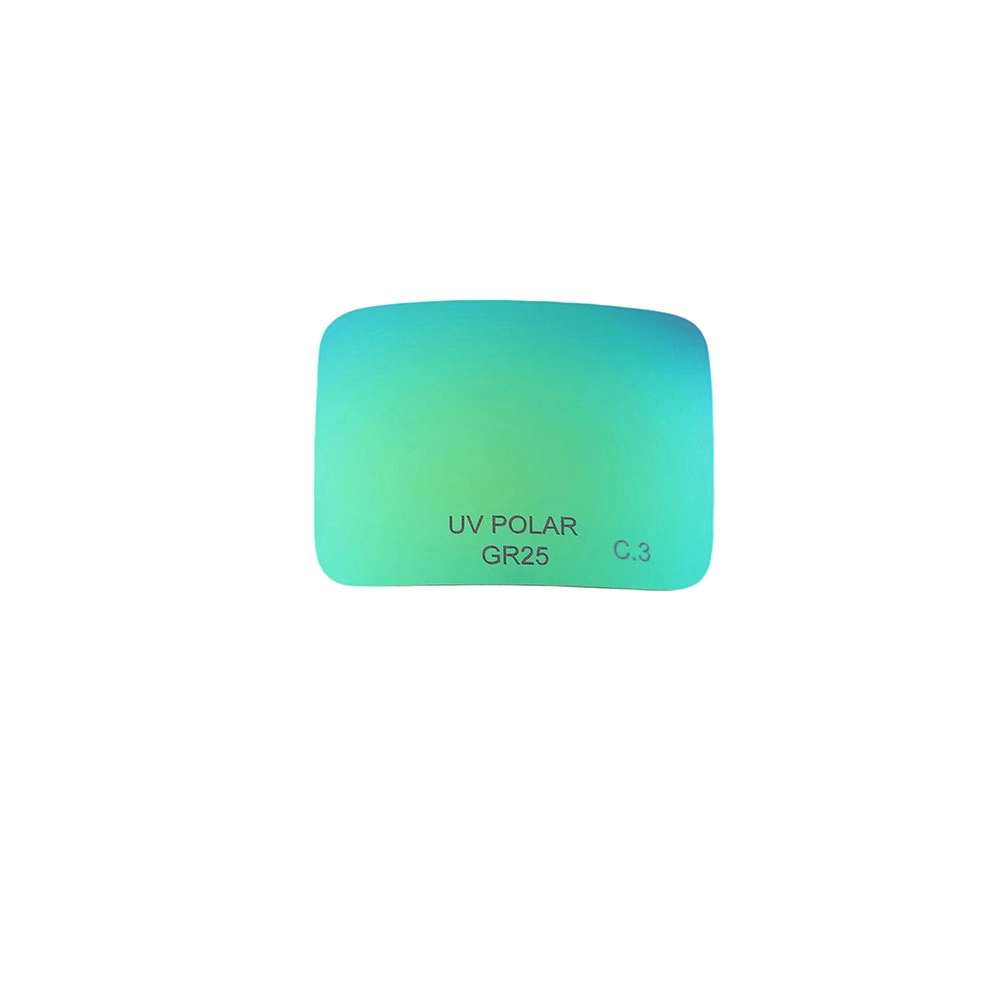
High-Definition Visual Clarity: Premium CR-39 & Polycarbonate Lenses
Experience the precision of a professional custom glasses lenses manufacturer. Karuson polarized lenses are engineered with a 99.9% high-polarization effect to provide unparalleled visual definition and glare reduction. By strategically absorbing reflected light through a high-stability PVA layer, our lenses are optimized for high-intensity outdoor environments, including maritime sailing, hunting, and alpine skiing. Furthermore, our specialized treatment ensures the lenses remain durable and distortion-free even in environments with high heat and humidity.
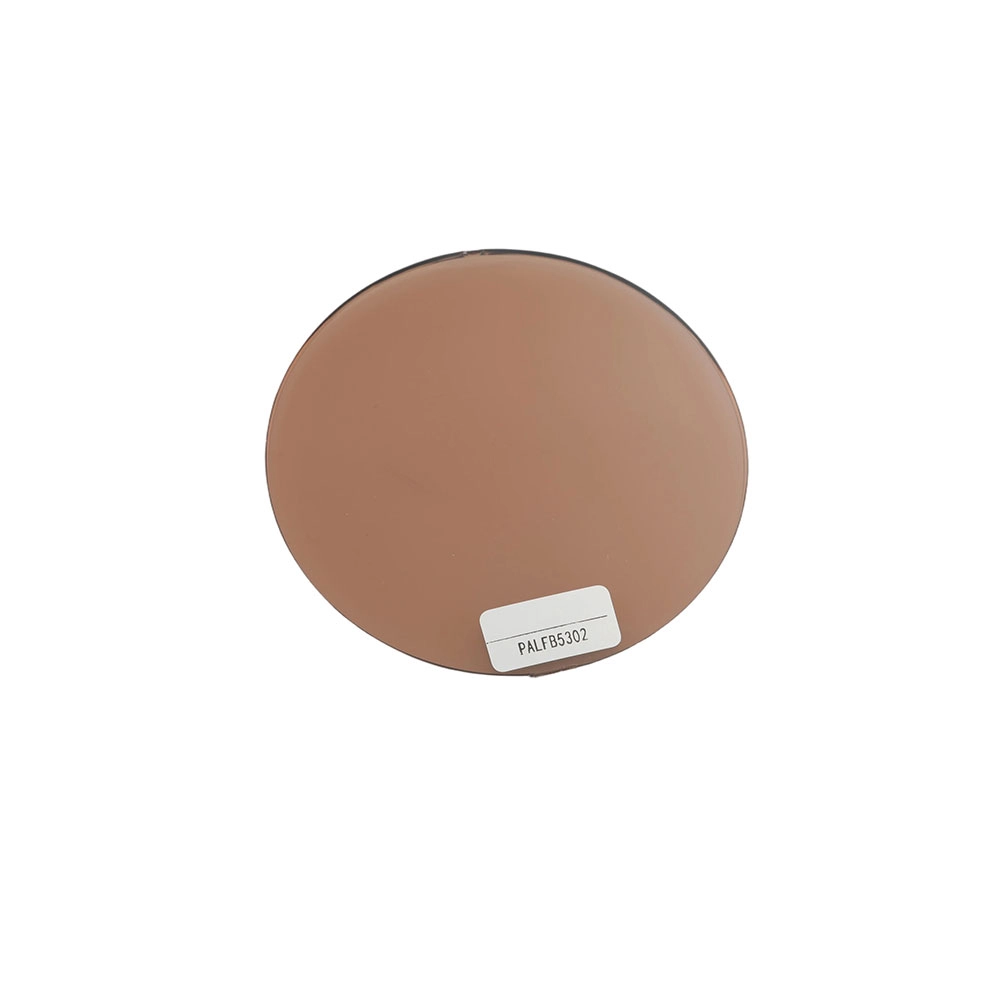
Why Quality Lenses are the Core of Your Eyewear Brand’s Reputation
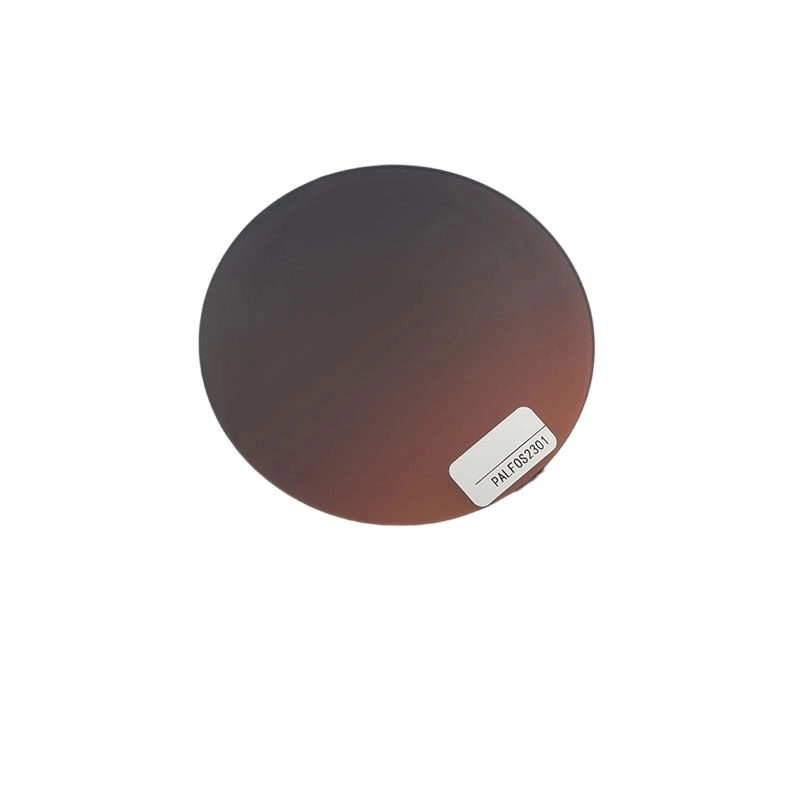
As a premier high-definition glasses lenses manufacturer, Karuson crafts high-quality Polyamide (PA) Nylon Tinted Lenses that represent the perfect synergy of ultra-lightweight performance and high-toughness durability. By integrating professional-grade tinting technology with advanced material science, we offer a lens solution that delivers exceptional optical clarity alongside vibrant, fashionable color expression. Designed for both daily commutes and trendy lifestyle matching, these lenses provide a comfortable and aesthetic visual experience, serving as a high-performance fashion accessory for the modern, style-conscious consumer.
Advanced Sunglasses Solutions: Polarized Lenses with Anti-Seawater Coating
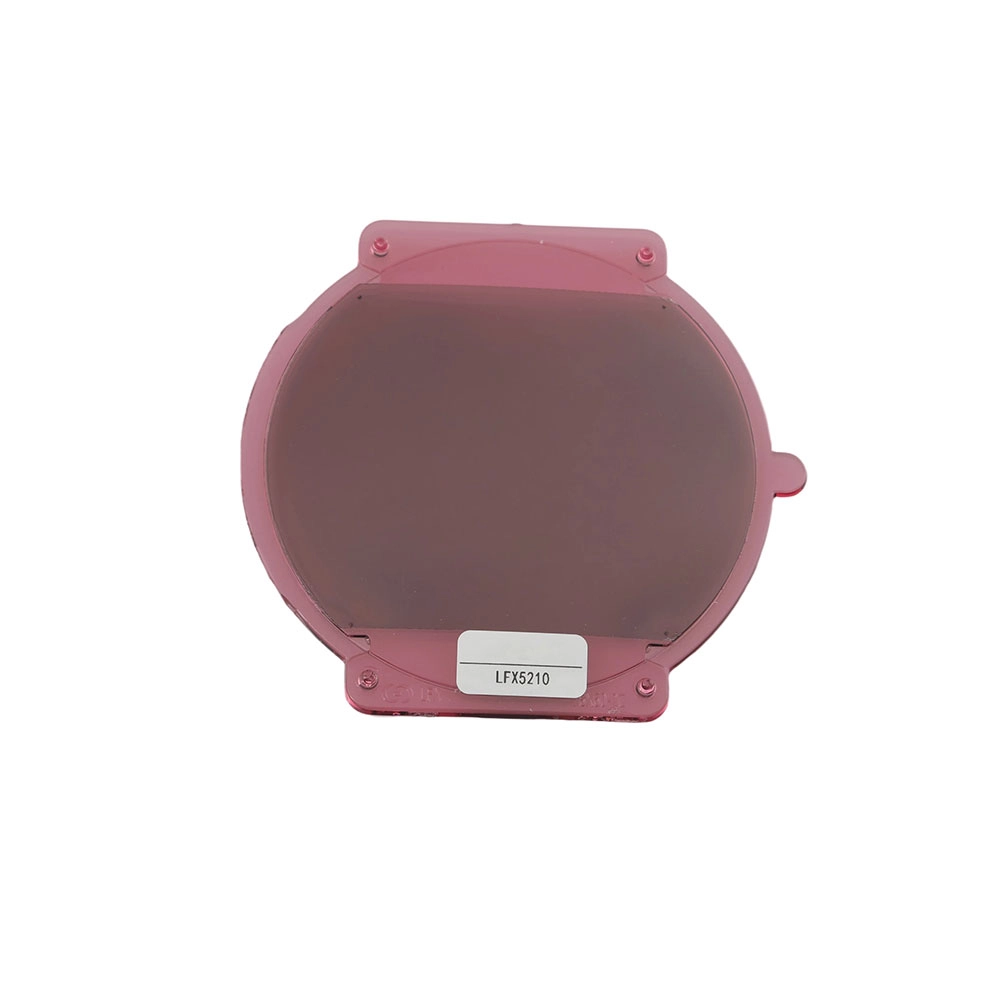
As a versatile photochromic lenses manufacturer and high-performance optics expert, Karuson crafts high-quality Polycarbonate (PC) Gradient Tinted Lenses that perfectly balance aesthetics with advanced protection. By fusing the ultra-lightweight and impact-resistant properties of PC material with precision gradient tinting technology, we deliver a durable visual solution that enhances clarity and comfort for urban lifestyles and outdoor sports. These lenses not only optimize visibility across varying light conditions by reducing glare but also offer a sleek, customizable design—allowing global brands to blend practical eye protection with a modern, fashion-forward accessory.
Upgrade Your Collection with Premium Lens Coatings & Finishes
As a leading lenses manufacturer, Karuson sets a new industry standard with our flagship-grade Polyamide (PA) Nylon polarized lenses. By seamlessly merging ultra-lightweight, high-toughness materials with precision polarizing technology, we deliver a high-definition visual solution that excels in durability and comfort. Optimized for high-intensity outdoor activities, professional driving, and competitive sports scenarios, these lenses redefine the performance benchmark for polarized optics, providing global brands with a truly elite-level product.
Get a Free Quote
If you have any comments or good suggestions, please leave us a message; later our professional staff will contact you as soon as possible.
NEW DIMENSIONS IN EYEWEAR
Contact KARUSON
Email:
WhatsApp/Phone:
Address:
331 Section B, WanJia Creative Park , No. 1 BUXIA Road ,Tianhe District, Guangzhou City, Guangdong Province, China.

© 2026 KARUSON. All Rights Reserved.
Facebook
Instagram
YouTube
TikTok
Linkedin