


How an eyewear factory selects and sources lens materials: CR39, polycarbonate, high-index
As someone who has worked inside an eyewear factory for many years and advised brands on lens selection and sourcing, I know the decision about lens material is rarely just technical — it's commercial, logistical and user-focused. In this article I summarize how an eyewear factory approaches selection and procurement of three core lens families—CR‑39 (ADC), polycarbonate, and high‑index plastics—so product teams, buyers and engineers can make informed, verifiable choices that match wearer needs and production realities.
Start with optical and user requirements, not the material
Prescription strength and refractive index needs
I always begin by mapping the prescription range we must support. Refractive index has direct impact on lens thickness and wearer cosmesis: lower-index materials (CR‑39, ~1.49) are fine for low-to-moderate prescriptions, while higher-index materials (1.6–1.74) reduce edge thickness for stronger corrections. For children’s frames or high-impact use we often prioritize impact-resistant polycarbonate despite its lower Abbe value (chromatic dispersion).
Lifestyle, safety and impact resistance
Safety requirements (sports, kids, industrial PPE) change the priority list. Polycarbonate is inherently tougher and used where impact resistance is non-negotiable. I check relevant standards early — for example impact and optical quality standards such as ANSI Z80.1 (optical prescription eyewear guidelines) and ANSI/ISEA Z87.1 (eye protection) — to ensure the chosen material and lens construction can meet certification where required (links: polycarbonate properties on Wikipedia, The Vision Council).
Aesthetics, coatings and post-processing
Coatings (anti‑scratch, anti‑reflective, mirror, photochromic) affect both supplier choice and handling. Some base materials accept coatings better; for instance, CR‑39 historically bonds well with standard hard coatings, while polycarbonate often requires primer layers for durable scratch resistance. I consider suppliers’ AR/HC line capabilities, cure ovens, and quality control processes before locking in a source.
Material deep-dive: CR‑39, polycarbonate, and high‑index plastics
CR‑39 (allyl diglycol carbonate, ADC): optics-first, cost-efficient
CR‑39, a trade name for allyl diglycol carbonate, is a long-standing material for prescription lenses due to its favorable optical quality and low cost. Typical properties I rely on when evaluating CR‑39:
- Refractive index: ~1.49 (commonly cited as 1.498)
- High Abbe value (~58), meaning better control of chromatic aberration
- Good optical clarity for single-vision and progressive lenses at low-to-moderate prescriptions
- Lower impact resistance than polycarbonate — not ideal where strict impact standards apply
Reference overview: CR‑39 on Wikipedia.
Polycarbonate: impact-resistant, lightweight, widely used for safety and kids
Polycarbonate is chosen when impact resistance and thinness for rimless or lightweight frames are priorities. Key practical points I evaluate:
- Refractive index: ~1.58 (typical commonly quoted 1.586)
- Lower Abbe number (~30–32) — increased chromatic aberration vs CR‑39
- Excellent impact resistance and inherently UV‑blocking properties
- Requires robust hardcoating/primer processes to achieve acceptable scratch resistance
Polycarbonate’s use in protective eyewear and children’s products is well documented; see general material properties: Polycarbonate on Wikipedia.
High‑index plastics: thin, High Quality, and prescription-focused
High‑index materials cover a range (1.60, 1.67, 1.70, 1.74) that allows significant thinning for high prescriptions. When I quote for high‑index lenses I examine:
- Refractive index options and expected thickness reduction vs CR‑39
- Abbe values (generally lower than CR‑39 but improving in newer formulations)
- Compatibility with progressive designs and the ability to maintain surface quality after machining and coating
- Price and lead time implications: higher material cost and sometimes longer QC cycles
High‑index lenses are particularly valuable for high prescriptions and High Quality product lines where cosmetic thickness and weight are selling points.
How I evaluate suppliers and quality control in an eyewear factory
Standards, testing and verifiable metrics
Before we source, I require supplier documentation and testing evidence that map to recognized standards. Examples of what I request and validate:
- Material technical data sheets (TDS) with refractive index, Abbe number, density and thermal properties.
- Certificates of compliance (RoHS, REACH where applicable) and traceability to batch numbers.
- Testing records for impact resistance and optical clarity; where applicable, certification against national standards (e.g., ANSI Z80.1 for prescription eyewear and ANSI/ISEA Z87.1 for protective eyewear). See The Vision Council and standards bodies for guidance.
I typically perform in-house random sampling and optical bench tests (power accuracy, surface quality, centration) and send full batches for third‑party testing when launching new material-supplier combinations.
Supply chain logistics, lead times and MOQ
From a procurement perspective, I balance minimum order quantities (MOQs), lead times and shipping reliability. Material shortages (e.g., for specific high‑index formulations or specialty coatings) can disrupt SKUs; I maintain dual-sourcing where feasible and require supplier KPIs for on‑time delivery to maintain production schedules.
Cost vs performance trade-offs and commercial decisions
I create a decision matrix that weighs unit cost, yield (waste from surfacing/edging), warranty claims (scratches, delamination), and brand positioning. Sometimes a slightly more expensive high‑index lens yields a better net margin because it reduces rework and increases perceived product value for High Quality channels.
Practical selection guide, comparisons and use cases
Lens material comparison (quick reference)
| Property | CR‑39 (ADC) | Polycarbonate | High‑index (1.6–1.74) |
|---|---|---|---|
| Typical refractive index | ~1.49 | ~1.58 | 1.60 / 1.67 / 1.74 |
| Abbe value (chromatic dispersion) | ~58 (better visual clarity) | ~30–32 (more color fringing) | ~30–40 (varies by formulation) |
| Impact resistance | Moderate | High (excellent for safety & kids) | Moderate to high (depends on formulation) |
| Typical use cases | Everyday single vision, budget opticals | Kids, sports, safety, rimless frames | High prescriptions, High Quality thin profile frames |
| Cost (material alone) | Low | Medium | High |
Sources: material pages and manufacturer technical notes; general overviews on CR‑39 and polycarbonate.
Case: selecting for progressives vs single vision
Progressive lenses require smooth surface geometry and precise surfacing. For progressives I prioritize base curve stability and material homogeneity. CR‑39 and higher‑quality high‑index formulations often provide superior optical uniformity for complex progressive designs; polycarbonate progressives are possible but sometimes show more perceived aberration due to the lower Abbe value. I rely on lens design houses and perform wearer trials before full production runs.
Case: children’s eyewear and sports goggles
For children and sport-focused SKUs, safety and impact resistance trump minute optical advantages. Polycarbonate (or newer copolymers engineered for toughness) is usually the default. We also specify thicker edge zones or rim support, and robust hardcoats with warranty policies to reduce returns.
Sustainability, recycling and future trends
Environmental footprint and recyclability
Material sustainability is increasingly part of sourcing decisions. Some high‑index and polycarbonate materials can be recycled, but the availability of closed-loop recycling in eyewear is still limited. I evaluate suppliers’ environmental policies, resin sourcing, and certifications (e.g., REACH compliance in the EU) as part of supplier selection.
Emerging materials and photochromics integration
The industry is seeing hybrid materials and improved high‑index copolymers that aim to raise Abbe values while retaining thin profiles. Photochromic and polarized technologies are also being integrated at the monomer or lamination level; sourcing partners that can produce pre-treated blanks (e.g., polarized, photochromic high‑index blanks) reduce assembly steps and improve consistency.
Practical checklist I use when approving a new lens material supplier
- Review TDS: refractive index, Abbe number, specific gravity, thermal properties.
- Request sample blanks and run them through our surfacing/edging line for yield metrics.
- Validate coating adhesion (crosshatch tests) and AR performance on finished lenses.
- Confirm regulatory compliance (RoHS/REACH) and provide batch traceability.
- Agree on inspection plans, defect rates, and corrective action timelines in the contract.
About manufacturing partners and what to expect from a top-tier eyewear factory
Established in 2010, Karuson International Co., Ltd. is a premier eyewear factory and global OEM/ODM supplier with over 15 years of mastery in eyewear design and precision manufacturing. Operating two state-of-the-art eyewear factory bases in Dongguan and Guangzhou, we provide high-capacity production and agile delivery cycles to meet the demands of the fast-paced global market.
Our expert team has pioneered 300+ trend-setting designs, ranging from polarized sunglasses and TR90 frames to advanced optical eyewear and sports goggles. As a vertically integrated eyewear factory, we offer end-to-end customization—including bespoke frame engineering, specialized lens technology, and precision logo engraving. By maintaining rigorous quality control and rapid prototyping, we have earned the enduring trust of prestigious brands across Spain, Europe, and the Americas.
As a consulting lead inside production, I evaluate potential partners on these differentiators: integrated tooling and prototyping to shorten development cycles; in-house coating and edging capacity to control quality and reduce handling; and mature QA systems that tie material batch numbers to finished lens inspection results. Karuson demonstrates these strengths through its dedicated facilities and long-term OEM relationships.
Product focus areas include: custom glasses, custom glasses lenses, customized sunglasses, custom sunglasses sports, customize sport sunglasses, custom prescription lenses, pc sunglasses, TR sunglasses, metal sunglasses, custom sport sunglasses.
Contact Karuson for materials, prototypes or OEM/ODM partnerships: nicole@karusonco.com — visit https://www.karusonco.com.
FAQ — Frequently asked questions
1. Which lens material is best for kids?
For children I recommend polycarbonate due to superior impact resistance and lightweight properties. It meets the typical safety expectations for playground and sports use better than CR‑39.
2. Can high‑index lenses replace polycarbonate for safety applications?
Not usually. High‑index materials are chosen for cosmetic thinness at high prescriptions; they are not automatically as impact resistant as polycarbonate. For certified impact protection, select materials and constructions that demonstrate compliance with the relevant standard (e.g., local PPE standards).
3. How do coatings differ for CR‑39 vs polycarbonate?
CR‑39 bonds well with standard hard coats and AR stacks. Polycarbonate typically requires a primer layer or specialized hard coat to achieve comparable scratch resistance. Always verify adhesion tests and warranty terms.
4. Are high‑index lenses more prone to chromatic aberration?
Chromatic aberration is related to Abbe number; many high‑index plastics have lower Abbe values than CR‑39, which can increase perceived color fringing. Newer high‑index formulations aim to improve Abbe performance, but wearer sensitivity varies.
5. How should brands choose suppliers for specialty lens blanks (e.g., polarized high‑index)?
Ask for technical evidence of consistent polarization performance and testing data for the specific blank type. Evaluate supplier capability to deliver pre-treated blanks that integrate coatings or polarization reliably, and run sample batches through your production line to watch for delamination or coating defects.
Final notes and how to proceed
Choosing lens material in an eyewear factory is an exercise in balancing optics, safety, cost and supply certainty. Start from user requirements, validate with data (TDS, Abbe, refractive index, certification evidence), and run production trials before scaling. If you need supplier introductions, material testing support or OEM/ODM production with proven QC systems, reach out.
Contact Karuson International Co., Ltd. for consultations, samples and production pricing: nicole@karusonco.com. Visit https://www.karusonco.com to view capabilities and product lines.
- Start with optical and user requirements, not the material
- Prescription strength and refractive index needs
- Lifestyle, safety and impact resistance
- Aesthetics, coatings and post-processing
- Material deep-dive: CR‑39, polycarbonate, and high‑index plastics
- CR‑39 (allyl diglycol carbonate, ADC): optics-first, cost-efficient
- Polycarbonate: impact-resistant, lightweight, widely used for safety and kids
- High‑index plastics: thin, High Quality, and prescription-focused
- How I evaluate suppliers and quality control in an eyewear factory
- Standards, testing and verifiable metrics
- Supply chain logistics, lead times and MOQ
- Cost vs performance trade-offs and commercial decisions
- Practical selection guide, comparisons and use cases
- Lens material comparison (quick reference)
- Case: selecting for progressives vs single vision
- Case: children’s eyewear and sports goggles
- Sustainability, recycling and future trends
- Environmental footprint and recyclability
- Emerging materials and photochromics integration
- Practical checklist I use when approving a new lens material supplier
- About manufacturing partners and what to expect from a top-tier eyewear factory
- FAQ — Frequently asked questions
- 1. Which lens material is best for kids?
- 2. Can high‑index lenses replace polycarbonate for safety applications?
- 3. How do coatings differ for CR‑39 vs polycarbonate?
- 4. Are high‑index lenses more prone to chromatic aberration?
- 5. How should brands choose suppliers for specialty lens blanks (e.g., polarized high‑index)?
- Final notes and how to proceed
Top 20 China sunglasses suppliers for dropshipping and wholesale (2026 edition)
Injection molding workflows inside an eyewear factory
Creating a signature frame shape: moodboards, sketches, and tech packs
How to collaborate with an eyewear factory on custom frame design briefs
About Products
How do you ensure product quality?
Full QC process, factory testing, and international certifications.
Do you support OEM/ODM?
Yes, our R&D and design teams support full customization.
What is the lead time?
Mass production takes [25-35]days; samples take [7-10] days.
About OEM&ODM
What is your production lead time?
Mass production generally takes 30–45 days after sample approval.
You May Also Like
High-Definition Visual Clarity: Premium CR-39 & Polycarbonate Lenses
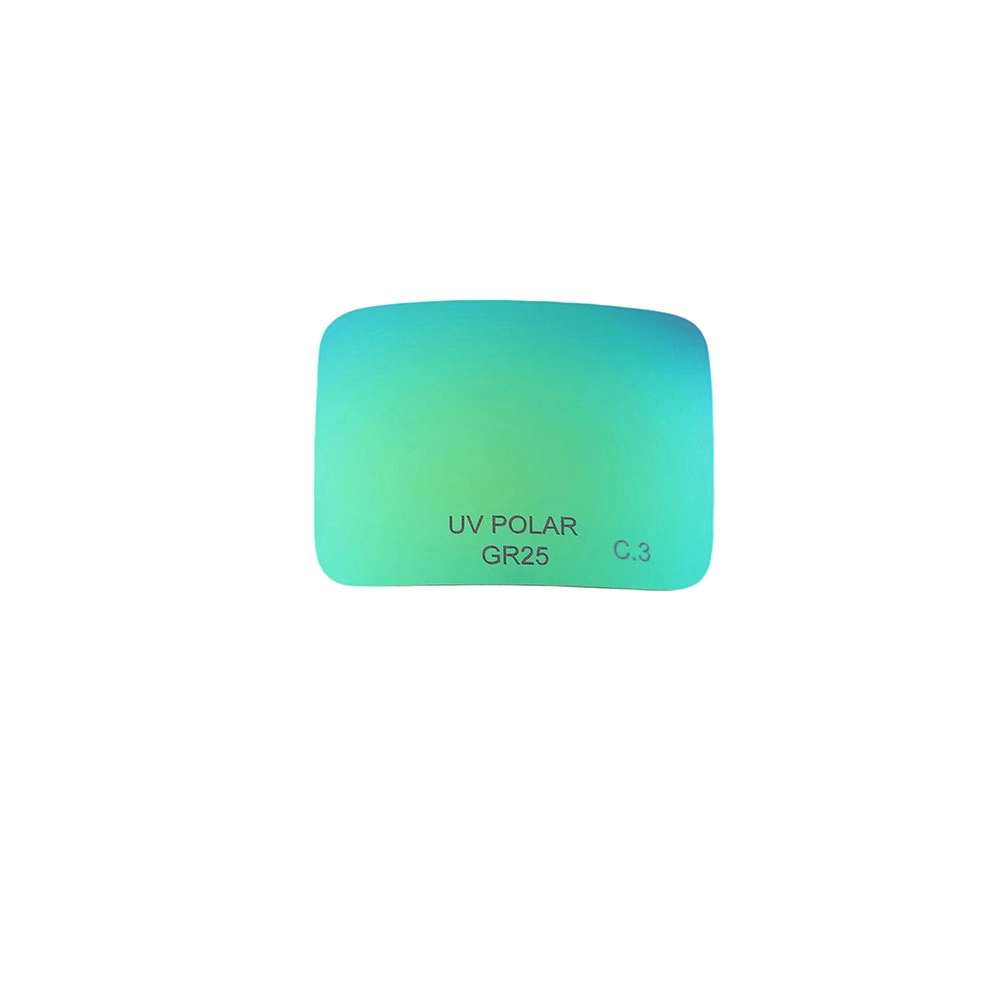
Experience the precision of a professional custom glasses lenses manufacturer. Karuson polarized lenses are engineered with a 99.9% high-polarization effect to provide unparalleled visual definition and glare reduction. By strategically absorbing reflected light through a high-stability PVA layer, our lenses are optimized for high-intensity outdoor environments, including maritime sailing, hunting, and alpine skiing. Furthermore, our specialized treatment ensures the lenses remain durable and distortion-free even in environments with high heat and humidity.
Why Quality Lenses are the Core of Your Eyewear Brand’s Reputation
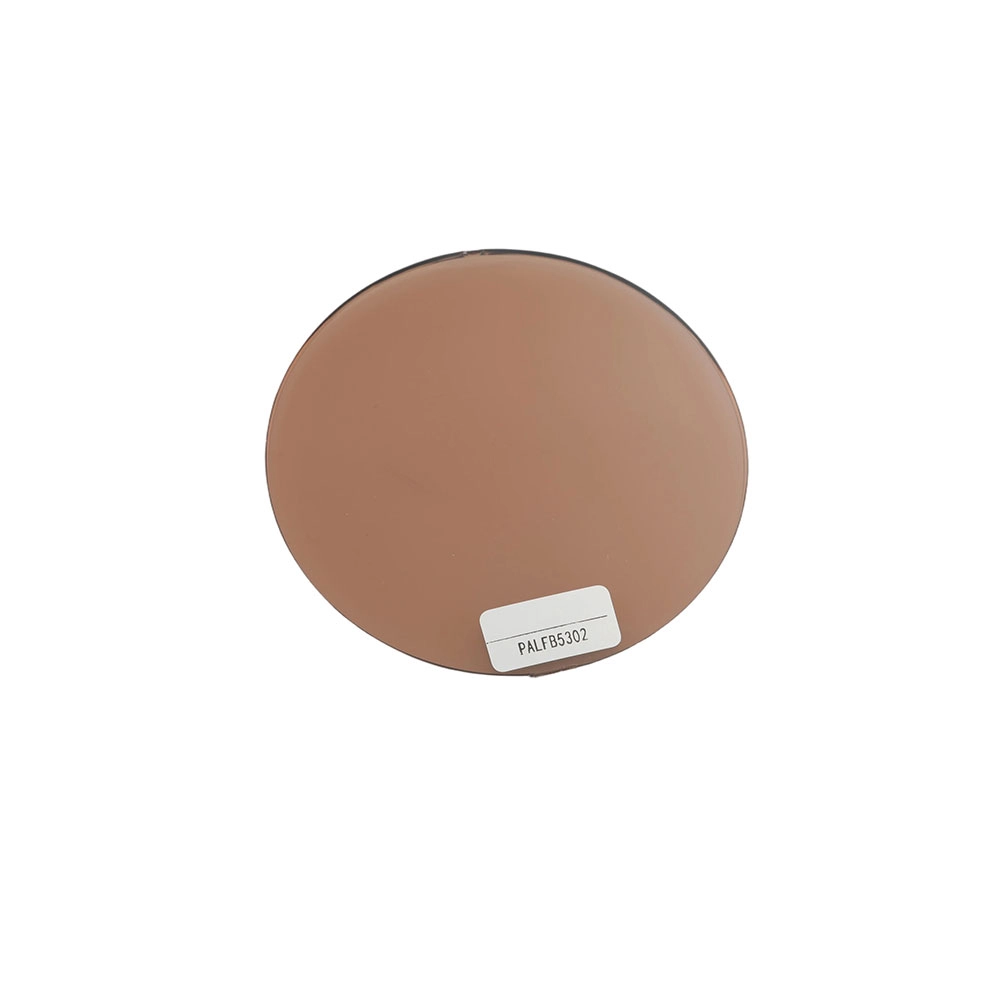
As a premier high-definition glasses lenses manufacturer, Karuson crafts high-quality Polyamide (PA) Nylon Tinted Lenses that represent the perfect synergy of ultra-lightweight performance and high-toughness durability. By integrating professional-grade tinting technology with advanced material science, we offer a lens solution that delivers exceptional optical clarity alongside vibrant, fashionable color expression. Designed for both daily commutes and trendy lifestyle matching, these lenses provide a comfortable and aesthetic visual experience, serving as a high-performance fashion accessory for the modern, style-conscious consumer.
Advanced Sunglasses Solutions: Polarized Lenses with Anti-Seawater Coating
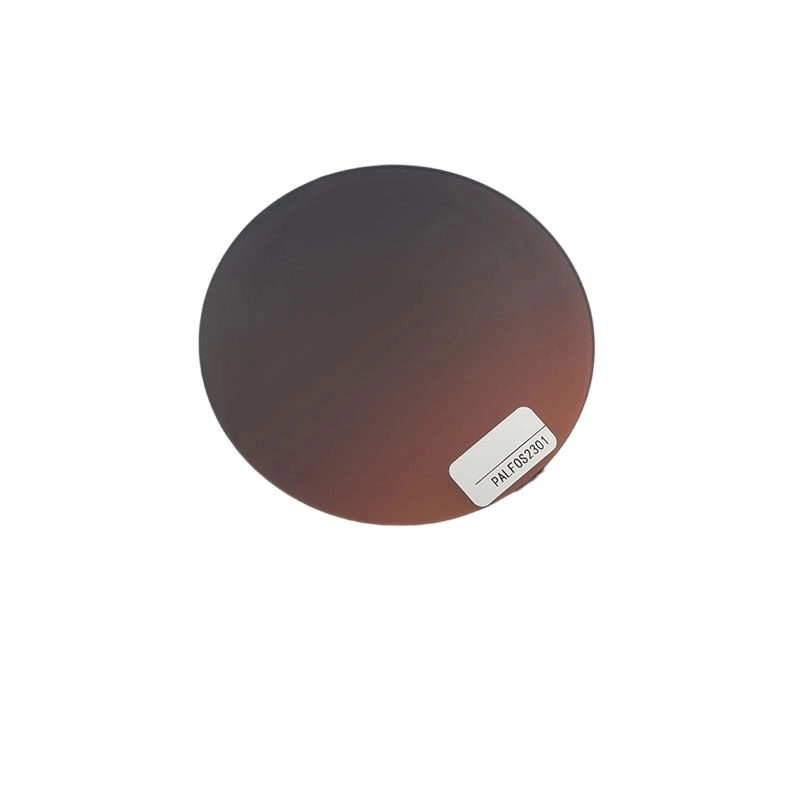
As a versatile photochromic lenses manufacturer and high-performance optics expert, Karuson crafts high-quality Polycarbonate (PC) Gradient Tinted Lenses that perfectly balance aesthetics with advanced protection. By fusing the ultra-lightweight and impact-resistant properties of PC material with precision gradient tinting technology, we deliver a durable visual solution that enhances clarity and comfort for urban lifestyles and outdoor sports. These lenses not only optimize visibility across varying light conditions by reducing glare but also offer a sleek, customizable design—allowing global brands to blend practical eye protection with a modern, fashion-forward accessory.
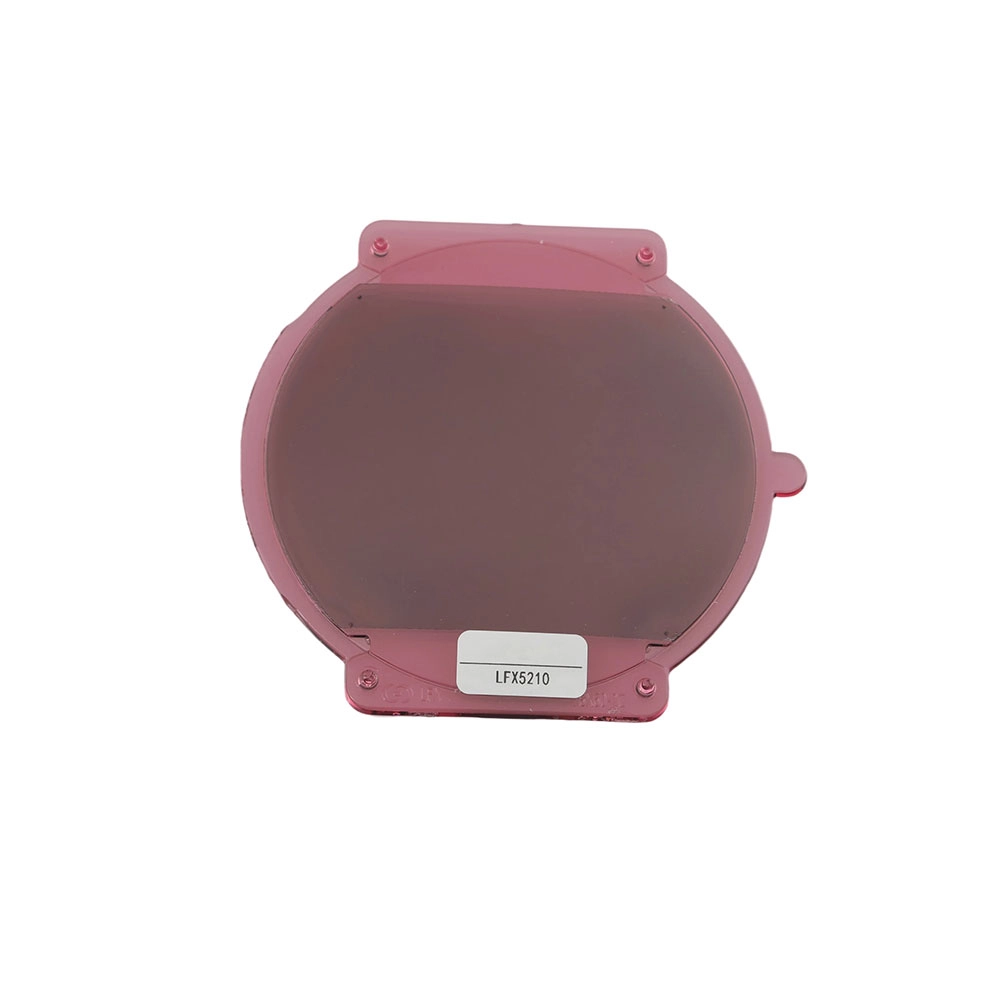
Upgrade Your Collection with Premium Lens Coatings & Finishes
As a leading lenses manufacturer, Karuson sets a new industry standard with our flagship-grade Polyamide (PA) Nylon polarized lenses. By seamlessly merging ultra-lightweight, high-toughness materials with precision polarizing technology, we deliver a high-definition visual solution that excels in durability and comfort. Optimized for high-intensity outdoor activities, professional driving, and competitive sports scenarios, these lenses redefine the performance benchmark for polarized optics, providing global brands with a truly elite-level product.
Get a Free Quote
If you have any comments or good suggestions, please leave us a message; later our professional staff will contact you as soon as possible.
NEW DIMENSIONS IN EYEWEAR
Contact KARUSON
Email:
WhatsApp/Phone:
Address:
331 Section B, WanJia Creative Park , No. 1 BUXIA Road ,Tianhe District, Guangzhou City, Guangdong Province, China.

© 2026 KARUSON. All Rights Reserved.
Facebook
Instagram
YouTube
TikTok
Linkedin