


How to Set Up a Private Label Eyewear Line Using Custom Eyewear Manufacturers
As someone who has worked with global brands and factory floors for well over a decade, I know that turning a concept into a profitable private label eyewear line requires both creative design and industrial rigor. In this guide I explain, step by step, how to set up a private label eyewear business using trusted custom sunglasses manufacturers. I focus on practical decisions—supplier selection, materials, prototyping, certification, cost control and logistics—and include verifiable references to standards and authoritative sources to help you make compliant, scalable choices.
Understanding the eyewear market and buyer needs
Market segmentation and consumer intent
Before you contact any custom sunglasses manufacturers, define who you are designing for. The market segments include fashion sunglasses, sport sunglasses, prescription optical frames, children’s eyewear and safety goggles. Each segment has distinct feature demands—polarized lenses and impact resistance for sports, bespoke prescription lens integration for opticians, CE/ISO certification for safety eyewear. Understanding the behind keywords like custom sunglasses manufacturers helps prioritize features and packaging that buyers will pay for.
Regulatory and health context
Eyewear is both fashion and a health product. International standards such as ISO 12312-1:2013 regulate sunglasses for general use; I recommend reviewing the standard when specifying filter categories and UV protection levels (ISO 12312-1). For prescription lenses and claims about vision correction, consult your local regulatory body—e.g., the U.S. Food and Drug Administration guidance for eyeglasses (FDA - Eyeglasses)—and the World Health Organization for broader vision health context (WHO - Visual impairment).
Pricing tiers and margin expectations
Decide your positioning early. Private label lines range from low-cost impulse sunglasses to High Quality designer collaborations. Margins depend on order volume, material choices (e.g., acetate frames vs. metal or TR90), lens options (polarized, photochromic, prescription), and finishing (plating, laser logo). I recommend modeling three scenarios—value, mid-tier, High Quality—to understand MOQ sensitivity when you negotiate with custom sunglasses manufacturers.
Finding and evaluating custom sunglasses manufacturers
Where to source manufacturers and initial vetting
Start with a multi-pronged search: industry trade shows, B2B directories, verified factory websites, and referrals from brands. Use keyword searches for custom sunglasses manufacturers alongside location filters (e.g., China, Vietnam, Italy) to compile a shortlist. For initial vetting, ask for ISO certifications, OEM/ODM case studies, lead times, tooling costs, and minimum order quantities (MOQs).
Factory capability checklist
When I evaluate suppliers I use a simple checklist. Request the following and verify where possible:
- Production capacities (monthly unit capability)
- In-house processes (injection molding, metal stamping, CNC, lens finishing)
- Quality systems (ISO 9001, incoming inspection reports)
- Prototyping speed (CNC or 3D-printed prototypes)
- Supply chain transparency and sub-supplier oversight
On-site audits and sample evaluation
An on-site audit or a third-party inspection before scaling orders is critical. Evaluate master samples not only for aesthetics but for dimensions, hinge strength, lens coating adhesion and labeling compliance (CE/FDA markings where relevant). If you cannot visit, commission a qualified third-party inspection company. This step dramatically reduces costly surprises later.
Design, materials and prototyping
Choosing materials: pros and cons
Material selection determines cost, durability, and user perception. Below I compare commonly used materials with practical notes. Sources: Wikipedia entries for each material for technical properties and industry context.
| Material | Strengths | Limitations | Typical use |
|---|---|---|---|
| TR90 (thermoplastic) | Lightweight, flexible, impact-resistant | Fewer High Quality finish options than acetate | Sport frames, budget-to-mid tier |
| Acetate | High Quality look, rich colors, easily customized | Higher cost, requires hand finishing | Fashion and High Quality frames |
| Metal (stainless steel, titanium) | Slim profiles, hypoallergenic (titanium), durable | Higher tooling cost for complex shapes | High Quality, optical frames |
| PC (polycarbonate) lenses | High impact resistance, lightweight, suitable for sports | More prone to scratching vs. glass unless coated | Sports sunglasses, safety eyewear |
References: TR90 properties and common use are discussed on industry sources and material pages such as Polycarbonate - Wikipedia and Cellulose acetate - Wikipedia. Use them to validate technical claims.
Design for manufacturability and lens options
Designs that look great on-screen may be impossible or costly to manufacture. Design for manufacturability (DFM) reduces tool iterations and rejects. Decide early if you will offer polarized, mirrored, photochromic, or prescription lenses. For example, polarized lenses add cost but significantly increase perceived value for outdoor and sport markets. If you plan to offer prescription-ready frames, ensure temple-to-hinge tolerances and lens bevel specifications match lens labs you will work with.
Rapid prototyping and pilot runs
I always recommend at least two prototype iterations followed by a small pilot run (100–500 units) before full production. Rapid prototyping (3D printing or CNC) helps verify fit and ergonomics. Use pilot runs to stress-test packaging, assembly processes, and QC checkpoints. A well-run pilot shortens time-to-market and reduces wasteful rework.
Production, quality control and logistics
Inspection plans and quality metrics
Adopt a clear quality acceptance plan (AQL) for incoming and final inspections. Key metrics include dimensional tolerances, lens optical properties, coating adhesion, hinge torque, and advertising compliance (UV protection, polarization). If you export to Europe, ensure CE marking and compliance with relevant standards per industry guidance. For sunglasses, ISO 12312-1 testing is a recognized benchmark (ISO 12312-1).
Packaging, labeling and brand consistency
Packaging is part of the product experience. Work with your manufacturer on branded cases, cleaning cloths, and label inserts (care instructions and compliance marks). Ensure consistent logo placement and quality of engraving or printing—laser engraving typically lasts longer than surface printing.
Lead times, logistics and inventory planning
Negotiate realistic lead times and include buffer for shipping delays and customs. For global brands, I recommend a hybrid inventory strategy: keep 1–2 months’ worth of fast-moving SKUs in your primary fulfillment center and use factory buffer stock for seasonal runs. This reduces stockouts while minimizing working capital tied up in inventory.
Working with Karuson International — a practical OEM/ODM option
Why I consider Karuson for private label projects
Established in 2010, Karuson International Co., Ltd. is a premier eyewear factory and global OEM/ODM supplier with over 15 years of mastery in eyewear design and precision manufacturing. Operating two state-of-the-art eyewear factory bases in Dongguan and Guangzhou, Karuson provides high-capacity production and agile delivery cycles suitable for scalable private label programs. Their dual-factory model helps manage capacity spikes and reduces single-factory risk.
Capabilities, design portfolio and vertical integration
Karuson's expert team has pioneered 300+ trend-setting designs, including polarized sunglasses, TR90 and PC sunglasses, metal sunglasses, sports goggles, and advanced optical eyewear. As a vertically integrated eyewear factory, they provide end-to-end customization—frame engineering, lens technology (including custom prescription lenses), precision logo engraving and rapid prototyping. This reduces coordination overhead and often shortens development cycles.
Quality, clientele and global reach
Karuson maintains rigorous quality control systems and has earned trust across Spain, Europe and the Americas. They emphasize rapid prototyping and maintain compliance processes to meet international requirements—valuable when your private label line targets multiple markets. For inquiries, Karuson can be reached at nicole@karusonco.com or via their website: https://www.karusonco.com. Their main offerings include custom glasses, custom glasses lenses, customized sunglasses, custom sunglasses sports, customize sport sunglasses, custom prescription lenses, pc sunglasses, TR Sunglasses, metal sunglasses and custom sport sunglasses.
Commercial considerations: pricing, contracts and scaling
Negotiating MOQs, tooling fees and payment terms
Consolidate SKUs to improve economics. Negotiate MOQs and tiered pricing with custom sunglasses manufacturers. Expect tooling fees for new frames; amortize tooling across multiple colorways to lower per-unit cost. Typical payment structures are 30% deposit, 70% before shipment—negotiate based on your relationship and order history.
Intellectual property and design protection
Protect your designs with clear contractual clauses about IP ownership, non-use of designs for other clients, and confidentiality. Consider registering design patents or copyright where applicable. Ensure the manufacturer agrees to destroy tooling or materials on contract termination if required.
Scaling and seasonal planning
Plan for seasonality. Sunglasses are seasonal in many markets, and lead times for materials (e.g., acetate sheets, specialty lenses) can spike. Leverage your manufacturer’s multiple production lines to stagger orders and use rolling forecasts to keep capacity aligned with demand.
Implementation checklist: from concept to shipment
Step-by-step launch checklist
- Define target segment and price tiers.
- Create mood boards and initial sketches.
- Shortlist 3–5 custom sunglasses manufacturers and request capabilities, MOQs and sample timelines.
- Prototype (2 iterations) and run a small pilot order.
- Conduct third-party inspections and pre-shipment checks.
- Finalize packaging, labeling and compliance documentation.
- Ship and monitor initial sales to refine forecasts.
Typical timeline (example)
| Phase | Duration | Notes |
|---|---|---|
| Design & prototyping | 4–8 weeks | Depends on iterations and complexity |
| Pilot production | 3–6 weeks | Small MOQ helps validate assembly |
| Mass production | 4–12 weeks | Depends on capacity, materials and season |
| Shipping & customs | 2–6 weeks | Air vs sea freight tradeoffs |
FAQs
1. What minimum order quantities (MOQs) should I expect from custom sunglasses manufacturers?
MOQs vary widely by manufacturer and product complexity. Commodity TR90 or PC sunglasses often have MOQs of several hundred per SKU; high-end acetate or metal designs can have higher MOQs to justify tooling. Karuson and similar OEMs typically provide tiered MOQ options—discuss consolidation of colorways to lower per-SKU MOQs.
2. How long does it take to go from design to shipment?
A realistic schedule is 3–6 months from concept to first shipment for a new design, including prototyping, pilot run and mass production. Timelines shorten if you adapt existing frame platforms or order off-the-shelf lenses.
3. Do I need ISO or CE certification to sell sunglasses?
For many markets, compliance with ISO 12312-1 (sunglasses) is a recognized benchmark. Europe requires CE marking for certain eyewear types; in the U.S., the FDA regulates certain claims about eye protection and medical devices. Always verify regional regulatory requirements for your product claims and labeling (ISO 12312-1, FDA).
4. How do I handle prescription orders as a private label brand?
Partner with lens labs or use your manufacturer’s prescription lens services. Ensure frame geometries support lens blank sizes and bevels. For regulated markets, maintain records of prescriptions and ensure dispensing partners meet local optician regulations.
5. What are the most common quality failures and how can I prevent them?
Common failures include poor hinge durability, lens coatings peeling, color inconsistencies and bad fit. Prevent these by: strict incoming material checks, standardized production line tests (hinge torque, drop tests), coating adhesion tests, and a clear AQL-based inspection plan.
6. Can I get small batch/custom designs from Karuson?
Yes—Karuson offers OEM/ODM services with prototyping and pilot runs suitable for private label brands. Contact them at nicole@karusonco.com or visit Karuson International to discuss capabilities and portfolio samples.
If you're ready to begin or would like a sourcing consultation, I recommend reaching out to your shortlisted manufacturers for detailed quotes and timelines. For rapid prototyping and reliable OEM support, consider contacting Karuson International Co., Ltd. at nicole@karusonco.com or visit https://www.karusonco.com to view their product range and capabilities. They specialize in custom glasses, custom glasses lenses, customized sunglasses, custom sunglasses sports, customize sport sunglasses, custom prescription lenses, pc sunglasses, TR Sunglasses, metal sunglasses and custom sport sunglasses.
Ready to move from idea to production? Email nicole@karusonco.com for a confidential discussion and request samples or a factory capability dossier today.
- Understanding the eyewear market and buyer needs
- Market segmentation and consumer intent
- Regulatory and health context
- Pricing tiers and margin expectations
- Finding and evaluating custom sunglasses manufacturers
- Where to source manufacturers and initial vetting
- Factory capability checklist
- On-site audits and sample evaluation
- Design, materials and prototyping
- Choosing materials: pros and cons
- Design for manufacturability and lens options
- Rapid prototyping and pilot runs
- Production, quality control and logistics
- Inspection plans and quality metrics
- Packaging, labeling and brand consistency
- Lead times, logistics and inventory planning
- Working with Karuson International — a practical OEM/ODM option
- Why I consider Karuson for private label projects
- Capabilities, design portfolio and vertical integration
- Quality, clientele and global reach
- Commercial considerations: pricing, contracts and scaling
- Negotiating MOQs, tooling fees and payment terms
- Intellectual property and design protection
- Scaling and seasonal planning
- Implementation checklist: from concept to shipment
- Step-by-step launch checklist
- Typical timeline (example)
- FAQs
- 1. What minimum order quantities (MOQs) should I expect from custom sunglasses manufacturers?
- 2. How long does it take to go from design to shipment?
- 3. Do I need ISO or CE certification to sell sunglasses?
- 4. How do I handle prescription orders as a private label brand?
- 5. What are the most common quality failures and how can I prevent them?
- 6. Can I get small batch/custom designs from Karuson?
How an eyewear factory performs acetate frame cutting and shaping
How to find and vet private label eyewear manufacturers: RFP template and audit checklist
Lens options and coatings to offer in private label eyewear: polarized, blue light, anti-reflective, transition
Hand-finishing, polishing and final inspection procedures in an eyewear factory
About Products
How do you ensure product quality?
Full QC process, factory testing, and international certifications.
What is the MOQ?
Usually ≥100, depending on the model.
Do you offer samples?
Yes, paid samples or refundable samples are available.
About OEM&ODM
Do you support OEM and ODM?
Yes—we offer both contract manufacturing (OEM) and full product development services (ODM).
You May Also Like
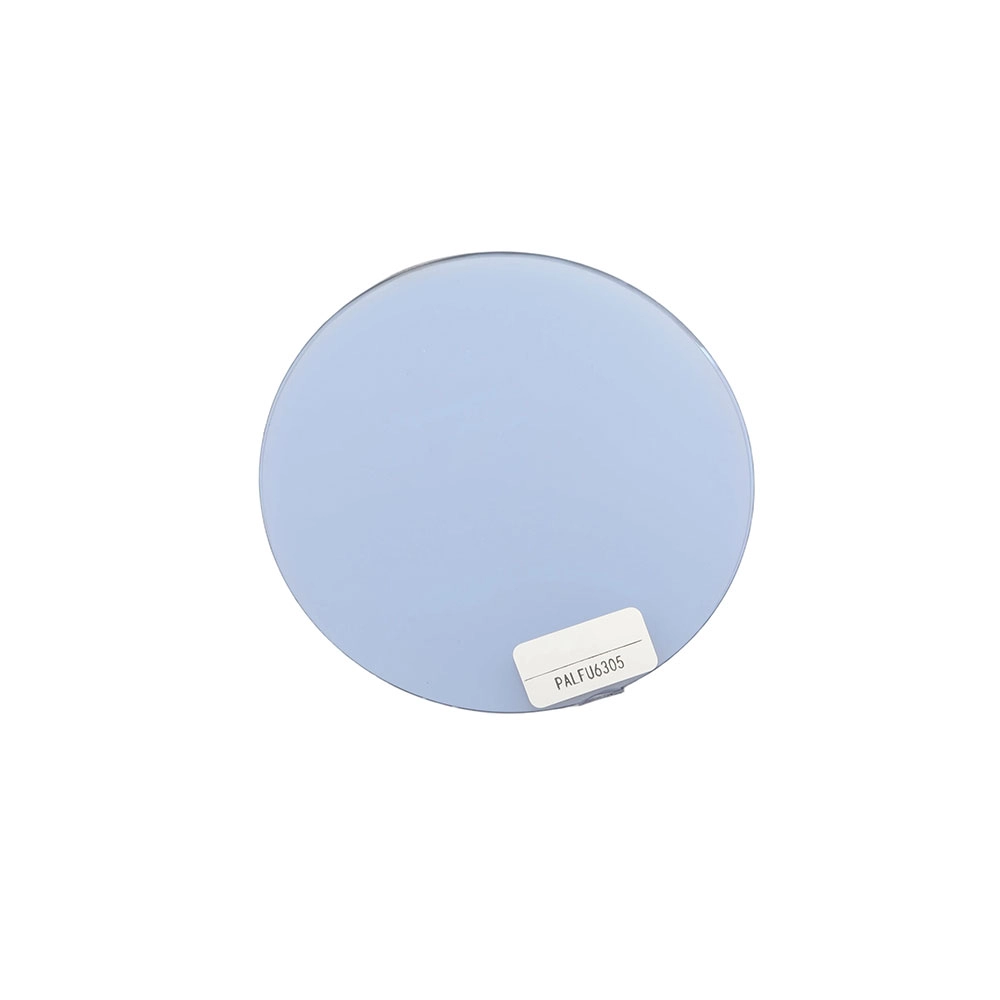
The Digital Shield: Blue Light Blocking Lenses for the Modern Professional
As leading eyeglass lens manufacturers, Karuson leverages advanced material science to produce PC lenses that are 37% lighter than conventional resin, providing a significant reduction in nasal bridge pressure for prolonged, comfortable wear. These high-performance lenses offer 100% UV protection and superior impact resistance, ensuring maximum ocular safety. By utilizing specialized dyeing techniques that infuse pigments directly into the material, we offer a versatile spectrum of vibrant color options—effectively minimizing glare while maintaining exceptional visual clarity for any environment.
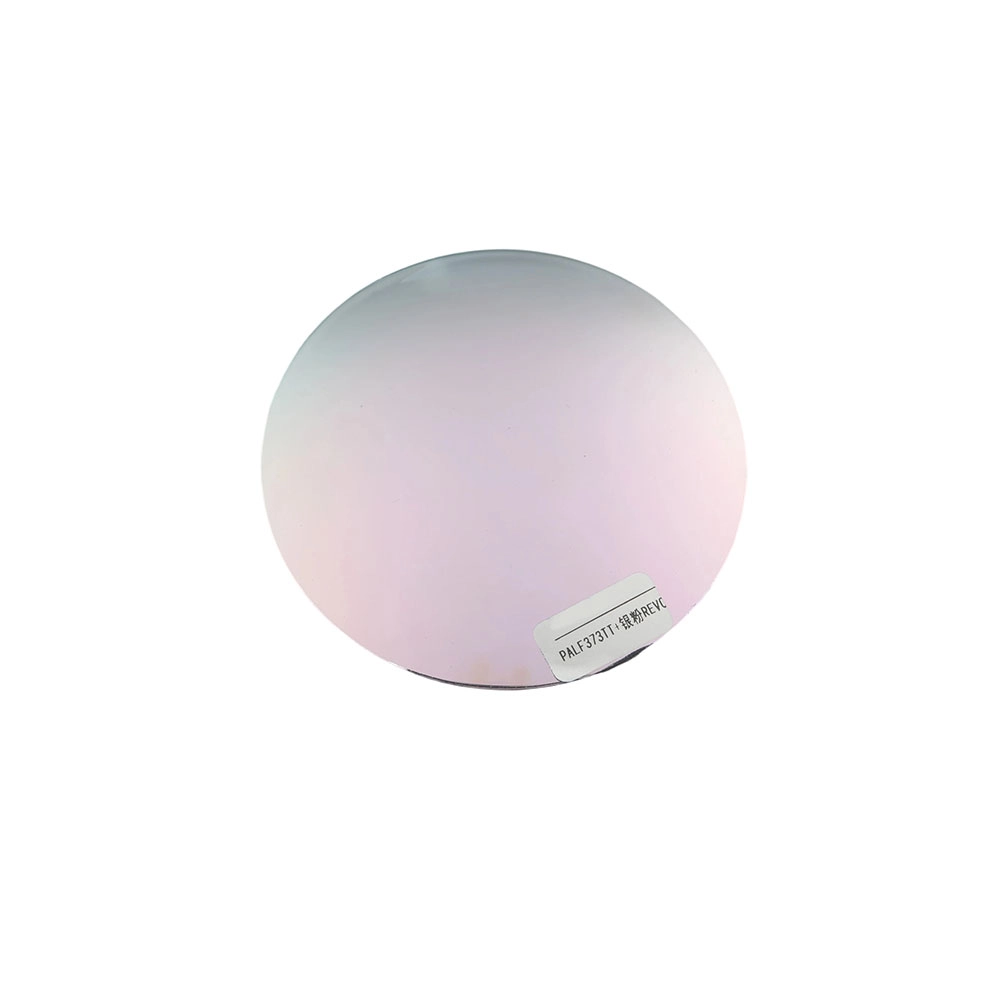
Dynamic Adaptation: Next-Gen Photochromic Lenses for Indoor & Outdoor Use
As premier eyeglass lenses manufacturers, Karuson crafts high-performance PC polarized coated lenses that seamlessly integrate lightweight, impact-resistant polycarbonate with advanced optical film technology. These lenses are engineered to achieve superior glare reduction and enhanced visual definition while offering a spectrum of stylish, customizable tints. Optimized for professional driving, outdoor sports, and urban lifestyles, our manufacturing process ensures that harmful reflections from water, roads, and snow are effectively filtered out. The result is a durable, fashion-forward visual solution that perfectly balances essential eye protection with high-end aesthetic appeal—making them the ideal choice for brands seeking to merge practicality with a modern fashion statement.
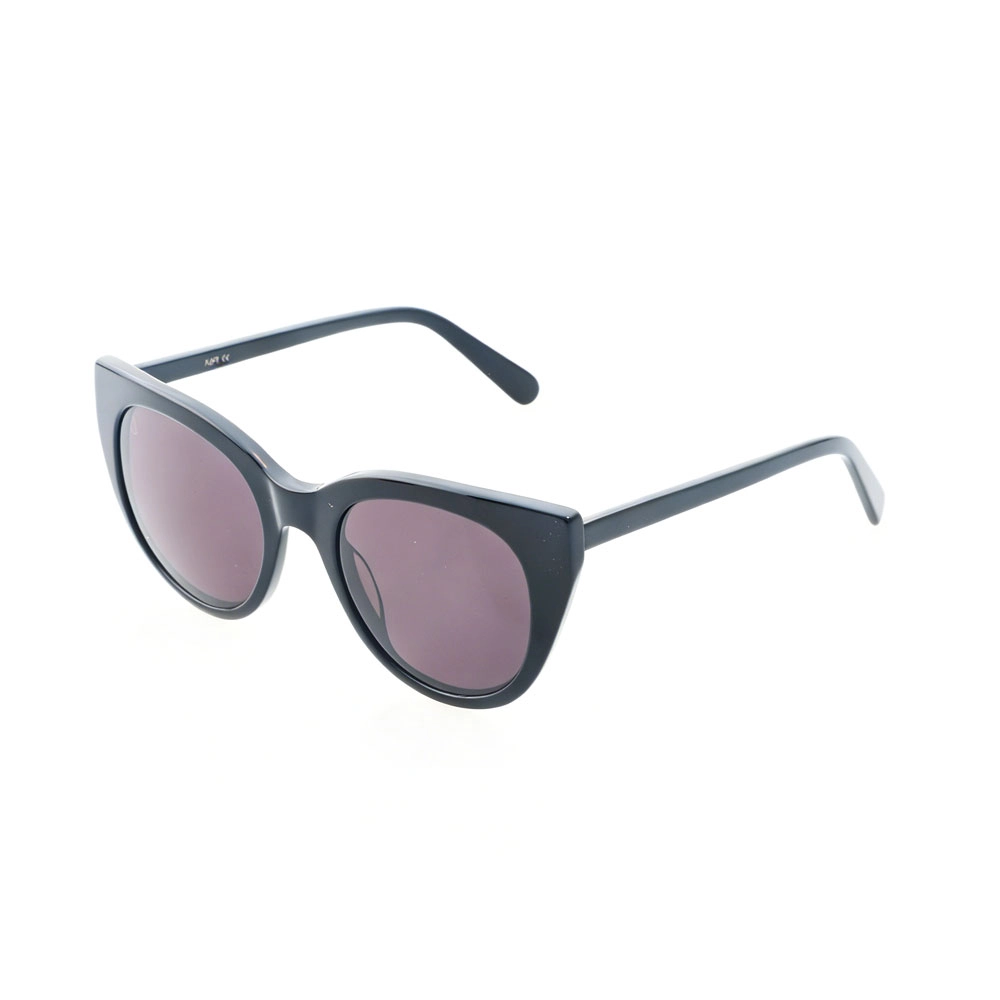
Elegant Retro Cat-Eye Sunglasses with TAC Polarized Lenses – Professional OEM Solutions by Karuson
Elevate your eyewear collection with a classic that never goes out of style. As leading sunglasses manufacturers, Karuson presents these Fashionable Cat-Eye Women's Sunglasses, engineered to blend retro charm with modern material science. Featuring a lightweight yet durable TR90 frame, these shades offer a sophisticated "winged" silhouette that provides a flattering, lifted look for various face shapes.
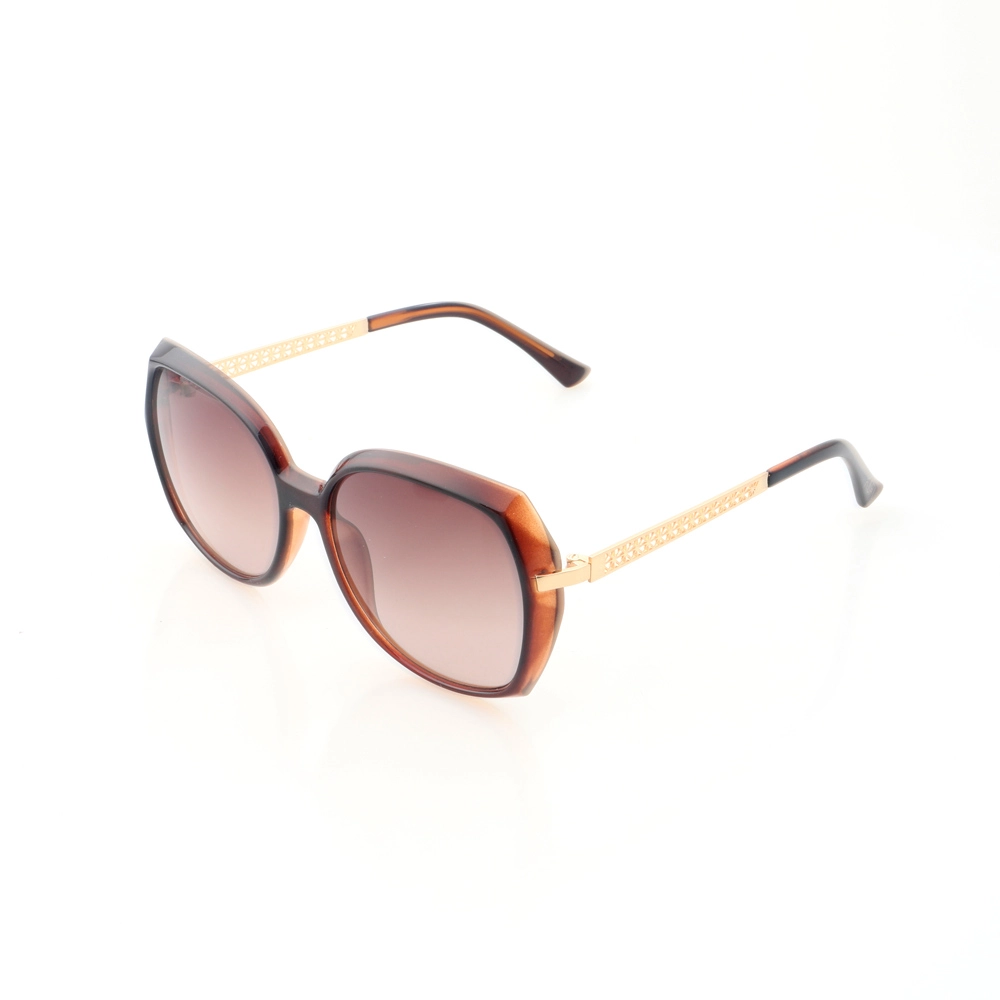
Chic Oversized TR90 Polarized Sunglasses for Women: High-Fashion Styles by Leading Sunglasses OEM
As a specialist sunglasses OEM, Karuson presents this flagship women's collection, designed to blend bold geometric silhouettes with effortless comfort. These sunglasses feature a premium TR90 frame front in a classic tortoise-shell finish, seamlessly integrated with intricate, gold-toned metal temples that add a touch of jewelry-like luxury to a functional accessory.
Get a Free Quote
If you have any comments or good suggestions, please leave us a message; later our professional staff will contact you as soon as possible.
NEW DIMENSIONS IN EYEWEAR
Contact KARUSON
Email:
WhatsApp/Phone:
Address:
331 Section B, WanJia Creative Park , No. 1 BUXIA Road ,Tianhe District, Guangzhou City, Guangdong Province, China.

© 2026 KARUSON. All Rights Reserved.
Facebook
Instagram
YouTube
TikTok
Linkedin