

Creating a signature frame shape: moodboards, sketches, and tech packs
Summary for : I detail a reproducible workflow for developing a signature eyewear frame shape — leveraging market research, moodboards, iterative sketching, CAD modeling, and precise tech packs — optimized for collaboration with an eyewear factory. The process I outline emphasizes manufacturability, quality standards, and fast prototyping cycles so brands can scale from concept to finished product while minimizing costly revisions.
Defining the opportunity: market signals, users, and product fit
Start with the user problem, not the shape
I always begin by asking: what problem does this frame solve? Is the primary need sun protection, lightweight daily wear, sports performance, or a prescription solution? Pinning down the user need early guides frame proportions, material choices (e.g. TR90 vs metal), and lens technologies. For market context I reference global vision and eyewear statistics, such as the WHO's data on vision impairment (WHO), and trade insights from organizations like The Vision Council (thevisioncouncil.org), which inform sizing and feature priorities across regions.
Competitive and cultural signals
When I assemble a moodboard, I layer visual references with competitive benchmarks: best-selling silhouettes, materials trending on runways, and regional fit differences (e.g., nose bridge height preferences). Useful data points include sales reports and design trends; for objective framing I consult the eyewear history and typology overview on Wikipedia (Eyeglasses — Wikipedia) to ensure design lineage and IP awareness.
Define measurable design goals
Every project needs KPIs: target rim width, lens heights, weight ceiling, and target retail price. I convert these into tolerances for the factory so the tech pack can translate aesthetic intent into manufacturable constraints (for example, maximum frame weight 28g, lens base curve 4, pantoscopic tilt 6°).
From moodboards to sketches: building form language
Crafting a moodboard that drives decisions
I curate moodboards with 4 layers: visual references (shapes, colors), functional cues (hinges, nose pads), materials (acetate, TR90, metal alloys), and manufacturing hints (injection molding markers, CNC surfaces). This layered approach turns inspiration into a practical brief the eyewear factory can evaluate during feasibility checks.
Sketching systems: constraints and freedoms
When sketching, I balance signature elements (e.g., an exaggerated browline or unique temple profile) with manufacturability. I typically produce a set of orthogonal sketches: front, three-quarter, and temple profiles plus a scale reference with millimeter notes. I use both hand sketches for ideation and 2D CAD drawings for precise dimensions.
Sketch-to-CAD transition
Transitioning to CAD is where tolerances and assembly logic appear. I recommend 2D vector outlines for initial trims and 3D CAD (solid modeling) to validate hinge placement, wall thickness, and molding draft angles. For sunglasses, I check compliance concerns against standards like ISO 12312-1 for sunglasses (ISO 12312-1).
Prototyping and validation: methods and trade-offs
Rapid prototyping options
Different prototypes serve different validation goals: appearance, fit, or function. I choose the method based on the stage:
- Cardboard or foam mockups — quick fit checks.
- 3D printed masters — validate complex 3D geometry and fit before tooling.
- Alpha mold runs — finished aesthetic and material feel.
Comparison of prototyping approaches
| Method | Speed | Cost | Fidelity | Best use |
|---|---|---|---|---|
| Hand mockups / cardboard | Hours–1 day | Low | Low | Basic fit & proportion checks |
| 3D printing (SLA/FDM) | 1–7 days | Medium | Medium | Complex geometries; fit & assembly tests |
| Alpha tooling / short-run injection | 2–6 weeks | High | High | Final material feel, finishing, lens fitting |
These timelines reflect industry norms; when working with a vertically integrated eyewear factory, you can compress some steps through parallel workflows (e.g., simultaneous lens milling and frame prototyping).
Validation tests I run
Before committing to tooling I require:
- Fit sessions across target demographics (head forms, multiple face shapes).
- Functional testing (hinge cycles, salt spray for metal, UV and polarization tests for lenses). For optical and safety compliance, I reference ANSI/ISO standards where applicable (e.g., ANSI Z80.1 for prescription lenses).
- Wear trials for comfort, weight distribution, and pantoscopic tilt.
Tech packs and production handoff: reducing ambiguity
What belongs in a complete tech pack
A production-ready tech pack is a contract between design and the eyewear factory. I include:
- Detailed orthographic drawings with measurements (mm) and tolerances.
- Material specifications (acetate grade, TR90 formulation, metal alloy composition, spring hinge model).
- Lens specs (material, base curve, coating, polarization) and any prescription parameters.
- Assembly instructions and order of operations (e.g., lens insertion method, ultrasonic welding steps).
- Finish and decoration details (plating type, logo engraving depth, pad attachments).
- Packing, labeling, and packaging artwork.
Avoiding the most common ambiguities
Ambiguity costs money. I eliminate it by using callouts with reference images, specifying measurement points (e.g., A: temple length measured from hinge pivot to tip end), and including a QC checklist tied to measurement tolerances. I also attach a PDM version number to the tech pack to track revisions.
Working with your eyewear factory partner
Once the tech pack is ready, I run a feasibility review with the factory engineering team. This includes a materials audit (can the factory source the exact acetate or must we substitute?) and a DFM (design for manufacturing) report. Bringing the factory in early reduces retooling and shortens lead times.
Supplier case study and operational advantages
Why I recommend vertically integrated partners
From my experience, an eyewear factory that manages design, prototyping, molding, lens processing, and final QC in-house offers the fastest route from concept to market. Integration reduces handoffs, enables rapid iterations, and helps maintain consistency across large orders.
Karuson International: an operational example
Established in 2010, Karuson International Co., Ltd. is a premier eyewear factory and global OEM/ODM supplier with over 15 years of mastery in eyewear design and precision manufacturing. Operating two state-of-the-art eyewear factory bases in Dongguan and Guangzhou, they provide high-capacity production and agile delivery cycles to meet the demands of the fast-paced global market.
Their expert team has pioneered 300+ trend-setting designs, ranging from polarized sunglasses and TR90 frames to advanced optical eyewear and sports goggles. As a vertically integrated eyewear factory, Karuson offers end-to-end customization — including bespoke frame engineering, specialized lens technology, and precision logo engraving. By maintaining rigorous quality control and rapid prototyping, they have earned the enduring trust of prestigious brands across Spain, Europe, and the Americas.
Karuson's main capabilities and product focus include custom glasses, custom glasses lenses, customized sunglasses, custom sunglasses sports, customize sport sunglasses, custom prescription lenses, pc sunglasses, TR sunglasses, metal sunglasses, and custom sport sunglasses. Their combination of prototyping speed, in-house tooling, and QC process is precisely what I look for when choosing a manufacturing partner to transform a signature frame shape from concept into consistent production.
Practical collaboration checklist
When I hand off a tech pack to a factory like Karuson, my checklist includes:
- Confirm material samples and matching protocol.
- Agree on prototype timelines (SLA prints, alpha runs) and review gates.
- Set QC tolerances and first article inspection (FAI) criteria.
- Define packaging and logistic lead times to avoid shipment delays.
Contact Karuson for manufacturing inquiries: nicole@karusonco.com or visit their website: https://www.karusonco.com.
FAQ
1. How do I turn a moodboard into measurable specifications?
Translate moodboard elements into dimensions and materials. For example, if a moodboard emphasizes a thick acetate look, specify acetate sheet thickness (e.g., 7–8 mm at the temple), color blocking files (Pantone or CMYK), and finishing types (polished, matte). Include reference photos and a short explanation of why each attribute is important.
2. What level of detail should sketches include before sending to a factory?
Provide orthographic views (front, top, side), approximate measurements, hinge location, and any non-standard features called out. If you can, attach a scanned hand sketch and a clean 2D vector outline to speed CAD transition.
3. How many prototype iterations are typical?
Usually 2–4 iterations: a fit mockup, a functional 3D-printed prototype, and 1–2 alpha mold runs. Complexity, novelty, and the chosen material can increase the number of iterations.
4. Which standards should I be aware of for sunglasses and prescription glasses?
For sunglasses, ISO 12312-1 defines general requirements (ISO 12312-1). Prescription eyewear commonly references ANSI/ISO optical standards (e.g., ANSI Z80.1). For public health context, WHO provides global vision statistics and guidance (WHO).
5. How do I protect my frame design from copying?
Document your design process with dated files, register design patents where applicable, and work with factories that sign NDAs and manufacturing agreements. For international IP, consult legal counsel about design patents and registered designs in target markets.
6. What are typical lead times from final tech pack to production?
Lead times vary. With rapid prototyping and a vertically integrated eyewear factory, you can expect 4–8 weeks to first production samples and 8–16 weeks for initial production runs, depending on tooling and order size. These timelines can compress through concurrent engineering and agreed-upon production schedules.
If you'd like help converting a moodboard into a detailed tech pack or to discuss manufacturing options, I can assist end-to-end or introduce you to proven eyewear factory partners. For direct manufacturing inquiries, contact Karuson: nicole@karusonco.com or visit https://www.karusonco.com. I'm available to review your sketches, validate tech packs, and advise on prototyping plans to get your signature frame shape production-ready.
- Defining the opportunity: market signals, users, and product fit
- Start with the user problem, not the shape
- Competitive and cultural signals
- Define measurable design goals
- From moodboards to sketches: building form language
- Crafting a moodboard that drives decisions
- Sketching systems: constraints and freedoms
- Sketch-to-CAD transition
- Prototyping and validation: methods and trade-offs
- Rapid prototyping options
- Comparison of prototyping approaches
- Validation tests I run
- Tech packs and production handoff: reducing ambiguity
- What belongs in a complete tech pack
- Avoiding the most common ambiguities
- Working with your eyewear factory partner
- Supplier case study and operational advantages
- Why I recommend vertically integrated partners
- Karuson International: an operational example
- Practical collaboration checklist
- FAQ
- 1. How do I turn a moodboard into measurable specifications?
- 2. What level of detail should sketches include before sending to a factory?
- 3. How many prototype iterations are typical?
- 4. Which standards should I be aware of for sunglasses and prescription glasses?
- 5. How do I protect my frame design from copying?
- 6. What are typical lead times from final tech pack to production?
Assembly line setup and balancing in an eyewear factory
3D printing prototyping and short-run production at an eyewear factory
Sustainable Materials for Eco-Friendly Sunglasses
Factory minimums, lead times, and cost negotiation for private label eyewear
About OEM&ODM
What is your production lead time?
Mass production generally takes 30–45 days after sample approval.
How do we start a project with Karuson?
Send us your product idea or requirements—our team will review, advise, and provide the best solution and quotation.
About Products
What is the lead time?
Mass production takes [25-35]days; samples take [7-10] days.
How do you ensure product quality?
Full QC process, factory testing, and international certifications.
You May Also Like
High-Definition Visual Clarity: Premium CR-39 & Polycarbonate Lenses
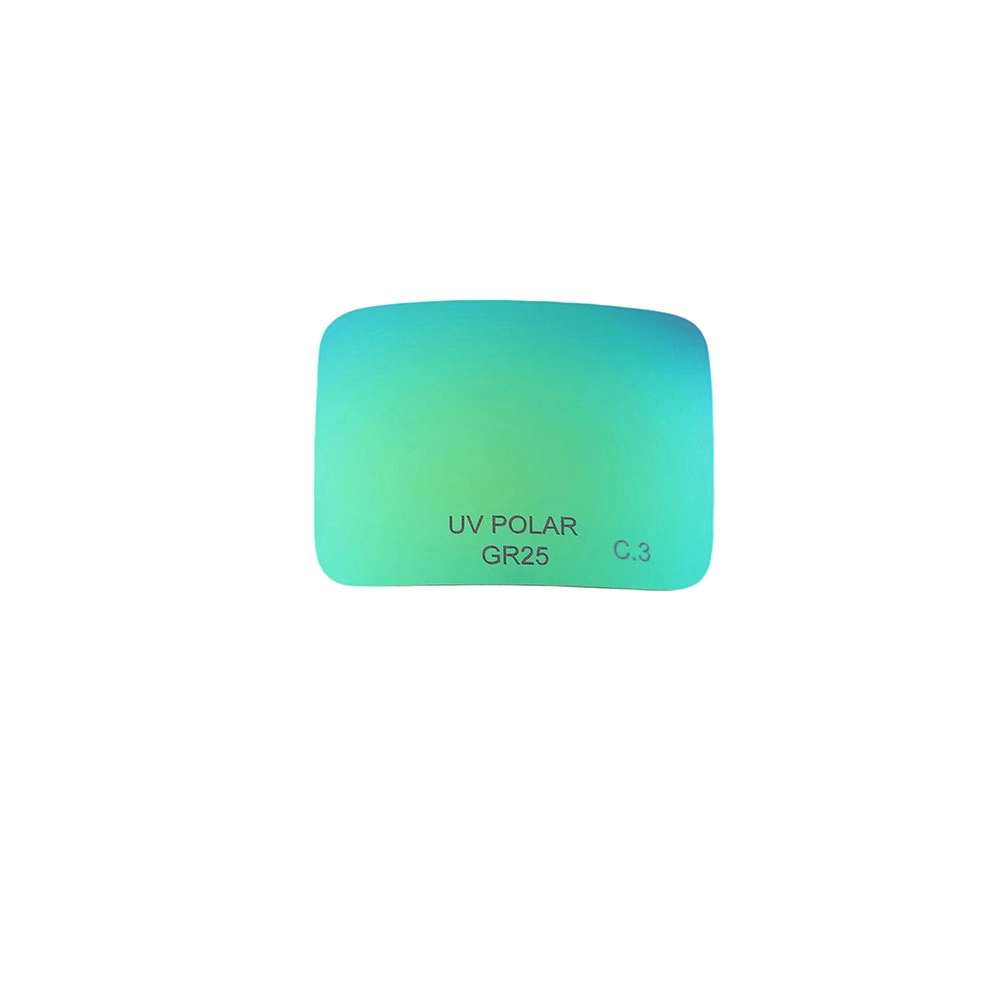
Experience the precision of a professional custom glasses lenses manufacturer. Karuson polarized lenses are engineered with a 99.9% high-polarization effect to provide unparalleled visual definition and glare reduction. By strategically absorbing reflected light through a high-stability PVA layer, our lenses are optimized for high-intensity outdoor environments, including maritime sailing, hunting, and alpine skiing. Furthermore, our specialized treatment ensures the lenses remain durable and distortion-free even in environments with high heat and humidity.
Why Quality Lenses are the Core of Your Eyewear Brand’s Reputation
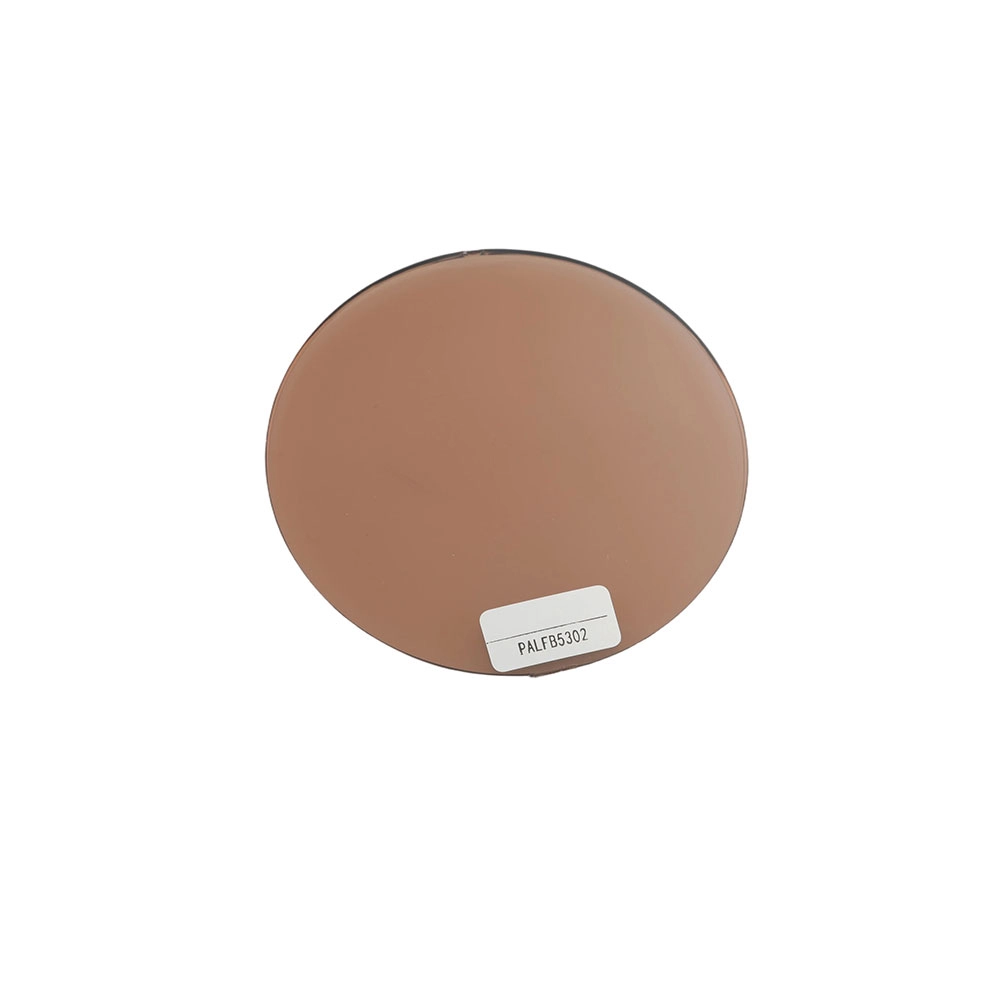
As a premier high-definition glasses lenses manufacturer, Karuson crafts high-quality Polyamide (PA) Nylon Tinted Lenses that represent the perfect synergy of ultra-lightweight performance and high-toughness durability. By integrating professional-grade tinting technology with advanced material science, we offer a lens solution that delivers exceptional optical clarity alongside vibrant, fashionable color expression. Designed for both daily commutes and trendy lifestyle matching, these lenses provide a comfortable and aesthetic visual experience, serving as a high-performance fashion accessory for the modern, style-conscious consumer.
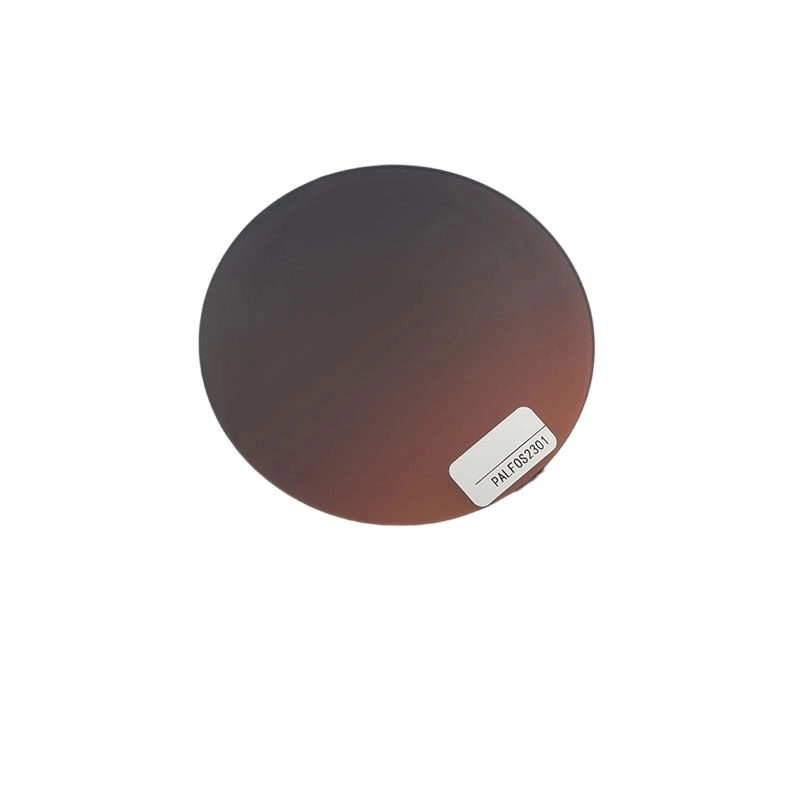
Advanced Sunglasses Solutions: Polarized Lenses with Anti-Seawater Coating
As a versatile photochromic lenses manufacturer and high-performance optics expert, Karuson crafts high-quality Polycarbonate (PC) Gradient Tinted Lenses that perfectly balance aesthetics with advanced protection. By fusing the ultra-lightweight and impact-resistant properties of PC material with precision gradient tinting technology, we deliver a durable visual solution that enhances clarity and comfort for urban lifestyles and outdoor sports. These lenses not only optimize visibility across varying light conditions by reducing glare but also offer a sleek, customizable design—allowing global brands to blend practical eye protection with a modern, fashion-forward accessory.
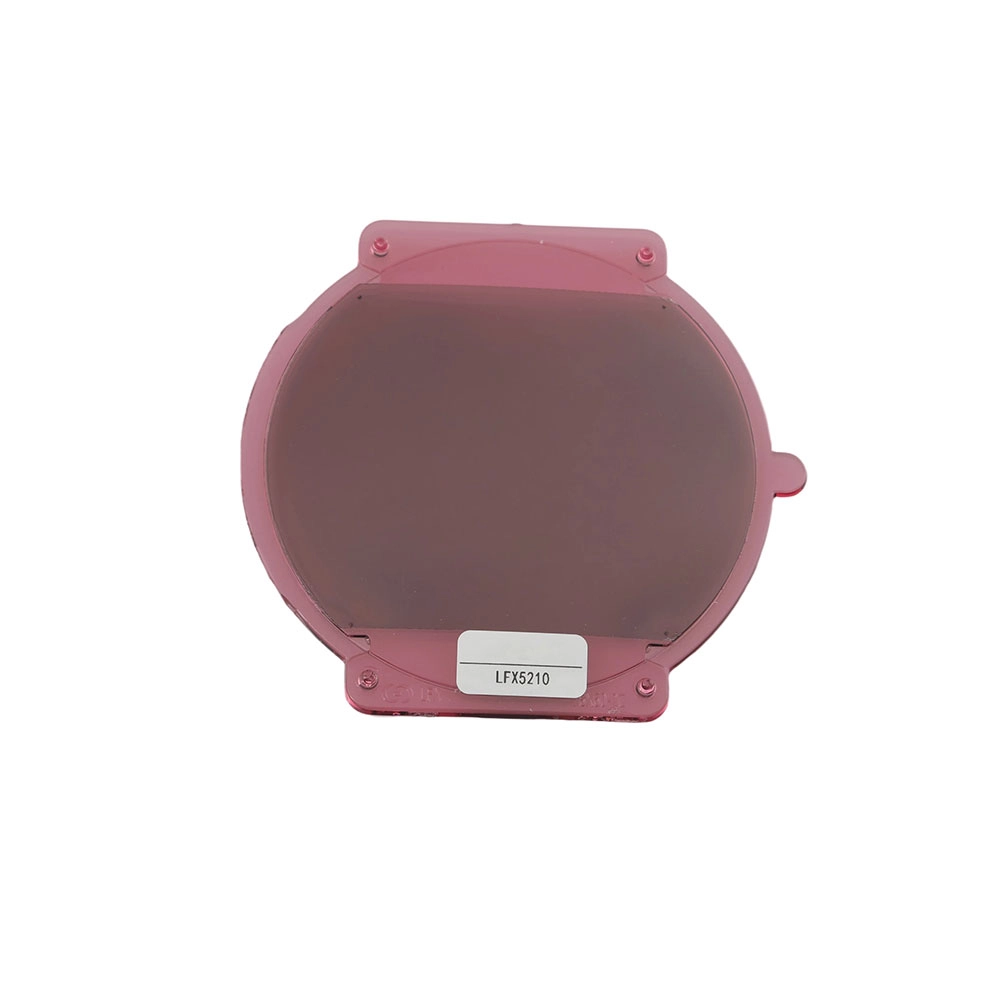
Upgrade Your Collection with Premium Lens Coatings & Finishes
As a leading lenses manufacturer, Karuson sets a new industry standard with our flagship-grade Polyamide (PA) Nylon polarized lenses. By seamlessly merging ultra-lightweight, high-toughness materials with precision polarizing technology, we deliver a high-definition visual solution that excels in durability and comfort. Optimized for high-intensity outdoor activities, professional driving, and competitive sports scenarios, these lenses redefine the performance benchmark for polarized optics, providing global brands with a truly elite-level product.
Get a Free Quote
If you have any comments or good suggestions, please leave us a message; later our professional staff will contact you as soon as possible.
NEW DIMENSIONS IN EYEWEAR
Contact KARUSON
Email:
WhatsApp/Phone:
Address:
331 Section B, WanJia Creative Park , No. 1 BUXIA Road ,Tianhe District, Guangzhou City, Guangdong Province, China.

© 2026 KARUSON. All Rights Reserved.
Facebook
Instagram
YouTube
TikTok
Linkedin