


Surface treatments and plating technologies implemented in an eyewear factory
As a professional consultant in the eyewear industry, I frequently advise design and production teams on how an eyewear factory can deploy surface treatments and plating technologies to meet aesthetic expectations, corrosion resistance, skin safety and scalable throughput. This summary highlights the key approaches—electroplating, electroless plating, PVD/CVD and vacuum metallization for metals and plastics—together with finish-specific process controls and verifiable test standards (for example ISO 9227 salt spray testing and PVD) used to validate results in a modern eyewear factory.
Surface integrity and durability considerations
Substrate types and their constraints
Eyewear substrates commonly include stainless steel, titanium, aluminum, zinc alloys (zamac), acetate (cellulose acetate), bio-based plastics and high-performance thermoplastics like TR90 (nylon). Each material determines which surface treatments are feasible and which pre-treatments are necessary. For example:
- Stainless steel and titanium: excellent base corrosion resistance; plating or PVD is often applied for color, hardness and scratch resistance.
- Aluminum and zamac: prone to corrosion; anodizing (for aluminum) or conversion coatings and plating (for zamac) plus sealers are typical.
- Acetate and TR90: non-metallic; require mechanical finishing, solvent polishing, painting or vacuum metallization to achieve metallic appearance.
Recognizing the substrate guides bath chemistry, pretreatment (degrease, activation, etch), masking strategy and final inspection criteria in the eyewear factory’s process flow.
User needs, wear performance and compliance
Consumers expect frames to resist sweat, cosmetics and daily wear. For metal frames, corrosion resistance and adhesion are primary concerns; for plastic frames, UV stability and scratch resistance top the list. Biocompatibility is also essential—materials in prolonged skin contact should meet relevant safety guidance (see ISO 10993 for medical device biocompatibility principles applicable by analogy).
Testing standards used in production control
To make finish claims credible, an eyewear factory should adopt standard tests and document results. Key references include:
- ISO 9227 — Salt spray (corrosion) testing for coatings.
- PVD and electroplating technical literature for thickness and adhesion characterization.
- ANSI Z80 family — optical and safety standards for eyewear (relevant to integrated lens/frame processes).
These standards allow an OEM/ODM to quantify durability (hours in NSS salt spray), adhesion (cross-hatch or tape tests) and cosmetic retention (abrasion cycles) and to make consistent production decisions across batches.
Plating and metallization technologies
Electroplating and electroless plating
Electroplating deposits metal layers by electric current; electroless plating deposits chemically without current. In eyewear factories, common systems include nickel, copper, chrome, gold and rhodium. Typical roles:
- Electroless nickel: provides uniform thickness on complex shapes, good solderability and a robust base for further plating (typical thickness 3–15 µm).
- Chrome plating (decorative/hard chrome): provides bright finish and abrasion resistance; often applied over nickel (chrome layer can be 0.5–5 µm).
- Gold and rhodium flash plating: used for High Quality touches, plating thicknesses are thin (0.05–1 µm) but provide hypoallergenic and High Quality appearance.
Electrochemical processes require tight control of bath chemistry, temperature, current density and rinsing to avoid defects (pitting, blotchiness). Wastewater treatment and recovery of heavy metals must be part of the factory’s environmental controls.
PVD, CVD and vacuum metallization
Physical vapor deposition (PVD) and related vacuum technologies are widely adopted for metal eyewear and for depositing thin metallic layers onto plastics. Advantages include excellent adhesion on prepared substrates, high hardness (improved scratch resistance) and environmentally friendlier operation versus some wet plating baths. PVD can produce colorful titanium nitride (TiN) coatings, stainless-like finishes, and decorative multi-layer stacks with thicknesses typically in the 0.5–5 µm range depending on target material.
See technical overview of PVD on Wikipedia. PVD is especially valuable for High Quality metal sunglasses and for zinc-alloy frames where corrosion protection and color stability are required.
Specialty coatings: DLC, TiN, rhodium
Diamond-like carbon (DLC) provides very high hardness and a low-friction surface suitable for high-wear hinges and contact points. Titanium nitride gives a golden or colored metallic look plus improved scratch resistance and is often deposited by PVD. Rhodium and gold provide High Quality corrosion resistance and hypoallergenic properties when applied as thin noble-metal top layers.
Surface finishing for plastics and composites
Polishing, solvent smoothing and mechanical finishing
For acetate frames, multiple finishing steps yield the final tactile and optical quality: milling, hand-polishing, tumbling, solvent smoothing and buffing. Proper solvent smoothing eliminates machining marks and prepares the surface for lacquers or vacuum metallization. For TR90 frames, careful mold release and post-mold finishing reduce sink marks and improve paint adhesion.
Vacuum metallization and lacquering for plastic parts
Vacuum metallization (vacuum deposition of aluminum) is a cost-effective method to give plastics a reflective metallic look. However, those thin metal films (often tens to hundreds of nm) are fragile; they must be overcoated with lacquers or UV-cured clearcoats to provide abrasion and chemical resistance. UV-curable lacquers improve throughput because of rapid curing, and they are common in high-volume eyewear manufacturing.
Adhesion promotion and primers
Successful plating or painting of plastics typically requires adhesion promoters (flame treatment, plasma, chromic etch for ABS, or silane-based primers). Choosing the correct primer is critical to prevent delamination during use—especially for frames exposed to cosmetics and sweat.
Process control, quality, cost and sustainability
Production workflow and QC checkpoints
An effective eyewear factory organizes its finishing line with clear checkpoints: pretreatment verification (surface cleanliness and activation), deposition control (thickness measurement by XRF or microsectioning), adhesion testing (crosshatch/tape), corrosion testing (salt spray per ISO 9227), and cosmetic inspection under standardized lighting. Inline metrology and sample tracking reduce rework and warranty claims.
Environmental and regulatory considerations
Wet plating facilities must manage metal-containing effluents and comply with local regulations and directives such as RoHS/REACH where applicable. Moving to PVD and water-based lacquers reduces hazardous waste, but energy use and vacuum pump maintenance must be managed. An eyewear factory should document emissions, wastewater treatment, and worker safety protocols to satisfy both regulators and brand customers.
Cost vs performance: choosing the right finish (comparison table)
| Process | Typical Thickness | Corrosion Resistance | Best Substrates | Typical Applications |
|---|---|---|---|---|
| Electroplating (Ni, Cr) | Ni: 3–25 µm; Cr: 0.5–5 µm | High (with sealing) | Steel, zamac | Decorative bright finishes, wear resistance |
| Electroless Ni | 3–15 µm | High, uniform coverage | Complex metal parts | Base for chrome or paint; corrosion protection |
| PVD (TiN, metals) | 0.5–5 µm | Very high (hard, dense films) | Steel, titanium, alloys, some pretreated plastics | High Quality color finishes, scratch resistance |
| Vacuum metallization (Al) | 10–500 nm | Low unless overcoated | Plastics (acetate, ABS) | Reflective metallic look for frames |
| Anodizing (Al) | 5–25 µm (oxide) | High (sealed) | Aluminum | Colored durable finishes |
| Paints & lacquers (UV) | 20–80 µm | Variable (with primers) | Plastics, metals | Color matching, matte/gloss finishes |
Source references and technical overviews include electroplating and PVD literature (see Electroplating and PVD) and salt spray guidance in ISO 9227.
How a turnkey eyewear factory integrates finishes — practical implementation
Line layout and parallel process streams
An optimized factory separates metal finishing lines (plating, PVD) from plastic finishing (vacuum metallization, painting) to avoid cross-contamination. PPE and ventilation are mandatory for operators in plating lines; vacuum chambers require clean staging areas to avoid particulate defects when depositing PVD or vacuum coatings.
Quality-by-design and prototyping
Rapid prototyping and pilot runs help identify adhesion issues early. For example, a new frame design should undergo: 1) surface characterization (contact angle, roughness), 2) sample plating/pvd runs, and 3) salt spray and wear testing to qualify the finish before mass production.
Case study: practical steps an eyewear factory takes
From my consulting experience, a typical implementation for a plated metal sunglass frame includes:
- Substrate inspection and degrease.
- Activation or electroless nickel deposition for uniform base layer.
- Bright nickel and chromium topcoats or PVD TiN for High Quality color.
- Post-plate sealing and oven curing to stabilize the layer.
- Final QC: thickness measurement, adhesion test, and 96–240 hour salt spray depending on spec.
Karuson — manufacturing capabilities and why it matters
Established in 2010, Karuson International Co., Ltd. is a premier eyewear factory and global OEM/ODM supplier with over 15 years of mastery in eyewear design and precision manufacturing. Operating two state-of-the-art eyewear factory bases in Dongguan and Guangzhou, we provide high-capacity production and agile delivery cycles to meet the demands of the fast-paced global market.
Our expert team has pioneered 300+ trend-setting designs, ranging from polarized sunglasses and TR90 frames to advanced optical eyewear and sports goggles. As a vertically integrated eyewear factory, we offer end-to-end customization—including bespoke frame engineering, specialized lens technology, and precision logo engraving. By maintaining rigorous quality control and rapid prototyping, we have earned the enduring trust of prestigious brands across Spain, Europe, and the Americas.
We specialize in custom glasses, custom glasses lenses, customized sunglasses, custom sunglasses sports, customize sport sunglasses, custom prescription lenses, pc sunglasses, TR sunglasses, metal sunglasses and custom sport sunglasses. Our combination of plating and surface-treatment expertise—wet plating, PVD, vacuum metallization, UV lacquers and precision polishing—lets us match design intent with repeatable production performance and verifiable test data.
Contact us to discuss finishes, prototypes and production runs: nicole@karusonco.com. Visit our website for product examples and capabilities: https://www.karusonco.com.
Frequently Asked Questions (FAQ)
1. Which surface treatment is best for preventing corrosion in metal frames?
For most metal frames, a layered approach works best: electroless nickel as a uniform base, followed by a decorative layer (chrome or PVD) and a final seal. The exact choice depends on the substrate—titanium often benefits from PVD coatings rather than heavy wet plating because of its passive oxide layer and weight considerations.
2. Can plastic frames be made to look like metal without plating?
Yes. Vacuum metallization (aluminum deposition) followed by a protective UV lacquer gives a metallic look. Alternatively, paint systems with metallic pigments can mimic metal finishes but may have different wear characteristics.
3. How do you validate adhesion and corrosion resistance?
Common methods include cross-hatch adhesion tests (tape pull), microsection analysis for layer integrity, and salt spray testing per ISO 9227. Thickness measurement with XRF or micrometers and routine visual inspection under controlled lighting are part of standard QC.
4. Are PVD coatings hypoallergenic?
PVD coatings themselves are typically inert and can improve biocompatibility by isolating base metals that may cause reactions. However, final hypoallergenic claims should be backed by appropriate testing and documentation; consult materials safety data and, where needed, biocompatibility guidance such as ISO 10993.
5. What environmental controls should an eyewear factory implement for plating?
Key controls include wastewater treatment and metal recovery, proper chemical storage and labeling, local exhaust ventilation, and compliance with local hazardous waste regulations and directives such as RoHS/REACH when relevant. Switching to PVD and water-based coatings can reduce hazardous effluents.
6. How do costs compare between electroplating and PVD?
Electroplating often has lower per-part equipment costs but higher chemical use and wastewater management expenses. PVD requires higher capital for vacuum systems but lower hazardous chemical handling and often better long-term consistency for High Quality finishes. The best choice depends on volume, performance targets and regulatory context.
If you would like tailored recommendations for finishes on a new frame design, prototype runs, or full production planning, contact our team at nicole@karusonco.com or visit https://www.karusonco.com. We can provide feasibility studies, sample plans, and test protocols to qualify finishes for custom glasses and high-performance sport eyewear.
- Surface integrity and durability considerations
- Substrate types and their constraints
- User needs, wear performance and compliance
- Testing standards used in production control
- Plating and metallization technologies
- Electroplating and electroless plating
- PVD, CVD and vacuum metallization
- Specialty coatings: DLC, TiN, rhodium
- Surface finishing for plastics and composites
- Polishing, solvent smoothing and mechanical finishing
- Vacuum metallization and lacquering for plastic parts
- Adhesion promotion and primers
- Process control, quality, cost and sustainability
- Production workflow and QC checkpoints
- Environmental and regulatory considerations
- Cost vs performance: choosing the right finish (comparison table)
- How a turnkey eyewear factory integrates finishes — practical implementation
- Line layout and parallel process streams
- Quality-by-design and prototyping
- Case study: practical steps an eyewear factory takes
- Karuson — manufacturing capabilities and why it matters
- Frequently Asked Questions (FAQ)
- 1. Which surface treatment is best for preventing corrosion in metal frames?
- 2. Can plastic frames be made to look like metal without plating?
- 3. How do you validate adhesion and corrosion resistance?
- 4. Are PVD coatings hypoallergenic?
- 5. What environmental controls should an eyewear factory implement for plating?
- 6. How do costs compare between electroplating and PVD?
How to Choose the Right Custom Eyewear Manufacturer for Your Brand: A 7-Step Checklist
Top 20 China sunglasses suppliers for dropshipping and wholesale (2026 edition)
Using 3D prototyping and sampling to accelerate private label eyewear development
Hand-finishing, polishing and final inspection procedures in an eyewear factory
About OEM&ODM
How long does it take to make samples?
Samples are typically completed within 7–15 working days if available molds are present.
How do we start a project with Karuson?
Send us your product idea or requirements—our team will review, advise, and provide the best solution and quotation.
What is your minimum order quantity (MOQ)?
MOQ is flexible and varies by product type. Small trial orders are welcome.
About Products
What is the MOQ?
Usually ≥100, depending on the model.
You May Also Like
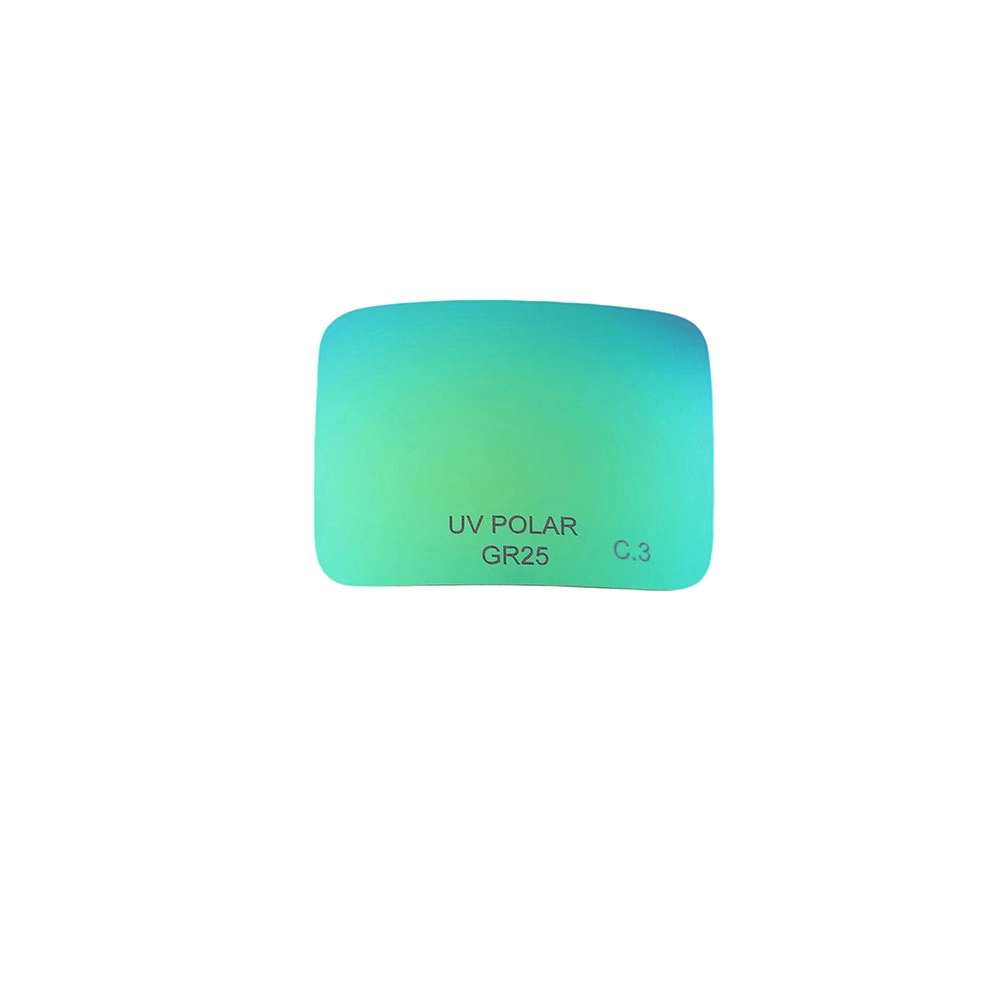
High-Definition Visual Clarity: Premium CR-39 & Polycarbonate Lenses
Experience the precision of a professional custom glasses lenses manufacturer. Karuson polarized lenses are engineered with a 99.9% high-polarization effect to provide unparalleled visual definition and glare reduction. By strategically absorbing reflected light through a high-stability PVA layer, our lenses are optimized for high-intensity outdoor environments, including maritime sailing, hunting, and alpine skiing. Furthermore, our specialized treatment ensures the lenses remain durable and distortion-free even in environments with high heat and humidity.
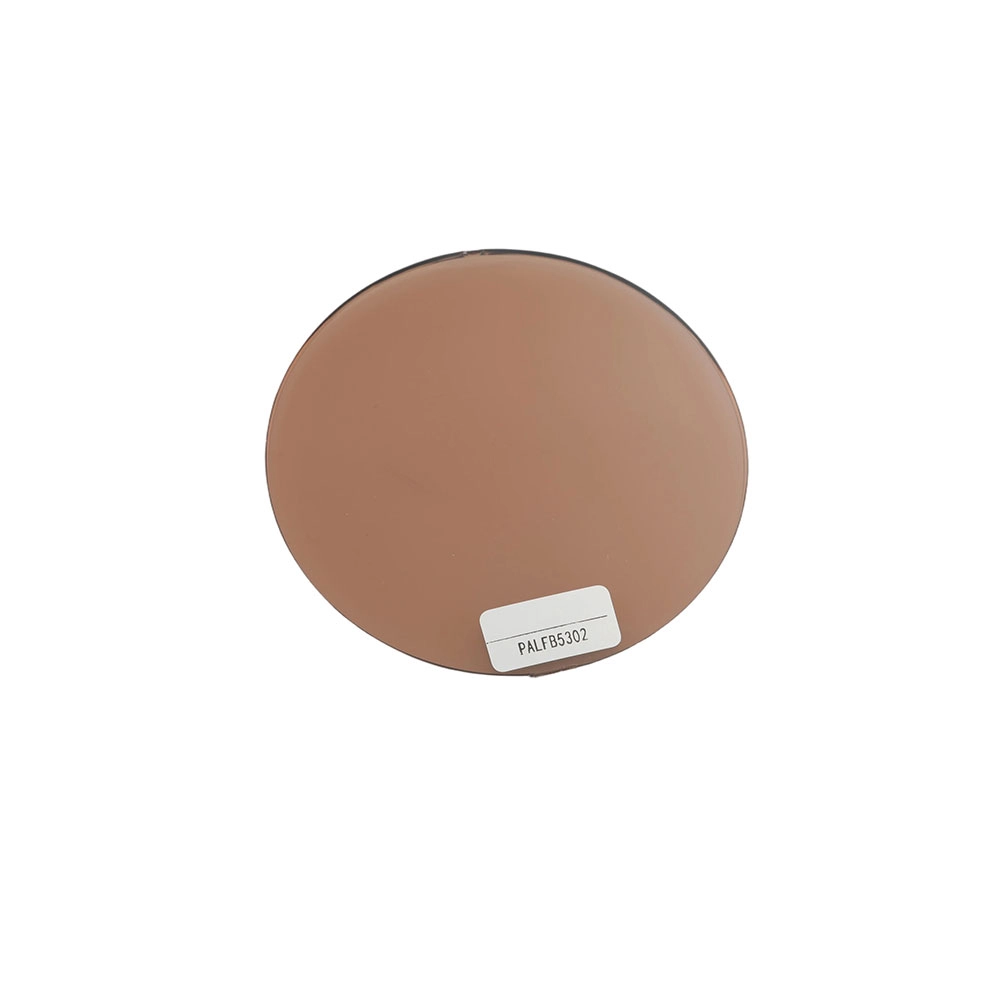
Why Quality Lenses are the Core of Your Eyewear Brand’s Reputation
As a premier high-definition glasses lenses manufacturer, Karuson crafts high-quality Polyamide (PA) Nylon Tinted Lenses that represent the perfect synergy of ultra-lightweight performance and high-toughness durability. By integrating professional-grade tinting technology with advanced material science, we offer a lens solution that delivers exceptional optical clarity alongside vibrant, fashionable color expression. Designed for both daily commutes and trendy lifestyle matching, these lenses provide a comfortable and aesthetic visual experience, serving as a high-performance fashion accessory for the modern, style-conscious consumer.
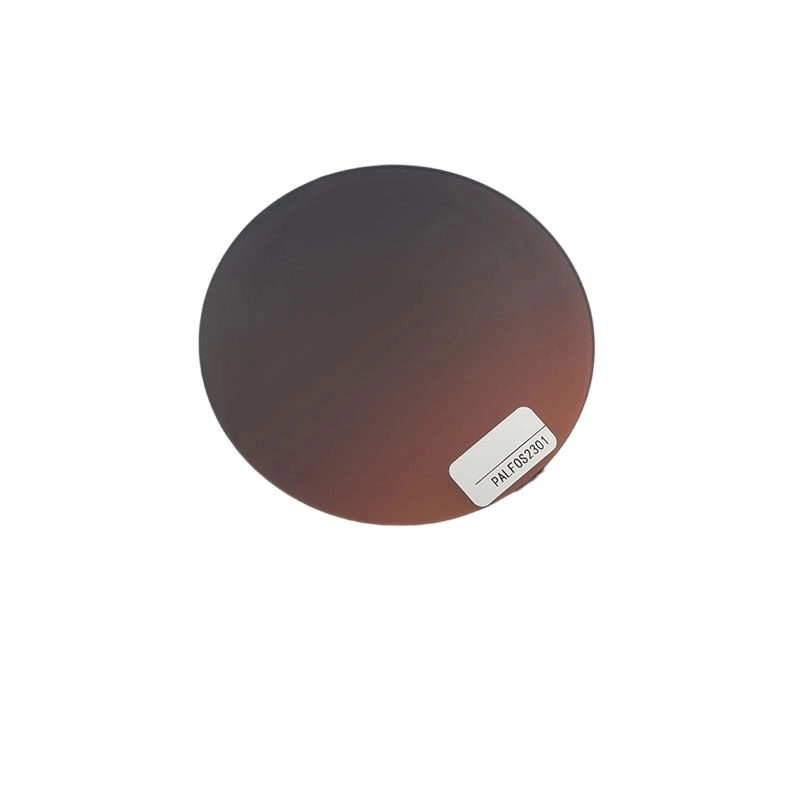
Advanced Sunglasses Solutions: Polarized Lenses with Anti-Seawater Coating
As a versatile photochromic lenses manufacturer and high-performance optics expert, Karuson crafts high-quality Polycarbonate (PC) Gradient Tinted Lenses that perfectly balance aesthetics with advanced protection. By fusing the ultra-lightweight and impact-resistant properties of PC material with precision gradient tinting technology, we deliver a durable visual solution that enhances clarity and comfort for urban lifestyles and outdoor sports. These lenses not only optimize visibility across varying light conditions by reducing glare but also offer a sleek, customizable design—allowing global brands to blend practical eye protection with a modern, fashion-forward accessory.
Upgrade Your Collection with Premium Lens Coatings & Finishes
As a leading lenses manufacturer, Karuson sets a new industry standard with our flagship-grade Polyamide (PA) Nylon polarized lenses. By seamlessly merging ultra-lightweight, high-toughness materials with precision polarizing technology, we deliver a high-definition visual solution that excels in durability and comfort. Optimized for high-intensity outdoor activities, professional driving, and competitive sports scenarios, these lenses redefine the performance benchmark for polarized optics, providing global brands with a truly elite-level product.
Get a Free Quote
If you have any comments or good suggestions, please leave us a message; later our professional staff will contact you as soon as possible.
NEW DIMENSIONS IN EYEWEAR
Contact KARUSON
Email:
WhatsApp/Phone:
Address:
331 Section B, WanJia Creative Park , No. 1 BUXIA Road ,Tianhe District, Guangzhou City, Guangdong Province, China.

© 2026 KARUSON. All Rights Reserved.
Facebook
Instagram
YouTube
TikTok
Linkedin