



Sustainable Materials for Eco-Friendly Sunglasses
I write from years of working directly with eyewear factories and global brands, advising custom sunglasses manufacturers on material selection, supply chains, and certification. This article summarizes practical, verifiable guidance you can use to design, source, and manufacture eco-friendly sunglasses that meet consumer expectations for durability, comfort, and sustainability, while maintaining competitive margins and compliance with industry standards.
Why Material Choice Matters for Sunglasses
Performance, safety, and sustainability trade-offs
Material selection affects optical clarity, UV protection, impact resistance, weight, and the environmental footprint of sunglasses. For example, a lens material must meet UV-blocking performance (often validated against standards such as ISO 12312-1) while frame materials influence product longevity and recyclability. I always weigh the lifecycle impacts—from raw material extraction to end-of-life handling—when advising brands.
Consumer expectations and market signals
Today's consumers expect transparency: disclosures about recycled content, biodegradability, and end-of-life options. Research from the Ellen MacArthur Foundation shows the circular economy can reshape consumer products; eyewear is no exception. As custom sunglasses manufacturers embrace sustainability, they must balance marketing claims with verifiable data and certifications.
Sustainable Materials Overview
Recycled plastics (rPET and recycled polyamides)
Recycled polyethylene terephthalate (rPET), commonly sourced from post-consumer bottles, is increasingly used for sunglass frames and parts. rPET reduces reliance on virgin fossil feedstocks and diverts waste from landfills. According to the PET Wikipedia page, mechanical recycling of PET is widely established; for greater technical detail on chemical recycling processes, see industry analyses linked by the Ellen MacArthur Foundation.
Advantages: lower embodied carbon than virgin plastics, good thermoforming properties. Limitations: color consistency and long-term mechanical properties can vary; not all recycling streams are equal.
Bio-based acetates (cellulose acetate and bio-acetate)
Cellulose acetate, derived from wood pulp and cotton linters, is a favored eco option because it is partly bio-based and has established performance for eyewear frames. The cellulose acetate overview shows its historical and technical usage. Newer bio-acetates can contain higher percentages of renewable feedstocks and be produced with lower volatile organic compound (VOC) emissions.
Advantages: High Quality finish, polishability, and biodegradability under industrial conditions. Limitations: biodegradation requires industrial composting environments; not a universal end-of-life solution.
Bioplastics and PLA—what to expect
Polylactic acid (PLA) and other bioplastics are often touted as sustainable alternatives. While PLA is renewable, it has constraints: lower heat resistance and limited durability for wearables exposed to sunlight and perspiration. The bioplastics page explains categories and trade-offs. I typically recommend PLA only for accessory components (e.g., packaging, temple tips) unless proven formulations meet eyewear performance needs.
Manufacturing Considerations for Custom Sunglasses Manufacturers
Supply chain traceability and material verification
As a consultant, I insist on traceability. Ask suppliers for chain-of-custody documents (e.g., third-party recycled content verification) and certificates such as ISO 14001 for environmental management. Where recycled feedstocks are used, request incoming material test reports and batch traceability to avoid greenwashing.
Processing and tooling impacts
Different sustainable materials have distinct processing windows. For example, bio-acetate blocks require CNC milling and hand polishing similar to standard acetate; rPET frames usually need injection molding with specific melt temperatures and additives for color stability. Early-stage prototyping—rapid tooling and pilot runs—are essential to optimize cycle times and rejection rates. This affects cost and time-to-market, something I model for clients when estimating production runs and pricing.
Certifications and regulatory compliance
Ensure lenses and finished sunglasses comply with optical and safety standards such as ISO 12312-1 (sunglasses — eye and face protection) and regional marking regulations (CE in Europe). For UV protection background, I reference WHO resources on ultraviolet radiation: WHO: UV radiation. Documented testing from accredited labs helps custom sunglasses manufacturers substantiate claims.
Comparative Analysis: Materials, Footprint, and Use Cases
Below I provide a comparative table reflecting common sustainable material choices, typical end-use, recyclability, and key pros/cons. Sources include material overviews from Wikipedia and standards organizations linked inline.
| Material | Primary Source | Recyclability / End-of-life | Strength / Suitability | Typical Use |
|---|---|---|---|---|
| rPET (recycled PET) | Post-consumer PET bottles (PET) | Mechanically recyclable where systems exist; chemically recyclable R&D ongoing | Good stiffness; moderate impact resistance | Frames, temples, packaging |
| Cellulose acetate / Bio-acetate | Wood pulp, cotton linters (cellulose acetate) | Partially biodegradable in industrial composting; limited mechanical recycling | Excellent polish and finish; high aesthetic value | High Quality frames, colorways |
| Bioplastics (PLA) | Fermentation of corn/sugarcane (bioplastics) | Industrial composting required; limited home compostability | Lower heat and UV resistance; best for non-structural parts | Packaging, non-structural components |
| Recycled metals (e.g., aluminum) | Scrap metal streams | Highly recyclable with minimal quality loss | Excellent strength-to-weight; High Quality feel | Frames, hinges, hardware |
| TR90 (thermoplastic polyamide) | Petrochemical, but lightweight & durable | Limited recycling stream currently | Very flexible and durable; ideal for sports sunglasses | Sport frames, high-flex applications |
Notes: Data above synthesizes material properties from technical references and industry experience. For formal testing criteria for sunglasses, see ISO 12312-1.
Lifecycle considerations and carbon footprint
Sourcing recycled or bio-based materials tends to lower cradle-to-gate emissions, but the exact benefits depend on local recycling infrastructure and transport distances. When advising clients, I request life cycle assessment (LCA) summaries from material suppliers or commission an LCA for high-volume SKUs to validate carbon claims. The Ellen MacArthur Foundation and academic LCAs provide helpful baselines for these evaluations.
Case comparison: High Quality acetate vs. rPET mass-market
High Quality acetate frames command higher margins due to finish and perceived quality; they fit well for heritage or fashion brands. rPET offers price competitiveness and clear sustainability messaging for mass-market or sports lines. As a rule, I match material choice to brand positioning and required unit economics, and I pilot-run both material types to measure rejection rates and customer feedback.
How to Choose an Eco-Friendly Supplier
Supplier audits and quality control
Audit suppliers for environmental management systems (ISO 14001), material traceability, and production waste handling. I recommend visiting factories when possible, or commissioning third-party audits. For custom sunglasses manufacturers, quality control should include incoming material checks, in-line production metrics, and finished goods testing for optical and mechanical performance.
Sampling, prototyping, and MOQ strategies
Start with low-volume prototypes to validate form, fit, finish, and customer feedback. Negotiate Minimum Order Quantities (MOQs) that allow for iterative improvements without locking excessive inventory. I typically advise phased MOQs: small pilot runs followed by scaled production once metrics meet agreed thresholds.
Marketing claims—be factual and provable
Claims like 100% biodegradable or made from recycled ocean plastic must be provable. Keep documentation such as certificates of recycled content, lab test reports, and LCA summaries. Misleading claims can damage brand trust and run afoul of advertising authorities; I always encourage transparent product pages that link to verification where possible.
Integrating Sustainability at Scale — A Practical Roadmap
Roadmap steps for brands and OEM partners
- Define sustainability goals (recycled content %, carbon targets).
- Audit current supply chain and material suppliers.
- Prototype with 2–3 candidate materials and run consumer tests.
- Validate claims with third-party testing and certifications.
- Scale through phased MOQs, documenting improvements and KPIs.
Common pitfalls and how I help clients avoid them
Common pitfalls include selecting materials without sufficient supplier capacity, underestimating tooling costs for new materials, and overpromising sustainability claims. I mitigate risks by mapping alternate sources, requiring pilot runs, and establishing transparent documentation practices.
Measuring success: KPIs for sustainable eyewear
Key performance indicators include percentage of recycled or bio-based content, reduction of product carbon footprint (validated by LCA), return and recycling rates, and consumer satisfaction scores on durability and comfort. Tracking these metrics helps both brands and custom sunglasses manufacturers prove progress.
Karuson International: A Partner for Sustainable, Custom Eyewear
Established in 2010, Karuson International Co., Ltd. is a premier eyewear factory and global OEM/ODM supplier with over 15 years of mastery in eyewear design and precision manufacturing. Operating two state-of-the-art eyewear factory bases in Dongguan and Guangzhou, we provide high-capacity production and agile delivery cycles to meet the demands of the fast-paced global market.
Our expert team has pioneered 300+ trend-setting designs, ranging from polarized sunglasses and TR90 frames to advanced optical eyewear and sports goggles. As a vertically integrated eyewear factory, we offer end-to-end customization—including bespoke frame engineering, specialized lens technology, and precision logo engraving. By maintaining rigorous quality control and rapid prototyping, we have earned the enduring trust of prestigious brands across Spain, Europe, and the Americas.
Karuson understands sustainable material choices for custom sunglasses manufacturers and supports clients with sourcing certified recycled plastics, bio-acetates, recycled metals, and specialized sports materials. Our capabilities include prototyping, in-house CNC milling for acetate blocks, injection molding for rPET and TR90, advanced lens coatings, and assembly lines with stringent QC protocols. For sustainable product lines, we assist with supplier traceability, third-party testing, and documentation to substantiate eco claims.
For inquiries or to discuss custom sustainable eyewear programs, contact us at nicole@karusonco.com or visit https://www.karusonco.com. Our core products include custom glasses, custom glasses lenses, customized sunglasses, custom sunglasses sports, customize sport sunglasses, custom prescription lenses, pc sunglasses, TR sunglasses, metal sunglasses, and custom sport sunglasses.
Frequently Asked Questions (FAQ)
1. What materials are genuinely sustainable for sunglasses?
Genuinely sustainable materials include certified recycled plastics (e.g., rPET with chain-of-custody documentation), cellulose acetate from responsibly sourced wood pulp, and recycled metals. Sustainability is multi-dimensional—consider sourcing, processing impacts, and end-of-life handling. Verify with third-party documentation and testing.
2. Can recycled materials meet the same quality standards as traditional materials?
Yes, in many cases. High-quality rPET and recycled metals can match performance for many sunglass applications. However, every material needs validation through prototyping and testing (impact resistance, UV protection, finish durability). I always recommend independent lab testing and pilot production runs.
3. How do I verify supplier sustainability claims?
Request certificates (e.g., recycled content verification), chain-of-custody documents, and results from accredited labs. Look for supplier certifications such as ISO 14001 and confirm traceability. Third-party audits add credibility; I frequently arrange these for clients when evaluating new suppliers.
4. Are eco-friendly sunglasses more expensive to produce?
They can be, especially during early adoption due to tooling adjustments, smaller MOQs, and supply-chain setup. Costs typically decrease with scale, and many brands offset higher costs through High Quality positioning or efficiency gains in packaging and logistics.
5. What standards should I reference when certifying sunglasses?
Reference ISO 12312-1 for sunglasses performance standards (ISO 12312-1). For UV health context, use WHO resources on UV radiation (WHO: UV radiation). For environmental management, ISO 14001 is a useful supplier benchmark.
Contact & Next Steps
If you represent a brand or retail group looking to develop an eco-friendly sunglasses line, I recommend starting with a materials workshop and prototype program. Karuson International can support end-to-end development—from material selection and prototyping to scalable manufacturing and testing. Reach out at nicole@karusonco.com or visit https://www.karusonco.com to view product capabilities and request a customization quote.
By aligning material science, manufacturing expertise, and verifiable sustainability, custom sunglasses manufacturers can deliver eco-friendly eyewear that meets market demand without sacrificing performance or brand trust.
- Why Material Choice Matters for Sunglasses
- Performance, safety, and sustainability trade-offs
- Consumer expectations and market signals
- Sustainable Materials Overview
- Recycled plastics (rPET and recycled polyamides)
- Bio-based acetates (cellulose acetate and bio-acetate)
- Bioplastics and PLA—what to expect
- Manufacturing Considerations for Custom Sunglasses Manufacturers
- Supply chain traceability and material verification
- Processing and tooling impacts
- Certifications and regulatory compliance
- Comparative Analysis: Materials, Footprint, and Use Cases
- Lifecycle considerations and carbon footprint
- Case comparison: High Quality acetate vs. rPET mass-market
- How to Choose an Eco-Friendly Supplier
- Supplier audits and quality control
- Sampling, prototyping, and MOQ strategies
- Marketing claims—be factual and provable
- Integrating Sustainability at Scale — A Practical Roadmap
- Roadmap steps for brands and OEM partners
- Common pitfalls and how I help clients avoid them
- Measuring success: KPIs for sustainable eyewear
- Karuson International: A Partner for Sustainable, Custom Eyewear
- Frequently Asked Questions (FAQ)
- 1. What materials are genuinely sustainable for sunglasses?
- 2. Can recycled materials meet the same quality standards as traditional materials?
- 3. How do I verify supplier sustainability claims?
- 4. Are eco-friendly sunglasses more expensive to produce?
- 5. What standards should I reference when certifying sunglasses?
- Contact & Next Steps
OEM Sunglasses Solutions: From Design to Mass Production
Influencer outreach templates and campaign types for private label eyewear launch
Lens options and coatings to offer in private label eyewear: polarized, blue light, anti-reflective, transition
Colorways and finishes playbook: pantone mapping, plating, and custom textures
About Products
What is the MOQ?
Usually ≥100, depending on the model.
How do you ensure product quality?
Full QC process, factory testing, and international certifications.
About OEM&ODM
How long does it take to make samples?
Samples are typically completed within 7–15 working days if available molds are present.
What is your production lead time?
Mass production generally takes 30–45 days after sample approval.
You May Also Like
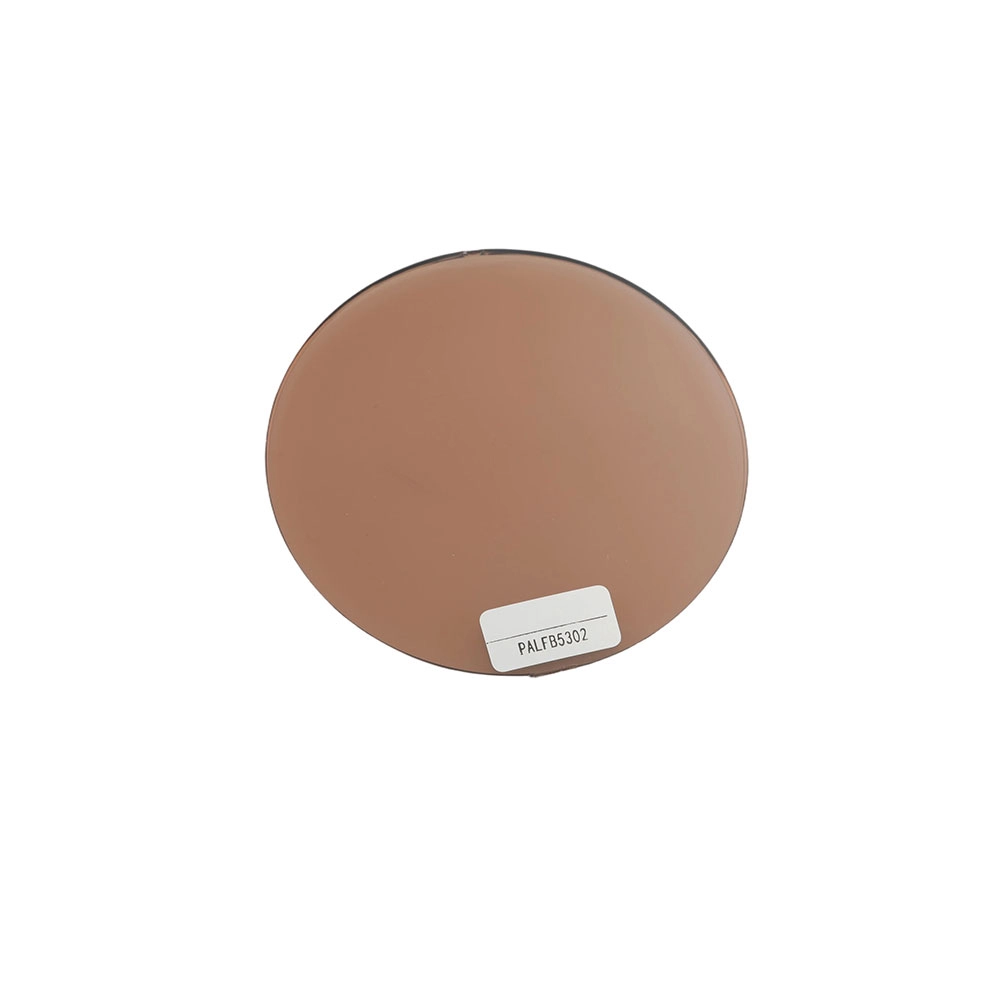
Why Quality Lenses are the Core of Your Eyewear Brand’s Reputation
As a premier high-definition glasses lenses manufacturer, Karuson crafts high-quality Polyamide (PA) Nylon Tinted Lenses that represent the perfect synergy of ultra-lightweight performance and high-toughness durability. By integrating professional-grade tinting technology with advanced material science, we offer a lens solution that delivers exceptional optical clarity alongside vibrant, fashionable color expression. Designed for both daily commutes and trendy lifestyle matching, these lenses provide a comfortable and aesthetic visual experience, serving as a high-performance fashion accessory for the modern, style-conscious consumer.
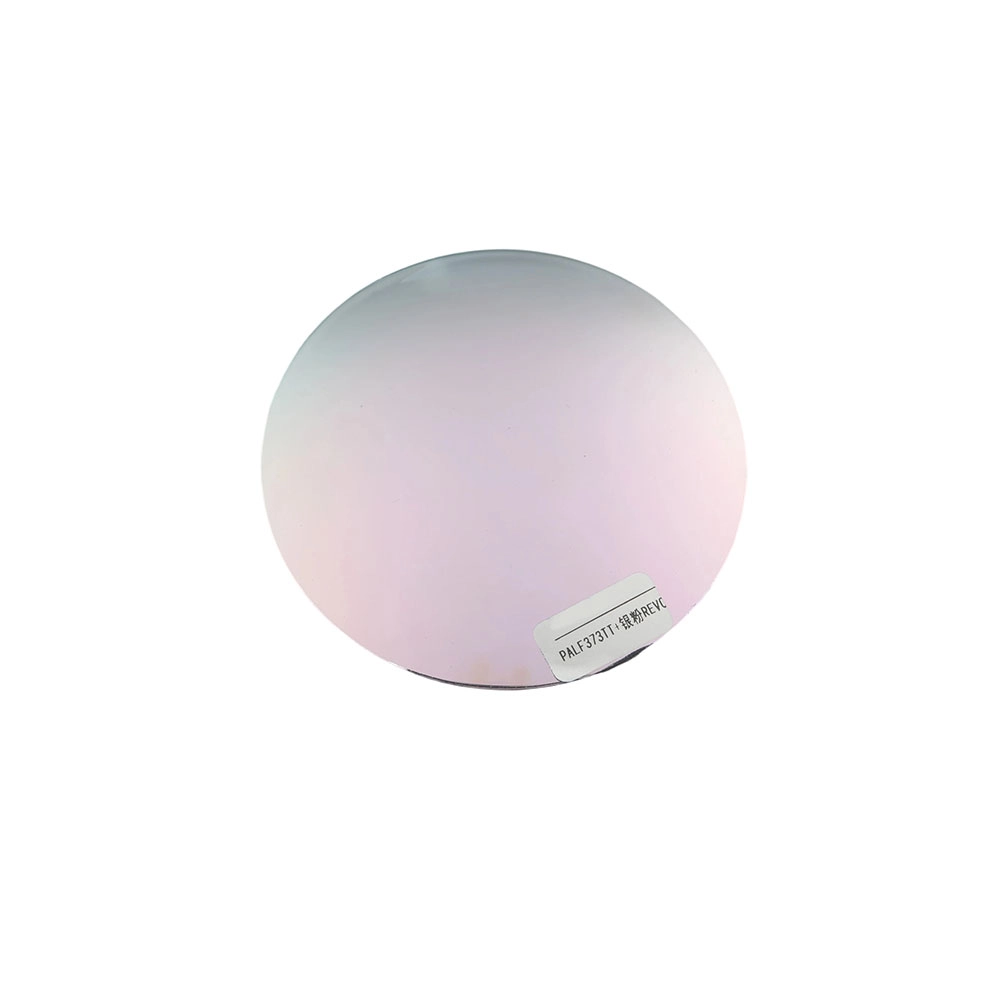
Dynamic Adaptation: Next-Gen Photochromic Lenses for Indoor & Outdoor Use
As premier eyeglass lenses manufacturers, Karuson crafts high-performance PC polarized coated lenses that seamlessly integrate lightweight, impact-resistant polycarbonate with advanced optical film technology. These lenses are engineered to achieve superior glare reduction and enhanced visual definition while offering a spectrum of stylish, customizable tints. Optimized for professional driving, outdoor sports, and urban lifestyles, our manufacturing process ensures that harmful reflections from water, roads, and snow are effectively filtered out. The result is a durable, fashion-forward visual solution that perfectly balances essential eye protection with high-end aesthetic appeal—making them the ideal choice for brands seeking to merge practicality with a modern fashion statement.
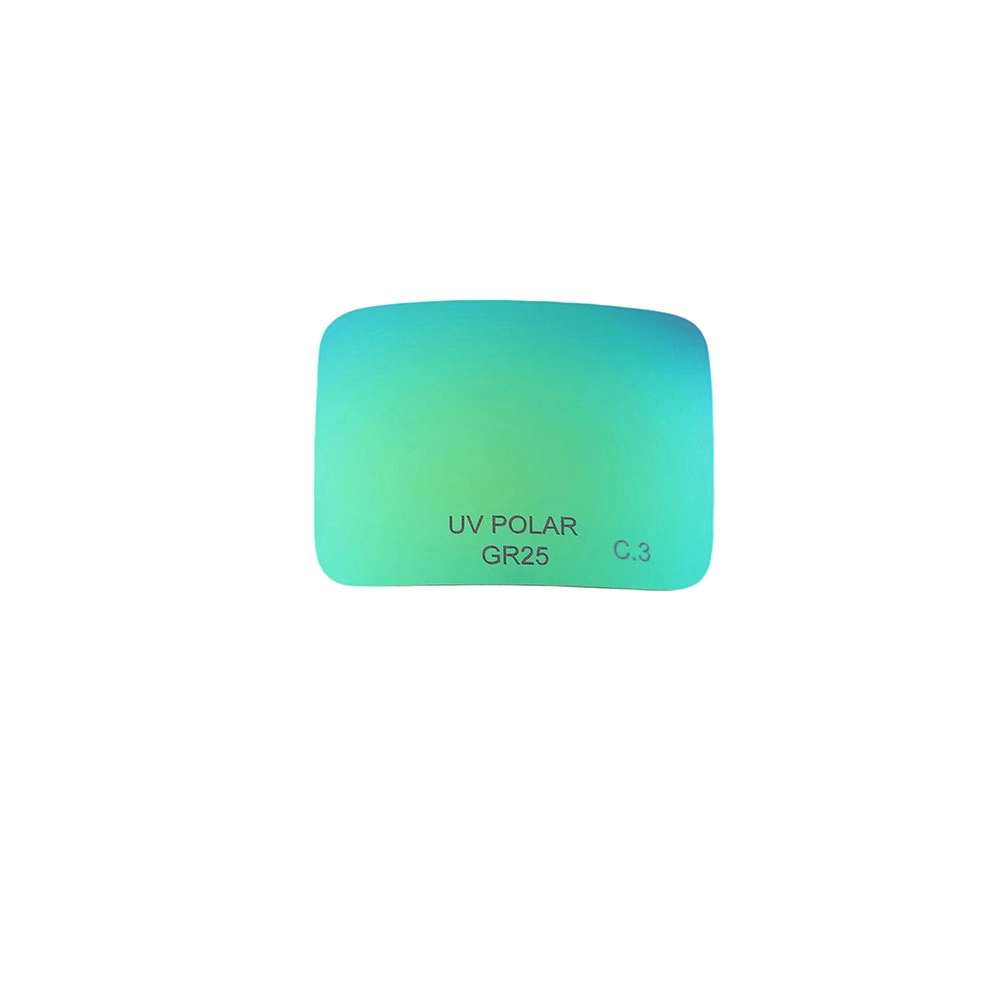
High-Definition Visual Clarity: Premium CR-39 & Polycarbonate Lenses
Experience the precision of a professional custom glasses lenses manufacturer. Karuson polarized lenses are engineered with a 99.9% high-polarization effect to provide unparalleled visual definition and glare reduction. By strategically absorbing reflected light through a high-stability PVA layer, our lenses are optimized for high-intensity outdoor environments, including maritime sailing, hunting, and alpine skiing. Furthermore, our specialized treatment ensures the lenses remain durable and distortion-free even in environments with high heat and humidity.
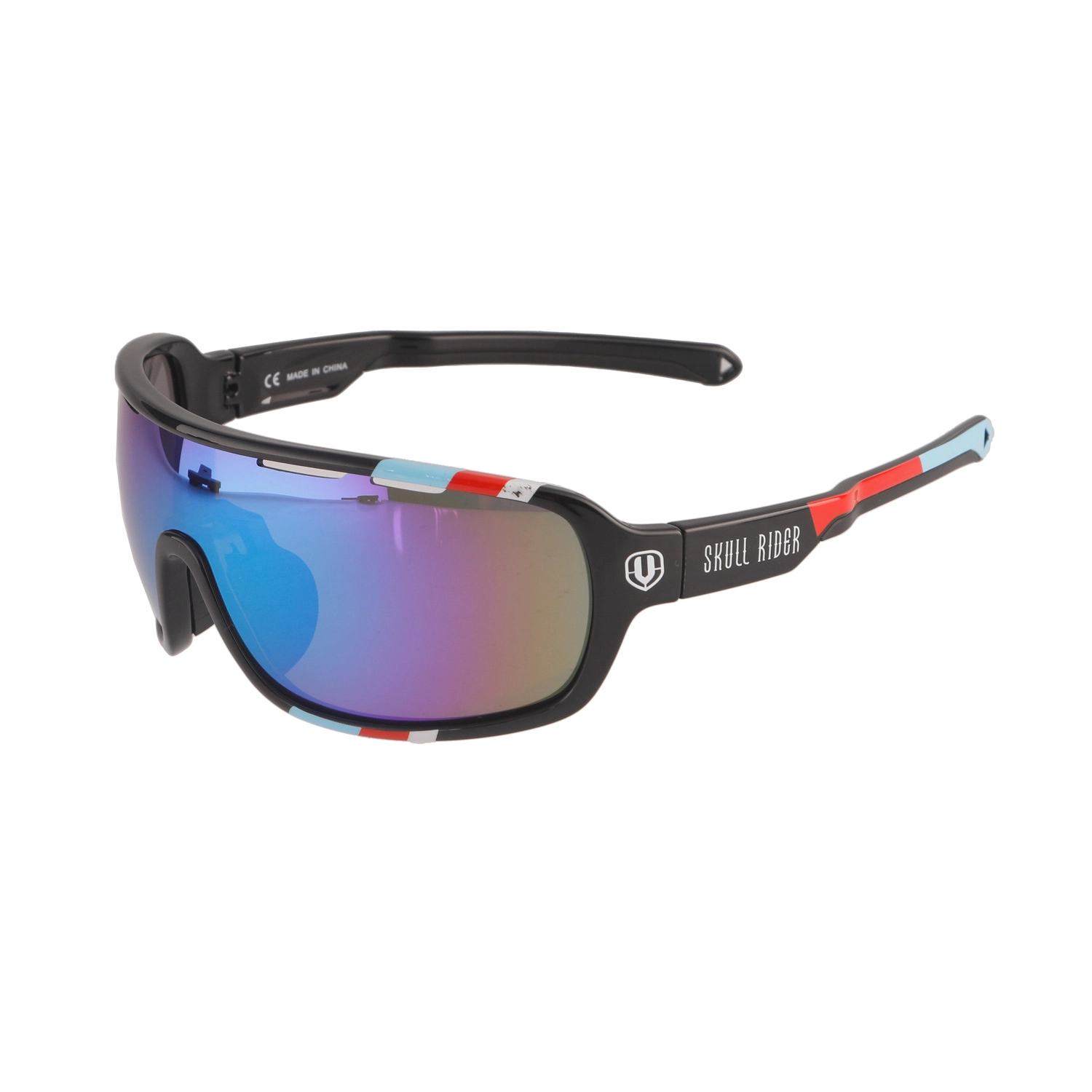
Professional Sports Style Sunglasses
These sports sunglasses are engineered to withstand extreme conditions while offering superior eye protection and style. Crafted with high-strength bio-acetate frames/PC/TR material, they feature exceptional impact resistance, scratch resistance, and wear resistance, ensuring longevity even during intense activities like cycling, hiking, or water sports.
The UV400 lenses provide 100% protection against harmful ultraviolet rays and reduce glare, minimizing eye fatigue and enhancing visual clarity. Perfect for outdoor enthusiasts, these sunglasses are available in vibrant, customizable colors and lightweight designs, making them a comfortable choice for all-day wear.
Get a Free Quote
If you have any comments or good suggestions, please leave us a message; later our professional staff will contact you as soon as possible.
NEW DIMENSIONS IN EYEWEAR
Contact KARUSON
Email:
WhatsApp/Phone:
Address:
331 Section B, WanJia Creative Park , No. 1 BUXIA Road ,Tianhe District, Guangzhou City, Guangdong Province, China.

© 2026 KARUSON. All Rights Reserved.
Facebook
Instagram
YouTube
TikTok
Linkedin