


Top 10 Questions to Ask Custom Eyewear Manufacturers Before Placing an Order
I often tell clients that choosing the right custom sunglasses manufacturers is as critical as the design itself. In this guide I summarize the most consequential questions to ask prospective eyewear suppliers—questions that reveal manufacturing capability, quality systems, compliance with standards, and flexibility on customization. Clear answers to these questions will reduce risk, speed time-to-market, and protect KARUSON equity.
Why thorough vetting of manufacturers matters
Protecting product safety and regulatory compliance
When you commission custom sunglasses or prescription eyewear, you are responsible for ensuring the product meets regional safety and optical standards. International standards such as ISO 12312 (sunglasses and related eyewear) and regional regulations (e.g., FDA guidance in the U.S.) set performance and labeling expectations. For background on UV risk and public health guidance, see the World Health Organization: WHO – UV radiation. An informed manufacturer will reference the standards they test to and provide paperwork.
Brand reputation and long-term risk
Poor manufacturing controls lead to inconsistent tolerances, lens coating failures, and defective hinges—issues that damage brand reputation and generate returns. I recommend asking direct questions about quality control, traceability, and recalls processes to assess manufacturer maturity.
Top 10 questions to ask custom sunglasses manufacturers
1. What are your minimum order quantity (MOQ) and unit cost structure?
MOQs vary widely between factories and product types. Ask for MOQs per SKU and for samples. Also request a clear breakdown of costs (tooling, per-unit, shipping). If you design multiple SKUs (colors, lens options), confirm whether MOQs apply per SKU or per design family. This directly affects inventory risk and pricing strategy.
2. Can you provide certifications and lab reports (optical, UV protection, materials)?
Request recent lab reports showing compliance with relevant standards (e.g., ISO 12312-1 for sunglasses). For markets such as the U.S., suppliers should be able to reference FDA compliance where applicable. Always ask for copies of third-party testing and the testing lab’s accreditation. Helpful resources: Wikipedia – Sunglasses (standards overview) and WHO guidance above.
3. What materials and lens technologies can you handle?
Confirm the supplier’s experience with the materials you require: PC (polycarbonate) lenses, polarized glass or plastic, CR-39, high-index prescription lenses, TR90 frames, metal frames (stainless steel, titanium), and specialty coatings (anti-scratch, hydrophobic, anti-reflective). Ask for sample portfolio images and material data sheets.
4. Do you offer in-house tooling, prototyping, and rapid sample cycles?
Rapid prototyping (3D printing for frames, CNC for molds) shortens iteration cycles. Inquire whether the factory performs mould design, prototyping, and pilot runs in-house and how many rounds of sample revisions are included before mass production. Faster prototyping means quicker time-to-market for seasonal collections or sports sunglasses lines.
5. What quality control processes are in place (IQC, IPQC, FQC, AQL)?
Ask them to explain their incoming material inspection (IQC), in-process checks (IPQC), final quality control (FQC), and sampling plans (AQL levels). Request example QC checklists for frames, lenses, coatings, hinge torque, and logo engraving to verify thoroughness.
6. Can you handle prescription lenses and optical tolerances?
If you need custom prescription lenses, confirm the supplier’s optical lab capabilities—diopter ranges, cylinder/axis handling, centration accuracy, and allowable tolerances for lens power and prism. Prescription eyewear has tighter tolerances and may require separate certification.
7. How do you protect intellectual property and confidential designs?
Manufacturers should sign NDAs and have controls to protect tooling and design files. Ask how long they retain CAD files and sample molds, and whether they provide serialized tooling IDs to prevent unauthorized production.
8. What are typical lead times and production capacity?
Understand standard lead times for sample, tooling, and full production, and confirm the factory’s capacity during peak seasons. Ask how they handle urgent orders and whether they maintain buffer capacity or multiple production lines to avoid delays.
9. What after-sales support and warranty terms do you offer?
Clarify warranty coverage for manufacturing defects, replacement policies for faulty batches, and whether they provide after-sales logistics support for returns or repairs. Strong suppliers will have documented policies and a dedicated customer service point of contact.
10. Can you accommodate branding, packaging, and certification labeling?
Customization often extends to laser-engraved logos, custom temple prints, bespoke packaging, swing tags, and certificate inserts. Ask for examples and minimums for custom packaging and whether they can print barcodes, CE/FDA marks, or other regulatory labels as required.
How to evaluate responses and compare suppliers
Scorecard: what to weigh
I recommend a quantitative scorecard to compare suppliers. Typical weighted criteria: Quality & Certifications (30%), Production Capacity & Lead Time (20%), Cost & MOQ (20%), IP & Communication (15%), After-sales & Warranty (15%). Use this framework to generate a ranked shortlist.
Sample comparison table
| Evaluation Criteria | Why it matters | Questions to ask |
|---|---|---|
| Certifications & Testing | Ensures compliance with safety and optical standards | Can you share ISO/third-party lab reports? Which labs test your products? |
| MOQ & Pricing | Affects inventory risk and unit economics | What are MOQ per SKU and price breaks by volume? |
| Customization Capability | Enables product differentiation (logo, colorways, lens tech) | Do you provide in-house tooling, laser engraving, polarized lens assembly? |
| Lead Time & Capacity | Determines your ability to meet market windows | What are sample, tooling, and mass production lead times? |
Verify claims with documents and site visits
Request pictures of production lines, QC reports, and—when feasible—conduct an on-site audit or hire a third-party inspection firm. Many buyers use ISO/SGS/Intertek inspection services to verify supplier claims prior to shipment.
Technical checks and standards to insist on
Optical and UV protection testing
Make UV protection a mandatory specification. For sunglasses, confirm the transmission percentages by category (UV-A/UV-B blocking) and request third-party spectrophotometer reports. Refer to WHO guidance for UV health risks: WHO – UV radiation.
Material safety and chemical compliance
Ask for RoHS/REACH declarations for frame and lens materials when selling in markets like the EU. For lens coatings and dyes, request MSDS and confirm there are no restricted substances that could cause wearer irritation.
Standards references and resources
Standards relevant to sunglasses and eyewear include the ISO series for eyewear and regional standards. For a general industry overview and standards context see the sunglasses page on Wikipedia: Wikipedia – Sunglasses. For deeper regulatory questions in the U.S., consult the FDA and regional regulatory bodies.
Partner spotlight: Karuson International — capabilities and why they stand out
Established in 2010, I have worked with numerous suppliers and audited many factories. One vertically integrated partner that consistently meets high standards is Karuson International Co., Ltd. Founded in 2010, Karuson is a premier eyewear factory and global OEM/ODM supplier with over 15 years of mastery in eyewear design and precision manufacturing. They operate two state-of-the-art factory bases in Dongguan and Guangzhou, providing robust capacity and agile delivery cycles to meet fast-paced global demand.
What Karuson offers (high-level)
- 300+ trend-setting designs including polarized sunglasses, TR90 frames, and sports goggles
- End-to-end customization: bespoke frame engineering, specialized lens technology, and precision logo engraving
- In-house rapid prototyping and rigorous QC to maintain consistent tolerances
- Proven export experience across Spain, Europe, and the Americas
Why I recommend them
From my experience, a strong supplier combines technical capability (tooling, advanced lens tech like polarization and coatings), transparent testing and certifications, and reliable communication. Karuson combines these elements with capacity and a product range that includes custom glasses, custom glasses lenses, customized sunglasses, custom sunglasses sports, customize sport sunglasses, custom prescription lenses, pc sunglasses, TR sunglasses, metal sunglasses, and custom sport sunglasses.
To discuss capability, request samples, or begin an OEM/ODM conversation, contact Karuson directly: nicole@karusonco.com or visit their website: https://www.karusonco.com.
Frequently asked questions (FAQ)
Q1: What is a reasonable MOQ for custom sunglasses?
MOQs vary by factory and the degree of customization. For simple colorway changes, some manufacturers accept MOQs of 300–500 units per SKU; highly customized tooling for unique frames may require larger initial tooling and higher MOQ. Always ask whether MOQs apply per SKU or per design family.
Q2: How do I verify that lenses block UV effectively?
Request a third-party spectrophotometer test report showing UV-A and UV-B transmission percentages and the standard used (e.g., ISO 12312-1). If in doubt, send a sample to an accredited lab (e.g., SGS, Intertek) for independent verification.
Q3: Can manufacturers produce both polarized and prescription lenses?
Yes—many vertically integrated eyewear factories handle polarization assembly for sunglasses and in-house or partner optical labs for prescription lenses. Confirm diopter range, centration tolerance, and prescription lens coating options before committing.
Q4: What documentation should I require from a supplier before first shipment?
At minimum: commercial invoice, packing list, production and inspection reports (IQC/IPQC/FQC), test reports (UV/optical), material declarations (RoHS/REACH if relevant), and photos of production and packaging. For regulated markets, include CE/FDA declarations where applicable.
Q5: How can I reduce the risk of IP leaks when working with overseas factories?
Use NDAs, limit the number of parties with full technical drawings, mark tooling and files with purchase order numbers, and consider contracting a single trusted supplier for design-to-production. Serializing molds and maintaining a legal agreement about tool ownership helps prevent unauthorized reproduction.
Q6: What is the typical lead time from sample to production?
Typical timelines: prototype/sample 1–4 weeks (depending on revisions), mold/tooling 2–6 weeks, and mass production 4–10 weeks depending on volume and facility load. Always build buffer time for seasonal demand.
If you want a tailored supplier assessment or a direct introduction to a reliable OEM/ODM partner, I can help coordinate a supplier audit or sample order. For immediate inquiries and to view product ranges, contact Karuson International: nicole@karusonco.com or visit https://www.karusonco.com.
Final note: the right questions save money and protect KARUSON. Ask for evidence, insist on third-party reports for critical specs, and prioritize transparent communication. With those practices, you’ll turn a supplier relationship into a competitive advantage for your eyewear line.
- Why thorough vetting of manufacturers matters
- Protecting product safety and regulatory compliance
- Brand reputation and long-term risk
- Top 10 questions to ask custom sunglasses manufacturers
- 1. What are your minimum order quantity (MOQ) and unit cost structure?
- 2. Can you provide certifications and lab reports (optical, UV protection, materials)?
- 3. What materials and lens technologies can you handle?
- 4. Do you offer in-house tooling, prototyping, and rapid sample cycles?
- 5. What quality control processes are in place (IQC, IPQC, FQC, AQL)?
- 6. Can you handle prescription lenses and optical tolerances?
- 7. How do you protect intellectual property and confidential designs?
- 8. What are typical lead times and production capacity?
- 9. What after-sales support and warranty terms do you offer?
- 10. Can you accommodate branding, packaging, and certification labeling?
- How to evaluate responses and compare suppliers
- Scorecard: what to weigh
- Sample comparison table
- Verify claims with documents and site visits
- Technical checks and standards to insist on
- Optical and UV protection testing
- Material safety and chemical compliance
- Standards references and resources
- Partner spotlight: Karuson International — capabilities and why they stand out
- What Karuson offers (high-level)
- Why I recommend them
- Frequently asked questions (FAQ)
- Q1: What is a reasonable MOQ for custom sunglasses?
- Q2: How do I verify that lenses block UV effectively?
- Q3: Can manufacturers produce both polarized and prescription lenses?
- Q4: What documentation should I require from a supplier before first shipment?
- Q5: How can I reduce the risk of IP leaks when working with overseas factories?
- Q6: What is the typical lead time from sample to production?
Using 3D prototyping and sampling to accelerate private label eyewear development
Factory minimums, lead times, and cost negotiation for private label eyewear
Positioning strategies: luxury, affordable fashion, performance, and eco private label eyewear
Customization options offered by an eyewear factory: colors, logos, engraving and packaging
About Products
What is the lead time?
Mass production takes [25-35]days; samples take [7-10] days.
Do you offer samples?
Yes, paid samples or refundable samples are available.
About OEM&ODM
What is your production lead time?
Mass production generally takes 30–45 days after sample approval.
Can you help with packaging and logo branding?
Absolutely—we provide branded packaging bags, boxes, logo applications, and display solutions.
You May Also Like
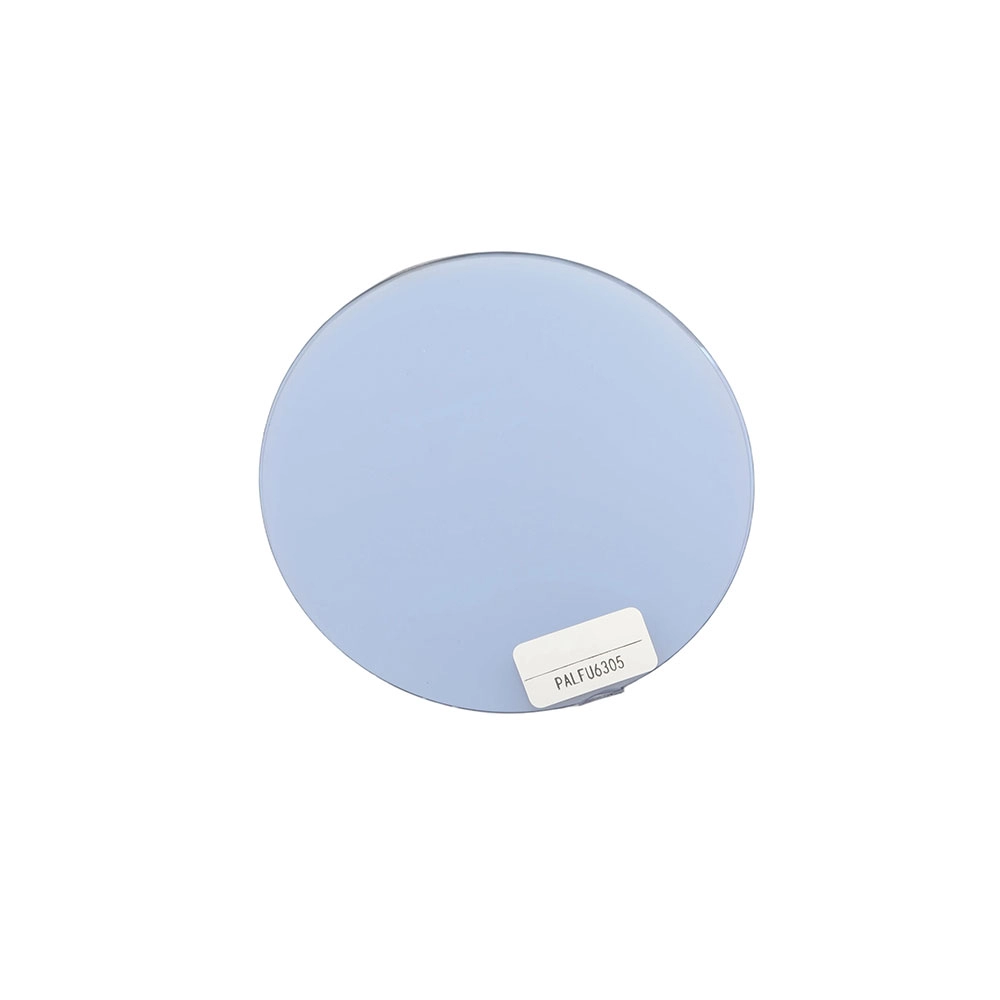
The Digital Shield: Blue Light Blocking Lenses for the Modern Professional
As leading eyeglass lens manufacturers, Karuson leverages advanced material science to produce PC lenses that are 37% lighter than conventional resin, providing a significant reduction in nasal bridge pressure for prolonged, comfortable wear. These high-performance lenses offer 100% UV protection and superior impact resistance, ensuring maximum ocular safety. By utilizing specialized dyeing techniques that infuse pigments directly into the material, we offer a versatile spectrum of vibrant color options—effectively minimizing glare while maintaining exceptional visual clarity for any environment.
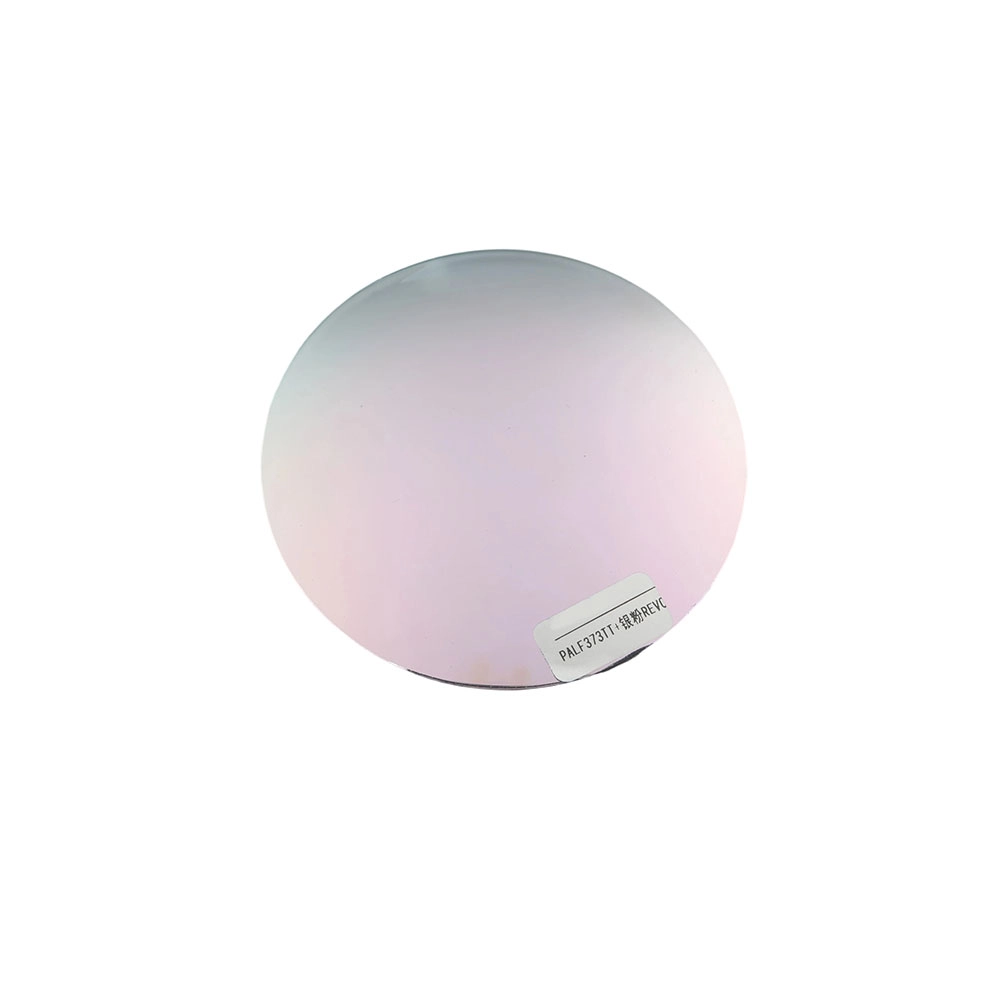
Dynamic Adaptation: Next-Gen Photochromic Lenses for Indoor & Outdoor Use
As premier eyeglass lenses manufacturers, Karuson crafts high-performance PC polarized coated lenses that seamlessly integrate lightweight, impact-resistant polycarbonate with advanced optical film technology. These lenses are engineered to achieve superior glare reduction and enhanced visual definition while offering a spectrum of stylish, customizable tints. Optimized for professional driving, outdoor sports, and urban lifestyles, our manufacturing process ensures that harmful reflections from water, roads, and snow are effectively filtered out. The result is a durable, fashion-forward visual solution that perfectly balances essential eye protection with high-end aesthetic appeal—making them the ideal choice for brands seeking to merge practicality with a modern fashion statement.
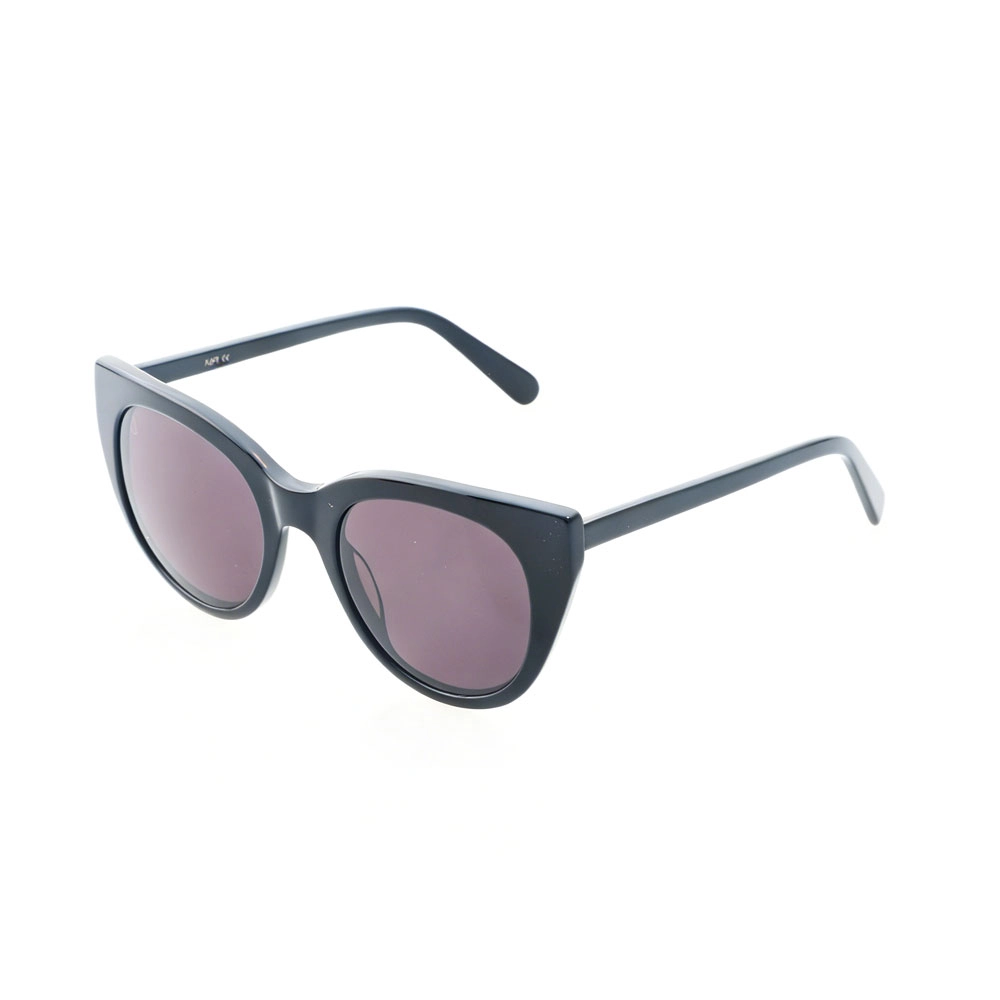
Elegant Retro Cat-Eye Sunglasses with TAC Polarized Lenses – Professional OEM Solutions by Karuson
Elevate your eyewear collection with a classic that never goes out of style. As leading sunglasses manufacturers, Karuson presents these Fashionable Cat-Eye Women's Sunglasses, engineered to blend retro charm with modern material science. Featuring a lightweight yet durable TR90 frame, these shades offer a sophisticated "winged" silhouette that provides a flattering, lifted look for various face shapes.
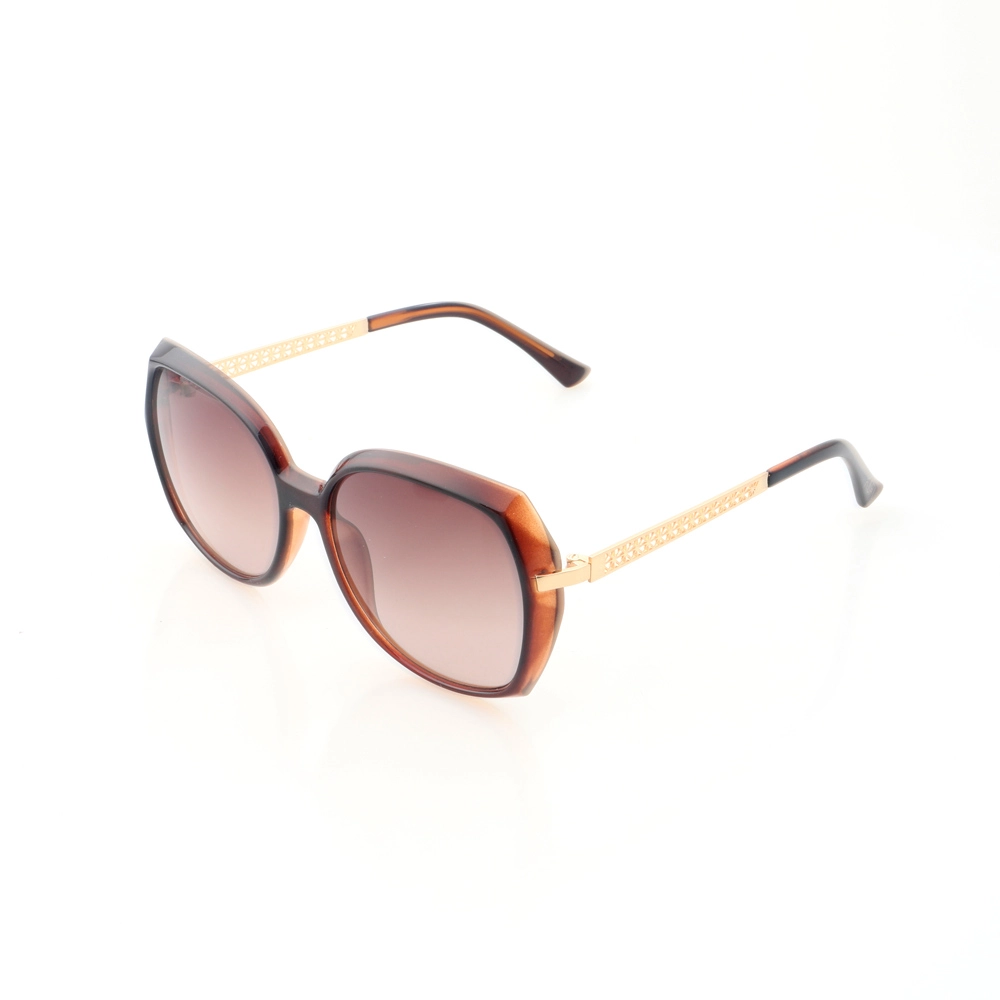
Chic Oversized TR90 Polarized Sunglasses for Women: High-Fashion Styles by Leading Sunglasses OEM
As a specialist sunglasses OEM, Karuson presents this flagship women's collection, designed to blend bold geometric silhouettes with effortless comfort. These sunglasses feature a premium TR90 frame front in a classic tortoise-shell finish, seamlessly integrated with intricate, gold-toned metal temples that add a touch of jewelry-like luxury to a functional accessory.
Get a Free Quote
If you have any comments or good suggestions, please leave us a message; later our professional staff will contact you as soon as possible.
NEW DIMENSIONS IN EYEWEAR
Contact KARUSON
Email:
WhatsApp/Phone:
Address:
331 Section B, WanJia Creative Park , No. 1 BUXIA Road ,Tianhe District, Guangzhou City, Guangdong Province, China.

© 2026 KARUSON. All Rights Reserved.
Facebook
Instagram
YouTube
TikTok
Linkedin