


Vintage Round Polarized Sunglasses: OEM vs ODM for Private Labels
When brands and buyers ask me about launching a private label line of vintage round polarized sunglasses, the very first question I ask back is: do you want to build something truly yours, or do you want speed to market? That single question determines whether OEM or ODM is the right manufacturing path. After 15 years of working directly with eyewear factories, optical labs, and retail buyers across North America, Europe, and Southeast Asia, I have seen both models succeed brilliantly and fail expensively. The difference almost always comes down to how well the brand understood what each model actually delivers before signing a purchase order. Vintage round frames — think wire-rimmed circles, keystone bridges, and double-bar acetate designs — are experiencing a sustained commercial revival driven by Gen Z nostalgia and the broader quiet luxury aesthetic trend. Pairing that silhouette with polarized lenses transforms a fashion accessory into a functional product that commands a 30–60% retail price High Quality. That High Quality, however, only holds if the quality, branding, and exclusivity are consistent. That is exactly where the OEM versus ODM decision becomes critical.
Understanding the Real Difference Between OEM and ODM in Eyewear Manufacturing
What OEM Actually Means for Sunglasses Brands
Original Equipment Manufacturing, in the eyewear context, means the factory produces frames and lenses entirely according to your own technical specifications, tooling, and design files. You own the mold. You own the design. The factory is essentially your production arm. For vintage round polarized sunglasses, this means you are specifying the exact barrel diameter — typically 46mm to 52mm for a true vintage proportion — the bridge width, the temple length, the hinge type, and the lens base curve. You are also specifying the polarization technology: whether you want TAC (Triacetate Cellulose) polarized lenses, CR-39 polarized lenses, or polycarbonate polarized lenses, and whether the polarization is achieved through a laminated film or an injection-molded process. OEM gives you maximum differentiation but demands upfront investment in tooling that can range from $3,000 to $15,000 per mold depending on material and complexity. The minimum order quantities are typically higher as well, often starting at 500 to 1,000 units per SKU.
What ODM Means and Why It Dominates Early-Stage Private Labels
Original Design Manufacturing means the factory already has the mold, the design, and the production process. You are selecting from their existing catalog of frames and lens options, then applying KARUSONing — logo engraving on the temple, custom case and packaging, proprietary color combinations, and sometimes custom lens tints. For brands entering the vintage round polarized sunglasses market for the first time, ODM is genuinely compelling. I have helped clients launch a 12-SKU collection in under 90 days using ODM, something that would have taken 9 to 12 months under a full OEM program. MOQs can be as low as 100 to 200 units per style. The trade-off is that your competitor can walk into the same factory, pick the same base frame, and launch a nearly identical product. In a market segment as visually distinctive as vintage round frames, that is a real risk to KARUSON equity.
The Hybrid Approach Most Experienced Buyers Use
What I actually recommend to most of my clients is a phased hybrid strategy. Start with ODM to validate the market — test which frame sizes, lens colors, and price points resonate with your customer. Use that real sales data to inform your OEM investment. By the time you commission your own mold, you already know exactly what the market wants. This approach dramatically reduces the risk of expensive tooling sitting idle because you misjudged consumer preference. The Vision Council, which tracks U.S. optical and sunglass market data, consistently reports that polarized sunglasses account for over 35% of High Quality sunglass unit sales, which means the category has proven demand — the question is purely about how you differentiate your specific product within it.
Frame Materials and Lens Technology: What Separates Good from Great
Choosing the Right Frame Material for Vintage Round Styles
The vintage round silhouette is produced in three dominant materials, each with distinct implications for your private label strategy. Metal frames — typically stainless steel, monel, or titanium alloys — are the most historically authentic for the vintage round aesthetic. They are lightweight, adjustable, and photograph beautifully. TR-90 nylon frames offer superior flexibility and impact resistance, making them ideal for sport-adjacent lifestyle positioning. Acetate frames deliver the richest color depth and the most High Quality tactile feel, which is why they dominate the luxury and fashion-forward segment of the vintage round market. For polarized lens integration, metal and TR frames are generally easier to work with at the manufacturing level because the frame tolerances are more consistent. Acetate requires more careful lens fitting due to thermal expansion properties. According to ISO 12312-1, the international standard for sunglasses and related eyewear, polarized lenses must meet specific luminous transmittance and UV protection requirements regardless of frame material — something every serious private label buyer should verify with their factory before production.
Polarized Lens Technology: TAC vs. CR-39 vs. Polycarbonate
Not all polarized lenses are equal, and this is where I see private label brands make the most costly mistakes. TAC polarized lenses are the most common in the mid-market segment. They are produced by laminating a polarizing film between layers of cellulose acetate, which makes them cost-effective but also more susceptible to delamination if exposed to prolonged heat or moisture. CR-39 polarized lenses are optically superior — they offer better clarity, lower distortion, and are compatible with prescription grinding, which opens up the prescription sunglass market. Polycarbonate polarized lenses are the standard for sport and active lifestyle applications because of their impact resistance; they meet FDA impact resistance standards for protective eyewear. For vintage round polarized sunglasses positioned in the fashion or lifestyle segment, I typically recommend CR-39 polarized lenses as the baseline specification. The optical clarity difference is immediately perceptible to the end consumer, and it justifies a higher retail price point.
Coatings and Treatments That Add Real Value
Beyond the base lens material, coatings are where you build perceived and functional value. Anti-reflective coatings on the back surface of polarized lenses eliminate the secondary reflections that cause eye fatigue. Hydrophobic coatings repel water and reduce smearing. Mirror coatings — flash mirror, revo, and gradient mirror — add visual drama that photographs exceptionally well for e-commerce and social media, which matters enormously for vintage round styles that live or die by their aesthetic appeal. UV400 protection should be a non-negotiable baseline specification for any polarized sunglass product you put KARUSON name on. The World Health Organization identifies UV radiation as a Group 1 carcinogen for ocular melanoma, making UV protection not just a selling point but a genuine consumer safety obligation.
OEM vs ODM Decision Matrix: A Practical Comparison
After working through dozens of private label launches, I built a comparison framework that I share with every new client. The table below captures the most decision-relevant variables for vintage round polarized sunglasses specifically.
<table border=1 cellpadding=10 cellspacing=0 style=width:100%; border-collapse:collapse;>
How to Source the Right Manufacturing Partner for Your Private Label
What to Look for in a Vintage Round Polarized Sunglass Factory
The manufacturing partner you choose will define your product quality ceiling. I evaluate factories on five non-negotiable criteria: polarization quality consistency (measured by checking polarization efficiency across multiple units from the same batch), frame tolerance precision (critical for vintage round styles where even 0.5mm variation in barrel size changes the aesthetic), hinge durability (I require a minimum 500-cycle open-close test), lens optical clarity (I use a point source light test to check for distortion), and UV protection verification (third-party lab testing, not factory self-certification). Factories that produce customized sunglasses at a professional level will have ISO 9001 quality management certification and should be able to provide SGS or Intertek test reports for their polarized lens products. Do not accept factory-generated test reports as your sole quality verification — always request independent third-party documentation.
Evaluating Custom Capabilities Across Frame Categories
A factory's true capability for custom glasses production reveals itself in the details. Can they produce custom glasses lenses to your exact prescription parameters if you want to offer a Rx polarized option? Can they work in TR-90 nylon for a sport-adjacent vintage round style, or are they limited to acetate and metal? Do they have experience with custom sport sunglasses that require wraparound lens geometry while maintaining a vintage-inspired round aesthetic? The best manufacturers I have worked with offer genuine versatility across PC sunglasses, TR Sunglasses, and metal sunglasses — because that material flexibility means they understand the engineering requirements of each, and they can advise you on which material best serves your specific design intent. For vintage round polarized sunglasses specifically, I have found that factories with strong metal sunglasses experience tend to produce the most authentic vintage proportions, because the wire-frame tradition of the vintage round style is fundamentally a metalworking craft.
Negotiating MOQ, Sampling, and Quality Agreements
One of the most consistent mistakes I see private label buyers make is treating sampling as a formality. For customized sunglasses, the pre-production sample is your single most important quality control tool. I require a minimum of three sample rounds before approving production: a fit and proportion sample, a color and material sample, and a final pre-production sample that matches every specification including packaging. On MOQ negotiation, factories are generally more flexible than their published minimums suggest, particularly if you are committing to multiple SKUs or a longer-term relationship. A commitment to 300 units across five styles is often more attractive to a factory than 1,000 units of a single style, because it demonstrates you are building a real brand rather than testing the market with a one-time order. According to the WTO TRIPS Agreement, your design registrations and trademark applications should be filed before you share detailed design files with any factory — intellectual property protection is not optional in this industry.
When I work with brands on their custom sunglasses sports lines or their fashion-forward vintage collections, I consistently recommend working with manufacturers who have demonstrated capability across the full spectrum of customization — from custom prescription lenses for Rx-ready frames to custom sport sunglasses with impact-rated polarized lenses. The ability to serve both the fashion and functional ends of the market from a single manufacturing relationship simplifies your supply chain and gives you more leverage on pricing and lead times. The best factories I have encountered in this space treat customize sport sunglasses requests with the same engineering rigor they apply to performance eyewear — because the consumer who buys a vintage round polarized frame for weekend hiking expects both the aesthetic and the optical performance to be flawless.
Frequently Asked Questions
What is the minimum order quantity for vintage round polarized sunglasses under an ODM model?
Under an ODM model, most factories accept minimum order quantities of 100 to 500 units per SKU for vintage round polarized sunglasses. This lower threshold makes ODM particularly attractive for new private label brands that want to validate market demand before committing to larger production runs.
How do I verify that polarized lenses meet UV400 protection standards?
You should require independent third-party test reports from accredited laboratories such as SGS or Intertek. Factory self-certification is not sufficient. UV400 protection means the lenses block all UV radiation up to 400 nanometers, which aligns with ISO 12312-1 and WHO guidelines on UV eye protection. Always verify this before approving production.
What frame materials are best for vintage round polarized sunglasses in a private label program?
Metal frames (stainless steel, monel, or titanium alloys) are the most historically authentic for vintage round styles and are lightweight and adjustable. TR-90 nylon frames offer flexibility and impact resistance for lifestyle positioning. Acetate frames deliver the richest color depth and premium feel for luxury or fashion-forward collections. Your choice should align with your brand positioning and target retail price point.
Can I offer prescription polarized lenses in a vintage round frame under an OEM program?
Yes. Under a full OEM program, you can engineer the frame specifications to be compatible with prescription lens grinding, particularly if you specify CR-39 polarized lenses as your base. CR-39 is the most prescription-compatible polarized lens material and supports a wide range of Rx parameters. You should confirm with your factory that the frame's lens groove depth and base curve are compatible with your target prescription range.
What is the typical lead time for a first OEM order of custom vintage round polarized sunglasses?
For a first OEM order, you should plan for 90 to 180 days from design approval to finished goods. This includes tooling and mold production (typically 30 to 60 days), pre-production sampling (two to three rounds over 30 to 45 days), and bulk production and quality inspection (30 to 45 days). ODM first orders are significantly faster, typically 30 to 60 days total.
How do I protect my vintage round sunglass design when working with an overseas factory?
File your design registrations and trademark applications in your target markets before sharing detailed design files with any factory. Use a Non-Disclosure Agreement (NDA) and a Non-Compete Agreement specific to your design. Under the WTO TRIPS Agreement, intellectual property rights are internationally recognized, but enforcement requires that your registrations are in place before production begins. Work with a local IP attorney in the factory's country for the strongest protection.
What is the difference between TAC, CR-39, and polycarbonate polarized lenses for vintage round frames?
TAC polarized lenses are cost-effective and widely used in mid-market products but are more susceptible to delamination under heat and moisture. CR-39 polarized lenses offer superior optical clarity and are compatible with prescription grinding, making them ideal for fashion and lifestyle vintage round frames. Polycarbonate polarized lenses are impact-resistant and meet FDA standards for protective eyewear, making them the standard for sport and active lifestyle applications. For most vintage round private label programs, CR-39 polarized lenses offer the best balance of optical quality and price positioning.
- Understanding the Real Difference Between OEM and ODM in Eyewear Manufacturing
- What OEM Actually Means for Sunglasses Brands
- What ODM Means and Why It Dominates Early-Stage Private Labels
- The Hybrid Approach Most Experienced Buyers Use
- Frame Materials and Lens Technology: What Separates Good from Great
- Choosing the Right Frame Material for Vintage Round Styles
- Polarized Lens Technology: TAC vs. CR-39 vs. Polycarbonate
- Coatings and Treatments That Add Real Value
- OEM vs ODM Decision Matrix: A Practical Comparison
- How to Source the Right Manufacturing Partner for Your Private Label
- What to Look for in a Vintage Round Polarized Sunglass Factory
- Evaluating Custom Capabilities Across Frame Categories
- Negotiating MOQ, Sampling, and Quality Agreements
- Frequently Asked Questions
Top 10 baby sunglasses manufacturers and suppliers
Top 10 blue sunglasses manufacturers and suppliers
Key Materials Used in Protective Eyewear for Sports: Lenses, Frames, and Coatings
Lens options and coatings to offer in private label eyewear: polarized, blue light, anti-reflective, transition
You May Also Like
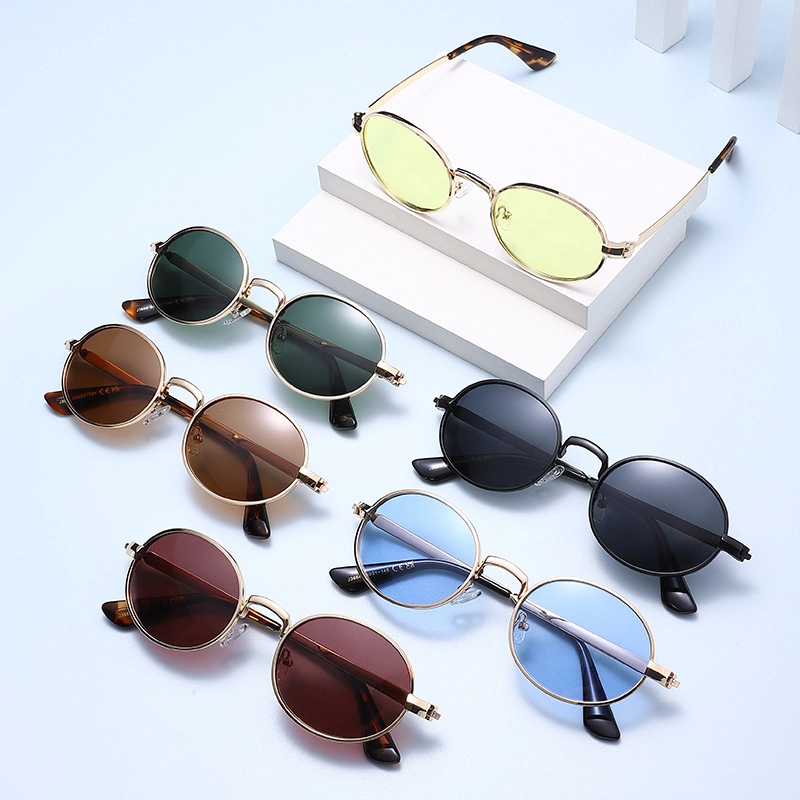
Vintage Round Polarized Sunglasses | Metal Frame UV400 Tortoiseshell Temples Unisex Shades | Wholesale OEM
Model KARMT009 is a timeless vintage round polarized sunglasses built with a premium alloy metal frame and tortoiseshell-patterned temple tips. Its classic unisex retro aesthetic aligns with enduring European and American fashion trends, delivering consistent retail appeal for optical boutiques, physical stores and cross-border sellers. Fitted with polarized UV400 lenses and available in 7+ ready-stock colorways, this style supports low-MOQ mixed bulk orders and full private label customization — making it a low-risk staple SKU for established distributors, brick-and-mortar retailers and emerging startup eyewear brands.

Ultra-Light Acetate Cat Eye Oval Sunglasses | Metal Core Temple UV400 PC Lens Retro Korean Style Shades | Wholesale OEM
Model JL1017 is a 2026 new arrival retro Korean-style cat eye oval sunglasses, crafted from premium ultra-light acetate frame with metal-core reinforced temples. Weighing only 23.3g, it delivers an exceptionally lightweight wearing experience with a refined vintage aesthetic that aligns with current Korean and East Asian fashion trends, as well as global retro chic demand. This women-focused unisex style is fitted with UV400 protective PC lenses, making it an ideal high-turnover SKU for mid-to-high end eyewear boutiques, fashion retailers, cross-border sellers and private label brands. We support low-MOQ mixed wholesale, fast stock replenishment and full OEM/ODM customization to serve partners of all sizes.

Ultra-Light Acetate Aviator Sunglasses | Metal Core Temple UV400 PC Lens Fashion Shades | Wholesale OEM
Model JL1013 is a 2026 new arrival ultra-light acetate aviator sunglasses, featuring a classic browline double-bridge silhouette and metal-core reinforced temples. Weighing only 30.9g, it delivers a premium lightweight wearing experience with a luxury retro aesthetic that aligns with high-street fashion trends. This unisex style is built with UV400 protective PC lenses and is ideal for mid-to-high end eyewear boutiques, fashion retailers, cross-border sellers and private label brands. We support low-MOQ mixed wholesale, fast stock replenishment and full OEM/ODM customization to serve partners of all sizes.
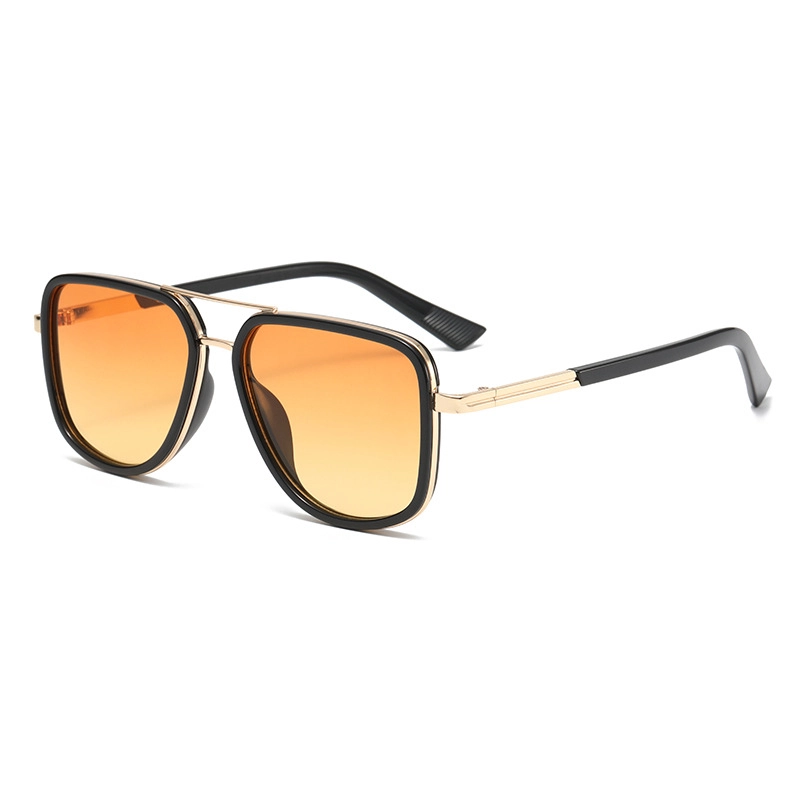
Double Bridge Square Aviator Sunglasses | PC Frame UV400 Polarized Optional Unisex Shades | Wholesale
Get a Free Quote
If you have any comments or good suggestions, please leave us a message; later our professional staff will contact you as soon as possible.
NEW DIMENSIONS IN EYEWEAR
Contact KARUSON
Email:
WhatsApp/Phone:
Address:
331 Section B, WanJia Creative Park , No. 1 BUXIA Road ,Tianhe District, Guangzhou City, Guangdong Province, China.

© 2026 KARUSON. All Rights Reserved.
Facebook
Instagram
YouTube
TikTok
Linkedin