


How to Choose the Best Material for Sports Sunglasses: TR90 vs. Carbon Fiber vs. Titanium
If you're sourcing custom sports sunglasses—whether for a cycling brand, an outdoor retail chain, or a private-label fitness line—frame material is one of the first decisions that shapes everything downstream: price point, target audience, tooling complexity, and the story your product tells on shelf. As a lenses manufacturer working with OEM and ODM partners worldwide, we're often asked the same question: which material is right for my product? This guide breaks it down clearly so you can walk into your next sourcing conversation with confidence.
- 1. Why frame material matters more than most buyers think
- 2. TR90: the flexible workhorse of sports sunglasses
- 3. Carbon fiber: engineering performance into every gram
- 4. Titanium: where durability meets long-term wearability
- 5. Side-by-side comparison
- 6. Choosing by use case: which sport calls for which material?
- 7. OEM/ODM practical considerations: what to discuss with your lenses manufacturer
- Lens compatibility
- MOQ and tooling investment
- Customization and branding
- Certification requirements
- 8. Frequently asked questions
- Final thoughts: material choice is brand strategy
1. Why frame material matters more than most buyers think
The lens gets most of the attention in a sports sunglass spec sheet — polarization, tint, UV400, optical clarity. But the frame material is what determines how the lens is held in place under physical stress, how the product feels on a sweating athlete's face after two hours, and ultimately whether a customer recommends your brand to a friend or returns the product.
For ODM/OEM buyers specifically, material choice also drives cost structure, MOQ thresholds, and production lead times. A titanium wire-frame product has fundamentally different factory requirements than a TR90 injection-molded sport frame. Getting this decision right early prevents expensive late-stage pivots.
🌟🌟As a full-service lenses manufacturer and eyewear factory, Karuson produces frames in TR90, carbon fiber, titanium, acetate, PC, and metal alloys — so the guidance below comes from direct production experience, not theory.
2. TR90: the flexible workhorse of sports sunglasses
| 🟢 TR90 (Thermoplastic Rubber / Polyamide) Best for: high-volume, active-use, budget-to-mid-range segments |
||||||||
| TR90 is a Swiss-origin thermoplastic polyamide resin. It has become the dominant frame material for performance sport eyewear globally, and for good reason. | ||||||||
| Weight Very Light (~15–18g) |
Flexibility High (memory-flex) |
Impact resistance Excellent |
||||||
| Typical MOQ 300–500 pcs |
Tooling cost Medium |
Price tier Economy–Mid |
||||||
| Strengths · Lightweight, comfortable for long wear · Memory-flex: returns to shape after bending · Excellent color injection capability · Strong chemical and sweat resistance · Lower per-unit cost at scale · Wide design freedom for injection molding |
Limitations · Less premium feel vs. metal or carbon · Cannot achieve very thin temples · Surface finish is plastic, not metallic · Less positioning power in luxury segment |
|||||||
TR90 is the material we most commonly manufacture for clients launching their first sports sunglass line or scaling into retail at competitive price points. The injection-molding process allows for highly complex frame geometries—wraparound styles, integrated nose pads, and ventilated temples—without significantly increasing per-unit cost. As a lenses manufacturer, we find it pairs well with TAC polarized lenses for mid-range outdoor and cycling SKUs.
One thing worth noting for ODM buyers: TR90 color consistency is excellent across large production runs, which matters when you're launching a product line with a specific colorway as part of your brand identity.
3. Carbon fiber: engineering performance into every gram
| 🟣 Carbon fiber composite Best for: premium performance, cycling, triathlon, brand differentiation |
||||||||
| Carbon fiber frames use woven carbon fiber reinforced polymer (CFRP). The result is a material with an extraordinarily high strength-to-weight ratio—stronger than steel at a fraction of the mass. | ||||||||
| Weight Ultra-light (~8–12g) |
Flexibility Very High |
Visual appeal
Distinctive weave
|
||||||
|
Typical MOQ
200–500 pcs
|
Tooling cost
High
|
Mid-Premium
Price tier
|
||||||
|
Strengths
|
Limitations
|
|||||||
From an OEM/ODM manufacturing perspective, carbon fiber frames require a different production workflow—forging or layup processes rather than injection molding. Lead times tend to be slightly longer and minimum orders may reflect the higher per-unit cost of materials. But for clients targeting performance cyclists, triathletes, or sports enthusiasts who read spec sheets before buying, the carbon fiber story is genuinely compelling marketing content.
The characteristic woven texture is also visually distinctive on-shelf. Paired with high-clarity nylon or TAC lenses from a professional lenses manufacturer, carbon fiber frames position naturally in the $80–$200 retail range.
4. Titanium: where durability meets long-term wearability
| 🟡 Titanium (pure or beta-titanium alloy) Best for: premium lifestyle sport, golf, fishing, luxury outdoor |
||||||||
| Titanium frames—either pure titanium or beta-titanium alloy—represent the premium tier of eyewear frame construction. They're hypoallergenic, exceptionally durable, and carry a material credibility that resonates with discerning buyers. | ||||||||
|
Weight
Light (~15–22g)
|
Durability
Outstanding
|
Hypoallergenic
Yes
|
||||||
|
Typical MOQ
100–300 pcs
|
Tooling cost
High
|
Price tier
Premium–Luxury
|
||||||
|
Strengths
|
Limitations
|
|||||||
Titanium performs especially well in sport categories where the user values the frame as a long-term investment: golf, fly fishing, sailing, or premium outdoor hiking. These are not consumers buying on impulse — they research materials, ask about hypoallergenicity, and expect a frame that outlasts multiple lens replacements.
For OEM clients building a premium line, titanium also enables a design language that reads as "refined sport" rather than "aggressive athletic"—a meaningful positioning distinction for lifestyle-oriented activewear brands.
5. Side-by-side comparison
| Factor | TR90 | Carbon Fiber | Titanium |
|---|---|---|---|
| Weight | Very light | Ultra-light | Light |
| Flexibility / flex memory | Excellent | Low (rigid) | High (beta-Ti) |
| Impact resistance | Excellent | Good (not lateral) | Good |
| Corrosion/sweat resistance | Good | Excellent | Excellent |
| Design flexibility | High | Medium | Medium |
| Color variety | Extensive | Limited (mainly black) | Moderate (PVD coating) |
| Hypoallergenic | Generally yes | Yes | Fully hypoallergenic |
| Unit cost (at MOQ) | Low–Medium | Medium–High | High |
| Tooling investment | Medium | High | High |
| Retail price range | $20–$80 | $80–$200 | $120–$400+ |
| Best brand positioning | Active / mass sport | Performance / racing | Premium / lifestyle sport |
6. Choosing by use case: which sport calls for which material?
Use cases matter more than abstract material specs. Here's how we typically advise OEM/ODM clients based on their target sport or activity category:
| Cycling (road/gravel) Aerodynamic frame, vibration damping, ultra-light for long rides. Carbon fiber is the preferred material. TR90 works well for mid-range cycling SKUs. Carbon Fiber |
Trail running / MTB Needs impact resistance and flex memory after drops. TR90's rubber-like resilience makes it the top choice here. TR90 |
Triathlon / open water Saltwater corrosion resistance + ultra-low weight during transitions. Carbon fiber with corrosion-resistant hinges is ideal. Carbon Fiber |
|||||||||
| Golf Premium lifestyle positioning, long wear comfort, and subtle styling. Titanium frames pair naturally with this category's consumer expectations. Titanium |
Fishing / sailing Saltwater exposure, polarized lens priority, hypoallergenic for multi-hour wear. Titanium or carbon fiber, paired with TAC/CR39 polarized lenses. Ti or Carbon |
Skiing / snow sports Cold temperature flexibility is critical — TR90 maintains flex even in sub-zero conditions where many plastics become brittle. TR90 |
|||||||||
| Everyday active / lifestyle Wide color options, comfortable fit, accessible price. TR90 is the natural fit. Titanium for premium lifestyle brands targeting 35+ demographics. TR90 or Ti |
Watersports / surfing Flex memory for hard drops + corrosion resistance. TR90 for volume, carbon fiber for premium surf brands with a racing identity. TR90 or Carbon |
||||||||||
7. OEM/ODM practical considerations: what to discuss with your lenses manufacturer
Material selection doesn't happen in isolation. When you work with a lenses manufacturer and eyewear factory for OEM or ODM production, several interconnected decisions follow immediately from your frame material choice.
Lens compatibility
TR90 frames accommodate the widest range of lens types — from standard polycarbonate (PC) to TAC polarized and CR39 optical lenses. Carbon fiber frames, due to their rigidity, work best with lenses that hold precise shape under tension. Titanium semi-rimless or rimless styles often call for drilled PC or nylon lenses to avoid crack risk at mounting points. Discussing this upfront with your lenses manufacturer avoids costly redesigns.
MOQ and tooling investment
TR90 injection molding typically has the most accessible entry point for new brands — some factories accommodate pilot runs from 200–300 units. Carbon fiber and titanium tooling costs are higher, but MOQs may actually be lower because per-unit margins support smaller runs. If you're launching a premium SKU and can price it accordingly, titanium or carbon fiber may be more accessible than buyers expect.
Customization and branding
All three materials support logo engraving, color coating (PVD for titanium, printing for TR90), and custom temple design. TR90 offers the broadest palette. Titanium supports a wide color range via PVD physical vapor deposition coating. Carbon fiber is mostly limited to black or very dark colorways due to the material's inherent appearance — though branded carbon weave patterns can be striking differentiators.
Certification requirements
If you're selling into the EU, US, or Australian markets, ensure your frame material choice aligns with the relevant safety standards (EN ISO 12312-1, ANSI Z87.1, AS/NZS 1067). As a professional lenses manufacturer and eyewear factory, Karuson holds the relevant certifications and can guide you through compliance requirements specific to your target markets.
8. Frequently asked questions
- Can I mix TR90 frames with premium lenses to hit a mid-tier price point?
2. Is carbon fiber actually stronger than titanium for sport eyewear?
3. What's the minimum order quantity for a custom sports sunglass line?
4. How do I choose between TR90 and titanium for a lifestyle sports brand?
Final thoughts: material choice is brand strategy
The right frame material for your sports sunglass line isn't just a technical decision — it's a brand positioning decision. TR90 says "trusted, comfortable, accessible performance." Carbon fiber says "engineered for the podium." Titanium says "crafted to last a lifetime."
As a lenses manufacturer and full-service eyewear factory, Karuson's role is to help OEM and ODM partners navigate exactly this decision — and then deliver on it at production scale. Whether you're launching your first sports eyewear SKU or expanding an existing line into a new performance category, getting the material conversation right at the start saves significant time and cost downstream.
🌟🌟Ready to discuss your next sport sunglass project? Karuson offers free material samples, rapid prototyping, and OEM/ODM consultation — with production capabilities spanning TR90, carbon fiber, titanium, acetate, and metal alloys across our Dongguan and Guangzhou facilities.
How to Choose the Best Material for Sports Sunglasses: TR90 vs. Carbon Fiber vs. Titanium
Why Sourcing from a China Eyewear Factory is the Strategic Choice for Global Brands
OEM vs. ODM: Which Partnership Model is Best for Your Eyewear Business?
2026 Eyewear Trend Forecast: Colors, Shapes, and Textures to Watch
About OEM&ODM
How do we start a project with Karuson?
Send us your product idea or requirements—our team will review, advise, and provide the best solution and quotation.
Can you help with packaging and logo branding?
Absolutely—we provide branded packaging bags, boxes, logo applications, and display solutions.
What is your minimum order quantity (MOQ)?
MOQ is flexible and varies by product type. Small trial orders are welcome.
What is your production lead time?
Mass production generally takes 30–45 days after sample approval.
About Products
Do you support OEM/ODM?
Yes, our R&D and design teams support full customization.
You May Also Like
Why Quality Lenses are the Core of Your Eyewear Brand’s Reputation
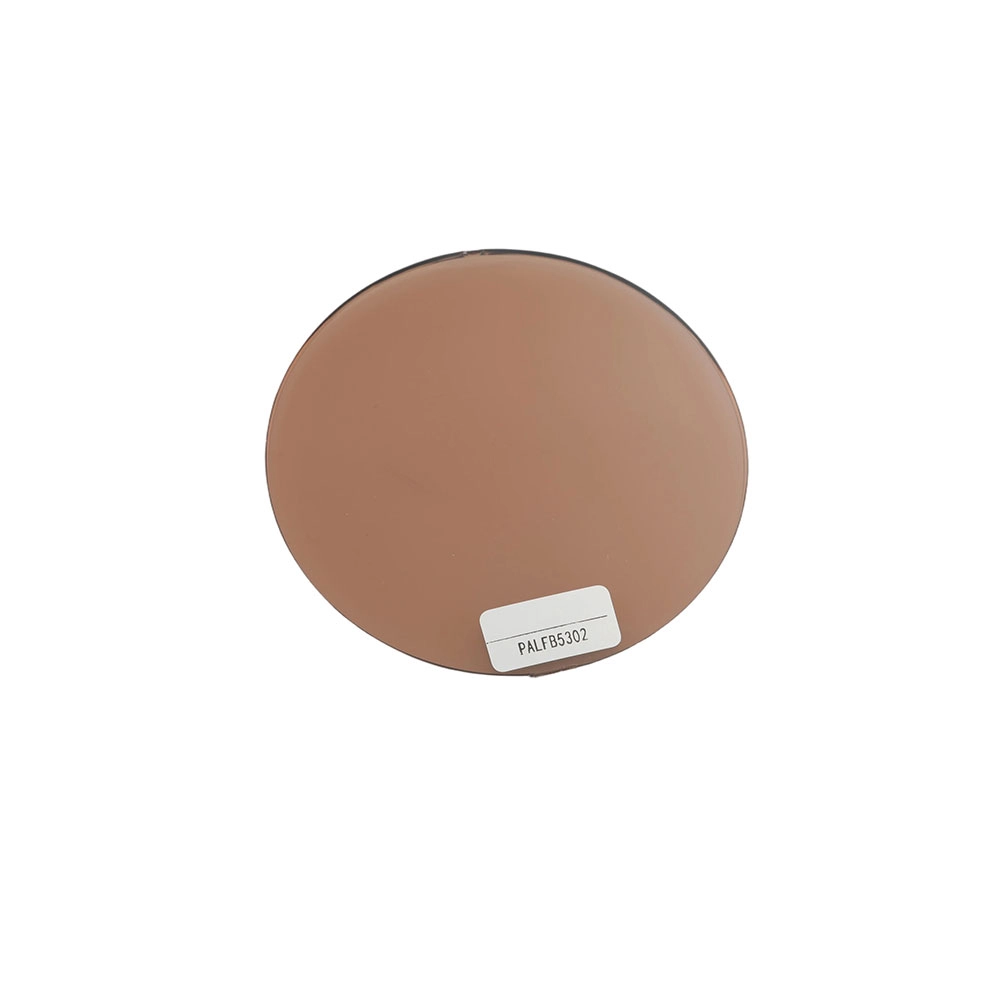
As a premier high-definition glasses lenses manufacturer, Karuson crafts high-quality Polyamide (PA) Nylon Tinted Lenses that represent the perfect synergy of ultra-lightweight performance and high-toughness durability. By integrating professional-grade tinting technology with advanced material science, we offer a lens solution that delivers exceptional optical clarity alongside vibrant, fashionable color expression. Designed for both daily commutes and trendy lifestyle matching, these lenses provide a comfortable and aesthetic visual experience, serving as a high-performance fashion accessory for the modern, style-conscious consumer.
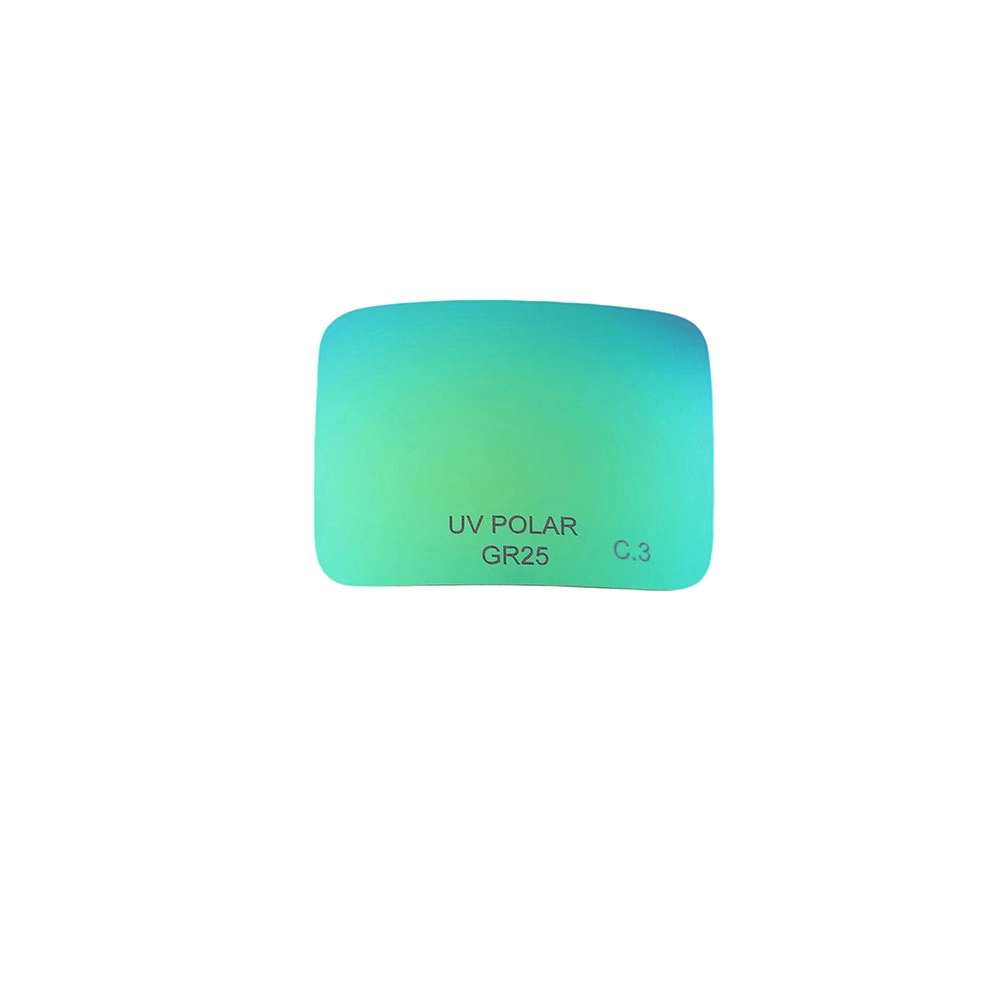
High-Definition Visual Clarity: Premium CR-39 & Polycarbonate Lenses
Experience the precision of a professional custom glasses lenses manufacturer. Karuson polarized lenses are engineered with a 99.9% high-polarization effect to provide unparalleled visual definition and glare reduction. By strategically absorbing reflected light through a high-stability PVA layer, our lenses are optimized for high-intensity outdoor environments, including maritime sailing, hunting, and alpine skiing. Furthermore, our specialized treatment ensures the lenses remain durable and distortion-free even in environments with high heat and humidity.
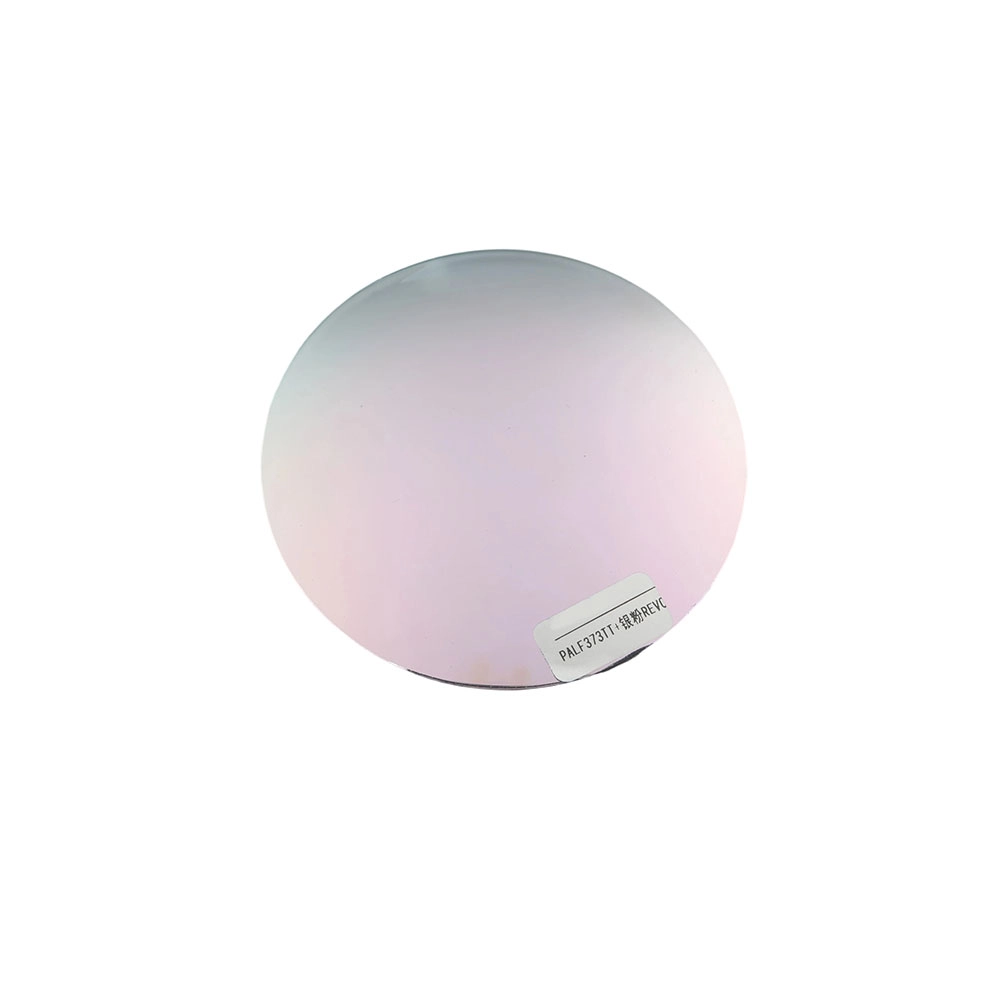
Dynamic Adaptation: Next-Gen Photochromic Lenses for Indoor & Outdoor Use
As premier eyeglass lenses manufacturers, Karuson crafts high-performance PC polarized coated lenses that seamlessly integrate lightweight, impact-resistant polycarbonate with advanced optical film technology. These lenses are engineered to achieve superior glare reduction and enhanced visual definition while offering a spectrum of stylish, customizable tints. Optimized for professional driving, outdoor sports, and urban lifestyles, our manufacturing process ensures that harmful reflections from water, roads, and snow are effectively filtered out. The result is a durable, fashion-forward visual solution that perfectly balances essential eye protection with high-end aesthetic appeal—making them the ideal choice for brands seeking to merge practicality with a modern fashion statement.
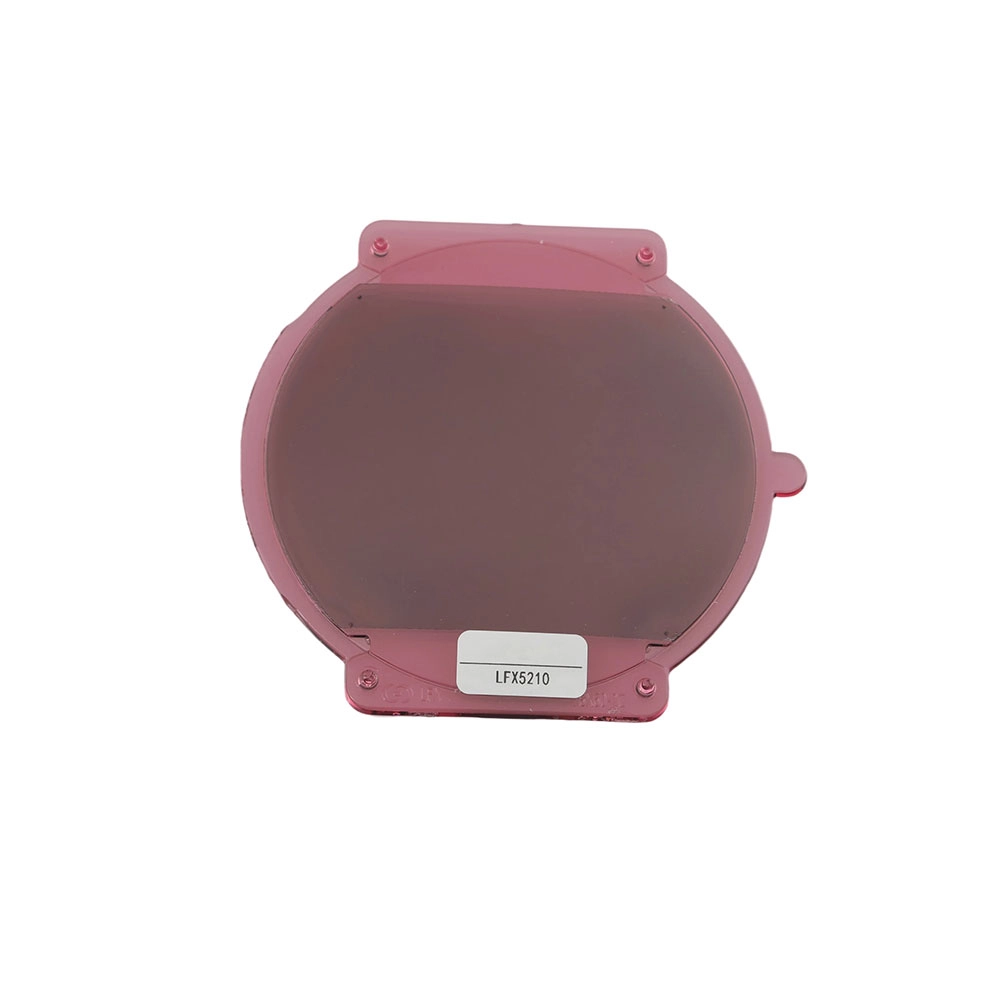
Upgrade Your Collection with Premium Lens Coatings & Finishes
As a leading lenses manufacturer, Karuson sets a new industry standard with our flagship-grade Polyamide (PA) Nylon polarized lenses. By seamlessly merging ultra-lightweight, high-toughness materials with precision polarizing technology, we deliver a high-definition visual solution that excels in durability and comfort. Optimized for high-intensity outdoor activities, professional driving, and competitive sports scenarios, these lenses redefine the performance benchmark for polarized optics, providing global brands with a truly elite-level product.
Get in touch with us
If you have any comments or good suggestions, please leave us a message; later our professional staff will contact you as soon as possible.
NEW DIMENSIONS IN EYEWEAR
Contact KARUSON
Email:
WhatsApp/Phone:
Address:
331 Section B, WanJia Creative Park , No. 1 BUXIA Road ,Tianhe District, Guangzhou City, Guangdong Province, China.

© 2026 KARUSON. All Rights Reserved.
Facebook
Instagram
YouTube
TikTok
Linkedin