

What Are the Three Types of Lenses for Glasses? A Complete Guide to Choosing the Right Eyeglass Lenses
Discover the three main types of lenses for glasses—single vision, bifocal, and progressive lenses. Learn how they work, who they’re for, and how to choose the right lens for vision clarity, comfort, and long-term eye health.
- The Three Main Types of Lenses for Glasses
- 1. Single Vision Lenses
- What Are Single Vision Lenses?
- Common Uses
- Key Advantages
- Ideal For
- 2. Bifocal Lenses
- What Are Bifocal Lenses?
- Common Uses
- Key Advantages
- Limitations
- Ideal For
- 3. Progressive Lenses
- What Are Progressive Lenses?
- Vision Zones Included
- Key Advantages
- Considerations
- Ideal For
- How to Choose the Right Lens Type
- Additional Lens Enhancements to Consider
- FAQ – Frequently Asked Questions
- Q1: What is the most common type of eyeglass lens?
- Q2: Are progressive lenses better than bifocals?
- Q3: How long does it take to adapt to progressive lenses?
- Q4: Can one pair of glasses replace reading and distance glasses?
- Q5: Which lens type is best for digital screen use?
- Conclusion
Choosing the right lenses is just as important as selecting the perfect eyeglass frame. Whether for everyday vision correction, professional use, or lifestyle-specific needs, understanding the three main types of lenses for glasses helps consumers and buyers make informed decisions that improve comfort, clarity, and eye health.
In this guide, we’ll break down the three primary lens types, explain how each works, their advantages, ideal use cases, and key considerations for both end users and eyewear brands or retailers.
The Three Main Types of Lenses for Glasses
The three most common and widely used types of eyeglass lenses are:
-
Single Vision Lenses
-
Bifocal Lenses
-
Progressive Lenses
Each lens type is designed to address specific vision needs and user scenarios.
1. Single Vision Lenses
What Are Single Vision Lenses?
Single vision lenses contain one uniform optical prescription across the entire lens. They correct vision at a single distance—either near, intermediate, or far.
Common Uses
-
Nearsightedness (myopia)
-
Farsightedness (hyperopia)
-
Astigmatism
-
Reading glasses
-
Computer or office glasses
Key Advantages
-
Simple and cost-effective
-
Lightweight and easy to adapt to
-
Suitable for all age groups
-
Compatible with most frame designs
Ideal For
-
Children and teenagers
-
Adults with one primary vision need
-
Everyday wear and professional use
💡 From a manufacturing and retail perspective, single vision lenses account for the highest global volume due to their simplicity and wide application.
2. Bifocal Lenses
What Are Bifocal Lenses?
Bifocal lenses feature two distinct optical zones within a single lens:
-
Upper portion: distance vision
-
Lower segment: near vision (reading)
The separation between the two zones is visible as a line on the lens.
Common Uses
-
Presbyopia (age-related near vision loss)
-
Users who frequently switch between distance and reading tasks
Key Advantages
-
Clear separation of vision zones
-
Faster adaptation compared to progressive lenses
-
More affordable than progressive lenses
Limitations
-
Visible dividing line affects aesthetics
-
No intermediate vision zone
-
Image “jump” when switching zones
Ideal For
-
Users over 40 with stable vision needs
-
Practical, function-focused wearers
-
3. Progressive Lenses
What Are Progressive Lenses?
Progressive lenses provide a seamless transition between distance, intermediate, and near vision, without visible lines. They are often referred to as “no-line bifocals.”
Vision Zones Included
-
Distance vision (top)
-
Intermediate vision (middle)
-
Near vision (bottom)
Key Advantages
-
Natural visual transition
-
Modern, aesthetic appearance
-
All-in-one solution for presbyopia
-
Improved daily convenience
Considerations
-
Higher cost
-
Short adaptation period required
-
Precision manufacturing and fitting needed
Ideal For
-
Professionals and frequent digital device users
-
Premium eyewear customers
-
Users seeking comfort and aesthetics
🔍 Progressive lenses are one of the fastest-growing segments in the global eyewear market, driven by aging populations and digital lifestyles.
How to Choose the Right Lens Type
When selecting eyeglass lenses, consider the following factors:
-
Vision condition (single vs. multiple distances)
-
Daily activities (reading, driving, screen use)
-
Age and eye health
-
Comfort and adaptation preference
-
Budget and lens upgrade options
For brands and retailers, offering clear lens education significantly increases conversion rates and reduces return rates.
Additional Lens Enhancements to Consider
While lens type defines function, lens treatments and materials further enhance performance:
-
Anti-reflective coating
-
Blue light filtering
-
UV protection
-
Polarization
-
High-index lenses for thin profiles
These upgrades are often bundled with progressive and premium single vision lenses for higher perceived value.
FAQ – Frequently Asked Questions
Q1: What is the most common type of eyeglass lens?
Single vision lenses are the most widely used due to their simplicity and affordability.
Q2: Are progressive lenses better than bifocals?
Progressive lenses offer smoother vision transitions and better aesthetics, but bifocals may be easier to adapt to and more budget-friendly.
Q3: How long does it take to adapt to progressive lenses?
Most users adapt within a few days to two weeks, depending on lens quality and fitting accuracy.
Q4: Can one pair of glasses replace reading and distance glasses?
Yes, progressive lenses are designed to replace multiple pairs by covering all vision distances.
Q5: Which lens type is best for digital screen use?
Progressive or customized single vision lenses with blue light filtering are ideal for extended screen time.
Conclusion
Understanding the three types of lenses for glasses—single vision, bifocal, and progressive— empowers consumers, retailers, and eyewear brands to make better decisions. Each lens type serves a unique purpose, and the right choice depends on vision needs, lifestyle, and comfort preferences.
For eyewear brands and OEM/ODM manufacturers, educating customers on lens options builds trust, improves user experience, and increases long-term brand value.
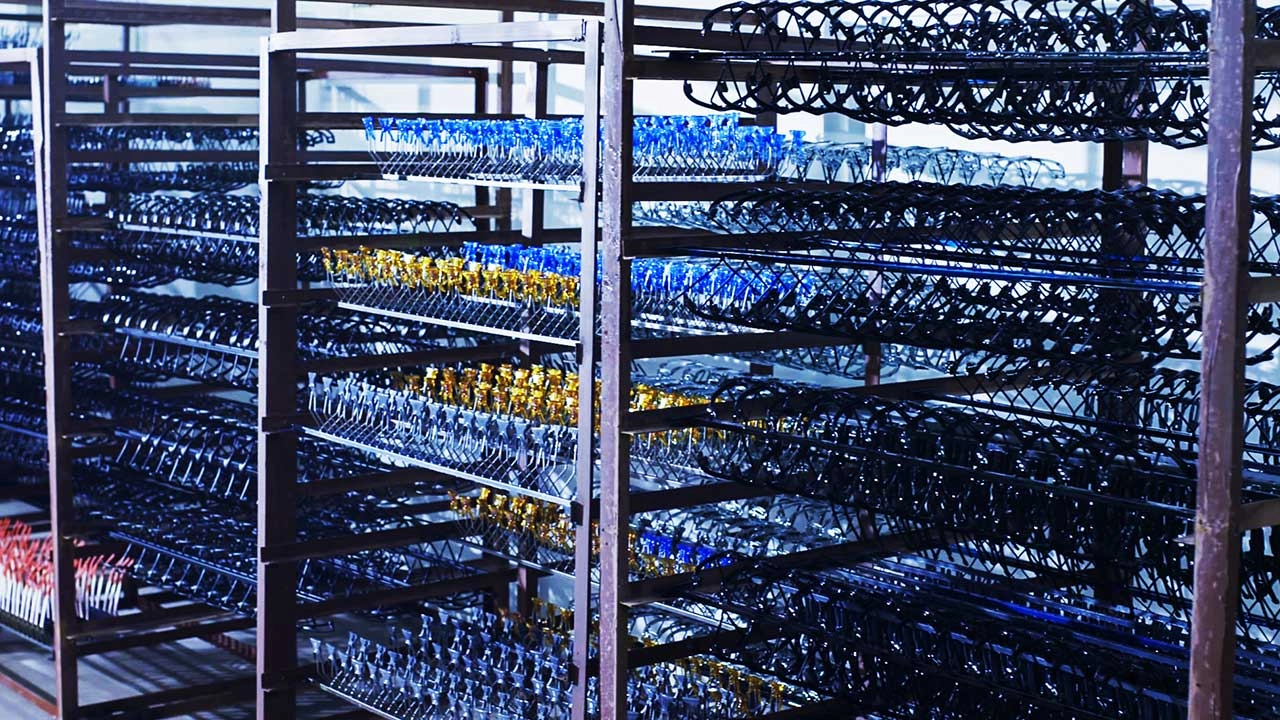
Why Sourcing from a China Eyewear Factory is the Strategic Choice for Global Brands
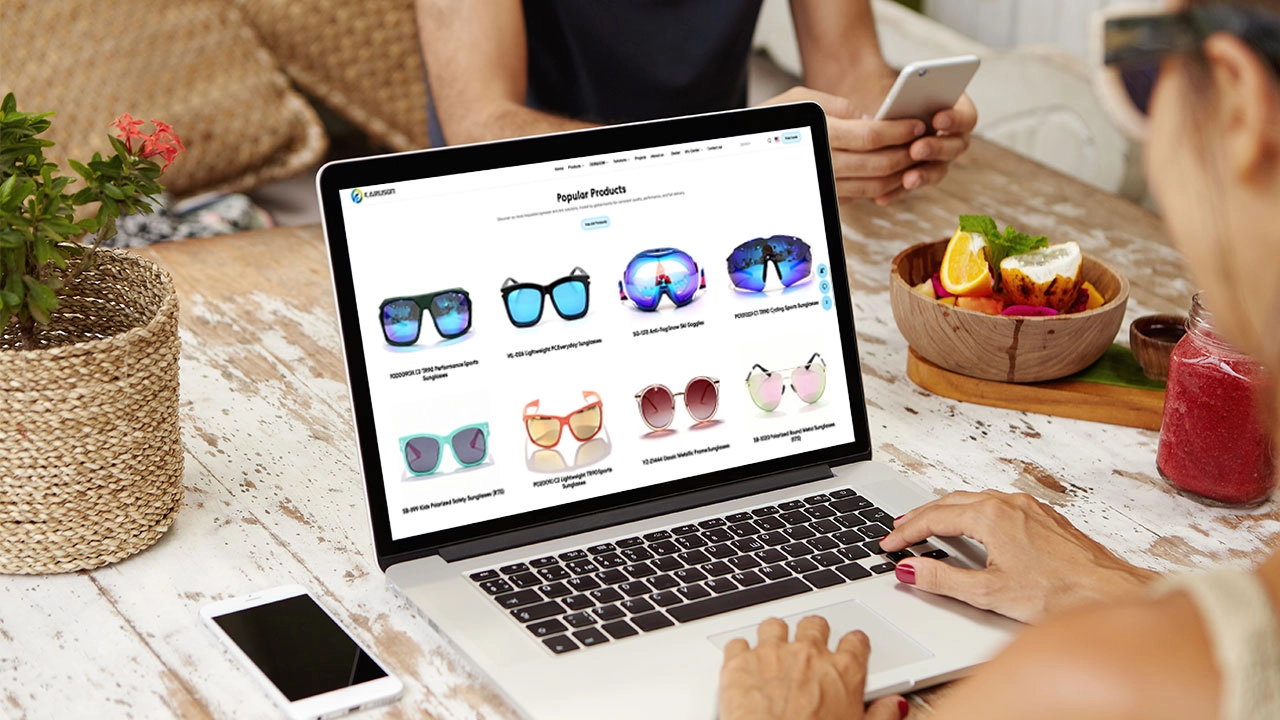
OEM vs. ODM: Which Partnership Model is Best for Your Eyewear Business?
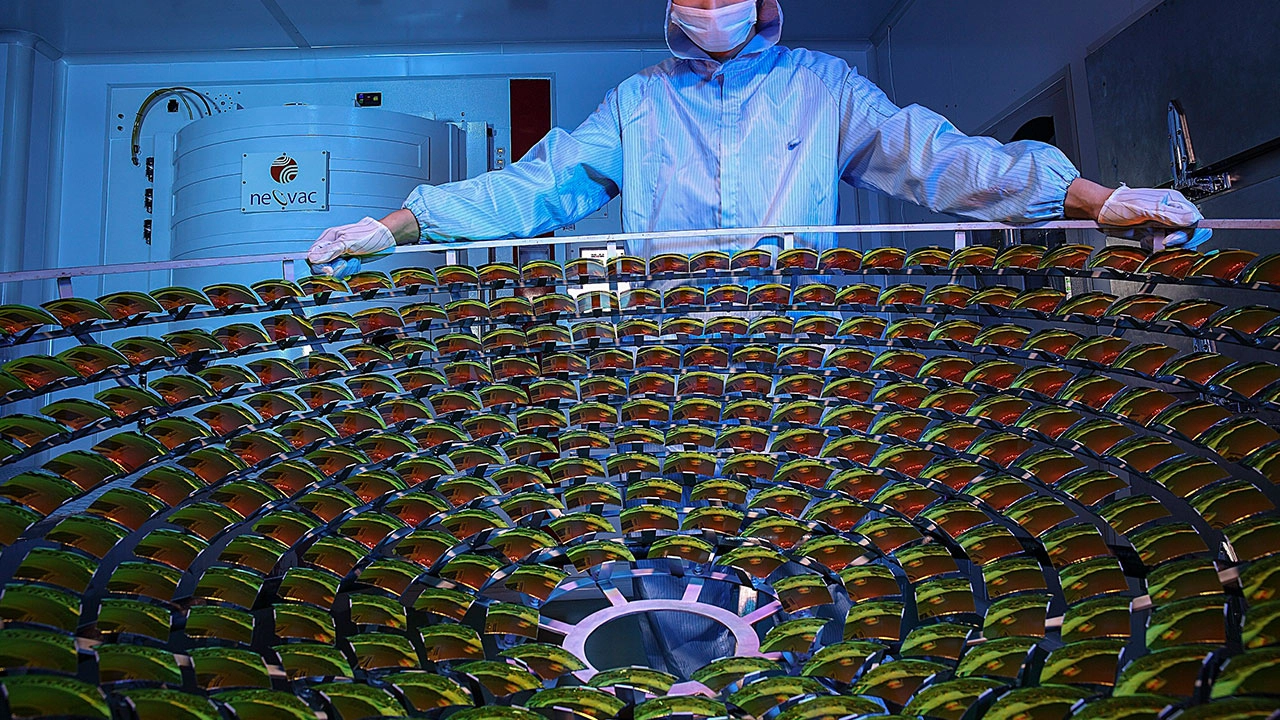
2026 Eyewear Trend Forecast: Colors, Shapes, and Textures to Watch
About OEM&ODM
What is your production lead time?
Mass production generally takes 30–45 days after sample approval.
What is your minimum order quantity (MOQ)?
MOQ is flexible and varies by product type. Small trial orders are welcome.
Do you support OEM and ODM?
Yes—we offer both contract manufacturing (OEM) and full product development services (ODM).
Can you help with packaging and logo branding?
Absolutely—we provide branded packaging bags, boxes, logo applications, and display solutions.
About Products
How do you ensure product quality?
Full QC process, factory testing, and international certifications.
You May Also Like
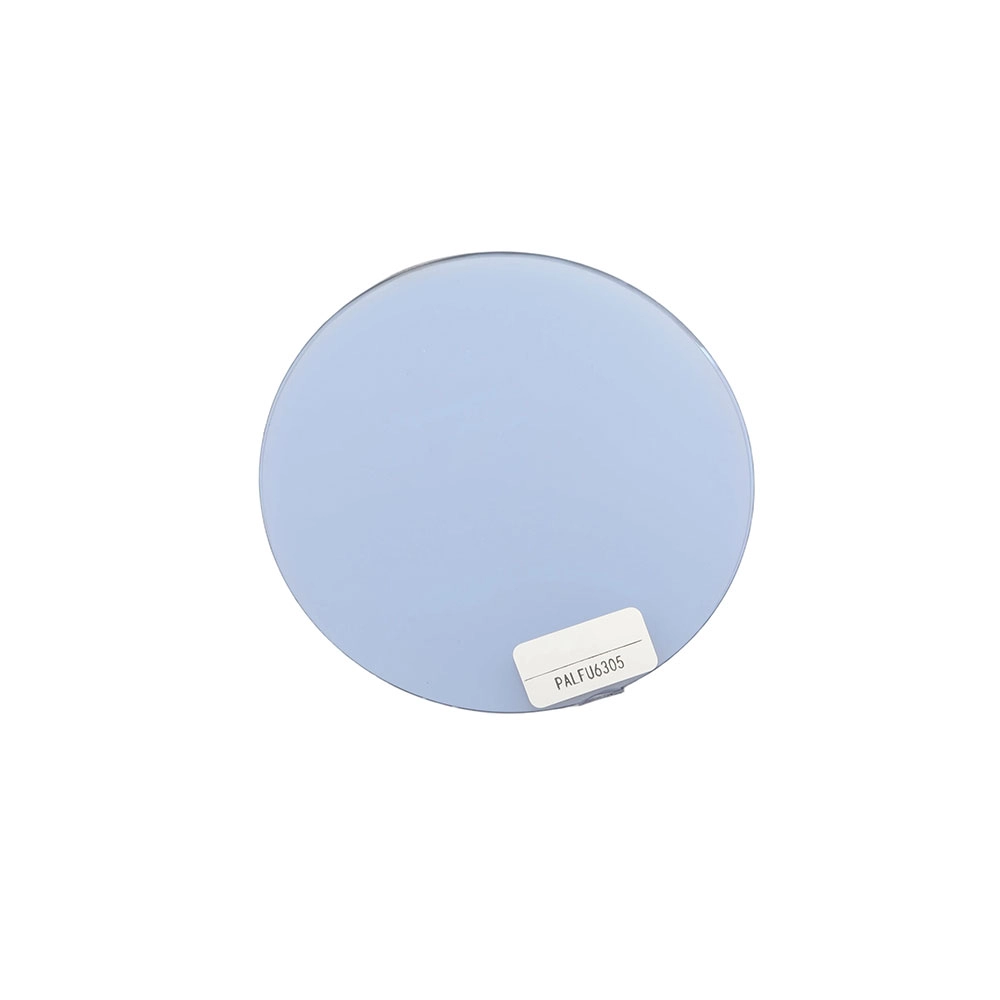
The Digital Shield: Blue Light Blocking Lenses for the Modern Professional
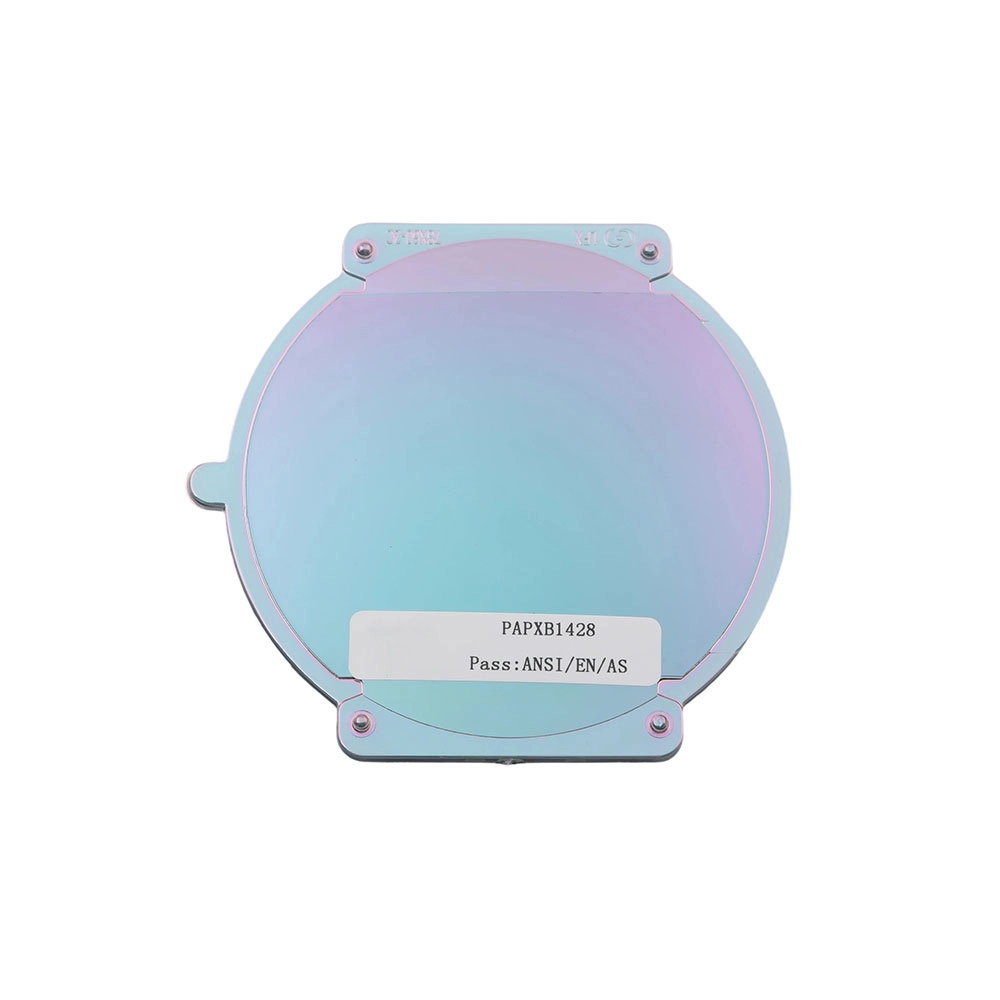
As leading eye lenses manufacturers, Karuson leverages advanced material science to produce PC lenses that are 37% lighter than conventional resin, providing a significant reduction in nasal bridge pressure for prolonged, comfortable wear. These high-performance lenses offer 100% UV protection and superior impact resistance, ensuring maximum ocular safety. By utilizing specialized dyeing techniques that infuse pigments directly into the material, we offer a versatile spectrum of vibrant color options—effectively minimizing glare while maintaining exceptional visual clarity for any environment.
Innovative Lens Technologies: Setting Your Brand Apart in a Competitive Market
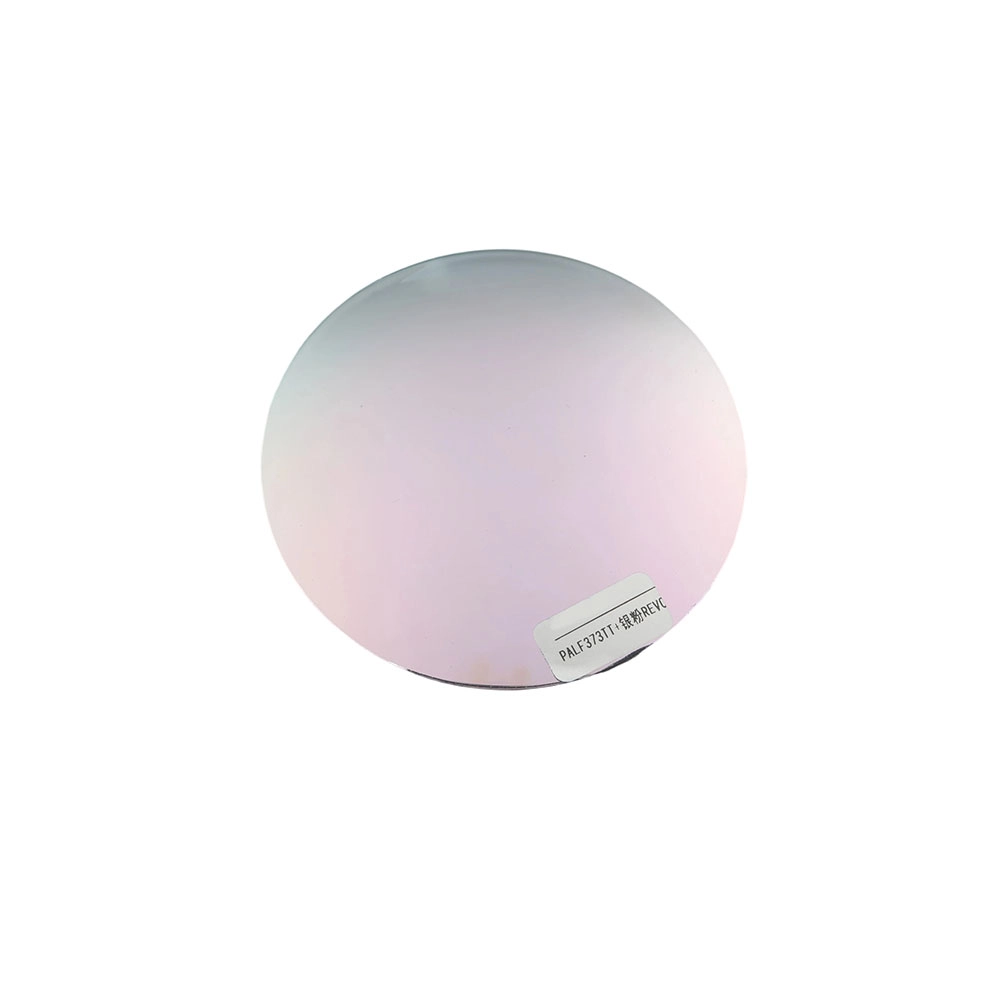
Setting a new standard in high-end lenses manufacturing, Karuson’s flagship-grade Polyamide (PA) Nylon polarized lenses seamlessly combine ultra-lightweight material with exceptional, high-toughness durability. By integrating precision polarizing technology, we have created a high-definition visual solution that excels in clarity and comfort for professional driving, outdoor adventures, and competitive sports. This innovation does more than meet expectations—it redefines the performance benchmark for professional polarized optics in the global market.
Dynamic Adaptation: Next-Gen Photochromic Lenses for Indoor & Outdoor Use
As premier eyeglass lenses manufacturers, Karuson crafts high-performance PC polarized coated lenses that seamlessly integrate lightweight, impact-resistant polycarbonate with advanced optical film technology. These lenses are engineered to achieve superior glare reduction and enhanced visual definition while offering a spectrum of stylish, customizable tints. Optimized for professional driving, outdoor sports, and urban lifestyles, our manufacturing process ensures that harmful reflections from water, roads, and snow are effectively filtered out. The result is a durable, fashion-forward visual solution that perfectly balances essential eye protection with high-end aesthetic appeal—making them the ideal choice for brands seeking to merge practicality with a modern fashion statement.
Advanced Sunglasses Solutions: Polarized Lenses with Anti-Seawater Coating
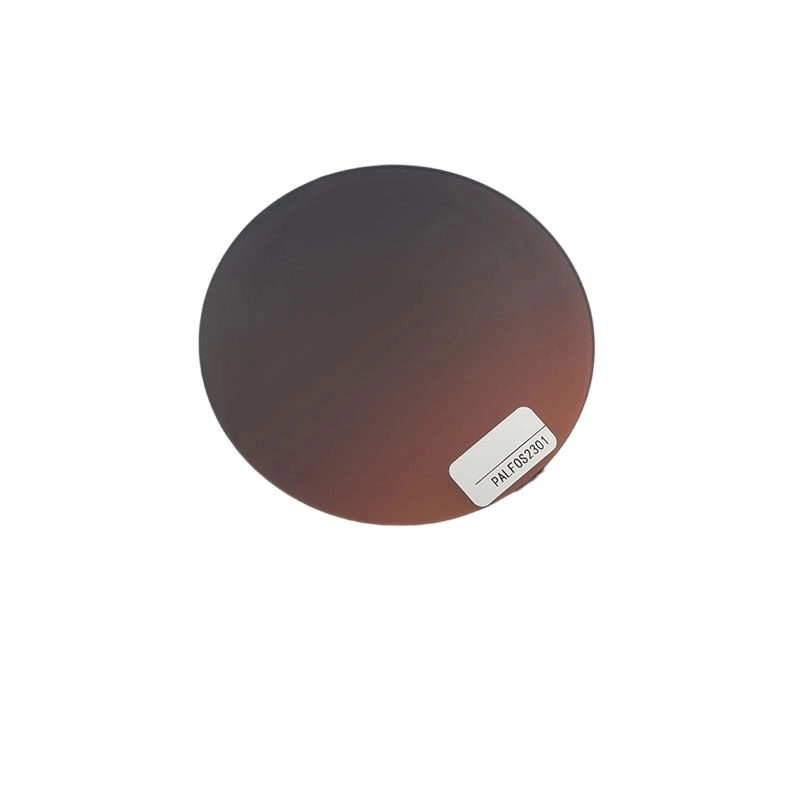
As a versatile photochromic lenses manufacturer and high-performance optics expert, Karuson crafts high-quality Polycarbonate (PC) Gradient Tinted Lenses that perfectly balance aesthetics with advanced protection. By fusing the ultra-lightweight and impact-resistant properties of PC material with precision gradient tinting technology, we deliver a durable visual solution that enhances clarity and comfort for urban lifestyles and outdoor sports. These lenses not only optimize visibility across varying light conditions by reducing glare but also offer a sleek, customizable design—allowing global brands to blend practical eye protection with a modern, fashion-forward accessory.
Get in touch with us
If you have any comments or good suggestions, please leave us a message; later our professional staff will contact you as soon as possible.
NEW DIMENSIONS IN EYEWEAR
Contact KARUSON
Email:
WhatsApp/Phone:
Address:
331 Section B, WanJia Creative Park , No. 1 BUXIA Road ,Tianhe District, Guangzhou City, Guangdong Province, China.

© 2026 KARUSON. All Rights Reserved.
Facebook
Instagram
YouTube
TikTok
Linkedin