


How do anti-reflective coatings improve lenses manufacturing?
- 1. How can an eyewear factory reliably cut AR coating pinholes and particulate defects during high-volume sputter deposition?
- 2. What are realistic turnaround times and the primary cost drivers for AR coatings on small-batch/custom lens orders?
- 3. How do different lens substrates (CR-39, polycarbonate, Trivex, high-index) change AR adhesion and process parameters?
- 4. What measurable test protocols should buyers require from an eyewear factory to verify AR coating performance beyond ‘looks good’ photos?
- 5. Do AR coatings affect final prescription accuracy or optical tolerances, and how do factories compensate?
- 6. What environmental and regulatory compliance documentation should I require from an eyewear factory for AR coatings and how can I verify it?
- Concluding summary: Advantages of partnering with a qualified eyewear factory for AR-coated lenses
As an experienced eyewear factory consultant and content writer with deep knowledge of lens manufacturing, thin-film deposition, and quality control, I answer six specific pain-point questions buyers and production engineers frequently ask but rarely find authoritative, up-to-date answers for. The answers below use industry practices (vacuum sputtering, spectrophotometric measurements, Taber abrasion testing, ISO standards) and practical production controls to help you make smarter purchasing and technical decisions.
1. How can an eyewear factory reliably cut AR coating pinholes and particulate defects during high-volume sputter deposition?
Why it matters: Pinholes and particles increase rejection rates, rework and cost per lens. For buyers, this shows up as inconsistent quality and delayed deliveries.
Practical steps factories should implement (and buyers should verify):
- Controlled environment: Production and coating should be in at least an ISO 7 (Class 10,000) or better coating bay to reduce airborne particulates. Particle control at loading/unloading is critical.
- Substrate preparation: Automated ultrasonic cleaning (alkaline surfactant), DI water rinses, spin drying and final in-line plasma/ion cleaning immediately before loading remove organics and micro-particles that cause pinholes.
- Vacuum and process parameters: Modern magnetron or ion-beam sputter systems operate with base pressures in the 10^-6 to 10^-7 Torr range and controlled working pressures. Stable pressure and target conditioning reduce arcing and micro-droplet ejection that create defects.
- Rotation and masking: Substrate rotation, optimized carrier design and edge masks reduce shadowing and edge defects. Proper fixture design reduces contact points that trap particles.
- Deposition ramp and deposition rate: Slower initial nucleation stages and controlled deposition rates for the first few nm of each layer improve film continuity and reduce pinholes. Some factories use multi-stage growth (low-rate seed then higher-rate bulk deposition).
- In-situ monitoring and post-inspection: Optical monitoring for thickness and plasma stability, plus automated optical inspection (AOI) and particle counters at critical points, allow early detection and removal of bad lots before post-process assembly.
Expected outcomes: With the above controls, competitive AR lines can reduce particulate/pinhole-related rejects to low single-digit percentages on well-controlled substrates (CR-39, glass). If you receive high defect rates (>5–10%), request process logs (vacuum curves, target conditioning cycles) and AOI images from the supplier before approving a contract.
2. What are realistic turnaround times and the primary cost drivers for AR coatings on small-batch/custom lens orders?
Why it matters: Small customers and labs often see inflated lead times or unclear pricing. Understanding drivers helps negotiate realistic SLAs and price tiers.
Typical turnaround windows you should expect:
- High-volume standard orders: 24–72 hours for coated stock when inventory and automation are in place.
- Small-batch/custom runs (tens to low hundreds): 3–7 business days is typical because of manual handling, cleaning, and additional inspections.
- Prototype or R&D coatings: 1–3 weeks depending on recipe tuning and verification testing.
Primary cost drivers:
- Coating complexity: Number of layers in the AR stack and whether you add hardened or hydrophobic/oleophobic topcoats. Multi-functional stacks (hard coat + AR + oil/phobic topcoat) add process steps and cost.
- Substrate type and prep difficulty: Polycarbonate and Trivex require gentle, low-temperature handling and sometimes primers, which add cost compared to glass or CR-39.
- Batch size and lot handling: Small batches incur higher per-unit setup costs. Process runs optimized for 1,000+ units amortize setup across many lenses.
- Testing & documentation: Buyers requiring full spectrophotometric reflectance curves, COAs, and traceability add lab time and cost.
- Yield/waste rates: Rework and rejects significantly increase effective cost; good factories monitor yield and share metrics.
Tip for buyers: Ask suppliers for a detailed quote that breaks down setup cost, per-lens coat cost, expected yield, and expedited options. Negotiate MOQ tiers that reflect your realistic volumes.
3. How do different lens substrates (CR-39, polycarbonate, Trivex, high-index) change AR adhesion and process parameters?
Why it matters: A single AR recipe does not fit all substrates. Mismatches cause delamination, cloudy appearance, or reduced durability, which are common complaints from dispensers.
Substrate-specific considerations:
- CR-39 (organic thermoset): Generally good adhesion; can tolerate moderate pre-bake and plasma treatments. Standard magnetron sputtered AR stacks work well.
- Polycarbonate: More sensitive to heat and solvents, higher coefficient of thermal expansion and surface energy differences. Requires low-temperature processing, careful plasma activation, sometimes primer layers, and stress-balanced stack designs to avoid cracking or edge lift-off.
- Trivex: Similar to polycarbonate, but slightly better inherent toughness. Process controls similar to PC with attention to surface activation and adhesion promotion.
- High-index plastics (1.67, 1.74): Often more rigid and may have coatings stressed differently. Match refractive indices in design to optimize reflectance performance; adhesion promoters or adjusted sputter parameters may be required.
- Glass: Excellent thermal and chemical stability; glass substrates generally allow more aggressive deposition and higher-temperature post-anneals, improving film densification and durability.
Practical recommendations for procurement: Request supplier data that includes substrate-specific adhesion tests (cross-hatch, peel), process temperature ranges, and whether primers are used. Prefer vendors who provide AR recipes validated per substrate and share failure-mode analyses for delamination or crazing.
4. What measurable test protocols should buyers require from an eyewear factory to verify AR coating performance beyond ‘looks good’ photos?
Why it matters: Visual checks are subjective. Buyers need objective, repeatable metrics to compare suppliers and ensure performance claims match real product behavior.
Core tests to request and minimum expectable thresholds (discuss with supplier for your application):
- Spectrophotometric reflectance curve: Provide measured total % reflectance across 380–780 nm (visible). Many modern AR coatings deliver average per-surface reflectance ≤1% across the visible band; High Quality systems target ≤0.5%.
- Water contact angle (hydrophobicity): Measured in degrees. Oleophobic/topcoat performance typically shows contact angles >90°; >100° indicates strong repellency.
- Taber abrasion test (ASTM D1044 or equivalent): Provide cycles to defined haze increase or visible damage. Report resulting change in transmittance/haze to quantify durability.
- Adhesion: Cross-hatch adhesion (ISO standard methods) with percent area retained; buyers should demand documented procedures and acceptable pass levels per substrate.
- Environmental: Humidity/temperature cycling and QUV/UV exposure tests to simulate long-term wear. Ask for delta reflectance and adhesion after specified cycles.
- Optical figure/wavefront: For high-prescription precision, ask for interferometric measurements or MTF/wavefront error data to verify coatings don’t introduce excessive stress-induced aberration.
- Traceability & COA: Batch-level certificates including process parameters, material MSDS, and any RoHS/REACH declarations.
Actionable tip: Include specific acceptance criteria in procurement contracts (e.g., average reflectance ≤1%/surface, contact angle >95°, adhesion pass grade 0 per cross-hatch) and require supplier-submitted reports for first articles and periodic samples.
5. Do AR coatings affect final prescription accuracy or optical tolerances, and how do factories compensate?
Why it matters: Dispensers and labs worry coatings may change power or centration, especially for high-plus or high-cylinder prescriptions.
Key points:
- Coating thickness: AR stacks are nanometer-scale (typical layers tens to hundreds of nm). Physically, their thickness is negligible relative to lens curvature, so they do not materially change dioptric power in standard cases.
- Stress-induced curvature: Poorly optimized stacks can introduce film stress that slightly alters surface curvature, causing small power shifts or warpage. High-precision labs track wavefront changes and use stress-balanced stacks or low-stress deposition techniques to minimize this.
- Edge and center uniformity: Non-uniform coatings can produce local refractive index variations or visual artefacts. Factories use rotation, substrate standoff optimization, and deposition profiling to control uniformity—buyers should ask for thickness uniformity specifications (e.g., ±X% across lens).
- Compensation strategies: For critical prescriptions, leading factories perform pre- and post-coating optical measurements and, if needed, surface re-figure or post-coat anneal. For mass-market lenses, these steps are normally unnecessary if the coating process is stable and stress-controlled.
Purchase recommendation: If you supply the factory with high-cylinder or aspheric prescriptions, require a first-article verification run and include wavefront or power checks post-coating as acceptance criteria in the purchase order.
6. What environmental and regulatory compliance documentation should I require from an eyewear factory for AR coatings and how can I verify it?
Why it matters: Regulatory and chemical compliance is a frequent blind spot. Buyers need assurance coatings meet local market rules and safe handling standards.
Documentation checklist to request:
- Material Safety Data Sheets (MSDS/SDS) for all coating chemistries and solvents used in the AR line.
- REACH and RoHS statements: Supplier declarations that coatings and component materials comply with regional chemical restrictions (EU REACH SVHC status, EU RoHS where applicable).
- Certificates of Conformity (COC/COA): Batch-level certificates with measured reflectance performance and process parameters.
- ISO and quality systems: ISO 9001 registration for quality management. If you purchase lenses for medical or diagnostic uses, request ISO 13485 evidence. For optical performance, ask whether the factory follows ISO 8980 series standards for spectacle lenses and report which parts are covered.
- Waste & emissions control: Evidence of solvent and chemical waste handling practices, permits, and local environmental compliance documents if you source from a regulated jurisdiction.
- Traceability: Lot tracing for raw materials, targets, and batch records for coatings (date, machine, operator, vacuum logs).
How to verify: Request scanned originals or links to registries, and where possible require independent third-party test reports (e.g., an accredited lab's reflectance or chemical analysis) for your first order. Buyers with larger volume can include audit clauses or site visits in contracts.
Note on global sourcing: If you import coated lenses, ensure the factory can supply translations of COAs and SDS in your regulatory language and understands import labeling requirements.
Concluding summary: Advantages of partnering with a qualified eyewear factory for AR-coated lenses
Working with an experienced eyewear factory that applies optimized anti-reflective coatings via controlled thin-film deposition and robust quality systems yields clear advantages: lower reject and rework rates through particle and process control; predictable turnaround and cost when processes are transparent; substrate-specific recipes that protect adhesion and durability for CR-39, polycarbonate, Trivex, and high-index plastics; objective test data (spectrophotometer reflectance curves, Taber abrasion, contact angle, adhesion) to validate performance; and documented regulatory compliance (SDS, RoHS/REACH declarations, ISO quality systems) for reliable market access.
If you would like a quote, process documentation, or first-article test data from our eyewear factory services, please contact us for a tailored proposal: www.karusonco.com or nicole@karusonco.com.
Why Sourcing from a China Eyewear Factory is the Strategic Choice for Global Brands

OEM vs. ODM: Which Partnership Model is Best for Your Eyewear Business?
2026 Eyewear Trend Forecast: Colors, Shapes, and Textures to Watch
About OEM&ODM
How long does it take to make samples?
Samples are typically completed within 7–15 working days if available molds are present.
What is your production lead time?
Mass production generally takes 30–45 days after sample approval.
What is your minimum order quantity (MOQ)?
MOQ is flexible and varies by product type. Small trial orders are welcome.
About Products
Do you offer samples?
Yes, paid samples or refundable samples are available.
What is the MOQ?
Usually ≥100, depending on the model.
You May Also Like
Innovative Lens Technologies: Setting Your Brand Apart in a Competitive Market
Setting a new standard in high-end lenses manufacturing, Karuson’s flagship-grade Polyamide (PA) Nylon polarized lenses seamlessly combine ultra-lightweight material with exceptional, high-toughness durability. By integrating precision polarizing technology, we have created a high-definition visual solution that excels in clarity and comfort for professional driving, outdoor adventures, and competitive sports. This innovation does more than meet expectations—it redefines the performance benchmark for professional polarized optics in the global market.
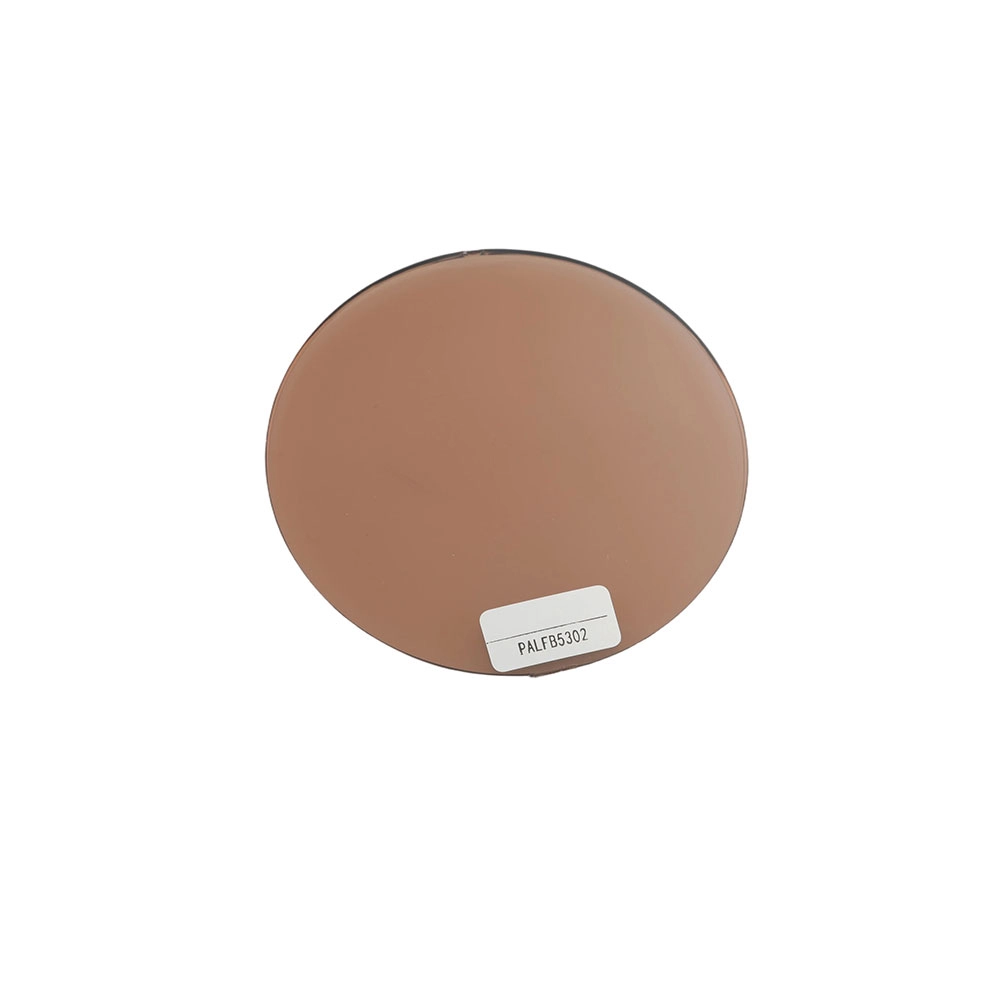
Why Quality Lenses are the Core of Your Eyewear Brand’s Reputation
As a premier high-definition glasses lenses manufacturer, Karuson crafts high-quality Polyamide (PA) Nylon Tinted Lenses that represent the perfect synergy of ultra-lightweight performance and high-toughness durability. By integrating professional-grade tinting technology with advanced material science, we offer a lens solution that delivers exceptional optical clarity alongside vibrant, fashionable color expression. Designed for both daily commutes and trendy lifestyle matching, these lenses provide a comfortable and aesthetic visual experience, serving as a high-performance fashion accessory for the modern, style-conscious consumer.
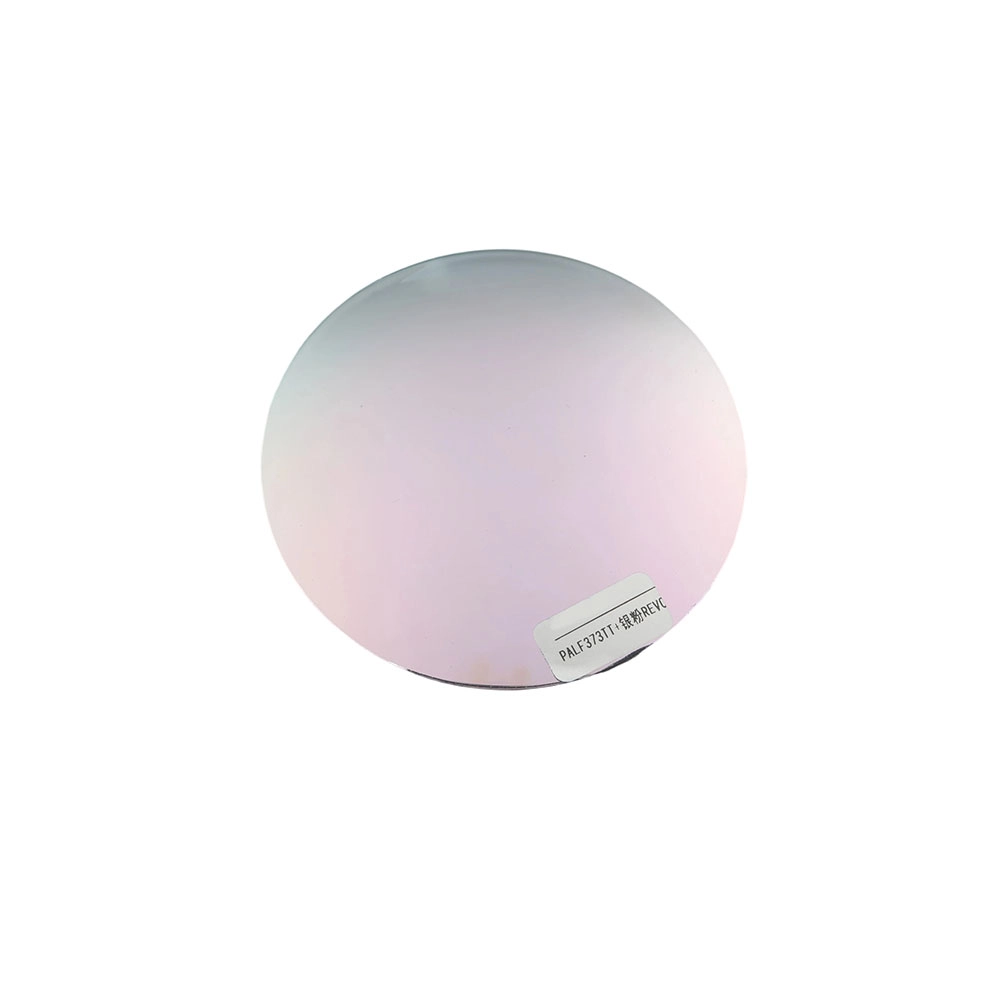
Dynamic Adaptation: Next-Gen Photochromic Lenses for Indoor & Outdoor Use
As premier eyeglass lenses manufacturers, Karuson crafts high-performance PC polarized coated lenses that seamlessly integrate lightweight, impact-resistant polycarbonate with advanced optical film technology. These lenses are engineered to achieve superior glare reduction and enhanced visual definition while offering a spectrum of stylish, customizable tints. Optimized for professional driving, outdoor sports, and urban lifestyles, our manufacturing process ensures that harmful reflections from water, roads, and snow are effectively filtered out. The result is a durable, fashion-forward visual solution that perfectly balances essential eye protection with high-end aesthetic appeal—making them the ideal choice for brands seeking to merge practicality with a modern fashion statement.
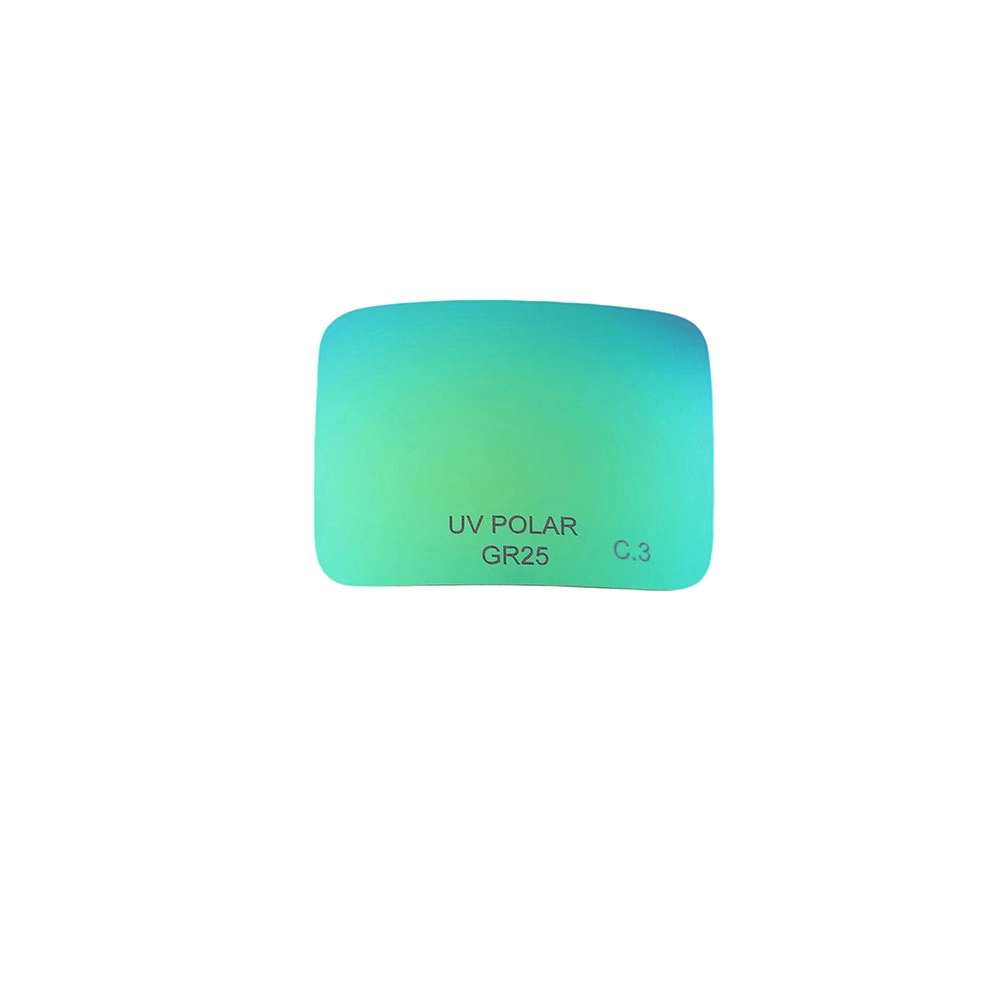
High-Definition Visual Clarity: Premium CR-39 & Polycarbonate Lenses
Experience the precision of a professional custom glasses lenses manufacturer. Karuson polarized lenses are engineered with a 99.9% high-polarization effect to provide unparalleled visual definition and glare reduction. By strategically absorbing reflected light through a high-stability PVA layer, our lenses are optimized for high-intensity outdoor environments, including maritime sailing, hunting, and alpine skiing. Furthermore, our specialized treatment ensures the lenses remain durable and distortion-free even in environments with high heat and humidity.
Get in touch with us
If you have any comments or good suggestions, please leave us a message; later our professional staff will contact you as soon as possible.
NEW DIMENSIONS IN EYEWEAR
Contact KARUSON
Email:
WhatsApp/Phone:
Address:
331 Section B, WanJia Creative Park , No. 1 BUXIA Road ,Tianhe District, Guangzhou City, Guangdong Province, China.

© 2026 KARUSON. All Rights Reserved.
Facebook
Instagram
YouTube
TikTok
Linkedin