


What anti-fog coatings last longest for industrial use?
What anti-fog coatings last longest for industrial use?
Quick Summary
For industrial use, the longest-lasting anti-fog performance comes from permanently bonded hydrophilic topcoats applied over durable hardcoats (sol-gel silica or silane-based primers) with proper substrate preparation and UV/thermal curing. Production methods (dip, spray, roll-to-roll) and validated abrasion/fog testing determine service life.
KARUSON Advantage & Next Steps
KARUSON combines 15+ years of eyewear factory experience in large-scale lens finishing, combining hardcoat chemistry, silane adhesion primers, and hydrophilic anti-fog layers to deliver systems engineered for high-wear industrial environments. We design coating stacks to meet impact-rated safety standards, optimize processes for high-volume sunglasses wholesale orders, and validate performance with industry abrasion and condensation tests.
For a technical consultation and production quote, contact KARUSON at www.karusonco.com or nicole@karusonco.com.
Which anti-fog treatments survive industrial chemical exposure longest?
Which anti-fog treatments survive industrial chemical exposure longest?
Durability against industrial chemicals depends on chemistry and bonding method. Permanently bonded hydrophilic systems built on an inorganic/organosilane primer layer (sol-gel silica with covalent silane coupling to the substrate) resist solvent and oil contamination far better than surfactant or temporary spray treatments. In practice, a multi-layer stack — hardcoat (inorganic silica or crosslinked acrylate), silane adhesion promoter, then UV- or thermally-cured hydrophilic polymer topcoat — provides the best chemical resistance. Actionable advice: require suppliers to provide chemical-resistance data against the specific solvents and cleaners used in your facility (e.g., isopropyl alcohol, degreasers, alkaline cleaners), and specify that coatings survive exposure and subsequent re-wipe cycles without loss of fog performance. When chemical resistance is critical, avoid non-reactive surfactant-based anti-fog solutions and insist on covalent-bonded chemistries.
How to test anti-fog coating durability in eyewear factory production?
Establish a two-track test protocol: (1) mechanical durability using abrasion testing (Taber abrasion per ASTM D1044 or equivalent) and repeated wipe cycles to quantify wear; and (2) fog performance using a controlled condensation/temperature-humidity chamber to measure time-to-fog and recovery after soiling/cleaning. In production, implement a sampling plan (e.g., per-batch test of 1–5% or per-lot) and record cycles-to-failure metrics: number of abrasion cycles or wipes until fogging returns to unacceptable levels. Also test adhesion after accelerated aging (humidity and temperature cycling) and after chemical exposure. Actionable steps: define acceptance criteria up front (e.g., pass >X Taber cycles, maintain
Which anti-fog coatings resist abrasion and repeated cleaning cycles?
Abrasion resistance correlates with the presence of a hardcoat and the manner the anti-fog chemistry is integrated. The most abrasion-resistant solutions combine a hard, scratch-resistant base coat (silica-based sol-gel or cured acrylate hardcoat) with a thin, crosslinked hydrophilic top layer or a hydrophilic network embedded into the hardcoat. Coatings that are simply overlaid (soft hydrophilic films) will abrade quickly. Production guidance: specify a hardcoat/hydrophilic composite system, validate with Taber abrasion tests and real-world wipe counts, and select UV- or thermal-curing chemistries that fully crosslink at temperatures safe for polycarbonate (keep cure ≤120°C where possible). For safety eyewear, ensure the overall stack still meets impact/optical standards required for your market.
What coating adhesion standards predict longevity in industrial eyewear?
Adhesion is the single biggest predictor of long-term performance. Best practice is to use silane coupling agents or plasma surface activation to create covalent bonds between polymer substrates (polycarbonate, CR-39, acetate) and inorganic/organic coatings. Specify adhesion testing (cross-cut or peel tests) and accelerated environmental exposure (humidity, thermal cycling) as part of your acceptance criteria. While there is no single universal adhesion standard for anti-fog stacks, require demonstrable covalent-bond chemistry, documented adhesion test results after aging, and process controls (surface energy measurements or contact angle checks) on the production line. Actionable control: add a pass/fail adhesion checkpoint at the time of coating (e.g., random cross-cut adhesion on each production shift).
Can anti-fog coatings be reactivated after heavy industrial contamination?
Reactivation depends on coating chemistry. Permanent hydrophilic coatings that are covalently bound cannot be "recharged" chemically in the same way as surfactant sprays, but many can be restored to good performance by controlled cleaning protocols that remove oils and particulates (mild detergents, pH-neutral cleaners, and careful rinsing) without degrading the hydrophilic network. Temporary surfactant or zwitterionic coatings can be re-applied on-site but offer only short-term relief. Actionable guidance: specify approved cleaning agents and procedures in your maintenance documentation; for critical applications, maintain a supply of manufacturer-recommended reconditioning kits and measure fog performance post-cleaning before returning parts to service.
Cost-effective anti-fog solutions for bulk sunglasses wholesale industrial orders?
For high-volume sunglasses wholesale manufacturing, prioritize solutions that balance durability with scalable application methods. Sol-gel based systems and UV-cured silane/hydrophilic coatings are well suited for dip-coating, spray, and roll-to-roll lines and can be optimized for throughput. Avoid one-off manual sprays when producing large runs—automated dip or spray with inline curing reduces variability and labor cost. Ask suppliers for lifecycle cost data (cost per unit over intended service life) not just upfront coating cost. KARUSON recommendation: pilot the coating stack on a production line, validate with your abrasion and fogging tests, then scale to roll-to-roll or conveyorized spray systems to achieve repeatable quality and lower unit cost.
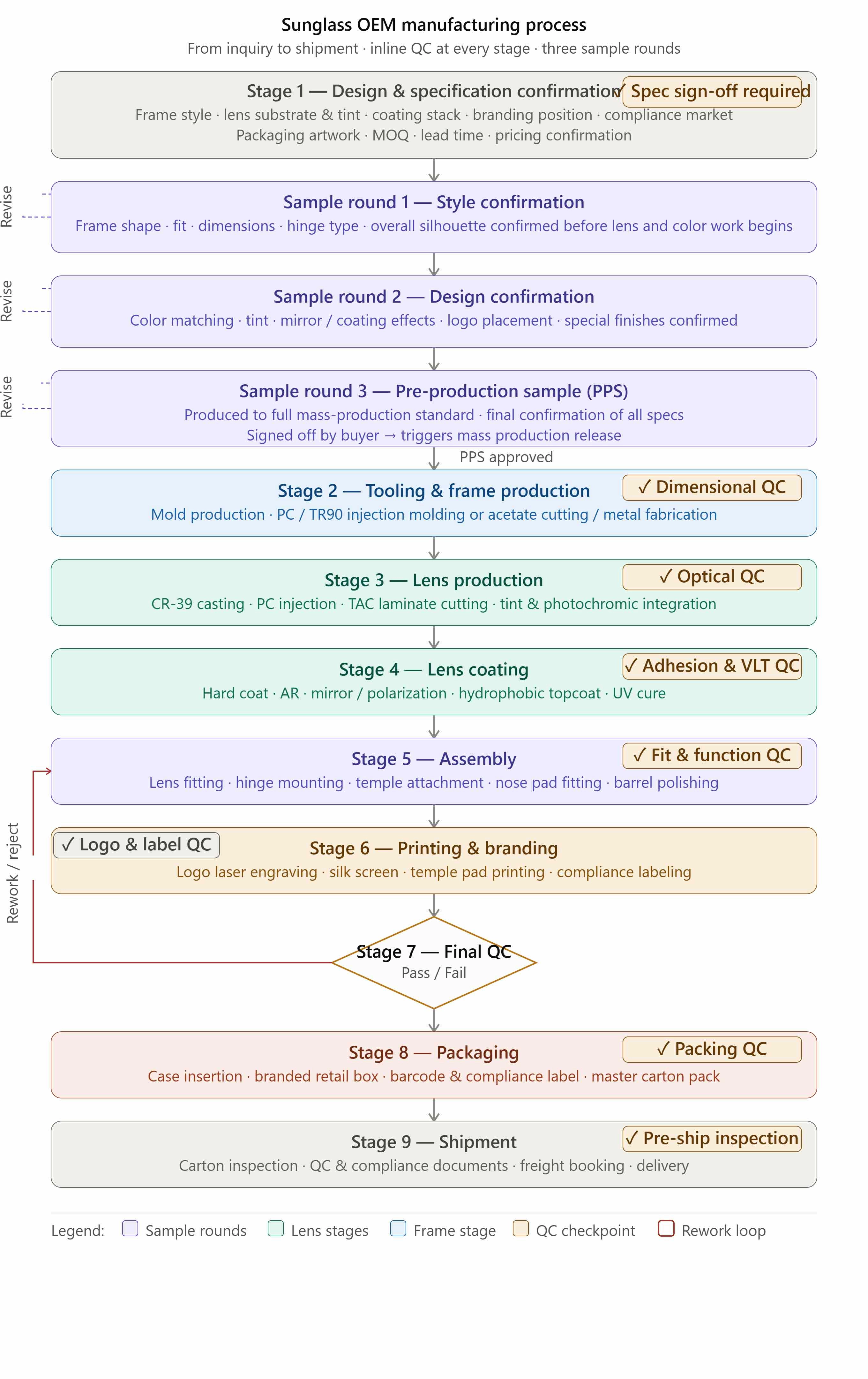
How Sunglasses Are Made: A Complete OEM Manufacturing Process Guide

Sunglass Lens Materials Compared: CR-39, PC, TAC, Nylon and Mineral Glass

Sunglass Lens Tint Categories Explained: A Complete Guide to Visible Light Transmittance for OEM Eyewear Brands

OEM Photochromic Lenses: Technology, Custom Options & B2B Sourcing Guide

Prescription Myopia Sunglass Lenses: Complete Guide on Optics, Production Process & Material Selection

Polarized Sunglasses with Anti-Seawater Coating: Technical OEM Specification Guide for Marine & Watersports Eyewear
You May Also Like

Ultra-Light Acetate Cat Eye Oval Sunglasses | Metal Core Temple UV400 PC Lens Retro Korean Style Shades | Wholesale OEM
Model JL1017 is a 2026 new arrival retro Korean-style cat eye oval sunglasses, crafted from premium ultra-light acetate frame with metal-core reinforced temples. Weighing only 23.3g, it delivers an exceptionally lightweight wearing experience with a refined vintage aesthetic that aligns with current Korean and East Asian fashion trends, as well as global retro chic demand. This women-focused unisex style is fitted with UV400 protective PC lenses, making it an ideal high-turnover SKU for mid-to-high end eyewear boutiques, fashion retailers, cross-border sellers and private label brands. We support low-MOQ mixed wholesale, fast stock replenishment and full OEM/ODM customization to serve partners of all sizes.
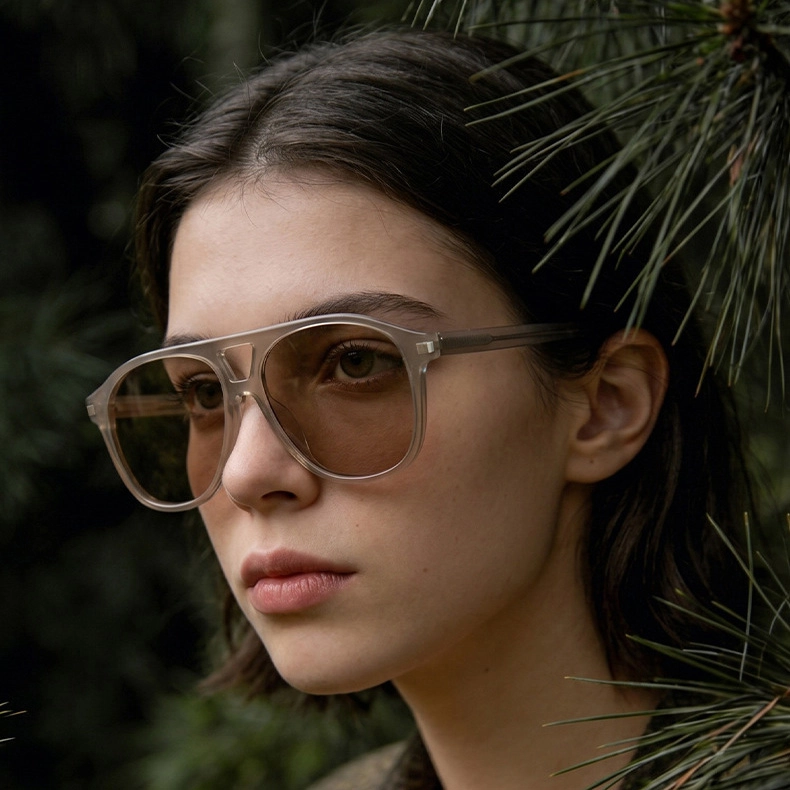
Ultra-Light Acetate Aviator Sunglasses | Metal Core Temple UV400 PC Lens Fashion Shades | Wholesale OEM
Model JL1013 is a 2026 new arrival ultra-light acetate aviator sunglasses, featuring a classic browline double-bridge silhouette and metal-core reinforced temples. Weighing only 30.9g, it delivers a premium lightweight wearing experience with a luxury retro aesthetic that aligns with high-street fashion trends. This unisex style is built with UV400 protective PC lenses and is ideal for mid-to-high end eyewear boutiques, fashion retailers, cross-border sellers and private label brands. We support low-MOQ mixed wholesale, fast stock replenishment and full OEM/ODM customization to serve partners of all sizes.
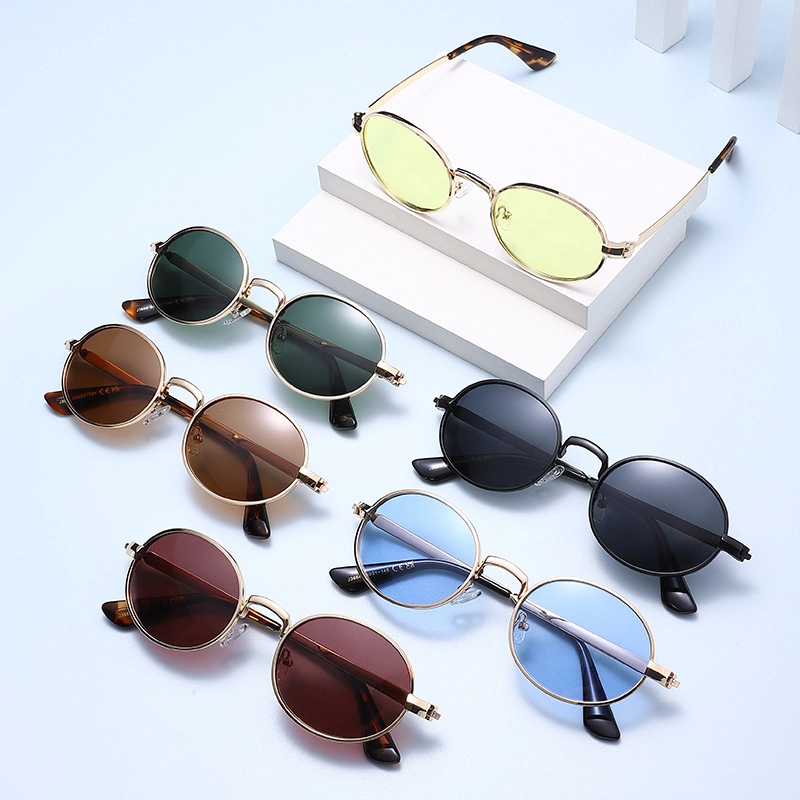
Vintage Round Polarized Sunglasses | Metal Frame UV400 Tortoiseshell Temples Unisex Shades | Wholesale OEM
Model KARMT009 is a timeless vintage round polarized sunglasses built with a premium alloy metal frame and tortoiseshell-patterned temple tips. Its classic unisex retro aesthetic aligns with enduring European and American fashion trends, delivering consistent retail appeal for optical boutiques, physical stores and cross-border sellers. Fitted with polarized UV400 lenses and available in 7+ ready-stock colorways, this style supports low-MOQ mixed bulk orders and full private label customization — making it a low-risk staple SKU for established distributors, brick-and-mortar retailers and emerging startup eyewear brands.
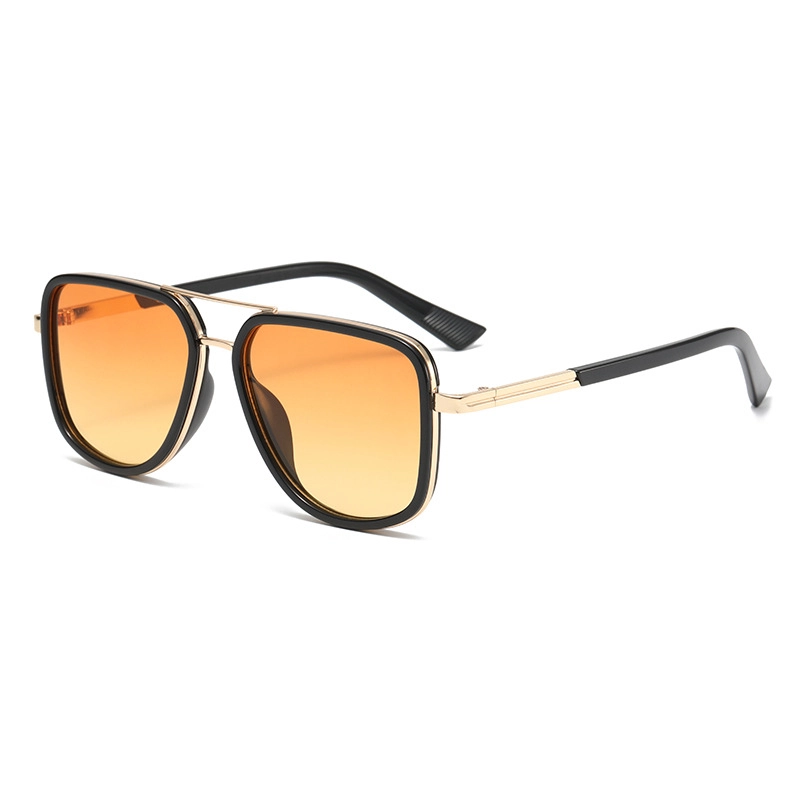
Double Bridge Square Aviator Sunglasses | PC Frame UV400 Polarized Optional Unisex Shades | Wholesale
Get in touch with us
If you have any comments or good suggestions, please leave us a message; later our professional staff will contact you as soon as possible.
NEW DIMENSIONS IN EYEWEAR
Contact KARUSON
Email:
WhatsApp/Phone:
Address:
331 Section B, WanJia Creative Park , No. 1 BUXIA Road ,Tianhe District, Guangzhou City, Guangdong Province, China.

© 2026 KARUSON. All Rights Reserved.
Facebook
Instagram
YouTube
TikTok
Linkedin