


Can anti-fog safety glasses work with respirators?
Can anti-fog safety glasses work with respirators?
Quick Summary
Anti-fog safety glasses can be effective with respirators when lens coatings, frame ventilation, and respirator fit are engineered together. Durable hydrophilic or bonded topcoat treatments, indirect venting and documented testing (ISO 18526, ANSI Z87.1) materially reduce fog while preserving respirator seal and wearer safety.
Why KARUSON is the solution for industrial eyewear
KARUSON is an established eyewear factory delivering OEM and contract manufacturing solutions that combine coating technology, frame engineering and production-scale quality control for PPE and sunglasses wholesale customers. We perform lab fog-chamber testing aligned with ISO 18526, impact checks to ANSI/ISEA Z87.1, and define cleaning and maintenance protocols so anti-fog performance is maintained through production and field use.
Request a technical quote at www.karusonco.com or email nicole@karusonco.com.
FAQ
Do anti-fog safety glasses maintain seal with tight respirators?
Anti-fog safety glasses can maintain a respirator seal, but only if the eyewear and respirator are selected and worn to avoid interface interference. NIOSH/OSHA guidance emphasizes that nothing should compromise the facepiece seal; bulk, thick nose pads or improperly routed head straps can break or shift a half‑mask seal. Practical controls: choose low‑profile or under‑strap temple designs, route respirator straps under temple arms where recommended by manufacturers, and always perform a user seal check after donning glasses. For tight-fitting respirators (half‑mask or full‑face), perform fit tests with the specific eyewear profile—if fit testing fails, switch to indirect‑vent goggles or a full‑face respirator that integrates eye protection to preserve both eye and respiratory protection.
Which anti-fog coatings survive industrial cleaning and respirator oils?
Coating durability varies markedly. Permanent hydrophilic coatings that are chemically bonded or applied via vacuum/deposition processes (rather than simple sprays) offer the best resistance to humidity, abrasion and light chemical exposure. Temporary silicone or surfactant-based sprays and wipes typically wash off after repeated cleanings or contact with skin oils and solvents. In production and PPE programs, require supplier data sheets showing resistance to cleaning cycles and specific chemistries: many factories test coatings against repeated mild detergent washes, isopropyl alcohol exposure (where permitted), and abrasion cycles. Ask for ISO 18526 fog-resistance reports plus adhesion/abrasion data, and specify approved cleaners—avoid strong solvents (acetone, concentrated bleach) that accelerate coating failure.
Can anti-fog safety glasses be integrated in wholesale eyewear production?
Yes—anti-fog treatments are commonly integrated into scaled production, but integration requires process controls. Typical factory methods include dip/spray application for polymer-based topcoats and thin-film deposition for higher-durability layers; curing, clean-room handling and post-coat inspection are necessary to maintain optical clarity. For sunglasses wholesale orders, an eyewear factory must validate coating adhesion, impact resistance (ANSI/ISEA Z87.1 where required), and batch-level fog testing. Production considerations include minimum order quantities, fixture design for even coatings, incompatible cleaners or packaging that can contaminate lenses, and documentation (coating spec sheets and QC certificates). Work with suppliers who provide validated coating processes and routine lot testing to prevent field failures.
What frame designs minimize fogging when used with half-mask respirators?
Frame geometry and ventilation directly affect fogging. Designs that help: (1) increased lens-to-face standoff to allow airflow, (2) indirect vents or vent channels that prevent direct warm air impingement on the lens, (3) lower-slope upper frame profiles to avoid channeling exhaled air upward, and (4) soft-seal foam gaskets for close-fitting goggles. For half‑mask respirators, low-profile temple arms and thin nose bridges reduce displacement of the respirator seal. If fogging persists, select goggles with indirect vents or full-face protection; these control exhalation flow better than open safety glasses while maintaining the respirator seal.
Do respirator exhalation valves increase fog risk for safety lenses?
Yes—exhalation valves can increase localized upward airflow and warm moisture toward lenses, raising fog risk. Valves concentrate exhalation through a small outlet; without adequate deflection or diffusing, that flow can strike the inside of lenses. Mitigation strategies: (a) use masks with diffusing valve covers or internal baffles, (b) select eyewear with indirect venting or anti‑fog-treated lenses, (c) adjust strap placement to alter airflow paths, or (d) where exhalation filtration is required (healthcare or sterile settings), choose valveless respirators or full-face respirators to avoid the tradeoff. Note: in some clinical environments, valved respirators are discouraged because they don’t filter exhaled breath—factor that policy into PPE selection.
How to test anti-fog performance in factory-grade sunglasses wholesale batches?
Adopt a layered test protocol: (1) controlled fog-chamber evaluation under warm/humid conditions per ISO 18526 methods to measure time‑to‑fog and visibility degradation; (2) simulated breathing tests with a fitted respirator to observe real-world interactions; (3) durability testing including repeated cleaning cycles, abrasion (manufacturer-specified cycles) and chemical exposure to approved cleaners; (4) optical clarity and impact testing to ensure coatings don’t compromise vision or safety standards (ANSI Z87.1 where applicable). For wholesale QC, define acceptance criteria (e.g., no visible condensation affecting field-of-view within a protocol-defined duration) and sample a statistically significant number of units per batch. Maintain certificates of conformity and batch test reports so end-users and procurement teams have traceable evidence of performance.
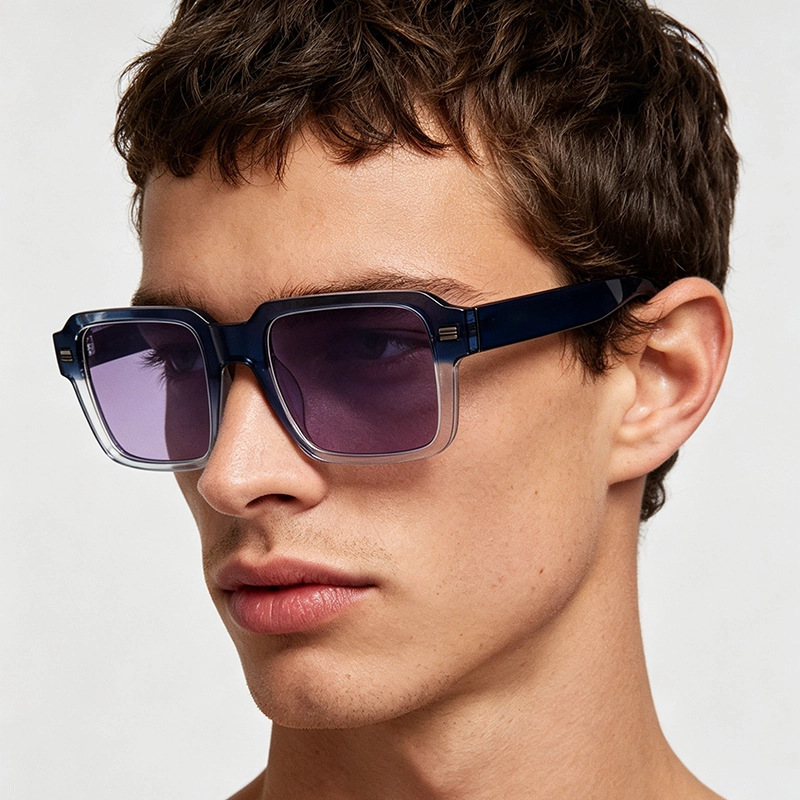
How to Start a Private Label Eyewear Brand: A 7-Step Guide
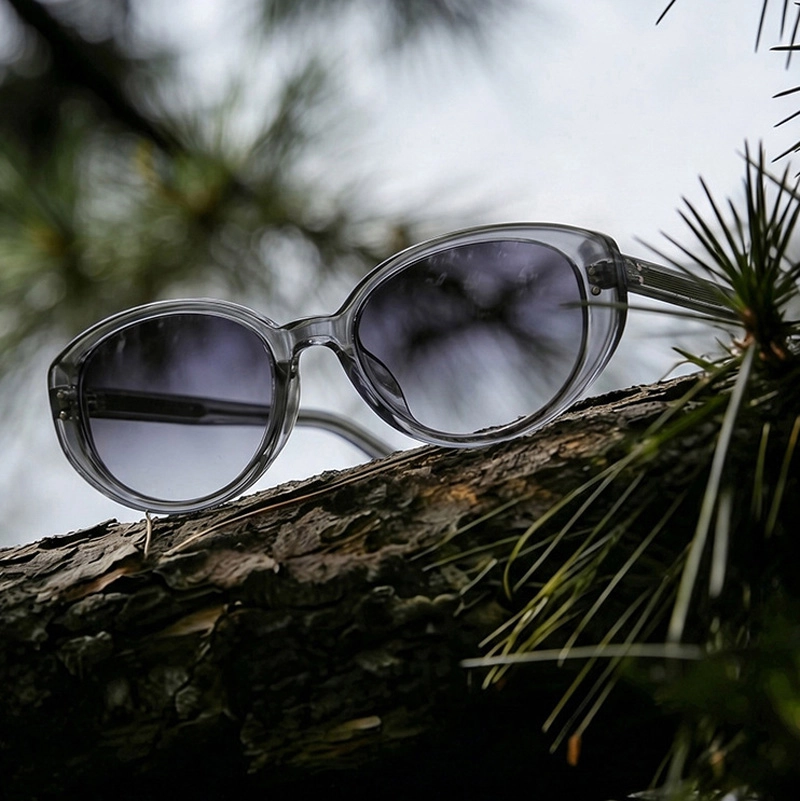
Choosing a Sunglasses Manufacturer: 8 Questions Every Brand Should Ask Before Placing an Order

Double-Bridge Aviator Sunglasses: 2026 Buying Guide for Retailers
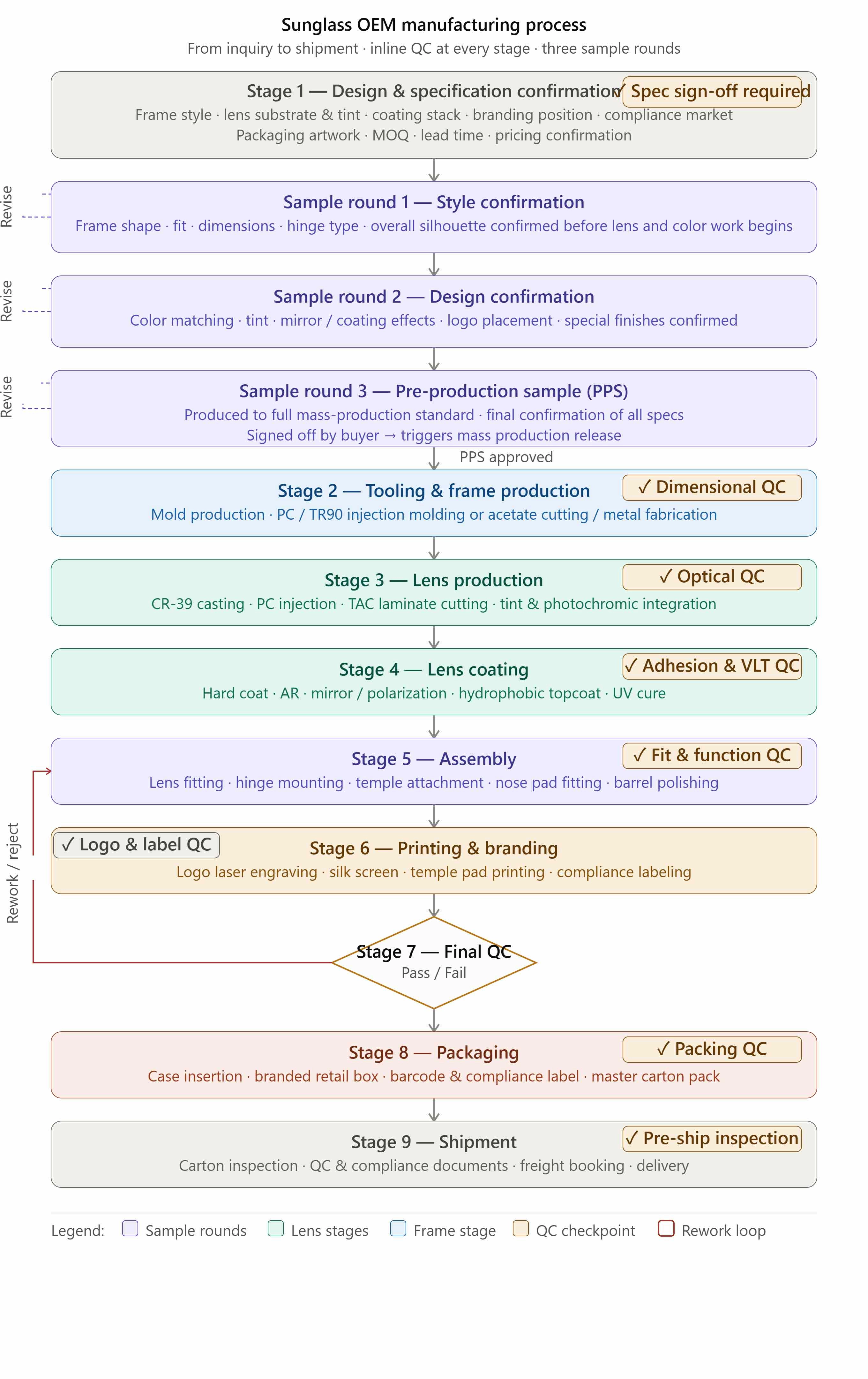
How Sunglasses Are Made: A Complete OEM Manufacturing Process Guide
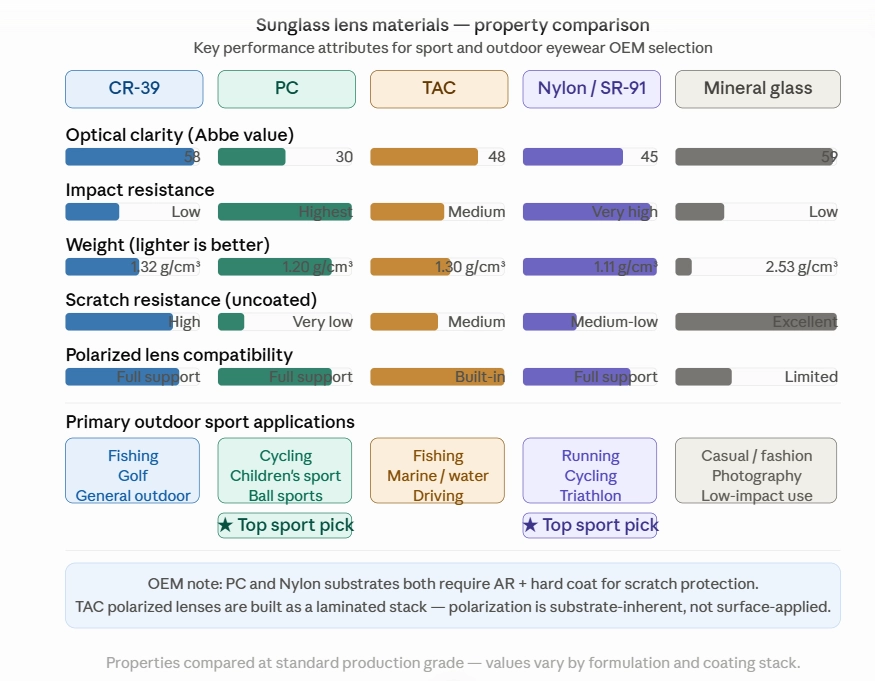
Sunglass Lens Materials Compared: CR-39, PC, TAC, Nylon and Mineral Glass
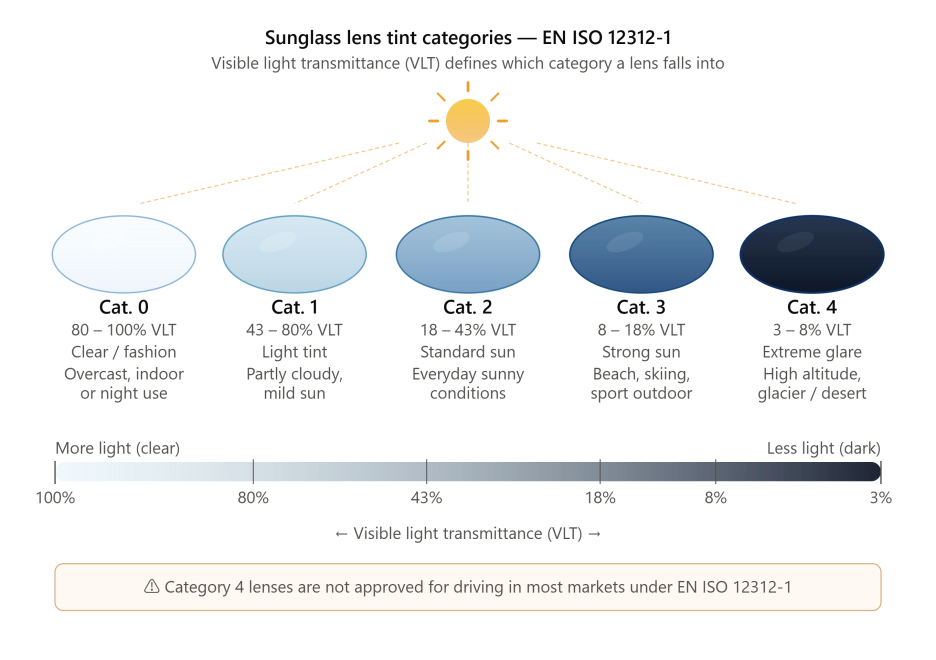
Sunglass Lens Tint Categories Explained: A Complete Guide to Visible Light Transmittance for OEM Eyewear Brands
You May Also Like
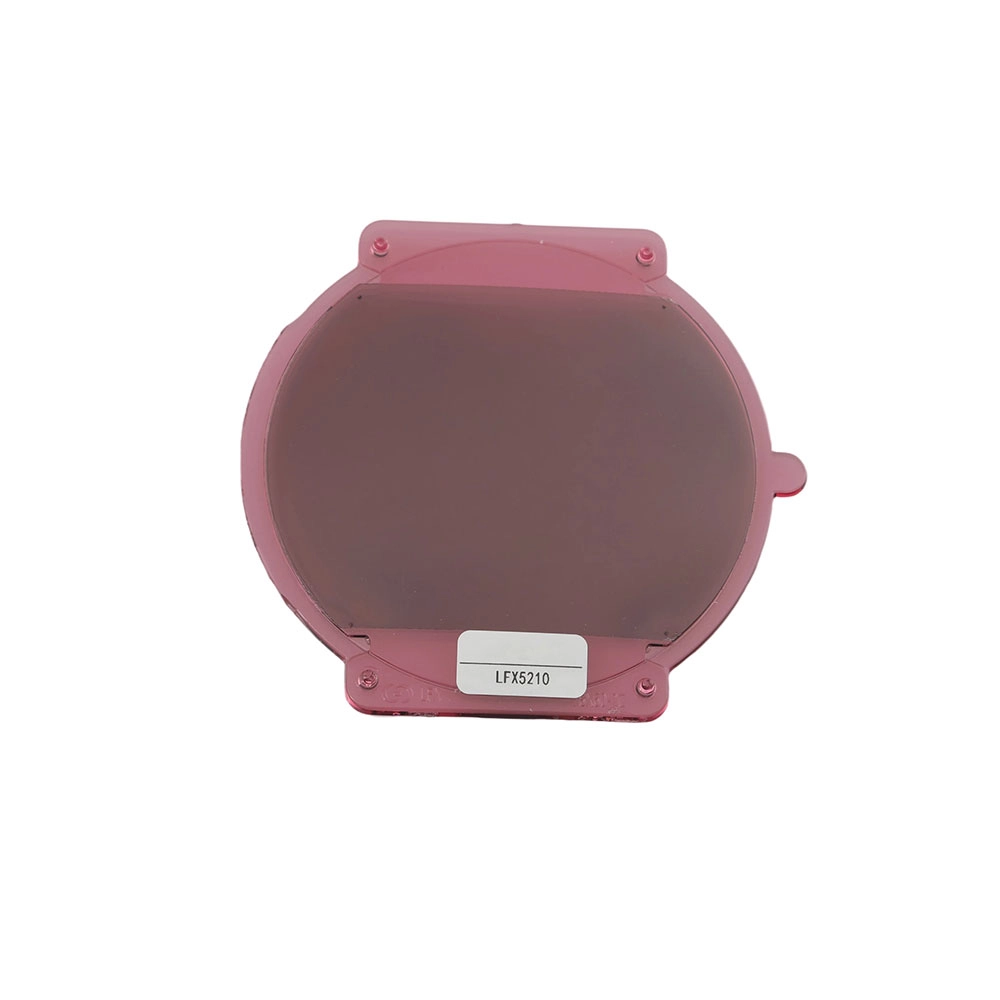
Premium Lens Coatings | AR, Anti-Scratch & Custom Finishes OEM
As a leading lenses manufacturer, Karuson sets a new industry standard with our flagship-grade Polyamide (PA) Nylon polarized lenses. By seamlessly merging ultra-lightweight, high-toughness materials with precision polarizing technology, we deliver a high-definition visual solution that excels in durability and comfort. Optimized for high-intensity outdoor activities, professional driving, and competitive sports scenarios, these lenses redefine the performance benchmark for polarized optics, providing global brands with a truly elite-level product.
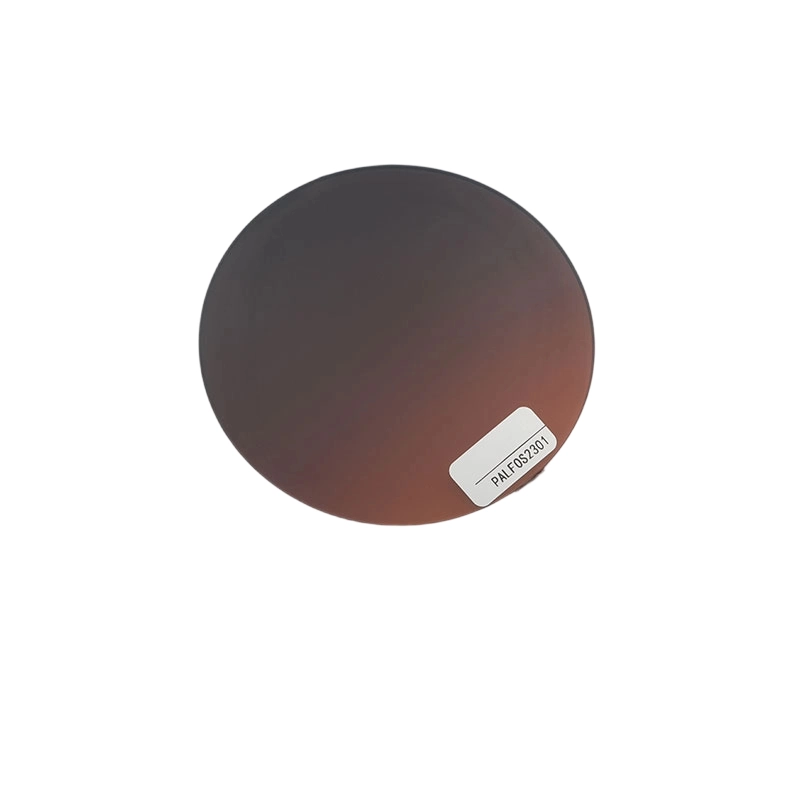
Polarized Lenses with Anti-Seawater Coating | OEM Custom Solutions
As a versatile photochromic lenses manufacturer and high-performance optics expert, Karuson crafts high-quality Polycarbonate (PC) Gradient Tinted Lenses that perfectly balance aesthetics with advanced protection. By fusing the ultra-lightweight and impact-resistant properties of PC material with precision gradient tinting technology, we deliver a durable visual solution that enhances clarity and comfort for urban lifestyles and outdoor sports. These lenses not only optimize visibility across varying light conditions by reducing glare but also offer a sleek, customizable design—allowing global brands to blend practical eye protection with a modern, fashion-forward accessory.
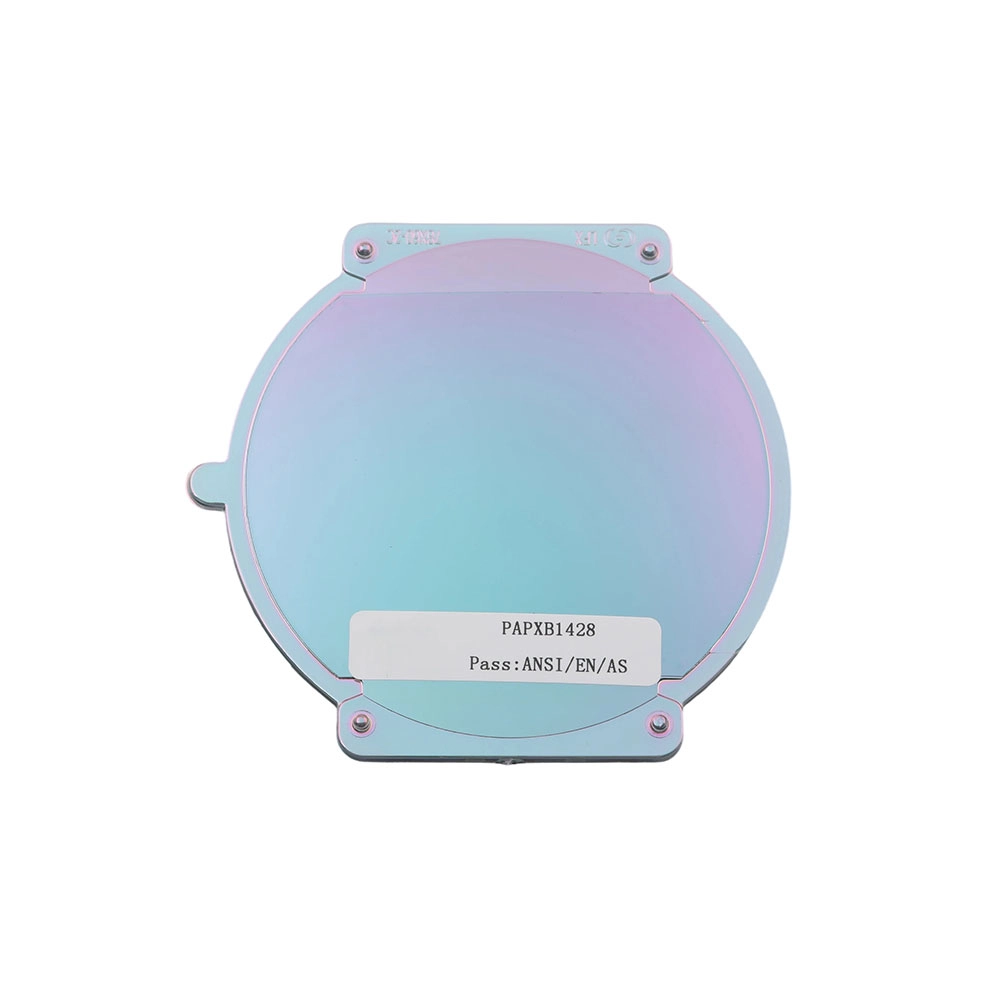
Advanced Lens Technology | UV400, Polarized & Coating OEM Custom
Setting a new standard in high-end lenses manufacturing, Karuson’s flagship-grade Polyamide (PA) Nylon polarized lenses seamlessly combine ultra-lightweight material with exceptional, high-toughness durability. By integrating precision polarizing technology, we have created a high-definition visual solution that excels in clarity and comfort for professional driving, outdoor adventures, and competitive sports. This innovation does more than meet expectations—it redefines the performance benchmark for professional polarized optics in the global market.
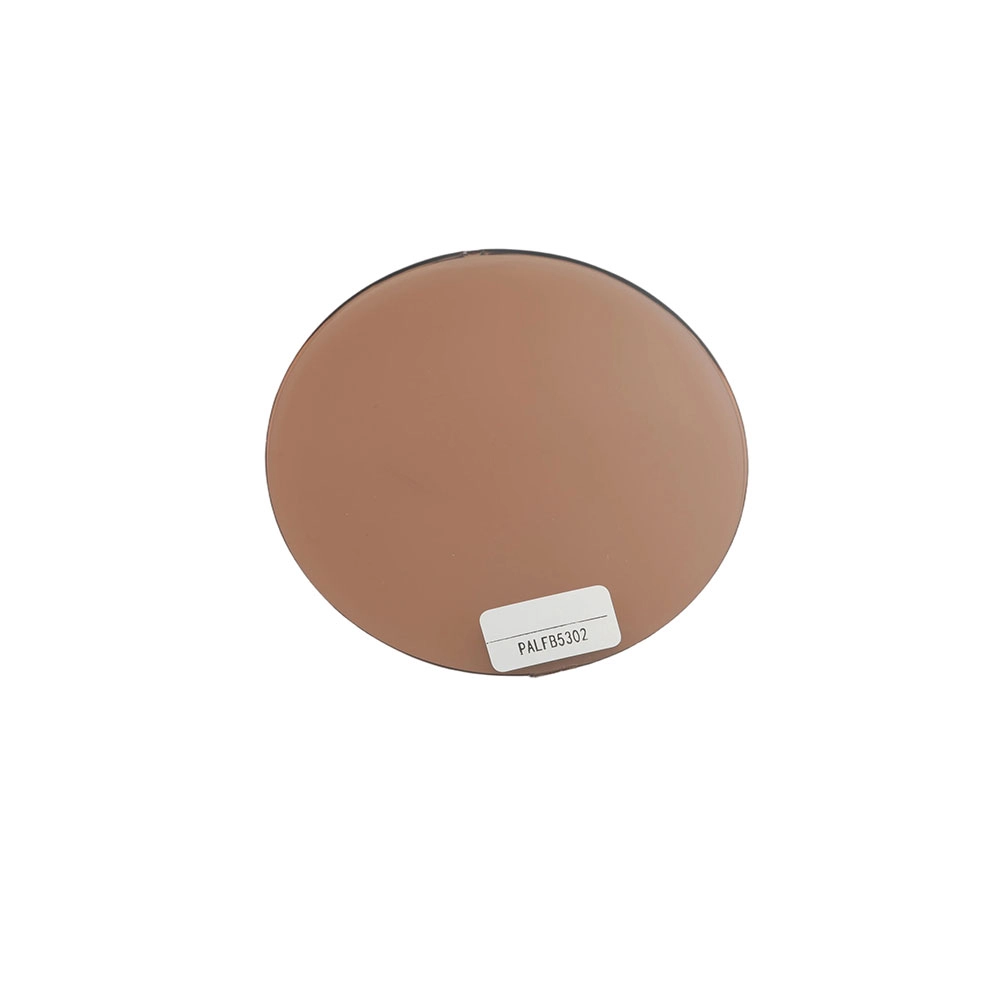
Premium Optical Lenses | High-Clarity Custom OEM Lenses for Brands
As a premier high-definition glasses lenses manufacturer, Karuson crafts high-quality Polyamide (PA) Nylon Tinted Lenses that represent the perfect synergy of ultra-lightweight performance and high-toughness durability. By integrating professional-grade tinting technology with advanced material science, we offer a lens solution that delivers exceptional optical clarity alongside vibrant, fashionable color expression. Designed for both daily commutes and trendy lifestyle matching, these lenses provide a comfortable and aesthetic visual experience, serving as a high-performance fashion accessory for the modern, style-conscious consumer.
Get in touch with us
If you have any comments or good suggestions, please leave us a message; later our professional staff will contact you as soon as possible.
NEW DIMENSIONS IN EYEWEAR
Contact KARUSON
Email:
WhatsApp/Phone:
Address:
331 Section B, WanJia Creative Park , No. 1 BUXIA Road ,Tianhe District, Guangzhou City, Guangdong Province, China.

© 2026 KARUSON. All Rights Reserved.
Facebook
Instagram
YouTube
TikTok
Linkedin