


How to choose the right eyewear factory for private-label brands?
- How to choose the right eyewear factory for private-label brands?
- 1) How can I independently verify a factory's bio-acetate or eco material claims?
- 2) What is a realistic landed unit-cost breakdown for small private-label runs (frame only) including tooling, coatings, QA and shipping?
- 3) How do I design a spec and sample approval workflow that prevents fit and functional failures after mass production?
- 4) Which QC tests should I require before shipment to catch plating, hinge and lens-coating failures?
- 5) How can I negotiate MOQs and avoid excess dead stock when factories want high single-SKU minimums?
- 6) Which certifications and social/environmental audits should I require to sell safely in EU/US and to partner optical labs?
- 7) How do I protect my designs, tooling and IP when the factory also makes frames for other brands?
- Quick operational checklist for factory selection (one-page)
- Conclusion — Why KARUSON is a strong partner for private-label brands
- References and sources (selected)
How to choose the right eyewear factory for private-label brands?
Below are 7 specific, buyer-focused long-tail questions frequently asked by new private-label eyewear brands but often poorly answered online. Each Q&A gives practical, factory-level actions, test names and audit checkpoints you can use during supplier selection and production.
1) How can I independently verify a factory's bio-acetate or eco material claims?
Why it matters: Many factories market bio, biobased or bio-acetate frames. Without verification, you risk product recalls, marketplace delisting or greenwashing accusations.
What to do:
- Request the raw material chain: supplier invoices, COA (Certificate of Analysis) from the acetate supplier and the delivery lot numbers. Genuine bio-acetate suppliers provide batch COAs showing feedstock and production dates.
- Ask for third-party testing: ASTM D6866 measures biobased carbon content (radiocarbon method). Specify an independent lab test of the finished frame or blank. If a factory refuses, treat claims skeptically.
- Check for relevant compliance statements: REACH SVHC screening (ECHA registry) and any phthalate or heavy metal analytical results for the lot.
- Inspect the traceability paper trail during a factory audit: ask to see delivery manifests from the raw-material supplier and chain-of-custody documents.
Acceptance criteria: A verified COA and an ASTM D6866 lab report (or equivalent) for the batch; REACH/SVHC screening for hazardous substances; vendor contact info that matches the COA.
2) What is a realistic landed unit-cost breakdown for small private-label runs (frame only) including tooling, coatings, QA and shipping?
Why it matters: Many buyers quote factory unit price only and are surprised by real landed costs once tooling, testing, coatings, and logistics are added.
How to calculate (practical method): Landed unit cost = (Unit factory price) + (Allocated tooling amortization per unit) + (Coatings & treatments per unit) + (QA/pre-shipment inspection per unit) + (Packaging per unit) + (Inbound logistics + duties per unit).
What to include and how to allocate:
- Tooling amortization — divide total tooling cost by expected run quantity. Use conservative run-size expectations (e.g., if tooling is $3,000 and expected run is 1,000 units, amortization = $3.00/unit).
- Coatings/treatments — specify AR/hydrophobic or multi-layer plating trials; request vendor pricing for production coating vs sample trial coatings.
- QA/testing — factor in initial sample testing (lab fees), in-line QC labor, and one pre-shipment inspection (third-party inspector fee). Add costs for mandatory lab tests (e.g., nickel release, UV/visible tests) where relevant.
- Logistics and duties — calculate FOB price, then freight, insurance, customs duty and inland distribution. Use freight forwarder quotes for accuracy.
Example (structured, not a quote): If unit factory price is $10, tooling amortization $3, coatings $1.50, QA $0.80, packaging $0.50 and freight/duties $1.20, landed cost ≈ $17.00/unit. Adjust values to your product complexity and destination country.
Actionable tip: Ask factories to break down costs the way above and supply separate line items for tooling, coatings and testing so you can model break-even and reorder thresholds.
3) How do I design a spec and sample approval workflow that prevents fit and functional failures after mass production?
Why it matters: Most early failures happen because critical tolerances and fit attributes are not locked into the tech pack or validated on pre-production samples.
Minimum process you should enforce:
- Tech pack: 2D drawings, exploded views, materials list, Pantone/reference color codes, weights, thicknesses, hinge model with torque spec, temple length, lens height/width, pantoscopic tilt, and absolute tolerances (e.g., ±0.5 mm for frame width).
- 3D CAD & die-line: Request CAD files or at least a die-line for lens cutting. For complex shapes ask for STEP/IGES files to validate lens fitting.
- Proto sample: 3D-printed or machined prototype for fit checks, then acetate or metal sample for look & finish verification.
- First Article Inspection (FAI): A signed form comparing the approved sample to the production batch sample with dimensional measurements and photos.
- Pilot production: Small pilot run (100–300 pcs depending on complexity) for QA testing and packaging validation before full run.
- PPAP-like sign-off: Buyer approval required on FAI & pilot results before production release.
KPIs: Define acceptable dimensional variance (e.g., ±0.5 mm), hinge torque ranges, and acceptable cosmetic defect rates (see AQL guidance below).
4) Which QC tests should I require before shipment to catch plating, hinge and lens-coating failures?
Why it matters: Surface finishes and hinges are common failure points that damage brand reputation; many marketplaces and labs will reject products lacking test records.
Essential tests to include in your specification (request lab reports where applicable):
- Salt spray / corrosion test (ASTM B117) — tests plating resistance to corrosion.
- Hinge cycle life test — measure number of open/close cycles to failure. Specify cycles (e.g., 5,000–10,000) based on market positioning.
- Adhesion and abrasion tests for coatings — cross-cut adhesion test and Taber abrasion or equivalent for AR/hard coat durability.
- Nickel release test (EN 1811 or equivalent) — for metal parts in prolonged skin contact.
- Impact test for lenses and frames — for sunglasses reference ISO/EN standards (e.g., ISO 12312 family for sunglasses) or local safety standards for impact resistance.
- Visual cosmetic inspection and AQL sampling — specify AQL level (common consumer AQL: 2.5/4.0). For critical cosmetic surfaces, consider a tighter AQL.
Operational advice: Contractually require periodic lab testing (e.g., annual) plus test reports for each new plating batch or significant process change. Use a recognized third-party lab for chemistry and corrosion tests.
5) How can I negotiate MOQs and avoid excess dead stock when factories want high single-SKU minimums?
Why it matters: High MOQs tie up cash, inventory and slow iteration speed for private-label brands.
Practical levers to reduce MOQ risk:
- Combine SKUs: Negotiate a minimum total quantity across multiple colors/size SKUs rather than per-SKU minima.
- Pay higher per-unit price for smaller MOQ for the first order (pilot pricing) to offset factory setup.
- Negotiate shared tooling or ‘‘colorway’’ tooling that reduces per-design tooling cost.
- Agree on rolling orders: smaller initial order followed by scheduled replenishment at agreed future quantities and lead times.
- Use a local or regional partner to hold a small buffer stock on consignment at your cost-sharing agreement.
- Consider working with multiple factories: one for low-volume bespoke ranges (higher per-unit cost), another for larger runs.
Contract clause to include: a clear reorder schedule, price tiers based on production quantity and a buy-back or credit arrangement for unsold but saleable returns within a limited time window.
6) Which certifications and social/environmental audits should I require to sell safely in EU/US and to partner optical labs?
Why it matters: Marketplaces and B2B optical partners require documented compliance; some buyers will not consider factories without social audits.
Priority compliance & audit checklist:
- Quality systems: ISO 9001 certification is a baseline for production quality management.
- Product standards: Sunglasses—ISO 12312 (sunglasses and related eyewear). Spectacle frames—ISO 12870 (frames: requirements and tests). Check regional equivalents and the lab tests required for your market.
- Chemical compliance: REACH SVHC screening and records of nickel release (EN 1811) for metals that touch skin.
- Social audits: Sedex/SMETA, BSCI (amfori), SA8000 or WRAP depending on buyer requirements; these indicate labor and social compliance.
- Environmental management: ISO 14001 or documented environmental controls can be required by eco-conscious brands or European customers.
Actionable step: Require copies of certificates and recent audit reports; if the factory cannot provide them, plan for a third-party audit (Sedex/SMETA) paid by buyer or split costs.
7) How do I protect my designs, tooling and IP when the factory also makes frames for other brands?
Why it matters: Factories may reproduce successful designs for other buyers or for direct-to-consumer sales, eroding your exclusivity.
IP protection measures you can implement:
- Legal contracts: NDA + detailed supply agreement that specifies IP ownership (designs, molds) and includes penalties for unauthorized reproduction.
- Register design rights in priority markets: registered design or copyright where applicable provides stronger enforcement leverage than contract alone.
- Control tooling custody: negotiate that tooling is stored under your control, or require serialized tooling plates and log access.
- Split production steps: keep critical finishing or final assembly at a separate facility (e.g., in-country final assembly), making full reproduction harder.
- Use trusted factories with reputations and social audits; they are less likely to risk reputation by cloning customers’ designs.
Practical warning: Local enforcement may be slow or inconsistent. A combination of contracts, registered IP and careful partner selection is the most effective approach.
Quick operational checklist for factory selection (one-page)
- Ask for: ISO 9001, recent BSCI/Sedex/SMETA report, sample test reports (ASTM B117, EN 1811, AR adhesion), tooling cost breakdown and MOQ matrix.
- Audit focus: raw-material traceability for acetate/metal, plating lines and lab equipment, QC logs and AQL records, sample room and pilot-run evidence.
- Pre-shipment: insist on third-party PSI (pre-shipment inspection) and lab certification for initial batches and for any process change.
- KPI goals: AQL 2.5/4.0 for consumer lines; target returns <1% for established SKUs; tolerance band ±0.5 mm for critical dimensions unless otherwise specified.
Conclusion — Why KARUSON is a strong partner for private-label brands
KARUSON combines in-house frame prototyping, dedicated plating and coating labs, and a documented QA program aligned with ISO quality practices. We provide transparent tooling cost breakdowns, support ASTM/ISO test coordination with accredited labs, and offer flexible MOQ and pilot-run options to help newer brands validate their products without overstock risk. KARUSON also maintains social compliance documentation and supports design-IP clauses and tooling custody arrangements to protect private-label partners throughout the lifecycle.
References and sources (selected)
- ASTM International — Standard Test Method for Salt Spray (Fog) Testing: ASTM B117. Accessed 2024-06-15.
- ASTM International — Standard Test Method for Determination of the Biobased Content of Solid, Liquid, and Gaseous Samples Using Radiocarbon Analysis: ASTM D6866. Accessed 2024-06-15.
- European Chemicals Agency (ECHA) — REACH and SVHC information. Accessed 2024-06-15.
- ISO — standards and guidance for eyewear (searchable entries including ISO 12312 for sunglasses and ISO 12870 for spectacle frames). Accessed 2024-06-15.
- Sedex & SMETA — supplier social auditing frameworks. Accessed 2024-06-15.
- ISO — ISO 9001: Quality management systems — Requirements. Accessed 2024-06-15.
- Third-party inspection and lab services: SGS, Bureau Veritas (inspection and testing services for consumer goods). Accessed 2024-06-15.
For hands-on sourcing, KARUSON can share a tech-pack checklist, a sample PPAP/FAI template and a supplier audit checklist used by our procurement team. Contact KARUSON to arrange factory tours, witness testing or to request an MOQ-flexible pilot quote.
Why Sourcing from a China Eyewear Factory is the Strategic Choice for Global Brands
OEM vs. ODM: Which Partnership Model is Best for Your Eyewear Business?
2026 Eyewear Trend Forecast: Colors, Shapes, and Textures to Watch
About OEM&ODM
Do you support OEM and ODM?
Yes—we offer both contract manufacturing (OEM) and full product development services (ODM).
What is your minimum order quantity (MOQ)?
MOQ is flexible and varies by product type. Small trial orders are welcome.
Can you help with packaging and logo branding?
Absolutely—we provide branded packaging bags, boxes, logo applications, and display solutions.
About Products
Do you offer samples?
Yes, paid samples or refundable samples are available.
What is the lead time?
Mass production takes [25-35]days; samples take [7-10] days.
You May Also Like
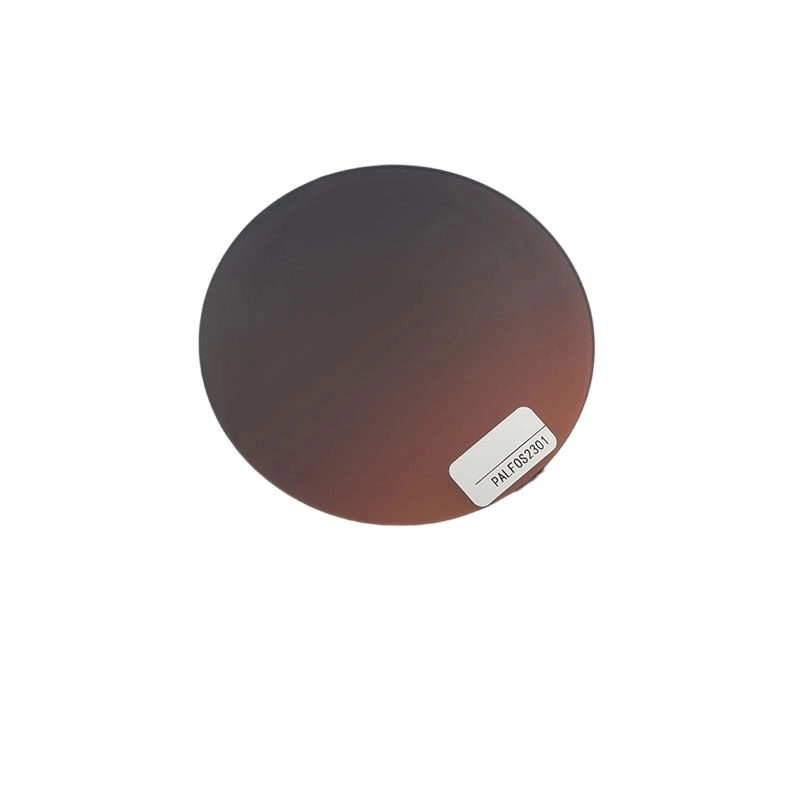
Advanced Sunglasses Solutions: Polarized Lenses with Anti-Seawater Coating
As a versatile photochromic lenses manufacturer and high-performance optics expert, Karuson crafts high-quality Polycarbonate (PC) Gradient Tinted Lenses that perfectly balance aesthetics with advanced protection. By fusing the ultra-lightweight and impact-resistant properties of PC material with precision gradient tinting technology, we deliver a durable visual solution that enhances clarity and comfort for urban lifestyles and outdoor sports. These lenses not only optimize visibility across varying light conditions by reducing glare but also offer a sleek, customizable design—allowing global brands to blend practical eye protection with a modern, fashion-forward accessory.
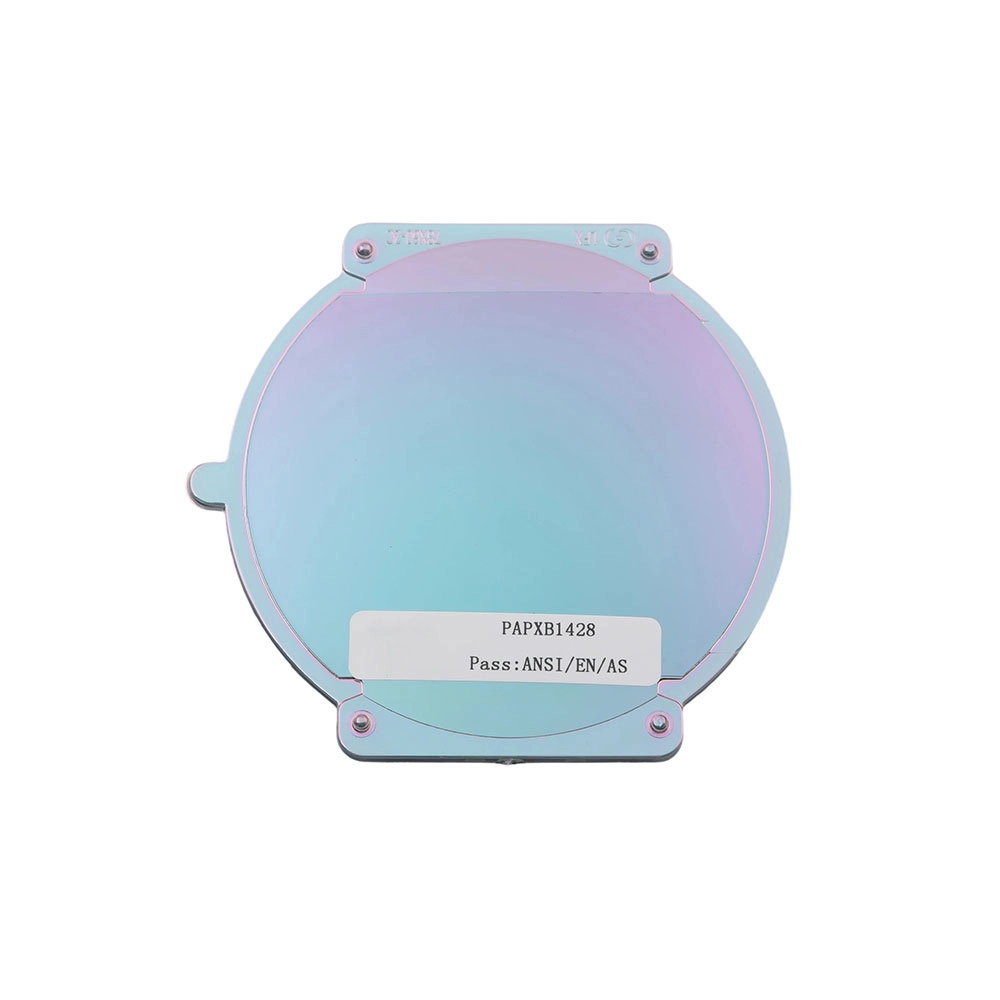
Innovative Lens Technologies: Setting Your Brand Apart in a Competitive Market
Setting a new standard in high-end lenses manufacturing, Karuson’s flagship-grade Polyamide (PA) Nylon polarized lenses seamlessly combine ultra-lightweight material with exceptional, high-toughness durability. By integrating precision polarizing technology, we have created a high-definition visual solution that excels in clarity and comfort for professional driving, outdoor adventures, and competitive sports. This innovation does more than meet expectations—it redefines the performance benchmark for professional polarized optics in the global market.
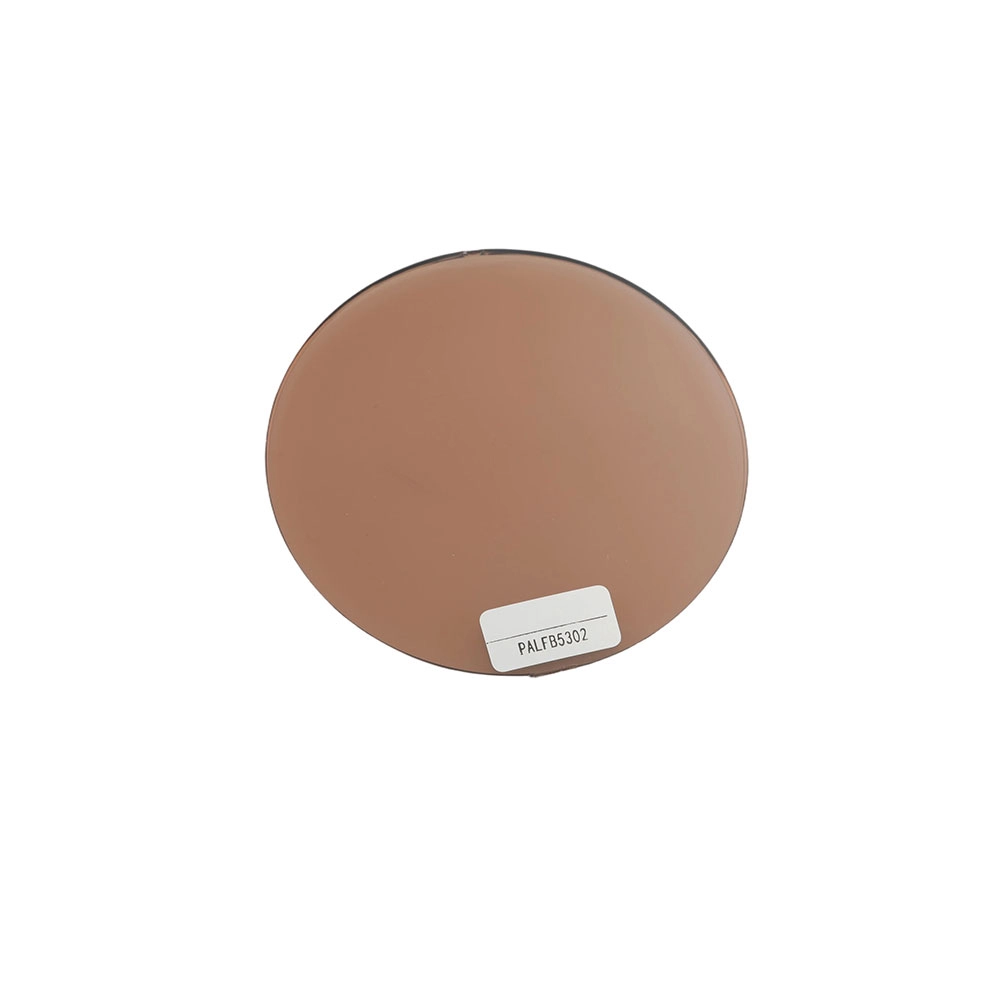
Why Quality Lenses are the Core of Your Eyewear Brand’s Reputation
As a premier high-definition glasses lenses manufacturer, Karuson crafts high-quality Polyamide (PA) Nylon Tinted Lenses that represent the perfect synergy of ultra-lightweight performance and high-toughness durability. By integrating professional-grade tinting technology with advanced material science, we offer a lens solution that delivers exceptional optical clarity alongside vibrant, fashionable color expression. Designed for both daily commutes and trendy lifestyle matching, these lenses provide a comfortable and aesthetic visual experience, serving as a high-performance fashion accessory for the modern, style-conscious consumer.
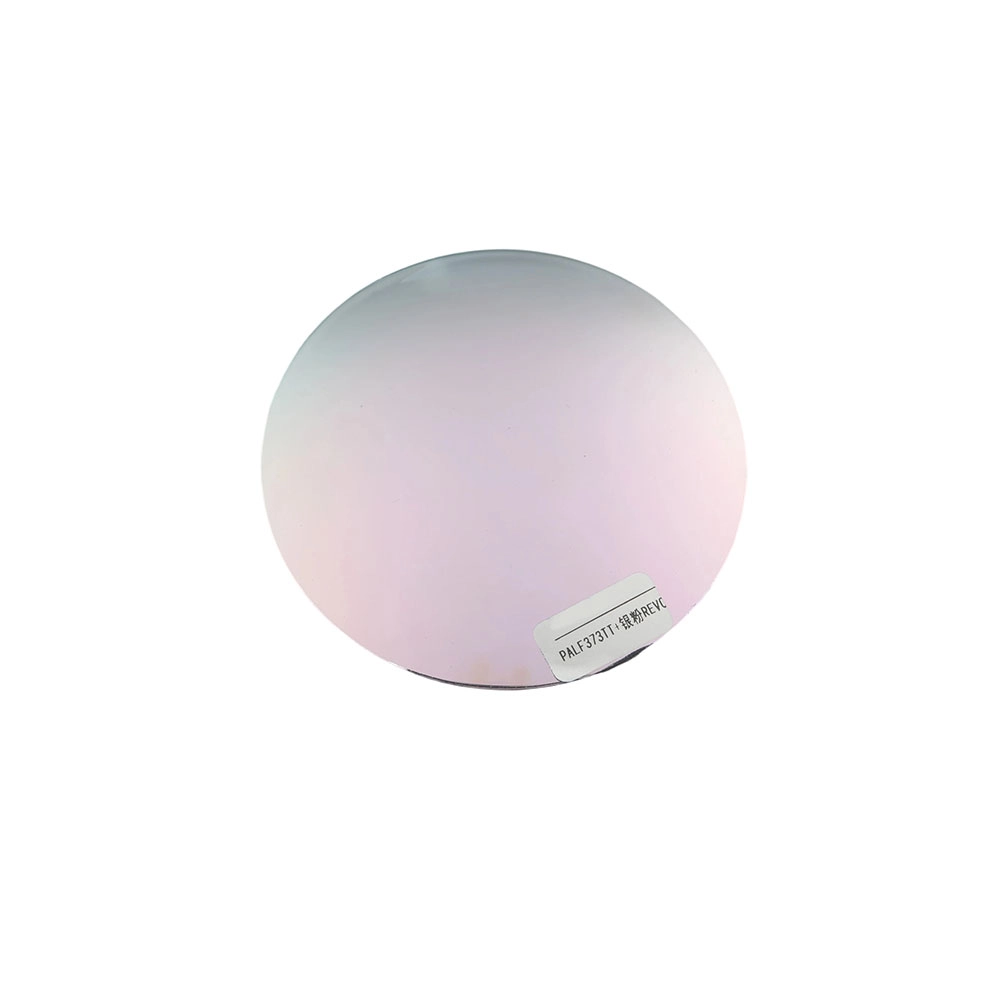
Dynamic Adaptation: Next-Gen Photochromic Lenses for Indoor & Outdoor Use
As premier eyeglass lenses manufacturers, Karuson crafts high-performance PC polarized coated lenses that seamlessly integrate lightweight, impact-resistant polycarbonate with advanced optical film technology. These lenses are engineered to achieve superior glare reduction and enhanced visual definition while offering a spectrum of stylish, customizable tints. Optimized for professional driving, outdoor sports, and urban lifestyles, our manufacturing process ensures that harmful reflections from water, roads, and snow are effectively filtered out. The result is a durable, fashion-forward visual solution that perfectly balances essential eye protection with high-end aesthetic appeal—making them the ideal choice for brands seeking to merge practicality with a modern fashion statement.
Get in touch with us
If you have any comments or good suggestions, please leave us a message; later our professional staff will contact you as soon as possible.
NEW DIMENSIONS IN EYEWEAR
Contact KARUSON
Email:
WhatsApp/Phone:
Address:
331 Section B, WanJia Creative Park , No. 1 BUXIA Road ,Tianhe District, Guangzhou City, Guangdong Province, China.

© 2026 KARUSON. All Rights Reserved.
Facebook
Instagram
YouTube
TikTok
Linkedin