


Why do lenses manufacturers offer anti-blue light options?
- 1) What minimum order quantities and realistic lead times should I expect for custom anti-blue coated lenses and private-label frames from an eyewear factory that complies with ISO/CE standards?
- 2) How can I verify an eyewear factory’s anti-blue light coating effectiveness (spectral transmission) before placing a bulk order?
- 3) When sourcing high-index lenses for thin prescriptions, how do I balance refractive index, Abbe number, and anti-blue coatings to avoid color fringing and preserve optical clarity?
- 4) Why do lenses manufacturers offer anti-blue options, and how do differences in technology (clear AR + filter layer vs dyed tints vs full-block amber) affect durability, color, and user claims?
- 5) What specific quality-control checkpoints and tolerance standards should I require from an eyewear factory to ensure prescription accuracy and coating adhesion on progressive lenses?
- 6) How can small optical retailers negotiate OEM pricing and MOQ for custom-branded anti-blue lenses without compromising certification or turnaround?
- Concluding summary: Advantages of choosing a knowledgeable eyewear factory with properly specified anti-blue options
Eyewear Factory Buyer’s Guide: Why Lenses Manufacturers Offer Anti-Blue Options
This article answers six detailed, pain-point questions procurement managers, opticians, and small brands ask when working with an eyewear factory. It covers MOQ and lead time realities, how to verify anti-blue performance with spectral data, optical-material trade-offs (refractive index vs Abbe number), quality-control checkpoints, coating durability differences, and negotiation tactics for OEM pricing. Practical guidance is grounded in optical manufacturing practices, ISO lens standards, and lab testing workflows.
1) What minimum order quantities and realistic lead times should I expect for custom anti-blue coated lenses and private-label frames from an eyewear factory that complies with ISO/CE standards?
Why this matters: Buyers waste time quoting factories that advertise “no MOQ” but cannot meet timeline, compliance, or packaging requirements. Expect realistic ranges rather than absolute promises.
What to expect: For private-label frames, many established factories require an MOQ in the range of roughly 300–500 pairs per SKU for full OEM runs (materials, molds, and tooling amortization). For lenses, the MOQ model differs: optical lens manufacturers and contract labs frequently accept smaller batch runs (50–200 pieces) for standard single-vision PC or CR-39 blanks if you pay for surfacing setup, but progressive or free-form surfacing with anti-blue AR layers typically pushes the effective MOQ higher because of calibration, machine warm-up, and coating batch sizes.
Lead time guidance: Sample turnaround for frames or bespoke lens prototypes typically takes 7–21 calendar days depending on whether new tooling or molds are required. Full production runs often range from 30–60 days from deposit to shipment for frames; lenses (stock blank + surfacing + coating) commonly require 7–21 days per batch. If CE marking, ISO batch documentation, or third-party testing is needed, add another 2–4 weeks for documentation and test scheduling. Always confirm the factory’s capacity for parallel runs during peak seasons.
How to reduce MOQ and lead time pain: propose phased launches (pilot of 100–300 units for one SKU), consolidate SKUs to reduce tooling changes, pre-approve coating and packaging specifications, and accept shared-container shipments to lower per-unit freight cost and make smaller runs economical.
2) How can I verify an eyewear factory’s anti-blue light coating effectiveness (spectral transmission) before placing a bulk order?
Why this matters: “Blue-light” is a marketing umbrella. Without spectral verification you may receive lenses that only claim protection but don’t meaningfully change transmission at the biologically relevant wavelengths.
What to request from the factory:
- Spectral transmission curves (400–500 nm) produced by a calibrated spectrophotometer for the exact lens batch or sample. The lab report should show percent transmission vs wavelength; requests for raw CSV data are reasonable.
- Test conditions: substrate material (polycarbonate, CR-39, high-index), coating stack description (e.g., multilayer AR with blue-cut layer vs dye/tint), and measurement geometry (0° incidence or 8° as appropriate).
- Accelerated durability test reports: abrasion resistance, adhesion (cross-hatch or tape test per ISO or ASTM references), and salt-spray for plated components if applicable.
Acceptance thresholds to consider: many clear anti-blue AR coatings reduce transmission in the 415–455 nm band by 10–30% (minor blue-filtering). Dedicated yellow or amber tints can block 70–90% of 400–450 nm. If your product positioning promises sleep/chronotype benefits, ask for data showing attenuation around the ~460 nm melatonin-sensitive peak (most circadian research identifies ~460 nm as biologically potent). Require third-party laboratory traces or factory-run spectrophotometer outputs signed by a QC manager.
3) When sourcing high-index lenses for thin prescriptions, how do I balance refractive index, Abbe number, and anti-blue coatings to avoid color fringing and preserve optical clarity?
Why this matters: Buyers chasing thin lenses often accept brittle optics, increased chromatic aberration, or poor coating adhesion unknowingly.
Material trade-offs:
- Refractive index: common materials are CR-39 (n≈1.50), polycarbonate (n≈1.586), and high-index plastics (1.60, 1.67, 1.74). Higher index reduces lens center thickness for a given power but usually comes with a lower Abbe number.
- Abbe number: lower Abbe increases chromatic dispersion (color fringing), especially noticeable in stronger prescriptions and large frame sizes. Polycarbonate and 1.74 high-index materials typically have Abbe numbers in the low 30s; CR-39 has an Abbe near the high 50s. Choose high-index only when the cosmetic benefit outweighs potential color artifacts.
- Anti-blue coatings: multilayer AR stacks and blue-filter layers change refractive behavior at short wavelengths. Ensure the coating is designed for the substrate’s refractive index to minimize reflective color shifts and ghost reflections (use factory-supplied AR designs matched to 1.67 or 1.74 materials).
Practical procurement checklist:
- Request demo samples in the targeted refractive index and prescription range to visually inspect color fringing and AR reflection color.
- Ask for the factory’s free-form surfacing parameters and confirm the coating stack is tuned for the final index. Mis-matched AR can yield purple/green reflections and lower customer satisfaction.
- For stronger prescriptions, prioritize higher Abbe (e.g., 1.60 rather than 1.74) if optical clarity is mission-critical; or adopt smaller frame sizes or aspheric designs to reduce edge thickness without pushing to the highest index.
4) Why do lenses manufacturers offer anti-blue options, and how do differences in technology (clear AR + filter layer vs dyed tints vs full-block amber) affect durability, color, and user claims?
Why this matters: Not all “anti-blue” is equivalent — marketing language can obscure important performance and warranty differences.
Reasons manufacturers offer anti-blue options:
- Market demand: growing screen time and consumer interest in digital eye strain and sleep hygiene created strong retail demand for blue-filtering optics.
- Low incremental manufacturing complexity: many modern AR coaters can add thin “blue-cut” layers to an AR stack without requiring major process changes, enabling a new SKU with minimal tooling changes.
- Value differentiation: anti-blue coatings and tints are straightforward upsells that improve perceived value and margins.
Technology comparison:
- Clear AR + blue-filter multilayer: Typically preserves natural color balance, minimizes visible tint, and provides anti-reflective benefits. Durable if the coating adhesion is optimized for the plastic substrate. Typical blue attenuation: modest (10–30% in 415–455 nm) but ergonomically useful for screen glare reduction.
- Dyed yellow/amber tints: Provide stronger attenuation across blue bands and increase contrast for digital displays. They may alter color perception (warm bias). Tints are generally stable but can show different UV stability vs coated solutions.
- Full-block amber (high-attenuation): Designed for sleep/therapeutic use; they strongly block a wide blue band (often 70–90% of 400–450 nm). They alter color perception dramatically and are marketed for evening wear or clinical use.
Durability notes: coatings subject to multi-layer deposition (vacuum sputtering) show excellent thin-film durability if the factory performs proper plasma cleaning, priming, and forced-bake steps. Ask for abrasion (Taber) and adhesion test results; insist the factory documents coating cycle parameters and offers a failed-coating rejection policy for large orders.
5) What specific quality-control checkpoints and tolerance standards should I require from an eyewear factory to ensure prescription accuracy and coating adhesion on progressive lenses?
Why this matters: Progressive lenses combine complex surface geometry with multilayer coatings; failures or deviations lead to returns and unhappy patients.
QC checkpoints to require and verify in writing:
- Incoming material verification: batch certificates for lens blanks (material grade, refractive index, manufacturer lot) and frame raw materials.
- Surfacing verification: power mapping for both lens surfaces (front and back) using a lensometer and 3D profilometer to confirm progressive corridor placement and surface accuracy. Acceptable prescription tolerance for finished spectacle lenses is typically within ±0.25 D for sphere and cylinder; axis tolerance commonly ±2–5° depending on cylinder magnitude. For high-precision progressive optics you can negotiate tighter tolerances and higher sample acceptance criteria.
- Coating inspection: spectrophotometer traces for AR and blue-filter stacks per batch, adhesion (cross-cut) and abrasion resistance test results, and visual inspection under standardized lighting to detect orange/purple reflections or delamination.
- Edge quality and frame fitting: run optical centration checks, verify PD and segment height (for progressives) and do mechanical stress testing on frame assemblies (hinges, plating adhesion) where applicable.
- Final batch documentation: inspection report, non-conformance log, and traceability (lot numbers, operator IDs, machine IDs). For CE markets, ensure the factory can supply a Declaration of Conformity and relevant technical file extracts.
How to operationalize QC during procurement:
- Specify inspection sampling plans (e.g., AQL levels) and require sample approval prior to bulk release.
- Insist on third-party lab testing for novel claims (e.g., “blocks 90% of 420–460 nm”) and retain the right to random in-market sample testing for warranty enforcement.
6) How can small optical retailers negotiate OEM pricing and MOQ for custom-branded anti-blue lenses without compromising certification or turnaround?
Why this matters: Small retailers frequently lose margin by accepting overpriced small-batch quotes or by accepting uncertified products with hidden liabilities.
Negotiation tactics that work with factories:
- Bundle your needs: combine frame and lens orders or multiple SKUs to reach a factory’s economic MOQs. Factories will often reduce MOQ per SKU if overall container volume is sufficient.
- Offer flexible lead times: if you can accept slower, scheduled shipments, many factories will open doors to smaller MOQ and lower per-unit tooling amortization.
- Agree to rolling orders: commit to a 6–12 month purchase forecast and ask for lowered MOQ during the first two shipments in exchange for forecast-based capacity allocation.
- Negotiate samples and pre-production runs: pay for a branded pilot run (100–300 pcs) to validate coatings and packaging, then reduce risk for full-scale launch. A reputable factory will treat the pilot as a credited advance against the first bulk order.
- Certify by reference: if your market requires CE marking, request the factory’s technical file extracts and ask to list KARUSON as an economic operator in the compliance chain where appropriate to avoid redundant third-party testing costs.
Price levers: material selection (CR-39 vs high-index), coating complexity (clear AR + blue filter vs tinted), and packaging/labeling requirements drive cost more than nominal per-lens coating additions. Focus negotiations on batch sizes, acceptance criteria, and shared logistics to reduce unit cost without surrendering certification or documented QC.
Concluding summary: Advantages of choosing a knowledgeable eyewear factory with properly specified anti-blue options
Working with an experienced eyewear factory that understands lens optics, AR coating science, and regulatory documentation delivers several advantages: consistent spectral performance verified by spectrophotometer traces, optimized substrate-coating pairing that minimizes chromatic aberration, controlled MOQ and lead-time strategies to fit small brands, and robust QC checkpoints (incoming materials, surfacing maps, coating adhesion, and batch traceability). Factories that support third-party testing and provide ISO/CE-oriented technical files reduce downstream risk and speed market entry.
For a tailored quote and to review our sample and certification packages for anti-blue lenses, contact us at www.karusonco.com or email nicole@karusonco.com. Our team will help define MOQs, run spectral verification on sample lenses, and outline an inspection plan before production.
Why Sourcing from a China Eyewear Factory is the Strategic Choice for Global Brands
OEM vs. ODM: Which Partnership Model is Best for Your Eyewear Business?
2026 Eyewear Trend Forecast: Colors, Shapes, and Textures to Watch
About OEM&ODM
Can you help with packaging and logo branding?
Absolutely—we provide branded packaging bags, boxes, logo applications, and display solutions.
What is your production lead time?
Mass production generally takes 30–45 days after sample approval.
How do we start a project with Karuson?
Send us your product idea or requirements—our team will review, advise, and provide the best solution and quotation.
About Products
Do you offer samples?
Yes, paid samples or refundable samples are available.
How do you ensure product quality?
Full QC process, factory testing, and international certifications.
You May Also Like
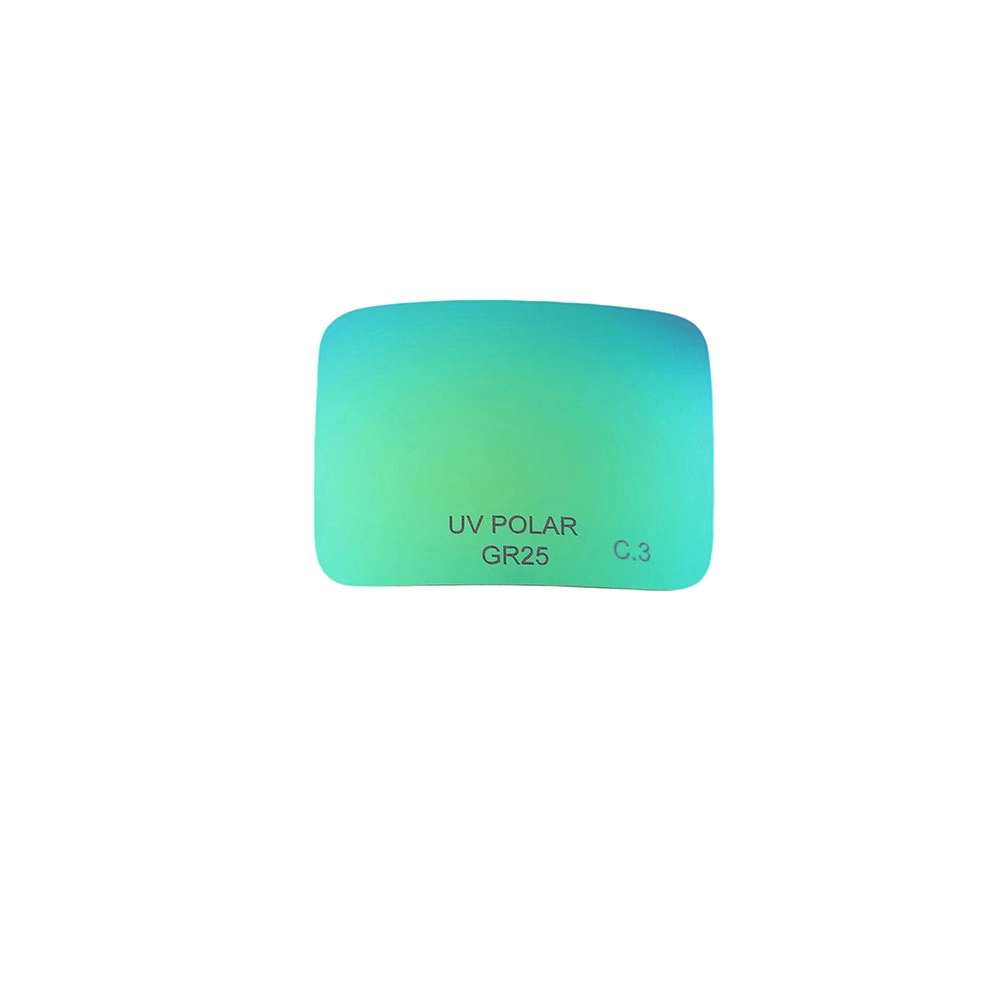
High-Definition Visual Clarity: Premium CR-39 & Polycarbonate Lenses
Experience the precision of a professional custom glasses lenses manufacturer. Karuson polarized lenses are engineered with a 99.9% high-polarization effect to provide unparalleled visual definition and glare reduction. By strategically absorbing reflected light through a high-stability PVA layer, our lenses are optimized for high-intensity outdoor environments, including maritime sailing, hunting, and alpine skiing. Furthermore, our specialized treatment ensures the lenses remain durable and distortion-free even in environments with high heat and humidity.
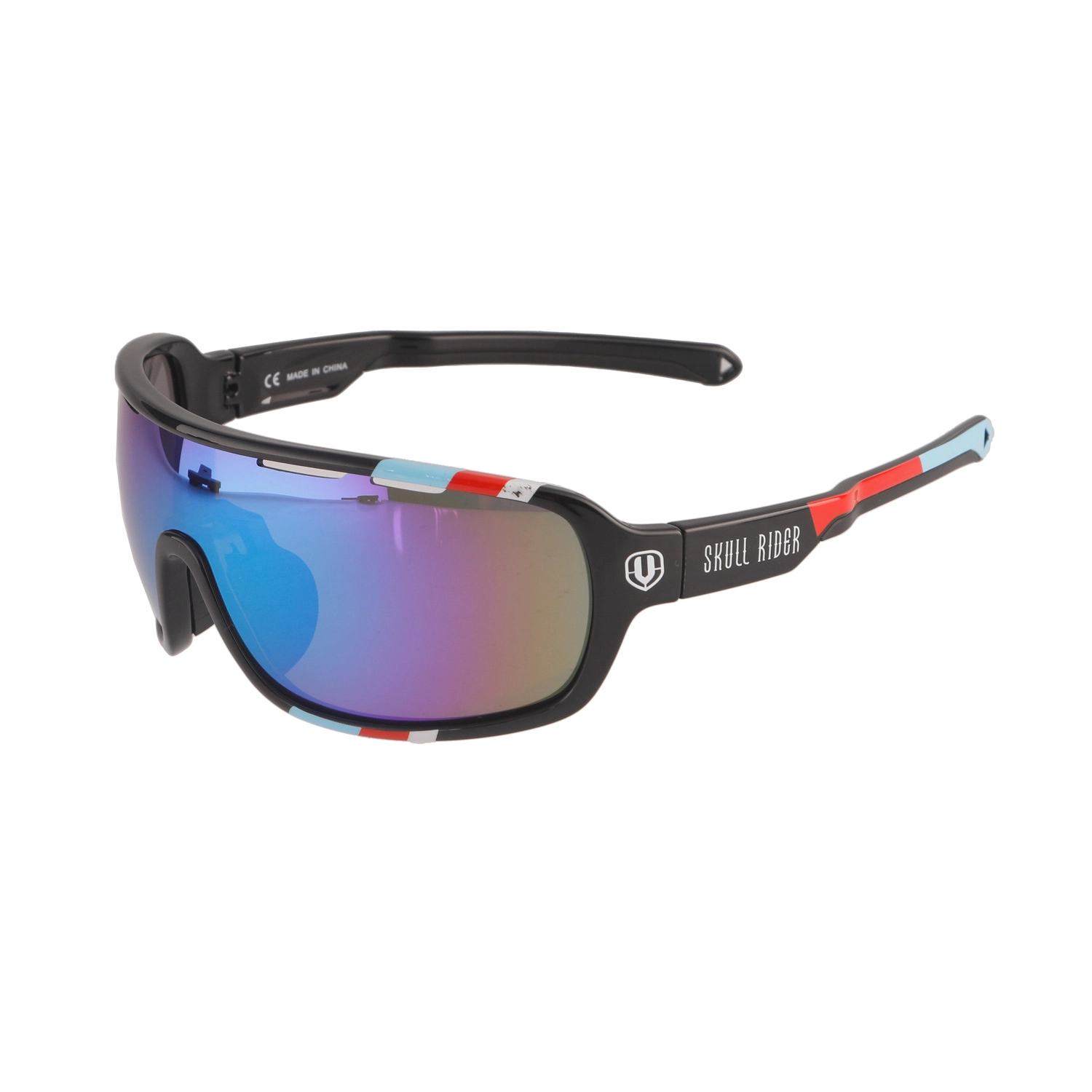
Professional Sports Style Sunglasses
These sports sunglasses are engineered to withstand extreme conditions while offering superior eye protection and style. Crafted with high-strength bio-acetate frames/PC/TR material, they feature exceptional impact resistance, scratch resistance, and wear resistance, ensuring longevity even during intense activities like cycling, hiking, or water sports.
The UV400 lenses provide 100% protection against harmful ultraviolet rays and reduce glare, minimizing eye fatigue and enhancing visual clarity. Perfect for outdoor enthusiasts, these sunglasses are available in vibrant, customizable colors and lightweight designs, making them a comfortable choice for all-day wear.
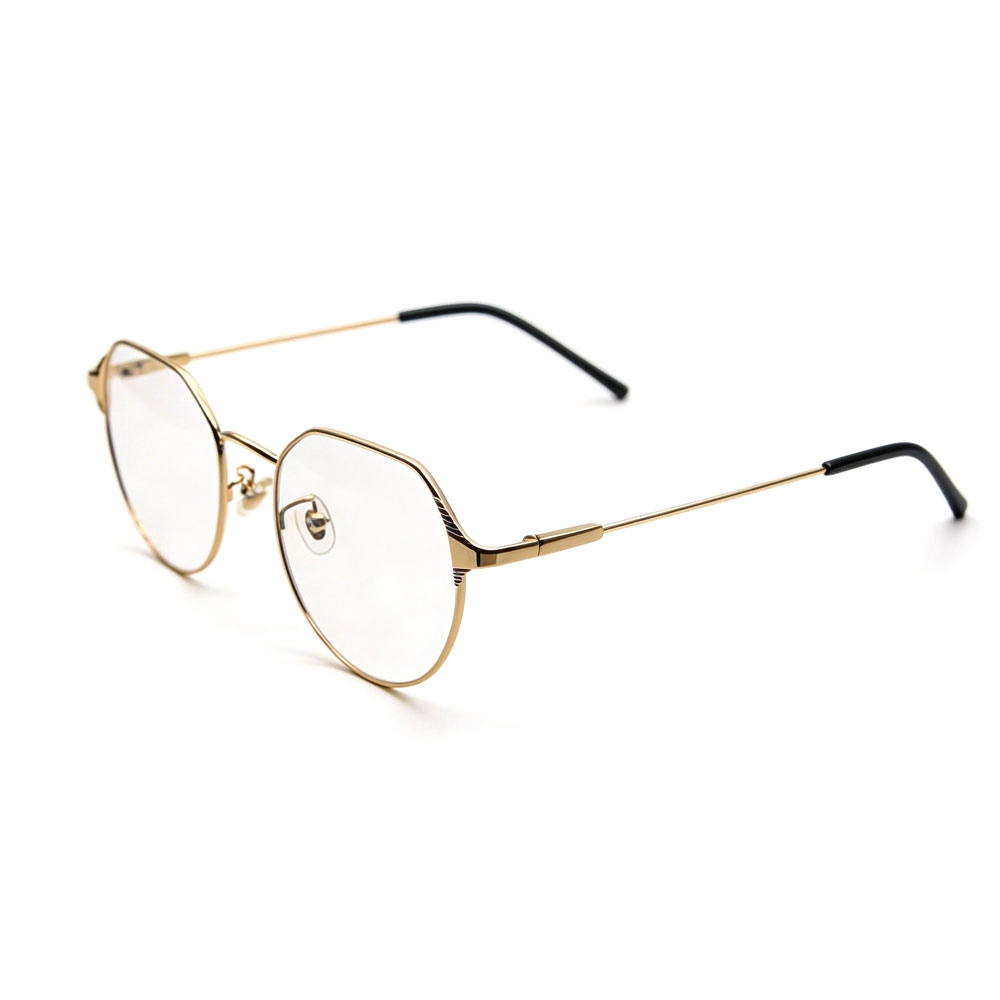
Elegant Lightweight Metal Eyeglass Frames
Metal sunglasses are the perfect blend of strength and elegance, designed for active lifestyles or daily use. Their aluminum or titanium frames are lightweight yet highly durable, resisting impacts and corrosion. UV400 lenses protect your eyes from harmful rays and glare, making them ideal for beach days or cycling. With customizable colors and sleek designs, these sunglasses deliver a stylish, sustainable option for eco-conscious brands and fashion-forward individuals.
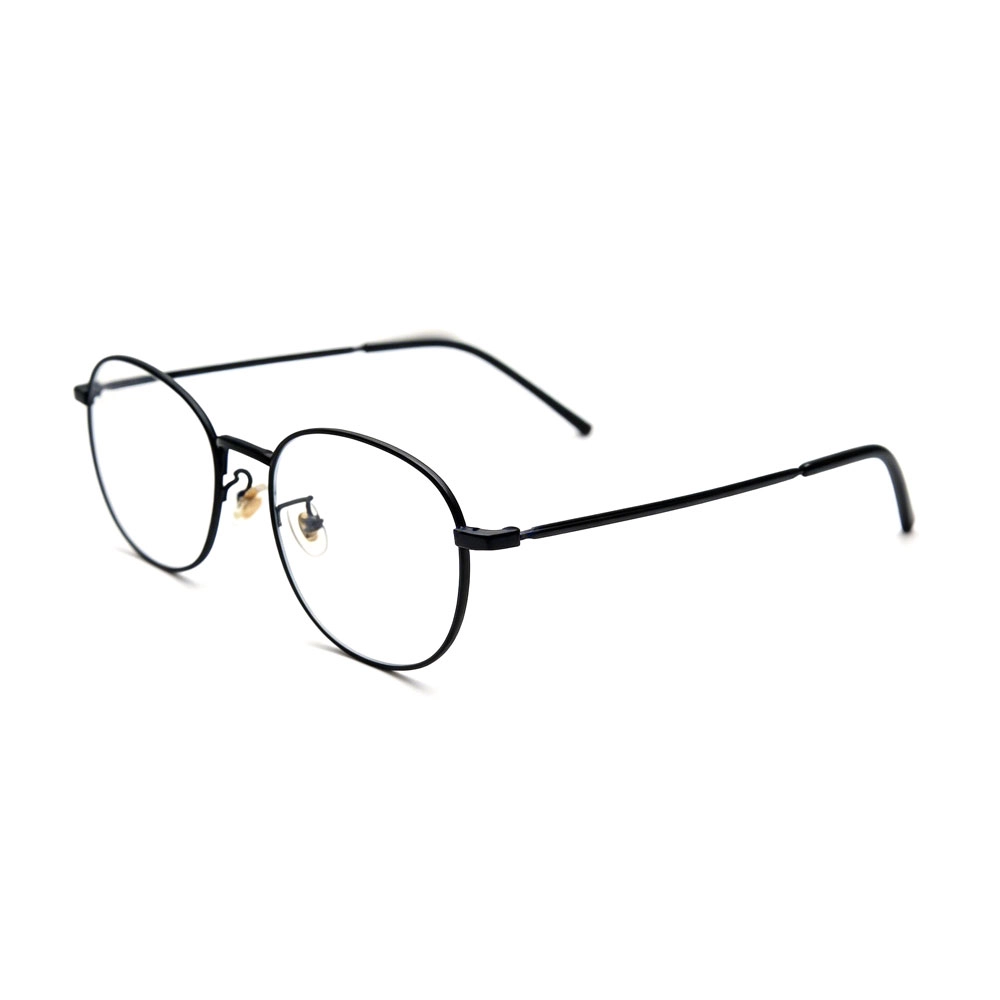
Vintage Round Metal Glasses
Metal sunglasses are the perfect blend of strength and elegance, designed for active lifestyles or daily use. Their aluminum or titanium frames are lightweight yet highly durable, resisting impacts and corrosion. UV400 lenses protect your eyes from harmful rays and glare, making them ideal for beach days or cycling. With customizable colors and sleek designs, these sunglasses deliver a stylish, sustainable option for eco-conscious brands and fashion-forward individuals.
Get in touch with us
If you have any comments or good suggestions, please leave us a message; later our professional staff will contact you as soon as possible.
NEW DIMENSIONS IN EYEWEAR
Contact KARUSON
Email:
WhatsApp/Phone:
Address:
331 Section B, WanJia Creative Park , No. 1 BUXIA Road ,Tianhe District, Guangzhou City, Guangdong Province, China.

© 2026 KARUSON. All Rights Reserved.
Facebook
Instagram
YouTube
TikTok
Linkedin