


How does anti-reflective coating improve sunglass vision?
- 1. How can I verify an eyewear factory's anti-reflective coating performance for prescription sunglasses before committing to a bulk order?
- 2. Can back-surface anti-reflective coatings on polarized sunglass lenses cause color shifts or reduce polarization effectiveness?
- 3. What are realistic lead times and QC checkpoints (mold trials, pilot runs) when ordering custom-molded sunglass frames from an OEM eyewear factory?
- 4. How are AR coatings applied at scale in lens production, and what failure modes should I expect during transportation and wear?
- 5. How do I compare cost vs. lifespan of single-layer vs. multi-layer AR coatings for mid-range sunglasses (MOQ 5,000 pairs)?
- 6. What certifications, laboratory reports, and on-site inspections should I demand from an eyewear factory to ensure sunglass lenses meet UV400 and EN ISO 12312-1 standards?
- Concluding summary: Advantages of sourcing from a certified, technically capable eyewear factory with robust AR capability
1. How can I verify an eyewear factory's anti-reflective coating performance for prescription sunglasses before committing to a bulk order?
Problem: Many buyers accept factory specs on face value and then see high rejection rates for halos, ghosting, or insufficient glare reduction. What to demand and how to test before placing large orders:
- Request objective test data, not just pass/fail: ask for reflectance spectra and visible transmittance curves measured by a spectrophotometer (400–700 nm) for both front- and back-surface coatings. For typical lens materials (index ~1.5) uncoated surfaces reflect ~4% per surface; a high-quality multilayer AR should reduce that to below 0.5% per surface at its design wavelength and show low average reflectance across 450–650 nm.
- Ask for independent lab reports from recognized testers (SGS, Intertek or equivalent) showing: reflectance (%) per surface, UV-VIS transmission (to confirm UV400 where required), and angular reflectance at normal and oblique incidence (0° and 45°) if available.
- Insist on sample deliverables: pre-production (PP) samples with serialized batch codes, and a small pilot run (usually 100–200 pcs) to confirm consistency. Compare factory spectra to your independent lab result—discrepancies >0.2–0.5% across the visible band are a red flag.
- Define acceptance criteria in the purchase order and tech pack: e.g., average surface reflectance ≤0.6% between 450–650 nm; adhesion ≥4B (ASTM D3359); Taber abrasion delta haze ≤2% after 100 cycles (ASTM D1044)—specific test standards reduce disputes.
- Build in on-site or third-party inspection checkpoints at mold approval, lens coating process validation, and final QC (ISO 2859-1 sampling). Use AQL 2.5 for critical optical defects and AQL 4.0 for cosmetic defects.
Embedding these measurable criteria into contracts and insisting on third-party verification significantly reduces the risk of receiving AR performance that underdelivers.
2. Can back-surface anti-reflective coatings on polarized sunglass lenses cause color shifts or reduce polarization effectiveness?
Problem: Buyers report unexpected color casts or reduced polarization contrast when mixing back-surface AR and polarizers. Here's what to know technically and commercially:
- How it works: Polarizers control the orientation of transmitted light; AR coatings use multilayer dielectric stacks to cancel reflections. Properly designed multilayer AR should be neutral in color across the visible band, but low-cost or improperly optimized stacks can introduce wavelength-dependent residuals that manifest as a subtle tint.
- Impact on polarization: AR coatings do not inherently depolarize light—but improper deposition (e.g., non-uniform stress, micro-cracks, or contamination) can cause scattering that reduces effective contrast. Always verify the polarized extinction ratio after coating—specify a minimum extinction (for example, >100:1) when polarization is a selling point.
- Back-surface AR benefits: For sunglasses, back-surface reflections from the inner curve (light entering from behind or reflecting off the cornea) are often the most intrusive. Applying AR to the back side reduces ghost images and improves contrast—especially beneficial with high-contrast polarized lenses used in driving or sport sunglasses.
- Mitigation: Require the factory to supply spectrophotometer and polarimeter measurements on finished lenses: transmission spectrum, polarization extinction ratio, and colorimetric data (ΔE) vs. an uncoated reference. Accept ΔE < 2 for neutrality in most mid/high-end products.
3. What are realistic lead times and QC checkpoints (mold trials, pilot runs) when ordering custom-molded sunglass frames from an OEM eyewear factory?
Problem: Buyers ordering custom frames often underestimate lead time and skip critical validation steps, leading to delays and extra tooling costs.
- Typical timeline (custom frame, medium complexity):
- Design & DFM review: 1–2 weeks
- Tooling (steel injection mold): 4–8 weeks depending on complexity and steel type (P20 vs. S136 for corrosion resistance)
- Mold trial and first shots (mold proofing/PP sample): 1 week
- Prototype adjustments and second run: 1–2 weeks
- Pilot production (500–2,000 pairs) for fit, plating/painting validation and packaging: 2–4 weeks
- Full production ramp (MOQ dependent, often 1,000–5,000 pairs per SKU): 3–6 weeks
- QC checkpoints to insert into the schedule:
- Mold-dimension report and digital measurement (CMM) vs. CAD before production
- Material certification for frame resin or metal (e.g., PA12, TR90, stainless grade, plating spec)
- Coating and plating adhesion, salt spray (ASTM B117) for metal parts
- Color and gloss approval using spectrophotometer and glossmeter
- Pilot-run optical and fit approval on several head forms and prescription lens fitting tests
- Tip: Add buffer time for international shipping and customs; if you need fast-to-market, discuss expedited tooling and modular mold approaches (exchangeable inserts) with the factory.
4. How are AR coatings applied at scale in lens production, and what failure modes should I expect during transportation and wear?
Problem: Factories often advertise AR-treated lenses, but buyers see variable scratch rates, peeling, or micro-bubbling in shipments.
Process overview:
- Lens cleaning and pre-treatment (ultrasonic, plasma/ion etch for surface activation)
- Hardcoat application (often a UV-cured polymer) to provide abrasion resistance on softer materials like CR-39, polycarbonate and Trivex
- Vacuum deposition of AR stacks via magnetron sputtering or ion-assisted evaporation to build multilayer dielectric films (typical stacks are 5–12 layers optimized for destructive interference)
- Topcoat: hydrophobic/oleophobic finish applied to reduce smearing and improve cleanability
Common failure modes and root causes:
- Peeling/delamination — poor adhesion due to contaminated surface or skipped plasma pre-treat; check factory adhesion tests (cross-cut adhesion ASTM D3359).
- Micro-bubbling/voids — inadequate vacuum or high substrate temperature changes during deposition; inspect vacuum chamber maintenance logs and deposition rates.
- Abrasion/scratches — insufficient hardcoat thickness or poor Taber abrasion performance (ASTM D1044). Compare Taber delta haze after standard cycles.
- Edge lift — coatings thin at lens edges if edge-finishing occurs after coating; specify manufacturing sequence (e.g., edge finishing before coating or specified edge masking methods).
- Packaging scratches during transit — improper interleaving, lack of protective films or poor carton bracing. Specify packaging (individual soft pouches + anti-scratch interleaving + rigid inner box) and transport humidity control if needed.
Acceptance/testing: Require adhesion, abrasion, and humidity/temperature cycling test reports and a sample retention program. Verify factory maintains coating chamber PM logs and process control charts (SPC) for deposition rate and chamber pressure.
5. How do I compare cost vs. lifespan of single-layer vs. multi-layer AR coatings for mid-range sunglasses (MOQ 5,000 pairs)?
Problem: Procurement teams push for the lowest coating cost per lens, but short-lived coatings damage brand reputation and increase returns—how to quantify trade-offs?
- Cost structure: single-layer AR (often a simpler vapor-deposited MgF2 or similar) is cheaper per lens but provides limited broadband performance and poorer abrasion resistance unless combined with a good hardcoat. Multilayer AR (ion-assisted, magnetron-sputtered stacks) has higher deposition time and equipment costs and often requires topcoats—raising unit cost by 15–60% depending on volumes and factory technology.
- Performance/lifespan metrics to compare:
- Average surface reflectance across 450–650 nm (target <0.6% for good multilayer; single-layer may sit at 1–2% on average)
- Taber abrasion delta haze after 100 cycles — multilayer + topcoat should keep haze <2%; single-layer often shows higher delta haze.
- Adhesion rating (ASTM D3359) — aim for ≥4B (no significant flaking).
- Value analysis for MOQ 5,000 pairs:
- Calculate true landed cost = lens cost + coating High Quality + predicted RMA/return cost + expected replacement/warranty expense. If multilayer reduces expected RMAs from 3% to 0.5%, the savings in logistics, replacements and brand damage often offsets the higher coating cost within 1–2 quarters at volume.
- For active/sports sunglasses or High Quality mid-range lines, prioritize multilayer AR and strong hydrophobic/oleophobic topcoats—consumers expect durability and optical clarity.
- Recommendation: Request lifecycle test data and modeled RMA scenarios from the factory. For mid-range sunglass lines with MOQ ~5,000, multilayer AR with robust topcoat commonly yields better total cost of ownership and reduced customer complaints.
6. What certifications, laboratory reports, and on-site inspections should I demand from an eyewear factory to ensure sunglass lenses meet UV400 and EN ISO 12312-1 standards?
Problem: Factories sometimes provide inadequate or forged certifications. Buyers need to know the real quality proofs to demand.
- Certifications to request and verify:
- Factory quality management: ISO 9001 certification and evidence of process control (SPC) within the optical production lines.
- Product standards: test reports demonstrating compliance with EN ISO 12312-1 (sunglasses and solar filters) for transmittance category and UV protection; for the U.S. market, ANSI Z80.3 for non-prescription sunglasses where applicable.
- Material and safety: evidence of UV400 performance (transmission <1% below 400 nm or equivalent lab spectra showing cutoff at 400 nm); chemical compliance (RoHS where applicable) and biocompatibility statements for frame materials contacting skin.
- Laboratory tests to obtain: full spectrophotometer transmission curve (300–800 nm) showing UV blocking to 400 nm, visible light transmittance figures to assign EN ISO category (0–4), and a signed test report from an accredited lab (ISO 17025 accredited lab is preferred).
- On-site checks and documentation:
- Review batch traceability: raw material lot numbers, coating batch IDs, oven/chamber logs and final QC checklists
- Witness a pilot-run test or arrange third-party inspection to verify random samples and packaging
- Check shelf-life and storage conditions: AR and topcoats are sensitive to high humidity during storage before packaging—confirm desiccation and sealed packaging procedures
- Contract language: include right-to-audit clauses, and require production samples to be retained for a fixed period (e.g., 12 months) for dispute resolution.
Each of these documents and inspections increases procurement transparency and reduces the chance of fraudulent certification claims.
Concluding summary: Advantages of sourcing from a certified, technically capable eyewear factory with robust AR capability
Working with a specialized eyewear factory that maintains ISO 9001 processes, modern vacuum deposition chambers (ion-assisted/magnetron sputtering), spectrophotometer testing and third-party laboratory verification yields clear advantages: superior optical performance (low surface reflectance, consistent color neutrality), longer product life (durable hardcoat and hydrophobic topcoats), lower RMA rates and stronger brand reputation. Operationally, established OEM/ODM factories provide controlled lead times, documented QC checkpoints (AQL/ISO 2859-1), and traceability—allowing you to scale collections with predictable margins.
For a custom quote, pilot-run plan, or to request sample test reports and on-site audit support from our eyewear factory team, contact us at www.karusonco.com or email nicole@karusonco.com. We can provide independent lab-verified samples and full tech packs for your review.
Why Sourcing from a China Eyewear Factory is the Strategic Choice for Global Brands
OEM vs. ODM: Which Partnership Model is Best for Your Eyewear Business?
2026 Eyewear Trend Forecast: Colors, Shapes, and Textures to Watch
About OEM&ODM
What is your production lead time?
Mass production generally takes 30–45 days after sample approval.
Do you support OEM and ODM?
Yes—we offer both contract manufacturing (OEM) and full product development services (ODM).
About Products
How do you ensure product quality?
Full QC process, factory testing, and international certifications.
Do you support OEM/ODM?
Yes, our R&D and design teams support full customization.
What is the lead time?
Mass production takes [25-35]days; samples take [7-10] days.
You May Also Like
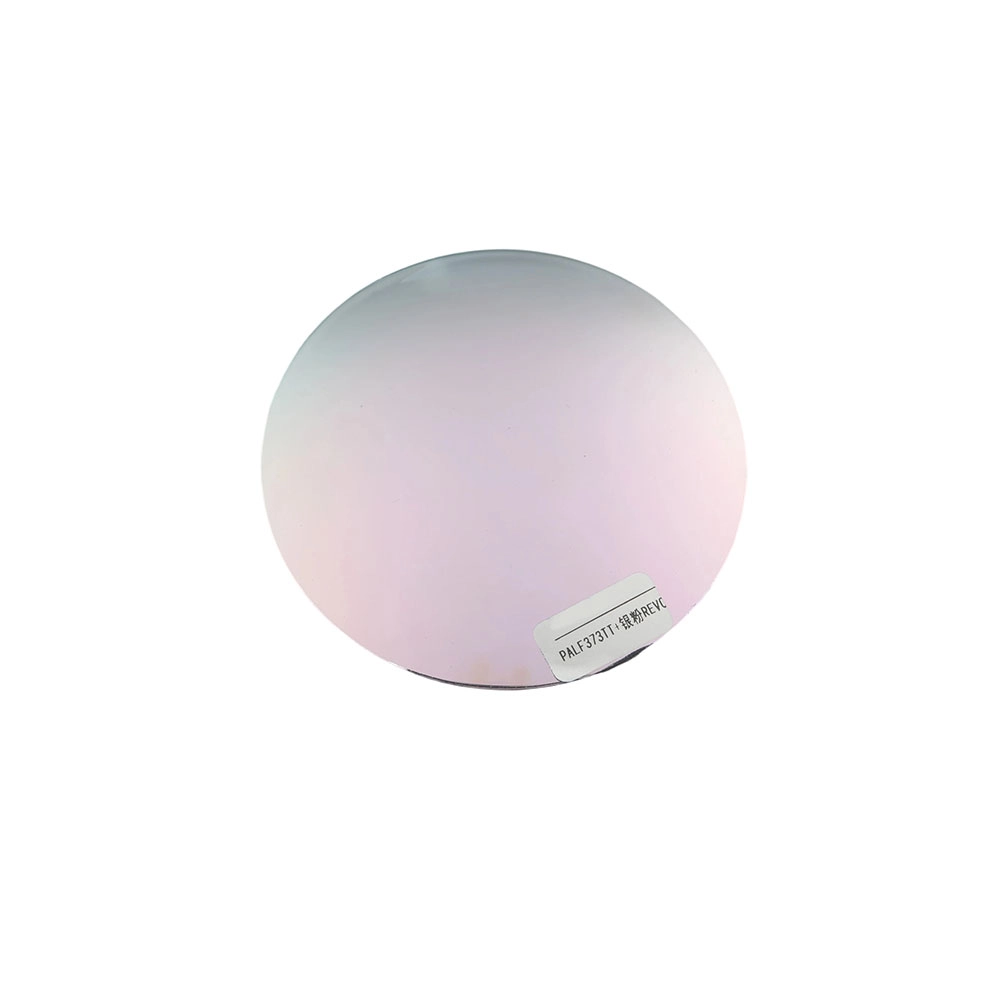
Dynamic Adaptation: Next-Gen Photochromic Lenses for Indoor & Outdoor Use
As premier eyeglass lenses manufacturers, Karuson crafts high-performance PC polarized coated lenses that seamlessly integrate lightweight, impact-resistant polycarbonate with advanced optical film technology. These lenses are engineered to achieve superior glare reduction and enhanced visual definition while offering a spectrum of stylish, customizable tints. Optimized for professional driving, outdoor sports, and urban lifestyles, our manufacturing process ensures that harmful reflections from water, roads, and snow are effectively filtered out. The result is a durable, fashion-forward visual solution that perfectly balances essential eye protection with high-end aesthetic appeal—making them the ideal choice for brands seeking to merge practicality with a modern fashion statement.
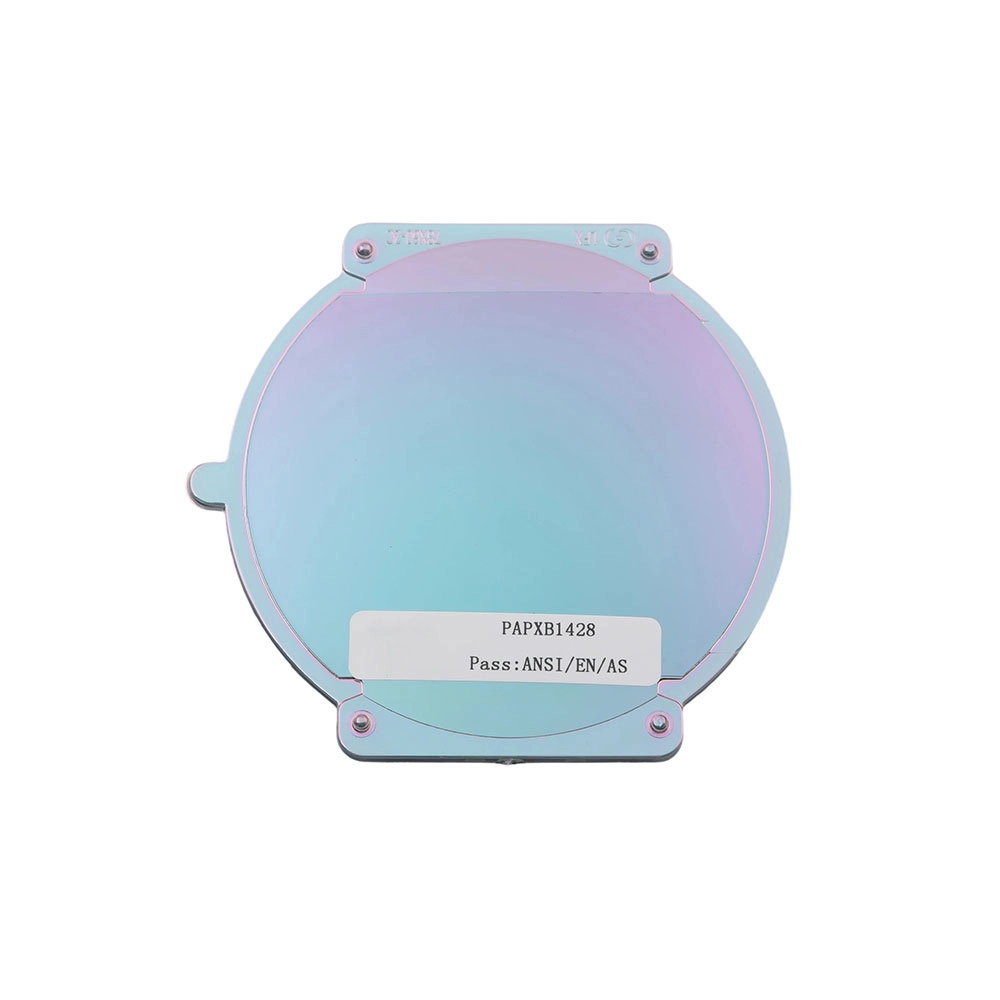
Innovative Lens Technologies: Setting Your Brand Apart in a Competitive Market
Setting a new standard in high-end lenses manufacturing, Karuson’s flagship-grade Polyamide (PA) Nylon polarized lenses seamlessly combine ultra-lightweight material with exceptional, high-toughness durability. By integrating precision polarizing technology, we have created a high-definition visual solution that excels in clarity and comfort for professional driving, outdoor adventures, and competitive sports. This innovation does more than meet expectations—it redefines the performance benchmark for professional polarized optics in the global market.
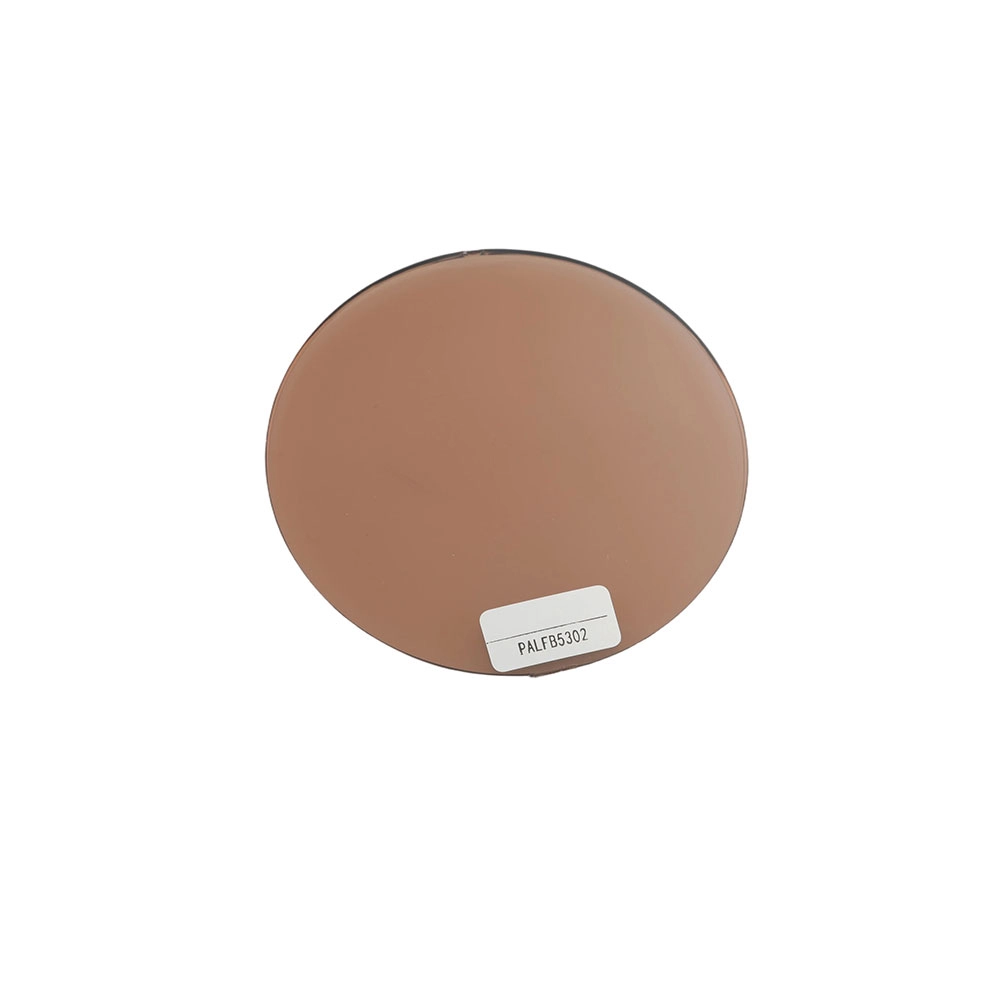
Why Quality Lenses are the Core of Your Eyewear Brand’s Reputation
As a premier high-definition glasses lenses manufacturer, Karuson crafts high-quality Polyamide (PA) Nylon Tinted Lenses that represent the perfect synergy of ultra-lightweight performance and high-toughness durability. By integrating professional-grade tinting technology with advanced material science, we offer a lens solution that delivers exceptional optical clarity alongside vibrant, fashionable color expression. Designed for both daily commutes and trendy lifestyle matching, these lenses provide a comfortable and aesthetic visual experience, serving as a high-performance fashion accessory for the modern, style-conscious consumer.
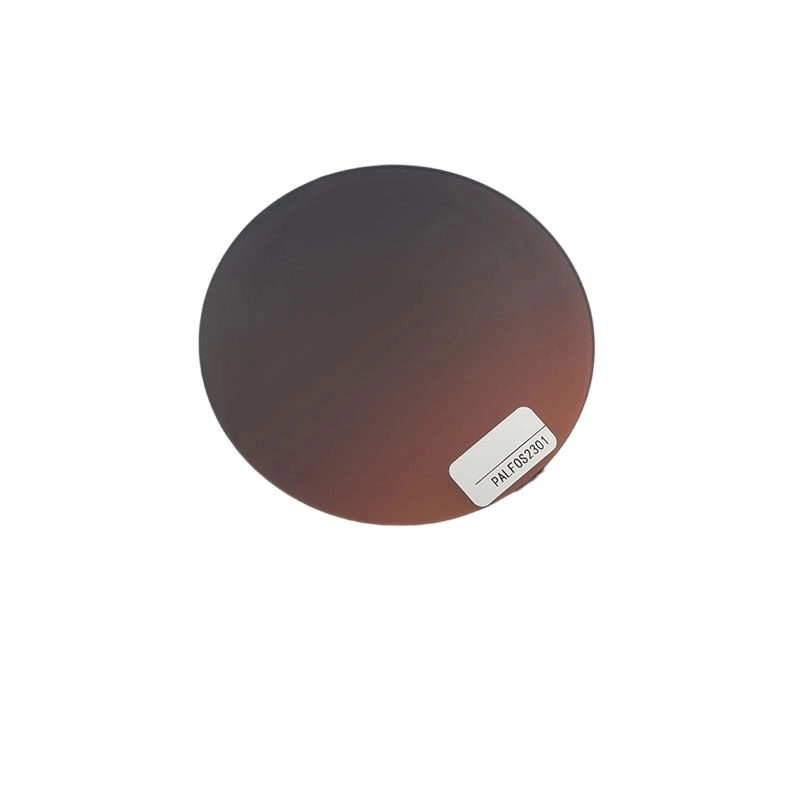
Advanced Sunglasses Solutions: Polarized Lenses with Anti-Seawater Coating
As a versatile photochromic lenses manufacturer and high-performance optics expert, Karuson crafts high-quality Polycarbonate (PC) Gradient Tinted Lenses that perfectly balance aesthetics with advanced protection. By fusing the ultra-lightweight and impact-resistant properties of PC material with precision gradient tinting technology, we deliver a durable visual solution that enhances clarity and comfort for urban lifestyles and outdoor sports. These lenses not only optimize visibility across varying light conditions by reducing glare but also offer a sleek, customizable design—allowing global brands to blend practical eye protection with a modern, fashion-forward accessory.
Get in touch with us
If you have any comments or good suggestions, please leave us a message; later our professional staff will contact you as soon as possible.
NEW DIMENSIONS IN EYEWEAR
Contact KARUSON
Email:
WhatsApp/Phone:
Address:
331 Section B, WanJia Creative Park , No. 1 BUXIA Road ,Tianhe District, Guangzhou City, Guangdong Province, China.

© 2026 KARUSON. All Rights Reserved.
Facebook
Instagram
YouTube
TikTok
Linkedin