


Which materials are best for lenses manufacturing?
- 1) For high prescriptions (> ±6.00D) in volume orders, which lens materials and blank strategies actually minimize edge thickness, peripheral aberrations and production rejection rates?
- 2) How do different lens substrates affect AR/anti-reflective coating adhesion and long-term durability in humid or coastal conditions, and what production tests should I require?
- 3) What are the realistic per-unit cost drivers and MOQ tradeoffs for progressive multifocal lenses across CR-39, polycarbonate, Trivex and high-index materials in a factory quote?
- 4) Which lens blank and semi-finished workflow shortens turnaround for customized prescriptions while preserving optical accuracy and traceability?
- 5) Which tests and certifications must I request from an eyewear factory to be confident about safety and compliance for sports or industrial safety lenses?
- 6) What precise manufacturing steps, tooling and tolerances should I require to reduce rimless frame failures and micro-cracking during drilling/edge finishing?
- Concluding summary: Advantages of partnering with a professional eyewear factory
Eyewear Factory: Practical Answers on Which Materials Are Best for Lenses Manufacturing
When sourcing prescription or sunglass lenses from an eyewear factory, beginners face targeted production and material questions that general guides don’t address. Below are six specific buyer questions (long-tail, pain-point focused) with operationally actionable, industry-grade answers that reference common material properties, production workflows, and quality checks. Semantic manufacturing and optical terms such as lens blanks, freeform surfacing, anti-reflective coating, edging and drilling, and quality control are used naturally throughout.
1) For high prescriptions (> ±6.00D) in volume orders, which lens materials and blank strategies actually minimize edge thickness, peripheral aberrations and production rejection rates?
Short answer: high-index resin blanks (1.67 or 1.74) with aspheric/freeform surfacing usually give the best balance of edge thickness and optical appearance, but Trivex and specially optimized 1.6 index options are better where impact resistance and lower chromatic aberration matter.
Detail and decision checklist for buyers:
- Refractive index tradeoffs: CR-39 ~1.498 (lowest index, thickest edges for high Rx), polycarbonate ~1.586 (thinner and impact-resistant), Trivex ~1.53 (good toughness, decent optics), high-index 1.60–1.74 (thinnest at high Rx). Typical Abbe values: CR-39 ~58 (best dispersion), polycarbonate ~30 (more chromatic blur), Trivex ~43 (good compromise), hi-index 1.67 ~32 and 1.74 ~30 (more chromatic dispersion). Use these numbers to anticipate visual complaints.
- Blank selection and cutting waste: For high minus powers, choose larger-diameter high-index blanks so the edged lens meets frame eye-size without excessive beveling. Pre-verify blank diameter vs frame A/B/E measurements to avoid needing a thicker blank or reblocking (common rejection cause).
- Aspheric/freeform surfacing: Freeform surfacing (CNC generator + deterministic polishing) can dramatically reduce lens center thickness and peripheral aberrations. For heavy prescriptions it reduces oblique astigmatism vs traditional spherical surfaces. Insist factory provides power maps (wavefront or power distribution) for progressive or high-Rx lenses.
- Yield reduction tactics: Specify target edge thickness and request factory keepout areas for drilling/slotting early. Ask the factory to run a pre-production sample set for the three most common frame shapes you sell to validate edging fit and rejection rates before authorizing a full run.
- When to pick Trivex or polycarbonate instead: If impact resistance is critical (children’s, sports, safety eyewear) or rimless drilling is frequent, prefer Trivex or polycarbonate even if a little thicker. Their toughness reduces microcrack rejections during processing.
2) How do different lens substrates affect AR/anti-reflective coating adhesion and long-term durability in humid or coastal conditions, and what production tests should I require?
Short answer: substrate surface chemistry and pre-treatment determine AR adhesion. Polycarbonate and high-index resins often need optimized hard-coat pretreatment and plasma cleaning prior to vacuum-deposited AR to avoid delamination in humidity.
Production controls and buyer checklist:
- Why adhesion differs: Substrates with lower surface energy or with surface oxygen variations (common on molded polycarbonate and some high-index materials) will not bond as well to hard coats and subsequent AR layers unless properly pre-treated (flame or plasma activation, primer layer, or optimized hard-coat chemistry).
- Recommended coating stack: hard coat (scratch-resistant polymer) → tie layer / primer → multi-layer AR (PVD/ion-assisted deposition). For high-humidity environments, ask for ion-assisted deposition (IAD) or similar densified AR processes that improve environmental robustness.
- Tests to request from the factory: adhesion (cross-cut/tape test with photographic results), humidity cycling (documented chamber cycles), salt fog if coastal exposure is expected, and Taber abrasion tests for scratch resistance. Also ask for AR spectral transmission curves to verify anti-reflective performance across visible wavelengths.
- Sample validation: before a full order, request coated sample lenses from the same lot and run a two-week accelerated soak/humidity and thermal cycling on a subset to confirm no edge lift or delamination.
3) What are the realistic per-unit cost drivers and MOQ tradeoffs for progressive multifocal lenses across CR-39, polycarbonate, Trivex and high-index materials in a factory quote?
Short answer: the main cost drivers are blank type (semi-finished vs finished), surfacing complexity (freeform progressive vs standard), coatings (AR, hydrophobic, oleophobic), and MOQ-related set-up overhead. Expect higher margins on progressive freeform and hi-index blanks; MOQ often decreases per-unit price but increases start-up capital.
How to interpret quotes and lower total landed cost:
- Blank inventory cost: Semi-finished blanks (uncut back side) are cheaper but require additional surfacing time. Finished rounds or digital uncut stock optimized for freeform reduce machining time and scrap—more cost-effective at higher volumes.
- Surfacing time and machine cycles: Freeform progressive lenses take more CNC time and require precise blocking and verification, increasing per-unit labor and machine amortization cost compared to standard single vision. Ask for machine cycle times and estimate hourly surfacing throughput to validate quoted labor charges.
- Coatings and add-on features: Multi-layer AR and High Quality hard coats add measurable cost. Some factories bundle coatings; others price per layer. Compare lifetime warranty offers—sometimes a longer warranty reflects higher initial coating quality and lower total cost of ownership.
- MOQ and mold/tooling: For frame production or custom pantoscopic treatments, tooling and jigs can create high fixed costs. Negotiate staged MOQs (pilot run, then full run) and examine unit price breaks at MOQ thresholds. Ask whether the factory holds blank stock for you (consignment) to reduce lead times at small MOQ.
- Practical example: progressive freeform on a 1.67 blank with High Quality AR will typically cost multiple times a basic CR-39 single-vision lens when ordered under small batches. For accurate figures, get itemized quotes separating blanks, surfacing, AR, QC/measurement, and packaging.
4) Which lens blank and semi-finished workflow shortens turnaround for customized prescriptions while preserving optical accuracy and traceability?
Short answer: use standardized semi-finished freeform-ready blanks, paired with a digital order-to-surface workflow and inline measurement reporting. That minimizes blocking/rework and shortens end-to-end lead time.
Operational steps a buyer should require:
- Standardize blanks: Ask the factory to hold a set of commonly used diameters and index grades for your SKU families. Freeform-ready semi-finished blanks cut surfacing time and reduce handling compared to raw cast blocks.
- Digital job ticketing and traceability: Require factory to accept EDI/CSV prescription files (or integrated B2B portal) that feed directly to CNC surfacing machines. This removes manual transcription errors and accelerates throughput. Ensure each finished lens has a traceable lot number and production log (blocking ID, operator, machine, measurement report).
- Inline measurement and pass/fail criteria: Insist on a complete digital verification sheet for each batch: sphere/cylinder/power check, centration/PD verification, surface figure maps if freeform, and coating adhesion result. Having these reports reduces returns and allows quick troubleshooting if a customer complains.
- Lean setup: For small-batch customized orders, negotiate a rapid-turn pilot lane where setup is minimized using pre-blocked blanks and preloaded AR recipes so that the factory can surface, coat, and QC within compressed lead times without sacrificing accuracy.
5) Which tests and certifications must I request from an eyewear factory to be confident about safety and compliance for sports or industrial safety lenses?
Short answer: request documented impact resistance testing, UV/transmittance reports, and conformity certificates relevant to your target market (ANSI Z87.1 for US safety glasses, EN 166 for EU; CE marking and ISO 9001 for quality management are commonly requested). For sunglasses, ask for EN ISO 12312-1 or equivalent UV/visible transmission reports.
Checklist for buyer verification:
- Impact resistance: Request the factory’s accredited test reports for drop ball or high-mass impact per the standard you need (e.g., ANSI Z87.1 high impact tests or EN 166). Ask for the test lab name and accreditation number to verify authenticity.
- Optical power and plano accuracy: Require measurement certificates from a calibrated lensometer or wavefront mapper showing final sphere/cylinder, prism, and centration. The measurement instrument calibration record should be available on request.
- UV and visible transmission: For sunglasses or outdoor safety lenses, request spectral transmittance graphs covering 280–780 nm and confirmation of UV400 or specified UV cut levels.
- Material traceability and RoHS/REACH: If selling in regulated markets, request declaration of materials and any hazardous substance compliance documents (REACH, RoHS where applicable).
- Quality systems: Ask for ISO 9001 and factory internal QC flow charts—these are signal indicators of systematic production control, though not a replacement for product-level testing.
6) What precise manufacturing steps, tooling and tolerances should I require to reduce rimless frame failures and micro-cracking during drilling/edge finishing?
Short answer: choose tougher materials (Trivex or polycarbonate over CR-39 for rimless), specify low-heat drilling methods, require pre-drilling annealing or stress-relief processes, and demand documented drilling parameters and inspection sample photos.
Practical actions and specs to negotiate:
- Material selection for rimless: Trivex is often recommended for rimless because it combines low density, good optics, and superior fracture toughness vs CR-39. Polycarbonate is also tough but has lower Abbe, which can matter for large lenses.
- Drilling tooling and method: Use CNC drilling with sharp carbide or diamond tooling, and prefer peck-drilling to reduce heat buildup. Some factories employ ultrasonic drilling for brittle glass; for plastics, controlled-speed CNC is the norm. Request the factory’s spindle speed, feed rate, and coolant usage as part of your technical acceptance.
- Stress-relief and pre-conditioning: Ask whether the factory uses annealing or controlled temper cycles for cast CR-39 blanks prior to heavy machining. This reduces trapped stresses that later manifest as microcracks during drilling or edging.
- Edge finishing and polishing: Specify edge radii and surface finish requirements. A slightly larger edge radius reduces stress concentration adjacent to drill holes. Require photographic samples of finished edges at your target specs before production runs.
- Inspection tolerances and sampling: Define acceptable micro-crack criteria (visual and under magnification) and sample rates (e.g., 100% visual inspection at the start of a run, then statistical sampling). Include rework vs scrap rules in the agreement to avoid downstream surprises.
Concluding summary: Advantages of partnering with a professional eyewear factory
Working with a knowledgeable eyewear factory that understands lens blanks, freeform surfacing, coating stacks and frame production delivers tangible advantages: optimized material selection for your end-use (children, sports, fashion, high Rx), reduced rejection and rework through verified drilling/edging processes, traceable quality control and test reports, faster turnaround using standardized digital workflows, and clearer cost breakdowns enabling better pricing and MOQ planning. Reputable factories offer sample validation, documented adhesion and impact testing, and transparent per-unit cost drivers so you can scale confidently.
If you’d like a customized quote, production checklist or factory audit guide, contact us at www.karusonco.com or nicole@karusonco.com — we’ll provide a tailored quote and sample plan for your eyewear project.
Why Sourcing from a China Eyewear Factory is the Strategic Choice for Global Brands
OEM vs. ODM: Which Partnership Model is Best for Your Eyewear Business?
2026 Eyewear Trend Forecast: Colors, Shapes, and Textures to Watch
About Products
What is the MOQ?
Usually ≥100, depending on the model.
Do you offer samples?
Yes, paid samples or refundable samples are available.
Do you support OEM/ODM?
Yes, our R&D and design teams support full customization.
How do you ensure product quality?
Full QC process, factory testing, and international certifications.
About OEM&ODM
What is your production lead time?
Mass production generally takes 30–45 days after sample approval.
You May Also Like
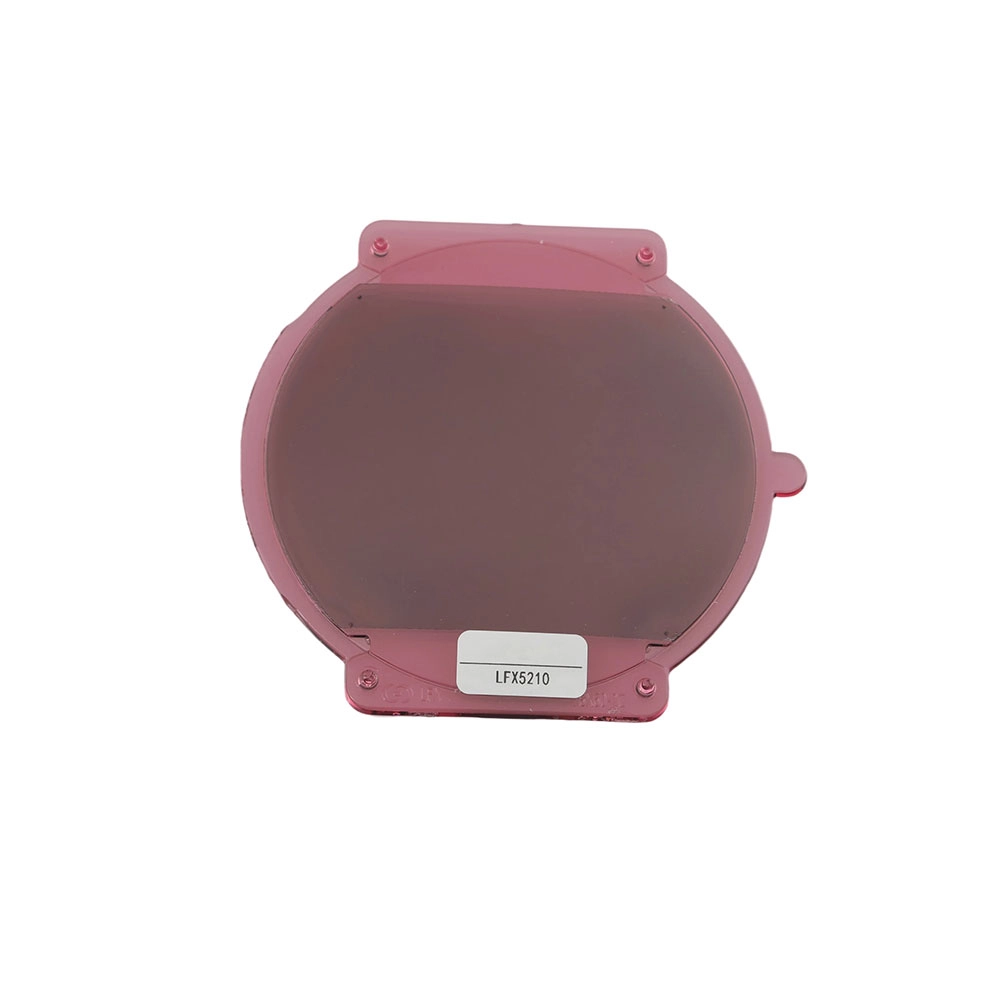
Upgrade Your Collection with Premium Lens Coatings & Finishes
As a leading lenses manufacturer, Karuson sets a new industry standard with our flagship-grade Polyamide (PA) Nylon polarized lenses. By seamlessly merging ultra-lightweight, high-toughness materials with precision polarizing technology, we deliver a high-definition visual solution that excels in durability and comfort. Optimized for high-intensity outdoor activities, professional driving, and competitive sports scenarios, these lenses redefine the performance benchmark for polarized optics, providing global brands with a truly elite-level product.
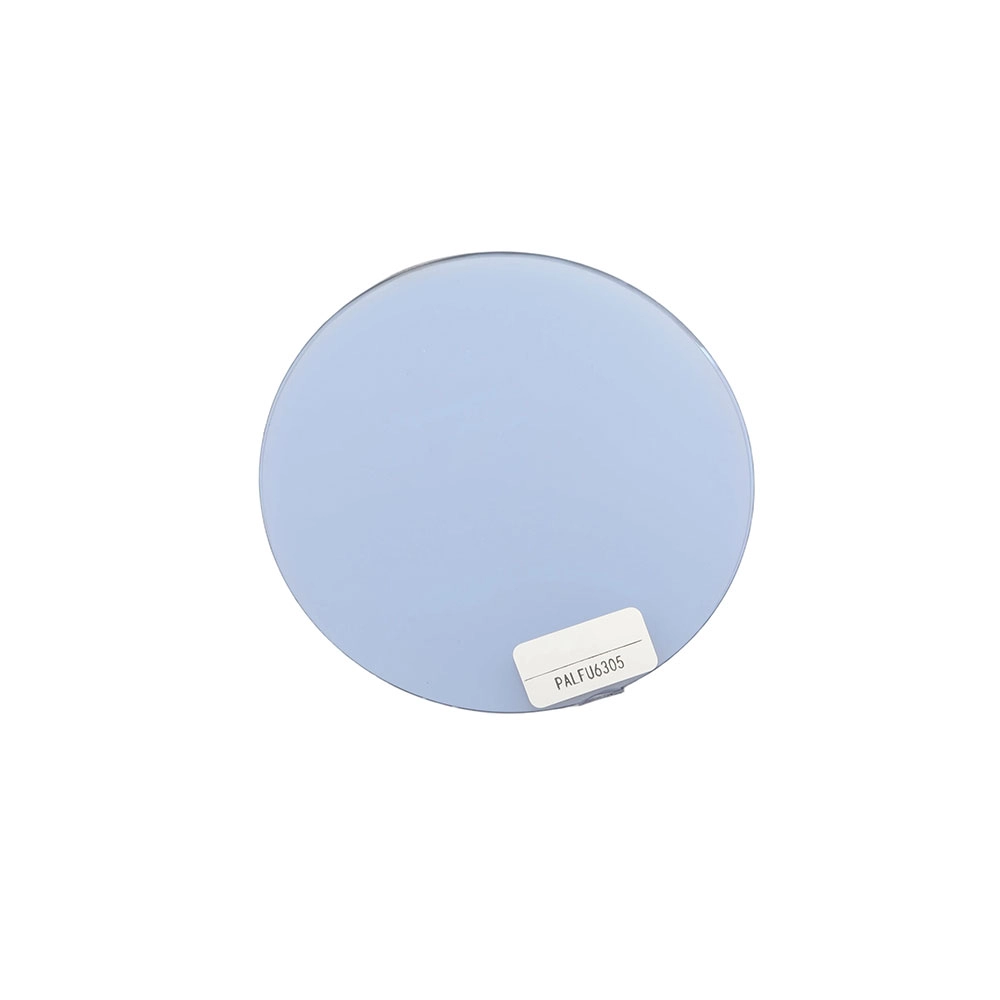
The Digital Shield: Blue Light Blocking Lenses for the Modern Professional
As leading eyeglass lens manufacturers, Karuson leverages advanced material science to produce PC lenses that are 37% lighter than conventional resin, providing a significant reduction in nasal bridge pressure for prolonged, comfortable wear. These high-performance lenses offer 100% UV protection and superior impact resistance, ensuring maximum ocular safety. By utilizing specialized dyeing techniques that infuse pigments directly into the material, we offer a versatile spectrum of vibrant color options—effectively minimizing glare while maintaining exceptional visual clarity for any environment.
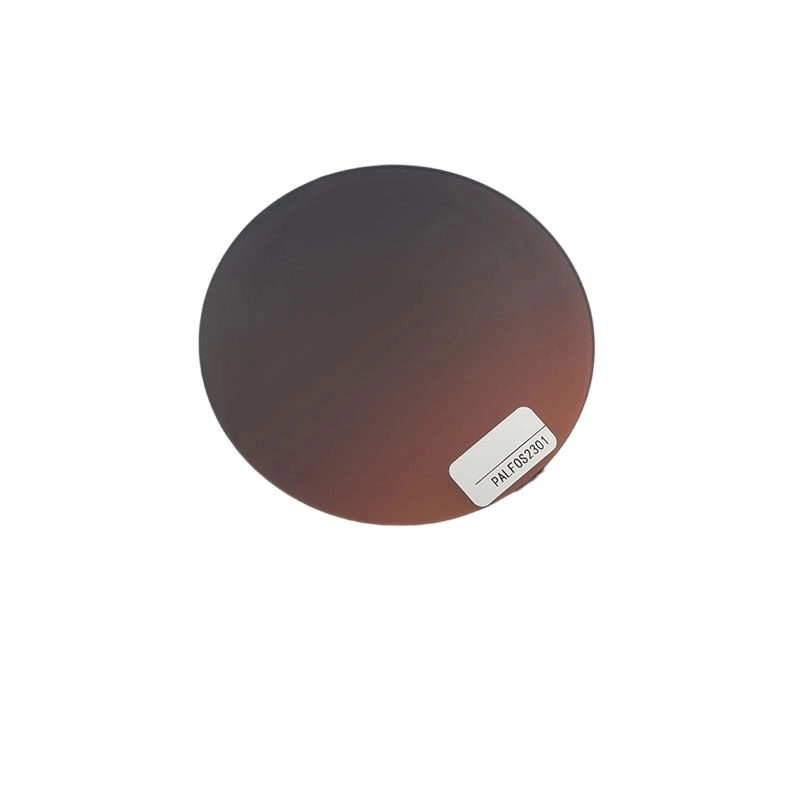
Advanced Sunglasses Solutions: Polarized Lenses with Anti-Seawater Coating
As a versatile photochromic lenses manufacturer and high-performance optics expert, Karuson crafts high-quality Polycarbonate (PC) Gradient Tinted Lenses that perfectly balance aesthetics with advanced protection. By fusing the ultra-lightweight and impact-resistant properties of PC material with precision gradient tinting technology, we deliver a durable visual solution that enhances clarity and comfort for urban lifestyles and outdoor sports. These lenses not only optimize visibility across varying light conditions by reducing glare but also offer a sleek, customizable design—allowing global brands to blend practical eye protection with a modern, fashion-forward accessory.
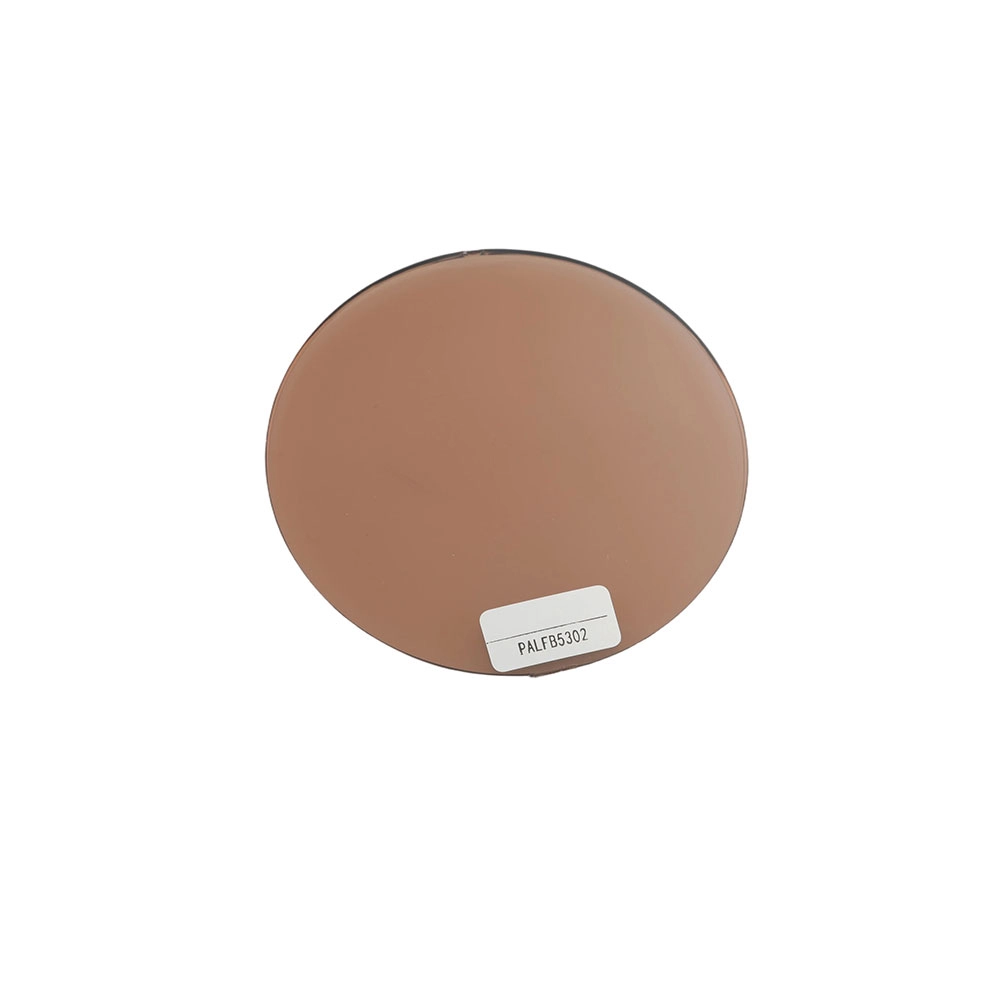
Why Quality Lenses are the Core of Your Eyewear Brand’s Reputation
As a premier high-definition glasses lenses manufacturer, Karuson crafts high-quality Polyamide (PA) Nylon Tinted Lenses that represent the perfect synergy of ultra-lightweight performance and high-toughness durability. By integrating professional-grade tinting technology with advanced material science, we offer a lens solution that delivers exceptional optical clarity alongside vibrant, fashionable color expression. Designed for both daily commutes and trendy lifestyle matching, these lenses provide a comfortable and aesthetic visual experience, serving as a high-performance fashion accessory for the modern, style-conscious consumer.
Get in touch with us
If you have any comments or good suggestions, please leave us a message; later our professional staff will contact you as soon as possible.
NEW DIMENSIONS IN EYEWEAR
Contact KARUSON
Email:
WhatsApp/Phone:
Address:
331 Section B, WanJia Creative Park , No. 1 BUXIA Road ,Tianhe District, Guangzhou City, Guangdong Province, China.

© 2026 KARUSON. All Rights Reserved.
Facebook
Instagram
YouTube
TikTok
Linkedin