


Which manufacturer makes the best lenses?
- 1. How can I verify an eyewear factory's in-house lens coating capabilities versus subcontracted coating lines?
- 2. What objective tests and tolerances should I require to validate progressive/freeform lens accuracy from a contract lens lab?
- 3. For low-volume bespoke orders (100–500 pairs), which lens manufacturers or factory setups offer true OEM freeform progressive production without excessive MOQs?
- 4. Which manufacturer makes the best lenses for high-index, thin profiles with durable AR coating for Asian facial fits?
- 5. How do I audit an eyewear factory's QC for coating adhesion, scratch resistance and batch traceability—what metrics and instruments should I ask for?
- 6. What contractual and certification proof (ISO, ANSI, CE, FDA) should I demand to ensure lenses meet medical device and export requirements?
- Concluding summary: advantages of partnering with an experienced, integrated eyewear factory
Eyewear Factory Guide: Which Manufacturer Makes Best Lenses
This guide answers six frequently asked, under-covered buyer questions about selecting and auditing an eyewear factory—covering lens surfacing, anti-reflective coatings, progressive/freeform accuracy, MOQs for bespoke runs, QC instrumentation, and regulatory proof. The content embeds practical factory-level checks for OEM/ODM spectacle lens production, frame molding, lens edging, coating lines, polarization and photochromic finishing, and traceability.
1. How can I verify an eyewear factory's in-house lens coating capabilities versus subcontracted coating lines?
Pain point: buyers discover inconsistent AR/anti-scratch performance because the maker outsources coatings unpredictably.
What to check on-site or in a virtual audit:
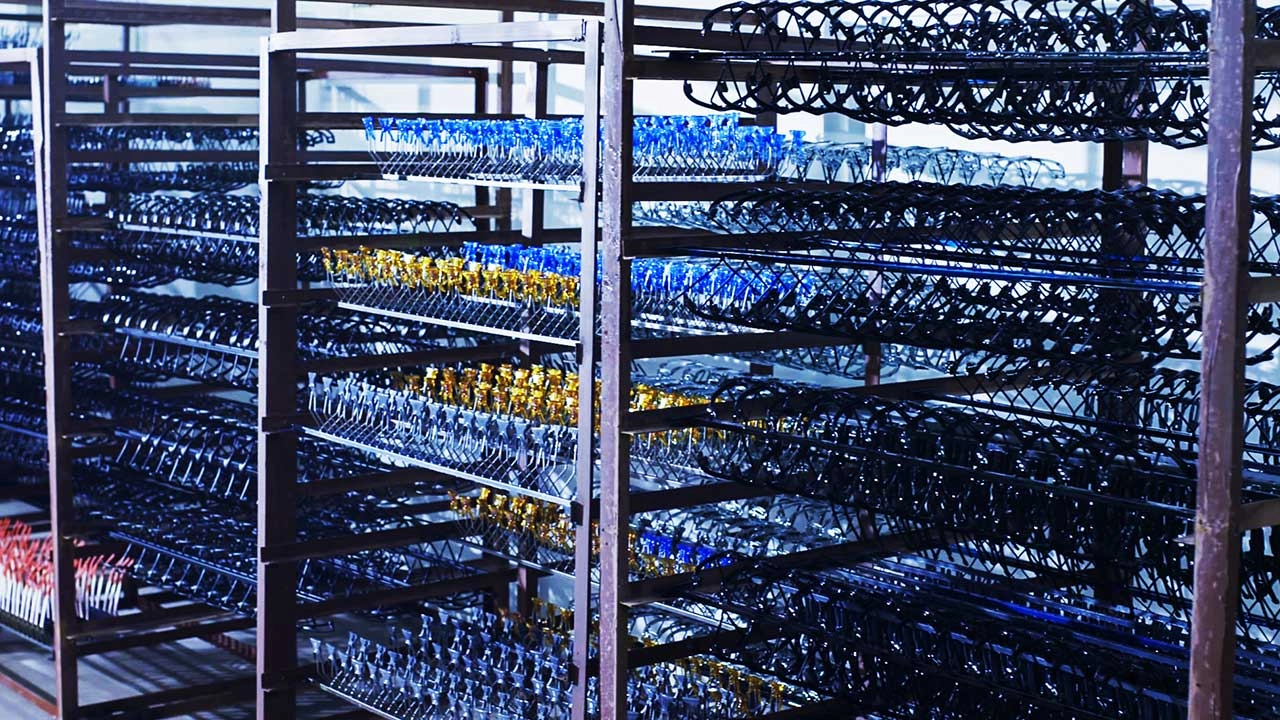
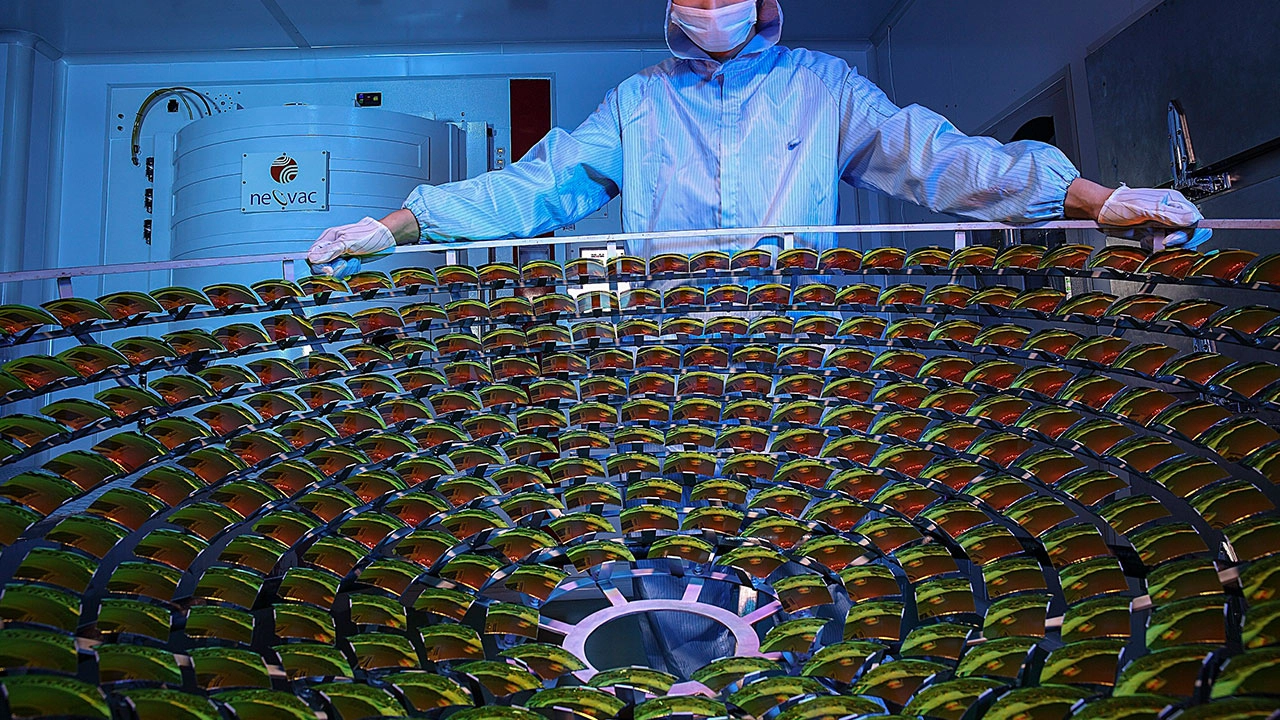
- Physical evidence: a dedicated coating hall with vacuum deposition chambers (PVD/ion-assisted), immersion hard-coating tanks, automated conveyor systems and clean zones. Ask for photos or a live video walkthrough of the coating room under production.
- Process documentation: request SOPs showing coating line flow—from substrate cleaning, primer/immersion hard coat, AR vacuum deposition, to hydrophobic/topcoat—and shift schedules. Look for inline drying and curing ovens and a segregated QC area where coated lenses are measured immediately after coating.
- Testing equipment: the factory should have a spectrophotometer for reflectance/transmittance curves, contact angle goniometer for hydrophobicity, adhesion/tape-test records, and abrasion testers (Taber or equivalent) with cycle records. If the factory lacks these, coatings are likely subcontracted or uncontrolled.
- Batch traceability: require lot numbers and coating batch IDs printed or laser-etched on the lens packaging, plus sample test reports for recent batches (within 90 days). If they can’t supply batch reports, assume weaker traceability.
- Third-party validation: insist on independent test reports (SGS/Intertek/Bureau Veritas) for AR abrasion and salt-fog durability. If the factory relies solely on in-house tests, ask to witness them or receive raw output files from the measuring instruments.
- Standards compliance: factory conformance statements to ISO 8980 (spectacle lens requirements) and ANSI Z80.1 where applicable. These define basic optical properties and tolerances for power and prism.
- Freeform production proof: request full freeform production reports showing the surface point cloud / digital surfacing file that produced the lens. This reveals whether the factory uses true freeform (digital form generation) or conventional progressive molds.
- Measurement data: demand per-lens measurement reports from an automated lens inspection system—power map (spherical/cylindrical/power distribution), astigmatism map and prismatic deviation. Acceptable visual criteria should be agreed in writing (for example, deviation maps showing no more than the ISO/ANSI allowed tolerances at key reference zones), and the supplier must provide the raw measurement files (CSV or PDF surface maps) for each production lot.
- Frame-fitting simulation: require virtual try-on / centration reports (e.g., pupillary distance, fitting height, pantoscopic tilt compensation) that match your frame geometries. A factory that can produce individualized progressive centration (custom inset and corridor placement) will share these files and proof-of-manufacture screenshots.
- Sample validation: always sign off on 3–5 pilot pairs for each progressive design, measured and documented. Only after you and your lab accept the measurement reports should you approve mass runs.
- Factory profile: target vertically integrated SMEs with in-house lens surfacing, edgers, coating lines and an OEM/ODM division. These suppliers usually accept smaller runs because they control all processes (molding, surfacing, coating, edging and assembly).
- Flexible tooling: freeform lens production minimizes mold tooling needs (one digital surfacing file replaces multiple molds). Factories with modern surfacing (CNC freeform generators) can produce different prescriptions without dedicated molds, allowing MOQs in the low hundreds.
- Service offering: find factories that advertise small-batch services, prototypes, and sample support. Ask for explicit MOQ policies per SKU—some can do 50–200 pairs for stock single-vision or basic AR-coated progressives; custom branded packaging or bespoke tints may raise the MOQ.
- Pricing negotiation: request a pilot fee that covers setup and measurement documentation, followed by per-unit pricing for the small run. Negotiate reduction of MOQ by accepting longer lead time or shared tooling across similar SKUs.
- Recommended partners: large lens houses (EssilorLuxottica, Zeiss, Hoya, Nikon, Rodenstock) typically sell through distributors and have higher MOQs for private-label runs; look instead for reputable specialized contract labs with freeform capacity in your target sourcing region. Ask the OEM for references and sample run reports.
- Essilor (now EssilorLuxottica): market leader for progressive design (Varilux) and well-known AR coatings (Crizal). Essilor has broad freeform offerings and often licenses photochromic technology. Their high-index 1.67 and 1.74 blanks and coating stacks are optimized for thinner profiles and glare reduction.
- Zeiss: strong in precision optics, High Quality AR coatings (DuraVision) and high-index blanks. Zeiss emphasizes individualized fitting systems and digital centration tools that improve comfort for low-bridge fits common in Asia.
- Hoya: known for high-index materials and high-quality coating systems (Super Hi-Vision EX3). Hoya invests in freeform surfacing and offers good options for thin profiles and robust coatings.
- Nikon Lenswear and Rodenstock: High Quality brands with strong optical heritage and tailored fitting software. Rodenstock often highlights individualized progressive corridors that can be optimized for facial anatomy and frame geometries.
- High-index choice: use 1.67 or 1.74 for high spherical powers to minimize edge thickness; for strong astigmatism, verify that the chosen index maintains good Abbe values acceptable for your customers.
- Edge polishing & beveling: ensure the factory performs digital lens edging with fine center-to-edge control for wrap and short-vertex distances typical of Asian frames.
- AR durability: require test certificates for abrasion resistance (Taber-style tests), humidity and salt-spray resistance for coating adhesion, and spectrophotometer transmittance curves. AR coatings should maintain low surface reflectance across visible wavelengths.
- Personalization: use individualized centration (inset, fitting height) to offset lower nose bridges and reduce peripheral aberrations. Factories with digital centration tools and the ability to produce individualized freeform surfacing will outperform generic lens blanks for Asian facial anatomy.
- Instruments and tests: spectrophotometer (reflectance/transmittance), Taber abrasion tester (or equivalent abrasion cycles), contact angle goniometer (hydrophobicity), adhesion tape test (standardized procedure), salt-fog chamber/humidity cabinet for environmental durability, and a lensometer/automated lens mapper for optical measurements.
- Acceptance criteria: ask the supplier to provide the test standards and pass/fail thresholds used in-house (e.g., maximum increase in reflected light after X abrasion cycles, minimum contact angle for hydrophobic coat). Request raw test logs and typical pass/fail rates.
- Traceability: the factory must mark finished goods with lot IDs or batch numbers (laser etching or batch labels) and maintain a traceability register linking raw material batches (blanks and coating materials), machine IDs, operator IDs, and QC reports for at least 12–24 months.
- Non-conformance handling: review their corrective action reports (CAPA) for past coating failures—what root causes were found, how many units were affected, and which preventive actions were implemented.
- Third-party auditability: require suppliers to allow third-party testing (SGS/Intertek) on retained samples. Where possible, include a clause in the contract for independent verification when field failures exceed an agreed threshold.
- Quality management: ISO 9001 certification for general quality management is standard. For medical-device-level production (some jurisdictions treat ophthalmic lenses as medical devices), ISO 13485 may apply—ask whether lenses intended as medical devices are manufactured under an ISO 13485 system.
- Product standards: compliance statements or test reports referencing ISO 8980 (spectacle lens optical properties) and, if exporting to the U.S., ANSI Z80.1 for lens tolerances and labeling. For coating materials and frame plastics, chemical compliance reports (RoHS, REACH) are commonly requested in EU exports.
- CE marking: for Europe, confirm the factory can provide CE documentation for finished products when applicable—this is typically done by the brand/authorized representative, but the factory must supply the technical dossier and test reports used for CE assessment.
- FDA considerations: if selling in the U.S., most spectacle lenses are non-prescription optical goods; however, certain therapeutic lenses or spectacle lenses classified as medical devices need FDA registration/clearance. Ask your regulatory consultant for classification and request the factory’s willingness to supply necessary technical documentation, biocompatibility reports and test certificates.
- Material safety & testing: request MSDS for plastics, coatings, and adhesives; biocompatibility or skin-contact reports for nose pads and temple tips if marketed as hypoallergenic; and photobiological safety reports for blue-light or filtering coatings where claimed.
Red flags: intermittent access to coating lines, inconsistent sample appearance, missing spectrophotometer curves, or reliance on external vendors without formal supplier agreements and traceability. For reliable AR and scratch resistance, prioritize factories with integrated coating lines and documented QC gates.
2. What objective tests and tolerances should I require to validate progressive/freeform lens accuracy from a contract lens lab?
Pain point: progressive lenses arrive with unexpected swim, poor near zone, or off-centre optical zones that cause returns.
Minimum deliverables and checks to require before mass production:
Note: many disputes arise because buyers assume “progressive” equals High Quality freeform. Ask explicitly whether the factory uses freeform blank surfacing or fixed progressive molds. Freeform customization requires in-house CNC surfacing, computer-controlled polishing, and automated inspection; if absent, progressive performance will be limited.
3. For low-volume bespoke orders (100–500 pairs), which lens manufacturers or factory setups offer true OEM freeform progressive production without excessive MOQs?
Pain point: designers and small brands face high minimum order quantities from large lens manufacturers or long lead times when factories only accept big orders.
What to look for and how to negotiate low-volume OEM/ODM production:
Bottom line: true freeform enables low-MOQ customization, but you must select a factory that advertises and documents freeform surfacing, inline QC and small-batch pilot programs. If KARUSON needs private-label progressives with customized surfacing and AR, insist on a pilot approval phase with full measurement files.
4. Which manufacturer makes the best lenses for high-index, thin profiles with durable AR coating for Asian facial fits?
Pain point: consumers with high prescriptions want thin, lightweight lenses that fit lower-bridge Asian facial geometries while keeping AR coatings durable under heavy wear.
Short answer: there is no single universal “best.” Choice depends on prescription range, desired index, coating technology and personalization. However, several manufacturers are recognized for strengths in this category:
How to choose for Asian fits specifically:
Recommendation: evaluate samples from Essilor, Zeiss and Hoya side-by-side for your specific prescription ranges and frame families. Have the vendor submit per-sample measurement reports (power maps and spectrophotometer AR curves) and field-test samples with end users to confirm wearer comfort and perceived clarity.
5. How do I audit an eyewear factory's QC for coating adhesion, scratch resistance and batch traceability—what metrics and instruments should I ask for?
Pain point: returned goods because coatings delaminate, scratch easily, or the supplier can’t identify affected batches.
QC checklist and instruments to request or verify during audit:
Practical note: insist on physical retention samples per lot (10–20 lenses retained for 6–12 months) so you or a third party can retest if a customer complaint arises. That single habit reduces disputes and speeds corrective action dramatically.
6. What contractual and certification proof (ISO, ANSI, CE, FDA) should I demand to ensure lenses meet medical device and export requirements?
Pain point: buyers export to multiple markets and must ensure lenses and frames meet local regulatory and safety standards.
Certifications and documentation to collect:
Contractually: include quality clauses that require factories to produce certified copies of ISO and third-party test reports on demand, maintain traceability for 24 months, and accept independent testing if claims are disputed. Specify warranty and liability terms for defects related to optical performance or coatings.
Concluding summary: advantages of partnering with an experienced, integrated eyewear factory
Choosing an integrated eyewear factory with surfacing, edging, coating and assembly under one roof delivers measurable advantages: consistent AR and scratch performance from controlled coating lines; true freeform progressive production without intermediary steps; lower risk through batch traceability and retained samples; flexible MOQs for small-batch OEM/ODM work; and easier regulatory compliance because the supplier can provide standards-aligned test reports (ISO 8980, ANSI where applicable) and third-party certificates. For specific needs—high-index thin lenses, robust coatings, or tailored centration for Asian facial fits—prioritize suppliers that share per-lens measurement files, spectrophotometer AR curves and pilot-run sign-off samples.
If you’d like a supplier audit, pilot production or a customized quote, contact us for a detailed proposal and sample program: www.karusonco.com or nicole@karusonco.com.
How to Choose the Best Material for Sports Sunglasses: TR90 vs. Carbon Fiber vs. Titanium
Why Sourcing from a China Eyewear Factory is the Strategic Choice for Global Brands
OEM vs. ODM: Which Partnership Model is Best for Your Eyewear Business?
2026 Eyewear Trend Forecast: Colors, Shapes, and Textures to Watch
About Products
Do you offer samples?
Yes, paid samples or refundable samples are available.
How do you ensure product quality?
Full QC process, factory testing, and international certifications.
What is the lead time?
Mass production takes [25-35]days; samples take [7-10] days.
What is the MOQ?
Usually ≥100, depending on the model.
About OEM&ODM
What is your production lead time?
Mass production generally takes 30–45 days after sample approval.
You May Also Like
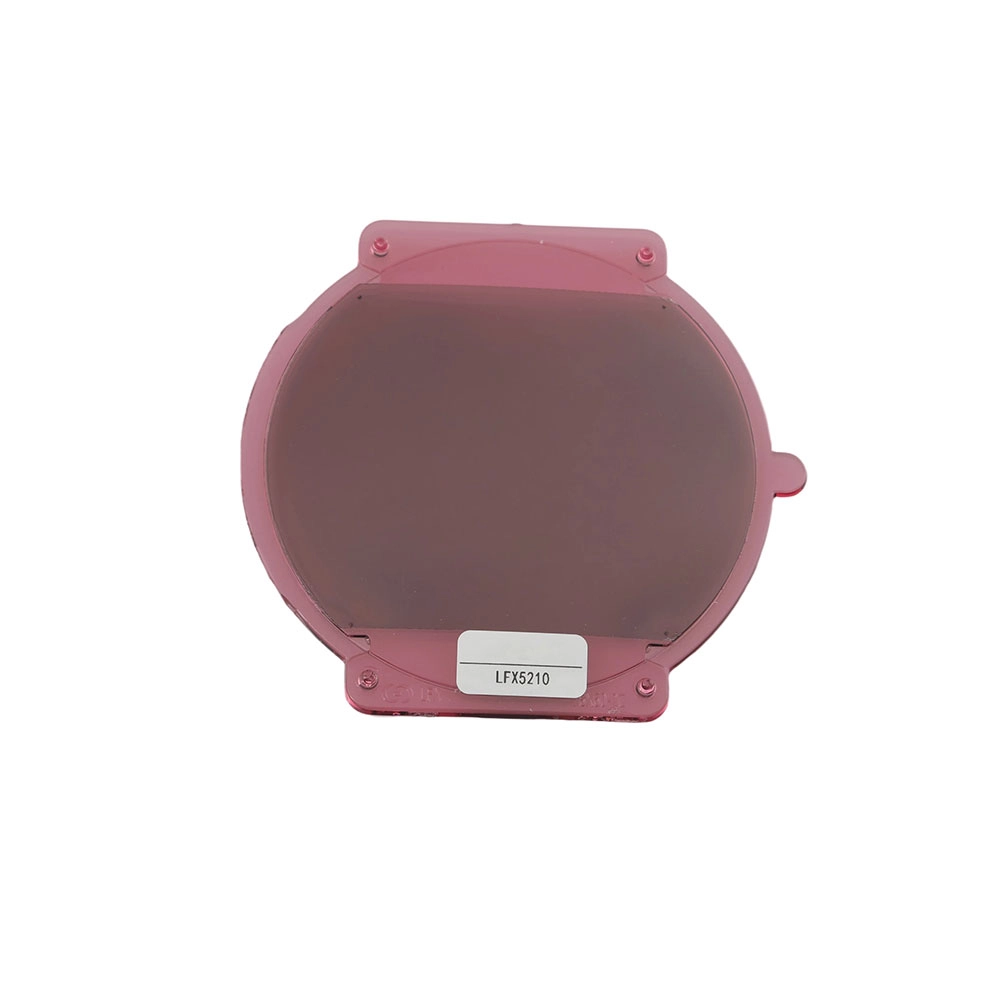
Upgrade Your Collection with Premium Lens Coatings & Finishes
As a leading lenses manufacturer, Karuson sets a new industry standard with our flagship-grade Polyamide (PA) Nylon polarized lenses. By seamlessly merging ultra-lightweight, high-toughness materials with precision polarizing technology, we deliver a high-definition visual solution that excels in durability and comfort. Optimized for high-intensity outdoor activities, professional driving, and competitive sports scenarios, these lenses redefine the performance benchmark for polarized optics, providing global brands with a truly elite-level product.
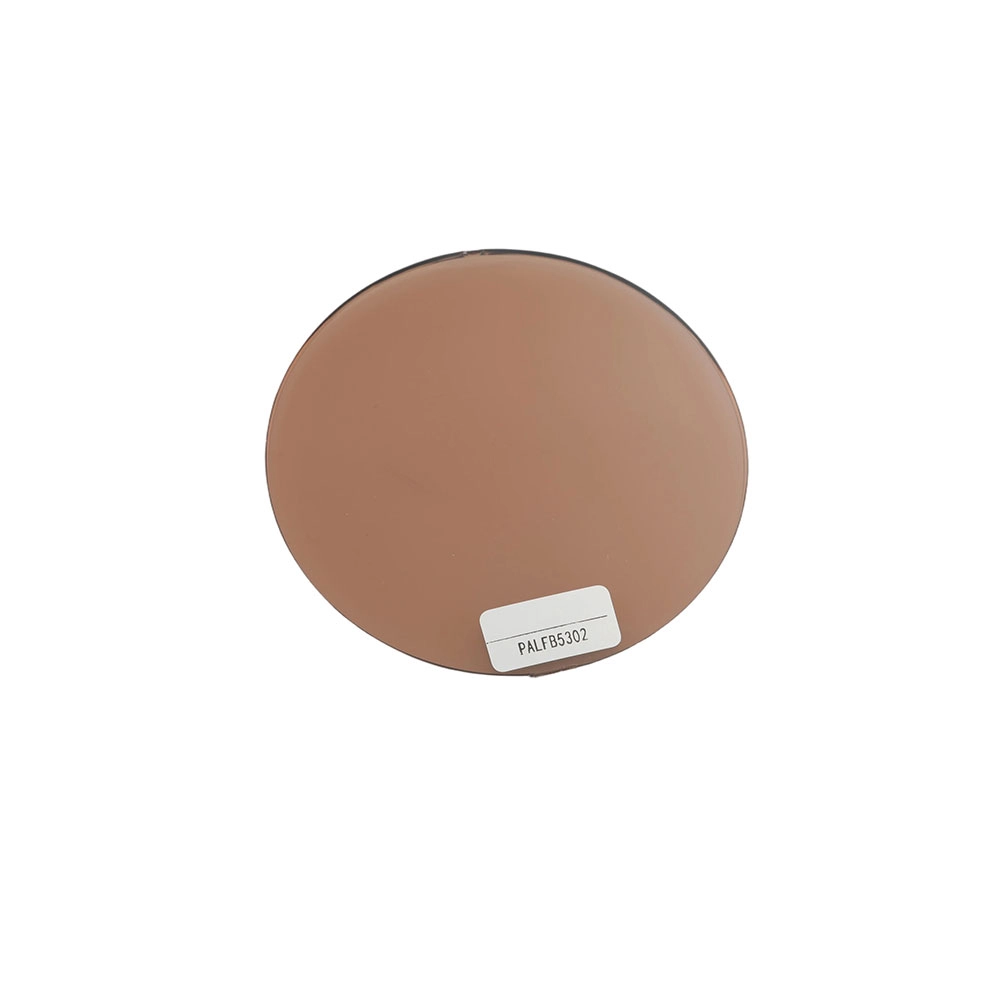
Why Quality Lenses are the Core of Your Eyewear Brand’s Reputation
As a premier high-definition glasses lenses manufacturer, Karuson crafts high-quality Polyamide (PA) Nylon Tinted Lenses that represent the perfect synergy of ultra-lightweight performance and high-toughness durability. By integrating professional-grade tinting technology with advanced material science, we offer a lens solution that delivers exceptional optical clarity alongside vibrant, fashionable color expression. Designed for both daily commutes and trendy lifestyle matching, these lenses provide a comfortable and aesthetic visual experience, serving as a high-performance fashion accessory for the modern, style-conscious consumer.
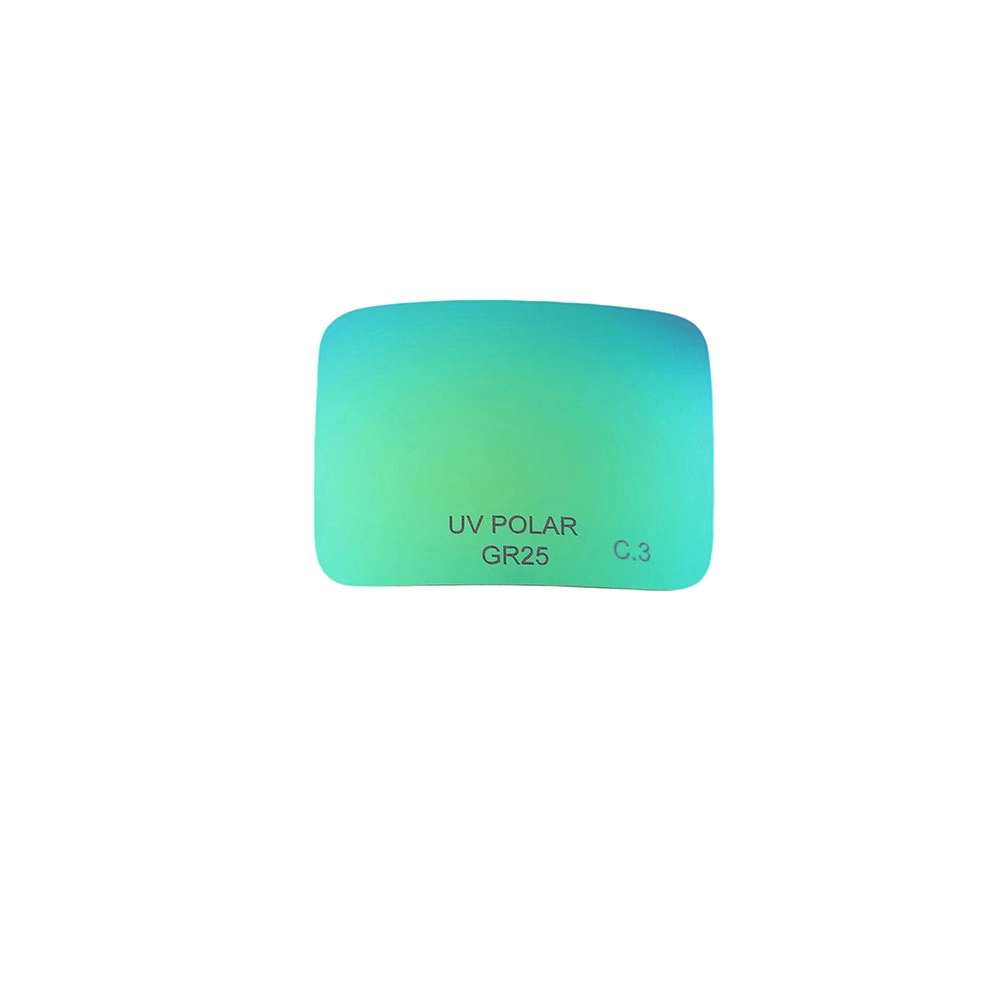
High-Definition Visual Clarity: Premium CR-39 & Polycarbonate Lenses
Experience the precision of a professional custom glasses lenses manufacturer. Karuson polarized lenses are engineered with a 99.9% high-polarization effect to provide unparalleled visual definition and glare reduction. By strategically absorbing reflected light through a high-stability PVA layer, our lenses are optimized for high-intensity outdoor environments, including maritime sailing, hunting, and alpine skiing. Furthermore, our specialized treatment ensures the lenses remain durable and distortion-free even in environments with high heat and humidity.
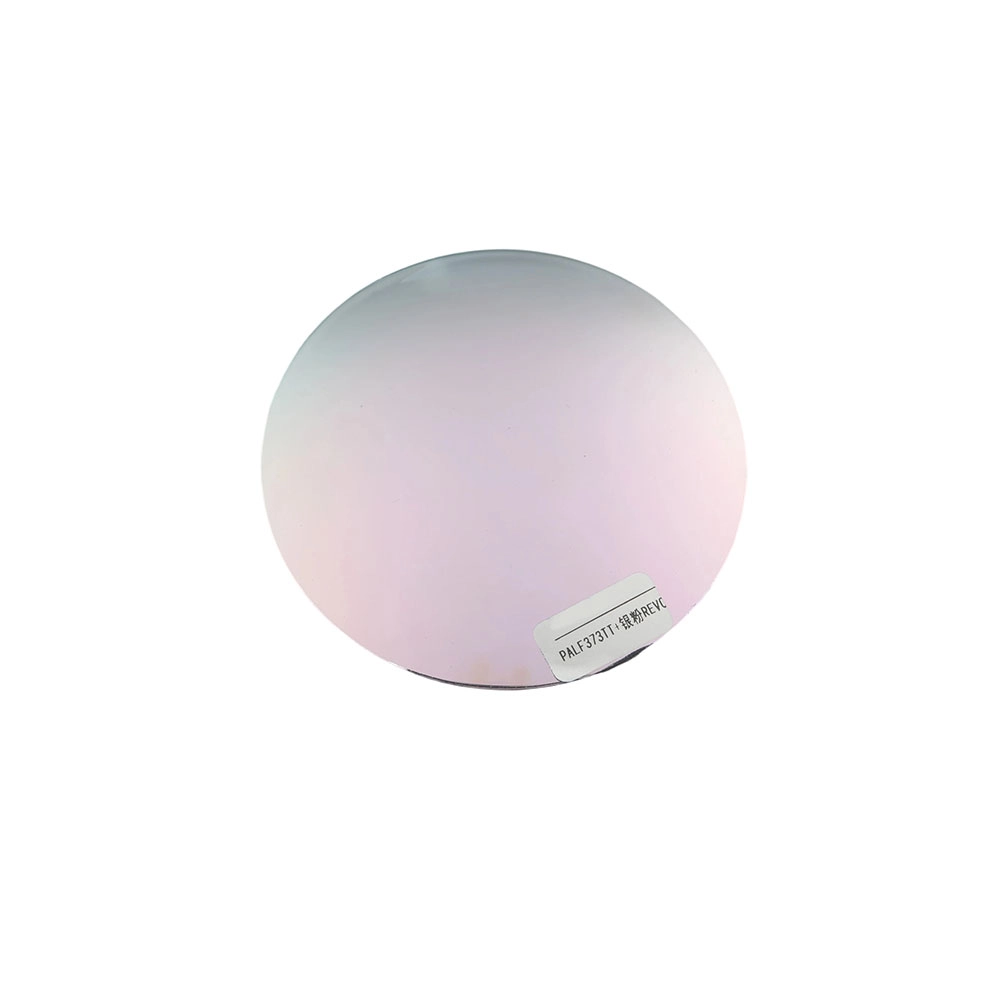
Dynamic Adaptation: Next-Gen Photochromic Lenses for Indoor & Outdoor Use
As premier eyeglass lenses manufacturers, Karuson crafts high-performance PC polarized coated lenses that seamlessly integrate lightweight, impact-resistant polycarbonate with advanced optical film technology. These lenses are engineered to achieve superior glare reduction and enhanced visual definition while offering a spectrum of stylish, customizable tints. Optimized for professional driving, outdoor sports, and urban lifestyles, our manufacturing process ensures that harmful reflections from water, roads, and snow are effectively filtered out. The result is a durable, fashion-forward visual solution that perfectly balances essential eye protection with high-end aesthetic appeal—making them the ideal choice for brands seeking to merge practicality with a modern fashion statement.
Get in touch with us
If you have any comments or good suggestions, please leave us a message; later our professional staff will contact you as soon as possible.
NEW DIMENSIONS IN EYEWEAR
Contact KARUSON
Email:
WhatsApp/Phone:
Address:
331 Section B, WanJia Creative Park , No. 1 BUXIA Road ,Tianhe District, Guangzhou City, Guangdong Province, China.

© 2026 KARUSON. All Rights Reserved.
Facebook
Instagram
YouTube
TikTok
Linkedin