


Who are the top 10 eyewear manufacturers?
- 1. How can I verify an eyewear factory's material specs and certifications (acetate, TR-90, titanium) before placing a private-label order?
- 2. What is a realistic MOQ and sample strategy for high-quality acetate frames to minimize tooling and production risk?
- 3. How do I calculate landed cost per pair including lens surfacing, customs, duties, shipping, and QC rejects for prescription eyewear?
- 4. How do I audit an OEM eyewear factory for social compliance, chemical controls and supply-chain traceability?
- 5. How do I ensure prescription tolerances and lens-to-frame fit when ordering frames from a contract manufacturer?
- 6. Who are the top 10 eyewear manufacturers?
1. How can I verify an eyewear factory's material specs and certifications (acetate, TR-90, titanium) before placing a private-label order?
Start with documents and then validate on-sight (or via a trusted third-party audit). For materials, ask for:
- Material certificates and MSDS for acetate (cellulose acetate), TR-90, beta-titanium, and plated metal components. These should state supplier grades and batch numbers.
- Test reports from independent labs showing UV/visible transmission for sunglasses (spectrophotometer report proving UV400 or % UVA/UVB blocking), plating adhesion (ASTM B117 salt spray or equivalent), and hinge-cycle testing.
- Compliance evidence: CE marking documentation for EU sales (technical file, declaration of conformity referencing applicable standards such as ISO 12870 for spectacle frames), REACH/REACH SVHC compliance for chemicals in acetate/paints, and any FDA documentation if you plan to market in regulated categories in the U.S.What to verify practically:
- Cross-check lab reports by asking for the lab’s name, report number and then call or email the testing lab. Authentic test houses (SGS, Bureau Veritas, Intertek, TÜV) have searchable report registries or will confirm report validity.
- Insist on batch traceability: ask for supplier lot numbers for acetate blocks and plated metals. A factory that can’t trace batches is a red flag for inconsistent coloration and plating failures.
- Request physical master samples and run destructive testing on one sample: hinge-opening cycles (industry commonly requires 5,000–10,000 cycles), plating adhesion, and UV validation for sunglasses.Embedded keywords: OEM eyewear factory, private label sunglasses, acetate frames supplier, CE certification, QC inspection.
2. What is a realistic MOQ and sample strategy for high-quality acetate frames to minimize tooling and production risk?
Realistic MOQs depend on factory location, product complexity and whether you accept shared tooling. Typical ranges and strategies:
- Typical MOQs: 100–300 pcs per SKU for large-volume Chinese contract manufacturers (mass production) if using existing molds; 300–1,000 pcs per color for dedicated acetate runs in higher-end factories. For injection-molded plastic, MOQs can be lower if shared tooling is available.
- Tooling impact: Acetate frame production generally needs a CNC-milled master block or mold and polished finishing; dedicated tooling or mother-block creation drives the initial cost and pushes MOQ upward.Practical sample & pilot strategy:
- Pre-production sample (PPS): pay for a hand-finished prototype (master sample) to set color, polish and fit. This is critical for acetate—color and thickness tolerance vary by batch.
- Small pilot run: negotiate a pilot of 50–200 pcs (higher per-unit cost) to validate mass production parameters. Many factories will accept a paid pilot to move tooling from prototype to production.
- Use color cards and digital spectrophotometer delta-E targets for color matching; require factory to meet specified delta-E < 2.5 for critical colors.Negotiation tips:
- Offer a schedule of graduated production commitments: a small initial PO with predefined larger follow-ups in exchange for reduced tooling amortization.
- Consolidate SKUs (same frame size with 2–3 colors) to hit MOQ without inventory bloat.Embedded keywords: MOQ for frames, frame tooling charges, private-label sunglasses, acetate frames supplier.
3. How do I calculate landed cost per pair including lens surfacing, customs, duties, shipping, and QC rejects for prescription eyewear?
Use a step-by-step landed-cost formula and include realistic allowances for rejects and laboratory work. Formula:Landed cost per pair = (FOB price per pair) + (pro-rated tooling & sample amortization per pair) + (inland origin freight) + (ocean/air freight) + (insurance) + (import duty & VAT) + (customs clearance & brokerage fees) + (in-country inland freight) + (lens surfacing & edging) + (packaging & labeling) + (inspection & rework costs) + (wastage allowance / rejects).Concrete guidance on each line item:
- Tooling amortization: divide tooling cost across expected runs (e.g., $4,000 tooling / 4,000 pairs = $1.00 per pair). Be conservative on expected lifetime.
- Lens surfacing and edging: If ordering frames only, add lab costs for blocking, edging, AR coatings and anti-scratch (this can be $10–$60 per pair depending on coatings and prescription complexity).
- Duties & VAT: duty rates vary by HS code and origin (frames and sunglasses often face low to moderate duty rates; check your country’s tariff schedule). VAT/GST is applied to CIF value in many jurisdictions.
- Freight & insurance: choose CIF or FOB terms carefully—FOB shifts freight to buyer and must be included in landed cost.
- QC/inspection allowance: plan for a 0.5–3% rate of critical rejections and 2–6% for minor defects depending on factory capability. Set aside a rework budget: rework per pair often costs 5–15% of unit cost.Example (simplified): FOB $5 + tooling allocation $0.50 + lens surfacing $20 + freight/insurance $0.80 + duties & VAT $1.50 + packaging & QC $0.70 = Landed ≈ $28.50 per finished prescription-ready pair.Embedded keywords: prescription lens edging, landed cost per pair, QC inspection, OEM eyewear factory.
4. How do I audit an OEM eyewear factory for social compliance, chemical controls and supply-chain traceability?
A practical audit checklist (remote and on-site):Documentation to request before visiting:
- Business license, export license, VAT number, and ISO certificates (ISO 9001 is common for quality management).
- Third-party social compliance audits: SMETA/SEDEX, BSCI, or ICS (if you require retail-level compliance). Ask for the latest audit and corrective action plans.
- Environmental and chemical controls: MSDS lists for dyes, solvent usage, and REACH compliance documents. Confirm the factory has an internal hazardous-waste handling policy.On-site checks:
- Walk the production flow: acetate block storage (humidity control), polishing/buffing areas (particulate control), plating booths (wastewater treatment), and assembly lines. Look for cross-contamination risks.
- Employee welfare: wage records, timecards, protective equipment (hearing and dust masks), and contract vs. temporary labor ratios.
- Traceability tests: pick 6 finished pairs at random and trace their acetate batch numbers, plated metal lot numbers and assembly operator records. If the factory can’t show batch-level traceability, you’ll lack recall control.Supplier management and audits:
- Ask whether the factory uses single or multiple acetate suppliers and request their primary supplier certificates. For metals, request nickel release tests if marketing as hypoallergenic.
- Set milestone audits—initial (pre-production), in-line (during first run), and final inspection (prior to shipment). Use third-party inspectors (SGS, AsiaInspection, QIMA) for unbiased results.Embedded keywords: supply chain traceability, OEM eyewear factory, acetate frames supplier, social compliance.
5. How do I ensure prescription tolerances and lens-to-frame fit when ordering frames from a contract manufacturer?
The optical fit is the most frequent source of returns in prescription eyewear. Follow these steps:
- Share full frame datum and mechanical specs with the lens lab: A (eye size), DBL (bridge), B-size, temple length, pantoscopic tilt, wrap/base curve and the exact groove depth for rimless/semirimless designs.
- Provide or request CAD files and master sample: lens labs need the frame’s blocking points and optical center coordinates to surface correctly. For heavy prescriptions, specify minimum blank thickness.
- Tolerances: industry practice for centration/decentration is typically within 0.3–0.5 mm for single-vision lenses and tighter for progressive designs—agree these tolerances in writing. Confirm acceptable prism tolerance for finished lenses.
- Test runs and try-on samples: have the factory produce a small run of fully edged and mounted lenses for representative prescriptions (e.g., +2.00, -2.00, and a progressive layout). Validate wearer comfort and optical center alignment.
- Communicate mounting constraints: deep-wrap frames and strong pantoscopic tilt change effective lens powers; work with lens labs to include compensation (aspheric/base-curve adjustments). Require the factory to confirm pantoscopic tilt and frame wrap angle during the final inspection.
- Rework and refusal policy: define acceptable rework limits and full-rejection criteria before production to avoid disagreements.Embedded keywords: prescription lens edging, OEM eyewear factory, spectacle frame manufacturers, QC inspection.
6. Who are the top 10 eyewear manufacturers?
A snapshot of leading global eyewear manufacturers (large-scale OEM/OEM+brand players; facts current to 2024):
- EssilorLuxottica (France/Italy) — vertically integrated leader, owner of major brands (Ray-Ban, Oakley) and a dominant contract manufacturer and retailer.
- Safilo Group (Italy) — longstanding eyewear manufacturer and license-holder for multiple fashion brands; noted for both branded and licensed manufacturing.
- Marcolin (Italy) — specialist in licensed-fashion eyewear and contract manufacturing for European and global brands.
- De Rigo (Italy) — Italian manufacturer with both owned brands and licensed collections, strong in European markets.
- Marchon Eyewear (USA) — major frame manufacturer and licensor, historically strong in North America and partner to international brands.
- Kering Eyewear (France/Italy; part of Kering Group) — luxury-focused eyewear unit producing for brands within Kering’s portfolio and licensed partners.
- Charmant Group (Japan) — high-precision metal and titanium frame specialist, well-regarded for High Quality optical frames.
- Silhouette International (Austria) — High Quality rimless and lightweight frame specialist; known for technical innovation and quality.
- Maui Jim (USA) — High Quality sunglasses maker known for lens technology and in-house production for polarized sunglasses.
- Bolon (China; Xiamen-based) — large Chinese eyewear brand and manufacturer expanding globally; strong private-label and value-tier production.Notes on using this list: choose partners based on the combination of manufacturing capability (acrylic/acetate, injection molding, metalwork), willingness to do OEM/private-label, and compliance/testing history. For full-scale retail launches, many buyers prefer factories with public social-audit records (SMETA/BSCI) and ISO/EN compliance documentation.Embedded keywords: spectacle frame manufacturers, OEM eyewear factory, private label sunglasses.
Concluding summary — advantages of partnering with a certified eyewear factory
Working with a certified, traceable eyewear factory reduces risk, improves consistency and shortens time-to-market. Advantages include verified material sourcing for acetate and titanium, prequalified production processes (tooling, finishing, AR/UV coating coordination), enforceable QC metrics (AQL thresholds, hinge-cycle and UV tests), and documented social and environmental compliance. A good OEM partner can also provide design-for-manufacture feedback that lowers tooling costs, optimizes MOQ and ensures prescription fit when combined with a reputable lens lab.
For a tailored quote, pilot-run planning, or to request sample testing and factory audit services, contact us at www.karusonco.com or email nicole@karusonco.com.
How to Choose the Best Material for Sports Sunglasses: TR90 vs. Carbon Fiber vs. Titanium
Why Sourcing from a China Eyewear Factory is the Strategic Choice for Global Brands
OEM vs. ODM: Which Partnership Model is Best for Your Eyewear Business?
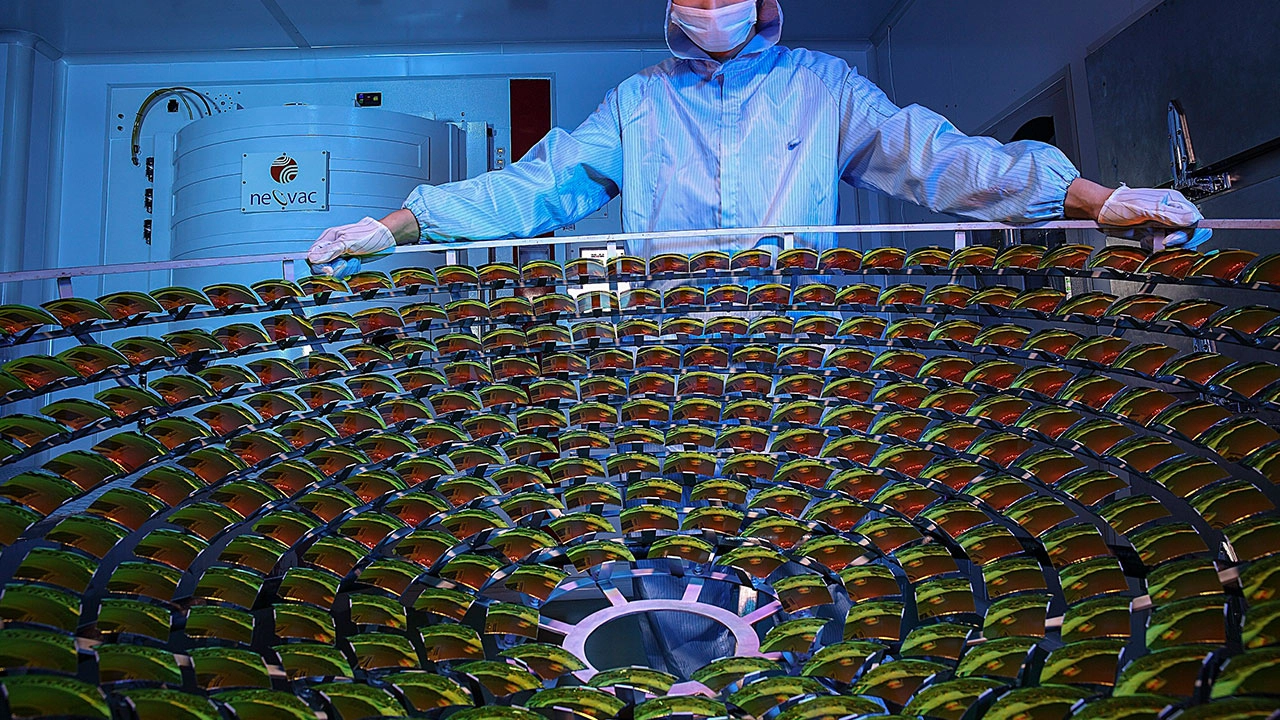
2026 Eyewear Trend Forecast: Colors, Shapes, and Textures to Watch
About Products
Do you offer samples?
Yes, paid samples or refundable samples are available.
How do you ensure product quality?
Full QC process, factory testing, and international certifications.
What is the MOQ?
Usually ≥100, depending on the model.
About OEM&ODM
What is your minimum order quantity (MOQ)?
MOQ is flexible and varies by product type. Small trial orders are welcome.
What is your production lead time?
Mass production generally takes 30–45 days after sample approval.
You May Also Like
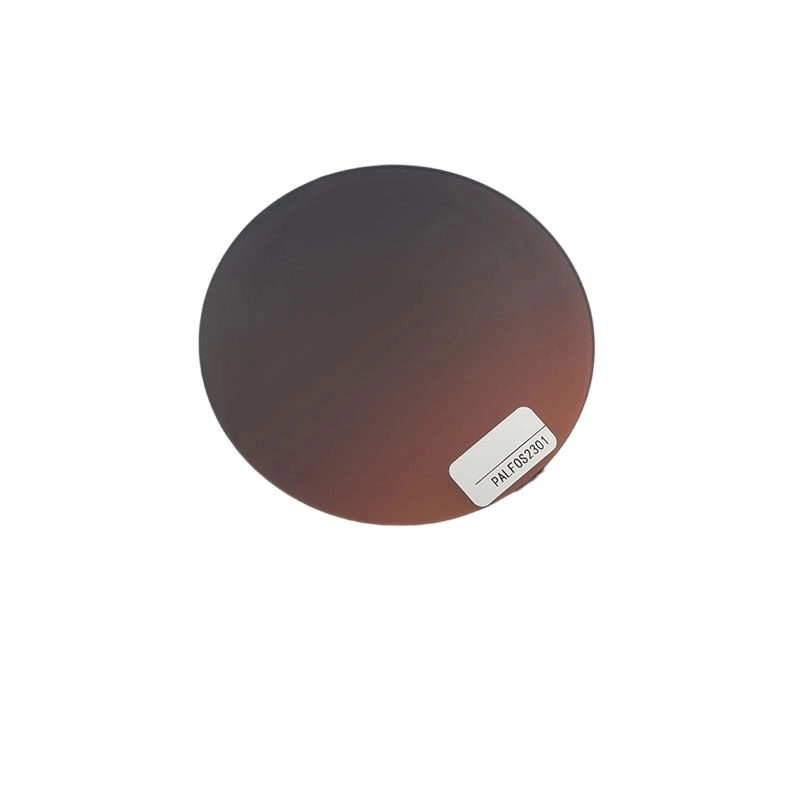
Advanced Sunglasses Solutions: Polarized Lenses with Anti-Seawater Coating
As a versatile photochromic lenses manufacturer and high-performance optics expert, Karuson crafts high-quality Polycarbonate (PC) Gradient Tinted Lenses that perfectly balance aesthetics with advanced protection. By fusing the ultra-lightweight and impact-resistant properties of PC material with precision gradient tinting technology, we deliver a durable visual solution that enhances clarity and comfort for urban lifestyles and outdoor sports. These lenses not only optimize visibility across varying light conditions by reducing glare but also offer a sleek, customizable design—allowing global brands to blend practical eye protection with a modern, fashion-forward accessory.
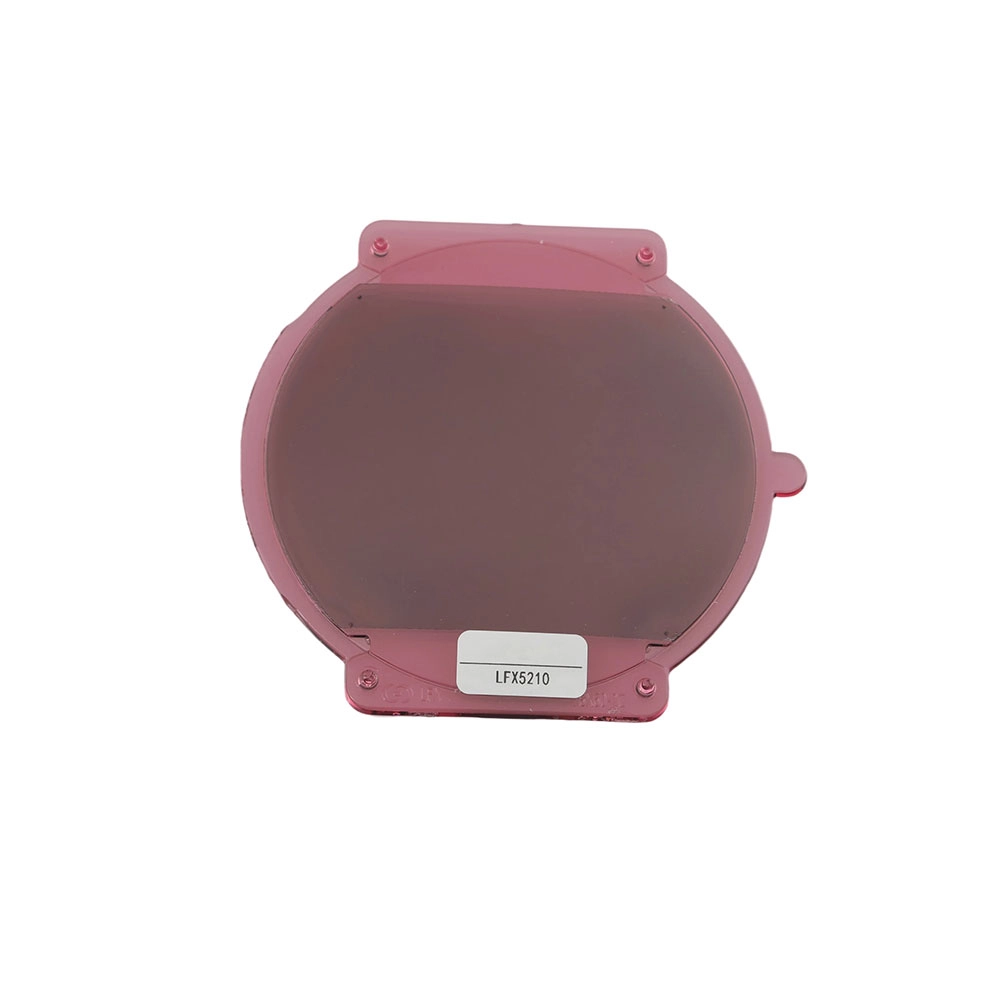
Upgrade Your Collection with Premium Lens Coatings & Finishes
As a leading lenses manufacturer, Karuson sets a new industry standard with our flagship-grade Polyamide (PA) Nylon polarized lenses. By seamlessly merging ultra-lightweight, high-toughness materials with precision polarizing technology, we deliver a high-definition visual solution that excels in durability and comfort. Optimized for high-intensity outdoor activities, professional driving, and competitive sports scenarios, these lenses redefine the performance benchmark for polarized optics, providing global brands with a truly elite-level product.
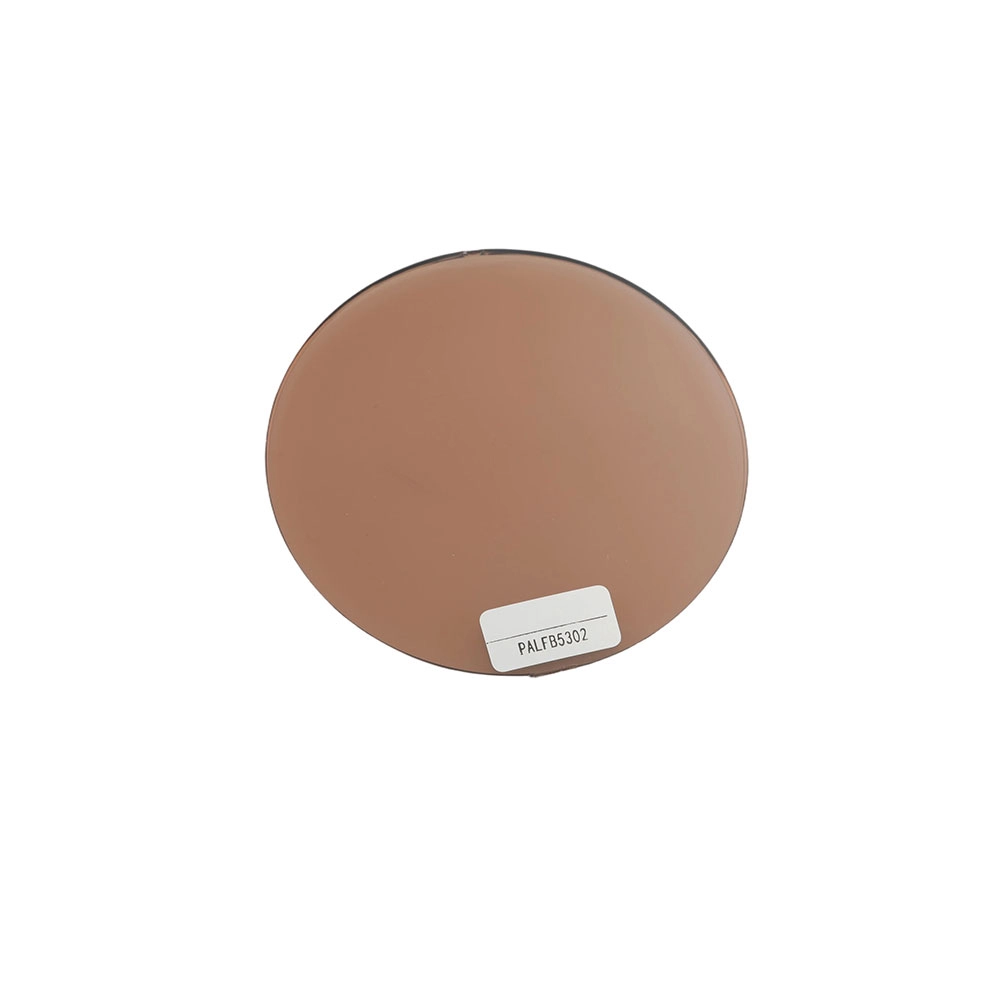
Why Quality Lenses are the Core of Your Eyewear Brand’s Reputation
As a premier high-definition glasses lenses manufacturer, Karuson crafts high-quality Polyamide (PA) Nylon Tinted Lenses that represent the perfect synergy of ultra-lightweight performance and high-toughness durability. By integrating professional-grade tinting technology with advanced material science, we offer a lens solution that delivers exceptional optical clarity alongside vibrant, fashionable color expression. Designed for both daily commutes and trendy lifestyle matching, these lenses provide a comfortable and aesthetic visual experience, serving as a high-performance fashion accessory for the modern, style-conscious consumer.
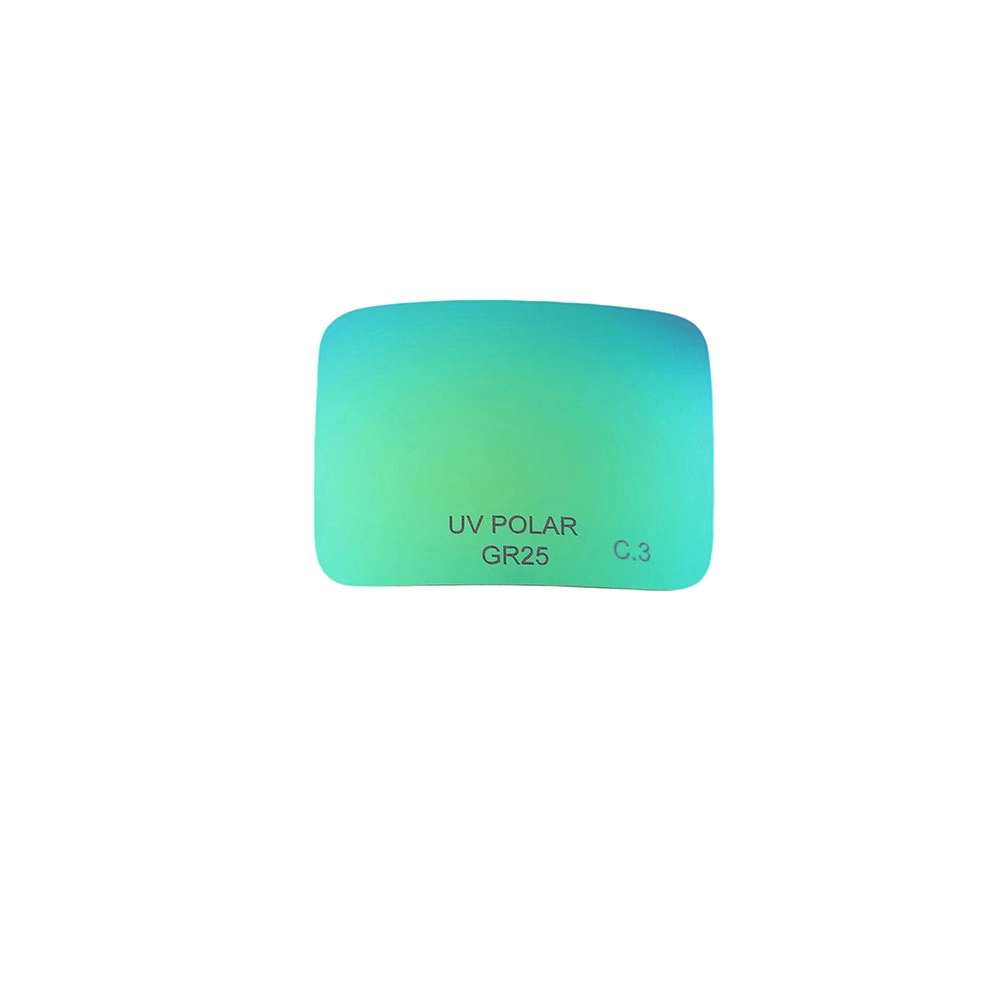
High-Definition Visual Clarity: Premium CR-39 & Polycarbonate Lenses
Experience the precision of a professional custom glasses lenses manufacturer. Karuson polarized lenses are engineered with a 99.9% high-polarization effect to provide unparalleled visual definition and glare reduction. By strategically absorbing reflected light through a high-stability PVA layer, our lenses are optimized for high-intensity outdoor environments, including maritime sailing, hunting, and alpine skiing. Furthermore, our specialized treatment ensures the lenses remain durable and distortion-free even in environments with high heat and humidity.
Get in touch with us
If you have any comments or good suggestions, please leave us a message; later our professional staff will contact you as soon as possible.
NEW DIMENSIONS IN EYEWEAR
Contact KARUSON
Email:
WhatsApp/Phone:
Address:
331 Section B, WanJia Creative Park , No. 1 BUXIA Road ,Tianhe District, Guangzhou City, Guangdong Province, China.

© 2026 KARUSON. All Rights Reserved.
Facebook
Instagram
YouTube
TikTok
Linkedin