


How do eyewear factories handle CE/FDA compliance testing?
- 1) How does an OEM eyewear factory build a CE technical file for sunglasses sold in the EU (including prescription sunglasses)?
- 2) What exact lab tests and acceptance criteria do eyewear factories run to prove UV protection (EN ISO 12312-1 & ANSI Z80.3)?
- 3) At what point must an eyewear factory involve a Notified Body for CE, and what are realistic timelines and costs?
- 4) How do eyewear factories handle FDA requirements for contact lenses or other ophthalmic medical devices (510(k), ISO 13485)?
- 5) What sampling plans and AQL levels should an eyewear factory use for optical power, frame dimensions and finish in mass production?
- 6) How do factories verify biocompatibility and control nickel release for metal frames to meet EU REACH and CE expectations?
1) How does an OEM eyewear factory build a CE technical file for sunglasses sold in the EU (including prescription sunglasses)?
Answer:
An eyewear factory that wants to CE-mark sunglasses should treat the product as either general-purpose sunglasses or as Personal Protective Equipment (PPE)/medical device depending on intended use and claims. The technical file (technical documentation) must demonstrate conformity to applicable EU legislation and harmonized standards. Practical, factory-level steps:
Step 1 — Classify the product: determine whether the product is marketed as general sunglasses (cosmetic/eyewear), PPE (occupational eye protection), or an accessory to a medical device (e.g., prescription lenses for surgical use). Common standards: EN ISO 12312-1 for sunglasses, EN 166 for safety eyewear. If marketed as PPE, Regulation (EU) 2016/425 applies.
Step 2 — Select harmonized standards & tests: cite EN ISO 12312-1 (sunglasses), EN 166 (personal eye protection) or applicable parts. Include optical transmittance/UV tests, impact tests (drop ball / high-mass and high-velocity per EN 166), frame strength, lens attachment, and marking tests.
Step 3 — Perform testing and collect evidence: include third-party lab reports (SGS, Intertek, TÜV SÜD are commonly used). Record spectrophotometer transmittance traces (300–800 nm), impact energy, mechanical durability, and labeling conformity.
Step 4 — Risk assessment & labeling: include a document identifying hazards (UV exposure, mechanical failure), residual risks and mitigation. Prepare user instructions and mandatory CE marking/identification on frames/packaging.
Step 5 — Assemble the technical file: product description, design drawings, BOM, reference standards, test reports, production quality control procedures (e.g., ISO 9001/ISO 13485 if medical), batch records, and Declaration of Conformity (DoC).
Step 6 — Notified body (if applicable): if the product is PPE category II/III or a medical device under EU MDR, involve a notified body for type-examination or conformity assessment. For simple sunglasses that only reference harmonized standards, self-declaration is often acceptable.
Time & cost considerations: compiling a file with external testing typically takes 4–12 weeks depending on samples and lab queues. Third-party lab tests range from a few hundred to several thousand USD per test series depending on the scope.
Why this matters: a complete technical file ensures your eyewear factory can legally ship to EU markets and respond to market surveillance requests quickly.
2) What exact lab tests and acceptance criteria do eyewear factories run to prove UV protection (EN ISO 12312-1 & ANSI Z80.3)?
Answer:
UV protection tests are among the most frequent buyer questions. Factories should follow recognized optical test methods and document both the test method and acceptance limits.
Measurement equipment & method: use a calibrated UV–VIS spectrophotometer with integrating sphere or similar setup to measure spectral transmittance from ~280 nm to 800 nm (EN ISO 12312-1 refers to UV transmittance requirements; ANSI Z80.3 defines test methods for nonprescription sunglasses).
Key results to record: spectral transmittance curve, % transmittance at UVA (315–400 nm) and UVB (280–315 nm), and any foothold wavelengths where blocking is insufficient.
EN ISO 12312-1 requirements (typical): categories of solar filters are defined by visible light transmittance ranges and recommended UV transmittance performance. Lenses must block essentially all UVB and much of UVA—tests typically show <1% UV transmittance across the UV range for quality sunglasses. Always reference the latest published standard for exact wording.
ANSI Z80.3: specifies test procedures for transmittance, chromaticity, and optical power. For UV blocking claims, labs report percent transmittance over the UV band and confirm compliance to advertised UV400 (≤1% transmittance up to 400 nm is common lab interpretation).
Reporting & traceability: test reports should include sample ID, lot number, instrument calibration certificate and method details. Factories usually keep a spectral trace for each lens batch and attach it to the batch quality dossier.
Production control: introduce an in-line quality check using handheld spectrometers or UV meters on representative samples per batch, plus periodic full lab verification (weekly or per X units depending on production volume).
Common pitfalls: relying on a single-point handheld meter for UV400 claims is insufficient for audits; provide full spectrophotometer traces from accredited labs for market entry.
3) At what point must an eyewear factory involve a Notified Body for CE, and what are realistic timelines and costs?
Answer:
Knowing when to involve a Notified Body (NB) avoids regulatory delays. Factories need an NB when the product falls under scopes that require third-party conformity assessment—commonly PPE category II or III and many medical devices categories under EU rules.
When an NB is required: PPE Regulation (EU) 2016/425 requires NB involvement for category II (intermediate risk) and category III (complex/high risk) PPE. For eye-protecting PPE (safety goggles for industrial use with specific impact ratings), an NB is usually needed for type-examination or full quality assurance. Under EU MDR, many ophthalmic medical devices also require a notified body (or designated body) assessment depending on device classification.
Typical NB procedure: submit technical file and sample for type-examination or surveillance audits; NB reviews documentation, test reports and factory production controls, and may visit the factory for audits (system audits or production surveillance).
Realistic timelines: type-examination or conformity assessments typically require 6–16 weeks once the NB accepts the application and provided lab reports are complete. Factory audits add scheduling time (4–8 weeks depending on NB capacity and travel). Faster timelines are possible with pre-prepared documentation and accredited labs.
Typical cost ranges (industry guidance): initial NB assessment + type examination: USD 5,000–30,000 depending on scope and NB rates; ongoing surveillance audits: USD 3,000–15,000 annually. Add third-party testing costs (USD hundreds to thousands per test). These are approximate ranges—get quotes from BSI, DEKRA, TÜV SÜD, SGS or other notified bodies.
Practical tip: prepare a complete technical file, pre-run tests with accredited labs (ISO 17025), and conduct an internal gap audit against the chosen harmonized standards before NB engagement to reduce rounds and cost.
4) How do eyewear factories handle FDA requirements for contact lenses or other ophthalmic medical devices (510(k), ISO 13485)?
Answer:
For factories producing medical ophthalmic devices (contact lenses, some ophthalmic lenses, or surgical eyewear), the U.S. FDA regulatory pathway is stricter than for ordinary sunglasses or fashion frames. Key factory-level responsibilities include device classification, documentation, quality systems and regulatory submissions.
Device classification: many contact lenses and lens-care solutions are Class II medical devices under FDA. Confirm classification via FDA Product Classification Database.
510(k) process: most Class II ophthalmic devices require a 510(k) premarket notification demonstrating substantial equivalence to a predicate device. The manufacturer or sponsor compiles bench testing, biocompatibility, sterility (if applicable), and clinical data (if needed).
Quality management: factories making or assembling medical-grade ophthalmic devices typically implement ISO 13485-compliant QMS. ISO 13485 aligns with FDA’s Quality System Regulation (QSR, 21 CFR Part 820) and simplifies audits and device submissions.
Typical test data required: materials biocompatibility per ISO 10993 series (cytotoxicity, sensitization, irritation), sterility/particulate testing for intraocular devices, optical performance, shelf-life and packaging validation. For contact lenses, additional microbiological and leachables testing is required.
Labeling and UDI: if the device requires FDA registration, prepare device labeling per 21 CFR 801 and a Unique Device Identifier (UDI) if applicable.
Timeline & cost: preparing a 510(k) varies a lot—bench and biological testing can take months and tens of thousands USD; 510(k) review times for the FDA average 90 days after submission but expect longer overall with data collection.
Practical factory tasks: maintain traceability (lot/batch records), environmental monitoring (for sterile/clean processes), validated processes for molding/coating, and supplier controls for lens materials. Engage a regulatory consultant or test lab experienced with ophthalmic devices to avoid costly rework.
5) What sampling plans and AQL levels should an eyewear factory use for optical power, frame dimensions and finish in mass production?
Answer:
Buyers frequently ask about acceptable quality levels (AQL) and sampling because replacing lenses or frames after shipping is costly. An effective plan balances risk, cost and detectability.
Standards to reference: ISO 2859 (ANSI/ASQ Z1.4) for sampling-by-attributes is commonly used. For optical properties, combine attribute sampling with attribute plus measurement-based acceptance criteria.
Typical AQLs used by eyewear factories: for critical optical parameters (prescription power, cylinder, axis, prism, optical center alignment), many factories apply very tight criteria: AQL 0.65 to 1.0 (or 0% defective tolerance for some precision lines). For cosmetic defects (scratches, burrs) AQL 1.5–2.5 may be used depending on product tier.
Measurement tolerances (industry examples):
- Spherical power: ±0.25 D for High Quality prescription lenses, ±0.50 D for economy lines.
- Cylinder power: ±0.25 D.
- Axis: ±5° (tighten to ±3° for High Quality lenses).
- Prism: ±0.5 prism diopter or tighter depending on prescription.
- Decentration/optical center location: typically ±0.5 mm or tighter for high-index lenses.
Sampling plan implementation: use attribute sampling for appearance and functional pass/fail tests (frame finish, screw integrity). Use measurement sampling (sample size from ISO 2859 tables or an engineering-based plan) for optical power and geometry and perform 100% checking for very high-value or medical-grade products.
In-line controls: implement go/no-go gauges, lensometers, and frame jigs on the line to catch issues early. Keep SPC charts for key dimensions and optical power to monitor drift.
Documentation & corrective action: keep sampling plans and CPK/CPS data in the quality dossier; define reject/rework procedures and supplier corrective action processes when incoming material or tooling causes out-of-spec trends.
6) How do factories verify biocompatibility and control nickel release for metal frames to meet EU REACH and CE expectations?
Answer:
Nickel release and general biocompatibility are common compliance pain points for metal frames and nose pads. Factories must test, document, and sometimes change plating/coating to stay compliant.
Nickel release regulation: EU REACH Annex XVII (and the Nickel Directive earlier) restricts nickel release for articles in direct and prolonged contact with the skin to ≤0.5 μg/cm2/week. This is an easily verified laboratory test (EN 1811 is the standard method for nickel release testing).
Practical test methods: EN 1811 (nickel release), ISO 10993 series for general biocompatibility (e.g., skin irritation and sensitization where applicable). For coatings and paints, additional migration/soluble heavy metals testing may be required.
Factory steps to comply:
- Source compliant raw materials and request supplier declarations and test reports for plating systems.
- Apply passivation or appropriate non-nickel-plated layers (PVD coatings, chromate-free passivation, or durable lacquers) proven to limit nickel release.
- Run periodic EN 1811 tests on production lots and after accelerated wear simulations.
Documentation: keep supplier material certificates, production batch records, and accredited lab test reports (ISO 17025 labs). For CE technical files, include biocompatibility rationale and test evidence.
Repair & finishing processes: beware that after rework, plating may be removed in localized areas; re-test or avoid processes that expose underlying nickel. Communicate proper care and warning if needed.
Practical costs & timelines: EN 1811 testing typically takes 2–4 weeks including sample prep and lab scheduling. Remediation (changing plating process) can add tool/line qualification time and costs.
Real-world tip: for High Quality eyewear, many factories proactively use nickel-free materials/coatings and keep EN 1811 test certificates on file to speed customer approvals.
Conclusion — Advantages of working with a compliance-focused eyewear factory
Choosing an eyewear factory that embeds regulatory compliance into design, testing and production delivers faster market entry, fewer reworks, and stronger buyer confidence. Advantages include: established technical files for CE/DoC, in-house optical lab or trusted ISO 17025 partners for UV/impact/lensometry testing, ISO 13485/9001-aligned processes where medical claims exist, routine EN 1811 nickel testing and clear AQL/sampling plans. This reduces time-to-market, mitigates regulatory risk, and protects brand reputation.
For a tailored quote and factory capabilities (OEM frame injection molding, prescription lenses, anti-reflective coating lines, in-line quality control and documentation packages), please contact us for a quote at www.karusonco.com or nicole@karusonco.com.
How to Choose the Best Material for Sports Sunglasses: TR90 vs. Carbon Fiber vs. Titanium
Why Sourcing from a China Eyewear Factory is the Strategic Choice for Global Brands
OEM vs. ODM: Which Partnership Model is Best for Your Eyewear Business?
2026 Eyewear Trend Forecast: Colors, Shapes, and Textures to Watch
About Products
Do you offer samples?
Yes, paid samples or refundable samples are available.
What is the MOQ?
Usually ≥100, depending on the model.
What is the lead time?
Mass production takes [25-35]days; samples take [7-10] days.
About OEM&ODM
How long does it take to make samples?
Samples are typically completed within 7–15 working days if available molds are present.
What is your production lead time?
Mass production generally takes 30–45 days after sample approval.
You May Also Like
High-Definition Visual Clarity: Premium CR-39 & Polycarbonate Lenses
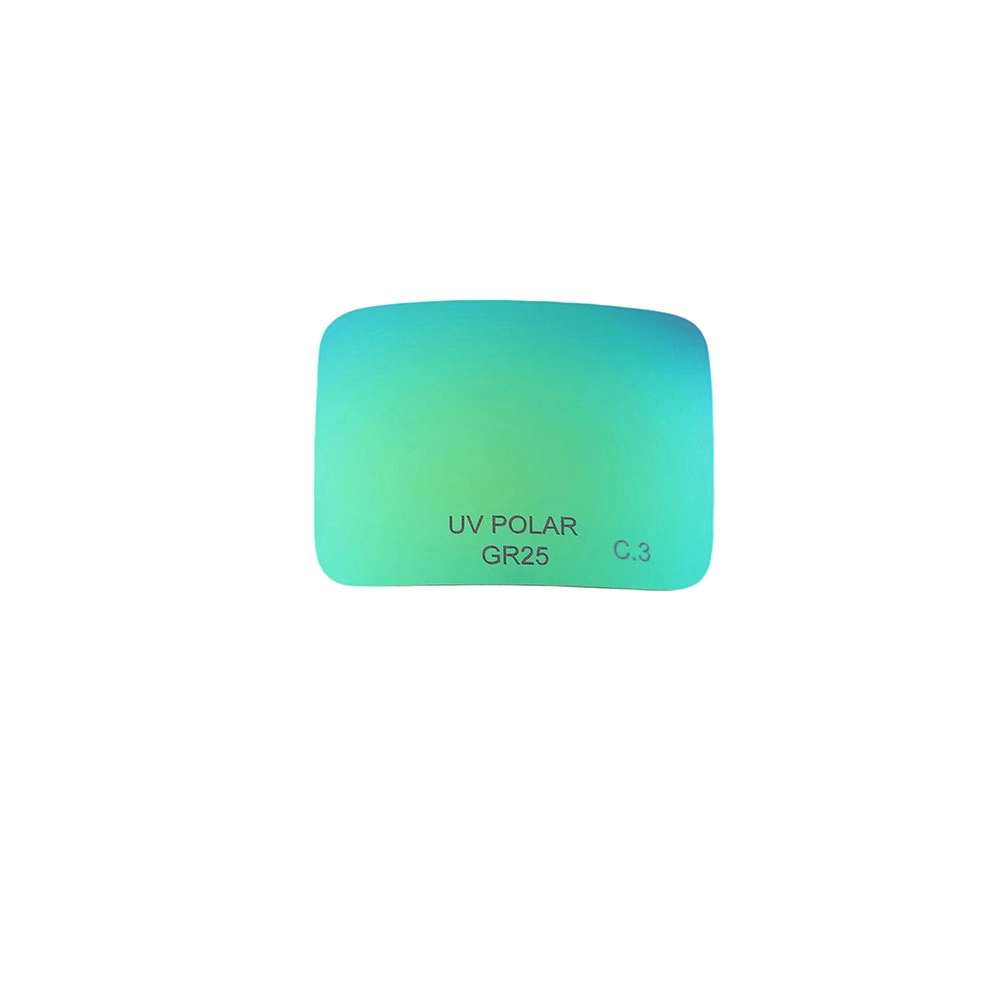
Experience the precision of a professional custom glasses lenses manufacturer. Karuson polarized lenses are engineered with a 99.9% high-polarization effect to provide unparalleled visual definition and glare reduction. By strategically absorbing reflected light through a high-stability PVA layer, our lenses are optimized for high-intensity outdoor environments, including maritime sailing, hunting, and alpine skiing. Furthermore, our specialized treatment ensures the lenses remain durable and distortion-free even in environments with high heat and humidity.
Why Quality Lenses are the Core of Your Eyewear Brand’s Reputation
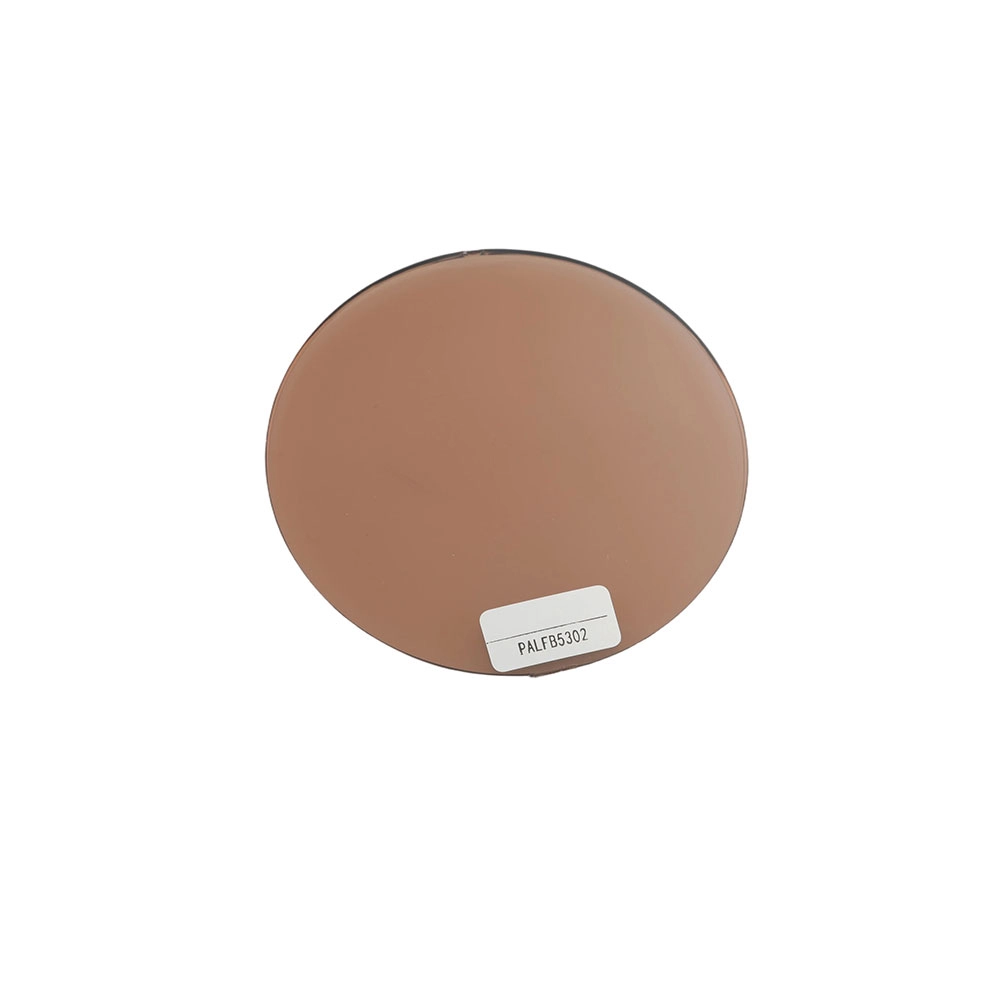
As a premier high-definition glasses lenses manufacturer, Karuson crafts high-quality Polyamide (PA) Nylon Tinted Lenses that represent the perfect synergy of ultra-lightweight performance and high-toughness durability. By integrating professional-grade tinting technology with advanced material science, we offer a lens solution that delivers exceptional optical clarity alongside vibrant, fashionable color expression. Designed for both daily commutes and trendy lifestyle matching, these lenses provide a comfortable and aesthetic visual experience, serving as a high-performance fashion accessory for the modern, style-conscious consumer.
Advanced Sunglasses Solutions: Polarized Lenses with Anti-Seawater Coating
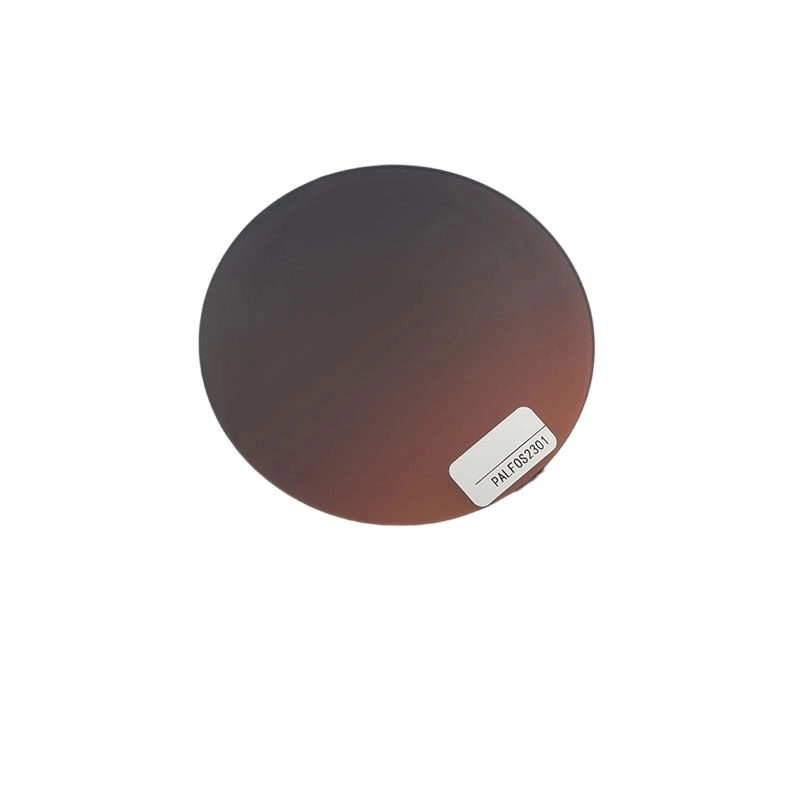
As a versatile photochromic lenses manufacturer and high-performance optics expert, Karuson crafts high-quality Polycarbonate (PC) Gradient Tinted Lenses that perfectly balance aesthetics with advanced protection. By fusing the ultra-lightweight and impact-resistant properties of PC material with precision gradient tinting technology, we deliver a durable visual solution that enhances clarity and comfort for urban lifestyles and outdoor sports. These lenses not only optimize visibility across varying light conditions by reducing glare but also offer a sleek, customizable design—allowing global brands to blend practical eye protection with a modern, fashion-forward accessory.
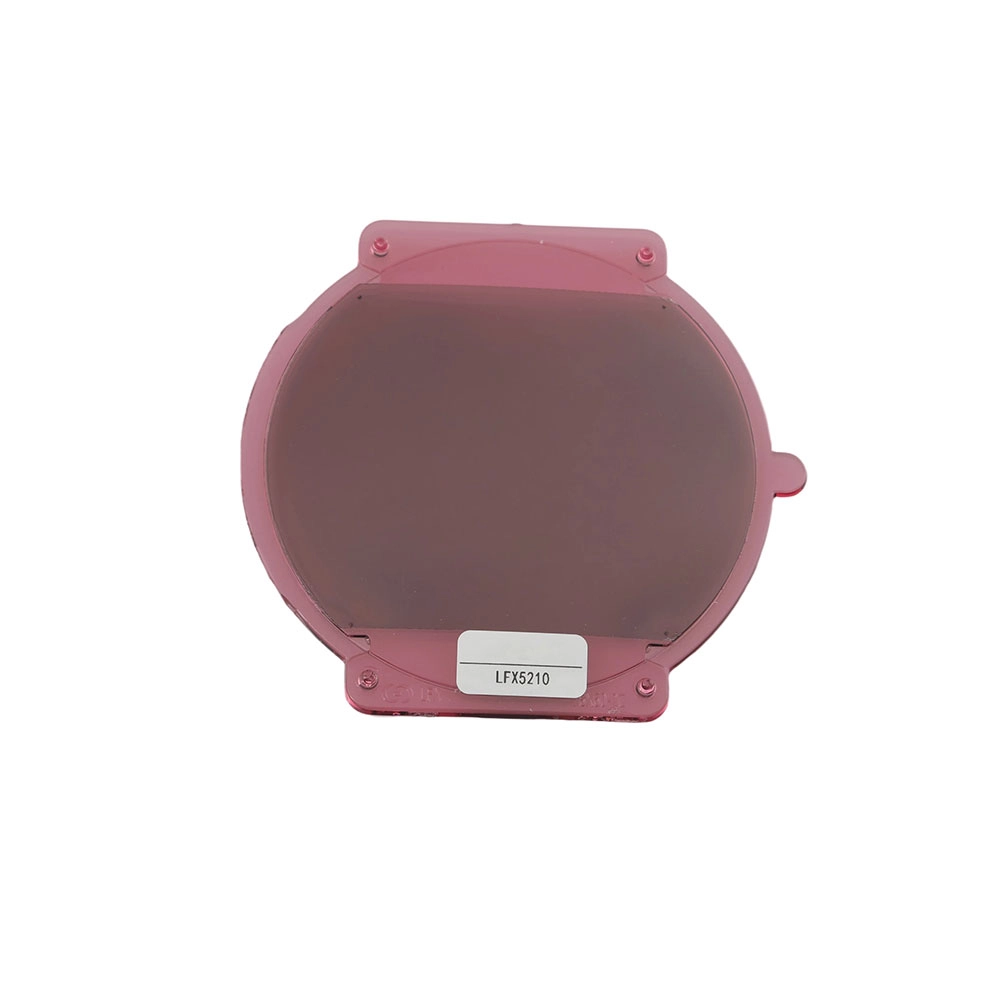
Upgrade Your Collection with Premium Lens Coatings & Finishes
As a leading lenses manufacturer, Karuson sets a new industry standard with our flagship-grade Polyamide (PA) Nylon polarized lenses. By seamlessly merging ultra-lightweight, high-toughness materials with precision polarizing technology, we deliver a high-definition visual solution that excels in durability and comfort. Optimized for high-intensity outdoor activities, professional driving, and competitive sports scenarios, these lenses redefine the performance benchmark for polarized optics, providing global brands with a truly elite-level product.
Get in touch with us
If you have any comments or good suggestions, please leave us a message; later our professional staff will contact you as soon as possible.
NEW DIMENSIONS IN EYEWEAR
Contact KARUSON
Email:
WhatsApp/Phone:
Address:
331 Section B, WanJia Creative Park , No. 1 BUXIA Road ,Tianhe District, Guangzhou City, Guangdong Province, China.

© 2026 KARUSON. All Rights Reserved.
Facebook
Instagram
YouTube
TikTok
Linkedin