


How do coatings improve lenses manufacturing quality?
- 1. How do multi-layer anti-reflective (AR) coatings change production tolerances and what should I require from an eyewear factory to avoid increased rejects?
- 2. What realistic scratch-resistance improvements should I expect from hard coats, and how should that influence lens warranty and handling specs?
- 3. How durable are oleophobic and hydrophobic topcoats under repeated cleaning and in humid export markets, and what durability metrics should I demand?
- 4. For polarized sunglass production at scale, which coating stack balances optical performance and cost without sacrificing yield?
- 5. How do coatings affect freeform surfacing accuracy and final Rx tolerance for progressive lenses in an eyewear factory?
- 6. What specific quality-control tests and certificates should I insist on from an eyewear factory to verify AR, hard coat, and hydrophobic claims?
How Do Coatings Improve Lenses Manufacturing Quality? Answers for Eyewear Factory Buyers
As a professional eyewear factory expert, I address the most pressing long-tail questions buyers and product managers ask when specifying coatings for ophthalmic and sunglass lenses. This article embeds common factory and optical keywords—AR coating, hard coat, lens surfacing, vacuum deposition, freeform lenses, oleophobic, hydrophobic, optical inspection—so you can use it directly when comparing suppliers or writing purchase specifications.
1. How do multi-layer anti-reflective (AR) coatings change production tolerances and what should I require from an eyewear factory to avoid increased rejects?
Why this matters: AR coatings significantly reduce reflections and increase transmission, but they introduce stricter process control requirements. Poor integration of AR lines can raise reject rates, increase rework, and create customer complaints about delamination or color shifts.
Technical impact and factory requirements:- Optical effect: Modern multi-layer dielectric AR coatings use alternating high/low index layers deposited by sputtering or ion-assisted evaporation to reduce surface reflectance to fractions of a percent per surface and raise visible transmittance. That stack is wavelength-dependent, so color balance (neutrality) is controlled by layer count and thickness.- Mechanical/handling: Thin multilayer stacks are sensitive to edge chipping, incomplete masking, and contamination. During edging and beveling, poor edge polish or insufficient masking leads to coating lift-off. Require factories to use automated edge-protection (masking tapes or robotic masking) and to perform post-edge rework in controlled zones.- Surface flatness & wavefront: Coatings add nanometers of optical path; if your freeform or progressive lens relies on sub-micron surface accuracy, the coating process must be qualified so added stress does not change surface figure. Ask for vendor data showing interferometric wavefront change pre- and post-coating (RMS wavefront error), and for freeform compensation factors used in their CAM/surfacing software.> What to specify to avoid rejects:- AR deposition method (e.g., sputter/ion-assist) and typical batch yield rates.- Edge handling protocol (masking, re-baking, edge polish specs).- Spectral transmittance & reflectance reports per lot (spectrophotometer traces 380–780 nm).- Adhesion test results (cross-cut test per ASTM D3359) and tabulated failure rates.> Buyer tip: Require sample qualification runs with your exact designs (frame shape, edge radii, tints) so the factory can optimize masking and edge polish before volume production.
2. What realistic scratch-resistance improvements should I expect from hard coats, and how should that influence lens warranty and handling specs?
Why this matters: Many buyers assume scratch-proof. Hard coats improve scratch resistance but do not make lenses impervious to mechanical abuse. Misaligned expectations lead to warranty disputes and returns.
Real-world performance and testing:- Function: Hard coats (usually silica- or polymer-based) are applied to thermoplastic substrates (CR-39, polycarbonate, Trivex, high-index plastics) to raise surface hardness and abrasion resistance.- Measured metrics: Common industry tests include pencil hardness and Taber abrasion (ASTM D1044). Hard coats typically increase pencil hardness from <2H (uncoated polycarbonate) to 2–4H. Taber abrasion results vary by formulation, but a treated lens can show several-fold lower haze increase after a specified number of cycles compared with untreated material.- Practical expectation: Hard-coated polycarbonate is considerably more scratch-resistant during normal wear and routine cleaning, but is still vulnerable to sharp grit, keys, sand, or rough cloth. Sales claims like scratch-proof are inaccurate and should be avoided.> What to require from the eyewear factory:- Provide certified test reports: pencil hardness, ASTM D1044 Taber abrasion cycles and delta-haze figures, and cross-cut adhesion results.- Define handling instructions for your supply chain and end users (e.g., specific cleaning protocols, recommended cases).- Align warranty language with tested performance: e.g., cover coating delamination or manufacturing defects but exclude damage from improper use (keys, sand, chemicals).> Buyer tip: Ask for comparison samples (coated vs. uncoated) and third-party lab reports for abrasion to set realistic marketing claims and warranty terms.
3. How durable are oleophobic and hydrophobic topcoats under repeated cleaning and in humid export markets, and what durability metrics should I demand?
Why this matters: End customers in humid or high-swab-frequency markets complain when oleophobic properties degrade quickly. Buyers need objective durability metrics to compare suppliers and forecast replacement cycles or maintenance.
Durability mechanisms and tests:- Function: Oleophobic coatings reduce oil adhesion (fingerprints), hydrophobic topcoats improve water beading and anti-fog performance when combined with anti-fog chemistries. These are thin organic/silane-based layers and wear over time.- Common tests: Repeated rub/cycling tests (mechanical abrasion with specified cloth and force), chemical resistance (isopropyl alcohol cycles), and contact-angle measurements (degree of water beading) before and after cycles. Factories also use durability classification like X cleaning cycles to 50% of initial contact angle.- Realistic lifetimes: Longevity depends on user behavior; under daily cleaning with microfibers, oleophobic coatings may show measurable degradation over months to a couple of years. Heavy cleaning or use of solvents accelerates loss.> What to require from the eyewear factory:- Quantitative durability data: contact-angle (degrees) initially and after N rub cycles using a defined protocol (force, cloth, solvent).- Specific cleaning-resistance protocol: number of isopropyl or detergent cycles tolerated with acceptance criteria.- Recoating options or refurbishment services for B2B clients when oleophobic wear-out is expected.> Buyer tip: If your market demands long-lasting oleophobia (medical, sports), specify a higher-climate resistance class and request pilot shipments tested in target-market conditions (humidity, salt air if coastal).
4. For polarized sunglass production at scale, which coating stack balances optical performance and cost without sacrificing yield?
Why this matters: Polarized sunglasses add complexity (lamination or injection of polarizer film), and coatings add cost. The wrong stack reduces yield (delamination, stress birefringence) or raises unit cost beyond market tolerance.
Practical coating stacks and process choices:- Polarizer integration: Polarization is usually provided by a laminated polarizing film sandwiched between two substrates or by using a polarized cast lens blank. Lamination requires strict control of alignment, bubble-free bonding, and matched CTE to avoid stress birefringence.- Recommended consumer stack for value/quality balance: outer hard coat (dip-coated or spray-cured for cost efficiency), AR on inner surface (single- or dual-layer sputtered AR for reduced internal reflections), and a hydrophobic/oleophobic topcoat on the exterior. For High Quality SKUs, use multi-layer sputtered AR both sides with ion-assisted deposition and an abrasion-resistant topcoat.- Cost drivers: vacuum deposition (sputtering/ion-assisted) for AR is capital-intensive and increases per-unit cost. Dip-coating hard coats are lower cost but offer slightly less uniformity. Choice depends on batch size: medium-to-large volumes amortize vacuum line capital and improve per-unit economics.> What to require from the eyewear factory:- Yield and reject data for laminated polarized assemblies, with root-cause breakdown (bubbles, misalignment, delamination).- Confirmation of stress birefringence testing (cross-polar tests) and spectral polarization efficiency.- Pricing breakpoints by annual volume so you can evaluate whether adding a vacuum AR line will reduce long-term unit cost.> Buyer tip: For seasonal sunglasses runs, start with a dip-coated hard coat + inner single-layer AR; migrate to full sputtered AR when annual volumes justify the investment.
5. How do coatings affect freeform surfacing accuracy and final Rx tolerance for progressive lenses in an eyewear factory?
Why this matters: Freeform and high-add progressive designs rely on micrometer-level surface shaping. Coatings introduce optical thickness and potential surface stress that can change effective power or introduce astigmatism if unaccounted for.
Optical and manufacturing interactions:- Optical thickness: Each coating layer has a physical thickness and refractive index. The coating stack contributes to the lens' overall optical path length. For most AR+hard coat stacks, the effective power shift is small but measurable and must be compensated in the surfacing datum when manufacturing tight-tolerance progressives.- Mechanical stress: Some vacuum-deposited coatings induce surface stress; if unmitigated, this can deform thin lenses or produce subtle aberrations. Factories mitigate this via symmetric coating (both faces) or stress-balanced deposition recipes.- Production control: Leading factories incorporate coating compensation into their digital surfacing workflows: they apply a coating-correction model to the toolpath so the finished, coated lens matches the target optical design.> What to require from the eyewear factory:- Documentation of coating compensation methodology and measured post-coating Rx deviations (provided as delta power and cylinder across sample progressive lens maps).- Acceptance criteria aligned with optical standards (many labs aim for final power tolerances in the order of 0.12–0.25 D in critical zones—specify the target your market needs and require verification reports).- Interferometric or wavefront maps pre- and post-coating for a representative sample of your most demanding molds.> Buyer tip: If you specify high-index or very thin lenses, insist on a prior qualification run with your prescription range so coating compensation tables can be tuned before mass production.
6. What specific quality-control tests and certificates should I insist on from an eyewear factory to verify AR, hard coat, and hydrophobic claims?
Why this matters: Marketing claims mean little without verified, repeatable test evidence. A consistent QC regimen protects you and your customers and streamlines returns management.
Essential QC tests and documentation to request:- Spectral transmittance and reflectance report (380–780 nm) for AR-coated lenses (spectrophotometer traces per lot).- Adhesion test: cross-cut (ASTM D3359) or pull-off adhesion results and pass/fail criteria.- Abrasion resistance: Taber abrasion per ASTM D1044 with delta-haze measurement and cycles to reach acceptance limits.- Hardness: pencil hardness classification method and result (e.g., 3H) with protocol details.- Oleo/hydrophobic durability: contact-angle measurements before/after X rub cycles with defined cloth/force/solvent; chemical-resistance cycles (isopropyl/detergent) if expected in your market.- Wavefront/interferometric maps when high-precision freeform or progressive lenses are involved to show pre- and post-coating optical figure.- Polarization efficiency and stress birefringence reports for laminated/polarized sunglasses.- Environmental stress tests: humidity and temperature cycling and salt-fog if selling in coastal markets (refer to relevant ISO environmental test protocols).- Traceability paperwork: lot numbers, coating batch numbers, operator, machine ID, and QC inspector sign-off. Provide a COA (certificate of analysis) per shipment.> Sampling and acceptance:- Define an AQL sampling plan (ANSI/ISO AQL table) and require the factory to report inspection results electronically with images where applicable.- Require corrective action reports (CAPA) for any out-of-spec batches, and include rework or replacement agreements in the purchase contract.> Buyer tip: Integrate these QC tests into your supplier scoring and make a portion of payment release conditional on passing the first-article inspection with full coating test data.
Concluding summary — Advantages of partnering with a professional eyewear factory and specifying advanced coatings
Working with an experienced eyewear factory that integrates optical surfacing, vacuum deposition AR, robust hard coats, and validated oleo/hydrophobic topcoats delivers measurable advantages: higher first-pass yield, consistent optical performance across freeform and progressive designs, fewer returns due to scratches or reflections, and clearer compliance with ISO/ANSI optics standards. Requiring objective test data (spectral traces, adhesion, Taber abrasion, contact-angle durability, interferometric maps) and documented production controls (masking, edge handling, coating compensation) reduces commercial risk and protects KARUSON.
For specification templates, pilot run help, or a formal quote, contact Karuson at www.karusonco.com or email nicole@karusonco.com — we can provide sample test reports, QC checklists, and a tailored coating stack recommendation for your SKU lineup.
How to Choose the Best Material for Sports Sunglasses: TR90 vs. Carbon Fiber vs. Titanium
Why Sourcing from a China Eyewear Factory is the Strategic Choice for Global Brands
OEM vs. ODM: Which Partnership Model is Best for Your Eyewear Business?
2026 Eyewear Trend Forecast: Colors, Shapes, and Textures to Watch
About Products
What is the MOQ?
Usually ≥100, depending on the model.
What is the lead time?
Mass production takes [25-35]days; samples take [7-10] days.
About OEM&ODM
How long does it take to make samples?
Samples are typically completed within 7–15 working days if available molds are present.
Do you support OEM and ODM?
Yes—we offer both contract manufacturing (OEM) and full product development services (ODM).
What is your production lead time?
Mass production generally takes 30–45 days after sample approval.
You May Also Like
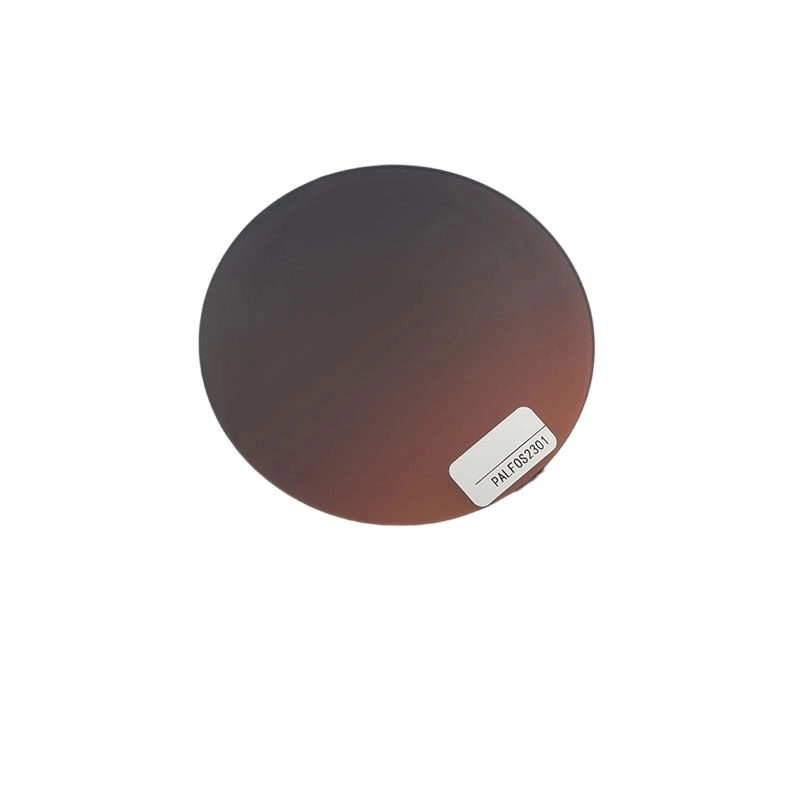
Advanced Sunglasses Solutions: Polarized Lenses with Anti-Seawater Coating
As a versatile photochromic lenses manufacturer and high-performance optics expert, Karuson crafts high-quality Polycarbonate (PC) Gradient Tinted Lenses that perfectly balance aesthetics with advanced protection. By fusing the ultra-lightweight and impact-resistant properties of PC material with precision gradient tinting technology, we deliver a durable visual solution that enhances clarity and comfort for urban lifestyles and outdoor sports. These lenses not only optimize visibility across varying light conditions by reducing glare but also offer a sleek, customizable design—allowing global brands to blend practical eye protection with a modern, fashion-forward accessory.
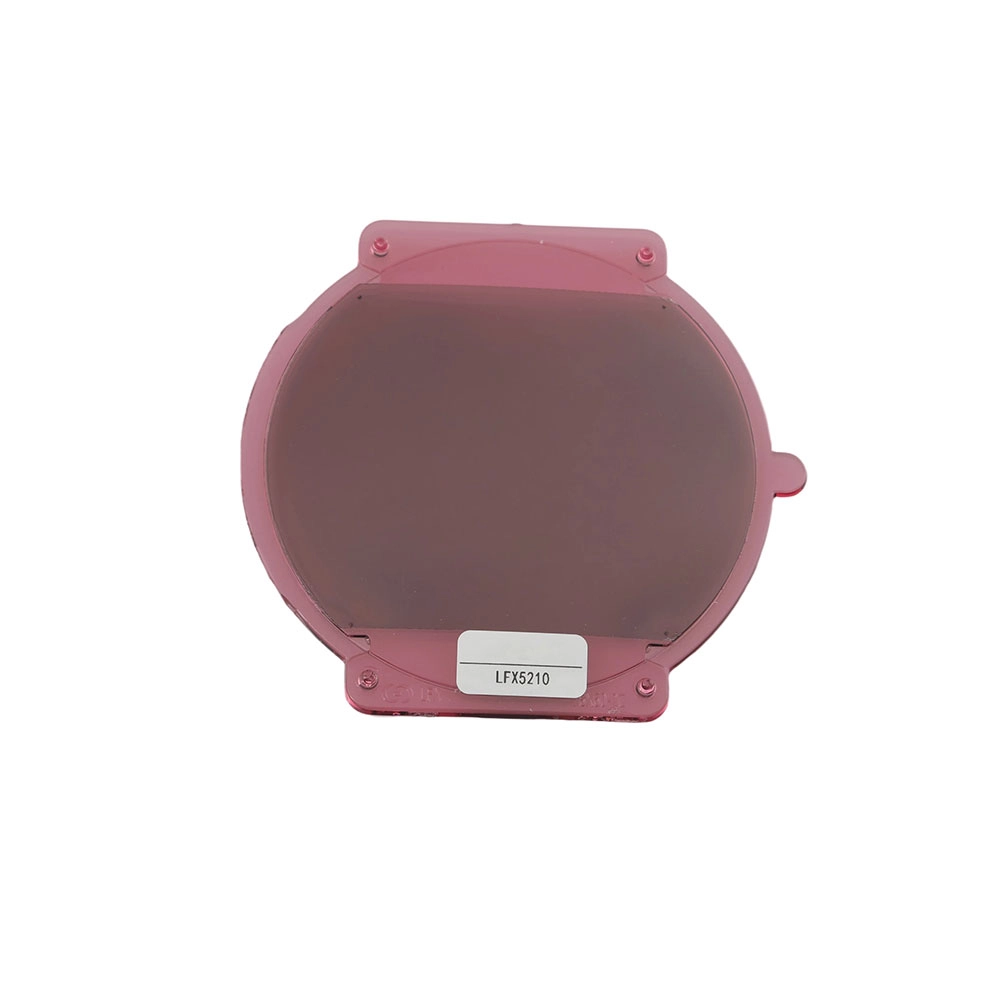
Upgrade Your Collection with Premium Lens Coatings & Finishes
As a leading lenses manufacturer, Karuson sets a new industry standard with our flagship-grade Polyamide (PA) Nylon polarized lenses. By seamlessly merging ultra-lightweight, high-toughness materials with precision polarizing technology, we deliver a high-definition visual solution that excels in durability and comfort. Optimized for high-intensity outdoor activities, professional driving, and competitive sports scenarios, these lenses redefine the performance benchmark for polarized optics, providing global brands with a truly elite-level product.
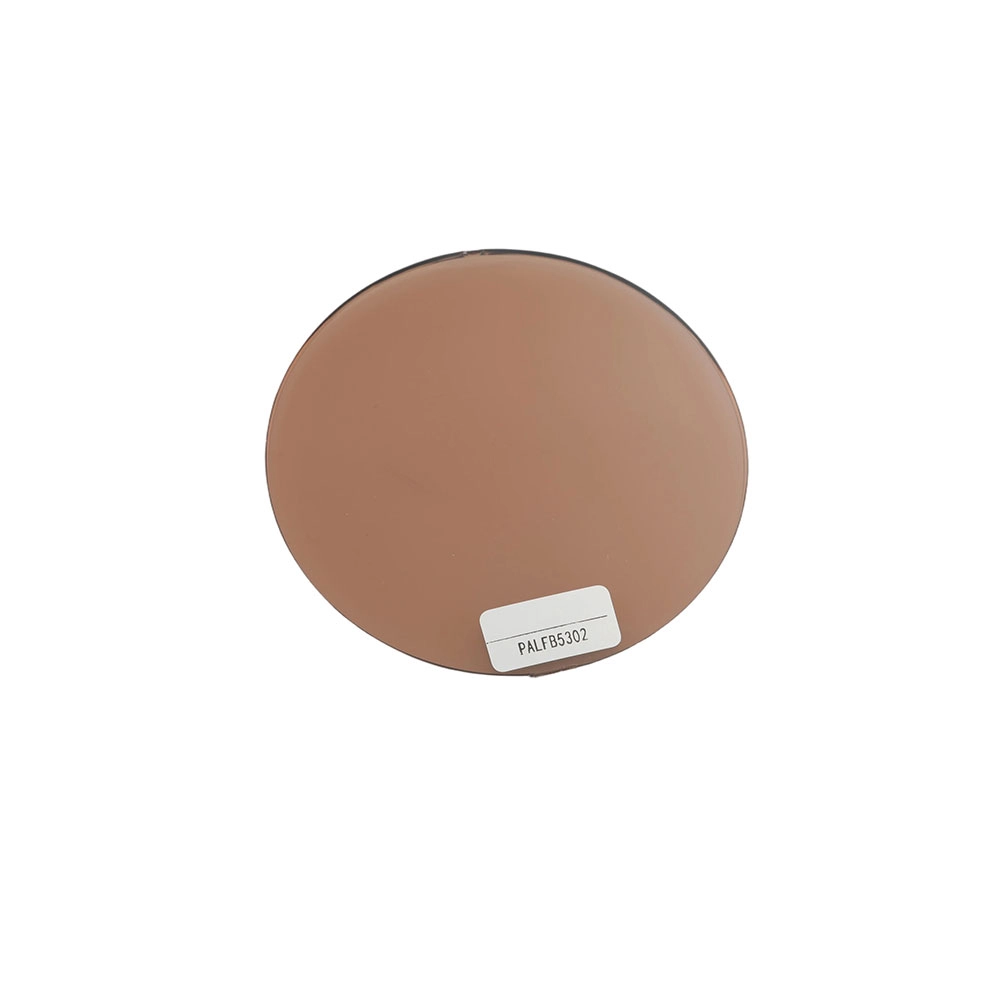
Why Quality Lenses are the Core of Your Eyewear Brand’s Reputation
As a premier high-definition glasses lenses manufacturer, Karuson crafts high-quality Polyamide (PA) Nylon Tinted Lenses that represent the perfect synergy of ultra-lightweight performance and high-toughness durability. By integrating professional-grade tinting technology with advanced material science, we offer a lens solution that delivers exceptional optical clarity alongside vibrant, fashionable color expression. Designed for both daily commutes and trendy lifestyle matching, these lenses provide a comfortable and aesthetic visual experience, serving as a high-performance fashion accessory for the modern, style-conscious consumer.
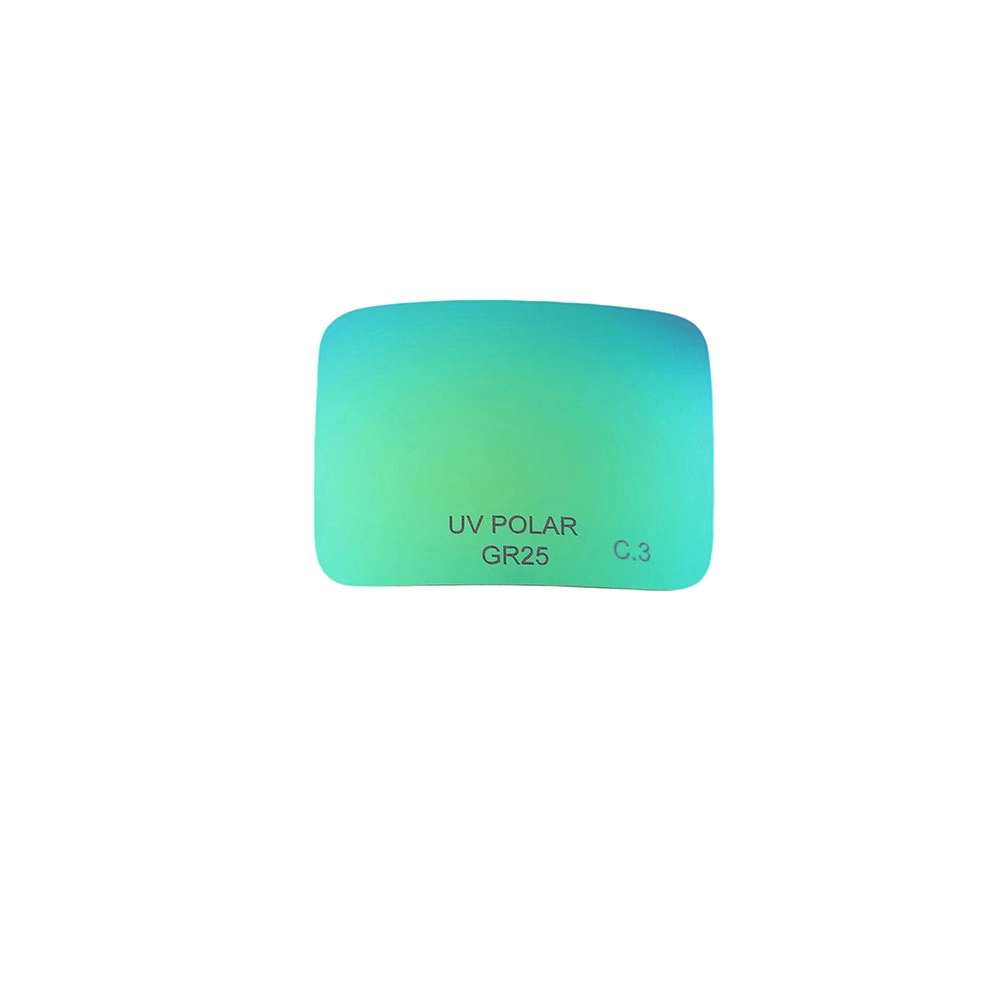
High-Definition Visual Clarity: Premium CR-39 & Polycarbonate Lenses
Experience the precision of a professional custom glasses lenses manufacturer. Karuson polarized lenses are engineered with a 99.9% high-polarization effect to provide unparalleled visual definition and glare reduction. By strategically absorbing reflected light through a high-stability PVA layer, our lenses are optimized for high-intensity outdoor environments, including maritime sailing, hunting, and alpine skiing. Furthermore, our specialized treatment ensures the lenses remain durable and distortion-free even in environments with high heat and humidity.
Get in touch with us
If you have any comments or good suggestions, please leave us a message; later our professional staff will contact you as soon as possible.
NEW DIMENSIONS IN EYEWEAR
Contact KARUSON
Email:
WhatsApp/Phone:
Address:
331 Section B, WanJia Creative Park , No. 1 BUXIA Road ,Tianhe District, Guangzhou City, Guangdong Province, China.

© 2026 KARUSON. All Rights Reserved.
Facebook
Instagram
YouTube
TikTok
Linkedin