


Why do lenses manufacturers invest in R&D for coatings?
- 1) What realistic MOQs, tooling fees and sample strategies should I expect for custom lens coatings (AR + hydrophobic) from an eyewear factory?
- 2) How do eyewear factories prevent AR coating delamination on high-index lenses during mass production?
- 3) How can I independently verify a supplier’s UV and blue-light filtering claims for coated and infused lenses?
- 4) What QC parameters should I include in a purchase contract to minimize AR coating defects like Newton rings, streaks or particulate inclusions?
- 5) How do coatings change edging and frame-fit operations, and what process changes prevent chipping or delamination during finishing?
- 6) Why do lens manufacturers invest in R&D for coatings instead of outsourcing coating services — and how should a brand evaluate ROI from a coatings R&D program?
- Concluding summary
Eyewear Factory FAQ: Critical Coating & Manufacturing Questions for Buyers
When sourcing lenses or partnering with an eyewear factory, the coating process and the manufacturer's R&D strategy directly affect product quality, returns, margin and time-to-market. Below are six specific, pain-point-oriented questions beginners ask that often lack up-to-date, actionable answers online — followed by practical, in-depth guidance you can use when evaluating suppliers or building specs.
1) What realistic MOQs, tooling fees and sample strategies should I expect for custom lens coatings (AR + hydrophobic) from an eyewear factory?
Why this matters: Brands frequently get sticker shock from upfront coating setup costs or are surprised by minimum lot sizes for vacuum coaters. Without negotiating the right approach, you can be stuck with inventory or poor economics.
Practical answer and steps:
- Understand the two main cost buckets: one-time setup (tooling, masking/blocking fixtures, recipe development) and recurring per-lens cost (materials, machine time, QA). Factories often amortize recipe development over an MOQ.
- MOQs vary by process. For in-house vacuum AR/coating lines, typical workable production batches are usually in the low hundreds to low thousands of lenses per run because of chamber throughput and cleaning cycles. For small brands, suppliers may offer pooled batches or charge a higher per-unit price for small runs.
- Negotiate sample and pilot policies: insist on paid development samples (e.g., 10–50 pieces) with full test reports (adhesion, scratch, spectral transmittance). Some factories offer 1–2 free engineering samples for validated partners.
- Reduce upfront risk by proposing phased milestones: (1) single-sample validation; (2) pilot batch (e.g., 100–500 lenses) with full QC; (3) full production. Make acceptance criteria explicit in the contract.
- Ask about alternative approaches: outsourced coater partners may accept smaller batches but add handling time and cost. For brands testing multiple coating recipes, consider a specialized optical lab for R&D samples rather than full factory runs.
2) How do eyewear factories prevent AR coating delamination on high-index lenses during mass production?
Why this matters: High-index plastics (and some glass types) can be more difficult to bond to coating stacks, leading to edge lift or delamination after edging or in humid environments. Delamination is a costly RMA driver.
Practical answer and measures used in modern optical labs:
- Surface preparation: factories use plasma or corona surface treatment to increase surface energy and remove organics before primer/basecoat application. This is a proven method to improve adhesion on high-index materials.
- Multilayer stack design: a soft adhesion-promoting primer followed by dense inorganic layers (sputtered or ion-assisted deposition) and a hard topcoat reduces stress differentials that cause peeling. Ion-assisted or ion-beam assisted deposition can densify films and improve adhesion.
- Curing and tempering: controlled bake or UV cure steps stabilize polymer substrates and coatings. Faster or uneven curing raises residual stress and delamination risk.
- Edge treatment: many factories mechanically bevel and then seal lens edges or apply a thin edge-sealing coat to mask exposed substrate that can wick moisture under the stack.
- QC and testing: ASTM/ISO-style adhesion tests (cross-cut or pull tests), humidity cycling, and thermal shock are used as release criteria. Ask suppliers for their adhesion protocol and acceptance thresholds. Require certificates showing passing results on your exact substrate (high-index code) rather than generic reports.
3) How can I independently verify a supplier’s UV and blue-light filtering claims for coated and infused lenses?
Why this matters: Marketing claims like “blocks 99% of blue light” or “100% UV400” are meaningless without spectral verification. Brands face liability and returns if the eyewear doesn’t meet the advertised transmittance curves.
How to verify and what to request:
- Require full spectral transmittance curves measured on a calibrated spectrophotometer across 280–700 nm. A single percentage number is insufficient; you need the wavelength-by-wavelength curve to see cutoffs and peaks.
- Ask for batch certificates of analysis (CoA) that match the lot/serial numbers. Good factories provide traceable CoAs with measurement date, instrument model and calibration status.
- Insist on third-party verification for high-risk launches: independent labs (e.g., SGS, Intertek, or an accredited optical lab) can issue a report referencing international standards (e.g., EN ISO for sunglass transmittance and generally applicable ophthalmic optics standards). Keep copies in your technical file.
- Understand the difference between intrinsic blocking (material vs. coating): polycarbonate inherently blocks some UV; coatings modify visible transmittance. Verify the final assembled lens (including any tint) — not just the raw substrate.
- For blue-light claims, ask for percent attenuation across the blue band (e.g., 380–500 nm) and spectral weighting if they claim “harmful blue light” protection. Be wary of percent-at-a-single-wavelength metrics — they can be misleading.
4) What QC parameters should I include in a purchase contract to minimize AR coating defects like Newton rings, streaks or particulate inclusions?
Why this matters: Cosmetic coating defects lead to warranty claims and consumer dissatisfaction. Many online answers stop at “inspect visually”; you need concrete QC parameters and inspection regimes to enforce quality.
Recommended QC specs and inspection workflow:
- Inspection environment: specify inspection under defined lighting (D65 or specified fluorescent/LED booth) and defined viewing angles. Optical defects are lighting-dependent; standardize the inspection context in your contract.
- Defect classification and AQLs: define acceptable quality limits (AQL) for particulate, streaks, Newton rings and edge chips. For optical-grade eyewear, contracts often use tight AQLs (very low ppm for visible coating defects). Ask your supplier to provide their historical defect rate and corrective actions for runs exceeding AQL.
- Measurement tools: require instrument-backed layer-thickness control (ellipsometry or in-situ quartz crystal microbalance) and batch records for chamber pressure and base vacuum. For AR uniformity, measure reflectance at 550 nm across the lens surface at defined points.
- Cleaning and cleanroom controls: demand documented cleaning SOPs prior to coating, HEPA filtration class for coating prep areas, and particle monitoring logs. Dust ingress is the most common root cause of inclusion defects.
- Acceptance testing: require adhesion test results, abrasion resistance (Taber or industry-accepted scratch tests), and spectral uniformity checks. Insist on photographic records for any nonconforming samples and a remediation plan with CAPA (corrective action/preventive action).
5) How do coatings change edging and frame-fit operations, and what process changes prevent chipping or delamination during finishing?
Why this matters: Coated lenses behave differently during blocking, edging and beveling. If the factory doesn’t adapt its tooling or sequences, coatings can crack, chip, or delaminate at the edge during finishing or frame assembly.
Practical operational controls to require and verify:
- Order of operations: many factories surface (grind) lenses first, then apply base and AR coatings, then perform final edging with protective methods. Some processes block lenses after the first stage and rework after coating; clarify the supplier’s specific sequence and rationale.
- Edge protection: require the use of protective blocking pads, tapes, or sacrificial edge shields during mechanized edging. Edge-seal coatings or a thin edge primer can be applied to seal the cut edge and reduce moisture ingress.
- Tooling settings: cutting speed, wheel type, feed rate and coolant formulation should be optimized for coated optics. Ask the supplier to provide tooling parameters used for your lens type and coating stack. Small RPM or pressure changes reduce micro-chipping risk.
- Compatibility tests: demand a fit-and-retention test in the frame after finishing (thermal cycling/torque checks) before full production release. This will reveal edge lift or coating interference with frames (especially for close-tolerance metal rims).
- Documented rework limits: define whether the factory will rechamfer, recoat edges, or reject lenses that fail. Recoating edges is possible but adds cost; document responsibilities for rework costs in the contract.
6) Why do lens manufacturers invest in R&D for coatings instead of outsourcing coating services — and how should a brand evaluate ROI from a coatings R&D program?
Why this matters: Many small-to-medium brands wonder whether to pick a factory that invests in coating R&D or to use inexpensive contract coaters. The choice affects quality control, IP, cost per unit, and speed of innovation.
Reasons manufacturers invest in coatings R&D:
- Quality and yield control: in-house R&D allows tighter control of recipes, faster troubleshooting and better yields. This reduces RMA rates and long-term warranty costs.
- Product differentiation: proprietary coating stacks (e.g., low-reflectance AR, durable hydrophobic/oleophobic layers, advanced hardcoats) allow brands to differentiate on both performance and marketing claims protected by trade secrets or patents.
- Faster iteration and time-to-market: internal teams can move from concept to validated production faster than coordinating with multiple external vendors.
- Cost management at scale: while capital expenditure is significant, per-unit coating costs fall as volume grows. Owning the process avoids third-party margins and logistics costs for high-volume product lines.
- Regulatory and testing control: having R&D on site speeds compliance testing, spectral characterization and customized solutions for special substrates (high-index, Trivex, specialty tints).
How a brand should evaluate ROI and what metrics to request:
- Ask for transparent CAPEX/OPEX models: leading factories should be able to explain the capital cost drivers (coating chambers, vacuum pumps, cleanrooms), ongoing maintenance and consumables, and expected throughput. For decision-making, use a model comparing per-lens cost from a third-party coater vs. in-house cost at projected volumes.
- Key ROI metrics: per-unit cost delta, yield improvement (reduction in scrap/RMA), High Quality pricing opportunity (ability to price products higher for advanced coatings), and time-to-market reduction. Use these metrics to calculate payback periods for coating-related investments.
- Capability roadmap and IP: ask for R&D roadmaps (planned coating types, test capabilities) and examples of solved technical problems (e.g., successful adhesion on a new substrate). These demonstrate the supplier’s ability to support future product lines.
- Request evidence: ask for case studies or production data showing reduced defect rates, improved service life, or customer returns tied to specific coating innovations. Reputable suppliers can provide anonymized performance improvements and reference customers.
Bottom line: for brands with moderate to high volumes, partnering with a factory that invests in coatings R&D brings measurable advantages in quality, speed and margin. For very small volumes or highly experimental runs, a hybrid approach (R&D partner + contract coaters) can be cost effective.
Concluding summary
Working with an eyewear factory that understands lens coating science, surfacing, edging and QC delivers clear advantages: lower RMA rates, consistent optical performance, faster innovation and stronger brand differentiation. Specify clear MOQs and sample plans, require spectral CoAs and third-party verification, enforce tight inspection regimes (lighting, AQLs, adhesion and abrasion tests), and validate the supplier’s R&D roadmap if your growth requires proprietary coatings. These steps reduce risk and improve margins when bringing coated eyewear to market.
For a quote or to discuss technical requirements, contact us at nicole@karusonco.com or visit www.karusonco.com to start a project.
Why Sourcing from a China Eyewear Factory is the Strategic Choice for Global Brands
OEM vs. ODM: Which Partnership Model is Best for Your Eyewear Business?
2026 Eyewear Trend Forecast: Colors, Shapes, and Textures to Watch
About OEM&ODM
What is your minimum order quantity (MOQ)?
MOQ is flexible and varies by product type. Small trial orders are welcome.
Do you support OEM and ODM?
Yes—we offer both contract manufacturing (OEM) and full product development services (ODM).
Can you help with packaging and logo branding?
Absolutely—we provide branded packaging bags, boxes, logo applications, and display solutions.
About Products
What is the MOQ?
Usually ≥100, depending on the model.
What is the lead time?
Mass production takes [25-35]days; samples take [7-10] days.
You May Also Like
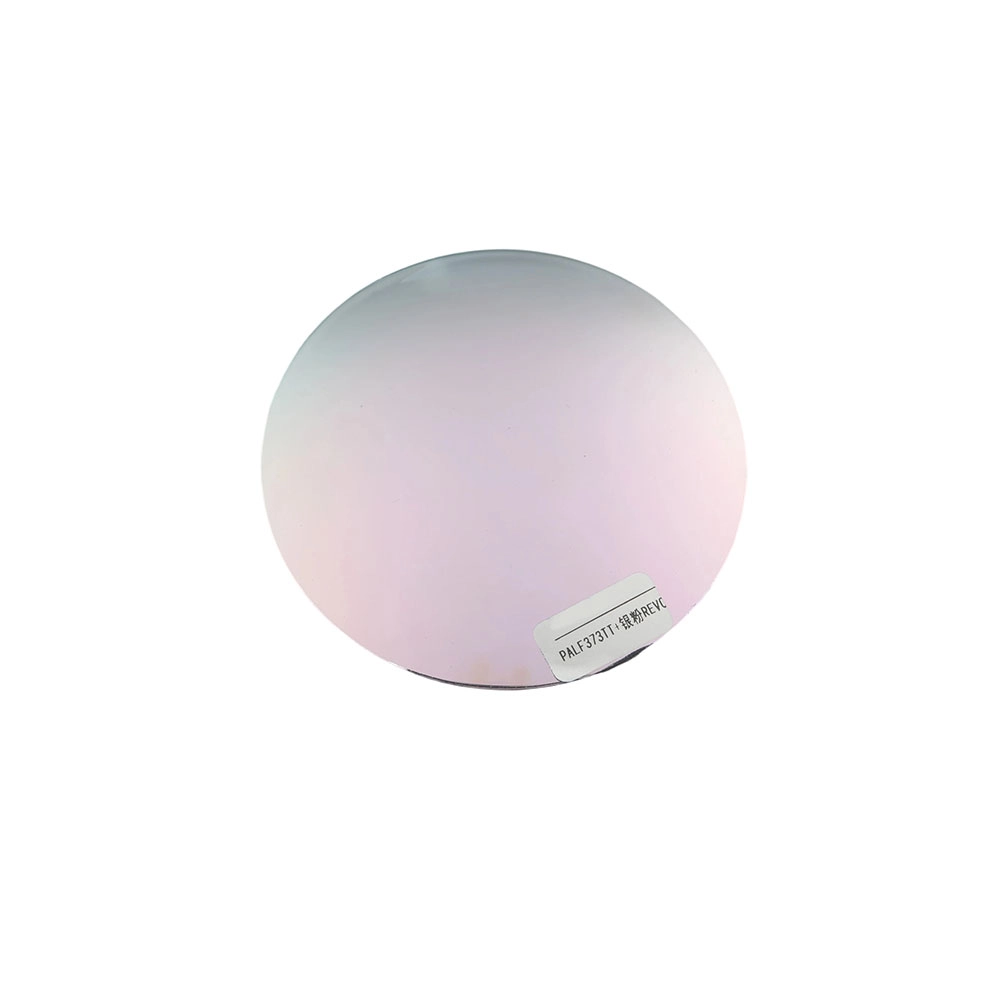
Dynamic Adaptation: Next-Gen Photochromic Lenses for Indoor & Outdoor Use
As premier eyeglass lenses manufacturers, Karuson crafts high-performance PC polarized coated lenses that seamlessly integrate lightweight, impact-resistant polycarbonate with advanced optical film technology. These lenses are engineered to achieve superior glare reduction and enhanced visual definition while offering a spectrum of stylish, customizable tints. Optimized for professional driving, outdoor sports, and urban lifestyles, our manufacturing process ensures that harmful reflections from water, roads, and snow are effectively filtered out. The result is a durable, fashion-forward visual solution that perfectly balances essential eye protection with high-end aesthetic appeal—making them the ideal choice for brands seeking to merge practicality with a modern fashion statement.
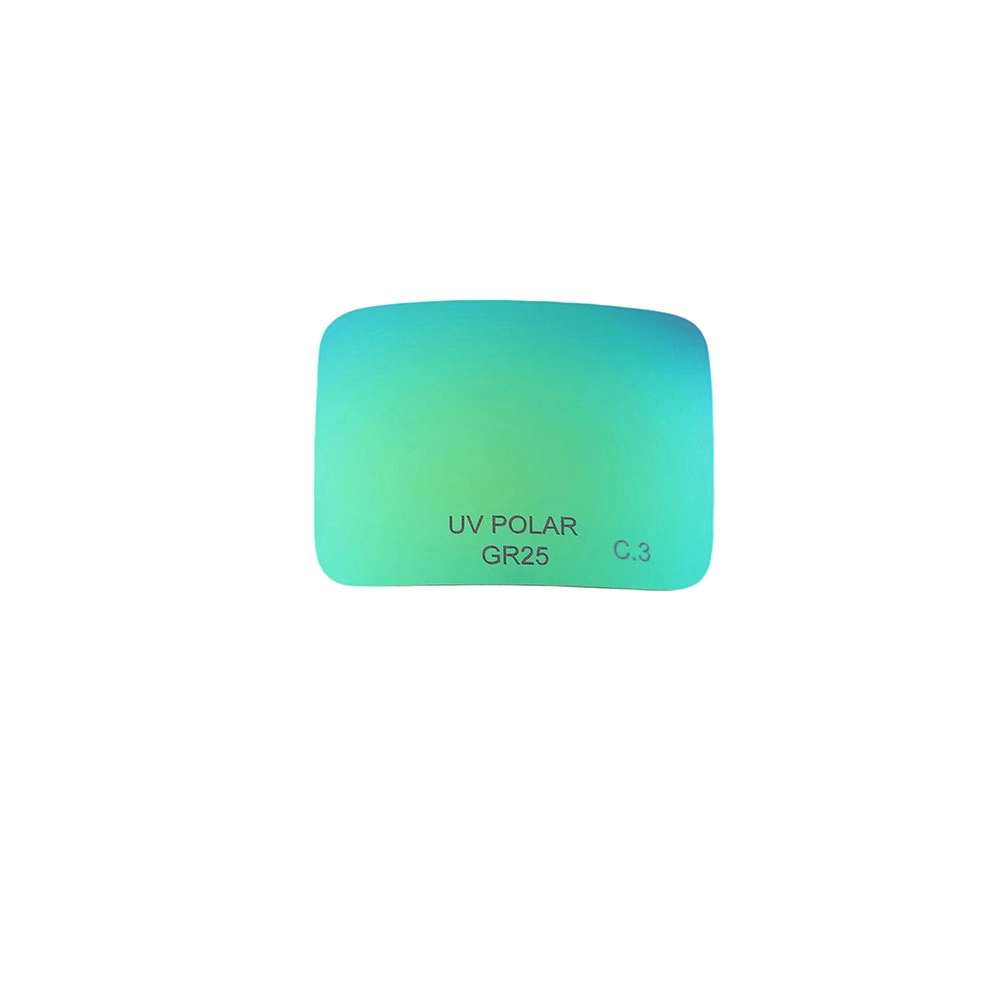
High-Definition Visual Clarity: Premium CR-39 & Polycarbonate Lenses
Experience the precision of a professional custom glasses lenses manufacturer. Karuson polarized lenses are engineered with a 99.9% high-polarization effect to provide unparalleled visual definition and glare reduction. By strategically absorbing reflected light through a high-stability PVA layer, our lenses are optimized for high-intensity outdoor environments, including maritime sailing, hunting, and alpine skiing. Furthermore, our specialized treatment ensures the lenses remain durable and distortion-free even in environments with high heat and humidity.
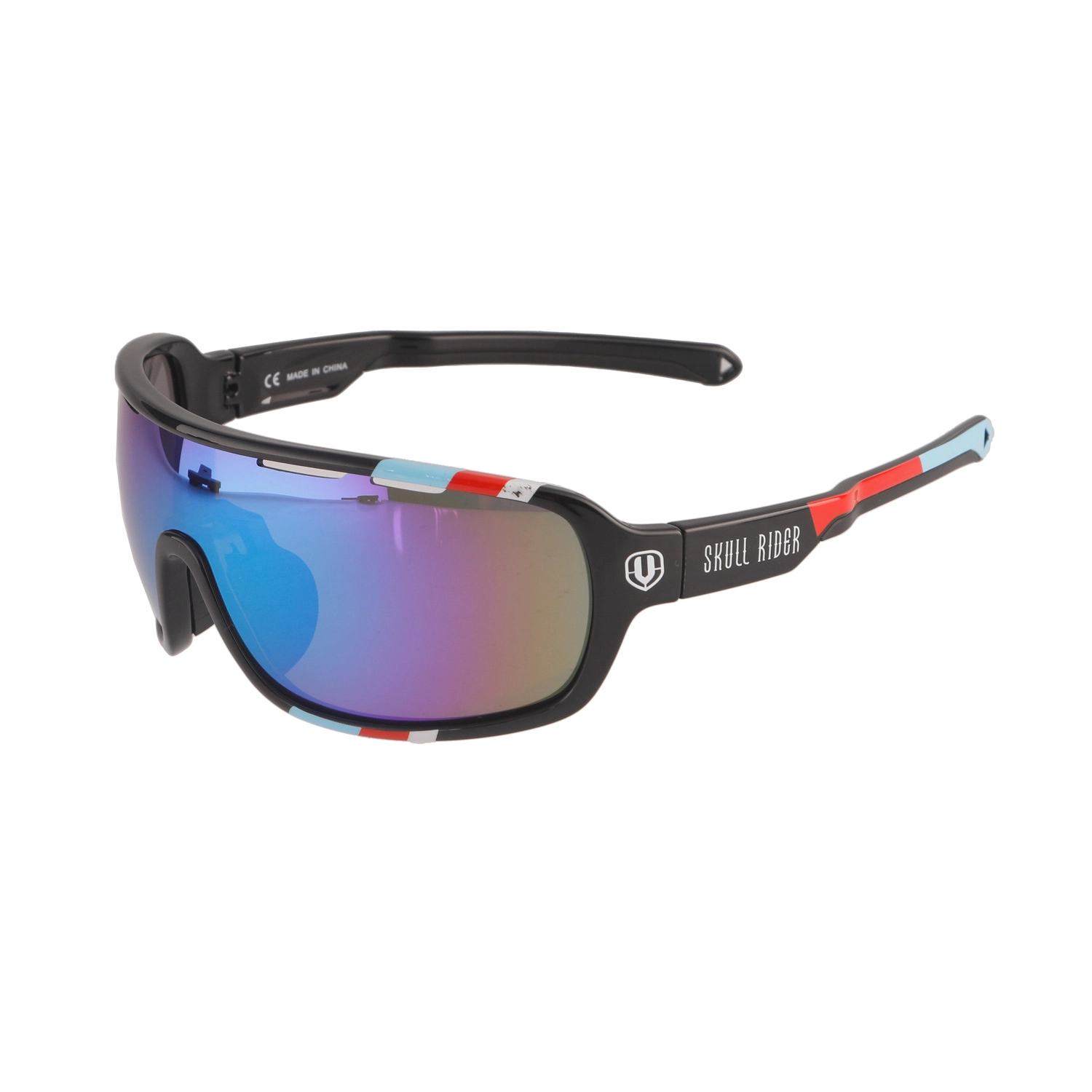
Professional Sports Style Sunglasses
These sports sunglasses are engineered to withstand extreme conditions while offering superior eye protection and style. Crafted with high-strength bio-acetate frames/PC/TR material, they feature exceptional impact resistance, scratch resistance, and wear resistance, ensuring longevity even during intense activities like cycling, hiking, or water sports.
The UV400 lenses provide 100% protection against harmful ultraviolet rays and reduce glare, minimizing eye fatigue and enhancing visual clarity. Perfect for outdoor enthusiasts, these sunglasses are available in vibrant, customizable colors and lightweight designs, making them a comfortable choice for all-day wear.
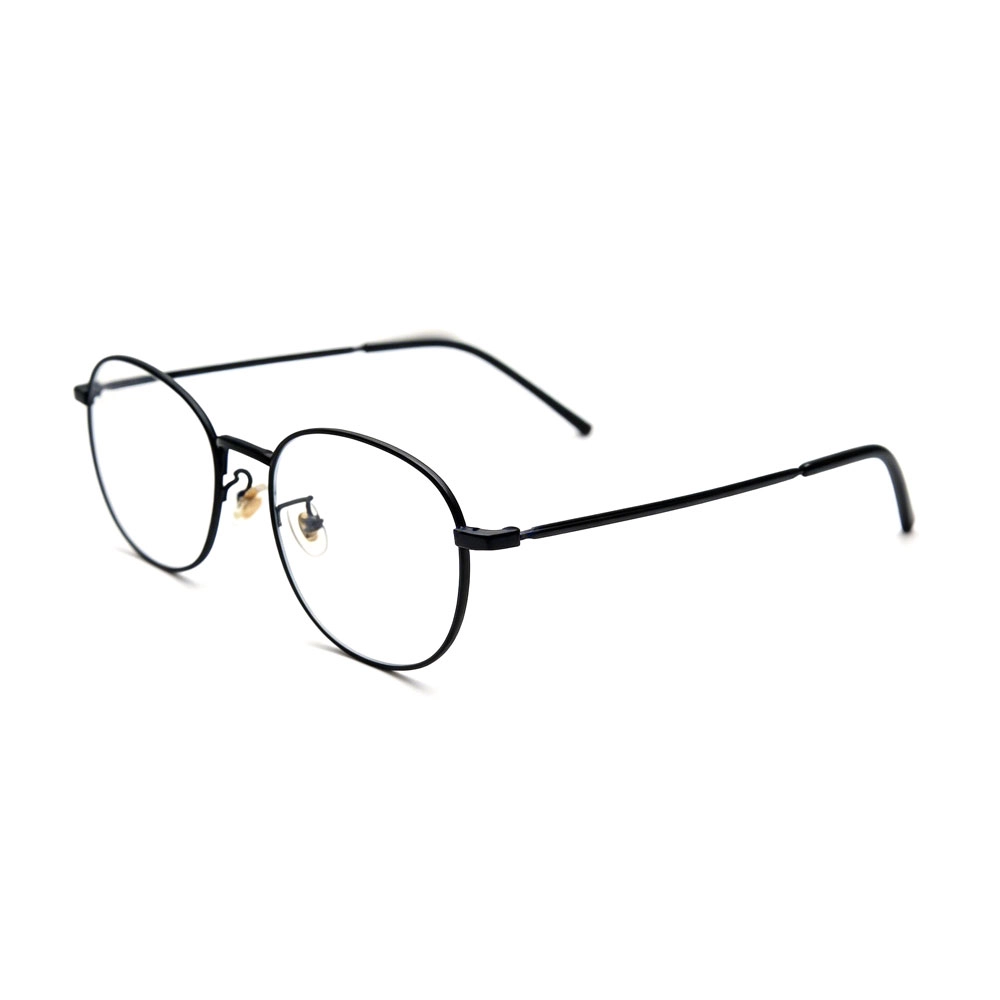
Elegant Lightweight Metal Eyeglass Frames
Metal sunglasses are the perfect blend of strength and elegance, designed for active lifestyles or daily use. Their aluminum or titanium frames are lightweight yet highly durable, resisting impacts and corrosion. UV400 lenses protect your eyes from harmful rays and glare, making them ideal for beach days or cycling. With customizable colors and sleek designs, these sunglasses deliver a stylish, sustainable option for eco-conscious brands and fashion-forward individuals.
Get in touch with us
If you have any comments or good suggestions, please leave us a message; later our professional staff will contact you as soon as possible.
NEW DIMENSIONS IN EYEWEAR
Contact KARUSON
Email:
WhatsApp/Phone:
Address:
331 Section B, WanJia Creative Park , No. 1 BUXIA Road ,Tianhe District, Guangzhou City, Guangdong Province, China.

© 2026 KARUSON. All Rights Reserved.
Facebook
Instagram
YouTube
TikTok
Linkedin