


How do coatings affect scratch resistance in lenses manufacturing?
- 1. How do different hard‑coat chemistries (sol‑gel vs DLC vs plasma) change scratch resistance, and what should I specify when ordering polycarbonate lenses?
- 2. What objective tests and pass/fail criteria should I require from an eyewear factory to verify scratch resistance?
- 3. How do anti‑reflective (AR) multilayer stacks impact overall scratch resistance, and can AR be applied without compromising impact resistance or adhesion?
- 4. Which manufacturing process controls most often cause coating failures, and how can buyers require process QA to avoid them?
- 5. How do coatings affect post‑processing (tinting, edge polishing, laser engraving), and what prep/specs avoid scratches after coating?
- 6. What are realistic warranty, expected service life, and maintenance recommendations for coated lenses in different use cases (kids, sports, safety)?
- Conclusion: Advantages of choosing a quality eyewear factory partner like Karuson
Eyewear Factory: How Coatings Affect Scratch Resistance in Lens Manufacturing
When sourcing coated lenses from an eyewear factory, coating chemistry, substrate, process control and testing determine real-world scratch resistance. Below are six specific beginner questions that are often inadequately answered online, followed by detailed, actionable answers you can use in procurement specs and quality agreements.
1. How do different hard‑coat chemistries (sol‑gel vs DLC vs plasma) change scratch resistance, and what should I specify when ordering polycarbonate lenses?
Why this matters: Polycarbonate and Trivex are impact‑resistant but have soft surfaces without a hard coat. The exact hard‑coat chemistry determines final surface hardness, adhesion, and durability under cleaning and abrasion.
Key facts and what to specify:
- Common hard‑coat families: sol‑gel (inorganic silica or hybrid organo‑silica), plasma‑deposited inorganic coatings, and diamond‑like carbon (DLC). Each balances hardness, flexibility and adhesion differently.
- Sol‑gel hard coats (most common for lenses) form a siloxane network that bonds well to organic substrates after surface activation. They are cost‑effective and typically provide high pencil hardness and good abrasion resistance; they remain the industry standard for polycarbonate to reach the scratch performance expected by end users.
- DLC provides very high surface hardness and chemical resistance, but deposition is more complex and costly; DLC is typically used for High Quality or specialty applications where ultra‑durability is needed.
- Plasma or PVD inorganic topcoats can also deliver excellent hardness and are commonly used as part of anti‑reflective (AR) stacks or as adhesion‑promoting layers.
Procurement checklist (what to require in the specs):
- State substrate (polycarbonate or Trivex) and intended use (everyday, safety, sports) so the factory can match chemistry.
- Require the hard coat family (e.g., sol‑gel silica hard coat) and a target pencil hardness (many buyers specify 6H or higher as an acceptance target for hard‑coated plastic lenses).
- Request process details: surface activation method (flame, plasma), coating application (dip, spin, spray), and cure method (UV, thermal) because these affect adhesion.
- Ask for sample test reports (pencil hardness, adhesion cross‑hatch, Taber abrasion per ASTM methods) from the production lot.
2. What objective tests and pass/fail criteria should I require from an eyewear factory to verify scratch resistance?
Why this matters: “Scratch resistant” is a marketing term unless tied to measurable tests. Without defined acceptance criteria, batches with poor adhesion or weak hard coats can ship.
Essential tests to request and typical acceptance language:
- ASTM D3363 pencil hardness test — specify a minimum grade (e.g., 6H acceptance, or clearly state the required grade for your application).
- Adhesion test per ASTM D3359 (cross‑hatch) — require no detachment (rating 4B–5B depending on your tolerance) and include photographic evidence from production runs.
- Taber abrasion test (ASTM D1044 or equivalent) — specify maximum allowable ΔHaze or ΔTransmission after a defined number of cycles and load (e.g., conditions and limits agreed in QA protocol). This simulates everyday wiping abrasion better than pencil hardness alone.
- Environmental aging tests — e.g., temperature/humidity cycles and chemical resistance (isopropyl alcohol wipe, household cleaners) to verify the topcoat and AR stack do not craze or delaminate.
- Optical performance for AR stacks — require average residual reflectance targets across visible wavelengths (many commercial AR specs aim for <0.5–1% per surface; agree a measurable spectrum and acceptance limits).
Practical tip: Put these test methods and pass/fail criteria into your Purchase Order and specify that the factory include a test report and serial/lot numbers with each shipment. For critical applications (safety eyewear, children), require independent third‑party verification on initial lots.
3. How do anti‑reflective (AR) multilayer stacks impact overall scratch resistance, and can AR be applied without compromising impact resistance or adhesion?
Why this matters: AR coatings improve vision but are often perceived as more delicate. In manufacturing, AR stacks are multilayer vacuum deposits that can be vulnerable if not topped with a protective layer and if surface preparation is inadequate.
How AR affects scratch resistance:
- AR layers (thin inorganic/metal‑oxide stacks) themselves can be relatively brittle. Without a robust hard‑coat top layer or integrated hard topcoat in the AR stack, the finished surface can scratch more easily than a standalone hard‑coated lens.
- Modern factories apply a hard coat first (for plastics) then perform vacuum deposition for AR and finish with a thin hydrophobic/oleophobic topcoat or an integrated hard overcoat during the AR process. This layered approach preserves impact resistance and boosts surface durability.
- Vacuum AR deposition does not significantly change bulk impact resistance if the process is controlled; however, curing and handling must avoid introducing micro‑cracks in the substrate or coating.
What to specify:
- Require a production flow: substrate → hard coat → AR vacuum deposition → hydrophobic/oleophobic topcoat (or an integrated hard top layer in the AR stack).
- Request AR reflectance targets, plus a topcoat abrasion target (Taber or similar) and adhesion proof that the AR layers remain bonded after impact testing where relevant (e.g., ANSI Z87 for safety lenses).
- Ask whether the factory uses ion‑assisted deposition or plasma‑enhanced PVD — those processes generally improve film density and adhesion.
4. Which manufacturing process controls most often cause coating failures, and how can buyers require process QA to avoid them?
Why this matters: Many coating failures are process‑driven (contamination, poor surface activation, inadequate cure, or improper handling). Requiring process transparency and QA prevents unexpected rejects.
Top process failure points and corrective specs:
- Surface contamination — oils, fingerprints and mold release residues cause adhesion failure. Require documented cleaning procedures (solvent wash, DI water rinse, controlled drying) and occasional ATP or surface energy checks.
- Insufficient surface activation — plastic lenses often need plasma or chemical activation before coating. Specify the activation method and retention of process logs showing power/time parameters.
- Inadequate cure — under‑cured sol‑gel or UV coatings will be soft and abrade quickly. Ask for cure lamp intensity logs for UV processes and oven profiles for thermal cures.
- Handling and edge issues — edges and bevels can be weak points for delamination. Require edge sealing or masked edges if recommended by the coating supplier, and include cross‑section inspection samples in QA checks.
- Batch traceability — insist on lot numbers that link lenses to coating runs and QC tests so failures can be isolated and corrective action implemented.
Contract language to use: “Factory will maintain process control records for surface activation, coating lot, cure parameters and QC test results for each production lot and provide them on request.” That simple clause protects buyers and raises the likelihood of consistent coating performance.
5. How do coatings affect post‑processing (tinting, edge polishing, laser engraving), and what prep/specs avoid scratches after coating?
Why this matters: Many buyers want additional operations after coating. Each secondary process can damage coatings if sequencing and materials aren’t correct.
Sequencing guidance and precautions:
- Tinting: For plastic lenses, dyeing is almost always done BEFORE hard coat. Dyeing after a hard coat requires specialized surface chemistries (rare) and will usually fail. Confirm with the factory whether tinting is done pre‑coat and if the dye bath is compatible with the substrate and subsequent coatings.
- Edge polishing and edging: If lenses are edged after coating, edges must be finished carefully to avoid lifting the coating. Best practice: protect coated surfaces during edging (masking or use of non‑abrasive clamping) and perform a final inspection for micro‑chipping at the edge. Alternatively, some factories apply coatings after edging for a fully uniform finish—discuss with the manufacturer which workflow they use.
- Laser engraving or marking: Laser operations can locally heat and damage coatings. Require that the factory validate laser parameters and perform sample tests to ensure no micro‑cracking or haze occurs.
Specification suggestions:
- State the intended secondary operations and require validation samples showing the coated lens after the full sequence (tint → coat → AR → edging, or edging → coat → AR depending on factory capability).
- Ask for documented compatibility data between dyes/tints and the coating system when applicable.
6. What are realistic warranty, expected service life, and maintenance recommendations for coated lenses in different use cases (kids, sports, safety)?
Why this matters: Buyers often accept vague warranties. Different use cases impose very different abrasion and impact stresses that affect coating longevity.
Realistic expectations and how to contract them:
- Consumer everyday eyewear: A quality hard coat + AR + hydrophobic topcoat from a reputable eyewear factory should provide years of reasonable wear under normal use. Warranties commonly cover manufacturing defects (peeling, delamination) for 6–24 months; check the factory’s exact policy.
- Children’s and sports eyewear: These applications have higher abrasion and impact risk. Specify impact standards (ANSI Z87.1 for safety, or EN standards for sports) and request higher scrutiny tests (impact + abrasion). Consider specifying a more robust coating system (e.g., DLC or higher‑grade sol‑gel with thicker topcoat) and require third‑party verification for impact resistance with the coating in place.
- Industrial or safety eyewear: Require documented compliance with relevant safety standards and a coating system validated to maintain adhesion and visibility after impact and chemical exposure tests used in the target industry.
Maintenance guidance to share with end users (factory should provide care instructions):
- Use microfiber and plain water or approved lens cleaners; avoid household cleaners with ammonia or harsh solvents.
- Store lenses in a hard case when not in use and avoid abrasive materials or sand contact.
- Provide a clear care label and a simple do/don’t sheet with each shipment — buyers are more satisfied when end users understand proper lens care.
Contracting tip: Require the eyewear factory to provide the warranty text, care instructions and a protocol for handling warranty claims; this reduces disputes and clarifies responsibilities.
Conclusion: Advantages of choosing a quality eyewear factory partner like Karuson
Working with a factory that documents coating chemistry, process controls and measurable test results gives you predictable scratch resistance, consistent optical performance and fewer warranty headaches. Advantages include: expert selection of hard‑coat and AR stacks matched to substrate (polycarbonate, CR‑39, Trivex or glass), traceable QC (pencil hardness, adhesion and abrasion reports), validated post‑processing workflows (tinting, edging, engraving), and warranty/care documentation tailored to use case (children’s, sports, safety or consumer eyewear). When you require these specifications and reports in your purchase orders, you move from marketing claims to verified performance.
For sample evaluation, batch test reports, or a formal quote with specified scratch resistance criteria for your project, contact us at www.karusonco.com or email nicole@karusonco.com. We can provide test data, process descriptions and sample lenses matched to your product requirements.
Why Sourcing from a China Eyewear Factory is the Strategic Choice for Global Brands
OEM vs. ODM: Which Partnership Model is Best for Your Eyewear Business?
2026 Eyewear Trend Forecast: Colors, Shapes, and Textures to Watch
About Products
How do you ensure product quality?
Full QC process, factory testing, and international certifications.
What is the lead time?
Mass production takes [25-35]days; samples take [7-10] days.
About OEM&ODM
What is your minimum order quantity (MOQ)?
MOQ is flexible and varies by product type. Small trial orders are welcome.
How long does it take to make samples?
Samples are typically completed within 7–15 working days if available molds are present.
What is your production lead time?
Mass production generally takes 30–45 days after sample approval.
You May Also Like
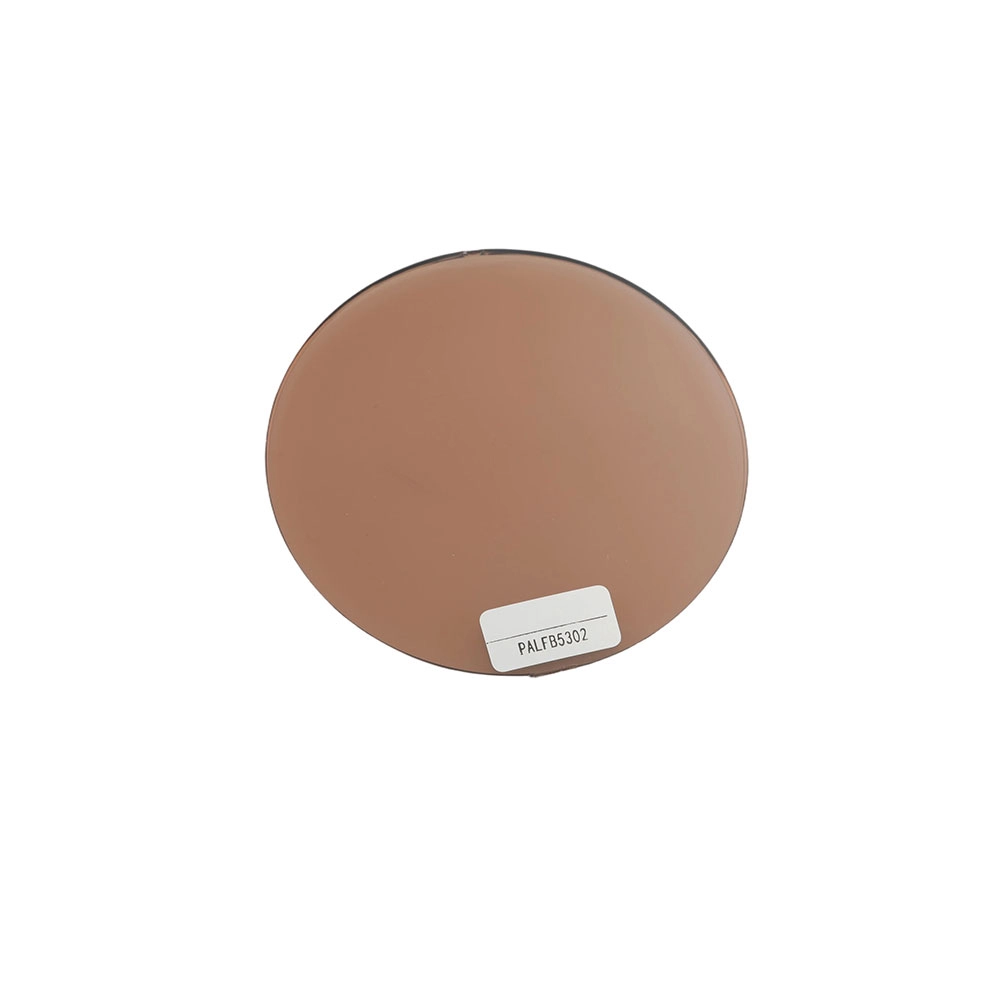
Why Quality Lenses are the Core of Your Eyewear Brand’s Reputation
As a premier high-definition glasses lenses manufacturer, Karuson crafts high-quality Polyamide (PA) Nylon Tinted Lenses that represent the perfect synergy of ultra-lightweight performance and high-toughness durability. By integrating professional-grade tinting technology with advanced material science, we offer a lens solution that delivers exceptional optical clarity alongside vibrant, fashionable color expression. Designed for both daily commutes and trendy lifestyle matching, these lenses provide a comfortable and aesthetic visual experience, serving as a high-performance fashion accessory for the modern, style-conscious consumer.
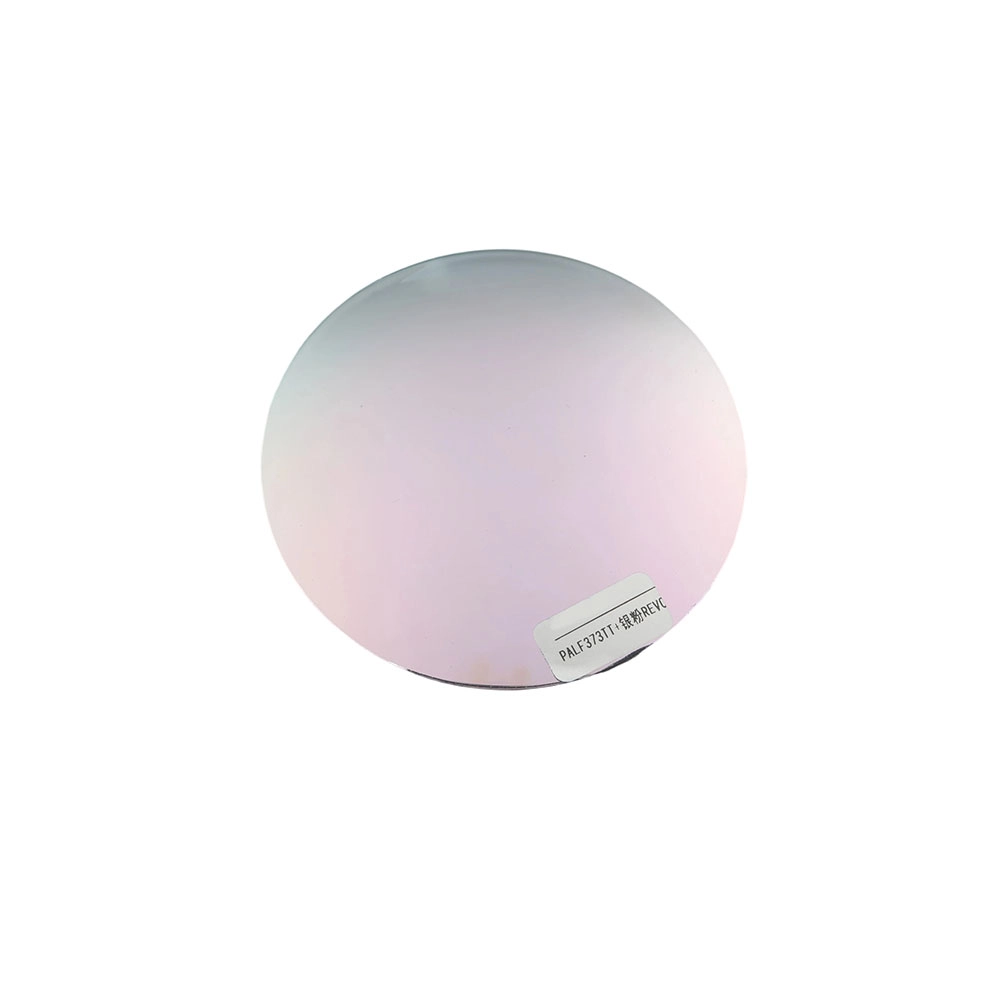
Dynamic Adaptation: Next-Gen Photochromic Lenses for Indoor & Outdoor Use
As premier eyeglass lenses manufacturers, Karuson crafts high-performance PC polarized coated lenses that seamlessly integrate lightweight, impact-resistant polycarbonate with advanced optical film technology. These lenses are engineered to achieve superior glare reduction and enhanced visual definition while offering a spectrum of stylish, customizable tints. Optimized for professional driving, outdoor sports, and urban lifestyles, our manufacturing process ensures that harmful reflections from water, roads, and snow are effectively filtered out. The result is a durable, fashion-forward visual solution that perfectly balances essential eye protection with high-end aesthetic appeal—making them the ideal choice for brands seeking to merge practicality with a modern fashion statement.
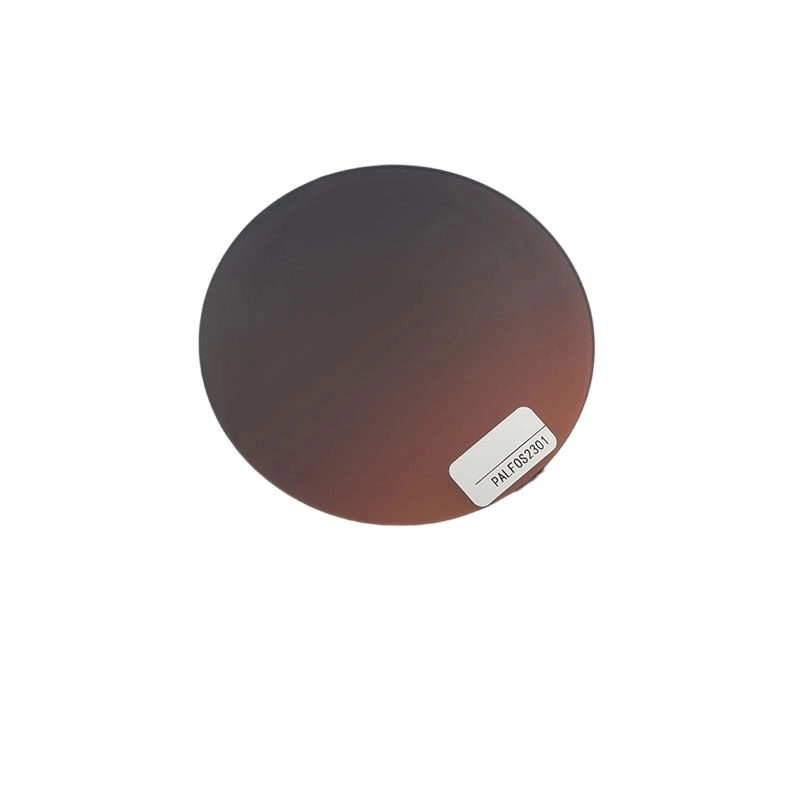
Advanced Sunglasses Solutions: Polarized Lenses with Anti-Seawater Coating
As a versatile photochromic lenses manufacturer and high-performance optics expert, Karuson crafts high-quality Polycarbonate (PC) Gradient Tinted Lenses that perfectly balance aesthetics with advanced protection. By fusing the ultra-lightweight and impact-resistant properties of PC material with precision gradient tinting technology, we deliver a durable visual solution that enhances clarity and comfort for urban lifestyles and outdoor sports. These lenses not only optimize visibility across varying light conditions by reducing glare but also offer a sleek, customizable design—allowing global brands to blend practical eye protection with a modern, fashion-forward accessory.
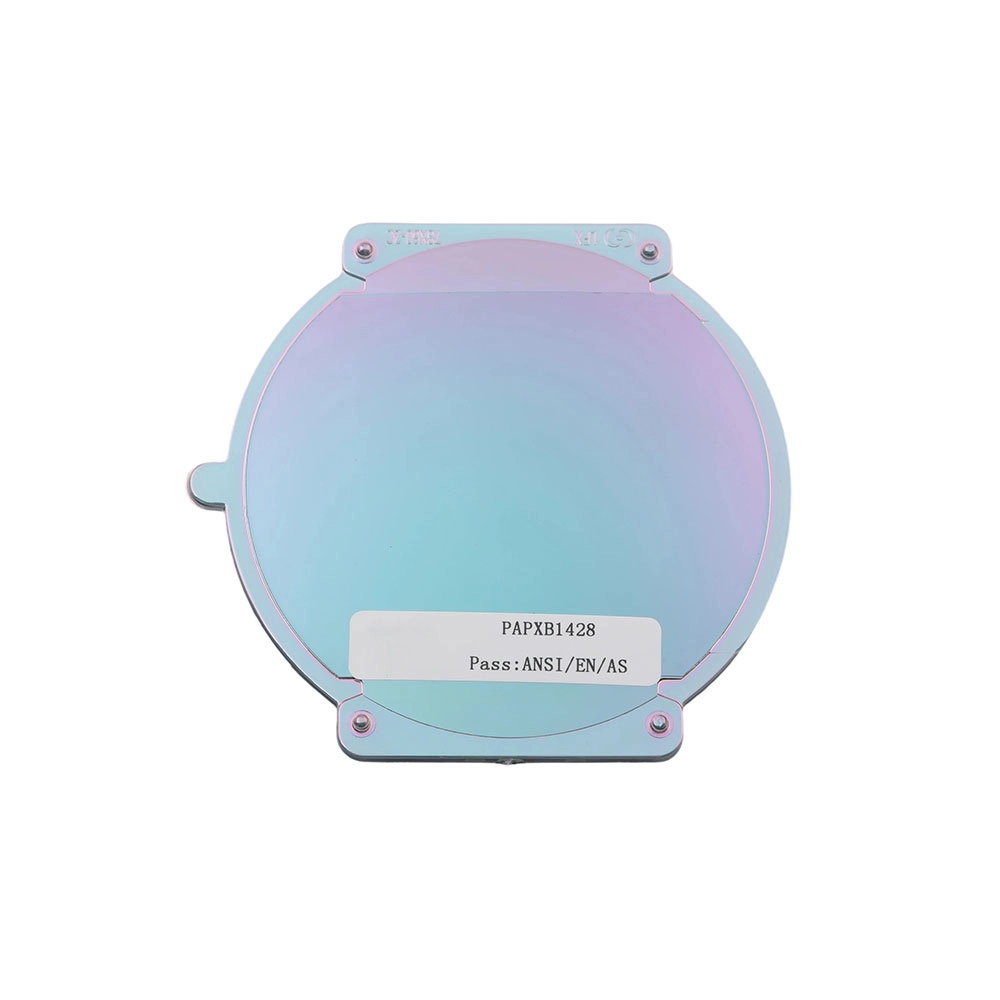
Innovative Lens Technologies: Setting Your Brand Apart in a Competitive Market
Setting a new standard in high-end lenses manufacturing, Karuson’s flagship-grade Polyamide (PA) Nylon polarized lenses seamlessly combine ultra-lightweight material with exceptional, high-toughness durability. By integrating precision polarizing technology, we have created a high-definition visual solution that excels in clarity and comfort for professional driving, outdoor adventures, and competitive sports. This innovation does more than meet expectations—it redefines the performance benchmark for professional polarized optics in the global market.
Get in touch with us
If you have any comments or good suggestions, please leave us a message; later our professional staff will contact you as soon as possible.
NEW DIMENSIONS IN EYEWEAR
Contact KARUSON
Email:
WhatsApp/Phone:
Address:
331 Section B, WanJia Creative Park , No. 1 BUXIA Road ,Tianhe District, Guangzhou City, Guangdong Province, China.

© 2026 KARUSON. All Rights Reserved.
Facebook
Instagram
YouTube
TikTok
Linkedin