


What Materials Best Suit Custom Prescription Sunglasses Frames?
- 1) Which frame materials minimize lens edge thickness and weight for high-power prescription sunglasses—especially for wrap-around designs?
- 2) How can I verify an eyewear factory can deliver accurate optical centration and free-form surfacing for wrap-around prescription sunglasses?
- 3) What are the real corrosion and coating trade-offs between stainless steel, Monel, and PVD-coated titanium for sunglasses in coastal markets?
- 4) How must frame geometry be designed for progressive or multifocal prescription sunglasses to avoid edge distortions and poor reading zones?
- 5) What specific sample, testing, and QC protocols should buyers require from an eyewear factory to verify UV protection, polarization, and frame tolerances before mass production?
- 6) Which frame constructions allow reliable retail-side adjustments (heat flexing, temple bending, hinge replacement) without compromising frame life for custom prescription sunglasses?
- Concluding summary
Eyewear Factory Answers: Materials & Production Questions for Custom Prescription Sunglasses
As an experienced OEM eyewear manufacturer and private-label supplier, Karuson answers the detailed production and specification questions we hear most from brands and dispensers when ordering custom prescription sunglasses frames. Below are six long-tail, pain-point-focused questions frequently under-addressed online, with factory-level, actionable answers that reference industry practices, optical constraints, and testing standards such as ISO 12312-1 and common manufacturing controls.
1) Which frame materials minimize lens edge thickness and weight for high-power prescription sunglasses—especially for wrap-around designs?
Short answer: combine a low-density, formable frame material with high-index lens blanks and free-form surfacing. Practical factory approach:
- Frame material selection
- Acetate (cellulose acetate): density ~1.2–1.3 g/cm³; good for thick-edge masking because you can increase internal bevels and hide thickness. Acetate allows deeper grooves for larger lens sizes but is heavier than high-performance nylons.
- Grilamid TR-90 / Nylon (injection-molded): density ~1.1–1.3 g/cm³; very lightweight, flexible, and ideal for sporty wrap frames. Because injection molded frames have thinner rims, the lens blank and edging strategy must be prioritized.
- Titanium and beta-titanium: low-profile metal rims reduce visible lens edge but are denser (~4.5 g/cm³). Metals let you use rimless or semi-rim designs that minimize edge display, but lens thickness remains a function of refractive index and prescription power.
- Carbon-fiber or composite laminates: lightweight and rigid, good for minimal rim visibility but require precise molding and bonding processes.
- Lens-side strategies
- Use high-index lens materials (1.59, 1.67, 1.74) to reduce center and edge thickness for high prescriptions. For single vision and higher powers, 1.67 or 1.74 is often recommended to keep edge profile slim.
- For wrap (high-base) frames, always plan for back-surface free-form surfacing: this lets labs generate the correct base curve and compensate for decentration rather than simply cutting a conventional blank into a steep curve (which produces heavy peripheral thickness or optical aberrations).
- Consider aspheric front surfaces and edge polishing options. Front-surface aspherics can dramatically improve cosmetic thickness and visual quality on higher powers.
- Practical factory checklist for orders
- Specify frame material and target weight per pair (g) and request a prototype with the intended lens blanks and free-form data to validate edge thickness visually.
- Provide exact optical parameters: prescription range, desired base curve, PD/seg heights, and intended lens index. For wrap frames, include intended frame wrap (base 6/8/10 etc.) so the lab can quote free-form capability.
2) How can I verify an eyewear factory can deliver accurate optical centration and free-form surfacing for wrap-around prescription sunglasses?
Many factories claim free-form capability but lack consistent production QA. Verify by requesting specific evidence and testing protocols:
- Technical evidence to request
- List of surfacing equipment (e.g., Schneider/Oertli/Seiko single vision/free-form polishers or equivalents) and the software used for free-form generation (e.g., Visionix, Essilor/SEIKO or supplier-specific). Exact models demonstrate capability to produce back-surface aspheric/free-form geometries for steep base curves.
- Sample pairs made to your prescription and wrap specifications with COA showing measured centration, prism, and back-vertex distance (BVD).
- Inspection metrics to require
- Measured prism (limit: industry buyers often expect prism <= 0.67 PD per lens for final product, but require you to state acceptable limits).
- Decentration accuracy and optical center placement: request measurement reports showing centration within ±0.50 mm of target for High Quality lines; ask for actual measured values from the factory lab for your samples.
- Lensometer and wavefront reports for free-form surfacing to verify the intended surface map and spherical equivalent across the usable optic zone.
- Order-level controls
- Start with a pre-production prototype run (3–5 finished pairs) produced end-to-end (frame + lenses) and measured with your lab specs before mass tooling.
- Insist on documented operator training, maintenance schedules for polishing/grinding equipment, and a method for correlating surfacing program versions to batches (so you can trace back any issue to software/recipe updates).
3) What are the real corrosion and coating trade-offs between stainless steel, Monel, and PVD-coated titanium for sunglasses in coastal markets?
Coastal environments accelerate corrosion and wear. Choose materials and finishes with proven resistance and factory QA:
- Material behavior
- 316L stainless steel (surgical grade) offers good corrosion resistance and passivation; denser and heavier but reliable if properly passivated. It's common for eyewear hardware and full-metal frames.
- Monel (nickel-copper alloy) is historically common in eyewear for its corrosion resistance and ease of electroplating, but it contains nickel and can cause allergies for some wearers; also electroplating can fail if underlying metallurgy or surface prep is poor.
- Titanium and beta-titanium: excellent corrosion resistance and hypoallergenic; lighter than stainless. When paired with durable coatings (PVD), titanium performs extremely well in salty air.
- Coating/process considerations
- PVD (physical vapor deposition) coatings on titanium and stainless: produces a thin, hard, well-adhered finish with superior scratch and corrosion resistance compared to traditional electroplated lacquers. PVD is recommended for coastal markets if you need colored finishes.
- Electroplating (nickel, copper, gold, etc.): cheaper, but adhesion and long-term corrosion resistance are highly dependent on surface cleaning, strike layers, and plating thickness. Salt-spray (ASTM B117) testing is a good qualification test to demand—look for factory reports showing hours to first failure for your finish spec.
- Passivation and conversion coatings: for stainless, ask for citric or nitric passivation certificates. For plated parts, request chromate-free passivation that meets RoHS/REACH where required.
- Buyer checklist
- Specify target environment (coastal humidity/salt exposure) and request salt-spray test results per ASTM B117 or equivalent from the factory for the proposed finish. Typical buyer thresholds vary; discuss required hours to failure during negotiation.
- Ask for nitrite-free, RoHS/REACH-compliant finish materials and a documented finish process flow (clean → strike → plating/PVD → seal) with incoming inspection points.
4) How must frame geometry be designed for progressive or multifocal prescription sunglasses to avoid edge distortions and poor reading zones?
Progressive sunglasses combine optical complexity with cosmetic issues (tint uniformity, wrap). Factory and lens labs must coordinate early in the design phase:
- Key design limits
- Frame depth (vertical lens height): progressive lenses need adequate vertical space for a usable near corridor. For sunglasses, deeper lenses (minimum usable height commonly 28–32 mm depending on progressive design) are safer. Very shallow fashion sunglasses may be incompatible unless you use specialized short corridor designs from the lens lab.
- Base curve and wrap: large wrap (strong base curves) introduces oblique astigmatism and alters prism; free-form backside progressive surfacing is required to compensate. Not all progressive designs are supported on steep bases; confirm with your lens lab.
- PD, vertex distance, and pantoscopic tilt: these must be specified to the factory; the lens surfacing file must include expected pantoscopic tilt and BVD to optimize progressive zones and minimize swim effect.
- Factory-lab coordination
- Share the frame measurements (A, B, DBL, eye size, wrap/base curve, pantoscopic and vertex target) with the progressive lens supplier at the RFQ stage—do not assume standard fitting parameters.
- Request lens lab confirmation that the intended progressive design supports your frame base curve; if not, either alter the frame geometry or select a progressive design/lab that provides free-form compensation for steep bases.
- Prototyping recommendation
- Produce at least two prototype samples: one with your standard progressive design and one with a modified corridor or design meant for wrap frames, then run wearer trials. Document fit/tilt differences and optical complaints to iterate quickly before mass tooling.
5) What specific sample, testing, and QC protocols should buyers require from an eyewear factory to verify UV protection, polarization, and frame tolerances before mass production?
High-level claims (100% UV, polarized) are not enough; insist on measurable proof and production controls:
- Certification & testing
- UV protection: require a Certificate of Analysis (COA) from an accredited lab showing compliance with ISO 12312-1 for sunglasses and filtering categories (e.g., Category 2/3/4) and percent UV-A/UV-B blocking measured by spectrophotometer across 280–400 nm. For medical claims, reference applicable national standards such as ANSI/ANZI where relevant.
- Polarization: request polarization efficiency measurements (percentage) and a polarimeter report, plus a demonstration that polarized films/coatings are applied consistently batch-to-batch.
- Tint uniformity and color coordinates: measured in CIE coordinates across the lens area to detect banding or coating non-uniformity.
- Mechanical and corrosion testing
- Salt-spray testing per ASTM B117 or equivalent for plated/metal finishes when selling to humid/coastal markets.
- Hinge torque, pull-out/screw torque, and drop tests: request factory AQL limits and test reports. Use AQL 2.5 for critical cosmetic/functional items if you are a High Quality brand.
- Dimensional and optical QC
- Frame tolerances: ask for documented tolerances for critical dimensions (e.g., eye size, DBL, temple length) and test reports. Typical factory tolerances often fall within ±0.3–0.5 mm depending on process, but confirm specific values for your SKU.
- Lenses: request lens centration/optical center verification and spherical/cylindrical power validation from the surfacing lab. For High Quality products require sample COAs for each batch during initial orders.
- Batch traceability: require lot identifiers linking frames, hinges, and lenses to inspection records and testing reports (COAs), enabling root-cause analysis if problems arise.
6) Which frame constructions allow reliable retail-side adjustments (heat flexing, temple bending, hinge replacement) without compromising frame life for custom prescription sunglasses?
Retail adjustability is a major concern for opticians and end-users. Choose constructions that balance adjustability and durability:
- Materials and constructions that adjust well
- Acetate: heat-adjustable, allowing good on-site reshaping of pads, nose bridge, and temple angle. Requires trained staff and careful heating to avoid warping or crazing.
- Grilamid TR-90 / nylon: limited hot-adjustability (usually requires warm-water bending; excessive heat may deform injection molded parts). Provides excellent spring-back and is forgiving for minor adjustments.
- Beta-titanium: provides spring memory and can be gently bent by a technician without fracture—excellent for repeat adjustments. Use quality metal fabrication and tempering specifications from the factory.
- Screwless and spring hinge systems: spring hinges reduce stress on temples and are user-friendly; however, low-quality springs or poor hinge plating/assembly degrade faster. Ask for hinge life-cycle tests (cycles to failure) from the factory.
- Replacement and serviceability
- Design frames with removable/replaceable temple systems and standardized hinge dimensions so retail technicians can replace parts instead of discarding frames.
- For metal frames, prefer designs with accessible screws or captive pin hinges for long-term serviceability; ensure the factory uses standardized screw sizes and supplies spare parts with the initial shipment.
- Buyer guidance
- Specify intended retailer adjustment level at the RFQ stage. If you expect heavy retail adjustment, choose beta-titanium or acetate with tested hinge systems and request factory-provided adjustment instructions and training videos to reduce in-store breakage rates.
Concluding summary
Working with an experienced eyewear factory that integrates frame material knowledge, free-form surfacing, stringent QC (UV, polarization, salt-spray), and after-sales serviceability delivers measurable advantages: optimized lens aesthetics and thinness for high prescriptions, predictable optical performance for wrap and progressive designs, reliable corrosion resistance for coastal markets, and fewer returns when retail adjustments are required. For private-label brands, these capabilities translate to faster speed-to-market, lower rework rates, and stronger customer satisfaction.
Contact Karuson at www.karusonco.com or email nicole@karusonco.com to request a detailed quote and to start pre-production sampling with full COAs and test reports.
Why Sourcing from a China Eyewear Factory is the Strategic Choice for Global Brands
OEM vs. ODM: Which Partnership Model is Best for Your Eyewear Business?
2026 Eyewear Trend Forecast: Colors, Shapes, and Textures to Watch
About Products
How do you ensure product quality?
Full QC process, factory testing, and international certifications.
What is the MOQ?
Usually ≥100, depending on the model.
Do you support OEM/ODM?
Yes, our R&D and design teams support full customization.
Do you offer samples?
Yes, paid samples or refundable samples are available.
About OEM&ODM
What is your minimum order quantity (MOQ)?
MOQ is flexible and varies by product type. Small trial orders are welcome.
You May Also Like
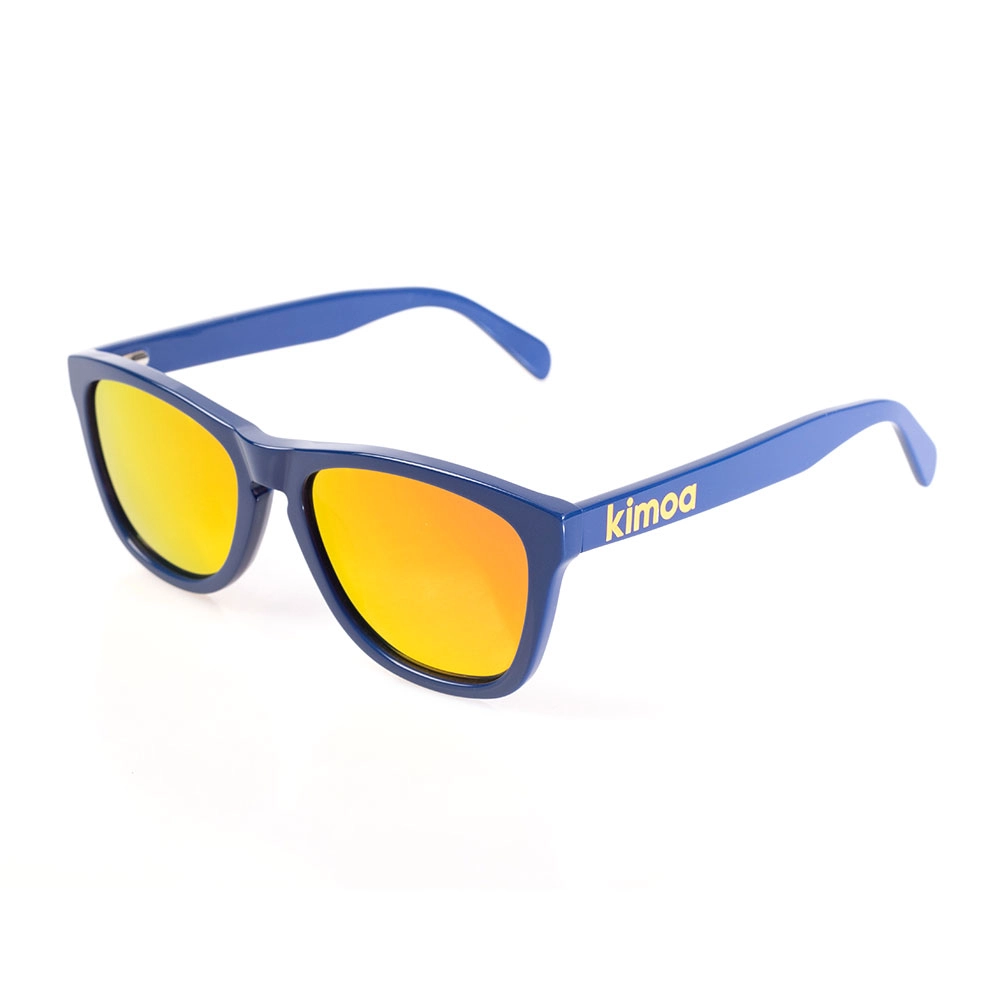
Trendy Blue Framework Sunglasses: Customizable Performance & Style
These eco-friendly bio-acetate sunglasses combine high-performance durability with sustainable innovation, making them the perfect centerpiece for your private label eyewear collection. Engineered for longevity, the frames offer superior impact and scratch resistance, while the UV400 lenses provide essential protection against harmful rays and glare. Available in a spectrum of vibrant, customizable colors, this collection allows eco-conscious brands to offer a premium, lightweight, and stylish choice that refuses to compromise on safety or aesthetics.
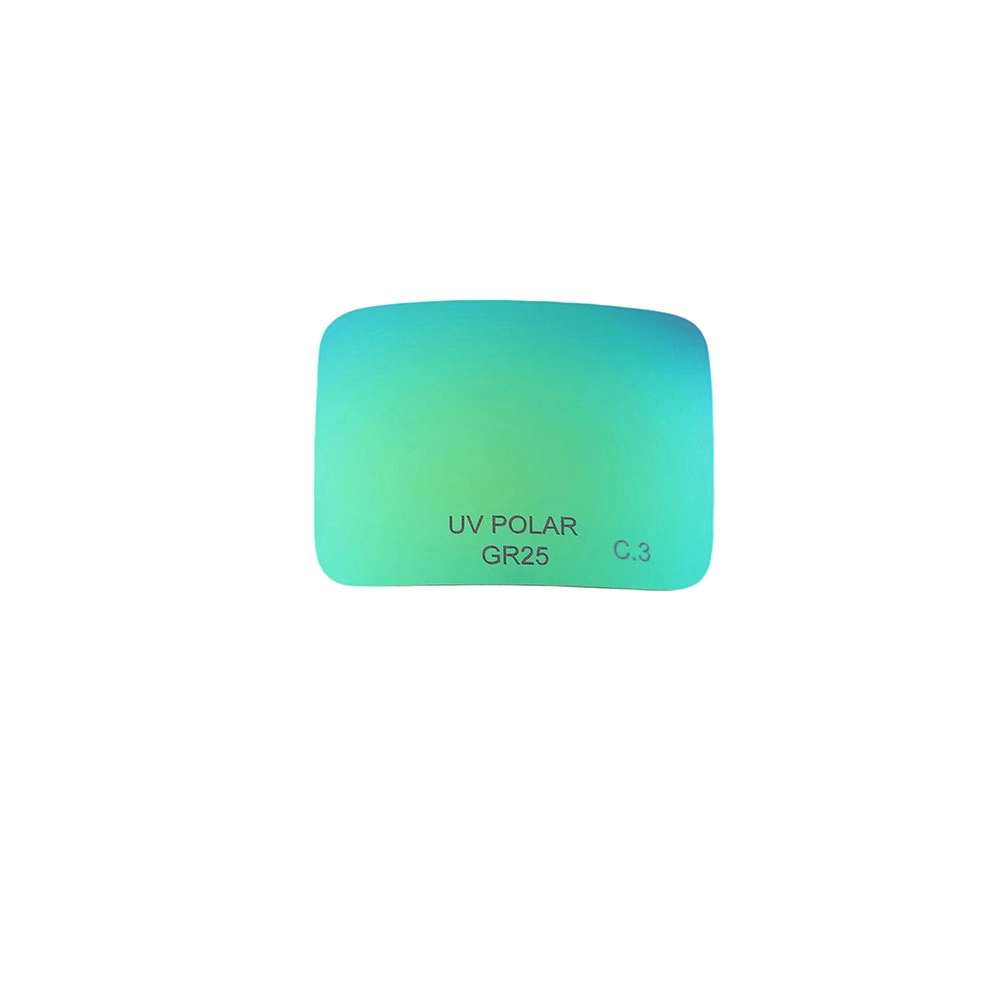
High-Definition Visual Clarity: Premium CR-39 & Polycarbonate Lenses
Experience the precision of a professional custom glasses lenses manufacturer. Karuson polarized lenses are engineered with a 99.9% high-polarization effect to provide unparalleled visual definition and glare reduction. By strategically absorbing reflected light through a high-stability PVA layer, our lenses are optimized for high-intensity outdoor environments, including maritime sailing, hunting, and alpine skiing. Furthermore, our specialized treatment ensures the lenses remain durable and distortion-free even in environments with high heat and humidity.
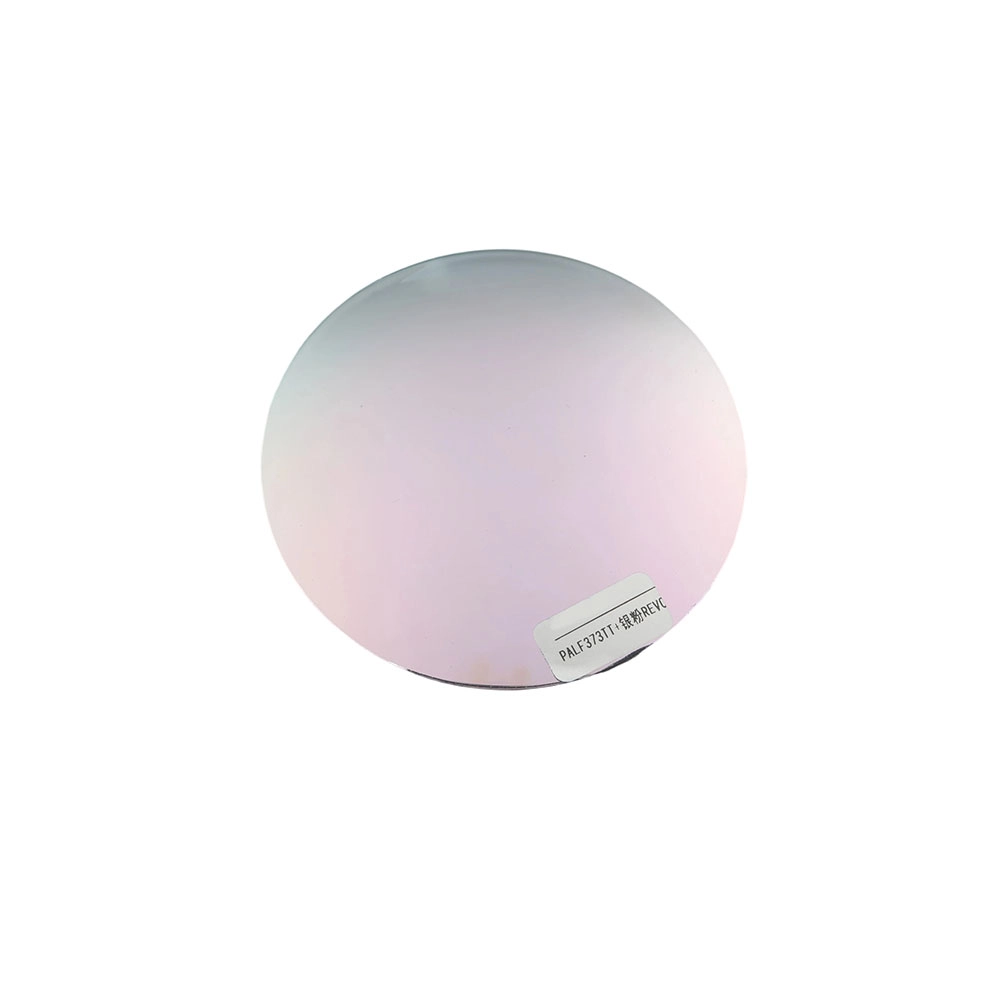
Dynamic Adaptation: Next-Gen Photochromic Lenses for Indoor & Outdoor Use
As premier eyeglass lenses manufacturers, Karuson crafts high-performance PC polarized coated lenses that seamlessly integrate lightweight, impact-resistant polycarbonate with advanced optical film technology. These lenses are engineered to achieve superior glare reduction and enhanced visual definition while offering a spectrum of stylish, customizable tints. Optimized for professional driving, outdoor sports, and urban lifestyles, our manufacturing process ensures that harmful reflections from water, roads, and snow are effectively filtered out. The result is a durable, fashion-forward visual solution that perfectly balances essential eye protection with high-end aesthetic appeal—making them the ideal choice for brands seeking to merge practicality with a modern fashion statement.
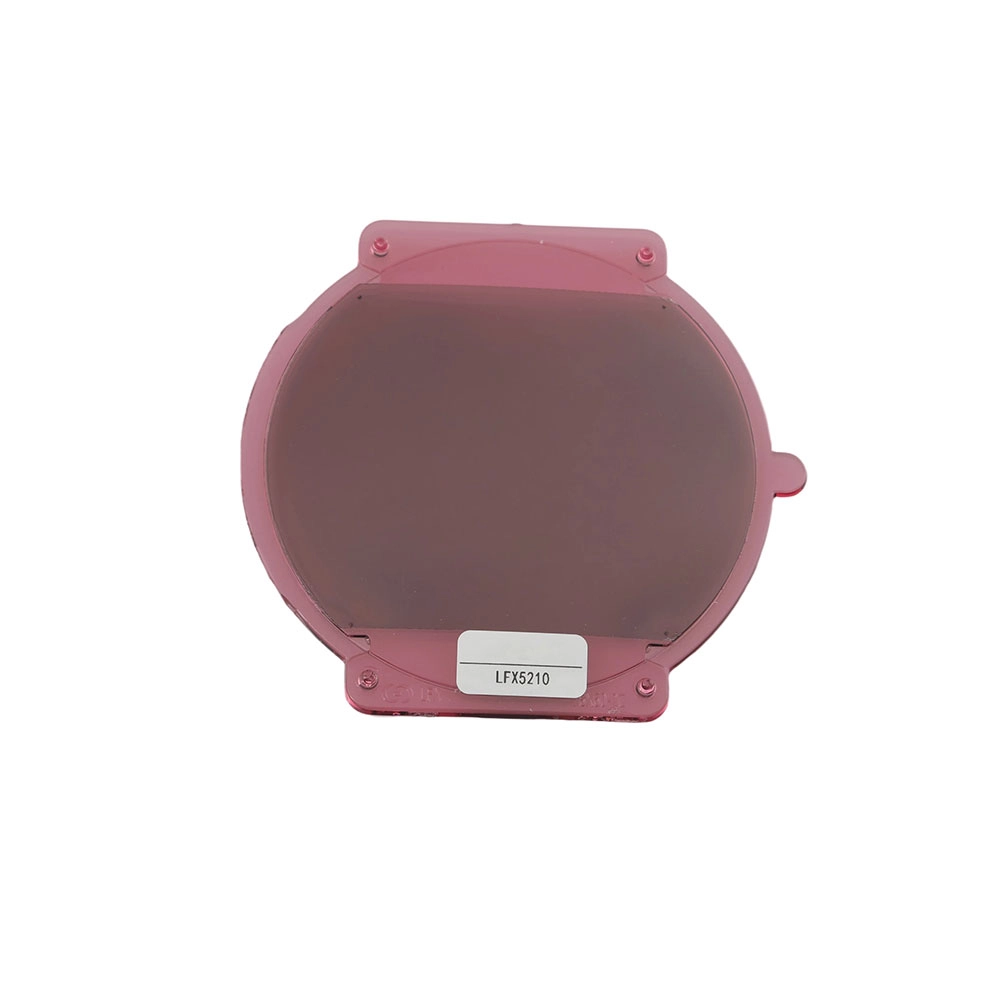
Upgrade Your Collection with Premium Lens Coatings & Finishes
As a leading lenses manufacturer, Karuson sets a new industry standard with our flagship-grade Polyamide (PA) Nylon polarized lenses. By seamlessly merging ultra-lightweight, high-toughness materials with precision polarizing technology, we deliver a high-definition visual solution that excels in durability and comfort. Optimized for high-intensity outdoor activities, professional driving, and competitive sports scenarios, these lenses redefine the performance benchmark for polarized optics, providing global brands with a truly elite-level product.
Get in touch with us
If you have any comments or good suggestions, please leave us a message; later our professional staff will contact you as soon as possible.
NEW DIMENSIONS IN EYEWEAR
Contact KARUSON
Email:
WhatsApp/Phone:
Address:
331 Section B, WanJia Creative Park , No. 1 BUXIA Road ,Tianhe District, Guangzhou City, Guangdong Province, China.

© 2026 KARUSON. All Rights Reserved.
Facebook
Instagram
YouTube
TikTok
Linkedin