


What are high-index lenses and when should you choose them?
- 1) What are high-index lenses and when should you choose them for a factory order?
- 2) How can I accurately compare edge thickness between 1.56, 1.67 and 1.74 lenses for a -5.50D prescription in narrow frames?
- 3) Which quality control reports should I request from an eyewear factory to avoid chromatic aberration and ensure progressive performance with high-index lenses?
- 4) Can an eyewear factory produce thin high-index lenses for rimless titanium frames without compromising edge strength? What edge finishing or lamination processes are required?
- 5) How do base curve selection and lens blank choice interact with high-index materials to prevent induced prism or “coke-bottle” effects for high prescriptions?
- 6) When ordering OEM/ODM high-index lenses, what are realistic lead times, MOQs and cost adders for freeform progressive surfacing and AR coatings?
Eyewear Factory Guide: What Are High-Index Lenses and When to Choose Them
Summary: This article answers six detailed, purchase-focused questions beginners and buying managers ask when sourcing high-index prescription lenses from an eyewear factory. It explains material choices (1.56, 1.67, 1.74), production tolerances, coatings, freeform surfacing, rimless manufacturing, testing reports and realistic MOQs/lead times. Embedded are practical manufacturing keywords such as optical lens manufacturing, freeform surfacing, anti-reflective coating, CNC edger, and OEM/ODM sourcing.
1) What are high-index lenses and when should you choose them for a factory order?
Answer: High-index lenses are optical lens materials with a higher refractive index than standard CR-39 (approx. n=1.50). Common commercial indices used by eyewear factories are 1.56 (mid-index), 1.60, 1.67 and 1.74. Higher refractive index bends light more efficiently, so for the same prescription power the lens can be made thinner and lighter.When to choose them (practical factory guidance):- Prescription magnitude: Manufacturers and opticians commonly recommend moving from 1.50 to a high-index option at around ±3.00 diopters; beyond ±4.00 D a high-index material (1.67 or 1.74) usually gives noticeably thinner edges or centers depending on sign of power. For borderline cases (±2.00 to ±3.00 D) consider frame style and cosmetics before deciding.- Frame type: For rimless or narrow-rim frames and for thin-profile metal frames (titanium), choose 1.67 or 1.74 to avoid excessive edge thickness and to achieve a better aesthetic without bulky beveling.- Weight and comfort: For high prescriptions (especially high minus), the weight saving of 1.67 or 1.74 improves wearer comfort; for high plus prescriptions, thinner centers are achieved with higher index.- Visual quality trade-offs: Higher index materials can have lower Abbe values (more chromatic dispersion) and slightly different surface reflectivity; if the order includes progressive or freeform surfacing, confirm the factory’s digital surfacing and AR-coating compatibility.Manufacturing note: Always request optical performance data (refractive index verification, spectral transmittance and basic impact compliance) from the factory for the selected index. For custom OEM/ODM orders, specify the index in the purchase order and confirm the lens blank supplier and batch traceability as part of quality control in optical lens manufacturing.
2) How can I accurately compare edge thickness between 1.56, 1.67 and 1.74 lenses for a -5.50D prescription in narrow frames?
Answer: Buyers often see vendor claims of “40% thinner” for 1.74 vs 1.50 that lack context. Edge thickness depends on multiple factors: refractive index, base curve, frame eye size and shape, pantoscopic tilt, and vertex distance. To compare accurately you should ask the factory for a sample calculation or a rendered mockup using your exact frame and prescription.Practical steps an eyewear factory or sourcing manager must follow:- Use lens design software: Request a simulated edge-thickness drawing (or STL file) that shows min/max edge thickness and center thickness for the exact frame geometry, PD, vertex distance and pantoscopic tilt. Many factories with digital freeform surfacing provide this.- Specify base curve: For minus prescriptions a flatter base curve increases center thickness; for narrow frames a steeper base curve can reduce edge thickness. Have the factory simulate both base curves you’re considering.- Compare real blanks: Ask for cut-and-polished samples (or at minimum, a factory-provided CAD thickness report) for 1.56, 1.67 and 1.74 using the same order parameters.- Consider edge finishing: Thin edges for rimless/titanium frames need precise beveling and possibly edge reinforcement or lamination. Edge polish and sealing will affect final aesthetic and strength.Estimated real-world guidance: For a typical -5.50D in a narrow (small eye size) frame you often see a significant reduction going from 1.56 to 1.67 (commonly 15–30% edge reduction depending on frame), and an additional reduction from 1.67 to 1.74 (often smaller incremental gains). The exact percentage varies—get factory-specific CAD simulations before buying large quantities.
3) Which quality control reports should I request from an eyewear factory to avoid chromatic aberration and ensure progressive performance with high-index lenses?
Answer: When buying high-index prescription lenses, insist on a package of optical and manufacturing test reports. These reports help you evaluate chromatic dispersion risks, optical accuracy and compliance:Essential reports and what they mean:- Refractive index verification: Confirms the lens blank’s nominal index (1.56/1.67/1.74) using standard metrology – this validates the core claim.- Abbe value (or dispersion test): Provides a measure of chromatic aberration; lower Abbe means potentially more color fringing. High-index materials historically have lower Abbe values; request the Abbe and see comparative numbers for the exact blank you plan to buy.- Spectral transmittance: Ensures visible light transmittance meets expectations (important for coated lenses and anti-blue cutoff variants).- Surface power map / power distribution report: Vital for progressives and freeform lenses; shows how accurately the factory’s surfacing machine produced the intended power and astigmatism across the optic zone.- Centration and prism check: Confirms that the finished lens meets centration and prism tolerances referenced to ANSI Z80.1 or ISO 8980 standards.- Impact resistance and adhesion tests: For polycarbonate and some high-index blends, impact resistance certification (and coating adhesion testing) is important for rimless mounting.- Batch traceability and certificate of conformity: Shows which blank lot was used and ties production to incoming inspection records.How to interpret them: If Abbe is relatively low (indicating higher dispersion), but the lens is intended for progressive freeform design, ensure the power error and surface quality report demonstrates low local power errors (e.g., typical freeform tolerances used in industry). A high-quality optical lens manufacturing partner will provide digital power maps, AR coating reflectance curves, and traceability for blanks.Actionable requirement: Include a QA clause in the contract requiring these reports for first shipments and periodic verification thereafter. Factories experienced with OEM/ODM and progressive surfacing can provide these as standard.
4) Can an eyewear factory produce thin high-index lenses for rimless titanium frames without compromising edge strength? What edge finishing or lamination processes are required?
Answer: Yes — but it requires specific production steps and tighter tolerances compared with full-rim orders. Thin high-index lenses are more brittle at the edge than thicker CR-39, and rimless titanium mounting places mechanical stress on the drilled holes and edge.Key manufacturing controls and finishing steps:- Choose appropriate material: For rimless, many factories prefer 1.67 over 1.74 for a balance of thinness and better edge strength/Abbe. Polycarbonate-like or Trivex alternatives offer superior impact resistance but different thickness profiles.- Edge preparation: Controlled CNC edging and precision beveling for rimless drilling. The CNC edger must create a clean full-bevel or partial-bevel depending on the titanium screw or bush system used.- Hole drilling and reinforcement: Use jigged drilling with water-cooled diamond drills and verify hole chamfering to reduce stress concentrators. For very thin edges, some factories recommend brass bushings or reinforce holes with a transparent epoxy or lens-mounted inserts.- Edge sealing and polishing: High-quality edge polishing and sealing reduces micro-cracks that could propagate under stress. A chemical or UV-cured resin edge sealer can improve resistance to chips.- Lamination/face-planing: For extremely thin lenses, an edge lamination or bonding of a thin acetate or polymer rim patch can be applied on the lens perimeter (rare but used for fashion rimless designs) to increase tensile strength around the drilling area.- Coatings: Hard coat and AR must be applied before edging and drilling to prevent micro-abrasions; coating adhesion testing is essential.Factory capability checklist:- Digital edging machines with lens-blank-specific recipes- Diamond drilling with CNC control and drill bit records- Edge-sealing equipment and validated lamination processes- QA for hole tolerance, concentricity and edge thickness measurementsIf your eyewear factory cannot provide these capabilities, ask for sample pairs made with your exact frame and prescription before full production. For rimless titanium, insist on stress tests or at least field samples from the same process to avoid returns.
5) How do base curve selection and lens blank choice interact with high-index materials to prevent induced prism or “coke-bottle” effects for high prescriptions?
Answer: Base curve (the front surface curvature of the lens) and blank selection are critical to controlling thickness distribution, induced prism and cosmetic distortion. These interactions are particularly important for high-index lenses because a higher index changes the lens’ effective power shape.Practical considerations:- Induced prism: Off-center decentration, steep base curves and incompatible frame geometry can produce unwanted prism. When specifying high-index lenses for high prescriptions, provide the factory with exact frame measurements, PD and desired fitting heights so the lab can calculate centration and prism precisely.- Coke-bottle effect: For high-minus prescriptions, edge thickness can create a “coke-bottle” appearance; choosing a steeper base curve and a higher index reduces this effect. However, steeper base curves change effective power and peripheral aberrations—so confirm with the lab’s digital surfacing team.- Lens blanks and base curve matching: High-index blanks come in a limited set of base curves. If the factory only stocks certain blank base curves, they may need to use more material removal (which affects center/edge thickness). Ask the factory to provide the blank base curve table and simulated thickness maps for your prescription.- Progressive/freeform designs: Freeform surfacing allows the factory to compensate front-surface base-curve effects with optimized back-surface designs; this reduces peripheral distortion and helps control induced prism. Ensure the factory has true freeform CNC surfacing and personalized digital surfacing templates for high prescriptions.Operational checklist:- Provide frame CAD or dimensions and Rx including PD and fitting heights.- Ask the lab to run a centration/prism simulation and provide expected prism values at the optical center.- For aesthetic-sensitive high-minus lenses, request a sample finished lens or CAD render with calculated edge/center thickness.Conclusion: Proper coordination between base curve, blank choice and digital surfacing is the factory-level solution to reduce prism and unwanted thickness effects—don’t accept generic blank selection without simulation evidence.
6) When ordering OEM/ODM high-index lenses, what are realistic lead times, MOQs and cost adders for freeform progressive surfacing and AR coatings?
Answer: These commercial questions directly affect procurement. Realistic ranges depend on factory capability, geographic location and whether you provide your own lens specs or want the factory to handle design and surfacing. Below are industry-typical ranges to use when negotiating with an eyewear factory.Minimum order quantities (MOQs):- Custom OEM frames: MOQs commonly range from 100–500 pcs per SKU depending on materials and tooling needs.- Prescription lens orders: For standard finished prescription lenses (cut, edged and coated) many factories will process small batches or even single units for lab or retail supply, but for branded OEM lens blanks and special coatings the factory may set MOQs of 50–200 pairs to keep costs reasonable.Lead times:- Standard single-vision finished lenses (stock indices, standard AR): 3–10 business days from order depending on volume and region.- High-index with standard coatings: 5–12 business days in most established optical lens manufacturing hubs.- Freeform progressive surfacing with custom digital design: 7–21 business days because of layout programming, CNC surfacing, and QA. For large MOQ orders, lead times may increase due to batch scheduling.Cost adders (approximate industry expectations):- Upgrading from 1.50 to 1.67: Expect a material cost High Quality; depending on factory scale this can range from 30–100% higher per lens. Exact multiplier depends on index and coatings.- AR coating: Adds cost for vacuum coating and quality AR stacks; a high-quality multilayer AR can add materially to per-lens cost (often a meaningful percentage of the lens price). High Quality AR with hydrophobic/oleophobic topcoat adds more.- Freeform progressive surfacing: The additional programming and surfacing usually comes as either a per-lens surcharge (significant for single units) or included in unit cost for larger MOQs; expect a meaningful add-on for small-volume orders.How to reduce cost and lead time:- Consolidate specifications: Agree on a limited set of indices, base curves and AR stacks for your product line to allow the factory to batch produce and reduce per-unit cost.- Negotiate stepped MOQs: Start with an initial sample order and a scaled production plan tied to delivery milestones.- Use factory-standard blank suppliers: Custom blanks increase lead time and MOQ; using the factory’s certified blank sources speeds delivery.Actionable procurement tip: Request a full quote that breaks out index, surfacing, AR, hard coat, polishing and edging costs. Require the factory to list realistic lead times for prototypes, pilot runs and full production runs in the contract.
Concluding summary — advantages of choosing a professional eyewear factory (like Karusonco): Working with an experienced eyewear factory gives you access to proven optical lens manufacturing processes (digital freeform surfacing, CNC edging, precision drilling), certified quality control (index verification, power maps, transmittance, and traceability), and manufacturing flexibility (OEM/ODM tooling, coatings, and rimless reinforcement techniques). A reputable factory can provide accurate CAD thickness simulations, validated AR coating stacks, and production QA reports so you can confidently balance cosmetic goals with optical performance for high-index lenses.
For a sample, QA package, or OEM/ODM quote tailored to your prescription lens and frame specs, contact us at www.karusonco.com or email nicole@karusonco.com — request a no-obligation quote today.
Why Sourcing from a China Eyewear Factory is the Strategic Choice for Global Brands
OEM vs. ODM: Which Partnership Model is Best for Your Eyewear Business?
2026 Eyewear Trend Forecast: Colors, Shapes, and Textures to Watch
About Products
How do you ensure product quality?
Full QC process, factory testing, and international certifications.
What is the MOQ?
Usually ≥100, depending on the model.
About OEM&ODM
How do we start a project with Karuson?
Send us your product idea or requirements—our team will review, advise, and provide the best solution and quotation.
Do you support OEM and ODM?
Yes—we offer both contract manufacturing (OEM) and full product development services (ODM).
What is your production lead time?
Mass production generally takes 30–45 days after sample approval.
You May Also Like
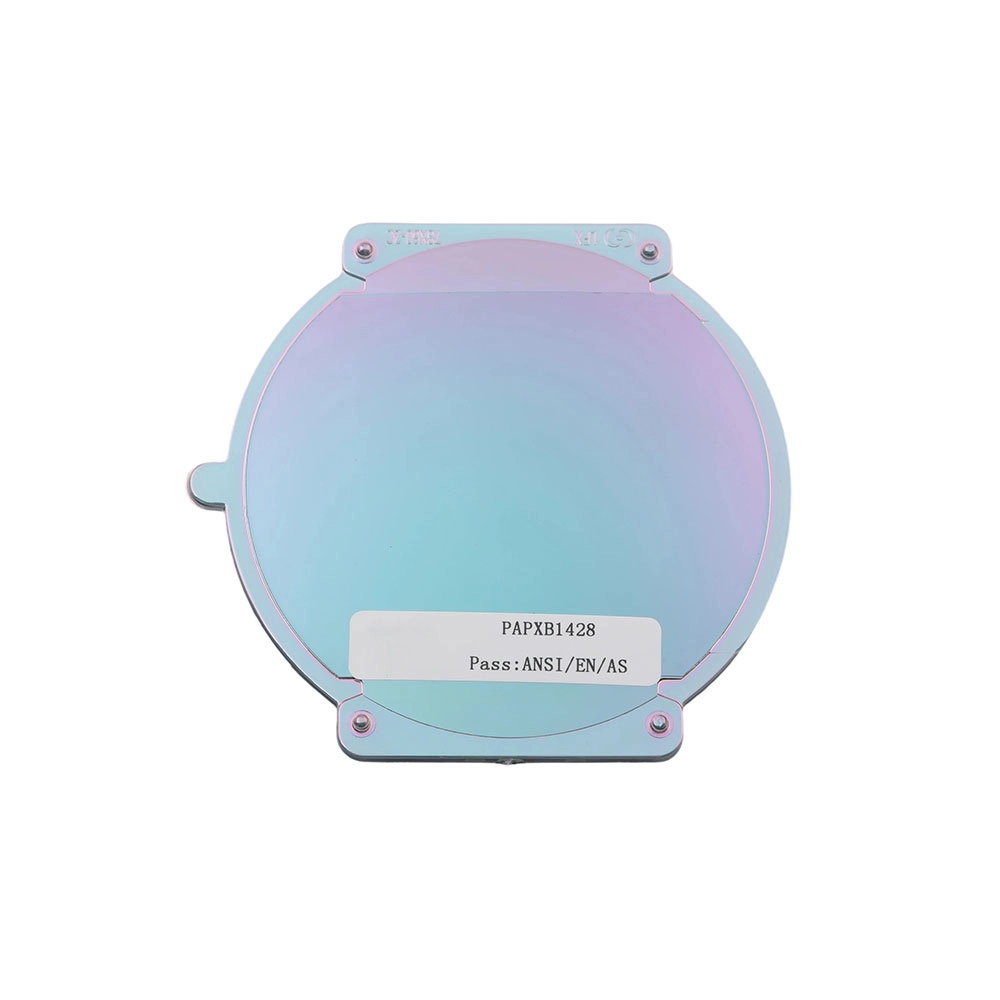
Innovative Lens Technologies: Setting Your Brand Apart in a Competitive Market
Setting a new standard in high-end lenses manufacturing, Karuson’s flagship-grade Polyamide (PA) Nylon polarized lenses seamlessly combine ultra-lightweight material with exceptional, high-toughness durability. By integrating precision polarizing technology, we have created a high-definition visual solution that excels in clarity and comfort for professional driving, outdoor adventures, and competitive sports. This innovation does more than meet expectations—it redefines the performance benchmark for professional polarized optics in the global market.
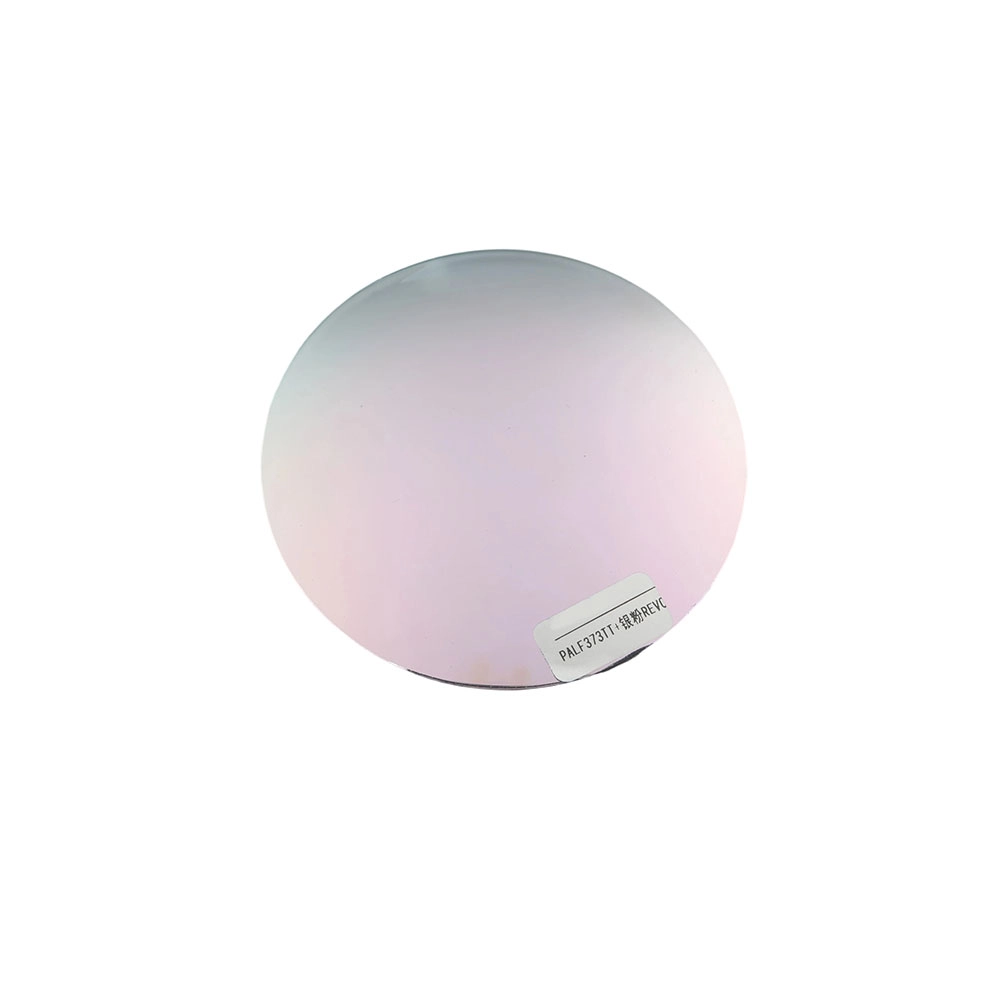
Dynamic Adaptation: Next-Gen Photochromic Lenses for Indoor & Outdoor Use
As premier eyeglass lenses manufacturers, Karuson crafts high-performance PC polarized coated lenses that seamlessly integrate lightweight, impact-resistant polycarbonate with advanced optical film technology. These lenses are engineered to achieve superior glare reduction and enhanced visual definition while offering a spectrum of stylish, customizable tints. Optimized for professional driving, outdoor sports, and urban lifestyles, our manufacturing process ensures that harmful reflections from water, roads, and snow are effectively filtered out. The result is a durable, fashion-forward visual solution that perfectly balances essential eye protection with high-end aesthetic appeal—making them the ideal choice for brands seeking to merge practicality with a modern fashion statement.
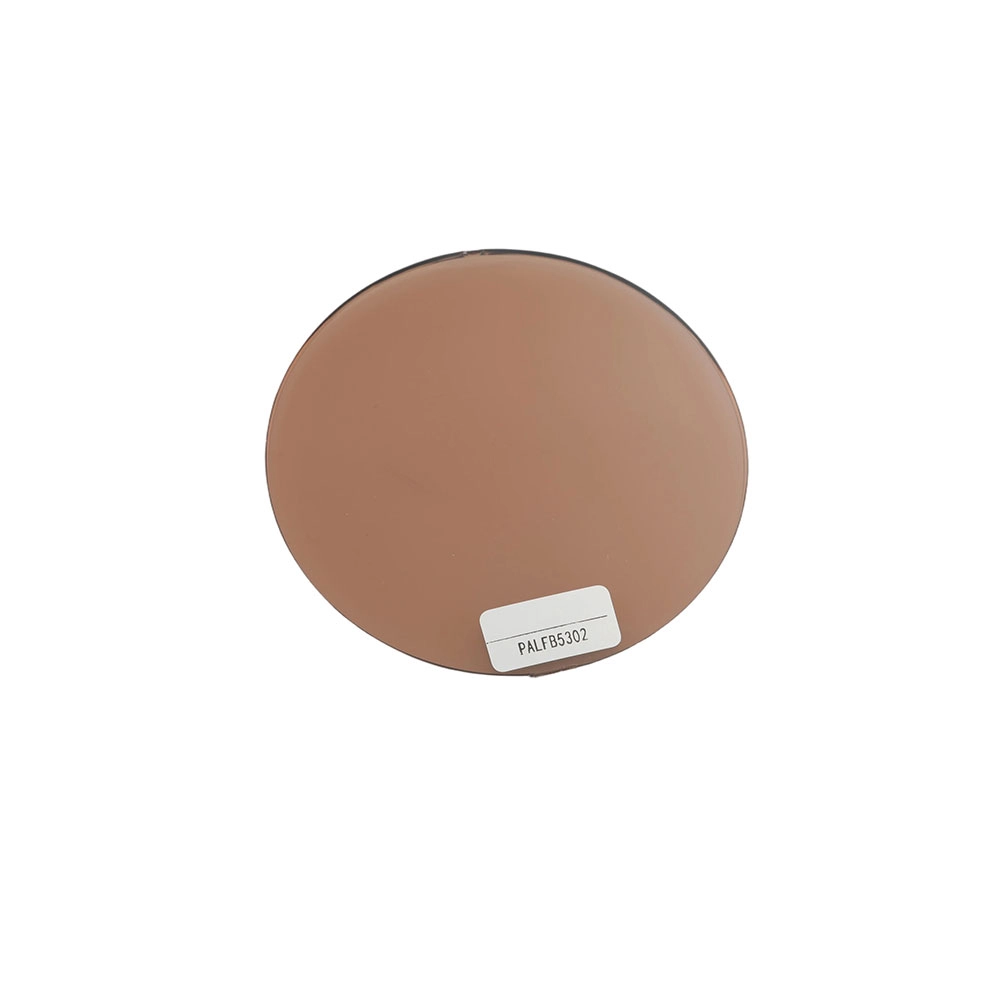
Why Quality Lenses are the Core of Your Eyewear Brand’s Reputation
As a premier high-definition glasses lenses manufacturer, Karuson crafts high-quality Polyamide (PA) Nylon Tinted Lenses that represent the perfect synergy of ultra-lightweight performance and high-toughness durability. By integrating professional-grade tinting technology with advanced material science, we offer a lens solution that delivers exceptional optical clarity alongside vibrant, fashionable color expression. Designed for both daily commutes and trendy lifestyle matching, these lenses provide a comfortable and aesthetic visual experience, serving as a high-performance fashion accessory for the modern, style-conscious consumer.
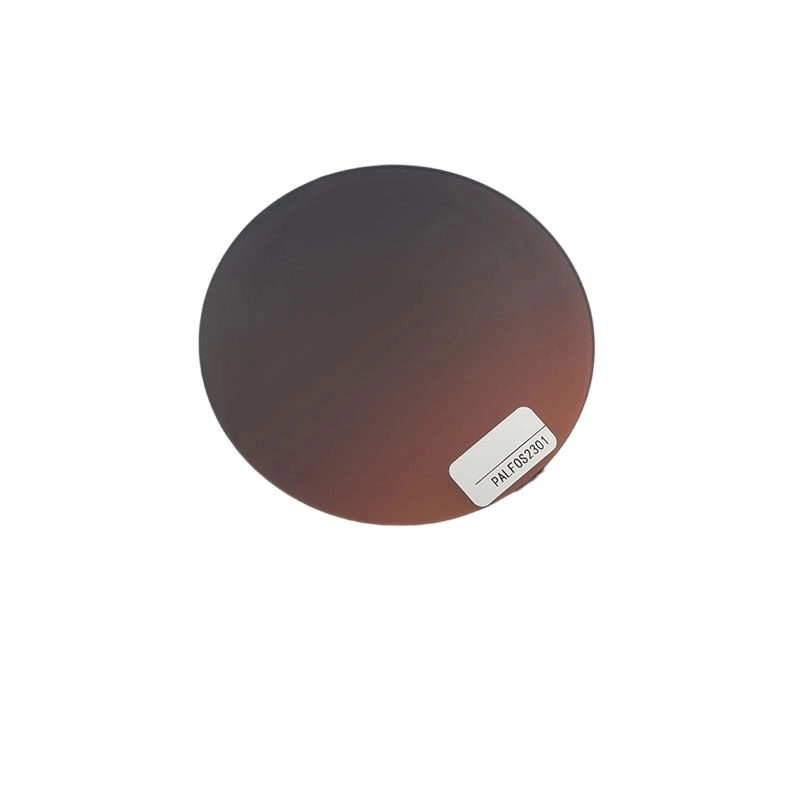
Advanced Sunglasses Solutions: Polarized Lenses with Anti-Seawater Coating
As a versatile photochromic lenses manufacturer and high-performance optics expert, Karuson crafts high-quality Polycarbonate (PC) Gradient Tinted Lenses that perfectly balance aesthetics with advanced protection. By fusing the ultra-lightweight and impact-resistant properties of PC material with precision gradient tinting technology, we deliver a durable visual solution that enhances clarity and comfort for urban lifestyles and outdoor sports. These lenses not only optimize visibility across varying light conditions by reducing glare but also offer a sleek, customizable design—allowing global brands to blend practical eye protection with a modern, fashion-forward accessory.
Get in touch with us
If you have any comments or good suggestions, please leave us a message; later our professional staff will contact you as soon as possible.
NEW DIMENSIONS IN EYEWEAR
Contact KARUSON
Email:
WhatsApp/Phone:
Address:
331 Section B, WanJia Creative Park , No. 1 BUXIA Road ,Tianhe District, Guangzhou City, Guangdong Province, China.

© 2026 KARUSON. All Rights Reserved.
Facebook
Instagram
YouTube
TikTok
Linkedin